10 Foods That Are Not Recommended For Glass Baking Dishes
Glass baking dishes are dependable for cozy casseroles and gentle, even heat. But when the heat turns extreme or swings fast, glass can protest in dramatic ways.
If you have ever wondered why a recipe warns against glass, you are about to save yourself stress, mess, and possibly a shattered pan. Here are the common trouble spots and smarter alternatives so your meals stay delicious and your bakeware stays intact.
1. Broiled meats, fish, and cheese-topped dishes
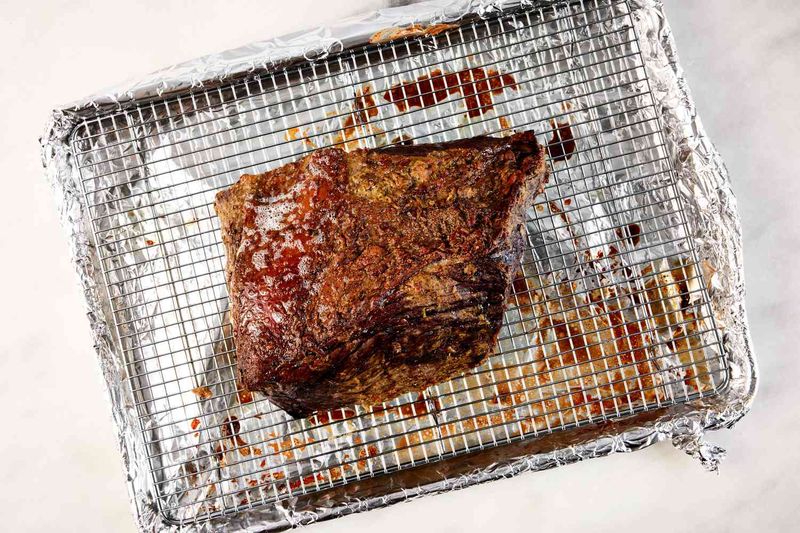
Broilers blast food with fierce top-down heat, which most glass baking dishes are not designed to handle. Under that intense, localized heat, glass can overheat unevenly and risk cracking or shattering.
You also want high, fast browning on the surface, and metal pans handle that better.
If you are broiling steaks, chicken thighs, fish, or melting cheese to finish a casserole, reach for a sturdy metal sheet pan or broiler-safe skillet. The metal tolerates rapid radiant heat and promotes better searing and caramelization.
Keep food a few inches from the element, watch closely, and line with foil for easier cleanup.
2. Pizza on a screaming-hot surface
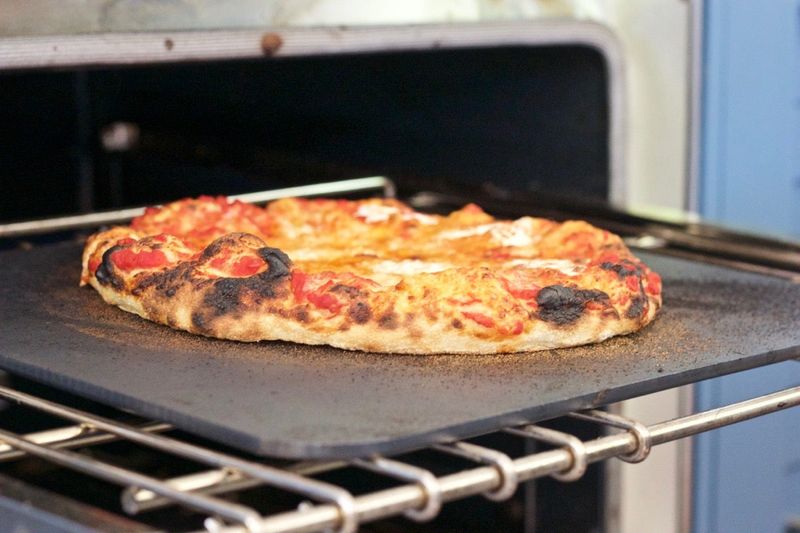
Chasing a pizzeria-style crust usually means extreme heat and a preheated surface. Glass does not like being heated empty to those temperatures, and it does not deliver the same intense bottom heat transfer that a steel or stone provides.
The result is often a softer, pale crust.
Use a pizza steel or stone for blistered bottoms and lively oven spring. Preheat it thoroughly, slide the dough on with a peel, and bake hot for quick browning.
If sauce or cheese spill, metal or stone will still fare better than glass at those temperatures. You get crisper results, safer gear, and fewer worries about thermal shock mid-bake.
3. Artisan bread needing a blazing-hot bake
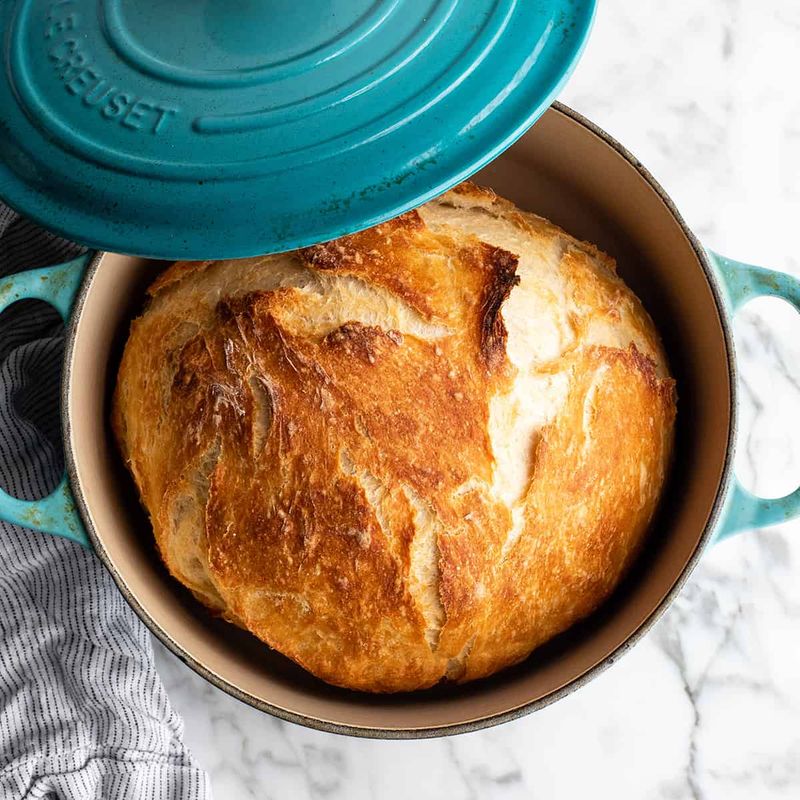
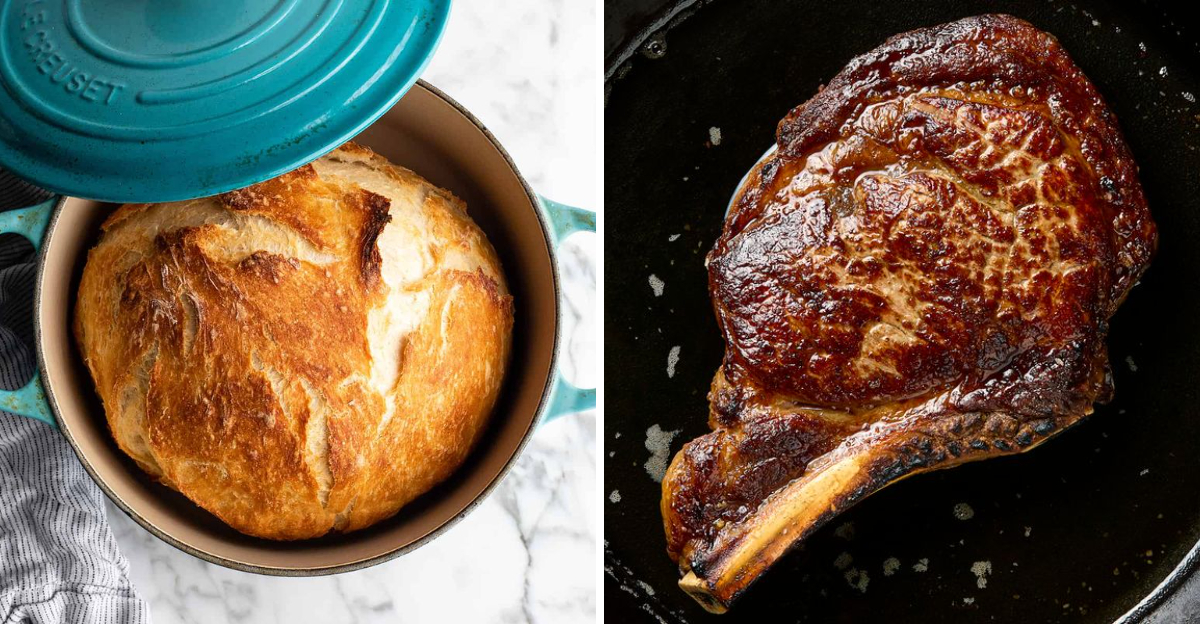
Crusty loaves crave shockingly hot environments to maximize oven spring and crust development. Preheating empty glass to those levels is risky, and glass does not trap steam or radiate heat like cast iron or steel.
Your bread may bake, but the crust and rise will often disappoint.
Instead, bake in a preheated Dutch oven or on a steel with an added steam method. The heavy vessel stores heat, supports expansion, and creates a steamy mini-oven that sets gloss and crackle.
Score confidently, load carefully, and enjoy a bold ear with that shattery crust. Your loaf’s structure, color, and flavor all improve when you skip glass for these high-heat bakes.
4. Popovers and Dutch baby pancakes in a hot pan
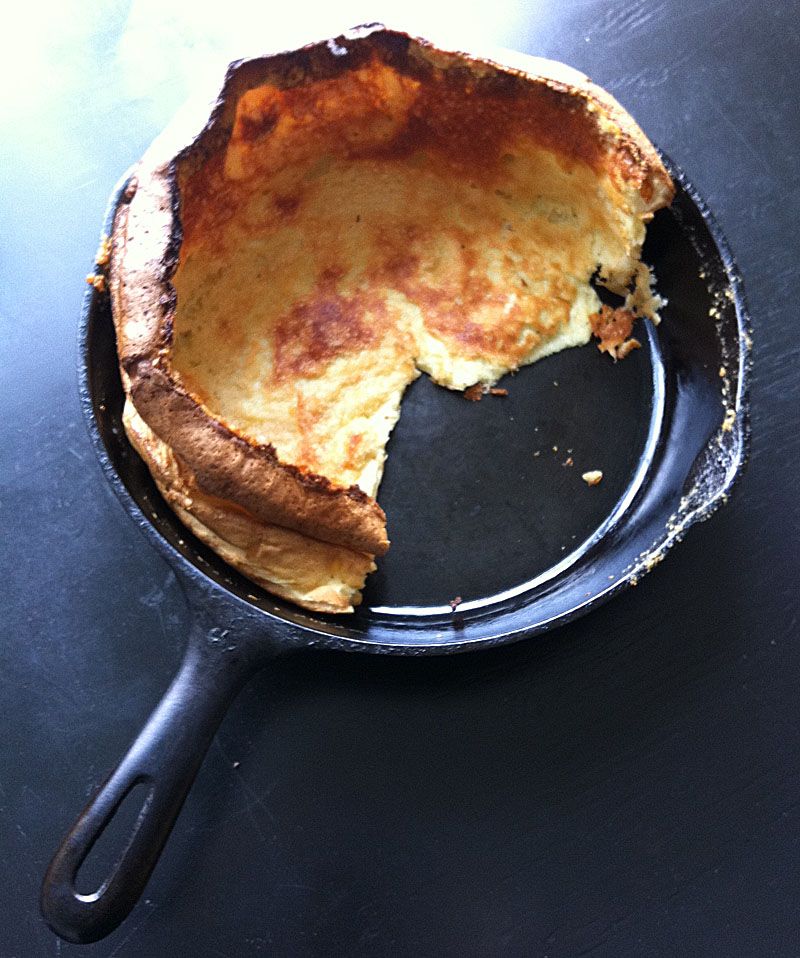
Popovers and Dutch babies depend on a ripping-hot, fat-slicked pan so batter explodes into airy heights. That sudden contact plus high heat is unfriendly to glass, which can stress and crack.
Even if it holds, glass tends to deliver gentler heat that limits that dramatic rise.
Reach for cast iron or heavy metal muffin tins for popovers. Preheat the pan, add butter or oil, and pour immediately to harness steam power.
You will get taller sides, crisper edges, and fewer worries about thermal shock. Keep the oven door closed to maintain heat, and resist peeking until set.
Cast iron’s responsiveness makes the showstopper happen reliably without risking your bakeware.
5. Toffee, brittle, caramel, or oven candy-making
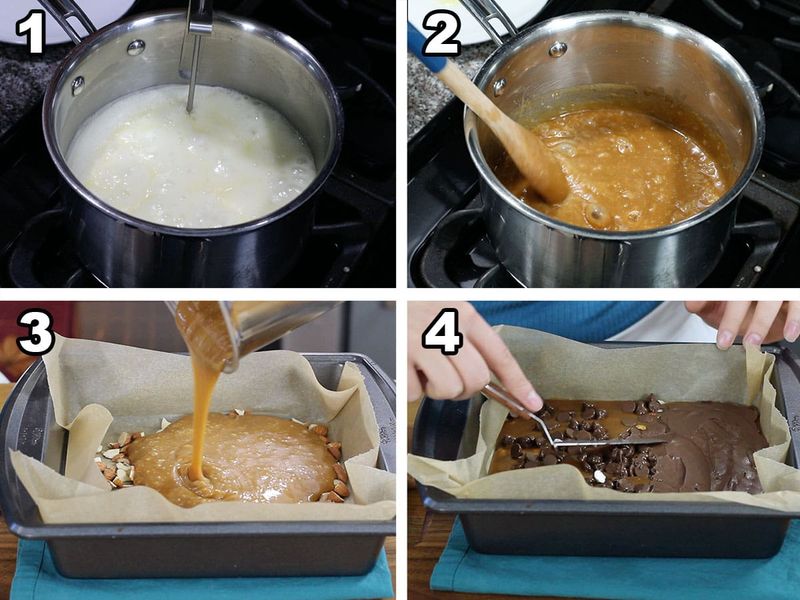
Sugar is relentless. When it climbs past soft crack into hard crack, the temperatures get punishing and unforgiving.
Glass can run hot at the edges and hold heat too long, making scorching, uneven cooking, or even cracking likelier. Cleanup becomes a sticky battle in tight corners.
Use a heavy stainless pot on the stovetop, then pour onto a silicone-mat-lined metal sheet for cooling. You get even heating, reliable readings, and safer handling.
A good thermometer and patient control beat guesswork every time. For brittles and toffees, precise temperature control matters more than transparency.
Skip glass for this job and you will land shiny, snappy candy without drama, crystallization surprises, or scorched sugar smell lingering in your kitchen.
6. High-sugar glazes that burn fast
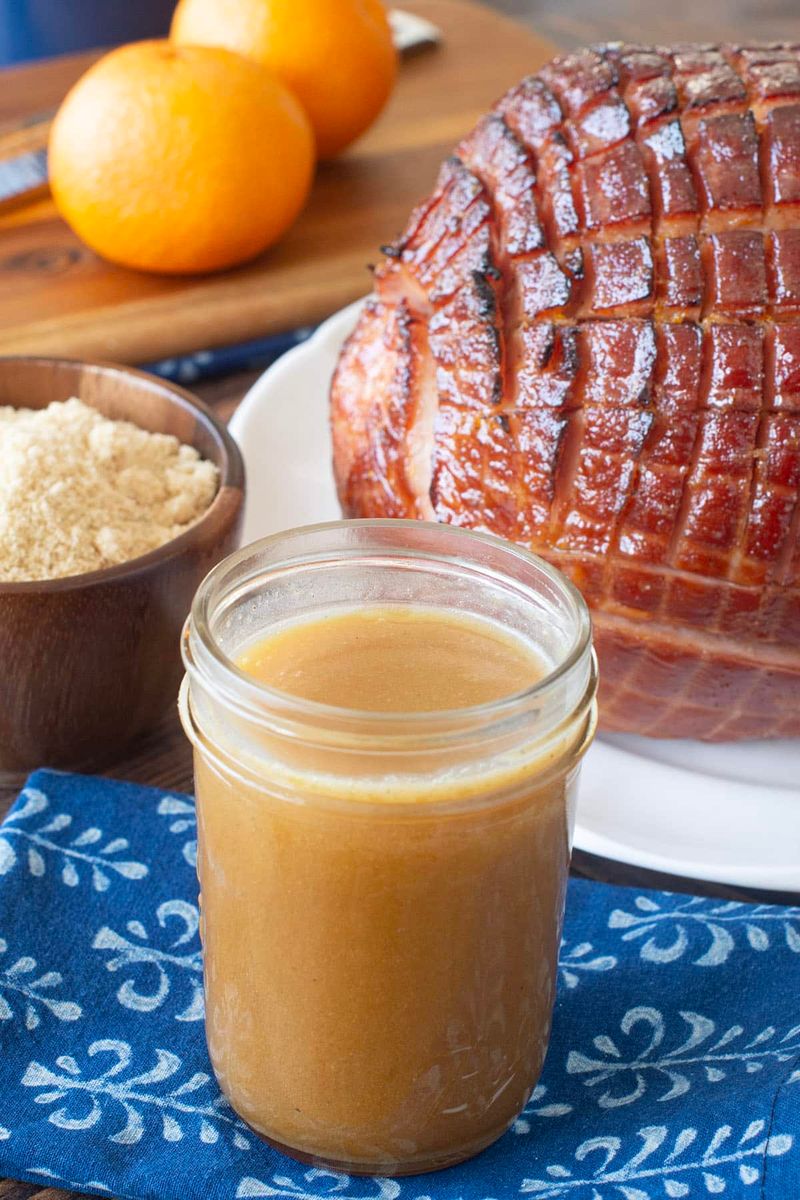
Sticky glazes like honey barbecue, maple mustard, or teriyaki can burn in a blink. Glass heats steadily and can trap hot spots at the edges, where sugars darken into bitterness before the meat finishes.
Once baked on, that lacquer clings stubbornly and scrubs hard on glass.
Opt for a rimmed metal sheet or broiler-safe pan lined with foil. You will still get glossy caramelization, but with faster heat response and easier cleanup.
Rotate once for even color and baste judiciously to avoid pools that scorch. If drippings concentrate, deglaze the metal pan after resting for a flavorful glaze.
Your glaze stays shiny and balanced, and your bakeware avoids baked-on sugar cement.
7. Dishes that need a hard sear before baking
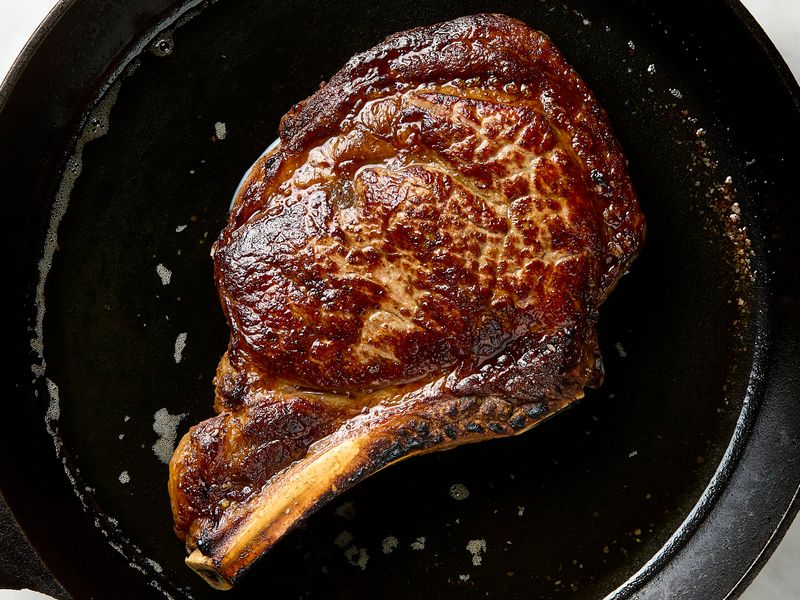
Some casseroles and braises shine only after a fierce stovetop sear that builds fond and flavor. Glass cannot handle direct burner heat, so you lose that caramelized base if you start in it.
Skipping sear equals flatter flavor and paler, softer textures.
Use a stainless or cast iron skillet to sear, then transfer to the oven in the same pan or move to a metal roasting dish. Deglaze with wine or stock to capture every browned bit.
This approach layers savory depth and ensures better browning throughout. You keep convenience while delivering restaurant-level results.
Glass remains useful for gentle bakes, but for sear-then-roast workflows, metal wins on safety and superior Maillard magic.
8. Adding cold liquid to a hot pan
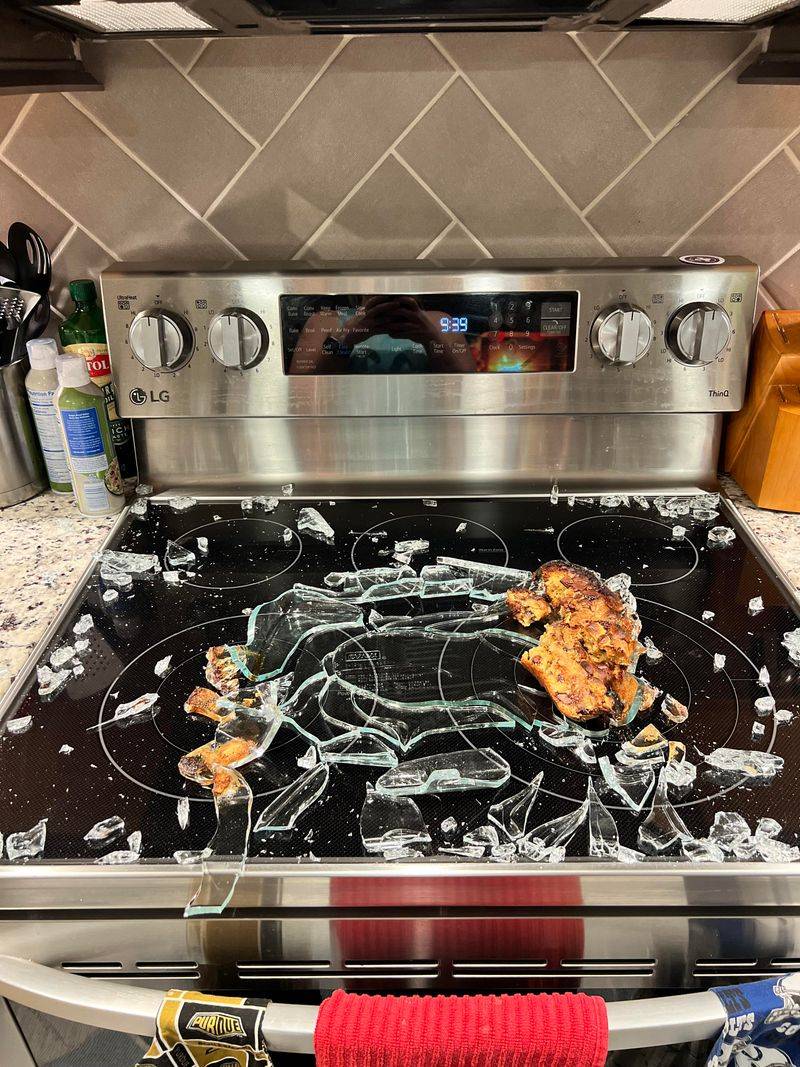
Thermal shock is a top reason glass fails. Pouring cold wine, broth, or sauce into a hot glass dish can create a violent temperature difference that cracks or shatters it.
Even tempered glass has limits when drastic swings hit suddenly.
Instead, make pan sauces in a metal roasting pan or transfer drippings to a saucepan. Warm your liquid, then deglaze over moderate heat while scraping the fond.
This method is safer, faster, and yields a smoother sauce. If your roast baked in glass, pour drippings into a pot before deglazing.
Keep tools consistent with heat demands and you preserve both your sauce and your cookware.
9. Frozen foods dumped into a hot glass dish
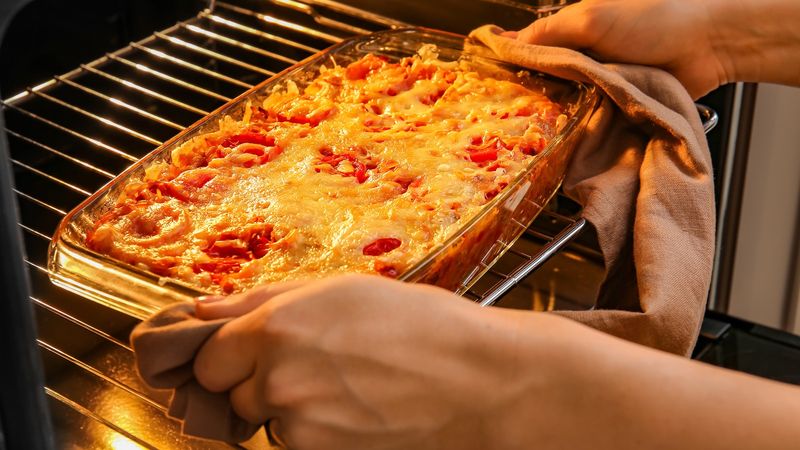
Putting frozen lasagna, fries, or chicken straight into a preheated glass dish sets up a severe temperature clash. The glass bottom may be blazing while the food is icy, stressing the material.
Cracks can form instantly, and the mess is not worth the gamble.
Use room-temperature or gently warmed bakeware, or choose metal when baking from frozen. Preheat the oven, not the pan, and leave space for airflow.
If directions require a hot surface, pick a steel or cast iron that shrugs off rapid changes. You will still get crisping without risking a catastrophic pop.
Avoiding shock keeps dinner on track and your cookware intact for the next recipe.
10. Frequent in-and-out temperature changes
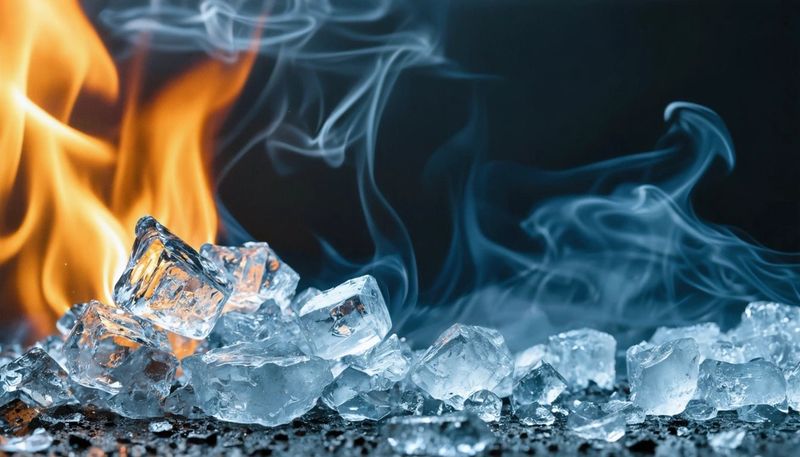
Recipes that have you pull a dish out, add cool ingredients, then pop it back in create temperature whiplash. Glass prefers steady, even heat, not cycling shocks.
Repeating those swings weakens the material and increases the chance of sudden failure.
Choose metal for workflows that demand frequent handling. It heats and cools faster, tolerating changes with fewer risks.
Keep ingredients closer to room temperature, work quickly, and rotate the pan for even cooking. If using glass for gentler bakes, limit interruptions and let the oven do its steady work.
Consistency protects both your food’s texture and your bakeware’s lifespan, sparing you from mid-recipe surprises.