10 Fruits That Dominate Global Harvests
Some fruits are so common that it is easy to forget just how massive their harvests really are. When you look at global production, a few familiar names rise far above the rest and reveal how the world’s farms actually feed everyday demand.
The list is full of surprises, from staple crops to juicy seasonal favorites. If you have ever wondered which fruits truly rule agriculture by sheer volume, you are about to see the heavy hitters.
1. Bananas
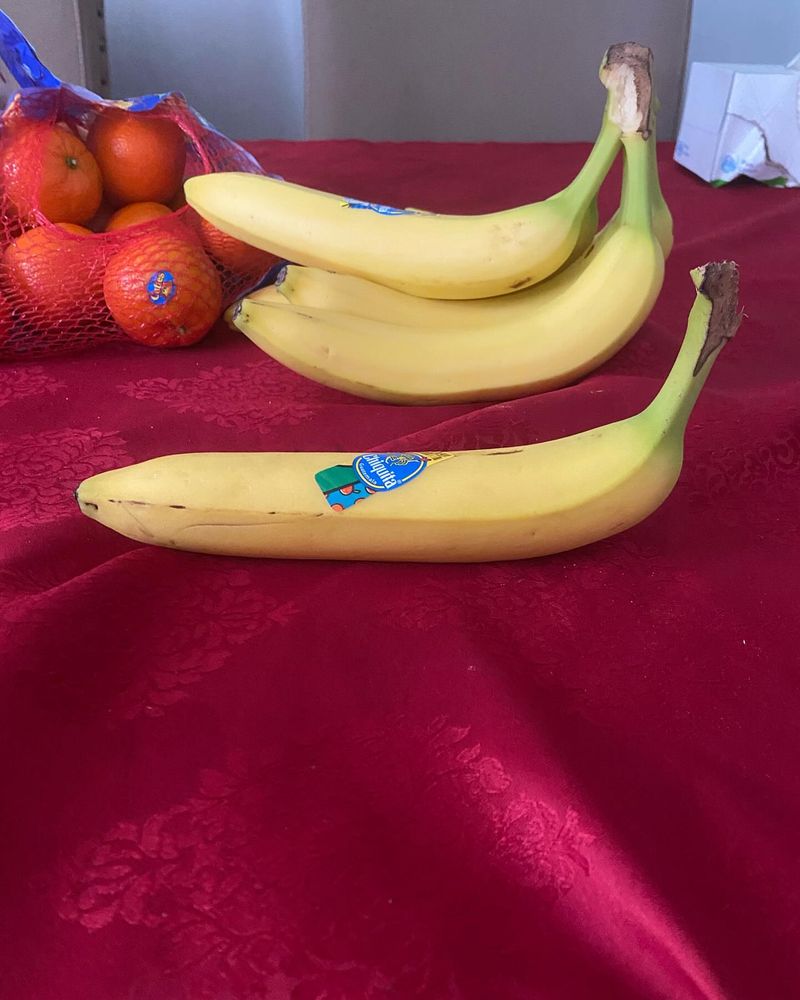
If you want one fruit that truly defines global scale, bananas are it. They grow across tropical regions year round, move efficiently through export networks, and show up in lunch boxes, street markets, and household kitchens everywhere.
What makes bananas especially powerful is their double role. You get a familiar supermarket fruit in some places, while in others they are a daily staple that supports food security and farm income.
That mix of convenience, constant demand, and huge production area keeps bananas firmly at the top of worldwide harvests. Few fruits match their reliable yields or universal consumer recognition.
2. Watermelons
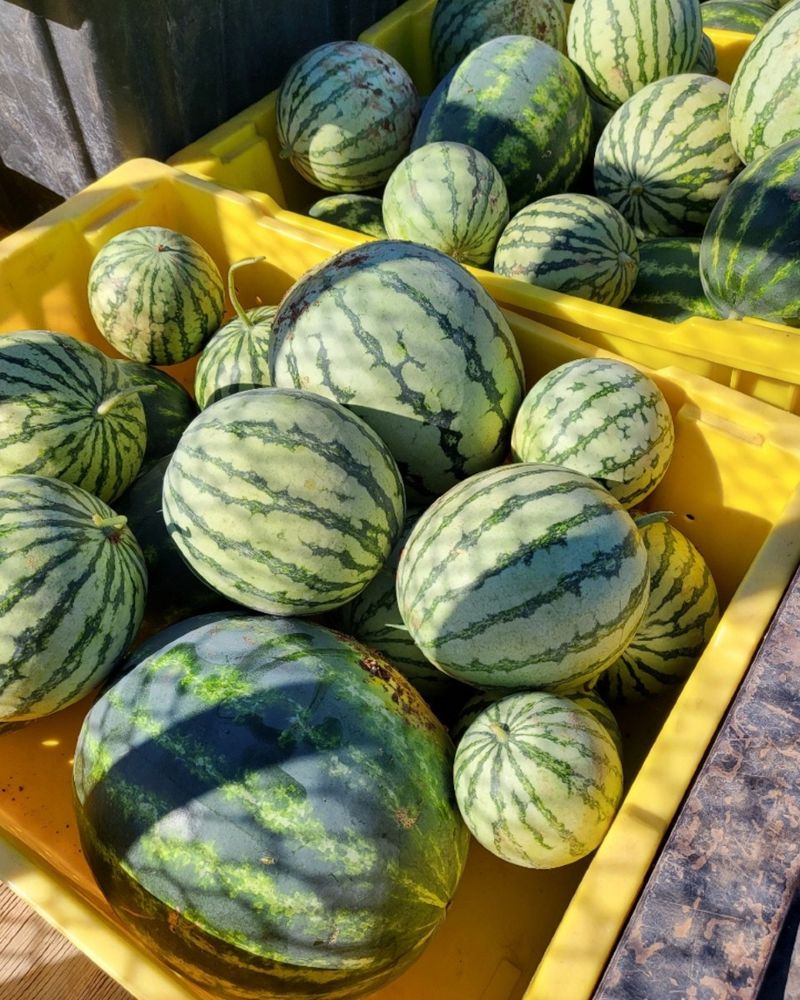
Watermelons can seem like an unlikely giant until you remember how much each fruit weighs. Their enormous size boosts total tonnage fast, and that helps explain why they rank so high in global harvest statistics.
You see especially strong production in countries with huge domestic fresh-fruit markets and warm growing seasons. Watermelons are popular at home, sold widely in local markets, and tied to summer eating traditions that never really go out of style.
When massive fruit meets massive demand, the harvest numbers add up quickly, making watermelons one of agriculture’s most surprising heavyweights across continents every single year worldwide today.
3. Apples
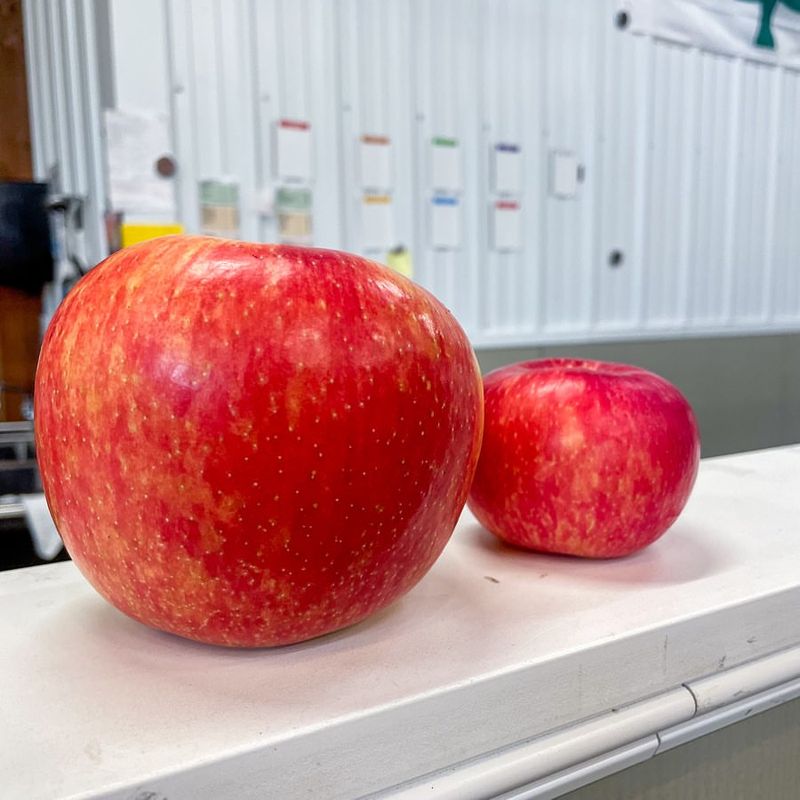
Apples stay near the top because they do almost everything well. They store for long periods, travel without much trouble, and slide easily into fresh snacking, baking, sauce, juice, and countless processed foods.
If you shop almost anywhere, apples feel dependable, and that matters in agriculture. Growers across Europe, Asia, and the Americas keep planting them because consumers know them, retailers trust them, and supply chains can handle them efficiently.
Their flexibility gives apples a reach that many fruits never achieve, which is why global harvest figures keep them among the biggest players year after year.
4. Oranges
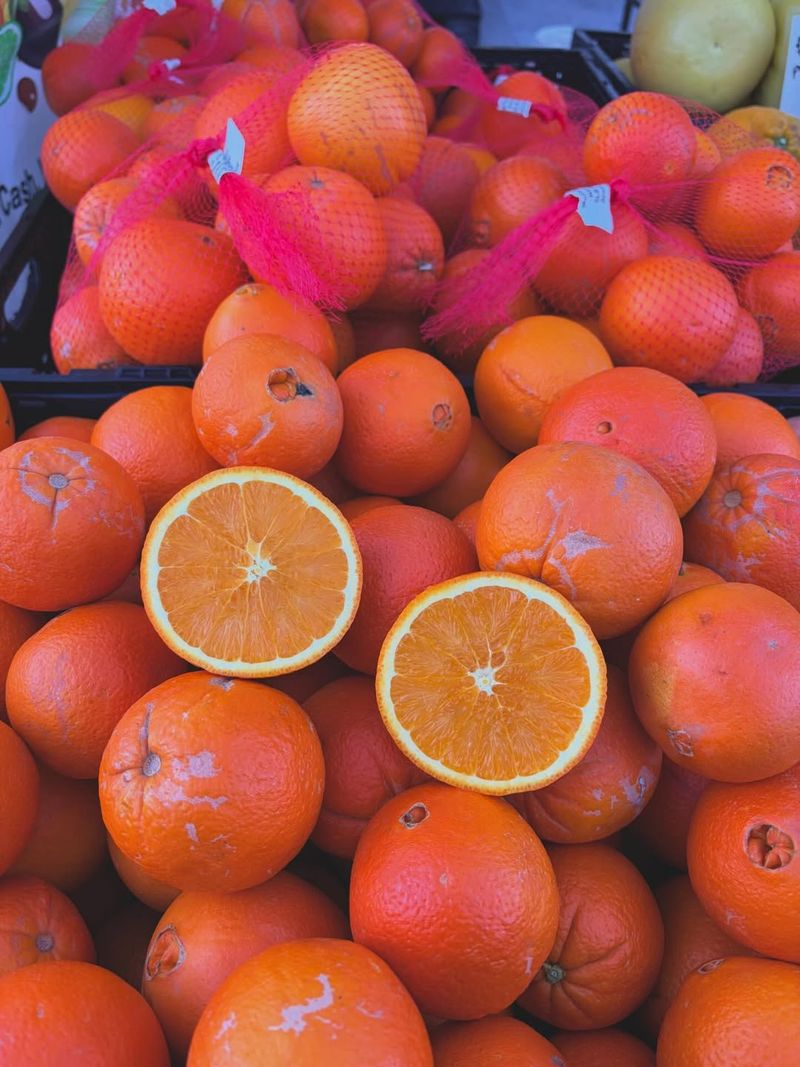
Oranges hold a huge place in world agriculture because they serve more than one giant market. You can eat them fresh, squeeze them for juice, or send them into large processing systems that keep demand high across seasons.
That commercial versatility is a big reason growers continue producing oranges at scale in major citrus regions. They are familiar, widely traded, and supported by industries that can use enormous volumes efficiently.
When a fruit works for breakfast tables, beverage companies, and export businesses all at once, it earns a harvest footprint that is hard for most competitors to match worldwide.
5. Grapes
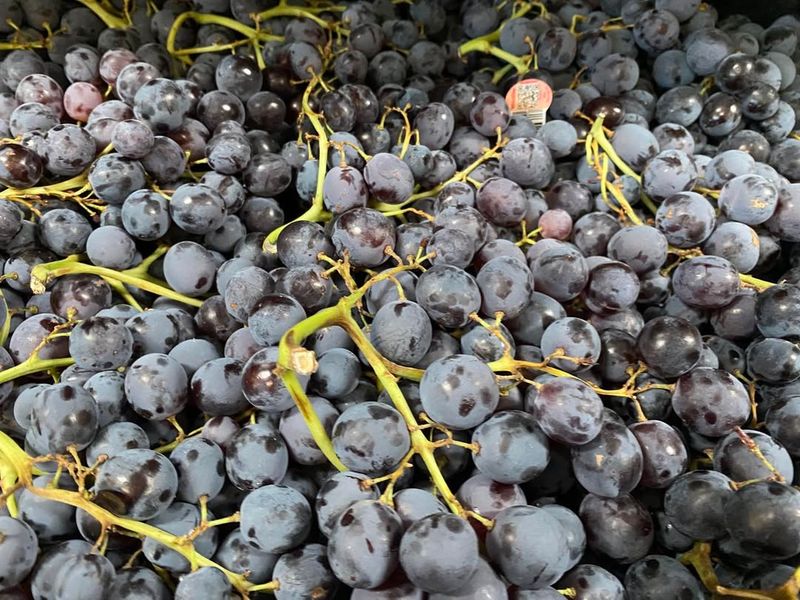
Grapes are bigger than they first appear because they feed several major industries at once. You see them as table grapes in produce aisles, but they also become raisins, juice, and especially wine, which expands their agricultural importance dramatically.
That multiuse identity gives grapes a footprint many fruits cannot touch. Vineyards in Europe, Asia, the Americas, Africa, and Oceania keep production broad, while processors and fresh markets absorb huge amounts every year.
When one crop can satisfy snackers, wineries, and food manufacturers together, the result is a global harvest total that stays impressively high and commercially influential.
6. Mangoes, Guavas, And Mangosteens
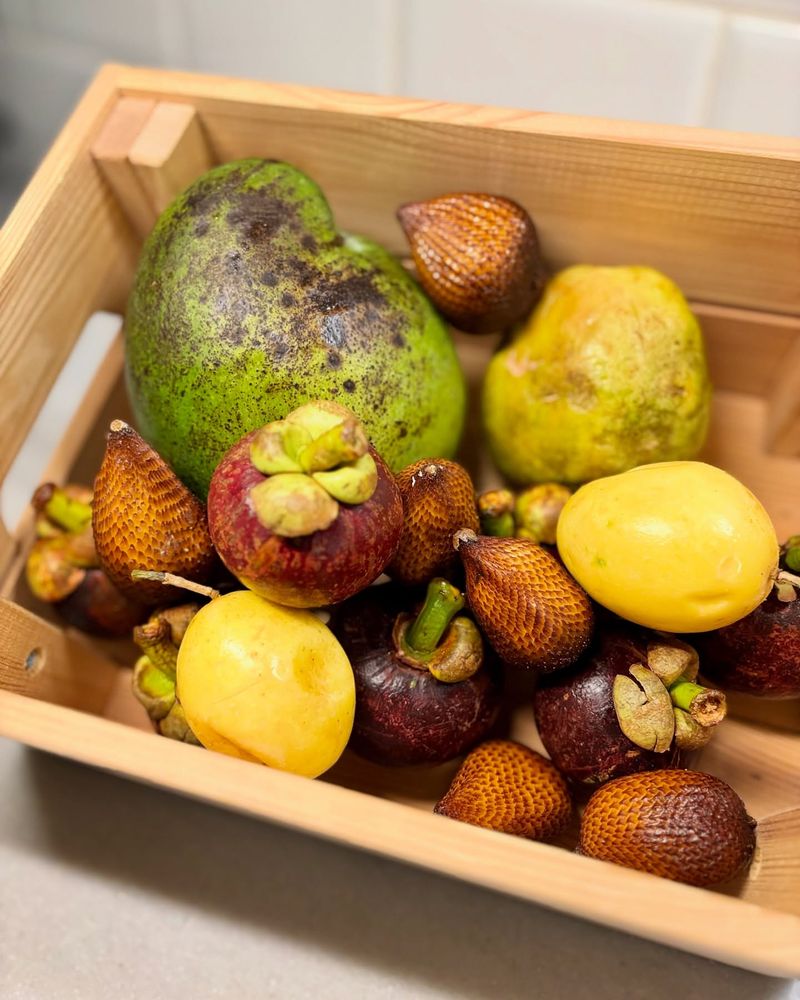
Mangoes, guavas, and mangosteens are often grouped together in global statistics, and that combined category is enormous. Mangoes do most of the visible heavy lifting, but the grouped total still captures a broad tropical fruit economy with serious scale.
If you look beyond supermarket habits, you can see why this category ranks so high. These fruits are grown across warm regions, consumed fresh in large domestic markets, and increasingly traded internationally as demand rises.
Their popularity, cultural importance, and expanding production base make this grouped harvest one of the biggest tropical forces in the world.
7. Tangerines, Mandarins, And Clementines
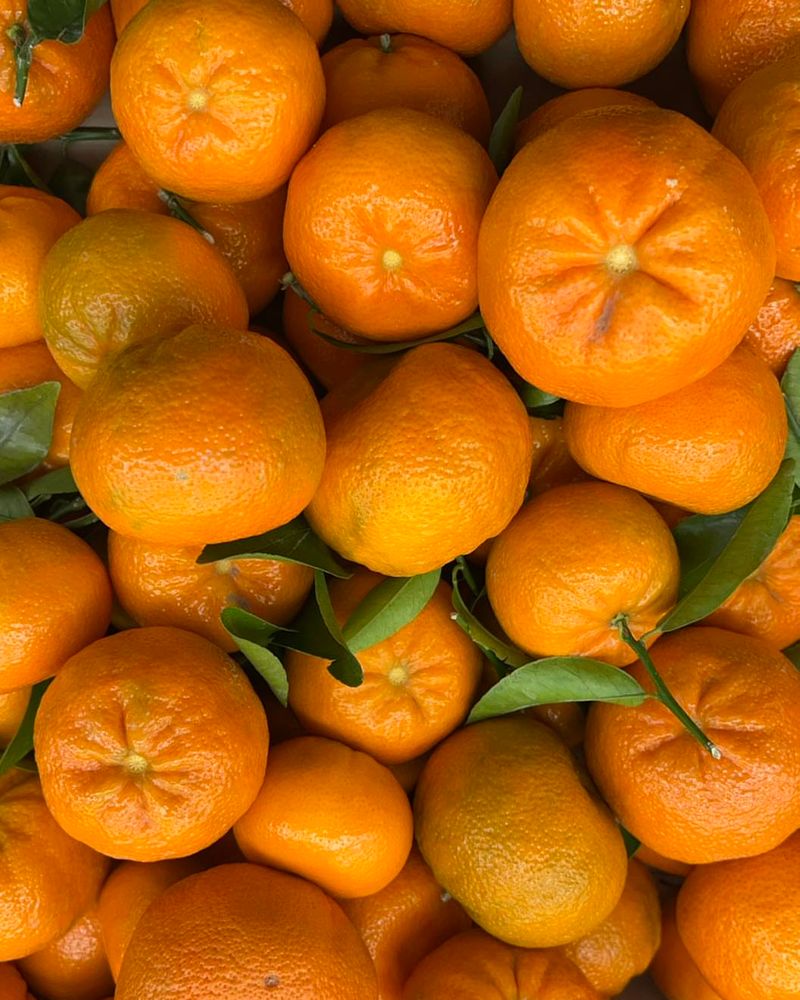
Tangerines, mandarins, and clementines have become global favorites because they are easy to peel, sweet, and convenient to eat. That convenience matters more than you might think, especially when families want portable fruit and retailers want reliable demand.
This citrus group also benefits from strong production in major growing countries and solid export appeal. They move well through markets, fit modern snacking habits, and attract repeat buyers who like their manageable size.
When ease, flavor, and large-scale cultivation come together, these small citrus fruits build surprisingly big harvest numbers across the world year after year.
8. Plantains And Cooking Bananas
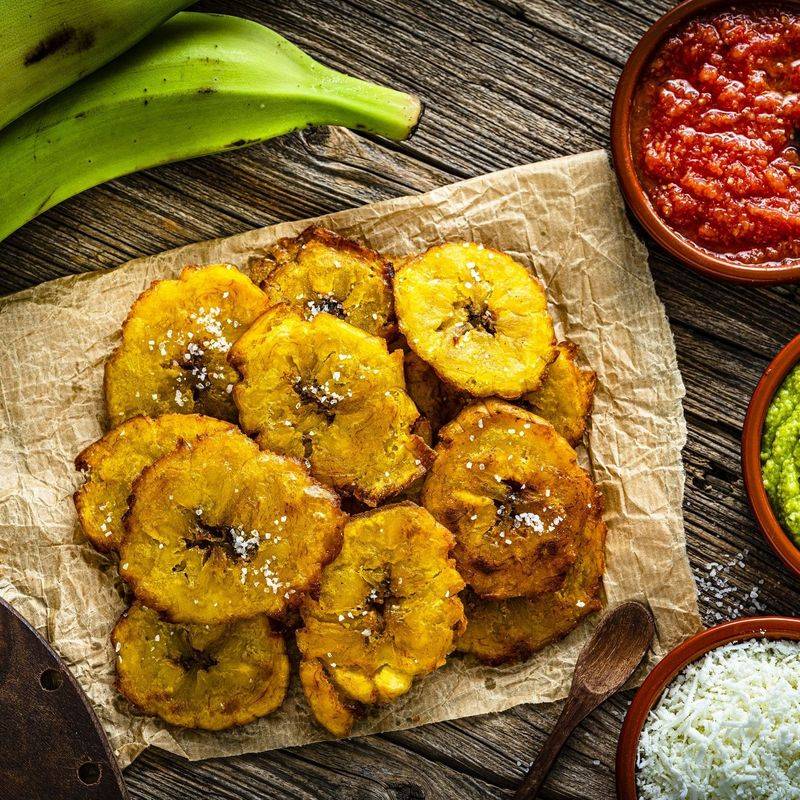
Plantains and cooking bananas matter on a scale that many casual fruit rankings overlook. In much of Africa, Latin America, the Caribbean, and parts of Asia, they are not just snacks.
They are filling everyday foods that show up boiled, fried, baked, mashed, and served with countless meals.
That staple role helps explain their huge harvest volumes. When a crop feeds households regularly instead of occasionally, farmers plant more of it and local markets absorb enormous quantities.
Plantains may get less global attention than dessert bananas, but their importance in daily diets makes them one of the world’s truly heavyweight fruit crops.
9. Pineapples
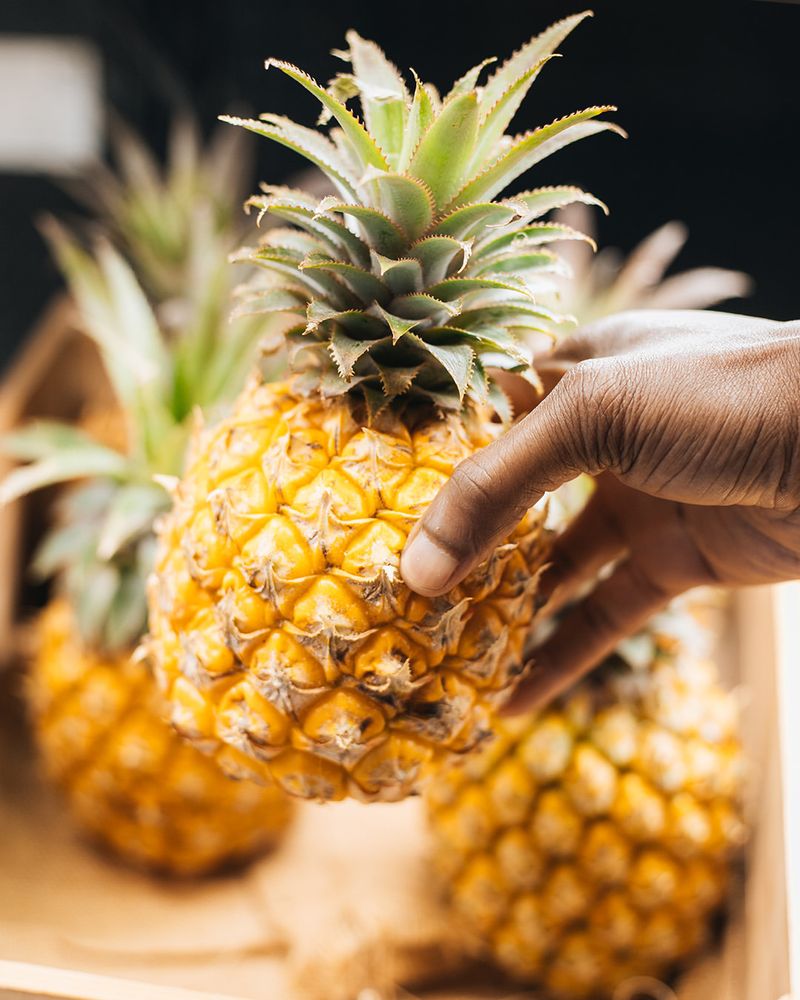
Pineapples do not sit at the very top of global fruit production, but they still rank among the major harvested crops. Their importance comes from a valuable split between fresh sales and processing, which gives growers more than one strong outlet.
You see pineapples in produce sections, canned fruit aisles, juice lines, and food service menus, and that diversity supports large plantations in tropical regions. The fruit is distinctive, widely recognized, and tied to steady international demand.
Even without matching banana-scale volumes, pineapples earn a place among the world’s biggest harvested fruits because they perform so well across both local and export markets.
10. Pears
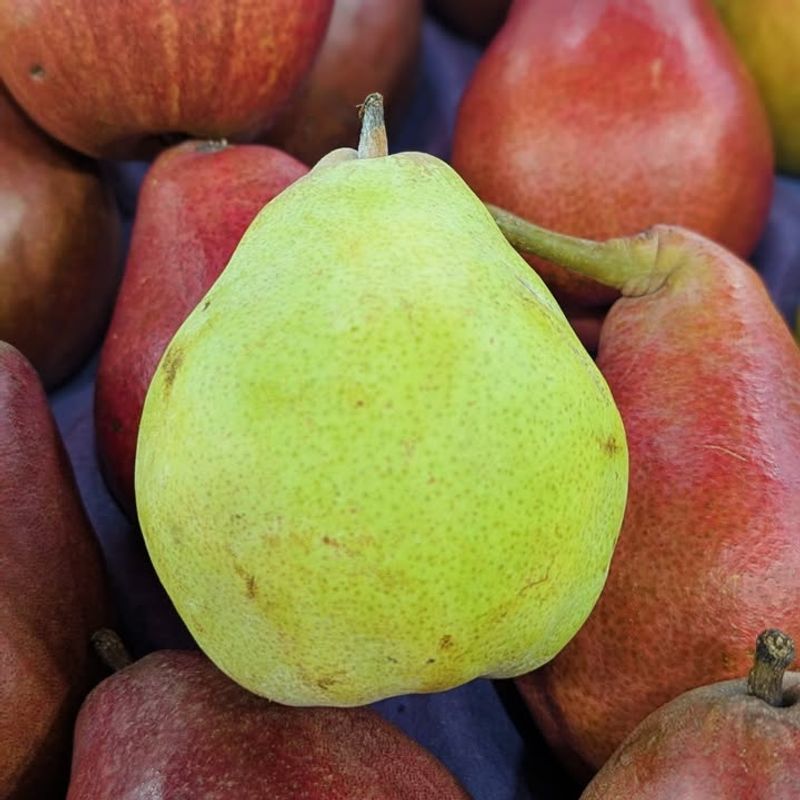
Pears often live in apples’ shadow, but global production tells a bigger story. They have been cultivated for centuries, remain important in major producing countries, and fit comfortably into fresh eating, canning, drying, and other processed uses.
What keeps pears relevant is their steady appeal and established growing base. Consumers know them, orchards continue to produce them at scale, and markets can use them in several forms without much trouble.
They may not always dominate conversation, but when you look at harvest volume rather than hype, pears clearly belong in the top tier of globally grown fruits.