
10 Fruits Where Peeling Isn’t Always Needed
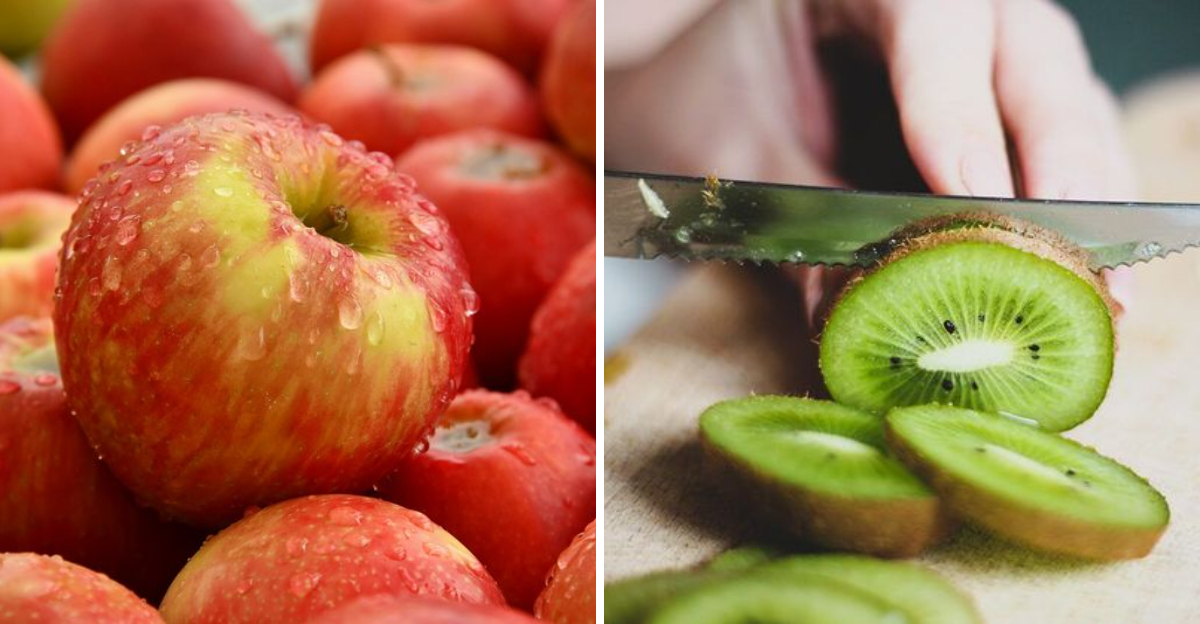
Most of us automatically peel certain fruits out of habit, but you might be tossing away some serious nutrition without realizing it. Many fruit skins are packed with fiber, vitamins, and antioxidants that your body actually needs.
Skipping the peeler can save time, reduce waste, and boost your health all at once. Here are ten fruits where keeping the skin on is not just okay — it’s actually a smart choice.
1. Apples
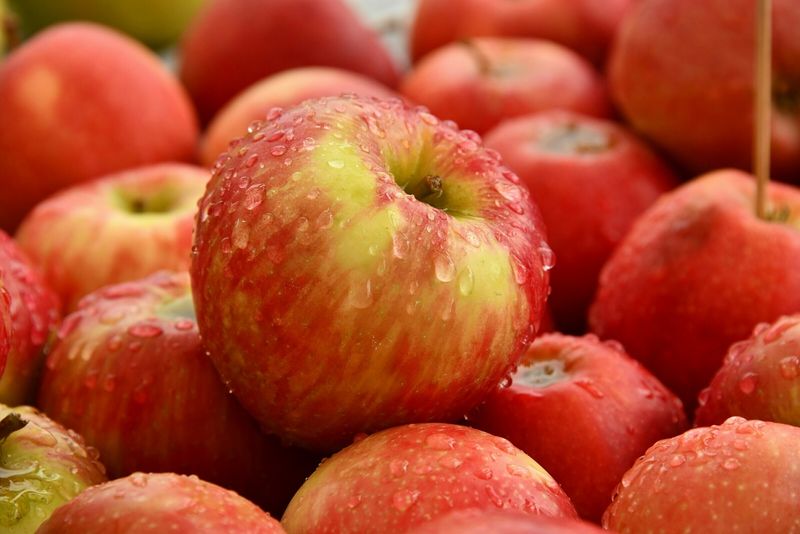
Crunching into an apple without peeling it first is one of the easiest nutrition upgrades you can make. Apple skins are loaded with quercetin, a powerful antioxidant, plus a solid dose of vitamin C and dietary fiber.
Most of that fiber actually lives in the skin, not the flesh.
Washing your apple thoroughly before eating it is all you really need to do. Go ahead and bite right in — your gut will thank you.
2. Pears
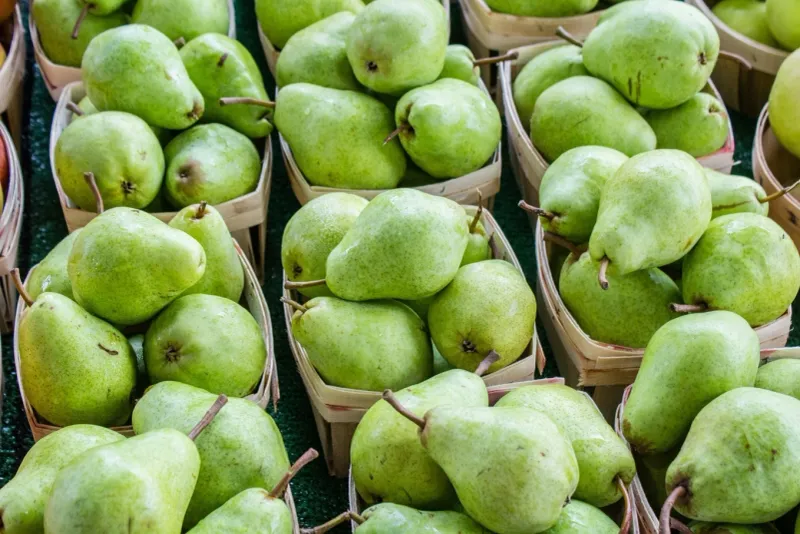
Pears have a subtle, slightly gritty skin that many people peel off without thinking twice — but that’s where a surprising amount of goodness hides. The skin contains polyphenols, lutein, and anthocyanins, especially in red-skinned varieties.
Eating a pear unpeeled can give you noticeably more fiber than peeling one.
Green pears carry lutein and zeaxanthin, nutrients that support eye health. Next time, just rinse and eat the whole thing without a second thought.
3. Plums
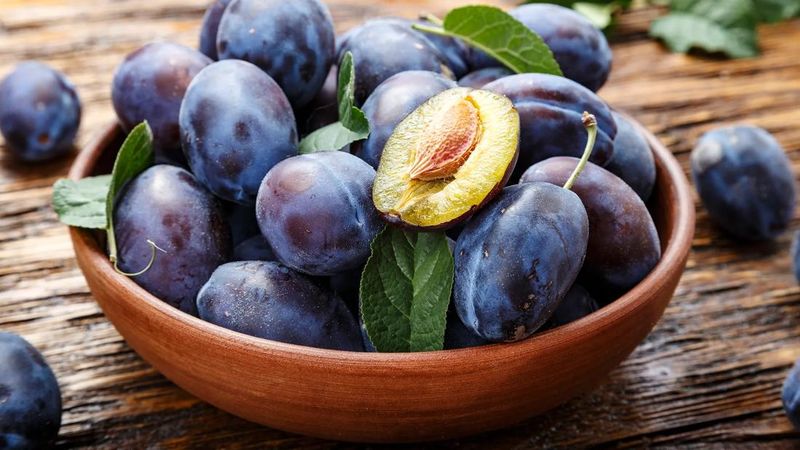
There’s a reason plum skin has that bold, slightly tart punch — it’s packed with polyphenols, plant compounds that act as antioxidants in your body. The skin also delivers a healthy dose of fiber that the soft, sweet flesh alone just can’t match.
Some people find the tartness surprising at first, but it grows on you fast.
Plum skins are thin enough to eat comfortably without any prep. Just wash and enjoy them whole for the full nutritional package.
4. Apricots
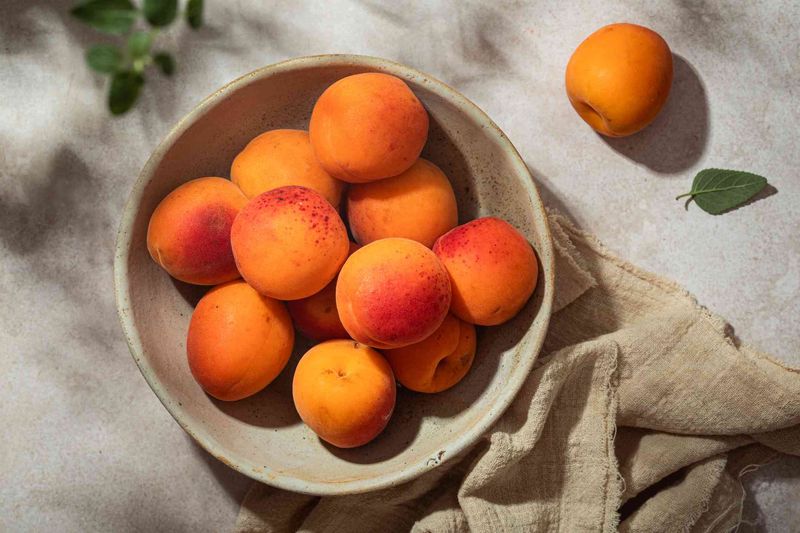
Apricots are one of those fruits where the skin is so thin and tender that peeling them feels almost unnecessary — because it truly is. The fuzzy exterior holds vitamins A and C, fiber, and antioxidants that work alongside the sweet flesh inside.
Eating the whole fruit means you’re getting a more complete nutritional boost.
Fresh apricots are best enjoyed raw, skin and all, after a quick rinse. Their delicate skin adds a pleasant slight chew to every bite.
5. Peaches
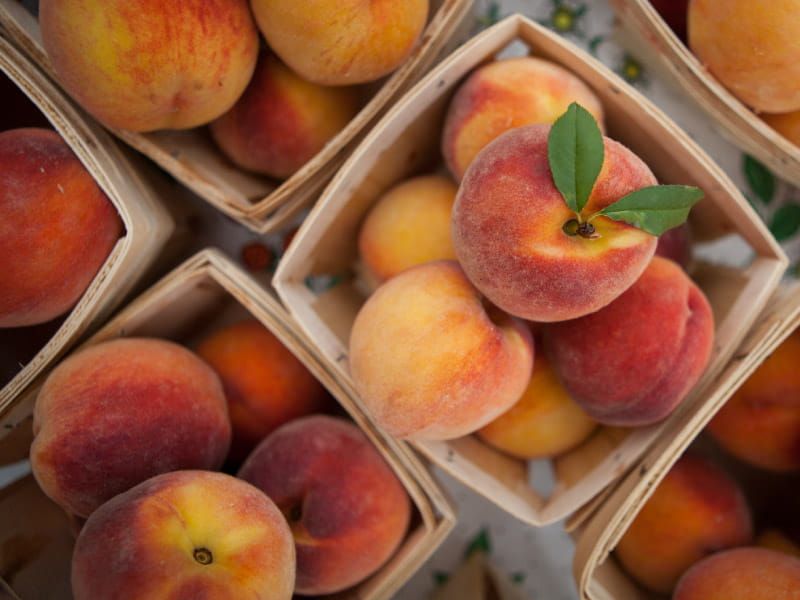
That fuzzy peach skin might feel a little odd at first, but it’s actually higher in fiber and certain antioxidants than the flesh underneath. Vitamins A and C are both present in the skin, making it worth keeping on when you snack.
Some people with sensitive stomachs may find the fuzz irritating, but most handle it just fine.
A good rinse under cool water helps reduce the fuzz feel significantly. Try biting into a whole peach on a warm day — it’s the ultimate summer experience.
6. Kiwi
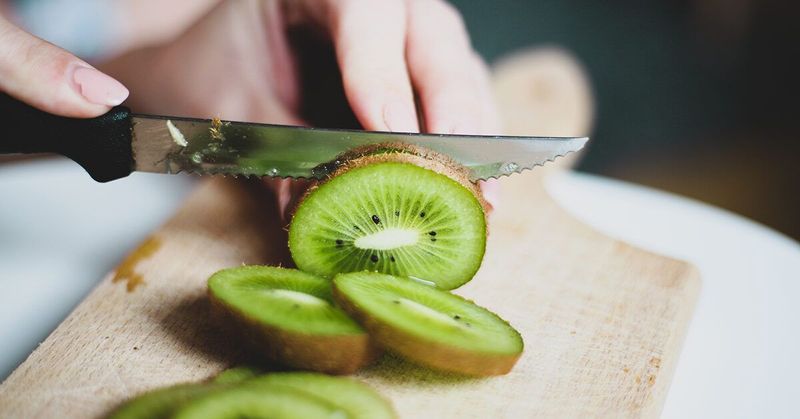
Kiwi skin might look uninviting with its fuzzy brown exterior, but it’s 100% edible and surprisingly nutritious. Eating the skin bumps up your intake of fiber, folate, vitamin E, and antioxidants compared to eating just the flesh.
Both green kiwis and golden SunGold varieties have safe, edible skins.
The flavor is slightly tart and earthy, which pairs well with the sweet interior. Try biting into a kiwi like an apple — it sounds weird, but it actually works really well.
7. Grapes
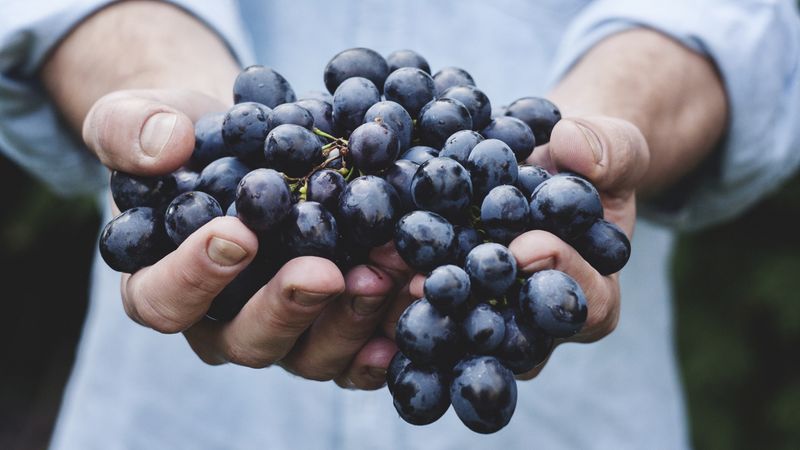
Grape skins are tiny but mighty. They contain resveratrol, a well-known antioxidant linked to heart health, along with vitamins, minerals, and dietary fiber.
The skin is also what gives red and purple grapes their deep, rich color — a sign of powerful plant compounds called flavonoids.
Always wash grapes thoroughly before eating, since pesticide residue can cling to the skin. Once rinsed, pop them in your mouth whole — there’s really no reason to peel them at all.
8. Figs
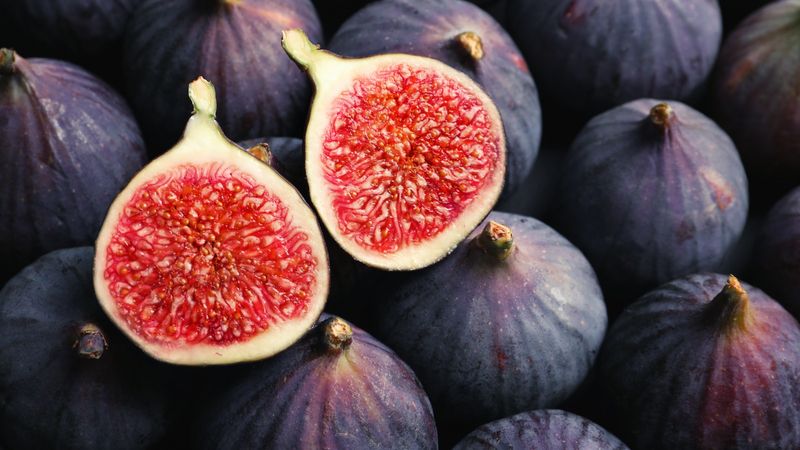
Figs have a uniquely soft, chewy skin that becomes part of the whole eating experience rather than something to discard. Early-season figs tend to have thinner, more tender skins that are especially pleasant to eat raw.
The seeds inside are also edible, so the best way to enjoy a fig is simply whole — stem removed, everything else intact.
Wash them gently before eating since figs bruise easily. Their natural sweetness and jam-like texture make them a genuinely special treat straight from the fruit bowl.
9. Berries
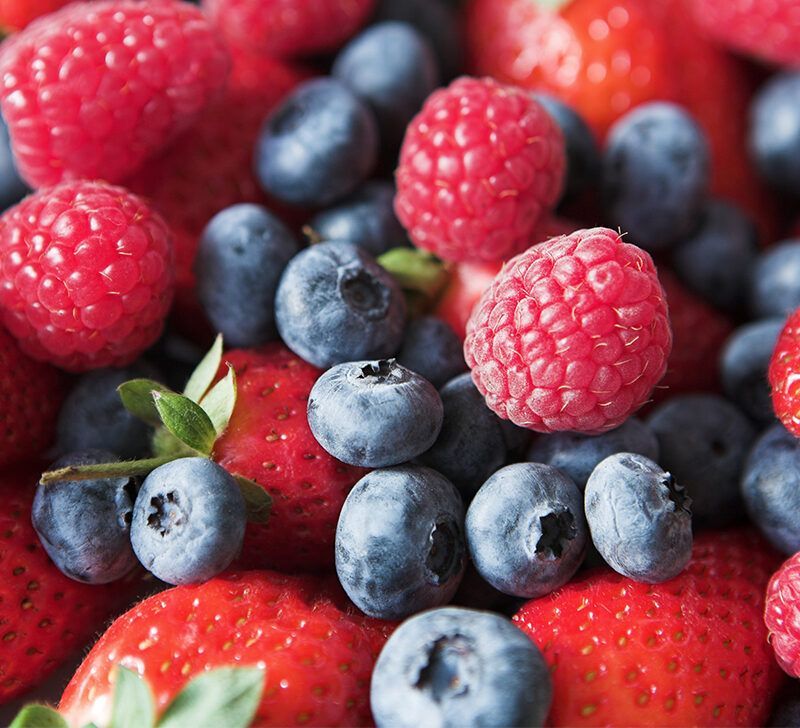
Blueberries, strawberries, raspberries — these little powerhouses come with skins so delicate that peeling them would be practically impossible, and completely pointless. Their thin outer layers are bursting with antioxidants, vitamins, and fiber that make berries some of the most nutrient-dense foods you can eat.
Trying to remove the skin would just destroy the fruit entirely.
Rinse berries gently under cool water before eating. Toss them into yogurt, oatmeal, or just snack on them straight from the container for a quick, easy nutrition boost.
10. Citrus Zest
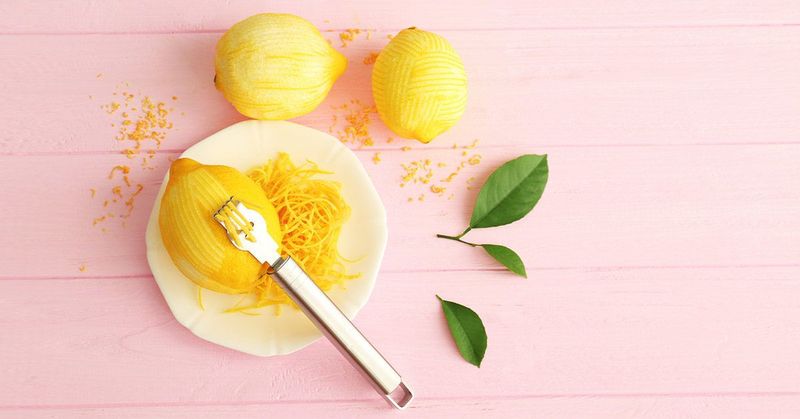
Most people toss orange and lemon peels without a second thought, but the zest — the colorful outer layer — is actually rich in vitamin C, fiber, and antioxidants like d-limonene, naringin, and hesperidin. While eating a thick chunk of citrus peel raw can taste bitter and tough, grating the zest into dishes unlocks all that flavor and nutrition.
Use organic, well-washed fruit when zesting to avoid pesticide residue. Sprinkle lemon zest over pasta, salads, or baked goods for a bright, punchy flavor upgrade.