
10 Leafy Greens That Deserve A Spot In A Healthy Diet
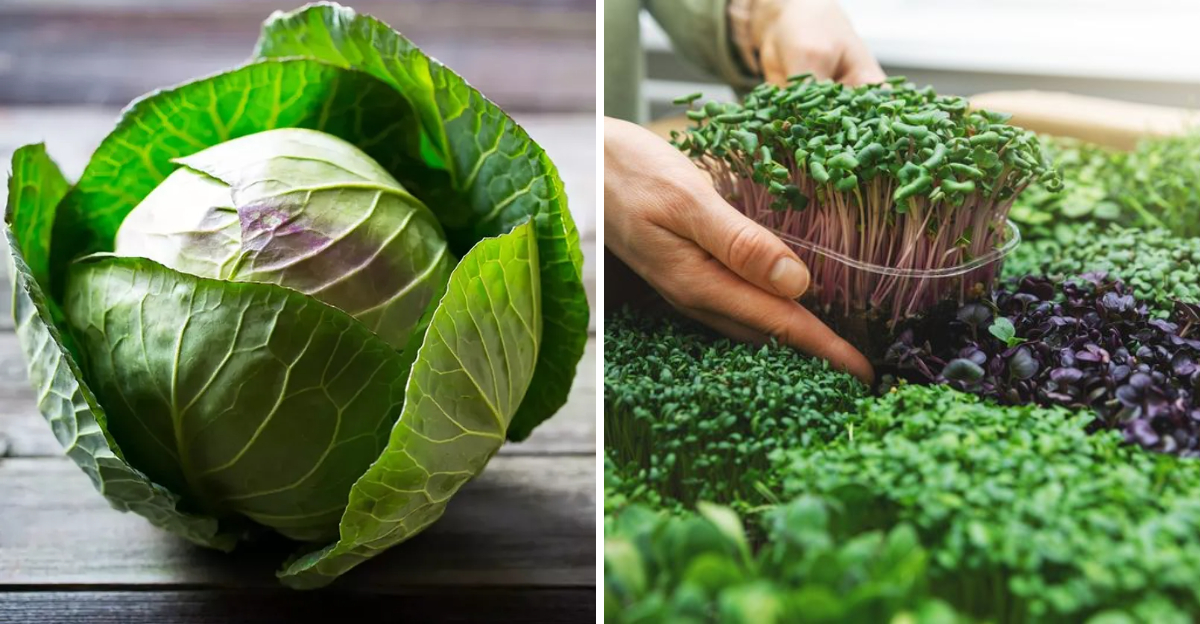
Leafy greens are some of the most powerful foods you can put on your plate. Packed with vitamins, minerals, and antioxidants, they support everything from your heart to your bones to your immune system.
Whether you enjoy them in salads, smoothies, or stir-fries, these greens make it easy to eat well without a lot of effort. Here are ten standout leafy greens worth adding to your regular meals.
1. Romaine Lettuce
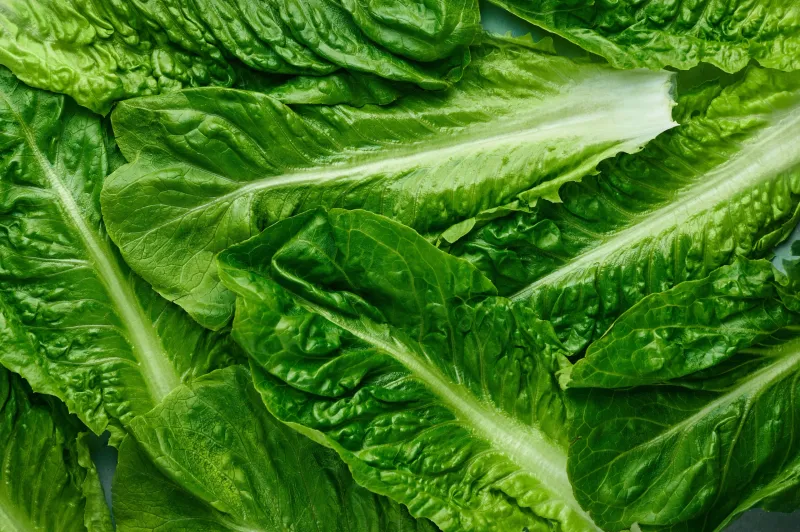
Crunchy, refreshing, and surprisingly nutritious, romaine lettuce is far more than just a salad base. It delivers vitamins A, C, and K, plus folate and potassium, all in one crisp bite.
These nutrients work together to support your heart, eyes, and immune system.
Its fiber content aids digestion and helps you feel full longer, making it a smart choice for weight management. Toss it in a wrap or layer it in a sandwich for an easy nutrient boost any day of the week.
2. Cabbage
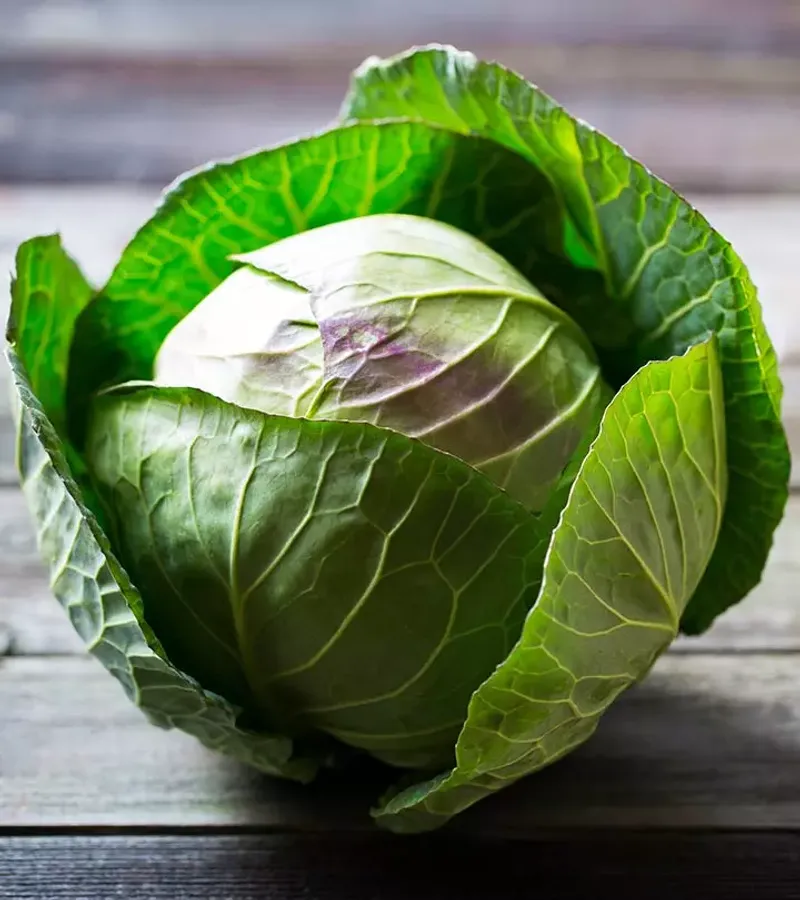
Cabbage might look plain on the outside, but crack it open and you have a powerhouse of nutrition hiding in every layer. It is rich in vitamins C, K, and B6, plus antioxidants like anthocyanins that fight inflammation and oxidative stress throughout the body.
The fiber in cabbage keeps your digestive system running smoothly, while its sulforaphane content may even help protect against certain cancers. Fermented as sauerkraut or roasted until caramelized, cabbage is endlessly versatile and budget-friendly too.
3. Mustard Greens
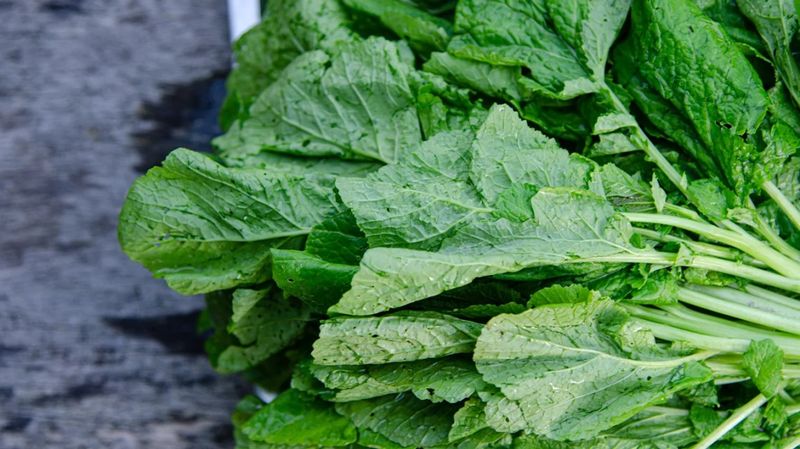
If your taste buds enjoy a little kick, mustard greens are calling your name. These bold, peppery leaves are loaded with vitamins A, C, and K, along with calcium, magnesium, and beta-carotene that support strong bones and a healthy immune system.
Their antioxidants help reduce inflammation, and compounds like sulforaphane may offer cancer-fighting protection. Sauté them with garlic and olive oil for a quick, satisfying side dish that punches way above its weight in the nutrition department.
4. Endive
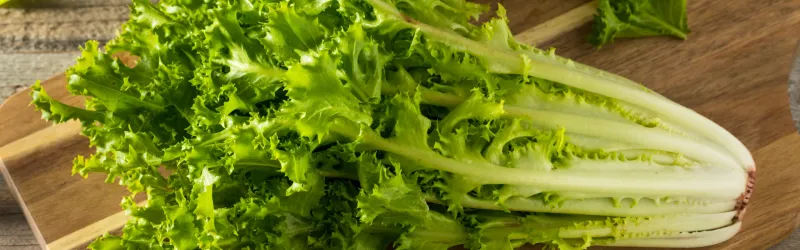
Endive does not always get the spotlight it deserves, but this slightly bitter, crunchy green is a nutritional gem. Low in calories yet rich in fiber, vitamins C, K, and A, folate, and powerful antioxidants like kaempferol, it supports digestion, immunity, and heart health all at once.
Studies suggest kaempferol may even help protect against certain cancers. Use endive leaves as edible scoops for dips and toppings, or chop them into salads for a refreshing, satisfying crunch with serious health credentials.
5. Collard Greens
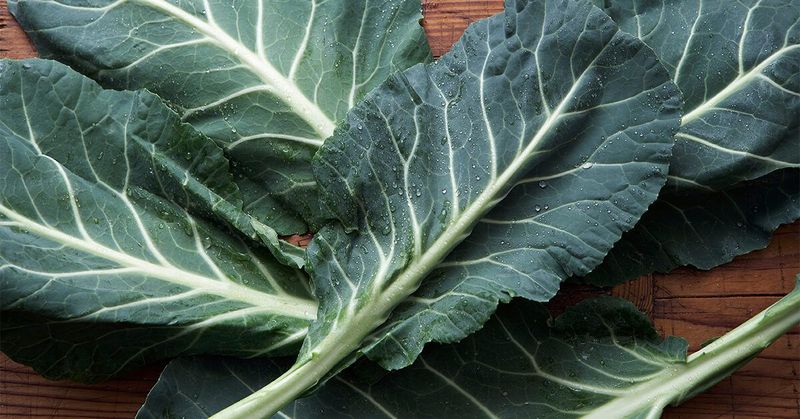
Collard greens have been a staple in Southern cooking for generations, and for good reason. These large, sturdy leaves are packed with vitamins K, A, and C, plus calcium and folate, making them exceptional for bone strength and immune support.
Their high fiber and water content promotes healthy digestion and regularity, while their antioxidants may lower the risk of inflammation-related diseases. Slow-cooked with smoked turkey or quickly blanched and tossed with lemon, collard greens bring serious nutrition and deep, comforting flavor to the table.
6. Arugula
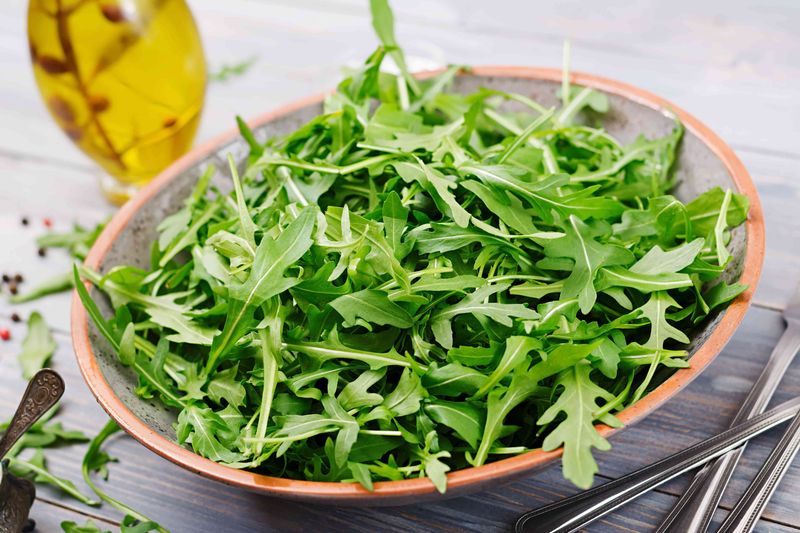
Arugula brings a peppery, slightly nutty flavor that instantly upgrades any meal. This low-calorie leafy green is rich in vitamins K, C, and A, plus folate, calcium, magnesium, and potassium, nutrients that together support bone density, heart health, and a strong immune response.
Its antioxidants, including lutein and zeaxanthin, also protect your eyes from age-related damage. Scatter arugula over a pizza fresh from the oven, mix it into pasta, or build a simple salad with shaved parmesan for a dish that feels fancy but takes minutes.
7. Microgreens
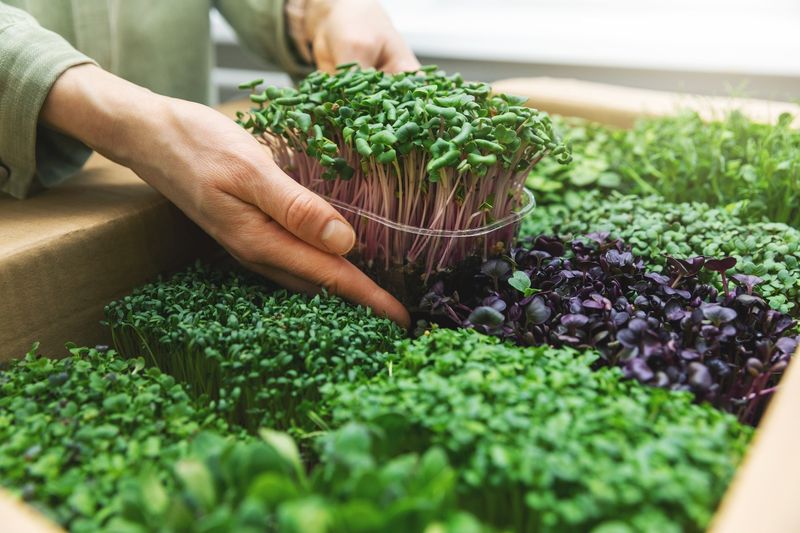
Tiny but mighty, microgreens are the young seedlings of vegetables and herbs harvested just days after sprouting. Research shows they can contain up to 40 times more concentrated nutrients than their full-grown versions, including potassium, iron, zinc, magnesium, and powerful antioxidants that fight inflammation.
They may help manage blood sugar, support heart health by reducing bad cholesterol, and even improve cognitive function over time. Sprinkle them on avocado toast, tuck them into wraps, or blend them into smoothies for an effortless, nutritious upgrade to everyday meals.
8. Kale
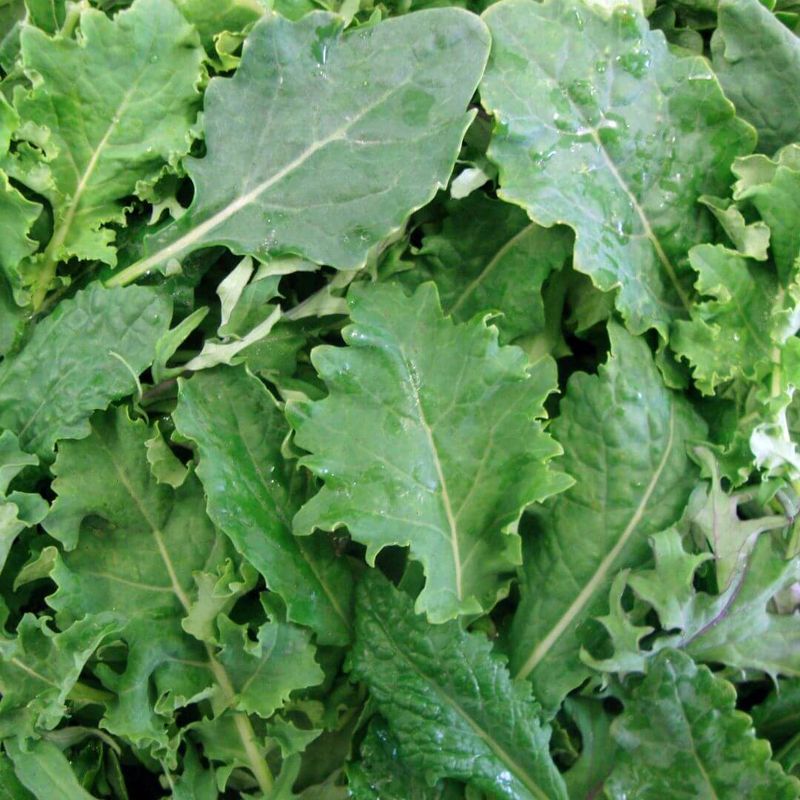
Few greens have earned the superfood title quite like kale, and honestly, it has the resume to back it up. Loaded with vitamins A, B6, C, and K, plus calcium, potassium, iron, and manganese, kale supports bone health, immunity, and heart function simultaneously.
Cancer-protective compounds like sulforaphane and indol-3-carbonol make it especially impressive from a disease-prevention standpoint. Massage raw kale with olive oil to soften its texture for salads, bake it into crispy chips, or blend it into a morning smoothie for a genuinely powerful nutritional start to your day.
9. Watercress
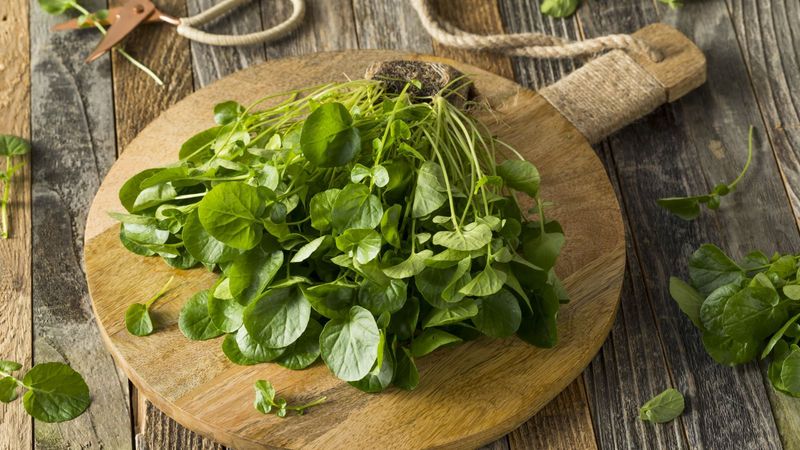
Did you know watercress was once considered a medicinal plant in ancient Greece and Rome? Today, science confirms what those early healers suspected: this aquatic green is packed with vitamins A, C, K, calcium, magnesium, and iron, all essential nutrients for strong bones and a healthy immune system.
Its dietary nitrates help lower blood pressure, while its antioxidants protect against cell damage and may reduce cancer risk. Add watercress to sandwiches, blend it into soups, or toss it with citrus in a light salad for a refreshing, health-boosting meal.
10. Spinach
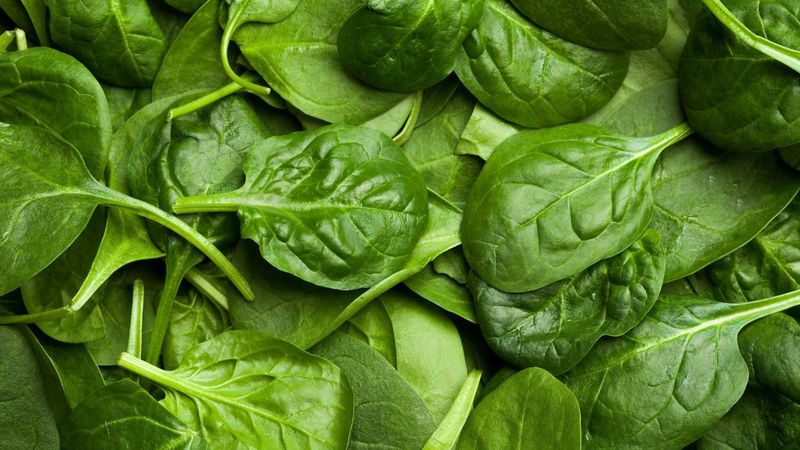
Popeye was onto something. Spinach is one of the most nutrient-dense foods on earth, delivering vitamins A, C, K, folate, iron, magnesium, and potassium in every handful.
Its antioxidants, including beta-carotene and lutein, actively protect your eyes and reduce inflammation throughout the body.
Regular consumption may help lower blood pressure, slow age-related memory decline, and even support cancer prevention. Raw in smoothies, wilted into pasta, or layered into omelets, spinach quietly does enormous nutritional work no matter how you choose to eat it.