10 Microwave Tips That Make Cooking Easier
Your microwave can do more than rush leftovers. With a few smart tweaks, you will get food that is hotter, juicier, and more consistent without extra effort.
These simple tips fix cold centers, soggy edges, and dried out dinners. Try one today and you will taste the difference by tonight.
1. Use medium power more often
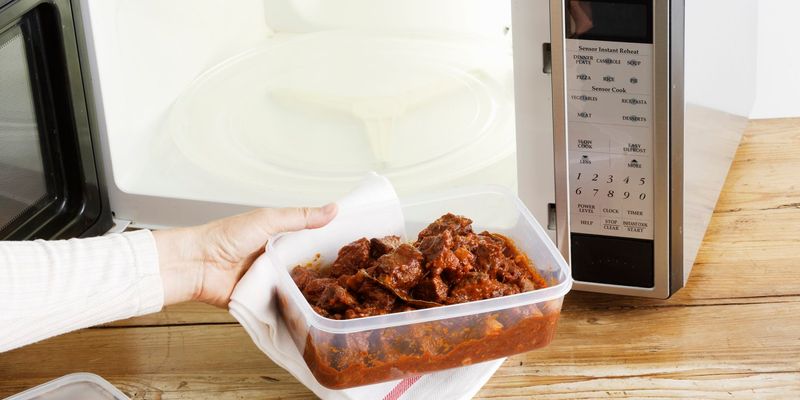
Dialing down to 50 to 70 percent power prevents rubbery edges and icy centers. Instead of blasting, you let heat migrate inward so eggs, leftovers, and casseroles warm evenly.
It takes slightly longer, but the texture payoff is huge.
Try medium power for custards, oatmeal, and anything creamy. Proteins stay tender, sauces do not split, and cheese melts without scorching.
Your microwave becomes gentler, more like an oven, and less like a blowtorch.
If a recipe says high, start lower and add 30 second bursts. You will avoid overcooked rims.
Your taste buds will thank you.
2. Cover food, but do not seal it tight
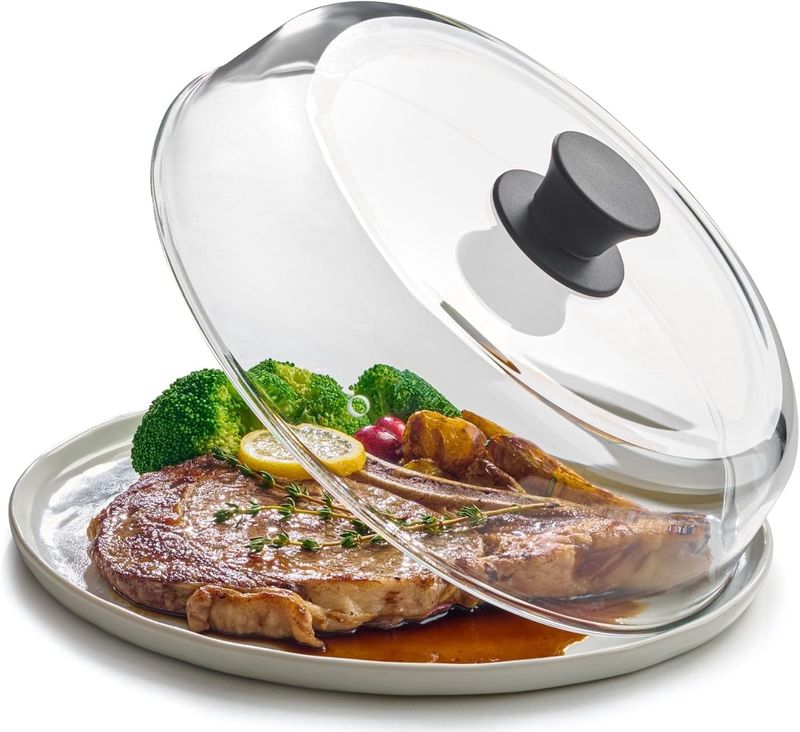
Covering traps steam so heat circulates, keeping food moist and evenly warmed. But sealing it tight can create pressure and messy explosions.
Use a plate, a microwave safe cover, or even a paper towel with a small vent.
This reduces splatter, speeds reheating, and prevents dry tops. Soups, rice bowls, and saucy leftovers especially benefit.
You will notice fewer cold pockets and better aroma.
Leave one edge cracked open, like a chimney. If you hear sputtering, pause and stir.
A simple cover turns reheats from patchy to polished.
3. Stir and rotate halfway through
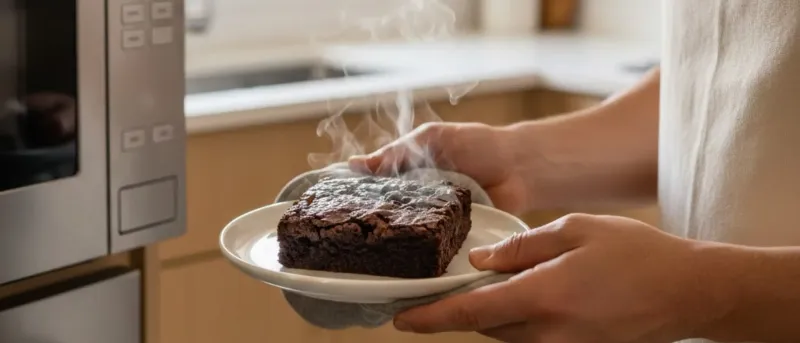
Microwaves heat unevenly by nature, creating hot rings and cool centers. The fix is wonderfully simple.
Pause halfway, stir liquids, and rotate solid foods so fresh edges face the walls.
This quick move evens temperature and stops overcooked rims. Soups, stews, and oatmeal love a good swirl.
Pizza slices and casseroles benefit from a 180 degree turn.
Set a mid cycle reminder on your phone if you forget. Two small actions solve most cold center complaints.
Your spoon is the most powerful microwave tool you own.
4. Use a ring shape for faster, even heating
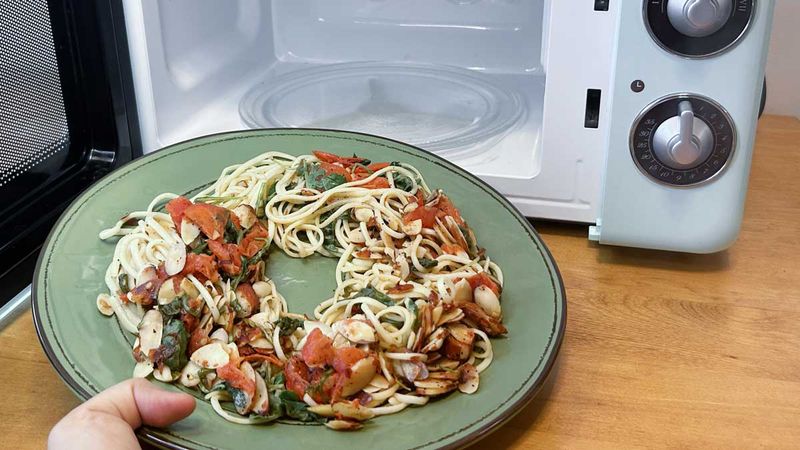
Spread food around the plate edges and leave a hole in the middle. The center often heats least efficiently, so this donut layout lets waves reach more surface area.
You get quicker, more even results with fewer cold bites.
It works for rice, pasta, hash, and chopped meats. Flatten the ring to a consistent thickness.
Add a splash of water if things look dry.
Combine with medium power for best texture. After heating, stir the ring into the center.
Simple geometry makes a noticeable difference in everyday reheats.
5. Add a splash of water to dry foods
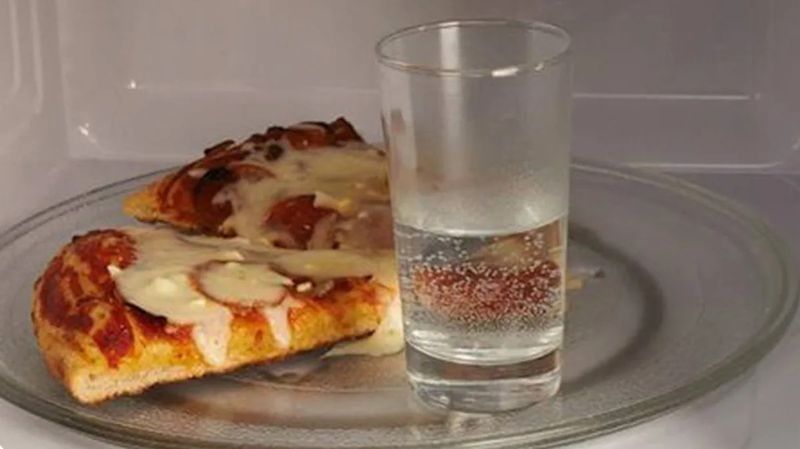
Leftover rice, pasta, and casseroles lose moisture fast in the fridge. Before reheating, sprinkle a spoonful of water or broth over the surface.
Cover loosely to trap steam, and you will revive softness without sogginess.
This trick refreshes bread bowls, burrito fillings, and grain bowls. For pasta, add a bit of sauce plus water.
For rice, break up clumps with a fork first.
Microwaves excite water molecules. Give them enough to work with, and flavors bloom.
Dry becomes tender again, tasting almost freshly cooked.
6. Let food rest after microwaving
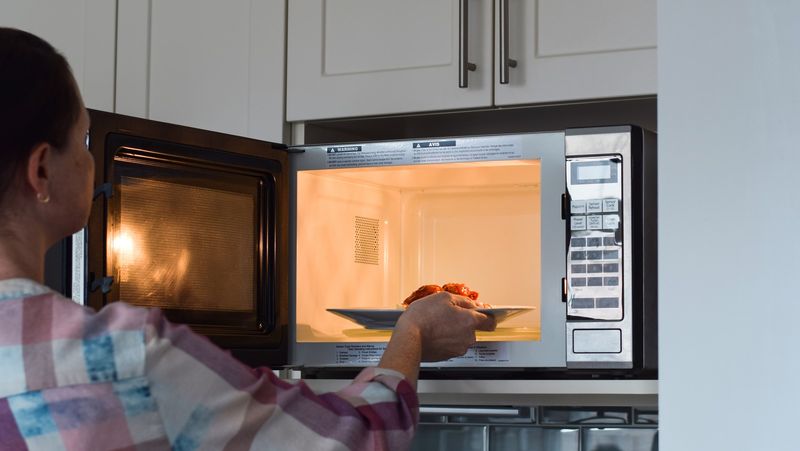
Heat continues traveling after the microwave stops, smoothing out temperature differences. Let dishes sit covered for one to three minutes, depending on size.
Resting finishes the cook gently and reduces scorching on the edges.
You will find centers come up to temp while rims relax. Eggs, meats, and dense casseroles especially benefit.
It is the microwave equivalent of resting a steak.
Use the pause to grab utensils or plate sides. Then give a quick stir and taste.
Patience here prevents hot mouth burns and improves texture.
7. Use paper towels for crisp ish results
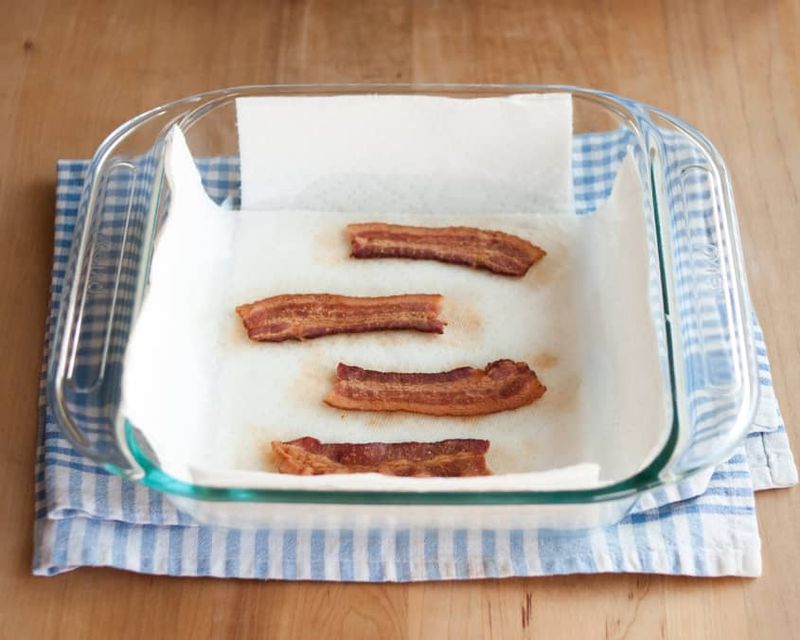
Crisp in a microwave is tricky, but paper towels help. They wick surface moisture and grease so bacon, breakfast sandwiches, and certain reheats avoid limpness.
Place food on or under a towel, then discard after cooking.
Try it with quesadillas, hash browns, and fried chicken slices. The towel absorbs steam that would otherwise condense back.
You get crisper edges without special accessories.
Do not overdo time or power, which can toughen breading. Short bursts and checks work best.
It is not fryer crisp, but it is pleasantly firm.
8. Know your containers
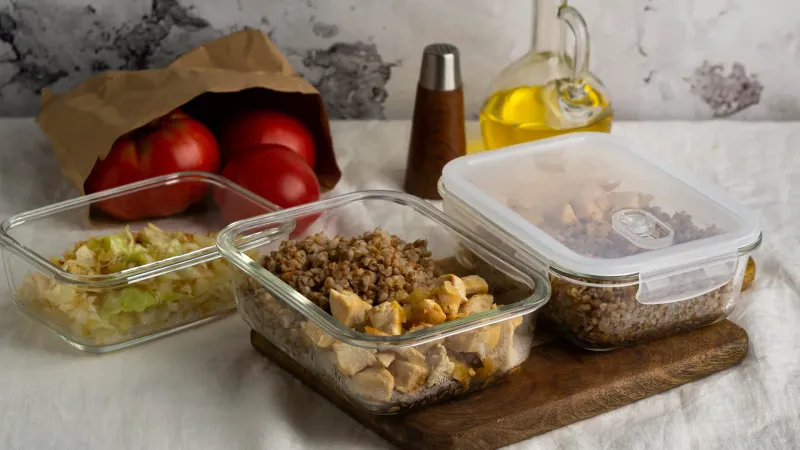
Glass and ceramic distribute heat more evenly than thin disposable plastic, which can warp or overheat. Use microwave safe labels as your guide, and avoid metal, including gold rimmed plates.
Lids should be vented, not sealed.
Heavier dishes retain heat, helping carryover cooking. They also reduce hot spots compared to flimsy containers.
For oily foods, glass is your best friend.
Skip cracked containers and mystery plastics. When in doubt, transfer to a known safe dish.
Good vessels protect flavor, texture, and your microwave from splatters.
9. Cook in smaller portions when possible
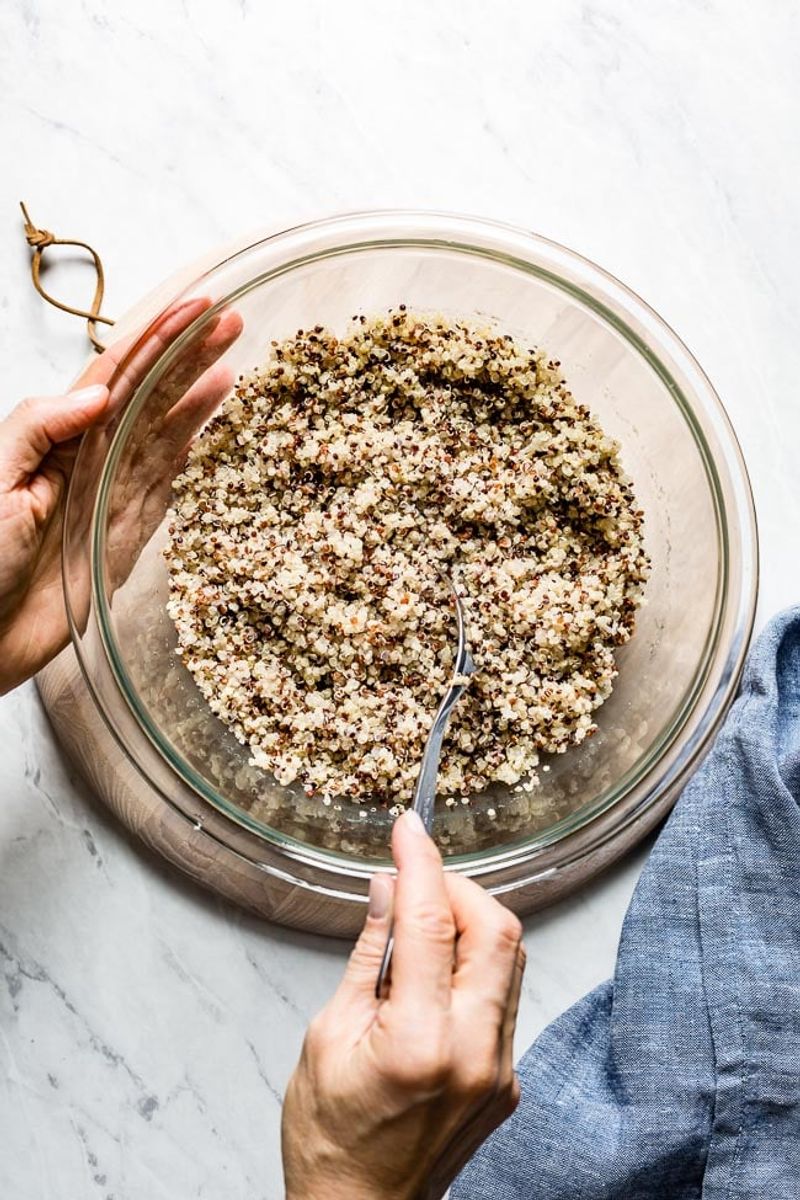
Big blocks reheat unevenly because the exterior overheats before the center catches up. Split food into smaller portions or thinner layers for consistent warmth.
It cooks faster overall and tastes better.
This is essential for chili, lasagna, and dense grains. Use two plates instead of one mountain.
If needed, heat sequentially to keep control.
Combine with stirring, ring shapes, and medium power for pro level results. Add moisture when appropriate, then rest.
Small batches deliver big reliability with everyday leftovers.
10. Keep the microwave clean
Splatters absorb energy and can cause lingering smells. A dirty interior also reduces efficiency by scattering waves.
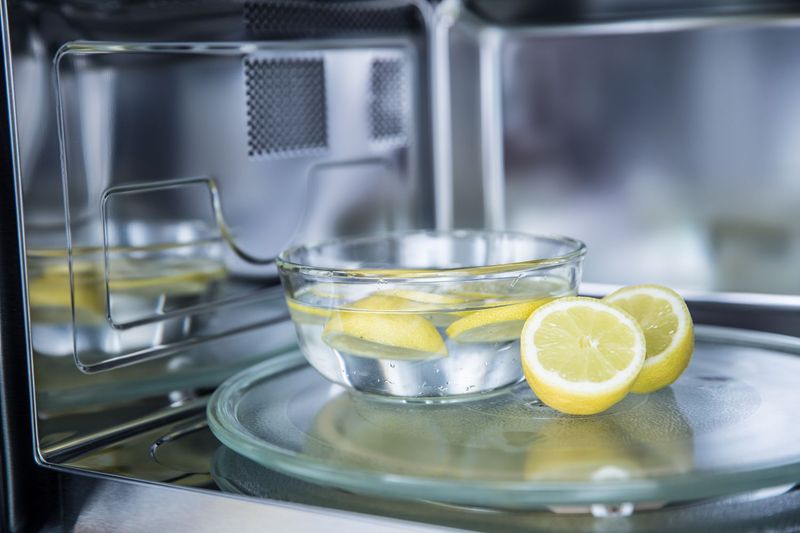
Steam clean weekly: microwave a bowl of water with lemon slices for two to three minutes, then wipe everything down.
This loosens grime so it slides off easily. Remove the turntable and wash it like a plate.
Dry thoroughly to prevent odors.
A clean cavity heats more predictably and keeps flavors pure. You will also avoid smoke from burnt bits.
Quick maintenance pays off every single reheat.