10 Pancetta Alternatives That Work Well In Carbonara
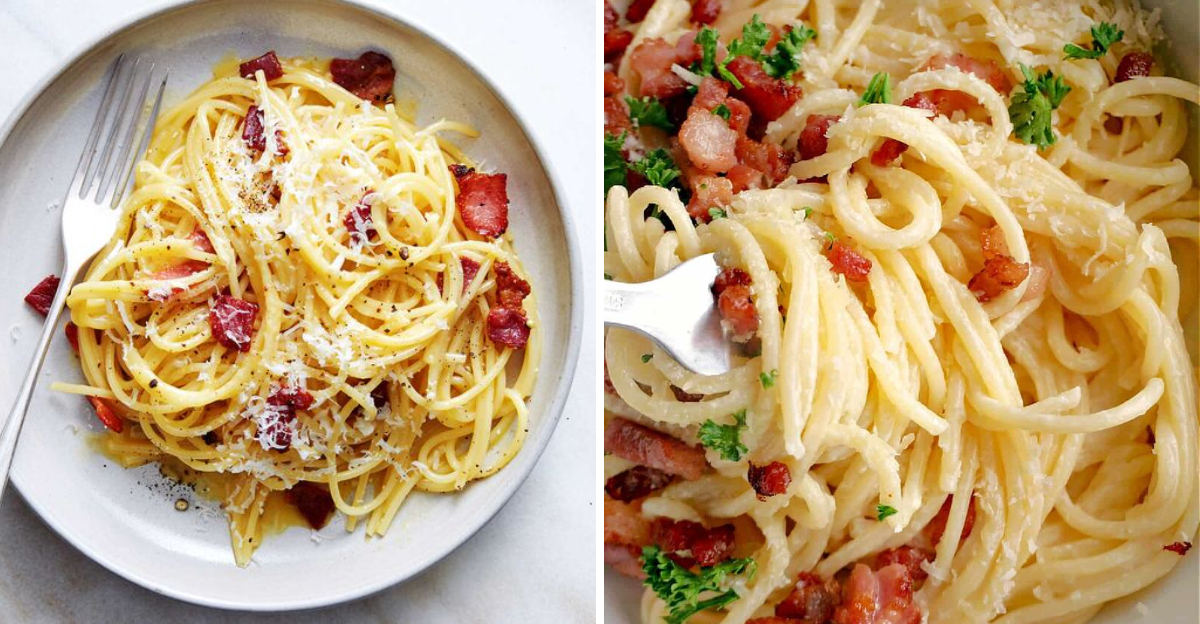
Craving carbonara but out of pancetta? No need to scrap dinner.
Carbonara is really about technique and balance: crisped savory bits, enough fat to gloss the pasta, and a silky emulsion with egg and cheese. These swaps bring the right salty snap and flavorful drippings so your sauce still sings.
1. Guanciale
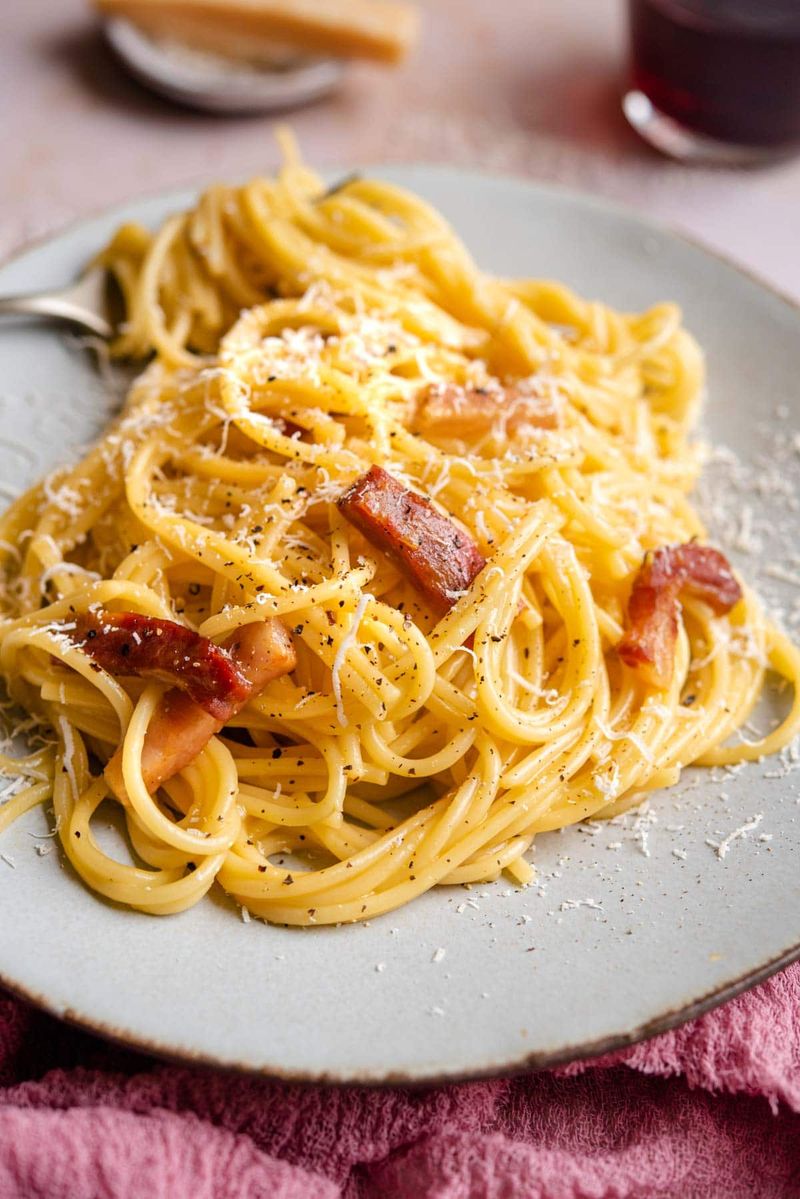
Guanciale is the classic carbonara star, and it easily stands in for pancetta. Cut it into batons or small cubes, then slowly render over medium-low heat until the edges turn glassy and crisp.
The fat that melts out is intensely porky and slightly sweet, perfect for coating strands of hot pasta before eggs and cheese join.
Its flavor runs deeper than pancetta, so you might need a lighter hand with salt. Black pepper blooms beautifully in the drippings, giving that signature carbonara backbone.
Toss the pasta directly in the rendered fat to build sheen, then off heat, add the egg-pecorino mixture.
Reserve a splash of pasta water to loosen and emulsify. Finish with more pecorino.
2. Bacon
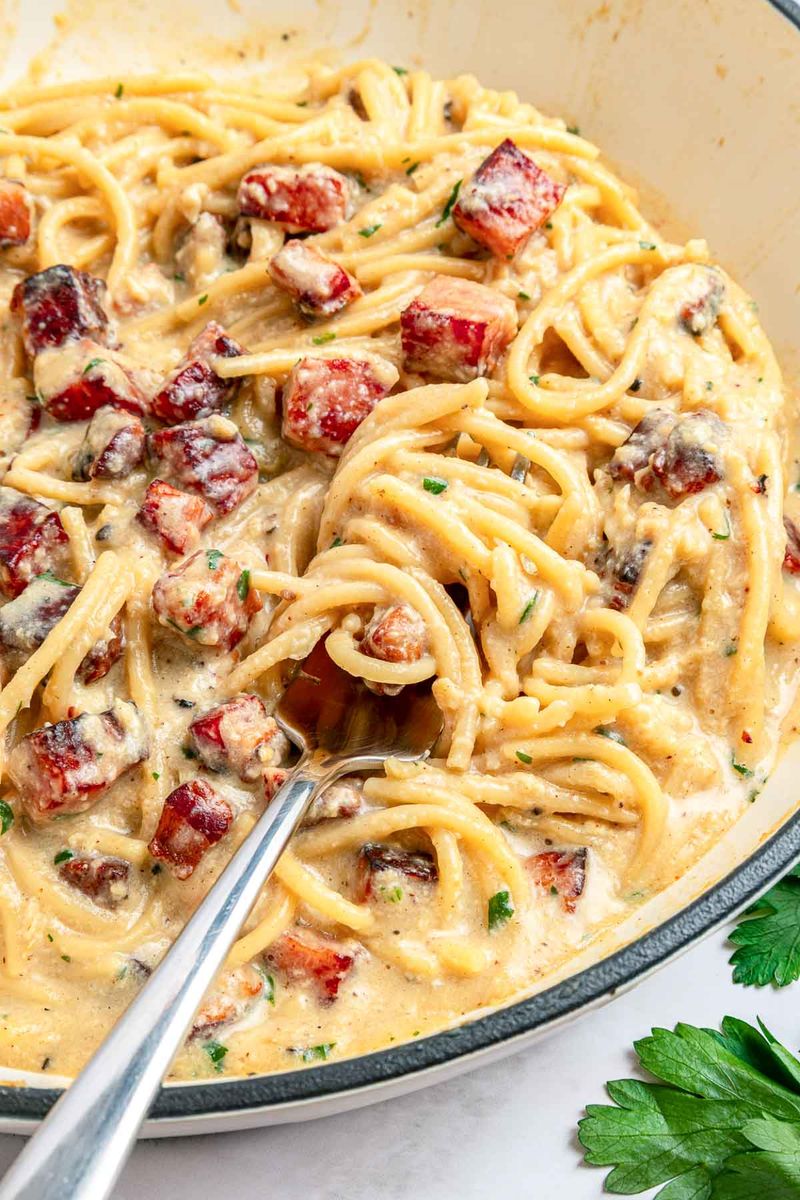
Bacon is the easiest pancetta alternative, and it absolutely works. Choose thick-cut for better bite and slower rendering.
Start in a cold pan so the fat releases gradually, then cook until crisp edges form and the drippings pool enough to coat your noodles.
Because bacon can be quite salty, pull back on added salt and taste as you go. That smoky note adds a different vibe, so lean into black pepper and sharp pecorino to keep it balanced.
Swirl the pasta in the bacon fat to lay down flavor before adding the egg-cheese emulsion.
If the pan seems dry, a spoon of olive oil helps. Keep heat moderate to avoid scrambled eggs.
3. Prosciutto (cut into strips)
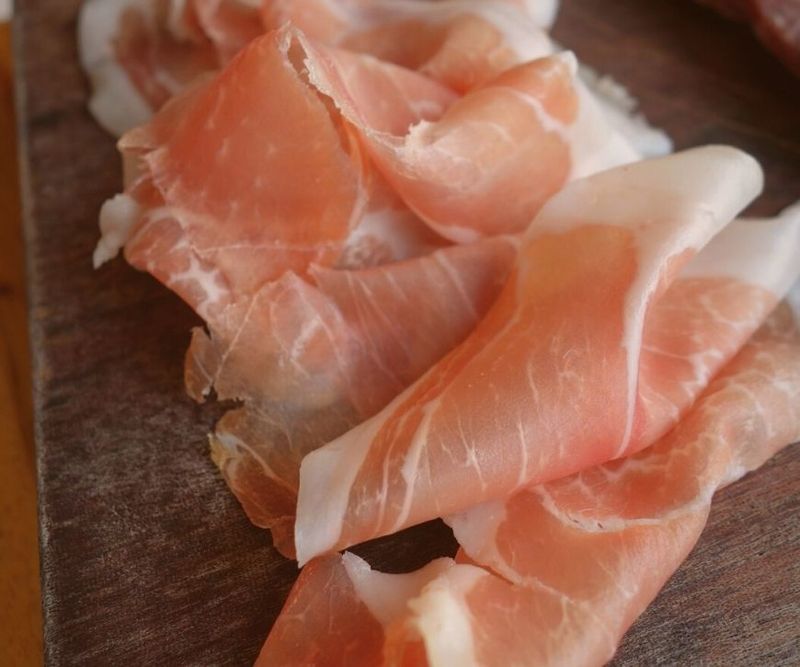
Prosciutto is leaner than pancetta, but it still works if you treat it gently. Slice into thin ribbons and add a small splash of olive oil or butter so it can crisp and release enough flavorful fat to glaze the pasta.
Keep the heat moderate to prevent bitterness.
Prosciutto’s delicate, ham-like savor benefits from robust pecorino and plenty of pepper. Stir the pasta through the prosciutto oil to capture that silky coating before adding egg and cheese.
Because it is less fatty, save extra pasta water to fine-tune the emulsion.
If strips cook too fast, pull them early and return at the end for texture. Finish with a shower of cheese.
4. Speck
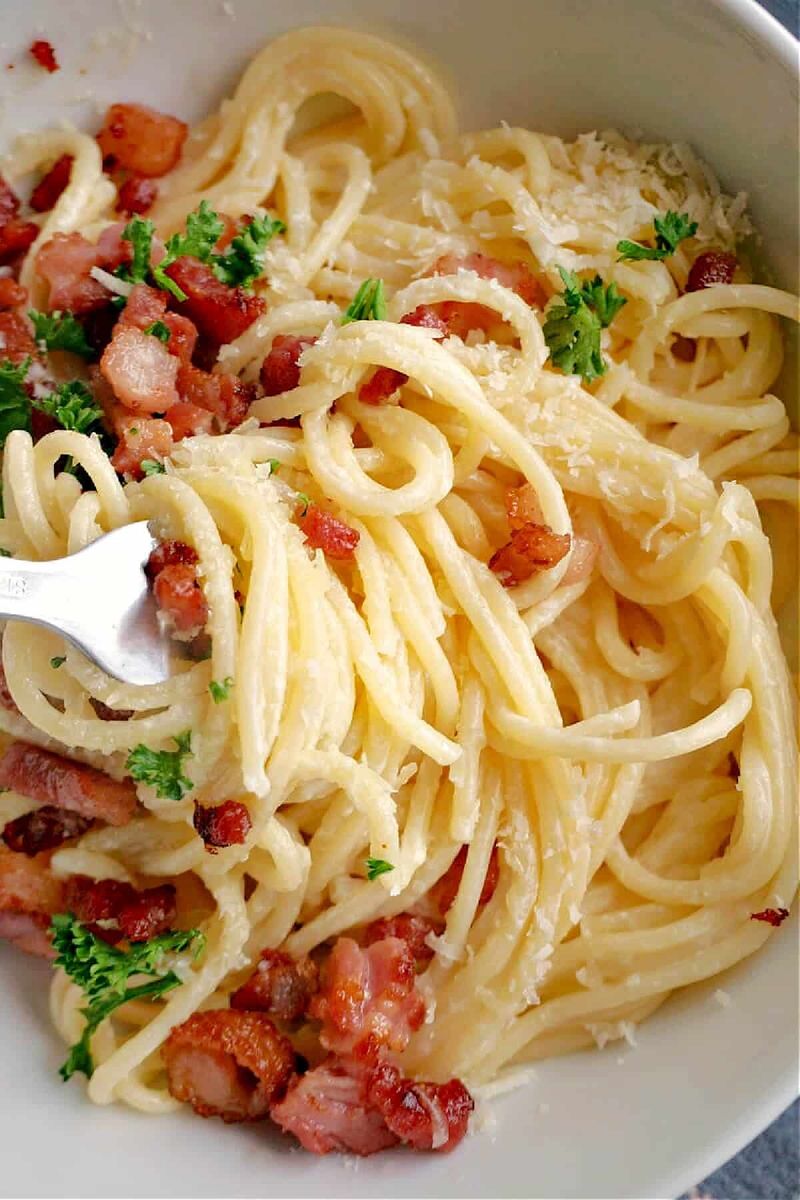
Speck brings a gentle smoke and a firm, cured character that plays beautifully in carbonara. Cut it into lardons so it renders slowly, giving just enough savory fat to coat your pasta.
Aim for crisp edges with a still-supple center, then swirl the noodles in those drippings.
The smoky note can dominate if you add too much, so keep portions similar to pancetta and season thoughtfully. Pecorino and black pepper help anchor the sauce in familiar territory.
Off the heat, emulsify eggs and cheese with the residual warmth and a splash of pasta water.
Speck’s aroma lingers, so finish bright with fresh-cracked pepper. It delivers balance without overwhelming the dish.
5. Salt Pork
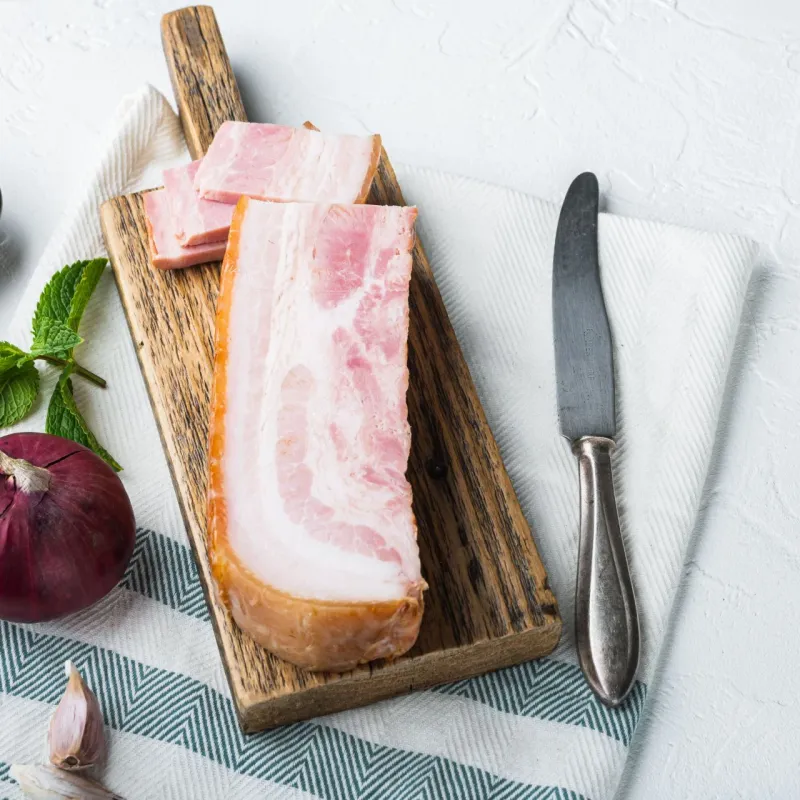
Salt pork is intensely savory and renders a generous amount of fat, which makes it great for carbonara. Rinse or briefly blanch if it is aggressively salted, then pat very dry so it crisps properly.
Start low and slow to coax out fat, then raise heat to get golden edges.
Taste the drippings before seasoning the pasta, since salt pork can swing salty. The rendered fat forms a luscious base for the egg and cheese mixture, giving a glossy, clinging sauce.
Use pecorino for bite, and black pepper for warmth.
Keep everything off heat when adding eggs to avoid curdling. A spoon of pasta water helps emulsify into a silky, cohesive gloss.
6. Pork Belly
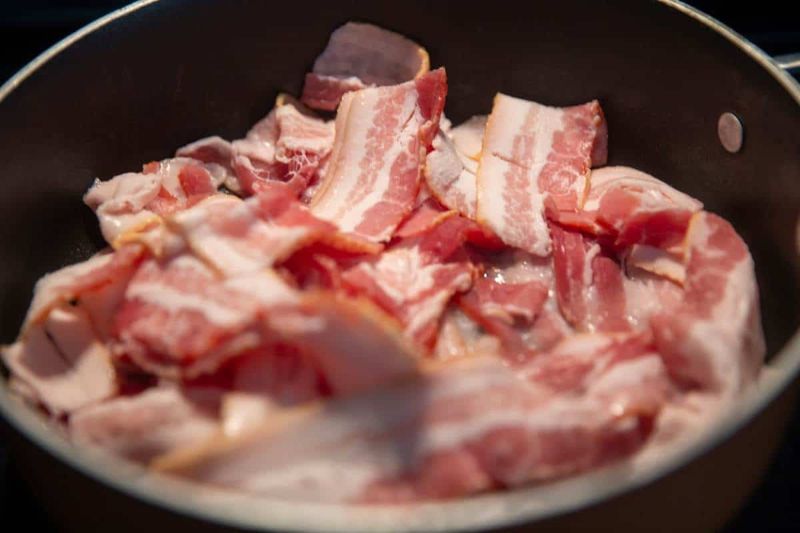
Pork belly delivers richness and meaty depth, ideal when pancetta is missing. Dice it small so the fat renders thoroughly, then cook patiently until the pieces are deeply golden and crisp.
Spoon off excess fat if it pools too much, leaving just enough to glaze the pasta.
Season carefully, because pork belly itself is milder and will lean on pecorino and pepper for definition. Toss the pasta in the drippings so each strand shines, then off heat, add the egg-cheese mixture and splash in pasta water as needed.
Keep the sauce moving to stay silky.
For extra savor, mix pecorino and parmesan. Finish with cracked pepper and a few crisp belly bits on top.
7. Lardo
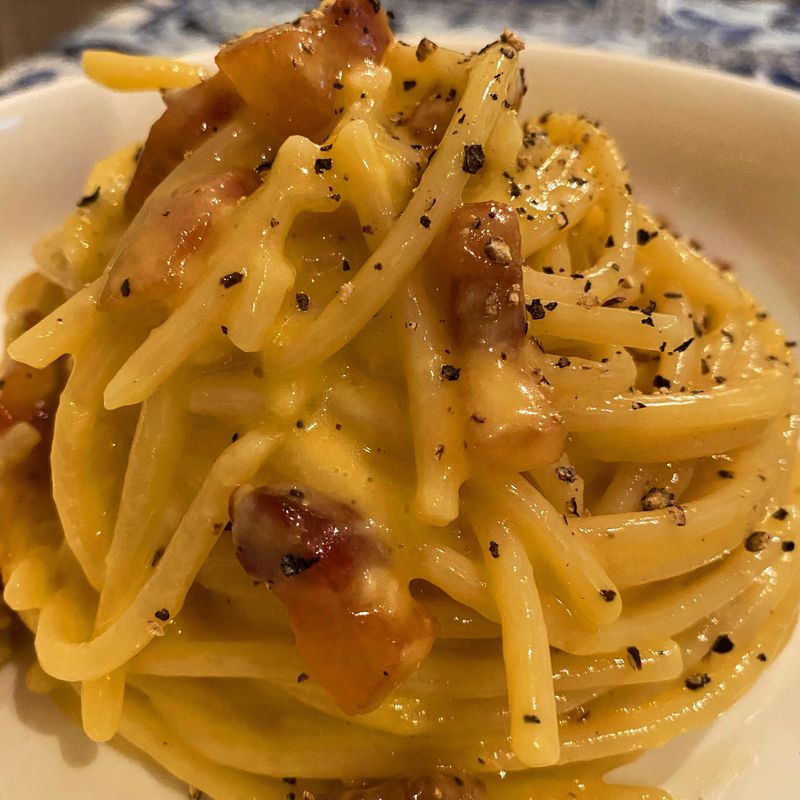
Lardo is pure cured pork fat, so it is luxurious but potent. Slice thin and let it melt slowly in a pan until you have a glossy pool of savory fat.
Because it lacks meat, use it sparingly and consider adding a few breadcrumbs or pepper to bring texture and aroma.
Toss hot pasta directly in the lardo fat to create a rich base for the egg and cheese emulsion. Pecorino’s sharpness balances the lavish mouthfeel, while black pepper provides a grounding bite.
Add pasta water to reach a flowing silkiness.
If you miss meaty bits, combine a little lardo with prosciutto strips. Finish with restraint so the sauce stays elegant, not heavy.
8. Italian Sausage (mild)
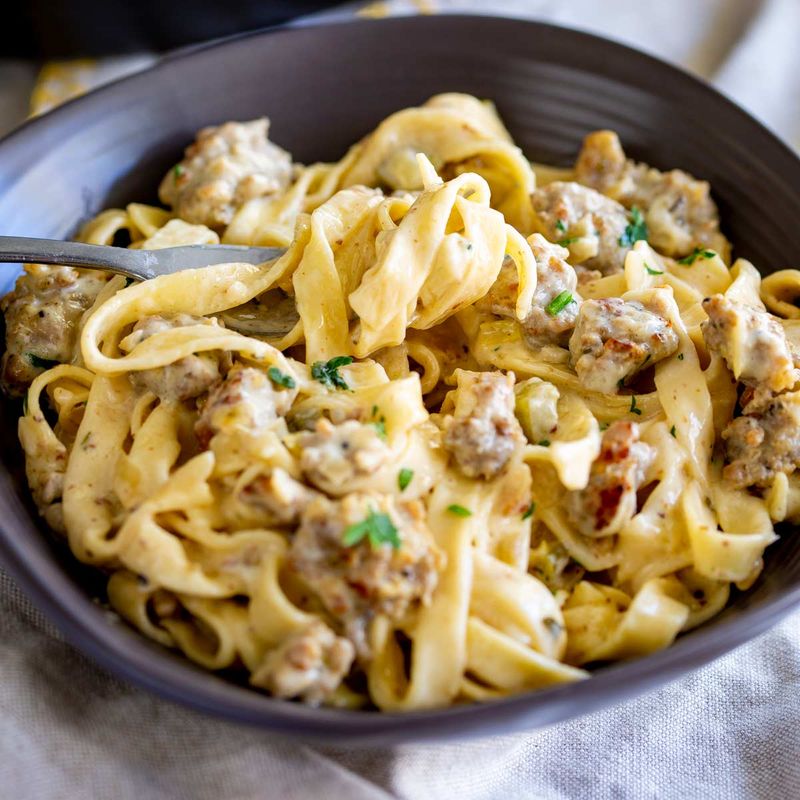
Mild Italian sausage is not cured, but it brings savory fat and satisfying texture. Remove the casing, crumble small, and brown thoroughly to develop fond and flavorful drippings.
Spoon off excess grease, then toss the pasta in what remains to capture that meaty backbone.
Because sausage includes seasoning, taste before adding salt, and go big on black pepper to echo carbonara’s signature profile. Keep pieces tiny so they integrate with the sauce rather than eating like a ragu.
Off heat, emulsify eggs and cheese with a splash of pasta water.
The result is untraditional yet comforting. Choose mild to avoid overpowering fennel, or use sweet sausage for balance with pecorino’s salinity.
9. Turkey Bacon
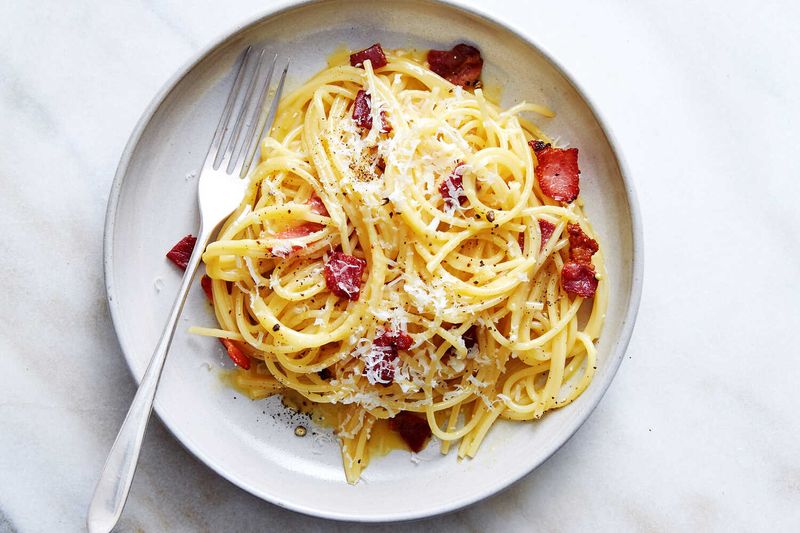
Turkey bacon can work if you help it along with olive oil, since it renders far less fat than pork. Dice it and cook until very crisp, then add a good spoon of oil to mimic pancetta’s drippings.
Swirl the pasta through to pick up sheen and savory flavor.
Because turkey bacon is lean and milder, lean into pecorino and fresh black pepper for kick. Keep the pan off heat before adding eggs and cheese, using pasta water to create a creamy emulsion.
Taste and adjust salt carefully.
The texture lands surprisingly close when you crisp it hard. A final drizzle of olive oil can round everything out without weighing the sauce down.
10. Mushrooms (non-pork option)
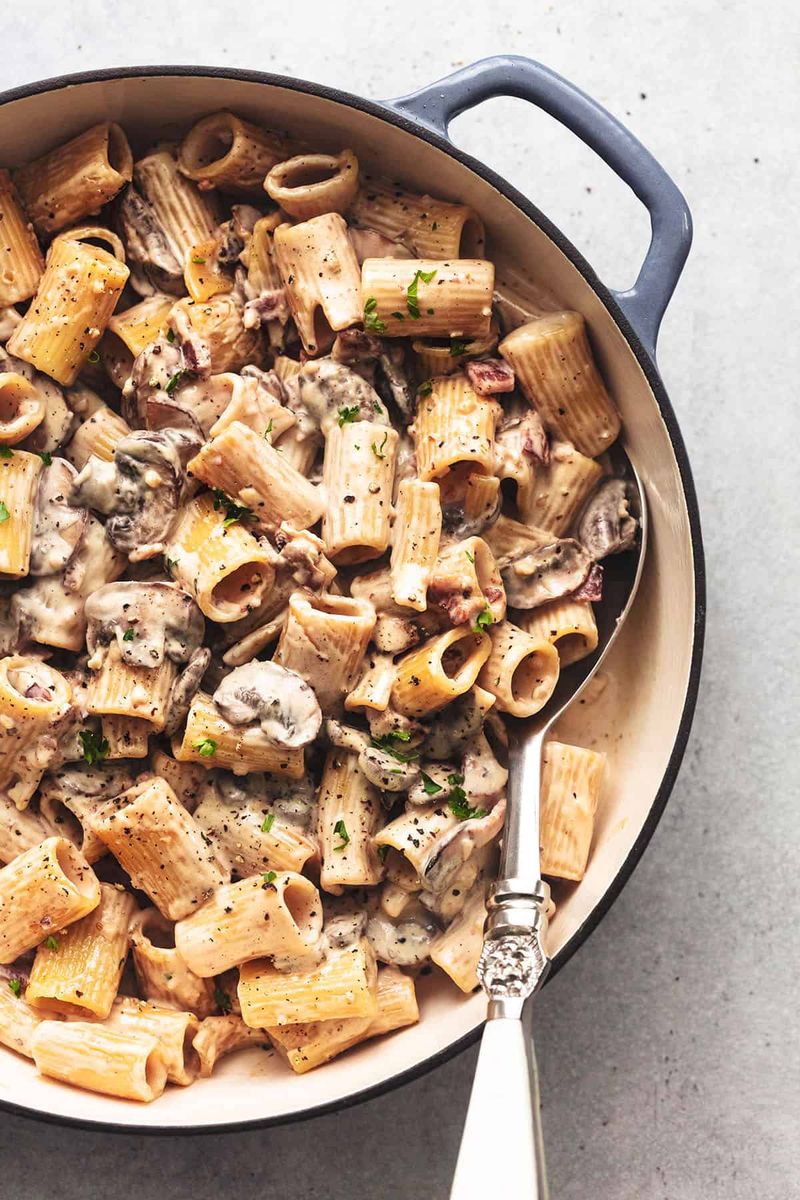
Mushrooms deliver umami and a satisfying chew when skipping pork. Use a mix like cremini and shiitake for depth.
Sear in a blend of olive oil and a little butter until deeply browned so they release moisture and concentrate flavor, then season with salt and plenty of pepper.
Those toasty drippings stand in for pork fat, giving pasta a flavorful base. Toss the noodles in the pan, then off heat, add eggs and cheese, loosening with pasta water as needed.
Pecorino brings salinity and structure.
Consider a few drops of soy or Worcestershire for extra savor. The result is not classic, but it is genuinely delicious, creamy, and satisfying on its own terms.