10 Rice And Pasta Cooking Mistakes To Avoid
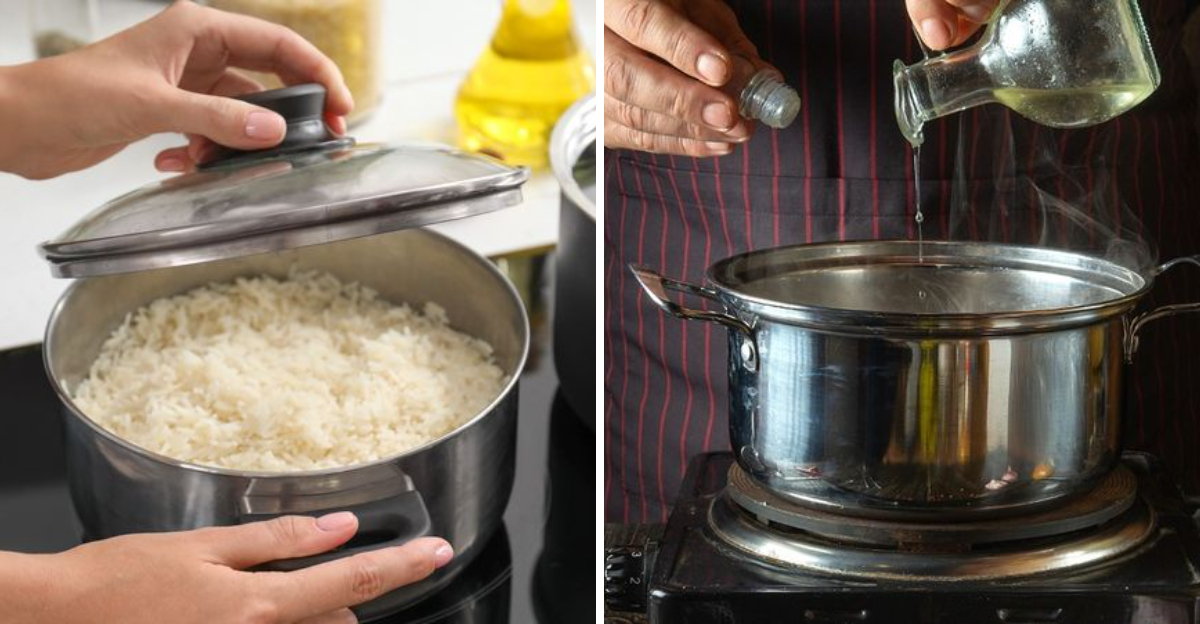
Rice and pasta are two of the most popular foods in the world, but even simple dishes can go wrong in the kitchen. Small mistakes during cooking can turn a great meal into a mushy, bland, or sticky disappointment.
Whether you are a beginner cook or someone who makes these dishes regularly, knowing what not to do can make a huge difference. Avoid these common errors and your rice and pasta will come out perfect every time.
1. Skipping the Rice Rinse
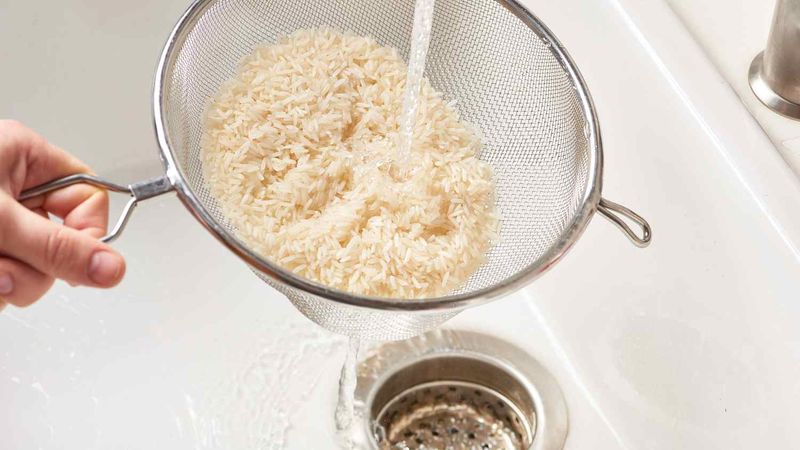
Raw rice carries a coating of surface starch that clings to every grain. When you skip rinsing, that starch cooks into a sticky, clumpy mess that bunches together in your pot.
Running rice under cold water until it runs clear takes less than two minutes. That tiny effort pays off with fluffier, more separate grains on your plate.
Varieties like basmati and jasmine especially benefit from a thorough rinse before cooking.
2. Getting the Water-to-Rice Ratio Wrong
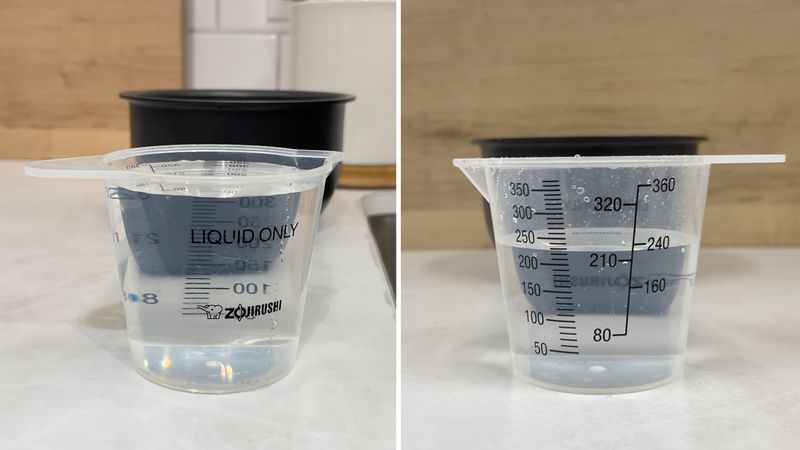
Too much water and your rice turns soggy. Too little and you end up with crunchy, undercooked grains stuck to the bottom of the pot.
White long-grain rice generally needs a 1:2 ratio of rice to water, while brown rice needs a little extra liquid. Always check the package instructions because different varieties have different needs.
Getting this ratio right is one of the easiest ways to improve your rice game instantly.
3. Lifting the Lid While Rice Cooks
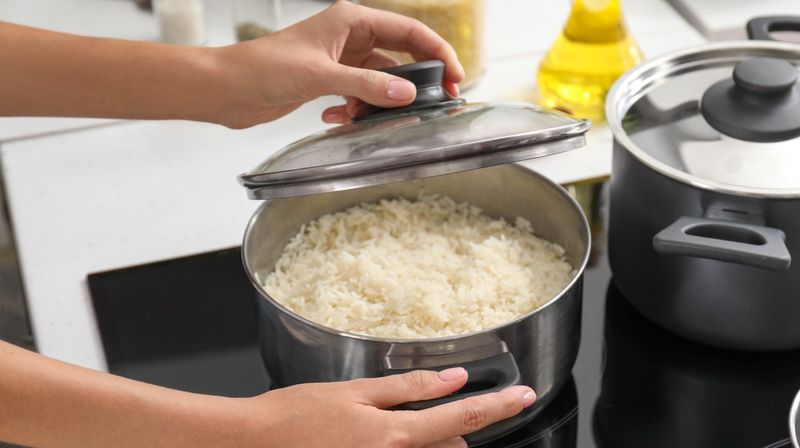
Every time you peek under that lid, precious steam escapes and the cooking temperature drops. Rice relies entirely on trapped steam to cook evenly from top to bottom.
Resist the urge to check on it constantly. Once you bring the water to a boil and lower the heat, put the lid on and leave it alone.
Stirring rice during cooking is also a mistake because it activates the starch and creates that dreaded gluey texture.
4. Not Letting Rice Rest After Cooking
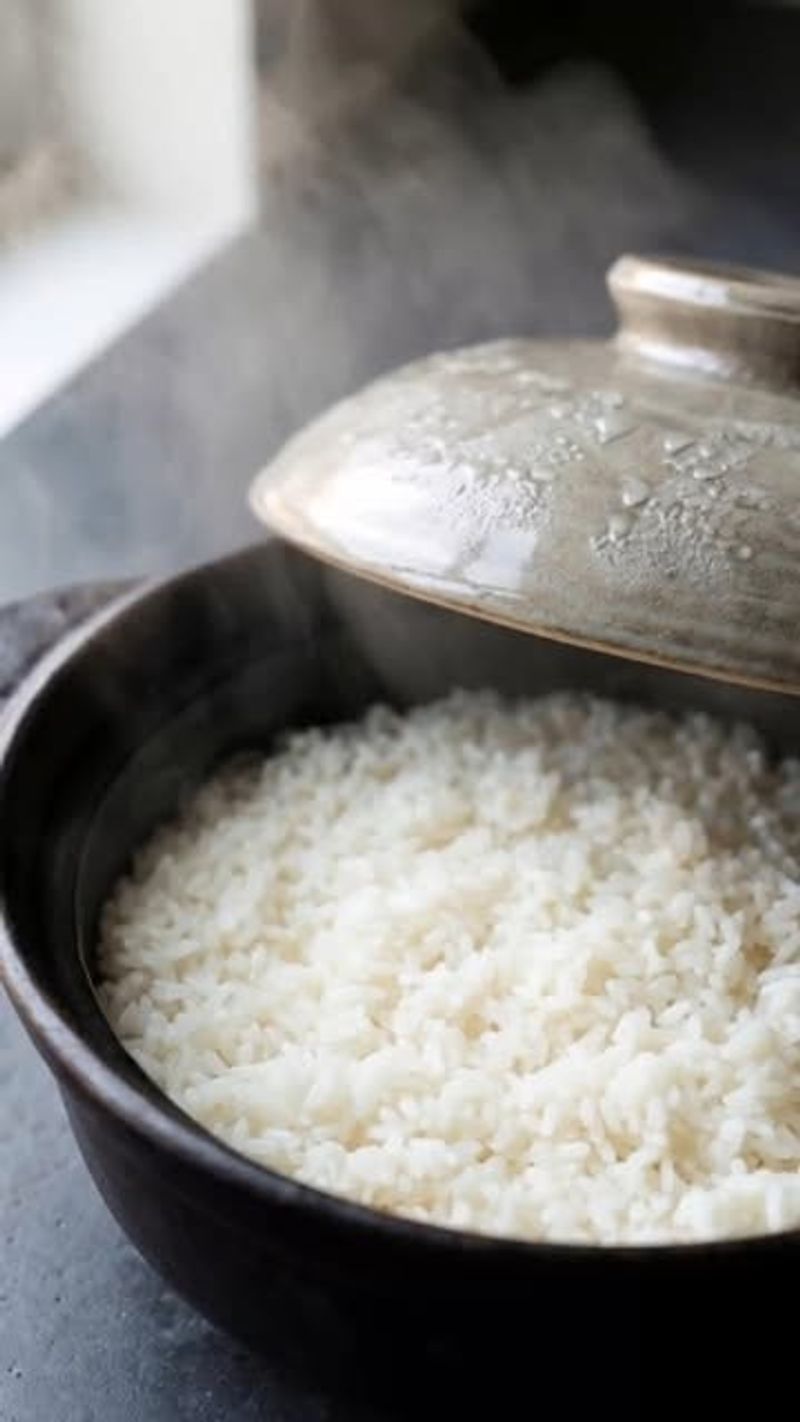
Pulling rice straight off the heat and immediately scooping it out skips one of the most important steps. Resting allows the remaining moisture to redistribute evenly through every grain.
After cooking, remove the pot from heat and let it sit covered for about 10 minutes. When you finally fluff it with a fork, you will notice a noticeably lighter and more tender texture.
Think of it as the rice catching its breath before being served.
5. Cooking All Rice Varieties the Same Way
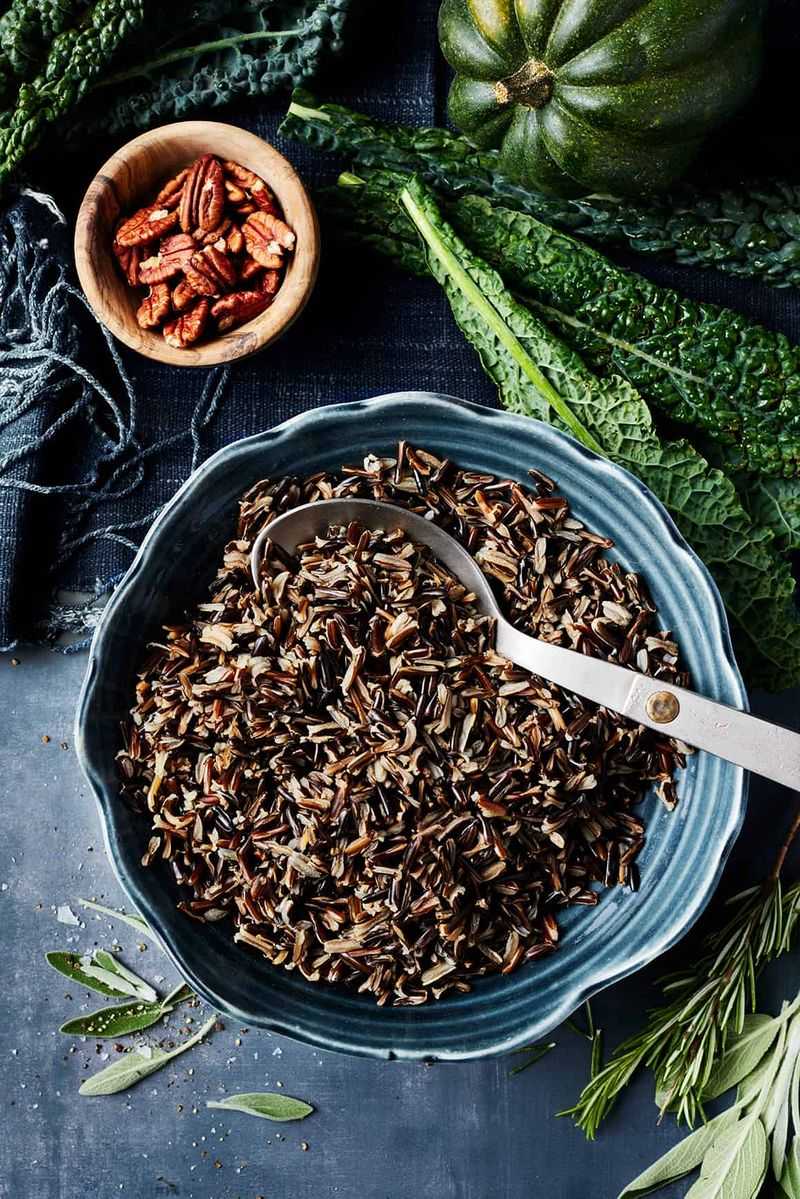
Brown rice, arborio, jasmine, and wild rice are not interchangeable when it comes to cooking instructions. Treating them all the same is a recipe for disappointment.
Brown rice has a tough outer bran layer that needs more water and longer cooking time. Arborio rice, used in risotto, is intentionally stirred to release starch.
Always read the specific instructions for the variety you are using, because a one-size-fits-all approach simply does not work with rice.
6. Using Too Little Water for Pasta
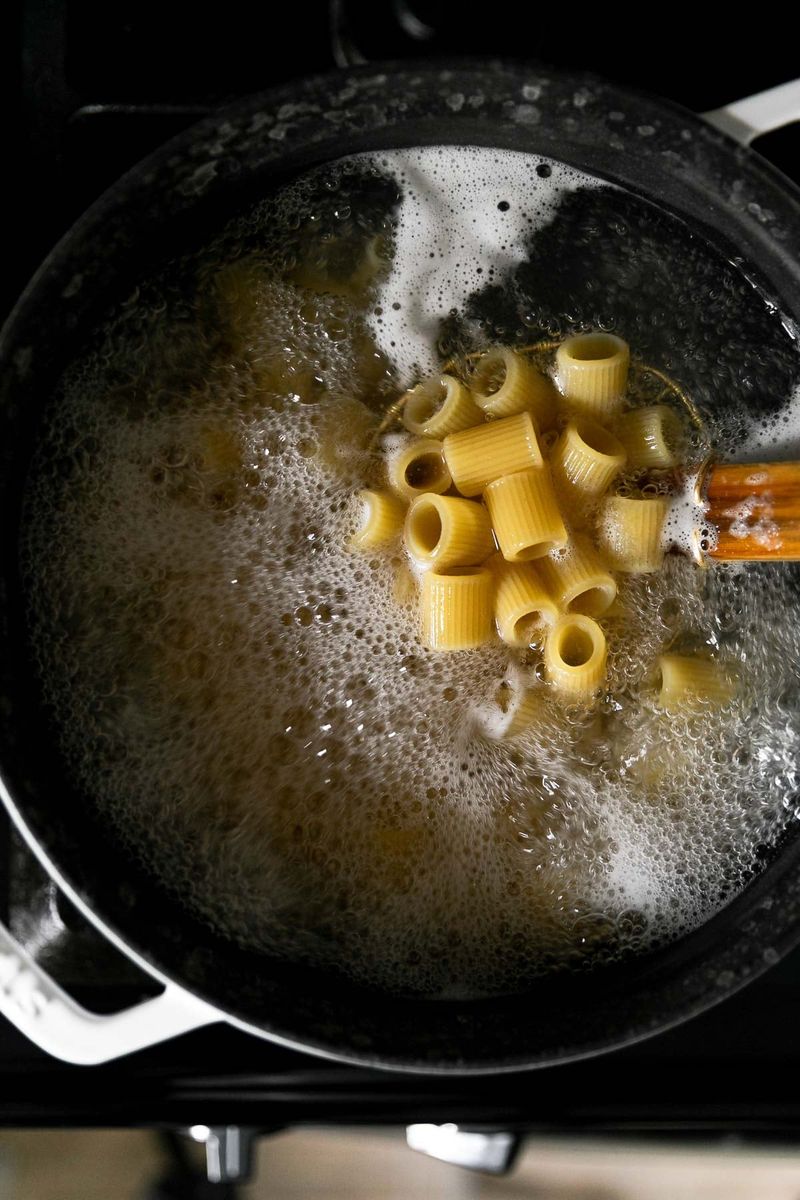
Cramming pasta into a tiny pot with barely enough water is one of the most common beginner mistakes. Pasta needs room to move around so it cooks evenly and does not clump together.
A good rule of thumb is to use at least 4 to 6 quarts of water for a one-pound box of pasta. When there is not enough water, the released starch turns the liquid into a thick paste that makes noodles gummy and unpleasant to eat.
7. Adding Oil to the Pasta Water
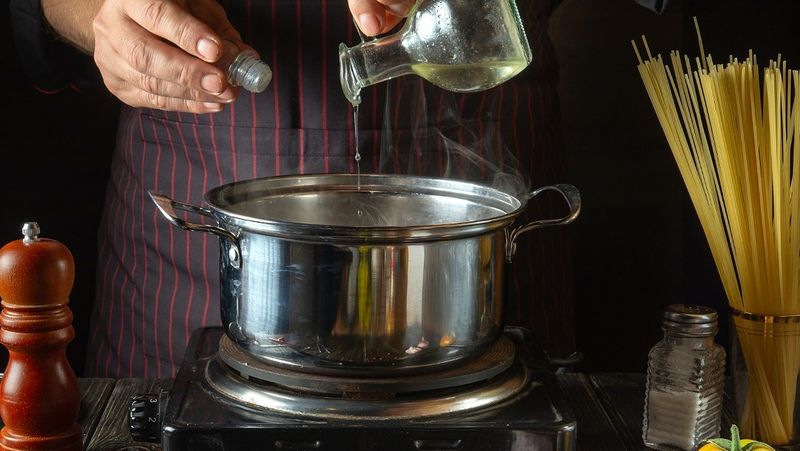
Many people add a splash of oil to pasta water thinking it prevents sticking, but it actually creates a bigger problem. Oil floats on the surface of the water and coats the noodles as they drain.
That slippery coating stops your sauce from sticking to the pasta, so every bite ends up bland and under-flavored. The real secret to preventing pasta from clumping is using plenty of water and stirring right after you add the noodles to the pot.
8. Not Salting the Pasta Water Enough
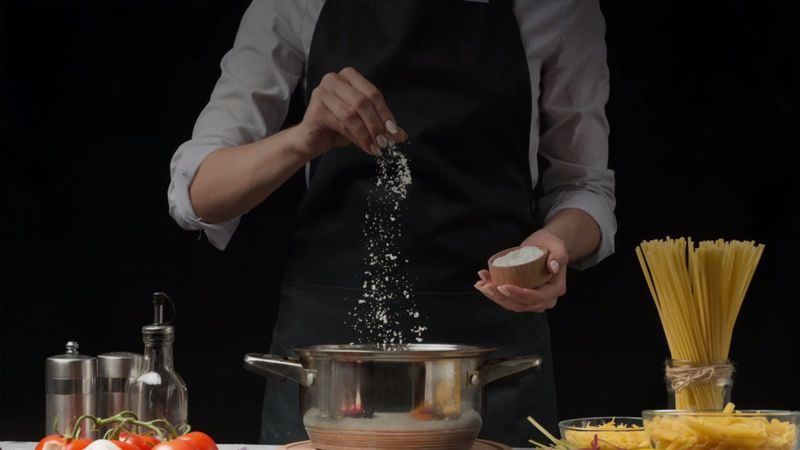
Pasta is like a sponge. It absorbs the water it cooks in, which means unsalted water produces pasta that tastes flat no matter how flavorful your sauce is.
The water should taste pleasantly salty, almost like mild seawater. Do not be shy about it.
A generous tablespoon of salt per large pot is a reasonable starting point. Properly salted pasta water is genuinely one of the easiest flavor upgrades you can make with almost zero extra effort.
9. Overcooking Pasta Past Al Dente
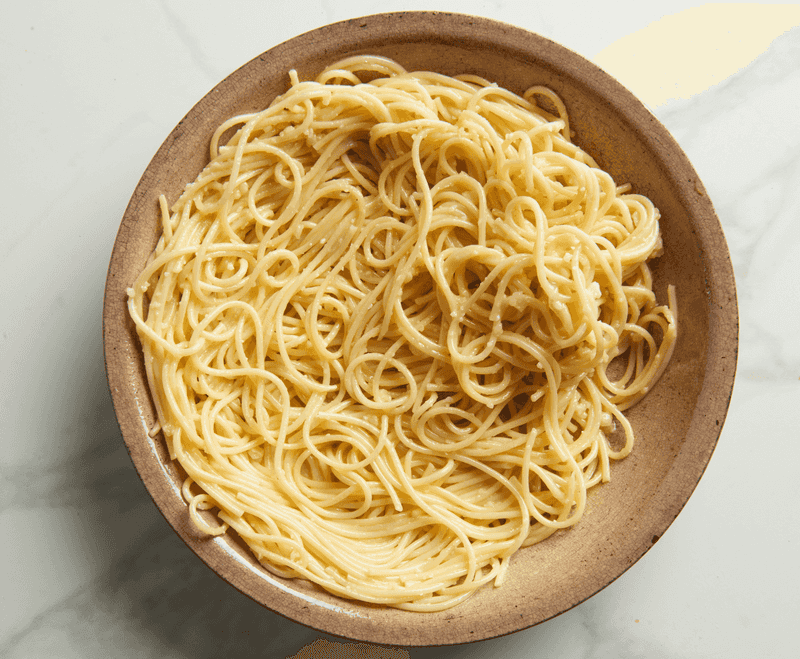
Overcooked pasta turns soft, slippery, and loses the satisfying chew that makes a great bowl of spaghetti so enjoyable. It also becomes harder for your body to digest properly.
Al dente, which means “to the tooth” in Italian, describes pasta that is tender but still has a slight firmness when you bite into it. Start tasting your pasta about two minutes before the package suggests.
Remember, it will keep cooking slightly once you toss it with hot sauce.
10. Rinsing Pasta After Draining It
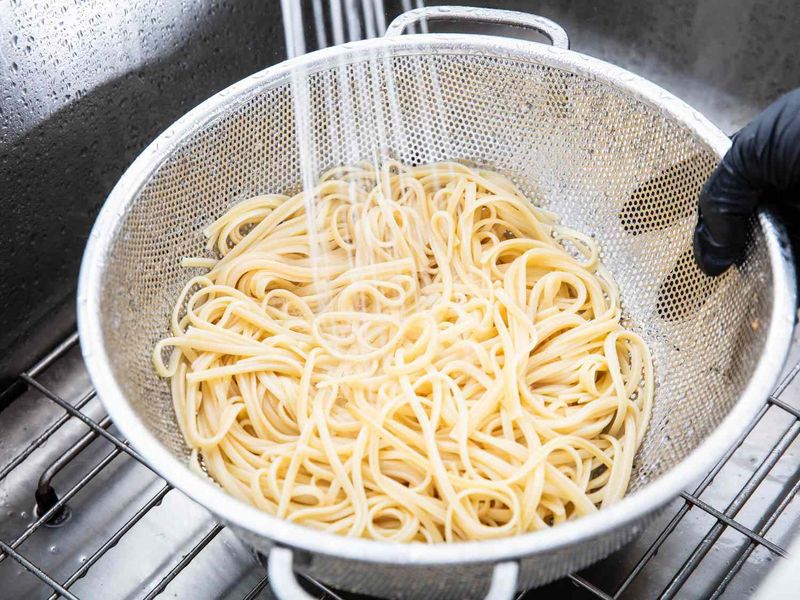
Rinsing pasta after draining it washes away the thin layer of starch clinging to the surface. That starch is actually a good thing because it helps sauce grip the noodles.
When you rinse, the sauce slides right off instead of coating each strand evenly. The only time rinsing makes sense is when making a cold pasta salad, where you want to stop the cooking process quickly.
For any warm pasta dish, drain and immediately toss with your sauce.