11 Italian Tomato Varieties That Shape Regional Sauces
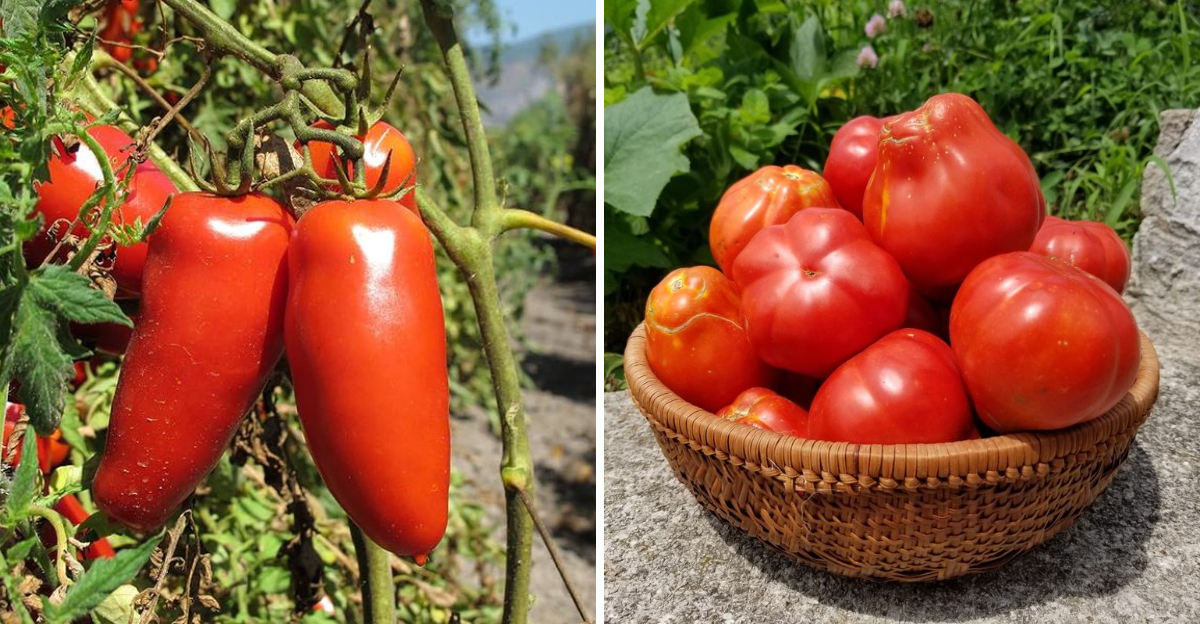
Tomato sauces are not one flavor fits all, and Italy proves it with varieties that shape every simmer. If you have ever wondered why one sauce tastes silky while another sings with brightness, the tomato is the quiet architect.
Travel through regions by way of seeds, skins, and sweetness, and you will start cooking with intention, not habit. Let these beloved Italian tomatoes guide your next pot of red.
1. San Marzano
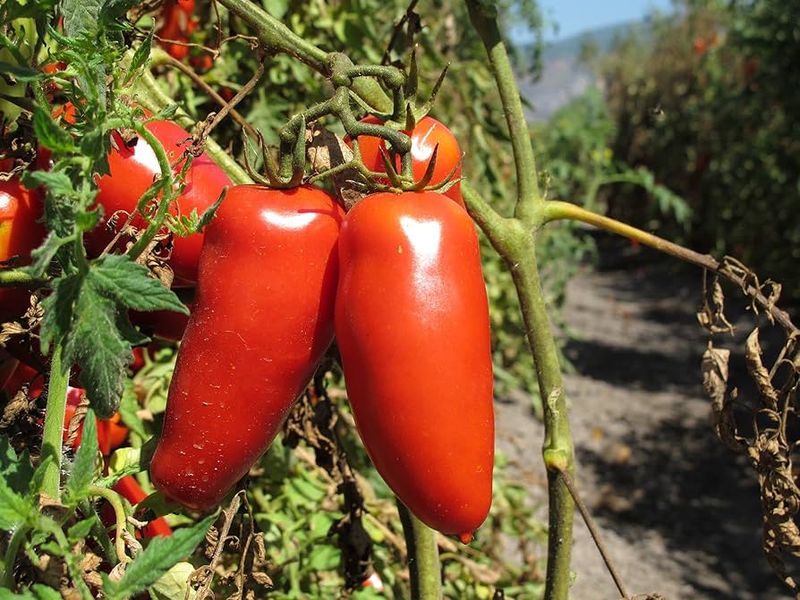
San Marzano is the smooth talker of Italian sauces, known for low seeds, gentle acidity, and balanced sweetness. When you want a clean, velvety red, this tomato delivers a sauce that simmers into silk without turning sharp.
It is why many cooks reach for it first.
Growers in Campania treat it like a treasure, and you can taste that care. Use whole peeled for a slow, steady simmer that concentrates flavor.
Add olive oil, garlic, and a patient hour, and you will get a classic, restaurant worthy sugo.
2. Roma (and Roma-type plum)
Roma is the workhorse you count on when weeknights demand reliability. Fleshy walls and modest juice mean it cooks down fast, giving thickness without hours of reduction.
The flavor is straightforward, perfect for baked pastas and everyday sugo.
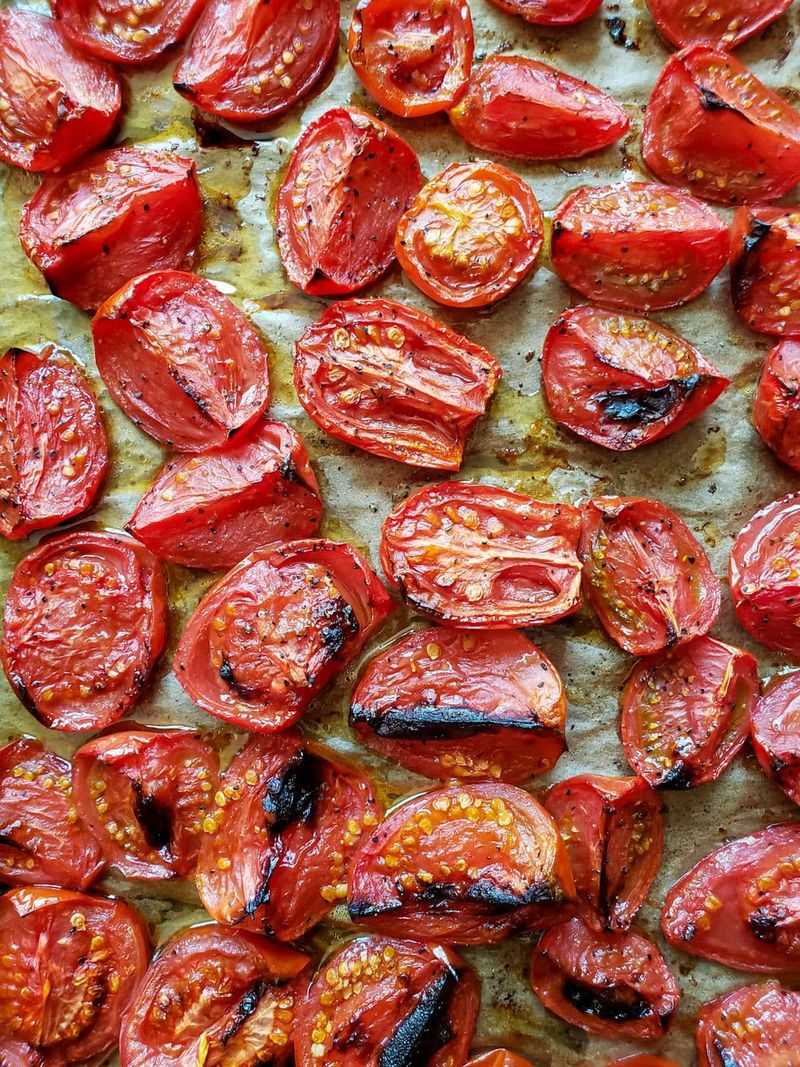
When you want structure more than perfume, Romas step up. Roast them briefly to intensify, then crush into the pan with onion and oregano.
You will get a sturdy, tomato forward base that carries meatballs, sausage, or roasted vegetables without getting watery.
3. Pomodorino del Piennolo del Vesuvio
These volcanic darlings pack power in tiny packages. Their tough skins hold intense sweetness and salinity, so quick sauces taste long cooked.
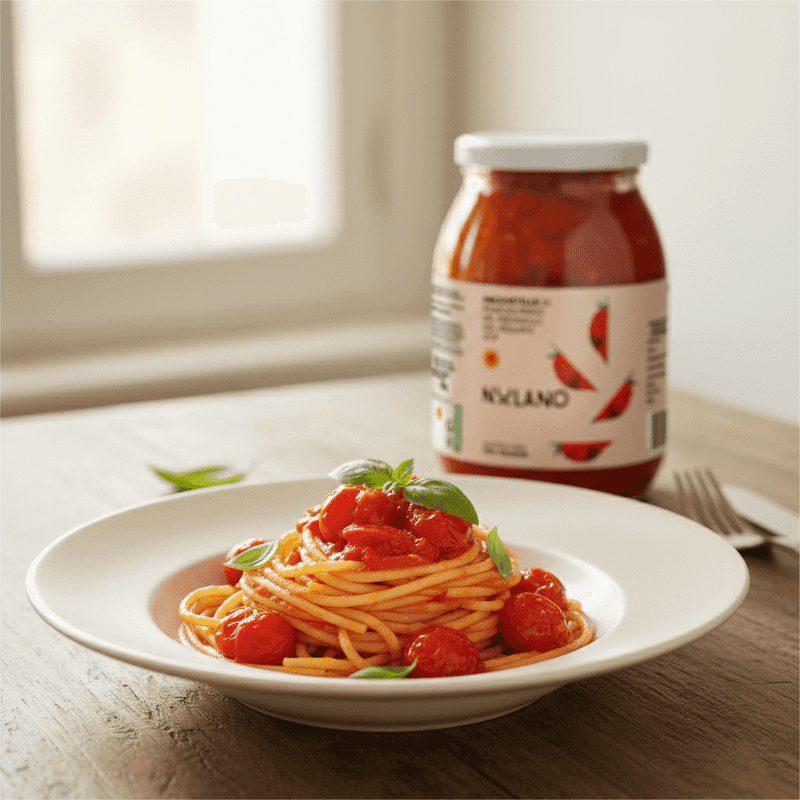
Toss them into a hot pan with oil and garlic, and they burst into a glossy, concentrated cling.
They are perfect when you want bold flavor without heaviness. Think spaghetti, a ladle of starchy water, and a fast emulsion.
The sauce hugs every strand, bright yet deep, ideal for weeknights that still deserve a Campania memory.
4. Corbarino
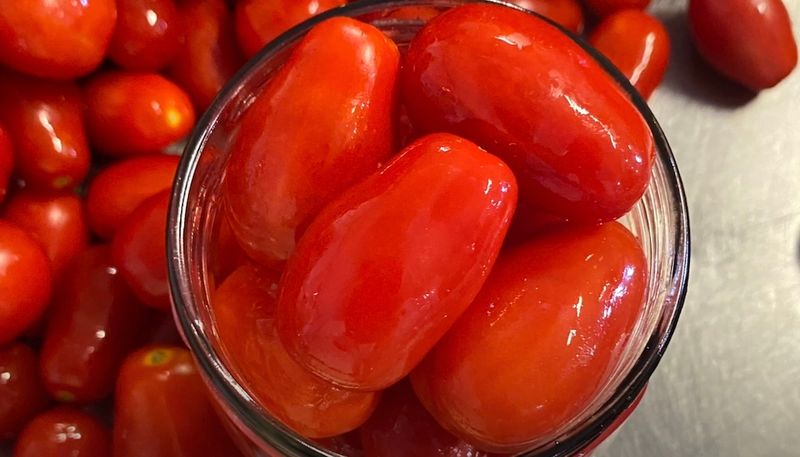
Corbarino brings perfume and a lively line of acidity that keeps sauces singing. When a base feels flat, a handful restores balance, shifting a sauce from heavy to lifted.
It is a favorite in Campania for fragrance that does not overwhelm.
Pair it with seafood, where sweetness and acidity need tight choreography. Let the tomatoes collapse briefly with olive oil, garlic, and chili.
Finish with clams or shrimp and parsley, and you will taste why Corbarino is a regional secret worth sharing.
5. Datterino
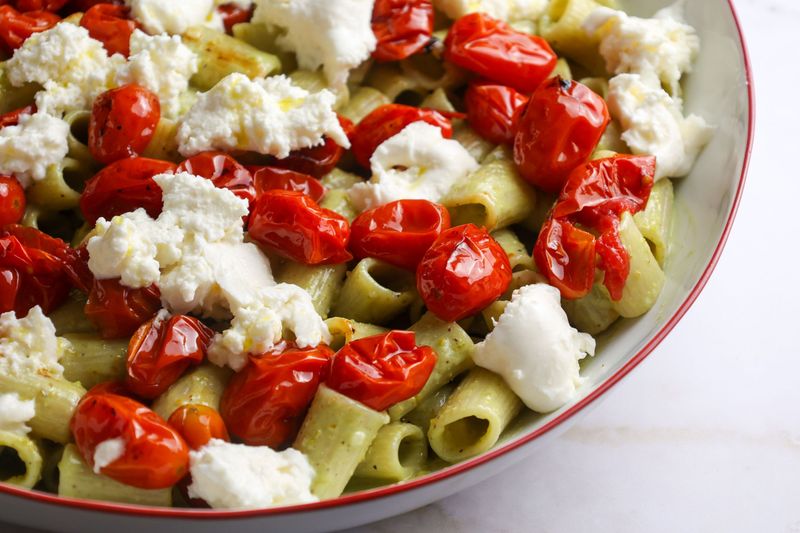
Datterino lives up to its nickname, bringing natural candy like sweetness without tipping into syrupy. For fast pans, it breaks down into a jammy, glistening sauce that tastes like summer preserved.
You will not need sugar to balance acidity here.
Use it when you want sweetness to meet savoriness quickly. A hot skillet, a crush of garlic, and a handful of basil are enough.
Add pasta water to emulsify, and you get a bright, friendly sauce that kids and purists both love.
6. Ciliegino
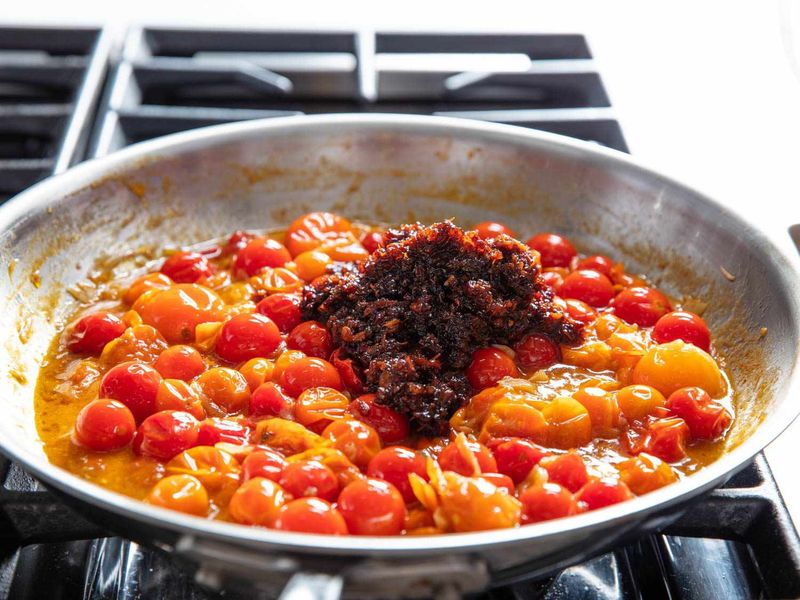
Ciliegino keeps things punchy and fresh, perfect for skillet sauces that celebrate ripeness. The flavor stays bright even after a quick burst in oil, so the sauce feels juicy rather than heavy.
It is a go to for summer pasta and bruschetta pans.
When time is short, this tomato rewards simplicity. Warm gently until skins blister, press with a spoon, then swirl with basil and butter.
The result is a glossy, vibrant sauce that clings lightly and tastes like sunshine on a plate.
7. Pachino (Sicilian cherry types)
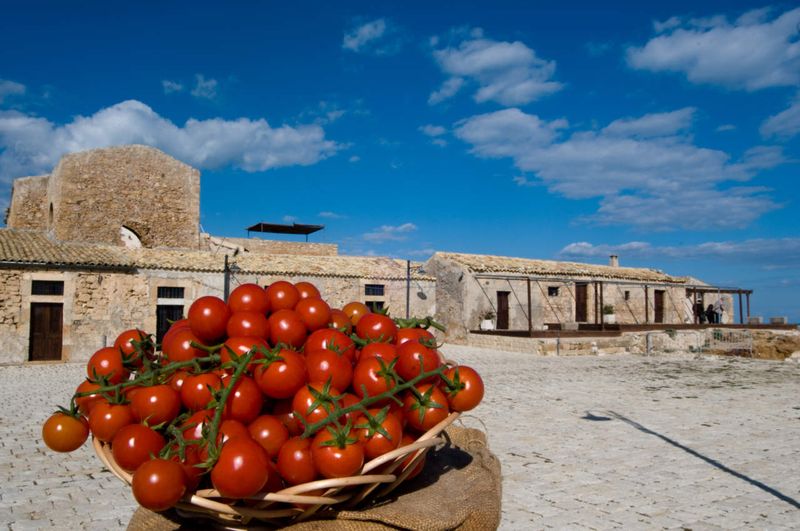
Pachino is clean and sweet with a seaside clarity that makes raw or barely cooked sauces feel complete. When the tomatoes are this good, you barely heat them.
The balance delivers a sauce that tastes sunny, saline, and effortlessly polished.
Try a fifteen minute pan with garlic, olive oil, and basil. Turn off the heat before full collapse to keep brightness intact.
Toss with spaghetti, add a little lemon zest, and you will understand why Sicilians guard this flavor.
8. Costoluto Fiorentino
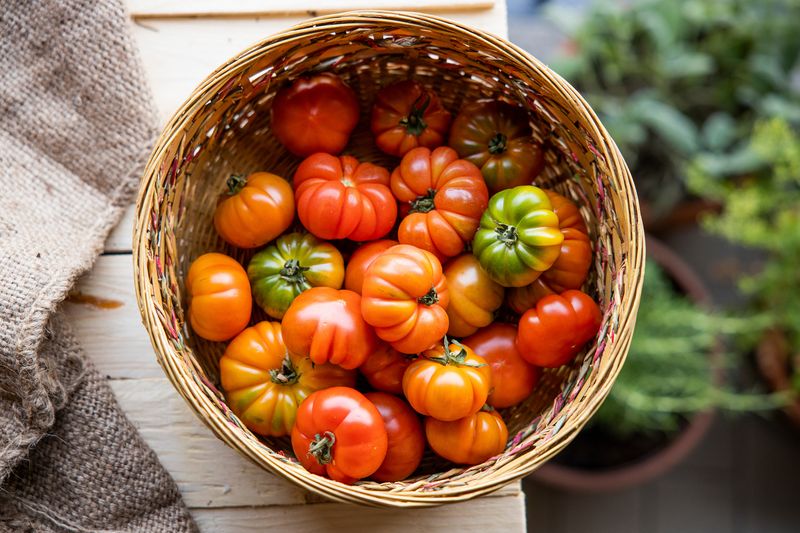
Costoluto Fiorentino is a ribbed heirloom with personality to spare. It brings deeper, more layered tomato notes and a rustic texture that feels old world.
When plum tomatoes seem too tidy, this variety restores character.
Use it for sauces that welcome bumps and body. Sweat onions, add chunks, and let it relax into a nubbly richness.
The result is a sauce that tastes like garden afternoons and Sunday kitchens, perfect with grilled sausages or thick pappardelle.
9. Canestrino di Lucca
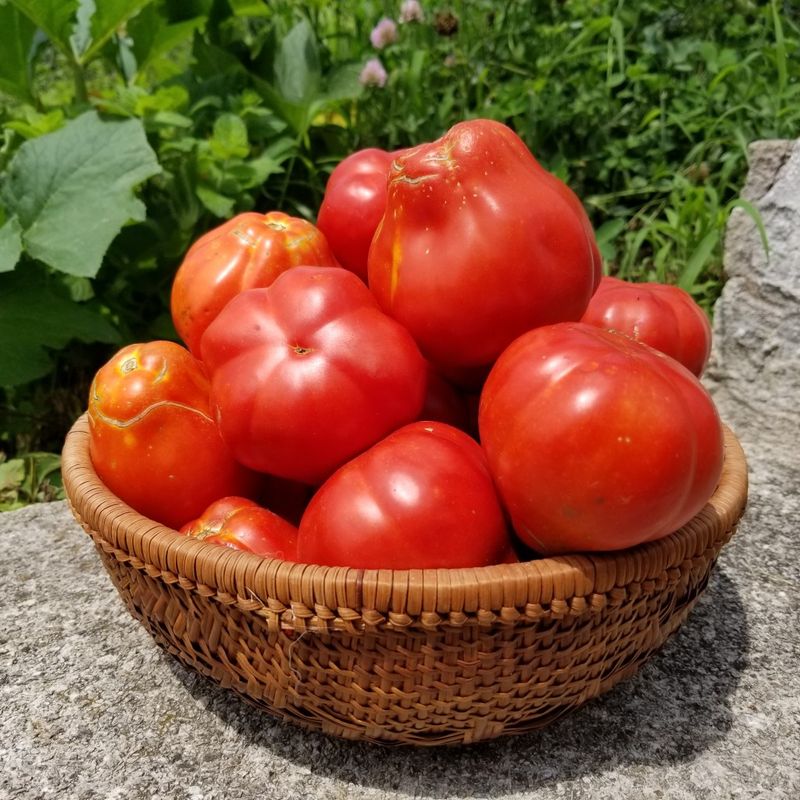
Canestrino di Lucca is prized for dense flesh and a confident, rich flavor that thrives in long simmers. When building a ragù-style tomato base, it holds form and deepens gracefully.
Strong seasonings do not wash it out.
Sauté pancetta, deglaze with wine, then add crushed Canestrino and time. The sauce grows savory and round, the kind that hugs gnocchi or polenta.
You will taste why Tuscan cooks trust it when patience and depth are the plan.
10. Cuore di Bue (Oxheart)
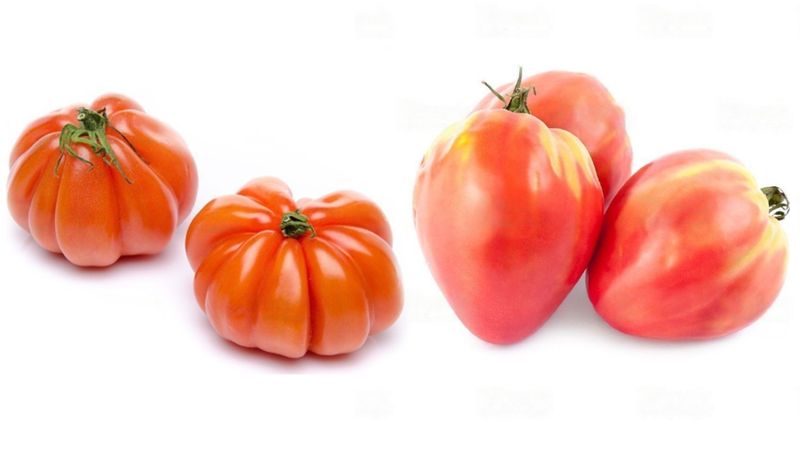
Cuore di Bue is big, meaty, and less watery than typical slicers, which makes it ideal for chunkier, stew-like sauces. It is not for ultra smooth passata, but it shines in long, gentle cooks.
Expect deep, homey tomato comfort.
Cut into hearty cubes and let them collapse slowly with thyme and bay. The sauce thickens naturally, developing a spoon-coating body.
Add mushrooms or braised beef, and dinner moves toward rustic grandeur without fuss.
11. Piccadilly
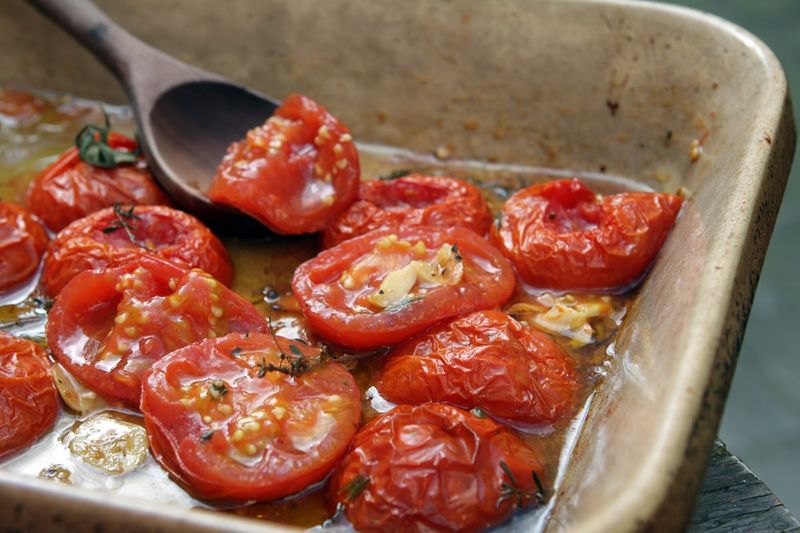
Piccadilly is a modern southern favorite, sweet leaning and reliably fleshy. It excels in fast home sauces and oven roasts that concentrate without turning harsh.
The payoff is clarity and body in one tidy tomato.
Halve, roast until edges caramelize, then fold into a hot pan with garlic. The sauce becomes silky and vivid, perfect for weeknight pasta or as a base for baked dishes.
You get convenience, consistency, and a pleasing brightness that stays friendly.