11 Things Celebrity Chefs Never Eat And 12 Favorites They Always Pick
Chefs are not mystical eaters living on foam and truffles. They just learn which everyday foods deliver joy and which ones quietly wreck a good meal.
Listen closely and you hear the same patterns, the same quick fixes, the same avoid-at-all-costs. If you want to eat like a pro without fuss, steal these simple rules and taste the difference tonight.
1. Flavorless, out-of-season tomatoes
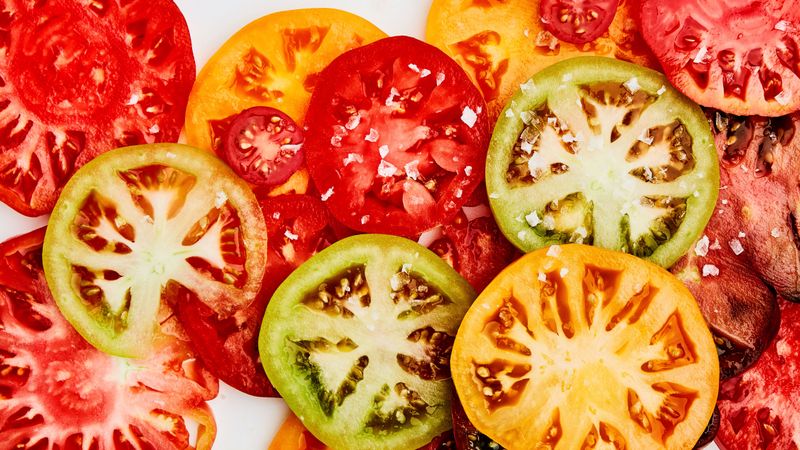
When tomatoes are pale and grainy, chefs simply skip them. You can taste the difference immediately, because watery slices dull sandwiches and salads instead of lifting them.
Wait for peak season or choose canned San Marzano for sauces, and suddenly the sweetness and acidity make sense.
If you crave tomatoes in winter, roast cherry tomatoes to concentrate flavor. A quick blast with olive oil and salt transforms bland into bright.
You deserve tomatoes that taste like tomatoes, not red water pretending to be produce.
2. Pre-shredded bagged cheese
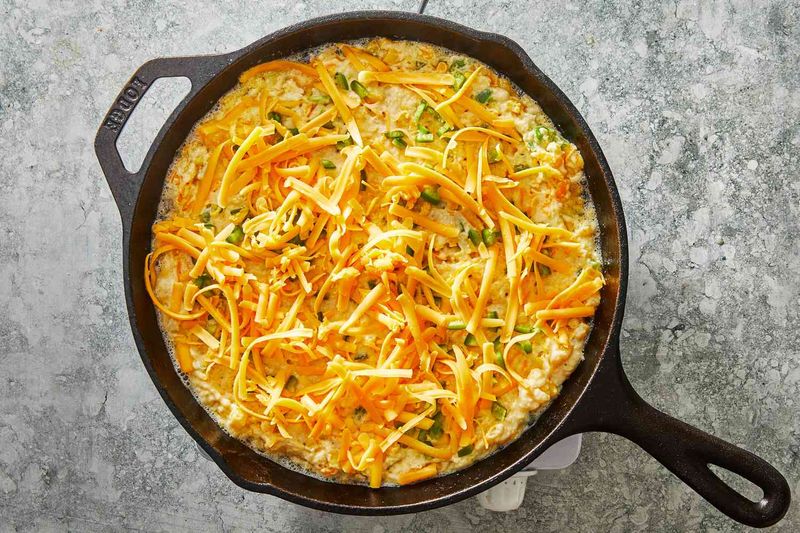
Pre-shredded cheese is convenient, but those anti-caking starches mute flavor and block clean melting. You get a chalky pull instead of that silky, stretchy melt everyone craves.
Grating a block takes two minutes and pays off with better browning and bolder taste.
Chefs reach for blocks of cheddar, mozzarella, or Parmesan and use a microplane or box grater. Fresher shreds grip sauces and pizza differently, creating a smoother, glossy finish.
When the goal is comfort, why settle for dull when sharp and melty is this easy?
3. Truffle oil
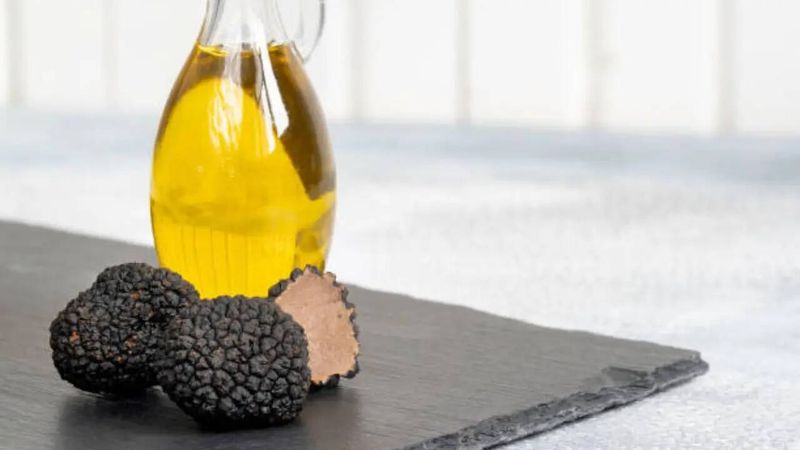
Truffle oil shouts when you want a whisper. Many chefs find it synthetic, loud, and one note compared to the earthy complexity of real truffles.
A drizzle can bulldoze delicate flavors, turning bowls of pasta or fries into perfume rather than food.
If you love that vibe, use restraint or swap in mushrooms sautéed slowly with butter. You will get umami depth without the fake aftertaste.
Food should smell like dinner, not a candle shop, and balance beats bravado every time.
4. Overcooked steak
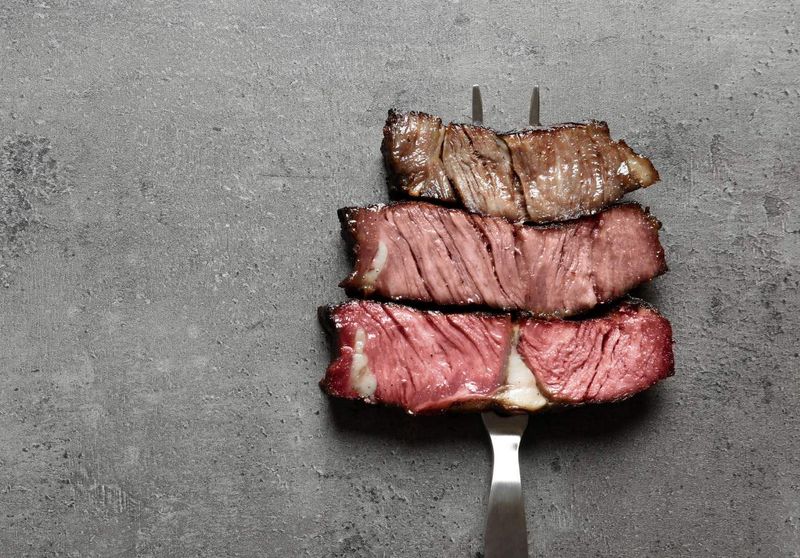
When steak goes past juicy, it stops tasting like steak. The fat never renders into that luscious bite, and you are left with chewiness and regret.
Chefs would rather order chicken than waste good beef cooked to oblivion.
Use a thermometer and rest the meat so juices redistribute. Aim for that tender, rosy center where fat melts and flavor blooms.
Respect the cut, and it pays you back with every bite, simple and satisfying.
5. Jarred minced garlic
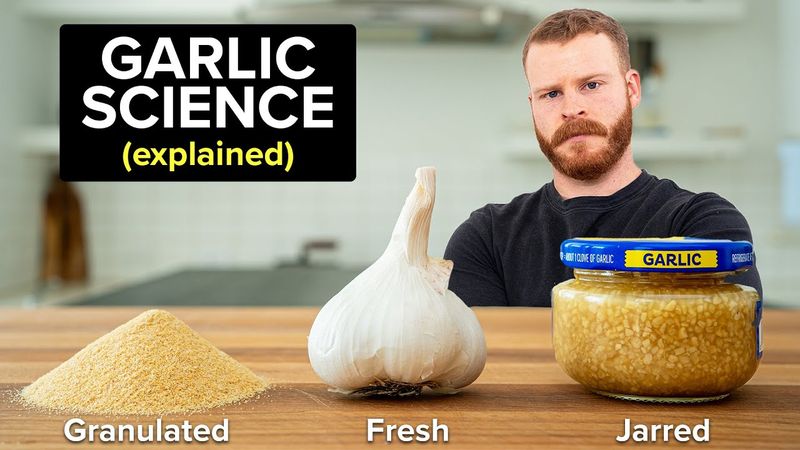
Jarred garlic is fast, but it tastes flat and oddly metallic. Fresh cloves bloom in aroma, changing from sharp to sweet as they cook.
That shift is the difference between dinner that sings and a dish that tastes tired from the start.
Smash a clove, salt it, and microplane or mince quickly. Your pan picks up the fragrance instantly, and the sauce feels alive.
Convenience should help flavor, not replace it, and fresh garlic is tiny effort with big reward.
6. Bottled lemon or lime juice
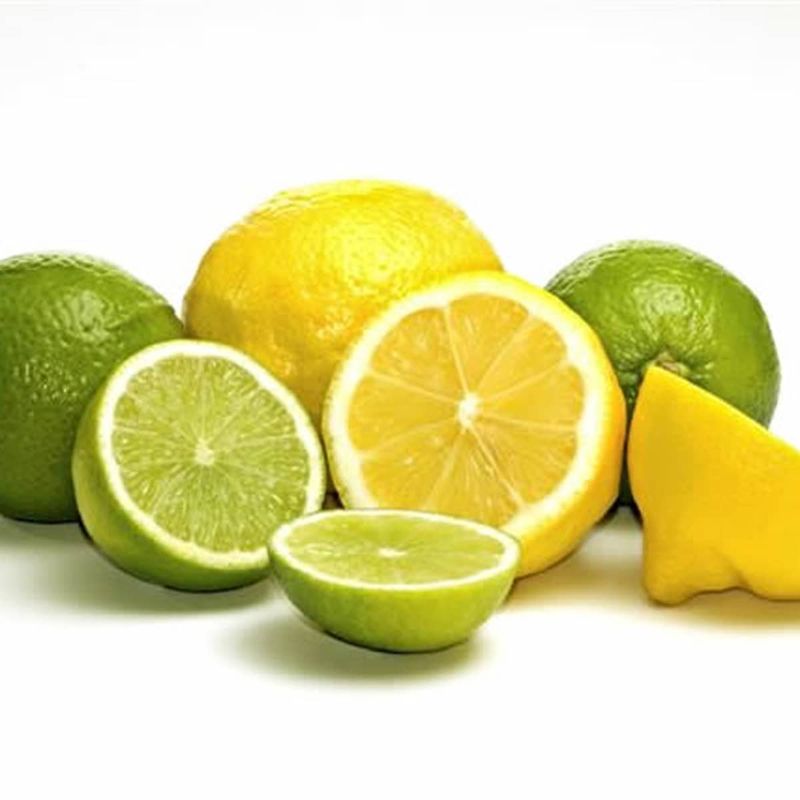
Bottled citrus often tastes muted, with a faint metallic edge. Fresh lemons and limes give that punchy sparkle chefs chase when finishing dishes.
Just a squeeze unlocks brightness in pastas, fish, salads, and even desserts.
Keep a couple lemons on the counter and use them like salt. Add zest for aromatic oils and extra lift without extra acidity.
Once you taste the difference, you will never go back to flat citrus from a bottle.
7. Low-quality or old olive oil
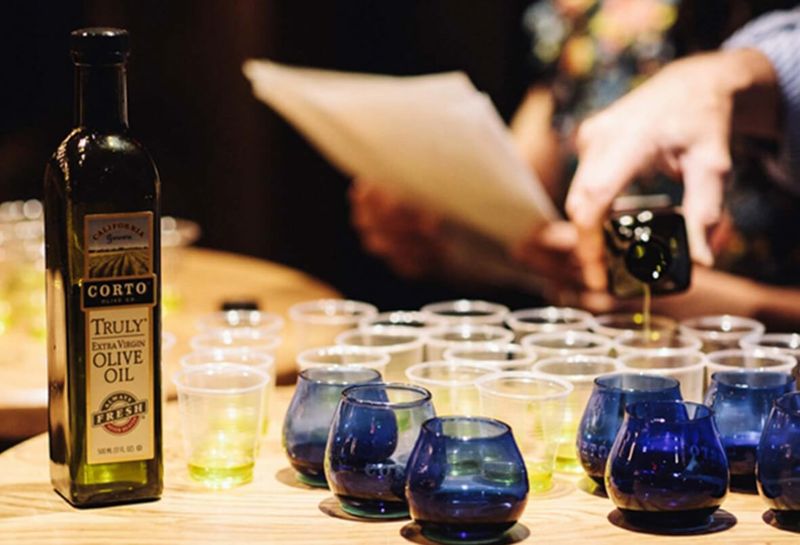
Old or cheap olive oil can taste stale, bitter, or waxy. A single spoonful can sink a salad or sauce before anything else has a chance.
Chefs sniff, taste, and date their bottles, because freshness is flavor in liquid form.
Buy smaller bottles you will finish quickly and store them away from heat. Use the good stuff for finishing and a neutral oil for high heat.
When oil tastes lively and green, everything around it gets tastier with zero extra work.
8. Microwave steam-in-bag vegetables as-is
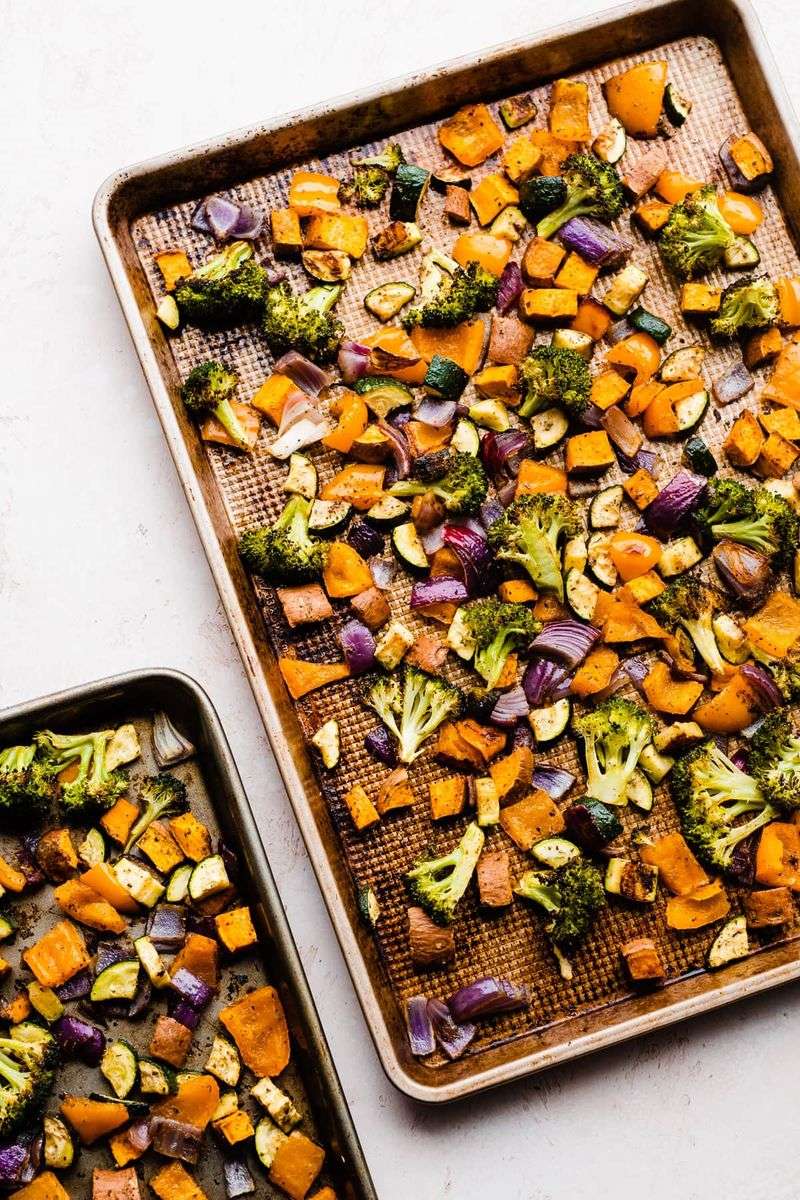
Microwave steam bags are fine for speed, but not as the final version. Texture stays squeaky and flavors read shy.
Chefs finish those veggies in a pan with olive oil, salt, and maybe garlic or chili to wake them up.
Even a quick roast brings caramelization that tastes like effort. Toss with lemon and herbs and you get dinner that feels intentional.
Convenience is great, but you still deserve vegetables that make you want seconds.
9. Super-sugary jarred pasta sauce
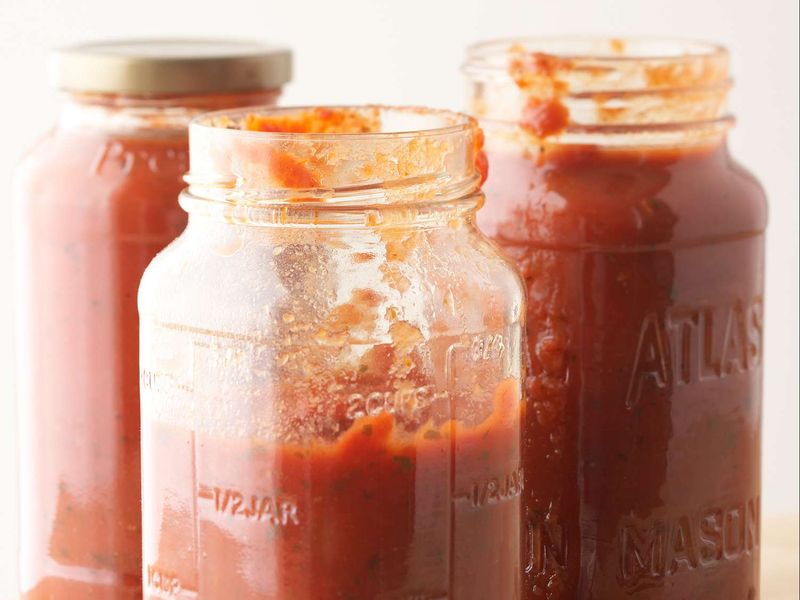
When a sauce tastes like dessert, it buries tomato brightness. Many jarred sauces lean sweet to hide dull ingredients, and chefs can taste the shortcut.
Balanced sauce should taste like tomatoes, garlic, olive oil, and a little heat.
If you use a jar, doctor it: sauté garlic, add chili, splash in olive oil. Simmer a few minutes so flavors marry and sweetness calms down.
You end up with a weeknight saver that still tastes like someone tried.
10. Gloopy, over-thickened dressings
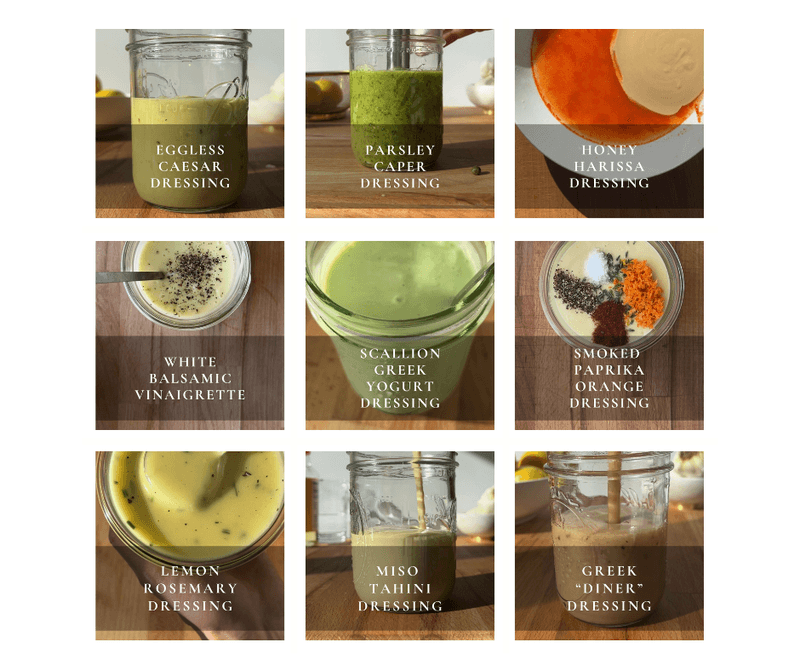
Dressings that coat like glue usually taste like stabilizers, not herbs and acid. Chefs want salads that feel crisp and lively, not heavy.
A simple vinaigrette of olive oil, lemon, mustard, and shallot beats a shelf-stable blob every time.
Shake it in a jar and keep it in the fridge for a few days. Adjust salt and acidity until greens taste vivid and fresh.
When the dressing whispers clean flavors, the whole salad feels restaurant-level without effort.
11. Food that hides mistakes
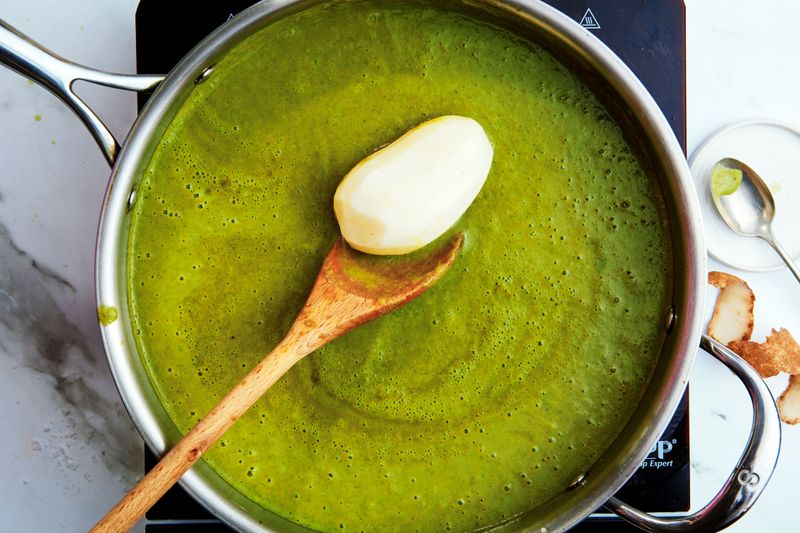
Extremely salty, sugary, or aggressively sauced food can feel like a cover-up. Chefs look for clean flavors, where ingredients speak clearly.
If everything tastes like sauce, something went wrong earlier with sourcing or technique.
Choose places that season confidently but not loudly. When a dish tastes balanced, you taste texture, aroma, and freshness together.
That is the kind of honesty you can feel, and your palate gets smarter with every bite.
12. Eggs
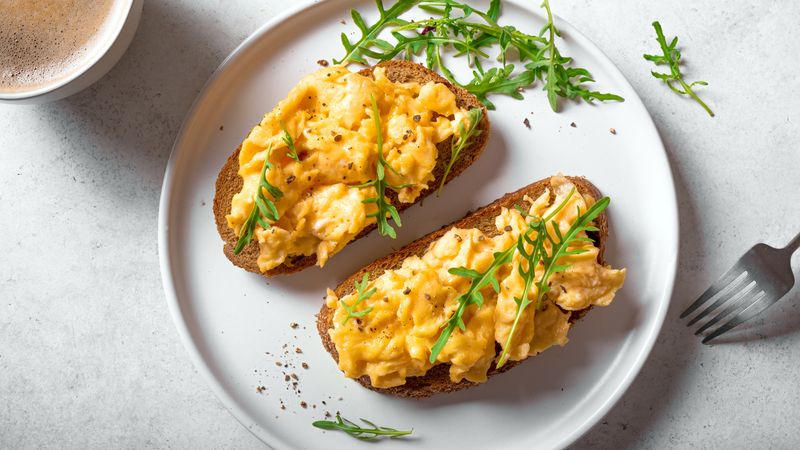
Eggs are the ultimate five-minute fix. They scramble, poach, fry, and bake into everything from breakfast to rice bowls.
A little heat control turns simple eggs into something silky and comforting any time of day.
Keep butter, olive oil, and salt nearby, then finish with herbs or chili. Slide eggs onto toast or leftover vegetables and you have dinner without trying.
You get protein, richness, and speed in one pan, which is why chefs never run out.
13. Chicken thighs
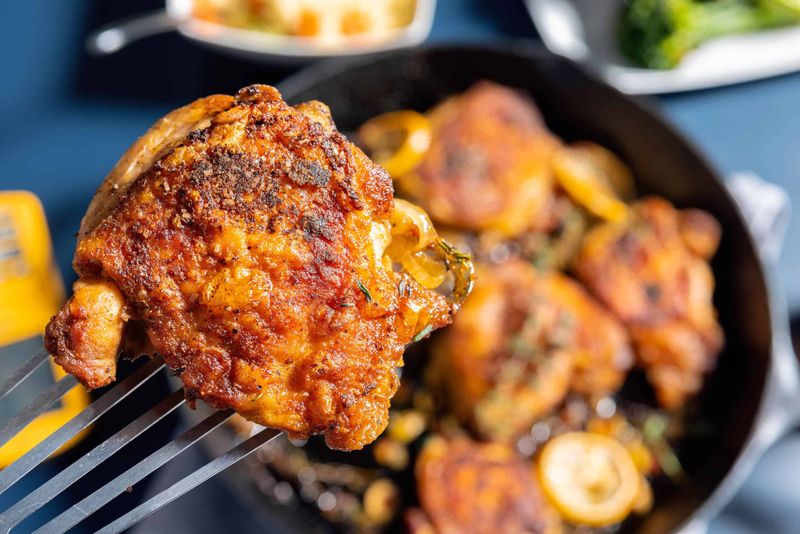
Chicken thighs forgive timing slips and still deliver juicy, flavorful meat. The fat content keeps them tender while skin crisps beautifully under heat.
Chefs pick thighs for weeknights because the margin of error is bigger and the payoff is better.
Marinate quickly or rub with salt, paprika, and lemon. Roast or sear then finish in the oven, spooning pan juices over at the end.
You get concentrated chicken flavor with almost no stress, which is the whole point.
14. A really good loaf of bread
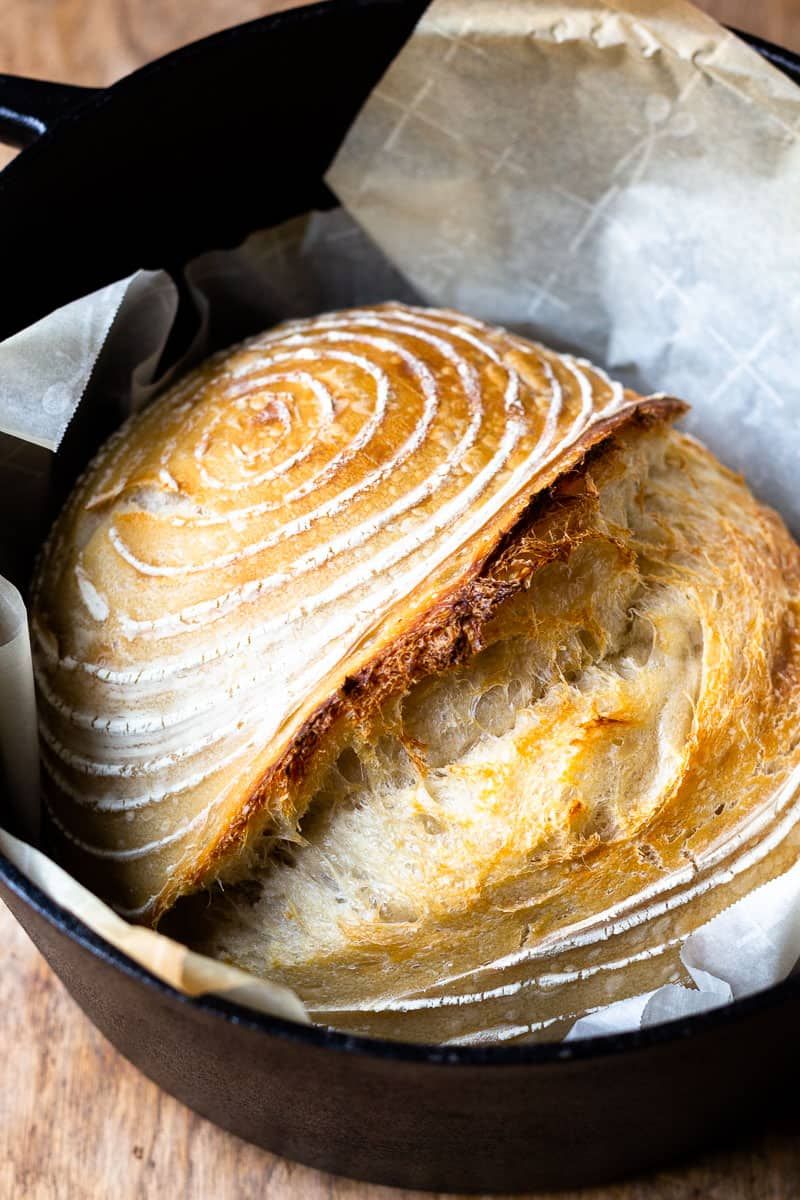
A great loaf turns simple food into a meal. Tear off a piece, swipe it through olive oil, or build a sandwich that needs nothing fancy.
Good bread tastes like time and care, with a crust that sings and a tender, springy crumb.
Pair it with soup, eggs, cheeses, or tomatoes in season. Freeze half, toast thick slices, and let butter melt slowly.
It is humble luxury you can build dinner around any night of the week.
15. Butter
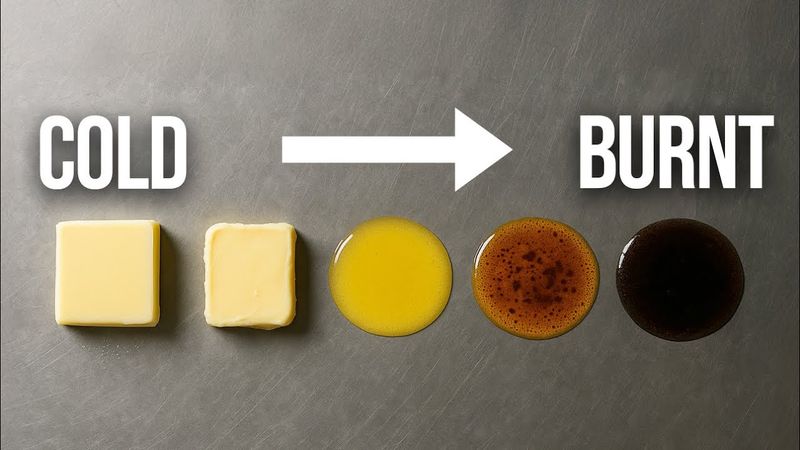
Butter finishes sauces, glazes vegetables, and makes everything feel complete. That nutty sizzle when it browns turns simple pasta into something special.
Chefs respect how a little knob adds shine, body, and quiet sweetness.
Use salted on bread and unsalted for cooking control. Let it soften for baking so cookies spread evenly and taste balanced.
When used thoughtfully, butter is not indulgence, it is practical magic that brings flavors together.
16. Fresh herbs
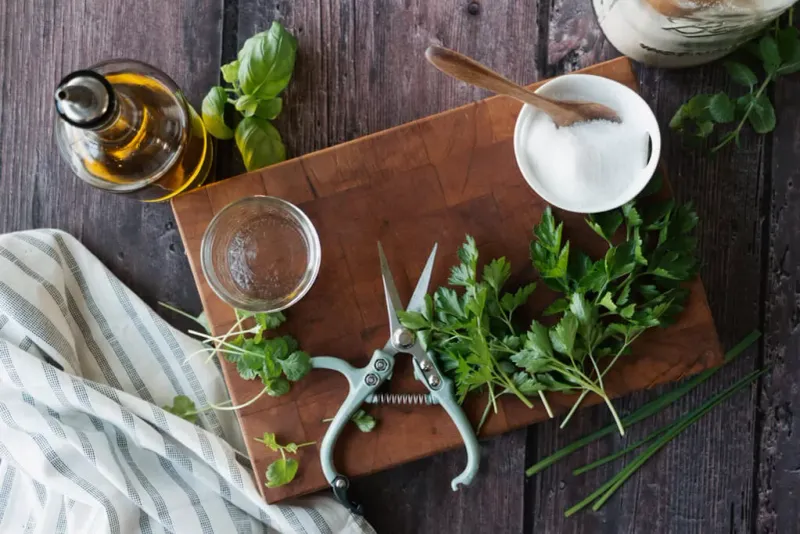
Fresh herbs make basic food feel intentional. A handful of parsley or basil wakes up eggs, soup, and roasted vegetables.
You taste brightness first, then everything else follows, like turning up the contrast on a photo.
Keep soft herbs chilled and dry, then chop right before serving. Sprinkle generously and let the aroma hit the table.
When herbs finish the plate, you get freshness that seasoning alone can not deliver.
17. Lemons
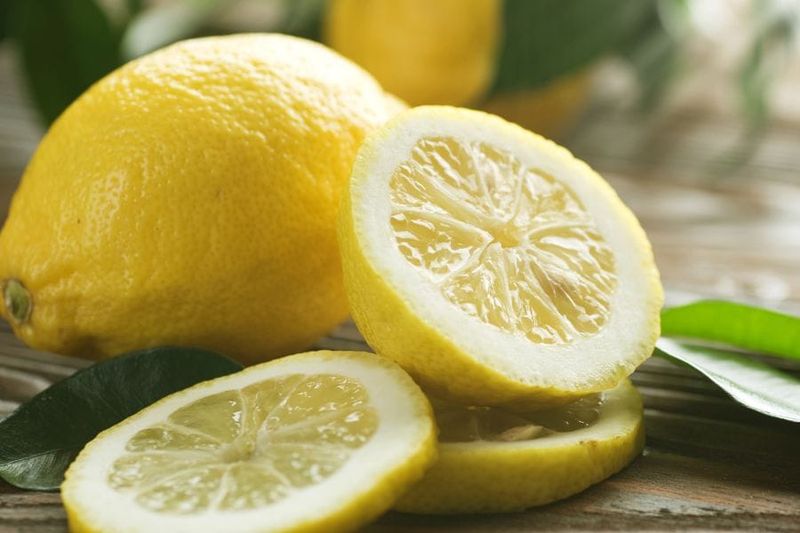
Lemons are the fastest way to wake up flavor. A squeeze at the end tightens sauces, balances richness, and makes seafood shine.
Chefs keep them within arm’s reach because acid is the lever that makes everything pop.
Zest adds perfume without extra sourness, perfect for pasta, salad, and grilled meats. Try finishing roasted vegetables with lemon and olive oil.
Suddenly, dinner tastes brighter, cleaner, and more alive than the sum of its parts.
18. Olive oil they trust
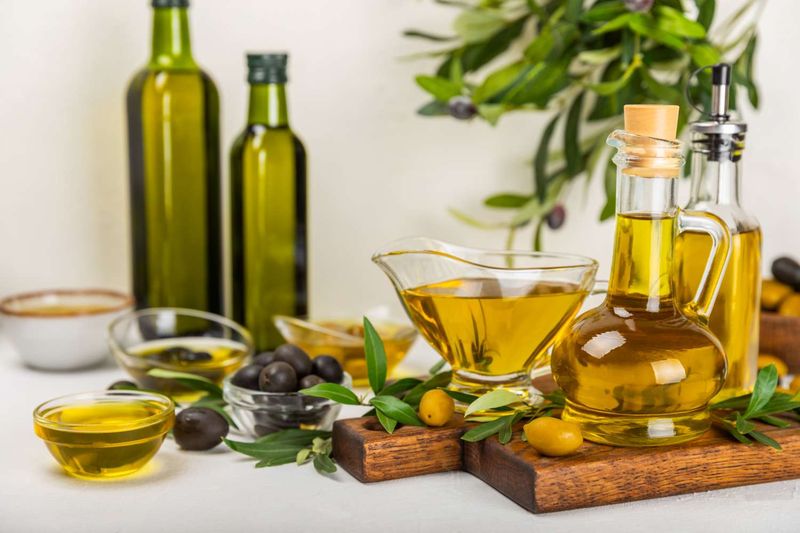
Good olive oil is not a trend, it is a tool. The right bottle adds peppery lift to salads, soups, and grilled vegetables.
Chefs taste before buying and use it to finish, not fry, so the character stays intact.
Look for harvest dates and buy from reliable sources. Keep it cool and capped, then use with confidence.
When your oil is delicious alone, everything it touches gets better without extra effort.
19. Salt that’s easy to control
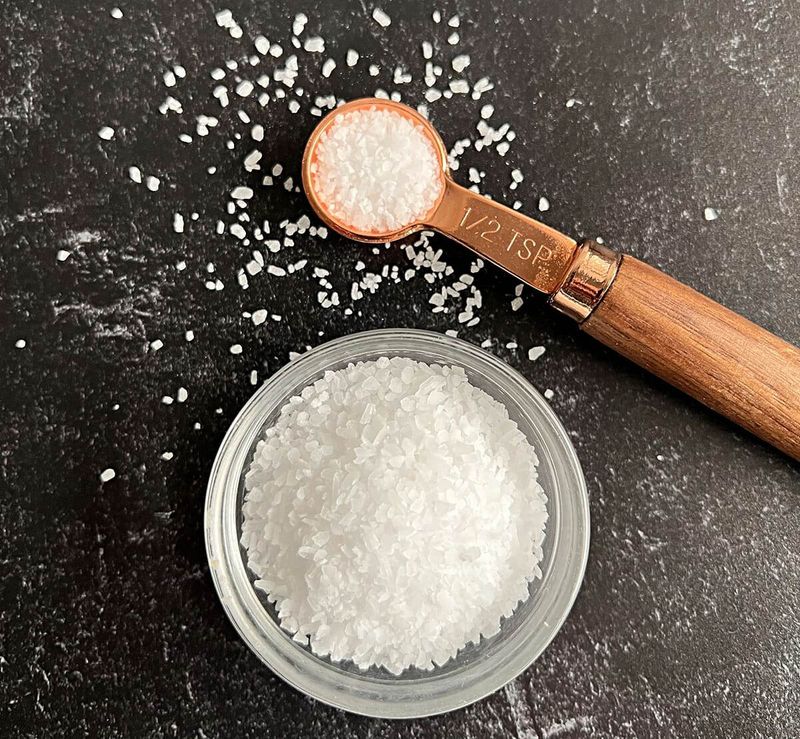
Chefs love salts they can grab and measure by feel. Kosher crystals are big enough to pinch accurately, so seasoning lands where you want it.
That control keeps food balanced instead of drifting salty or dull.
Season early and taste often, adjusting at the end. Use flaky salt for finishing crunch on steaks, eggs, and chocolate.
When salt behaves, flavor pops and you cook with less second-guessing.
20. Rice
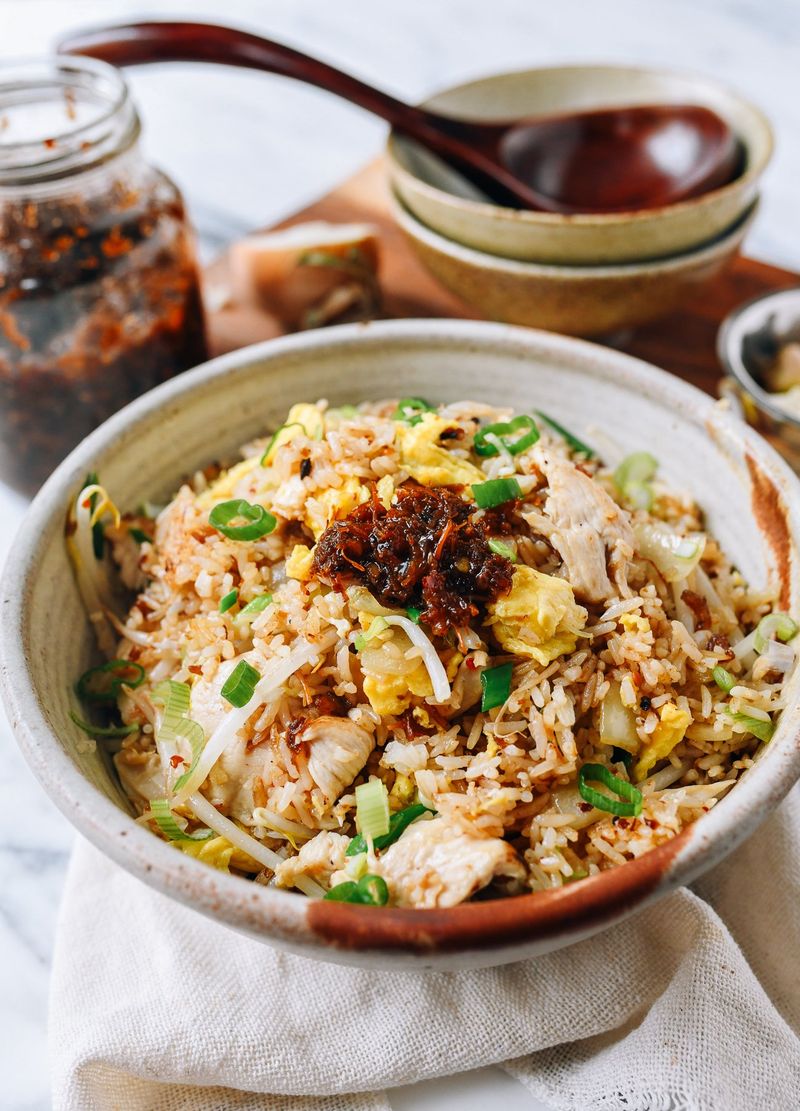
Rice is the quiet hero that saves leftovers. It turns scraps of vegetables, eggs, and sauce into a complete bowl in minutes.
Chefs lean on it for practicality, comfort, and that satisfying blank canvas energy.
Rinse, rest, and keep it warm, then finish with herbs or a punchy condiment. Fried rice is the ultimate clean-the-fridge dinner.
You get texture, heat, and endless variations without spending or stressing.
21. Simple pasta
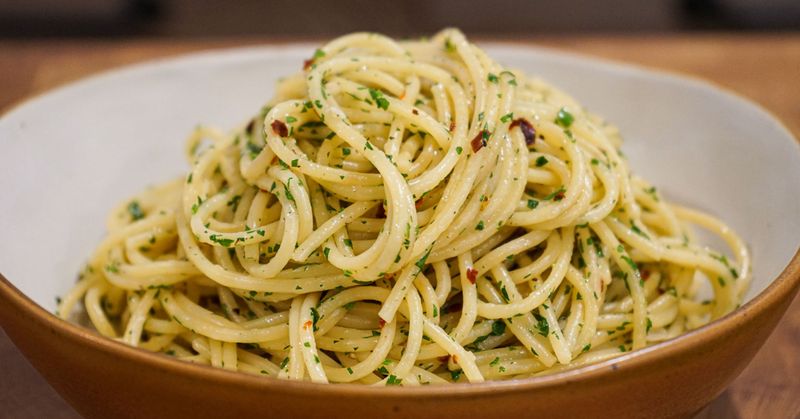
Pasta does not need drama to be great. Cook it al dente, save some water, and toss with oil, garlic, and maybe chili.
The starch makes a silky sauce that clings without heaviness.
Add lemon, herbs, or a handful of cheese and you are done. Chefs chase this balance: a few good ingredients that cooperate.
When the texture is right, even the simplest bowl feels like comfort and care.
22. Roasted vegetables
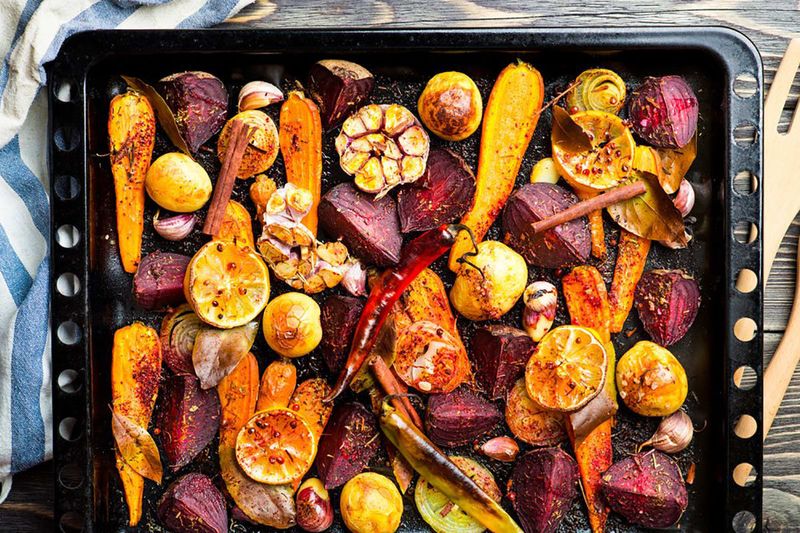
Roasting unlocks sweetness and savory depth in vegetables with almost no effort. High heat kisses the edges, and suddenly carrots, broccoli, and potatoes taste concentrated and complex.
Chefs rely on this move because it is hands-off and consistently delicious.
Toss with oil, salt, and space them out so they brown, not steam. Finish with lemon, herbs, or vinegar.
You will eat more vegetables because they finally taste craveable, not compulsory.
23. A strong, simple condiment
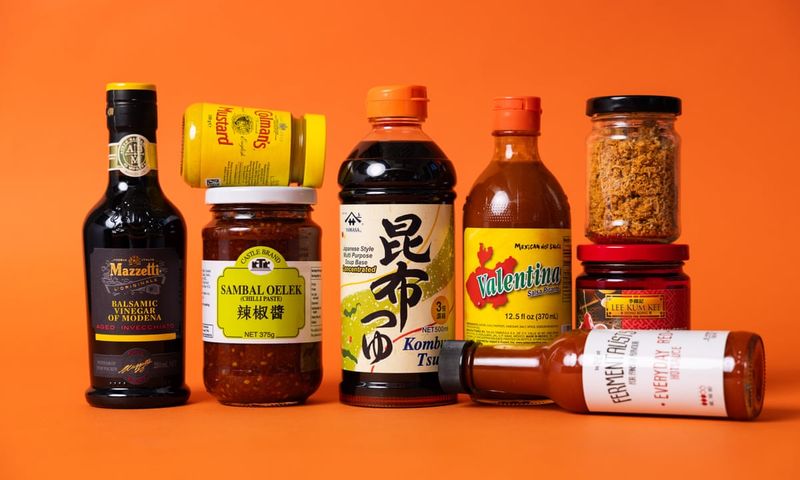
One punchy condiment flips fine into memorable. Hot sauce, mustard, chili crisp, or good vinegar add heat, tang, or crunch in seconds.
Chefs keep a small lineup and reach for them like tools, not decorations.
Start with a little and taste, then build until flavors snap into focus. Put it on eggs, rice, roasted vegetables, or sandwiches.
That pop of intensity turns weeknight cooking into something you actually crave tomorrow.