12 Hacks For Finding The Best Watermelon
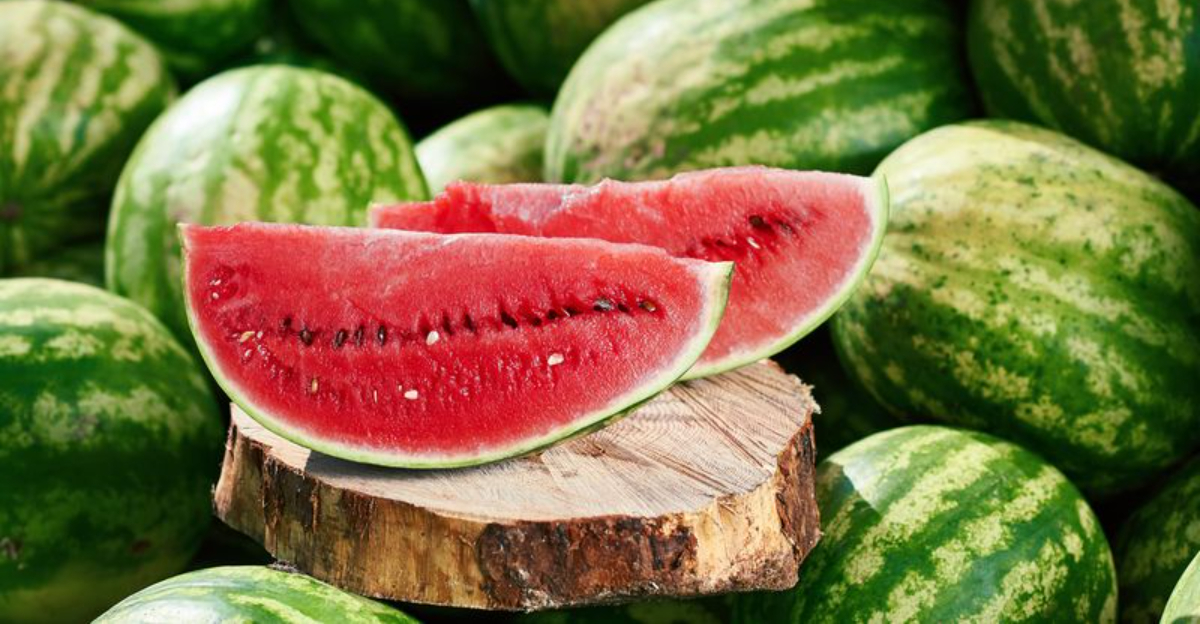
Ready to bring home a watermelon that tastes like summer in every bite? With a few smart tricks, you can skip the duds and grab a juicy, sweet winner every time. These hacks are simple, quick, and work whether you shop at a market, a roadside stand, or your backyard patch. Let’s turn you into the person everyone trusts for the perfect melon.
1. Look For A Creamy Field Spot
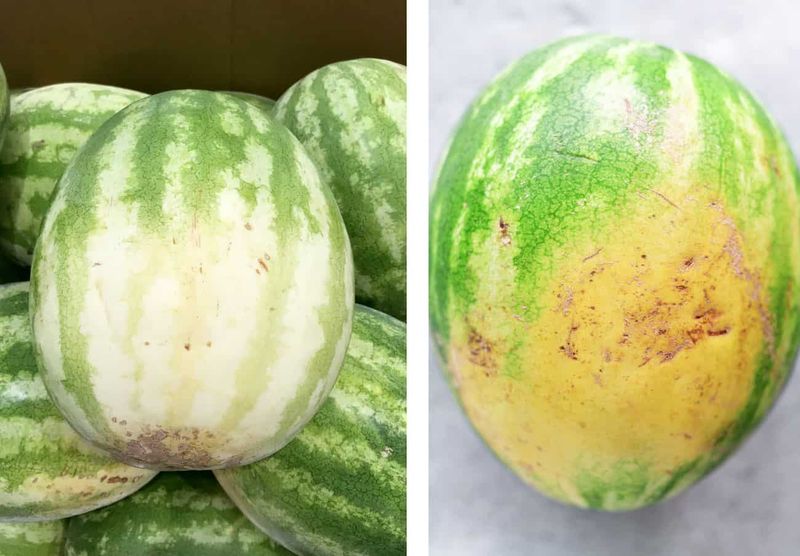
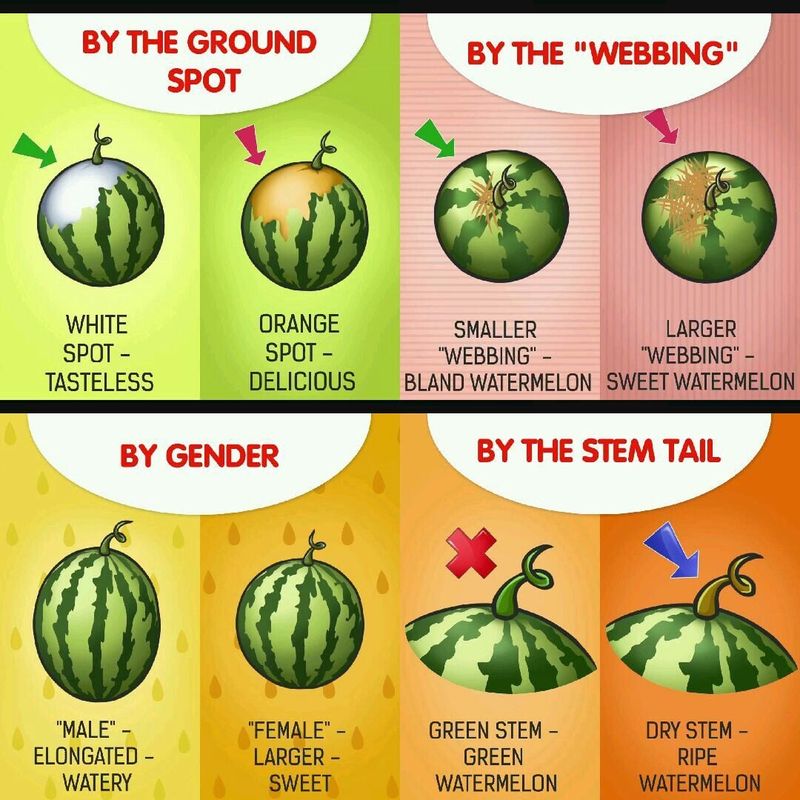
The field spot is the area where the watermelon rested on the ground while ripening. You want a creamy yellow or buttery gold spot, not pale white or greenish. That color signals the fruit stayed on the vine long enough to develop sweetness.
Scan several melons and compare shades side by side. If the spot is small and whitish, it was likely harvested early. Trust the deeper color to guide you toward rich flavor and better juice.
2. Check Webbing And Sugar Lines
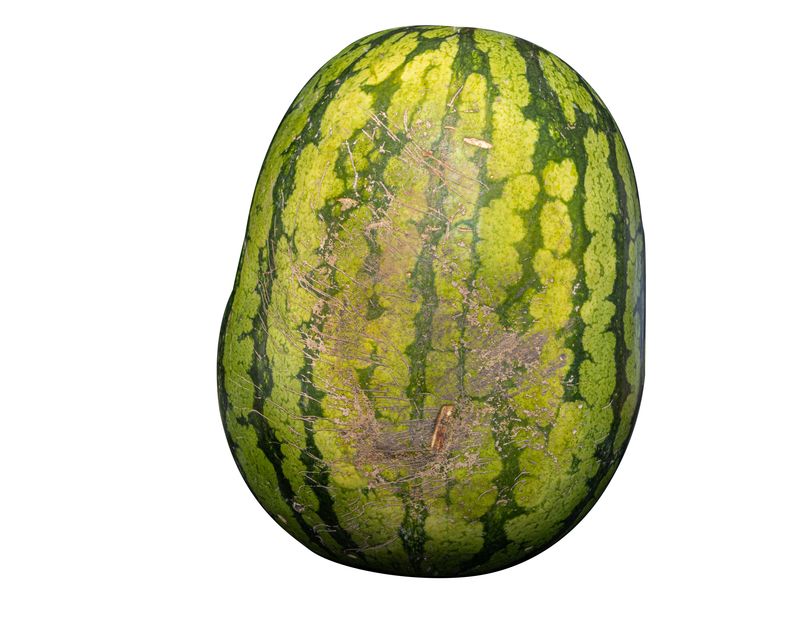
Brown webbing or sugar lines look like tan scarring etched across the rind. They form where pollination was strong and sugars concentrated during growth. While not conventionally pretty, these markings often point to enhanced sweetness.
Run your fingers over the rough texture. You are not seeking perfection here, you want character that clues flavor. Choose melons with distinct, widespread webbing, not faint scratches.
3. Lift For Heaviness
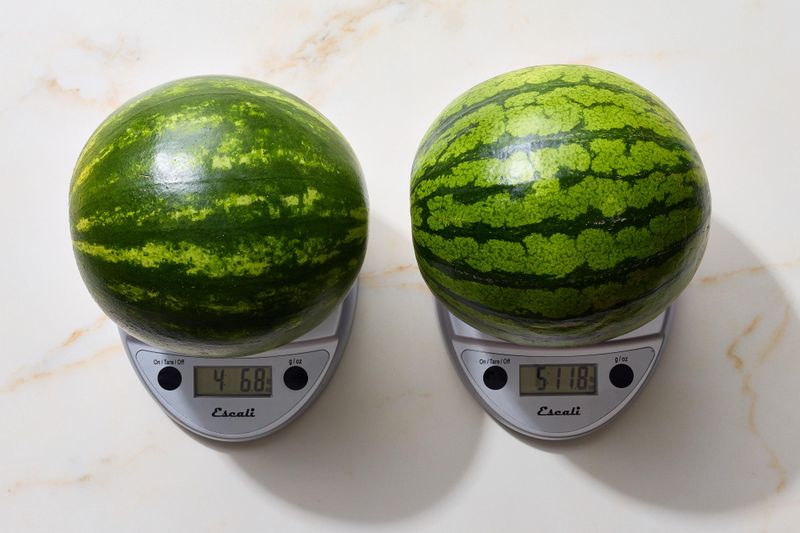
A ripe watermelon should feel heavy for its size. That heft means a high water content and abundant juice. If two melons look alike, pick the heavier one every time.
Use a quick lift test: cradle the fruit with both hands, then compare a few. The light one probably lacks full ripeness. The heavier melon usually delivers better texture and sweetness.
4. Seek Dull, Not Shiny, Skin
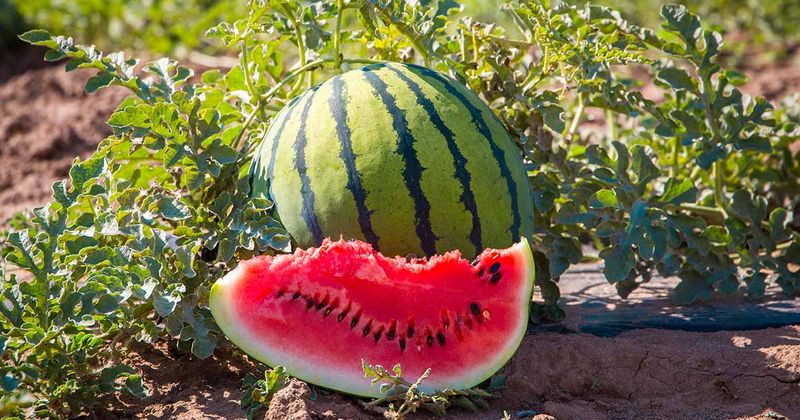
A dull, matte rind suggests the watermelon finished ripening on the vine. Shiny skin often indicates it was picked too early. The subtle lack of gloss is your quiet green light for flavor.
Stand back, tilt the melon under the lights, and compare surfaces. Dull usually wins over glossy in taste. Pair this check with a good field spot for stronger confidence.
5. Tap For A Deep Hollow Sound
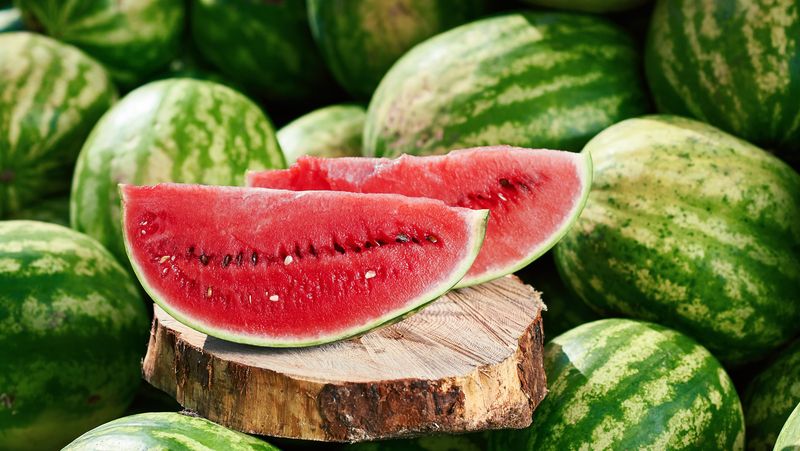
Gently tap the side and listen for a deep, resonant, hollow sound. That tone suggests firm, crisp flesh and balanced ripeness. A flat or thuddy sound can mean mushy or underripe insides.
Practice on a few melons so your ear learns the difference. It becomes intuitive quickly. Combine sound with field spot and weight to stack the odds in your favor.
6. Inspect The Stem And Tail
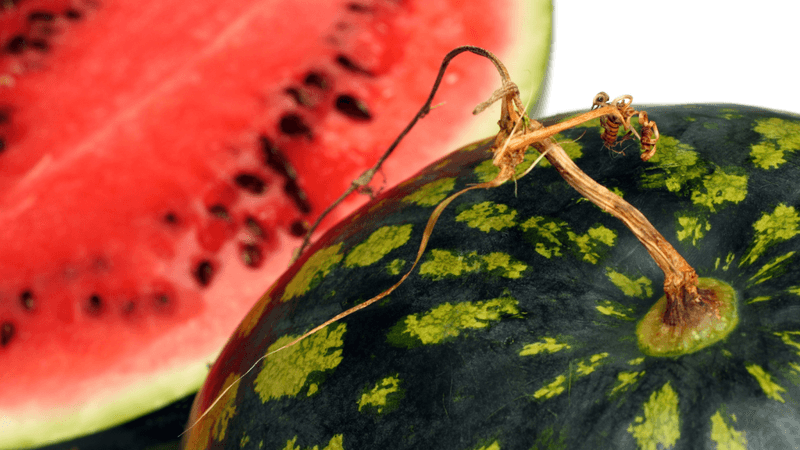
The stem end reveals timing. A dry, brown, slightly curled tail often means the melon finished ripening before harvest. A green, flexible tail can signal it was picked too soon and needs more time.
Look closely for cracking or splitting around the stem, which can also signal maturity. Avoid overly fresh-looking stems. Prioritize dry, mature tails for better flavor.
7. Favor Uniform Shape
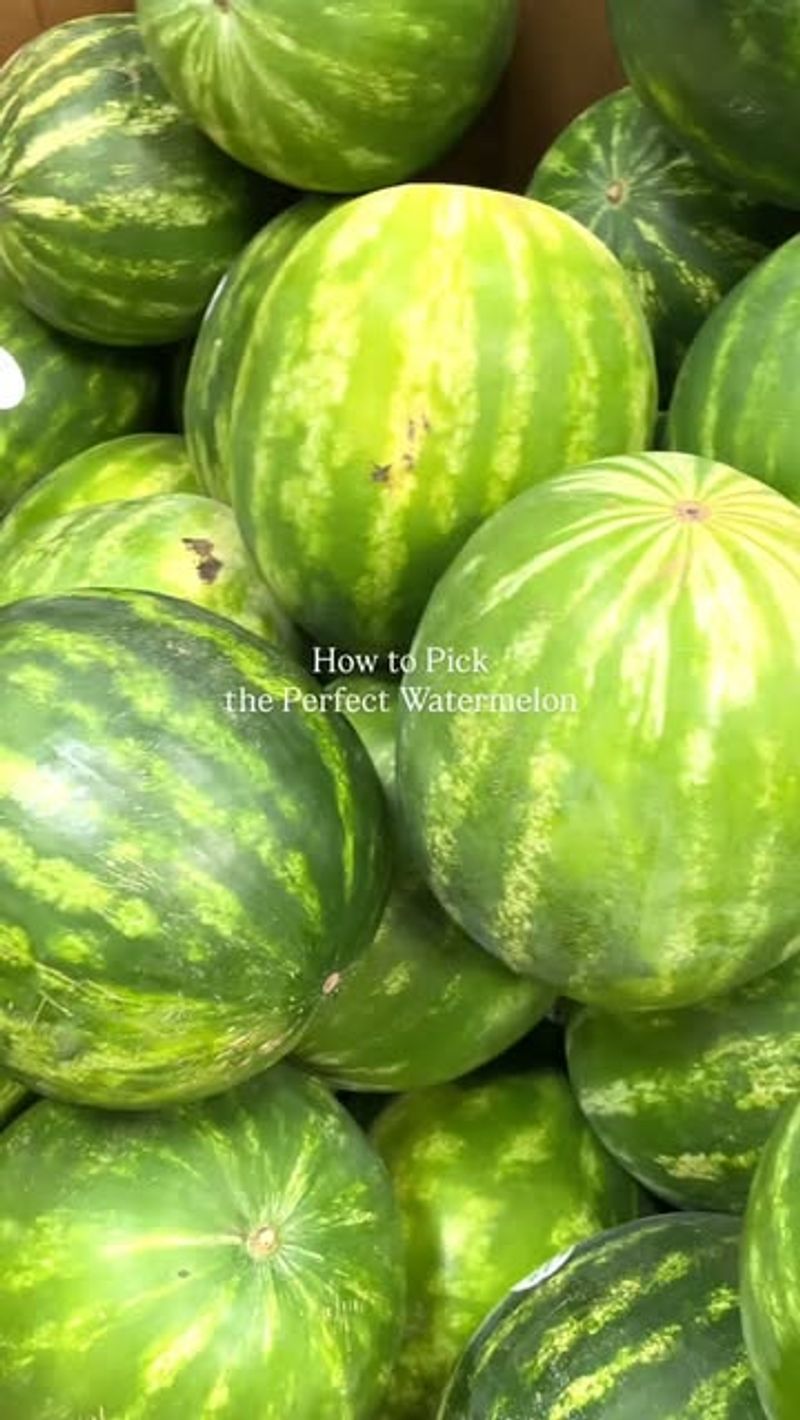
Uniformly round or oval melons tend to have even ripening and consistent texture. Odd bumps or irregular shapes can indicate uneven growth and potential watery patches. You want symmetry, not lumps.
Spin the melon gently and check consistency from all angles. If one side bulges or dips, keep searching. A balanced shape often translates to a more reliable bite.
8. Choose Medium To Large, Not Giant
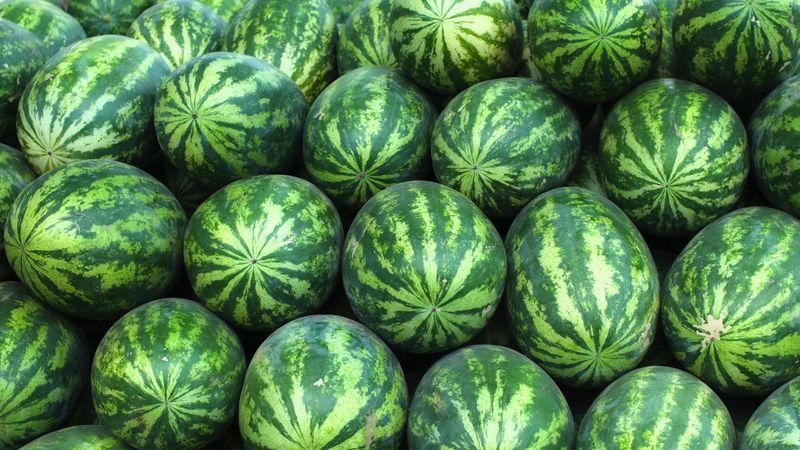
Supersized melons can look impressive but may dilute flavor or turn fibrous. Medium to large fruits often hit the sweet spot for taste and texture. Smaller personal melons can be great, but avoid extremes.
Compare sizes within the same variety, not across different types. Pick the one that feels heavy without being monstrous. It usually slices cleaner and stores better.
9. Mind The Variety And Seeds

Different varieties carry different flavor notes, from candy-sweet to subtly floral. Seeded melons often boast bold taste, while seedless shine for convenience. Yellow-flesh types can be honeyed and tropical.
Ask the vendor about variety and harvest date. If you prefer classic sweetness, a reliable seeded variety might win. Choose based on your taste priorities.
10. Check For Surface Blemishes, Not Bruises
Surface scuffs happen during handling and rarely affect flavor. But soft spots, dents, or bruises can mean damaged flesh and mushy texture. Press gently to feel for give.
Rotate the melon and inspect under good light. Cosmetic scratches are fine, even reassuringly natural. Walk away from anything that feels soft or looks sunken.
11. Time Your Purchase For Peak Season
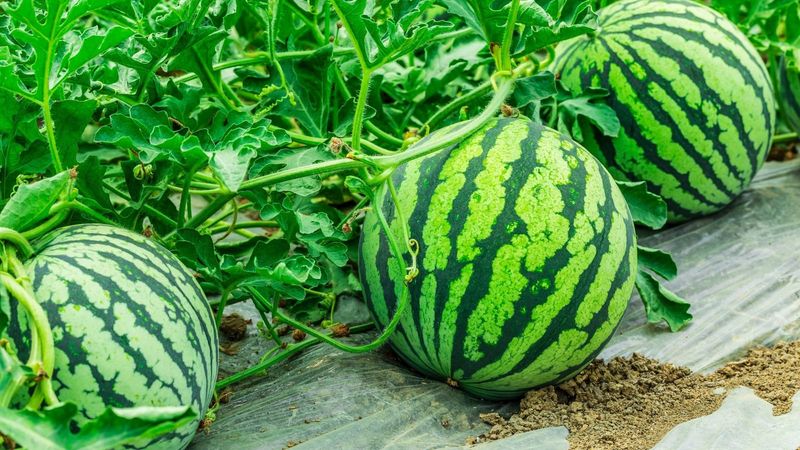
Peak-season watermelons are almost always sweeter and cheaper. In most places, that is late spring through summer. Local, in-season fruit spends less time in transit, preserving texture and flavor.
Ask markets when shipments arrive and shop shortly after. You will taste the difference in every slice. Seasonal timing is the quiet hack many people overlook.
12. Ask For A Sample Or Vendor Tips
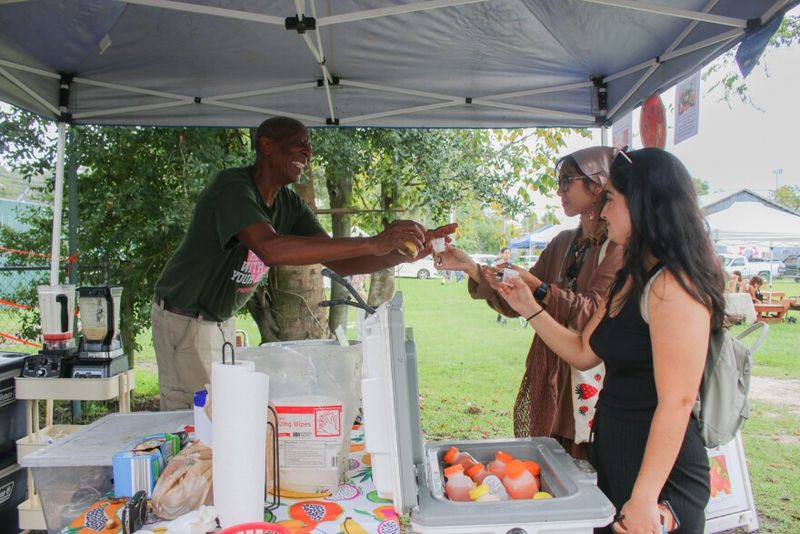
At farmers markets or stands, vendors often know which batch is prime. A quick sample or recommendation can steer you straight to the sweetest bins. Do not be shy about asking.
Tell them how you plan to use it, from picnics to salads. They will point you toward the right variety and ripeness. Local insight saves guesswork and disappointment.