12 Warning Signs To Watch For When Buying A Rotisserie Chicken
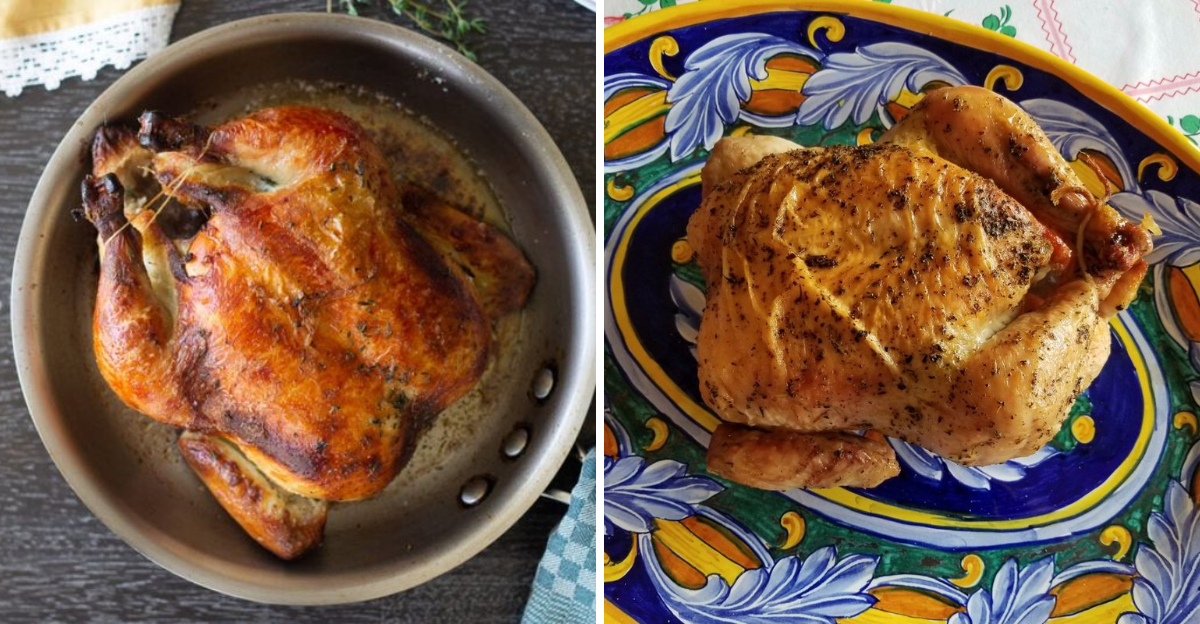
Rotisserie chicken can be a quick dinner hero, but not every bird belongs in your cart. Subtle warning signs reveal freshness, quality, and whether you are getting real value. Once you know what to look for, you can skip dry meat, hidden sodium, and sneaky reheats with confidence. Let these easy checks save your taste buds and your budget.
1. Wrinkled, slack skin

Wrinkled, slack skin suggests the chicken sat too long under the warmer. Moisture evaporates, fat renders away, and the skin loses its springy tautness. You are likely dealing with dry breast meat and rubbery legs that will not reheat well.
Press the skin lightly through the package. If it feels papery instead of supple, walk away. Fresh birds usually show gentle shine, tight skin, and little pooling of liquid in the tray.
2. Pooling juices turning cloudy

Excess cloudy juices often mean the chicken cooled and reheated or has been sitting too long. Clear juices are normal, but grayish or milky liquid signals protein breakdown and temperature swings. That can impact flavor and safety.
Tip the container gently. If liquids slosh heavily and look murky, pick another bird. You want minimal pooling, a light golden sheen, and no strange opalescent streaks.
3. Overly dark or burnt spots

Dark caramelization can taste great, but charred blotches often mean scorched sugar or too much time near the flame. Burnt bitterness permeates the skin and can dry out meat beneath. It also hides stale aromas you should notice.
Look for even browning, rich golden color, and subtle mahogany edges. If black spots dominate or smell acrid, keep moving. Balanced color usually equals balanced flavor and juiciness.
4. Soggy, rubbery skin

Soggy skin tells you steam got trapped and condensed, turning crisp into rubber. That often happens when birds are boxed too hot or held too long. The texture rarely crisps in reheating and the flavor seems muted.
Check for beads of condensation raining onto the chicken. A slight sheen is fine, but limp skin that slides around is a red flag. Aim for thin, glassy crackle and a dry surface.
5. Strong, off smell

A fresh rotisserie chicken smells savory, a little roasted, and clean. If you catch sour, eggy, or sweetly funky notes, back away. Off odors indicate age, temperature abuse, or poor sanitation.
Do a quick sniff test without touching your face to the lid. Any sharp whiff should end the purchase. Trust your nose and choose a chicken that smells like warm herbs and roast drippings, not a mystery.
6. No time stamp or vague labeling

Without a clear time stamp, you cannot judge freshness or holding time. Some stores rotate birds or repackage leftovers, which can stretch quality past its peak. Transparent labels protect you.
Look for a prepared time and a discard time. If a label seems vague or missing, ask or select a better documented option. Clear labeling usually means better rotation, safer temperatures, and consistent quality.
7. Excess salt or sticky glaze

Heavy glazes and salty rubs can disguise dryness or staleness. Sticky, overly sweet coatings cling and mask off flavors while pumping sodium sky high. You end up thirsty and disappointed.
Check ingredient lists when available. If glaze looks thick and tacky, or crystals are visible, pick a simpler roast. A light, even sheen usually tastes balanced and lets the meat speak.
8. Shriveled wing tips and drum ends

Wing tips and drum ends dehydrate first under hot lamps. When they are shriveled and hard, the rest of the bird may be trending dry. It is a quick visual cue without opening the container.
Scan extremities for plumpness and flexible joints. If they look like twigs, look for another option. Slight crisping is fine, but brittle ends signal overholding.
9. Uneven size or misshapen bird

A lopsided bird may have cooked unevenly, leaving one side dry and the other underdone. Misshapen trussing can also trap juices awkwardly, affecting texture. The result is inconsistent bites and tricky reheating.
Choose a chicken that looks symmetrical with even plumpness. Balanced shape usually means balanced cooking. Your leftovers will reheat more predictably too.
10. Excess condensation inside lid

Heavy condensation indicates the chicken was boxed piping hot, then cooled. Those temperature swings soften skin and can invite bacterial growth if held improperly. Quality and safety both take a hit.
Light fogging is normal, but dripping droplets are not. Pick a container with minimal moisture and a firm looking surface. That usually means better handling and a tastier dinner.
11. Mushy texture when pressed

When the meat compresses like a sponge and does not spring back, proteins have broken down from heat or time. Mushiness often pairs with bland flavor and weepy slices. It will not shred cleanly or carve nicely.
Press gently through the container. Look for resilience, not squish. A slight bounce suggests juicy, intact fibers that reheat beautifully.
12. Price too low for size

A bargain can be great, but suspiciously cheap big birds may be older stock, heavy with added solution, or aggressively seasoned to mask age. The savings vanish if you toss leftovers. Quality first.
Compare unit prices and bird weights. Reasonable deals exist, but extreme markdowns on oversized chickens deserve scrutiny. Choose consistent pricing and trustworthy rotation policies.