13 Common Corned Beef Mistakes
Corned beef is a classic comfort food that shows up on dinner tables year-round, especially around St. Patrick’s Day. But even experienced cooks can end up with tough, salty, or flavorless results without realizing what went wrong.
A few simple missteps during prep or cooking can completely ruin an otherwise great meal. Knowing what to avoid makes all the difference between a tender, flavorful dish and a disappointing one.
1. Skipping the Rinse Before Cooking
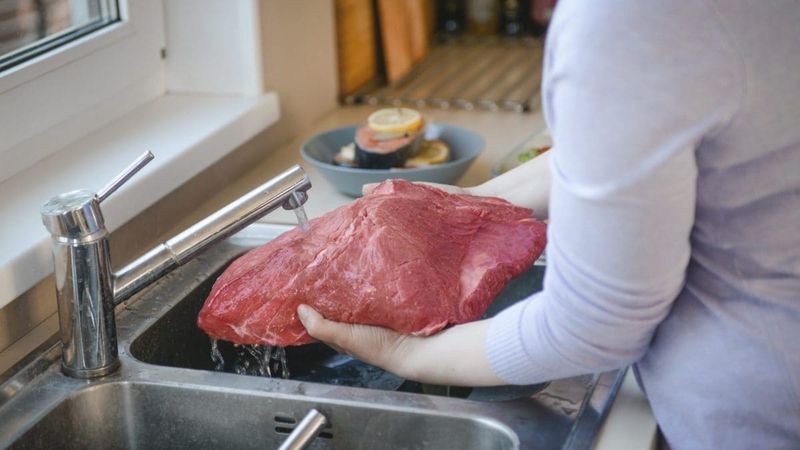
Straight out of the package, corned beef is swimming in a salty brine solution. If you toss it right into the pot without rinsing, that extra salt has nowhere to go but into your food.
The result? A dish so salty it’s nearly impossible to eat.
Give the meat a thorough rinse under cold water, or soak it for 15 to 30 minutes before cooking. Your taste buds will thank you later.
2. Choosing a Lean Cut of Brisket
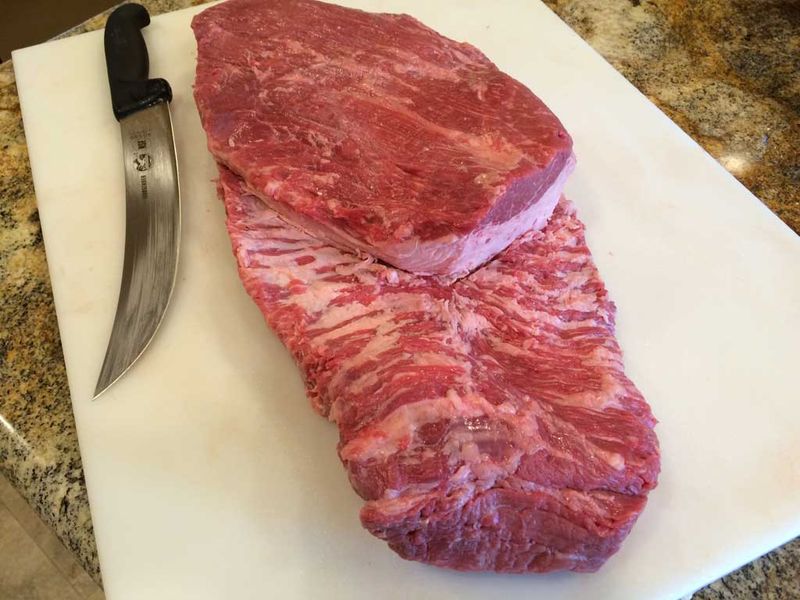
Fat equals flavor, especially when it comes to brisket. Corned beef is made from one of the toughest cuts on the cow, and fat is what keeps it moist and delicious during that long, slow cook.
Pick a lean cut and you are setting yourself up for dry, chewy meat with very little taste.
Look for a flat cut with visible marbling, or go for the point cut if you want even richer flavor. The extra fat is worth it.
3. Buying a Piece That Is Too Small
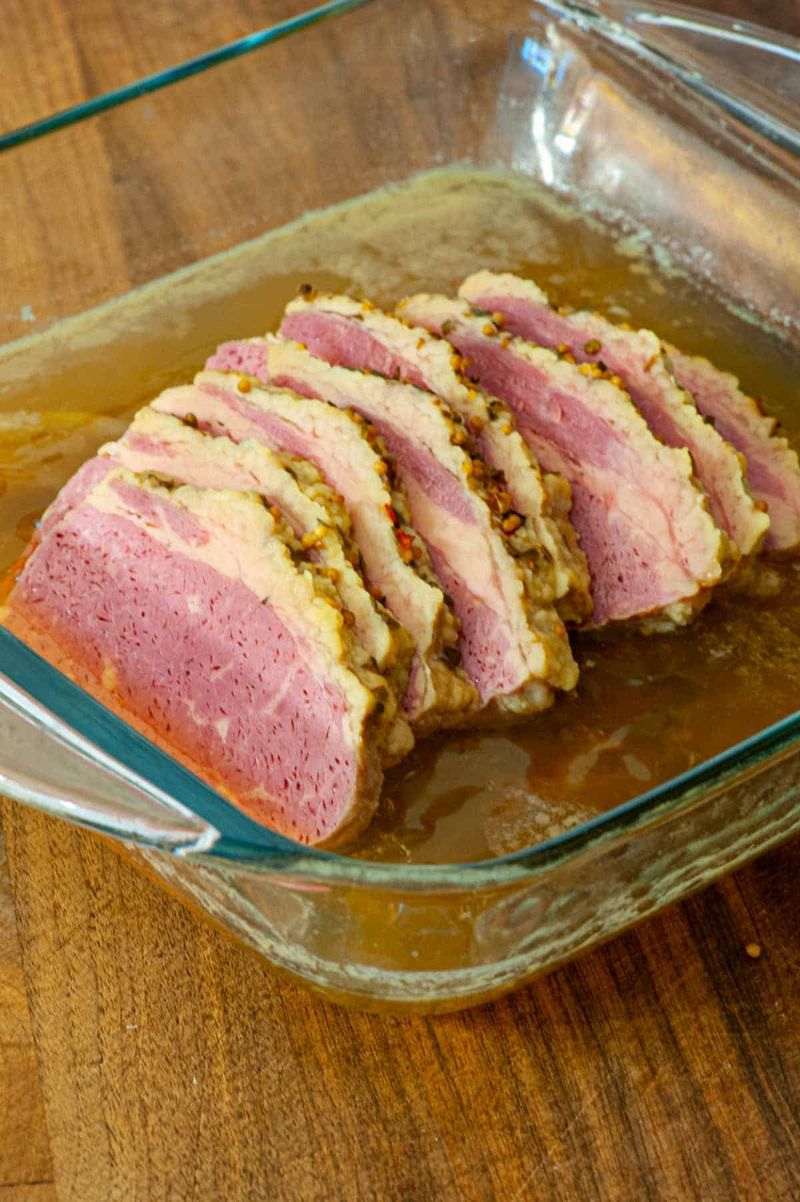
Here is a surprising fact: corned beef can shrink anywhere from 25 to 40 percent during cooking as the brine drains out and the meat contracts. Buy a two-pound piece and you might end up feeding half as many people as you planned.
Always buy more than you think you need. A good rule of thumb is to add at least a half pound per person above your estimated serving size to account for that inevitable shrinkage.
4. Relying Only on Prepackaged Corned Beef
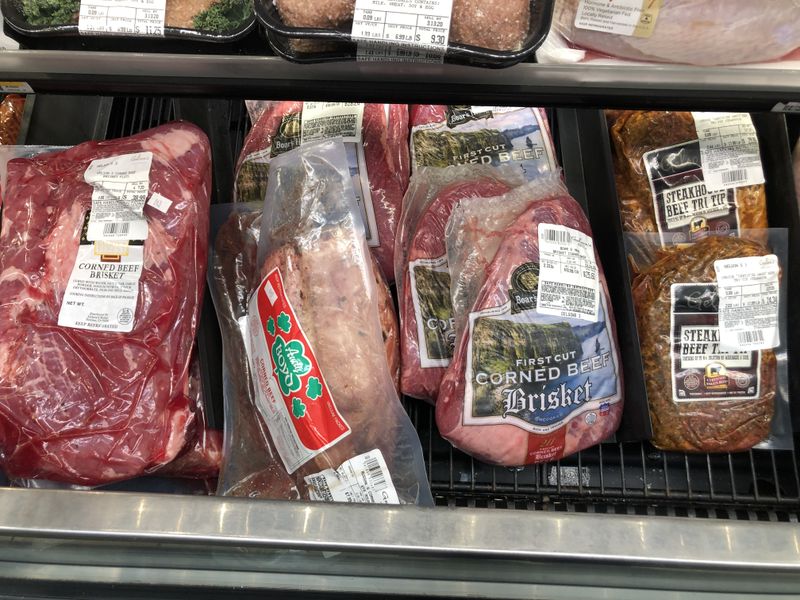
Prepackaged corned beef is convenient, no doubt about it. But those vacuum-sealed packages often come loaded with extra sodium and very little room for customization.
You get whatever cut and seasoning the manufacturer decided on, which is not always ideal.
Making your own corned beef from scratch gives you full control over the salt level, spice blend, and cut quality. It takes a few extra days, but the flavor payoff is genuinely hard to beat.
5. Cooking at Too High a Temperature
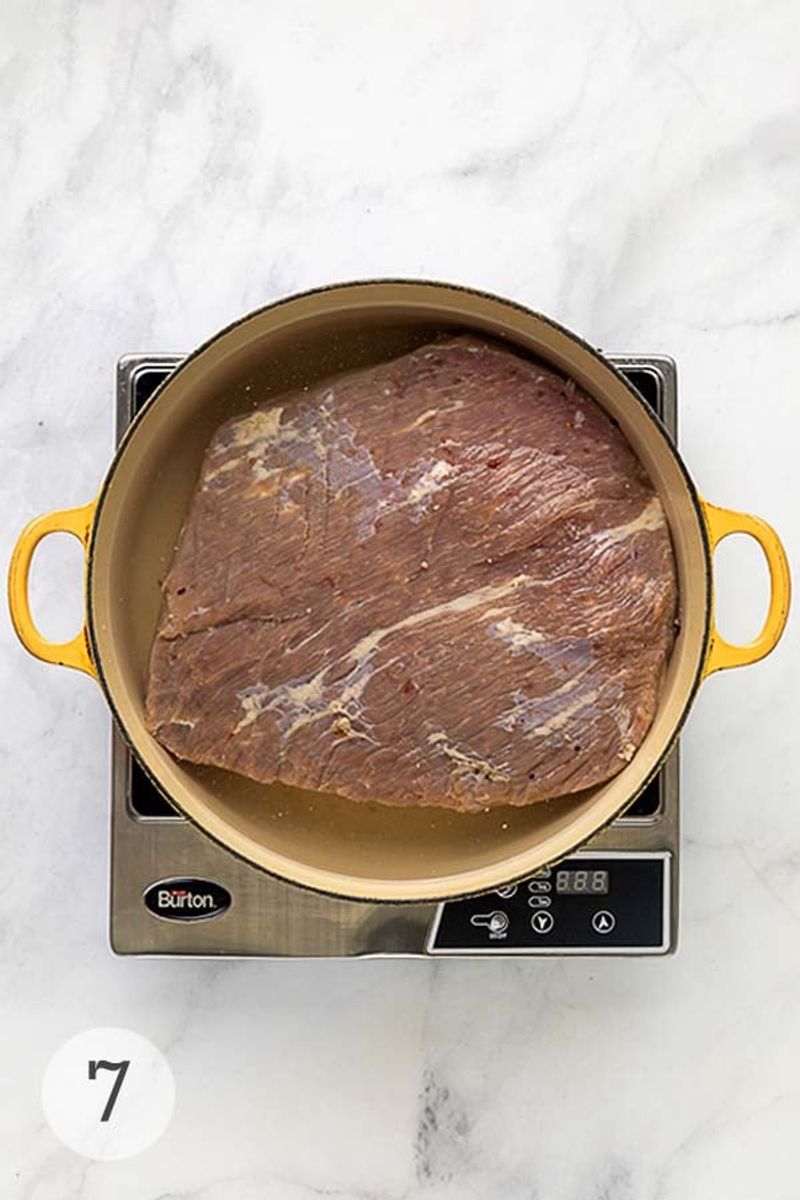
Cranking up the heat might seem like it will get dinner on the table faster, but high temperatures are the enemy of tender corned beef. A rolling boil causes the muscle fibers to seize up, squeezing out moisture and leaving you with tough, rubbery meat.
Keep things at a gentle simmer, around 180 degrees Fahrenheit. Low and slow is not just a suggestion here.
It is the only reliable path to that fork-tender texture everyone loves.
6. Not Using Enough Cooking Liquid
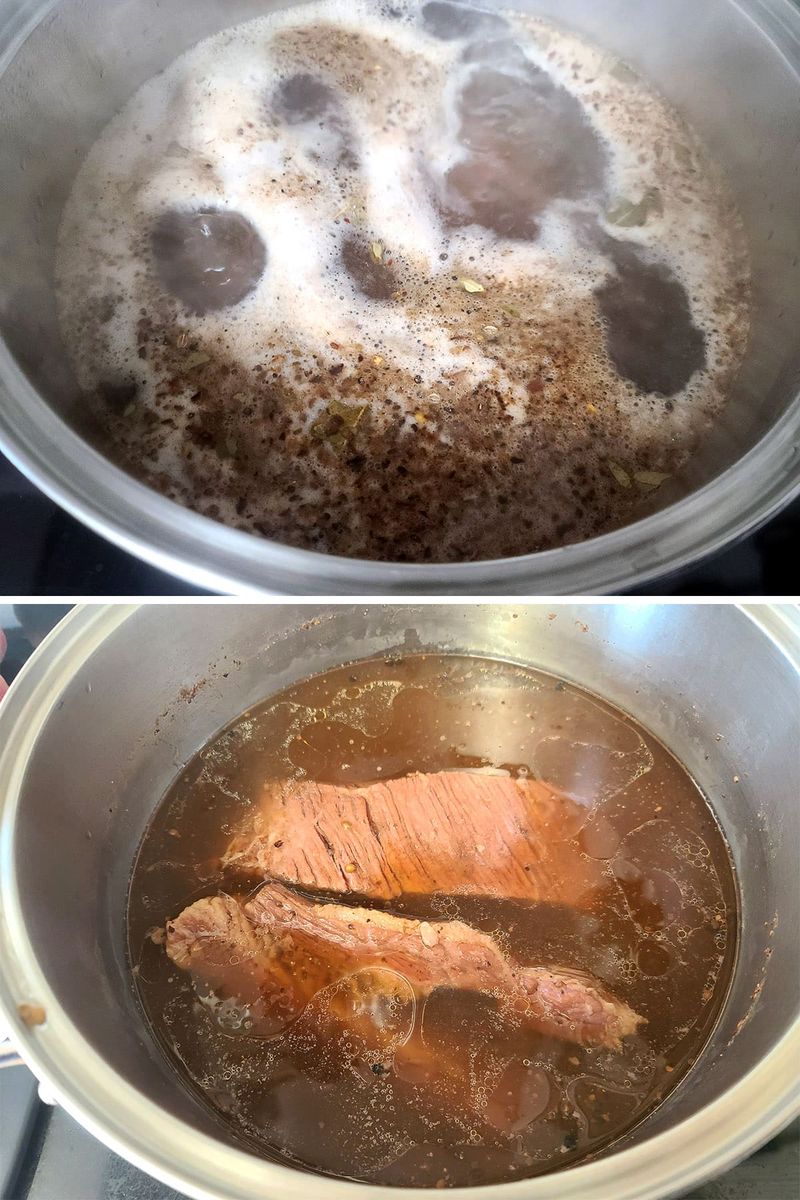
Corned beef needs to be completely submerged in liquid throughout the entire cooking process. When the meat sits above the waterline, those exposed sections cook unevenly and dry out quickly.
You also lose the benefit of having the liquid help draw out excess salt from the brine.
Fill the pot with enough water to cover the meat by at least an inch. Check the liquid level occasionally and top it off with hot water if needed during cooking.
7. Forgetting to Season the Cooking Liquid
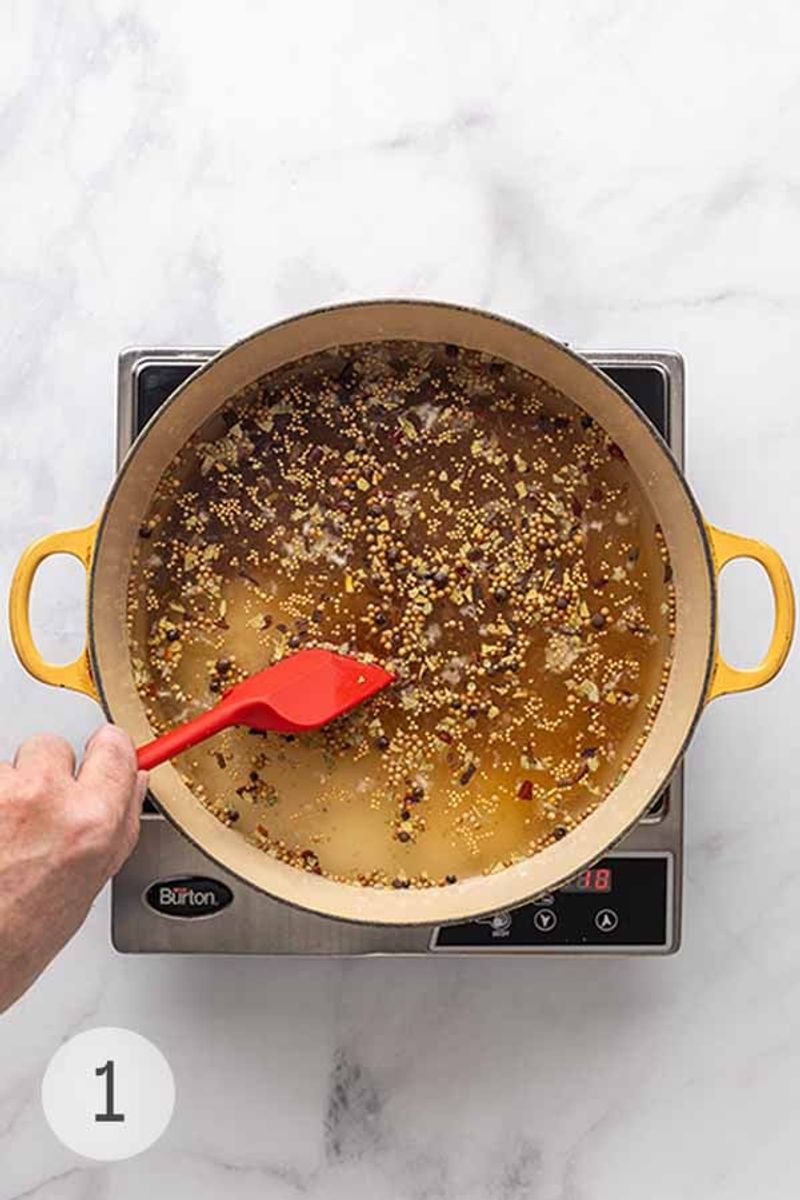
Just because the meat is pre-brined does not mean the cooking water should be plain. Unseasoned liquid produces a flat, one-note dish that misses so much potential depth.
Adding spices to the pot transforms the entire flavor profile of the finished meat.
Try tossing in bay leaves, peppercorns, coriander, allspice, and a splash of dark beer like Guinness. These additions work into the meat as it simmers, creating layers of flavor that make every bite more interesting.
8. Not Cooking the Meat Long Enough
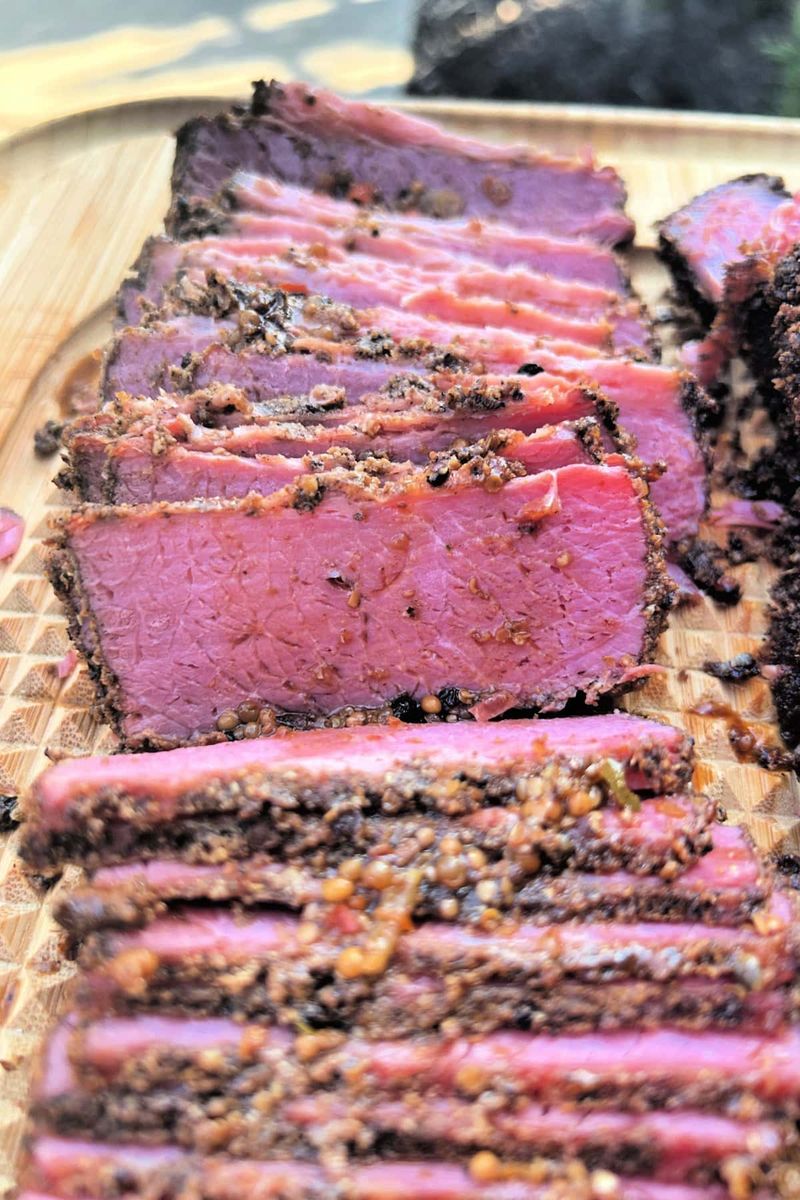
Brisket is a notoriously tough cut packed with dense muscle fibers and connective tissue. Those tissues need extended heat exposure to break down into the soft, silky texture that makes corned beef so satisfying.
Rush the process and you will end up with something closer to a rubber eraser than a proper meal.
A three-pound corned beef needs roughly three hours on the stovetop or up to ten hours in a slow cooker on low. Patience is truly the secret ingredient.
9. Overcooking the Meat
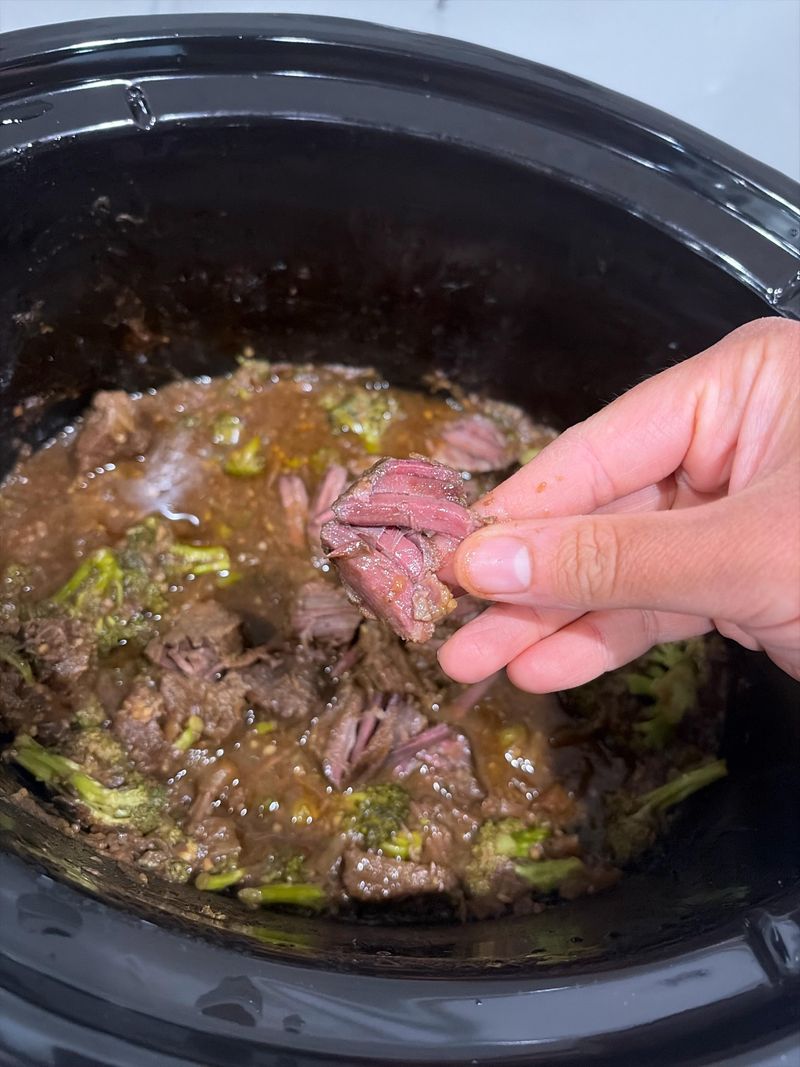
Low and slow is the right approach, but there is definitely such a thing as going too far. Cooking corned beef past the point of fork-tenderness causes it to fall apart into dry, stringy shreds or turn into a mushy paste that crumbles instead of slices cleanly.
Start checking for doneness after the minimum recommended cook time by poking the thickest part with a fork. When it slides in with very little resistance, pull the meat off the heat right away.
10. Skipping the Resting Time After Cooking
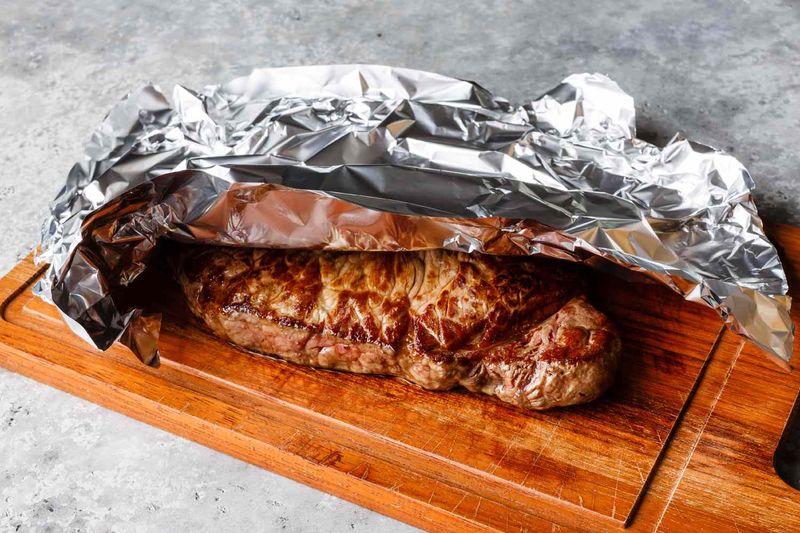
Pulling corned beef straight from the pot and slicing it immediately is a mistake that costs you a lot of juiciness. When meat is hot, its juices are moving around rapidly.
Cut into it too soon and those juices spill right out onto the cutting board instead of staying in the meat.
Let the brisket rest for 10 to 20 minutes after cooking. Cover it loosely with foil to keep it warm while the muscle fibers relax and the juices redistribute evenly.
11. Slicing the Meat in the Wrong Direction
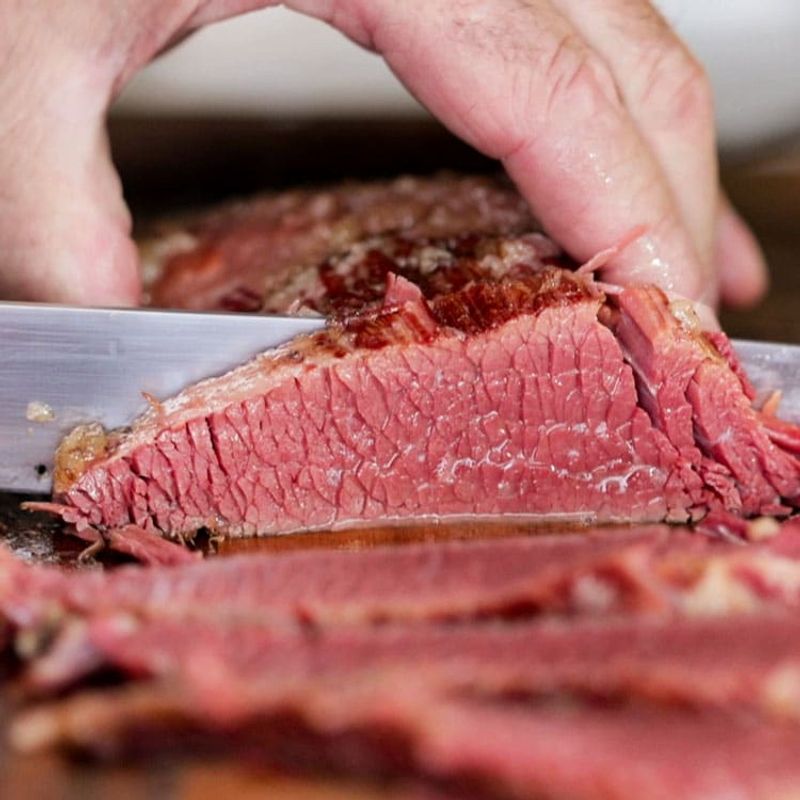
Even perfectly cooked corned beef can feel tough and stringy if you slice it the wrong way. Cutting with the grain means you are leaving long, chewy muscle fibers intact, which makes every bite feel like a workout for your jaw.
Always slice against the grain, meaning perpendicular to the direction the muscle fibers run. This shortens those fibers into tiny pieces, creating tender, easy-to-chew slices.
Take a moment to identify the grain before making your first cut.
12. Adding Vegetables Too Early
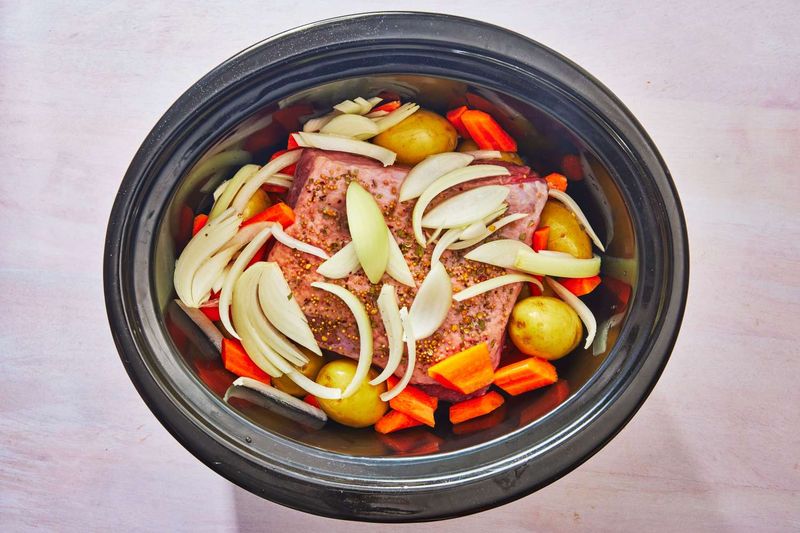
Vegetables and corned beef do not share the same cooking timeline, and tossing everything into the pot at once is a recipe for a soggy, unappetizing side dish. Cabbage especially turns to mush very quickly when left in boiling liquid for too long.
Root vegetables like potatoes and carrots need about 15 minutes near the end of cooking. Cabbage only needs around five minutes.
Add them in stages, and your vegetables will come out tender but still holding their shape nicely.
13. Using the Included Seasoning Packet Without Thinking

That little seasoning packet tucked inside most prepackaged corned beef seems helpful, but it often contains extra salt and a fairly basic spice blend. Tossing it in without considering your liquid volume or the saltiness of the meat can push your dish well past the point of pleasant seasoning.
Use the packet as a starting point only, or skip it entirely and build your own spice blend. Ground mustard, cardamom, ginger, and red pepper flakes can bring far more personality to the pot.