15 Big 1980s Food Trends That Didn’t Age Well
The 1980s promised convenience, color, and anything labeled low fat as the future of eating. It felt high tech and healthy, until the flavors dulled, textures turned odd, and everything started tasting the same.
Nostalgia is fun, but some trends remind you why they faded. Let’s revisit the biggest food fads that didn’t quite survive the taste test of time.
1. Fat-free everything
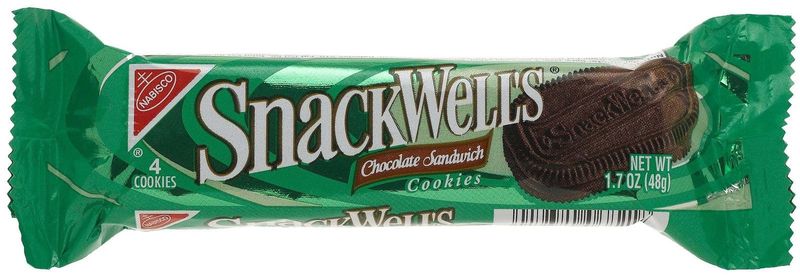
Fat vanished, but flavor did not exactly follow. You got yogurts thickened with gums, cookies that snapped like cardboard, and dressings that clung with a gluey sheen.
Sugar and stabilizers worked overtime to fake richness that just was not there.
Labels shouted health while your taste buds whispered nope. You kept eating, hoping the next bite would feel decadent, but it rarely did.
That era taught a hard lesson you still remember today. Fat has a purpose, and taking it away without a plan makes everything oddly sweet, oddly slick, and ultimately forgettable.
2. Margarine as the default healthy butter
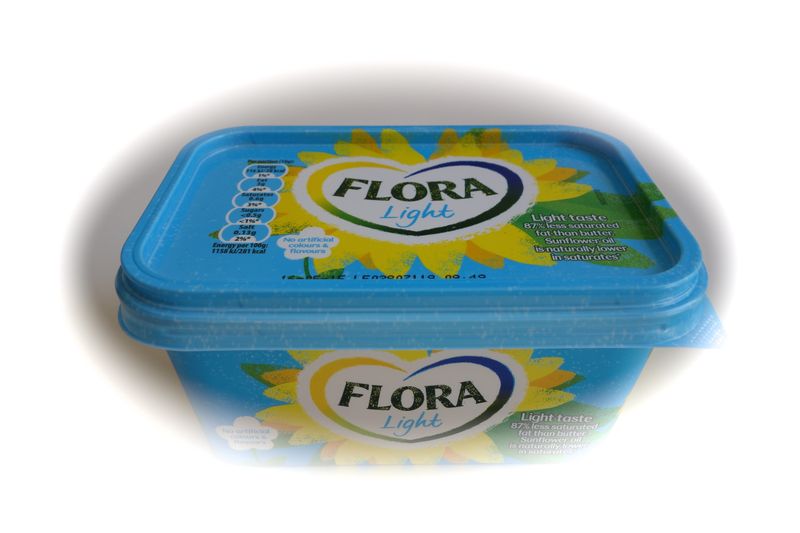
For years, margarine wore the halo and butter got the side-eye. Spreads promised heart-smart benefits with airy ads and plastic tubs.
Then you tasted it on warm toast and noticed the waxy slip, the flavor that felt almost but not quite buttery.
Later, the ingredient lists told a busier story. Hydrogenation, blends, and long words tried to deliver health in a yellow tint.
Meanwhile, butter just stayed butter. Today, you probably pick your fats more thoughtfully.
Back then, margarine was the rule, and flavor paid the price while marketing took the win.
3. Diet cookies and guilt-free sweets
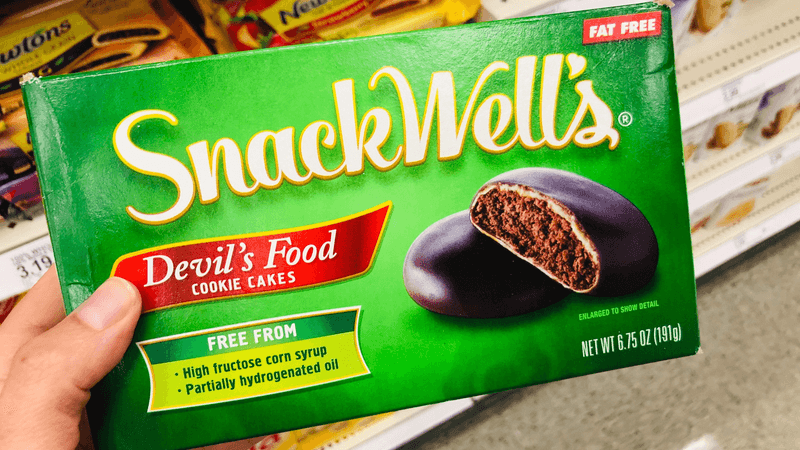
Low-fat cookies told you to relax and have another. They were light on fat, heavy on sugar, and packed with promises.
The crunch was there, but richness was not, so you kept reaching, chasing satisfaction that never quite arrived.
Guilt-free labels made overeating feel like a loophole. Snack packs multiplied in lunchboxes and purses.
Later came the crash, and the realization that nutrition is more than subtraction. You learned to stop counting only fat grams.
Flavor matters, balance matters, and those diet desserts became a reminder that lighter does not always mean better, just more disappointing per bite.
4. Savory gelatin molds (aspic)
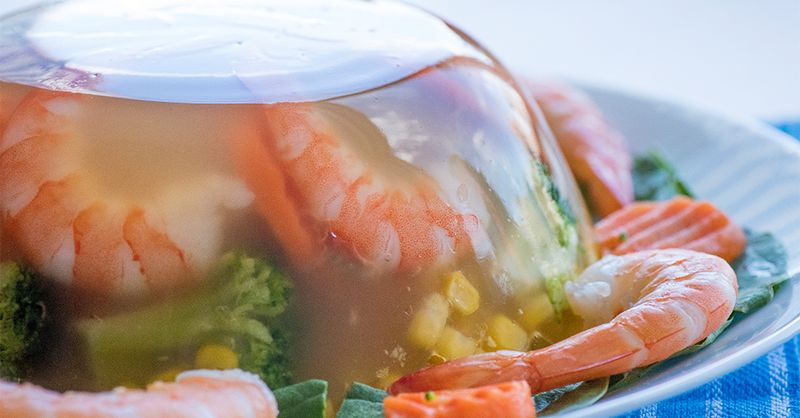
Jiggly towers of vegetables, olives, and mystery meats once ruled buffet tables. The shine was intense, the wobble theatrical, and the flavors oddly muted under a cold, savory dome.
You sliced in, and everything slid together like a culinary time capsule.
There is a reason these molds shock people today. Texture matters, and chilled gelatin rarely flatters carrots or ham.
They photographed better than they tasted, a triumph of spectacle over appetite. While creative in concept, aspics turned salads and proteins into trapped artifacts.
Fun to look at, sure, but not something you are craving after the first slice.
5. Casseroles built on canned condensed soup
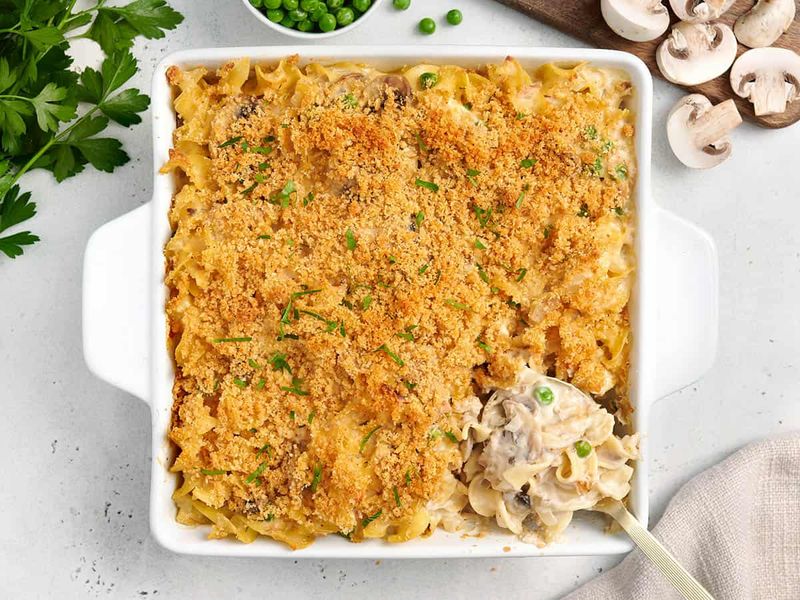
Cream-of-something soup solved dinner fast. A can, some noodles, frozen veg, and suddenly you had comfort in a 9-by-13 pan.
The sauce coated everything in sameness, a beige blanket that muted differences and smoothed out surprise.
Those casseroles were cozy on cold nights. They also taught your palate that convenience can blur flavor.
Fresh mushrooms never had a chance against that salty, creamy tide. Today, you might build a quick roux or use stock and cream instead.
Back then, a can was the shortcut everyone knew, even if every casserole started tasting suspiciously related.
6. Microwave-first cooking as a lifestyle
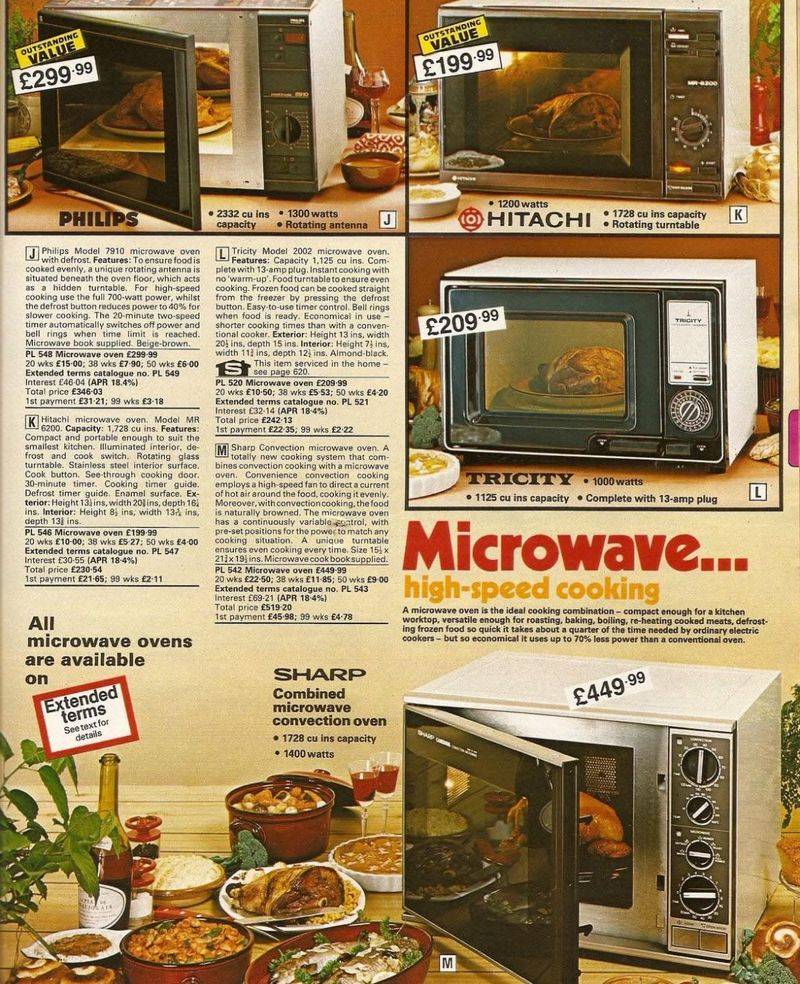
The microwave became the kitchen hero, and everything went inside. Meat turned rubbery, bread steamed into sadness, and browning all but disappeared.
You learned that speed can flatten flavor, even when convenience feels like magic.
There is a place for microwaves, just not at the top of the food chain. Reheating, sure.
Melting, great. But dinner built entirely on ping and beep rarely delivers the textures you crave.
That era mistook hot for cooked. You can appreciate the time saved without pretending it replaces a skillet’s sear or an oven’s patient, delicious caramelization.
7. Overcooked vegetables as normal
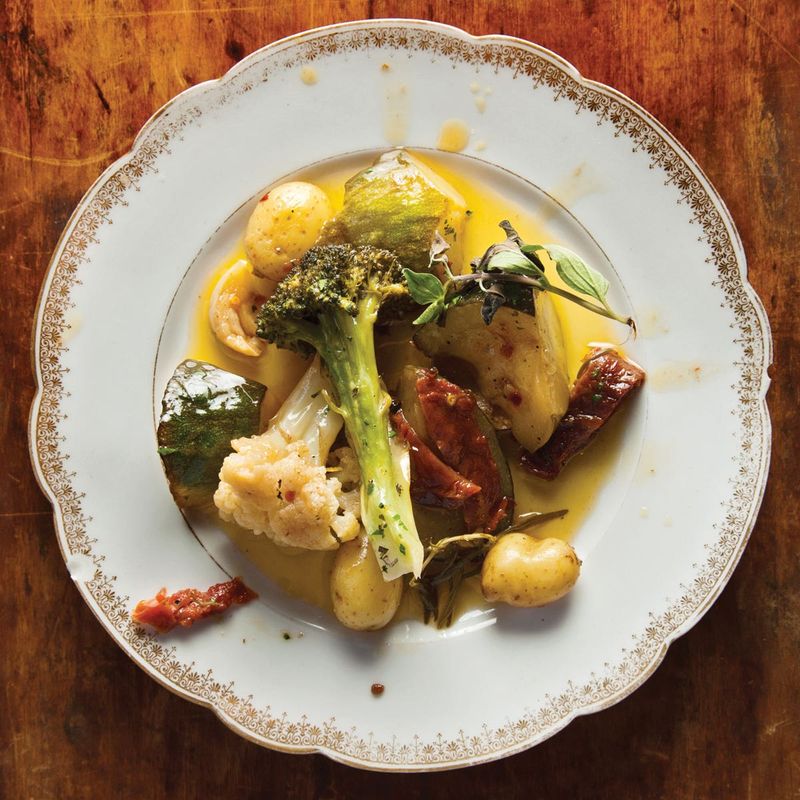
Vegetables met boiling water and never recovered. Beans faded to gray-green, broccoli went sulfurous, and carrots softened until they sighed.
Crisp-tender was not the default yet, so dinner plates featured tired veg that tasted like afterthoughts.
It was not all bad intentions. People chased safety and simplicity, not vibrancy.
Then came roasting, blanching, and quick sautés, and suddenly vegetables snapped back to life. You realized texture is flavor’s best friend.
The 1980s did vegetables a little dirty, but the lesson stuck. Treat them gently, season well, and stop the cook before the color disappears.
8. Boneless, skinless chicken breast cooked to dryness
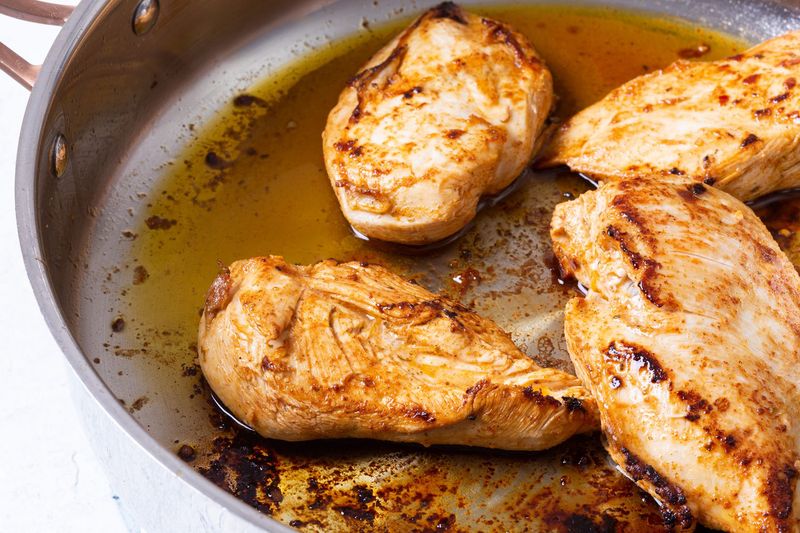
Lean and noble, the skinless chicken breast took center stage. Then it overcooked by five minutes and turned to chalk.
Diet culture crowned it king, but no one crowned it juicy. You saw it on countless plates, always begging for sauce.
It was healthy by reputation, not by technique. Without skin or brine, it needed care it rarely got.
Today you might brine, marinate, or cook to temperature. Back then, dryness felt like proof of virtue.
The result was a lot of bland dinners that made wellness taste like penance instead of pleasure.
9. Artificial sweeteners in everything
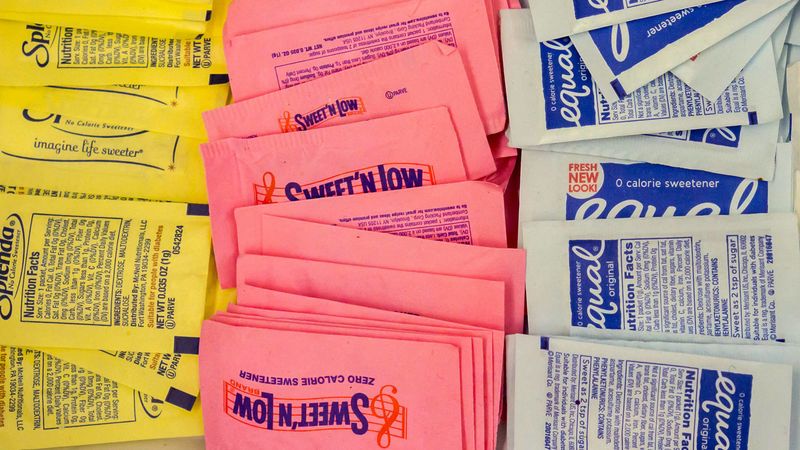
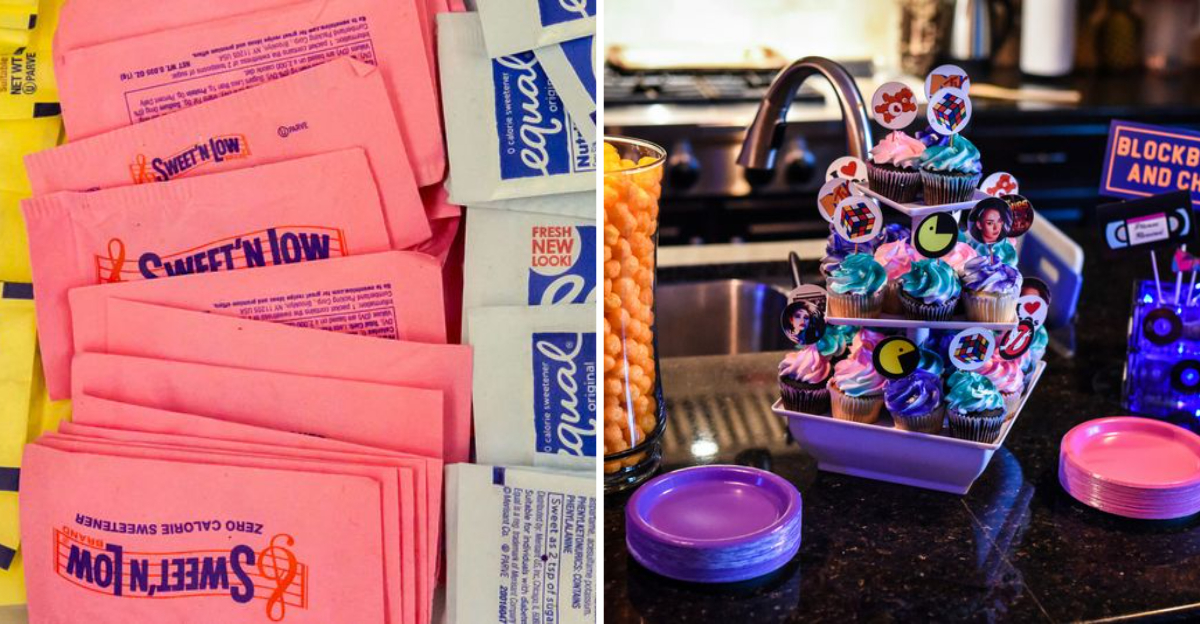
“Sugar-free” shouted from every aisle. Light yogurts, puddings, and sodas promised sweetness with no consequences.
Then the aftertaste hit, metallic and lingering, turning dessert into a science project. You tried to believe your way past it, but taste buds do not forget.
Some swaps were helpful, but ubiquity was the problem. Sweetness without body made foods feel hollow, a copy of a copy.
Over time, you learned moderation beats chasing loopholes. When the label brags louder than the flavor, it is usually because your tongue will notice the trade.
10. Neon-colored drinks and desserts
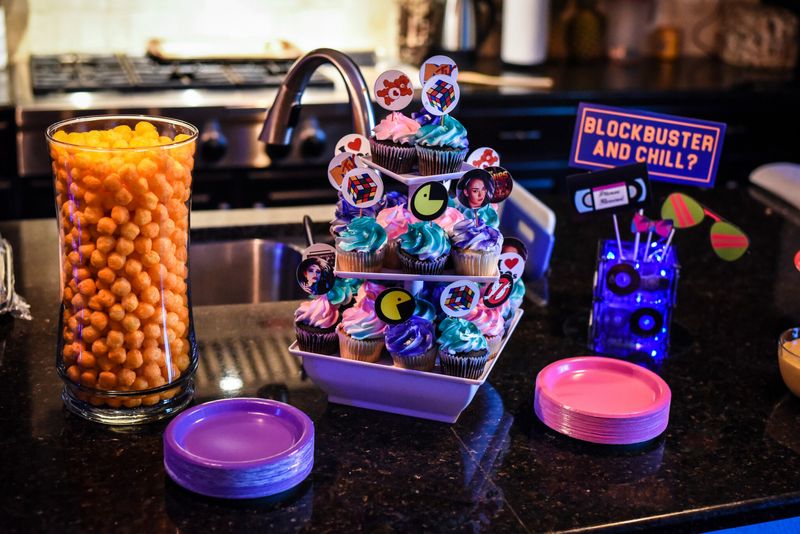
Electric blue and rocket red made everything feel exciting and new. The colors were louder than the flavors, which landed somewhere between candy and chemistry set.
You sipped and licked your way to a stained tongue and a sugar buzz that overstayed its welcome.
It looked great in ads and school parties. Then you noticed the sameness beneath all that glow.
Bright did not mean better, just brighter. Today, natural hues feel calmer, and flavor matters more than a highlighter pen palette.
Nostalgic, yes, but a full cup now tastes like a dare rather than a treat.
11. Ranch as a universal flavor
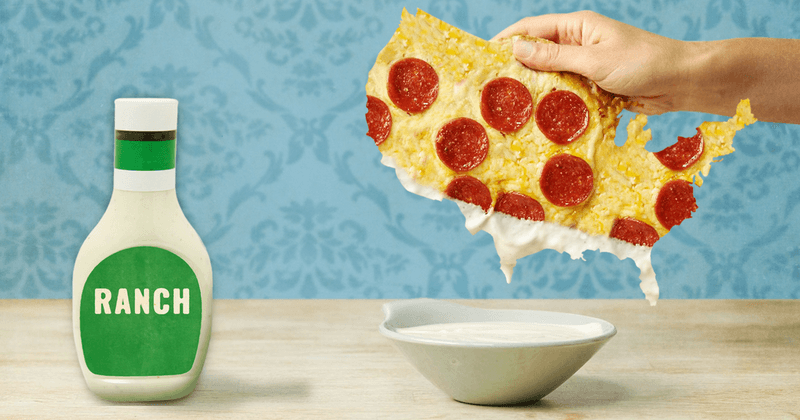
Ranch can be great, but the 1980s turned it into wallpaper for food. Pizza, fries, wings, veggies, chips, everything got the same herby blanket.
You dipped out of habit, then realized every bite started tasting identical.
Balance took a back seat to creamy tang. Variety shrank.
There is nothing wrong with loving ranch, just not as the only option. Today you might reach for vinegar, citrus, or heat instead.
The lesson lands fast: if every road leads to ranch, you miss all the other neighborhoods flavor could explore.
12. Exotic ingredient overuse for novelty
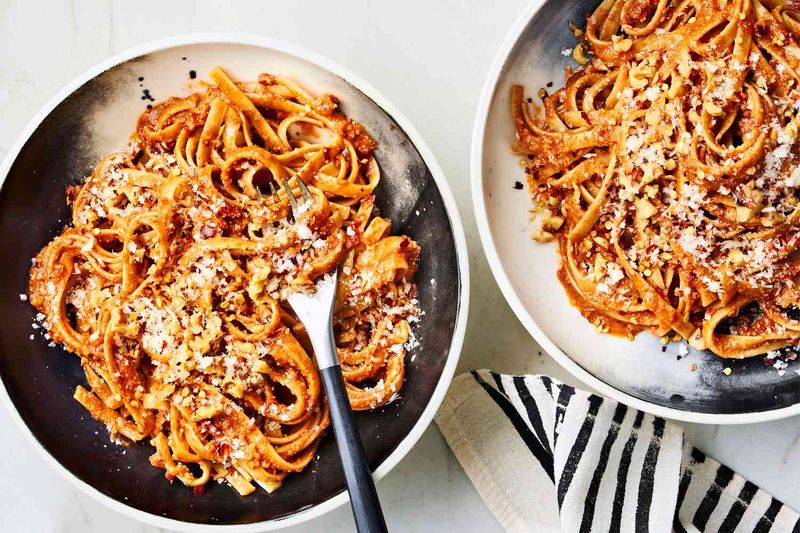
Sun-dried tomatoes were everywhere, pesto on everything, and artichokes joined every party. A few bites were wonderful.
Then trendiness pushed balance aside, and the same bold notes steamrolled delicate flavors. You tasted the moment, not the meal.
It was the age of exotic by default. Instead of asking what a dish needed, we asked what looked current.
Those ingredients still shine when used thoughtfully. The 1980s just turned them into signatures scrawled across every plate.
Now, restraint reads as confidence, and novelty works best as an accent, not a rule.
13. Oversized portions as a selling point
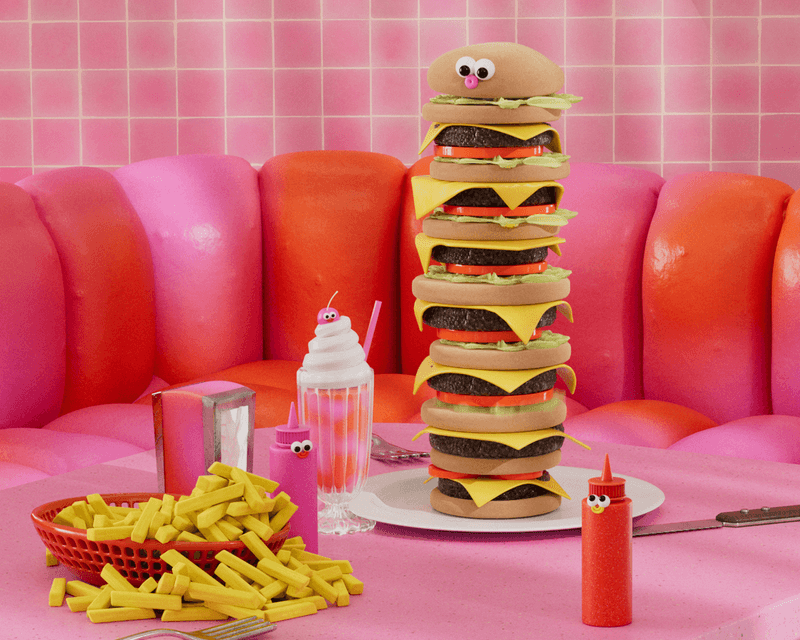
Bigger meant better, or at least more impressive. Plates expanded, fries overflowed, and drinks stretched tall enough to need two hands.
You walked out stuffed but not satisfied, chasing value while flavor slipped into the background.
Portion bragging still lingers, but the shine dimmed. Eating well is not a volume contest.
Comfortable fullness beats a trophy-size entrée you regret halfway through. The 1980s sold scale as generosity.
Today, balance and enjoyment feel like the smarter flex.
14. Packaged lunch culture turned up to maximum
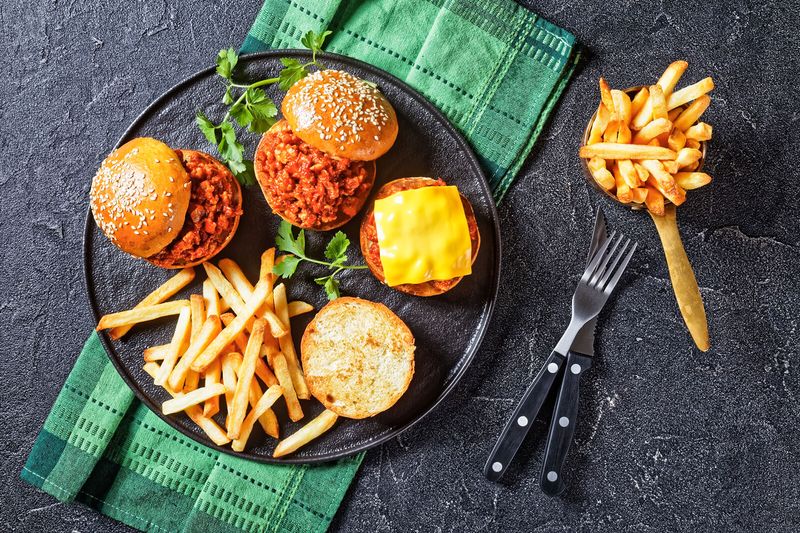
Lunch turned into a parade of packages. Snack cakes, drink boxes, and tidy little kits promised freedom from prep and a cool factor in the cafeteria.
You peeled back plastic, assembled bite-sized stacks, and called it a meal.
Convenience won, but freshness lost. Protein was minimal, fiber rare, and sugar rode shotgun.
It was easy, yes, and sometimes fun. But the habit trained taste toward ultra-processed everything.
Looking back, you might still crave the nostalgia, just not the daily routine. A real sandwich and fruit feel like an upgrade disguised as simplicity.
15. Aggressively packaged instant meals
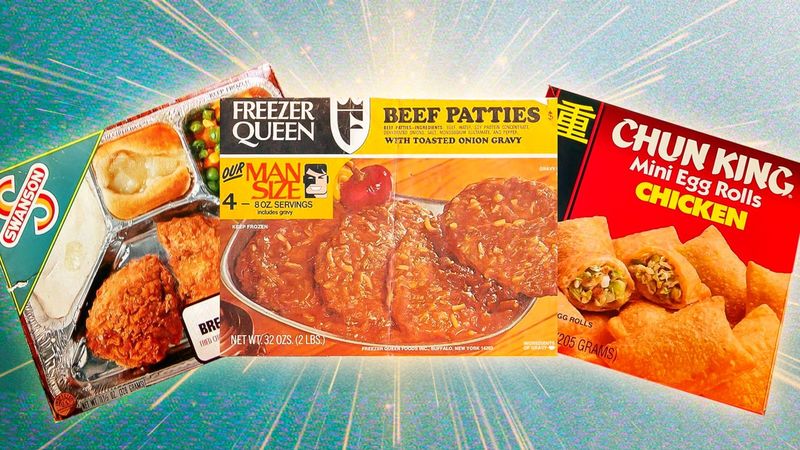
Boxes promised dinner in minutes, complete with segmented trays and plastic film you pierced with a fork. The microwave whirred, steam billowed, and you met a factory-finished plate.
Textures fought each other: soggy edges, hot-and-cold centers, and sauces that tasted like the box smelled.
Speed won the headline, but flavor lost the plot. Some options were fine in a pinch, yet the routine dulled your palate.
Today, quick can still taste fresh with a pan, a handful of vegetables, and decent seasoning. Back then, instant often meant edible, not enjoyable.