15 British Foods Commonly Mispronounced By Visitors
Think British food is tricky to pronounce? You are not alone.
From sauces and cheeses to soups and sweets, visitors often stumble over names that look one way and sound entirely another. Use this guide to sound confident at the counter and order like a local without awkward hesitations.
Worcestershire Sauce
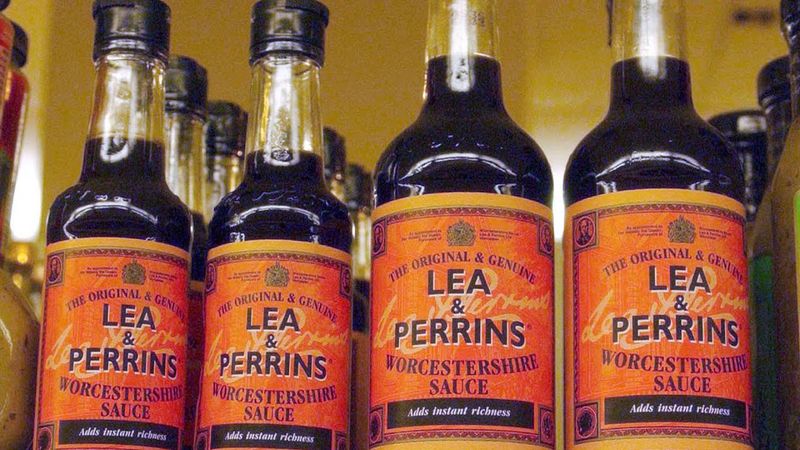
Worcestershire looks menacing on the label, so you are not wrong to hesitate. Visitors often stretch it into Wor-ces-ter-shy-er, but locals clip it fast as WUSS-tuh-sher.
Think quick and light, almost swallowing the middle.
Order fish and chips, dash on some sauce, and say it with confidence. The flavor is bold, tangy, and savory, so the short name actually fits the punch.
Practice under your breath while queuing and you will nail it.
Leicester (as in Leicester cheese)
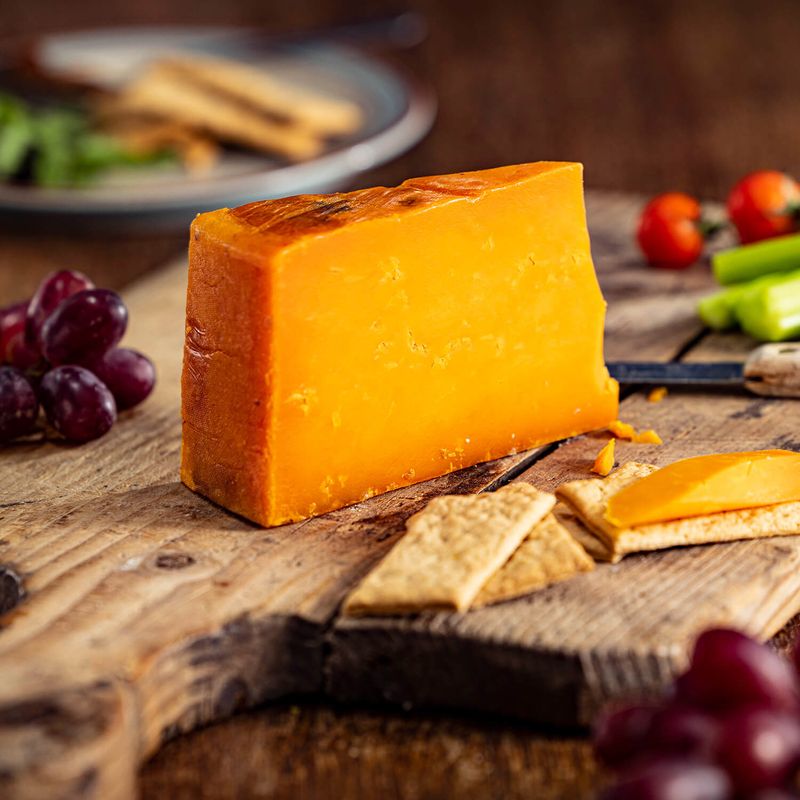
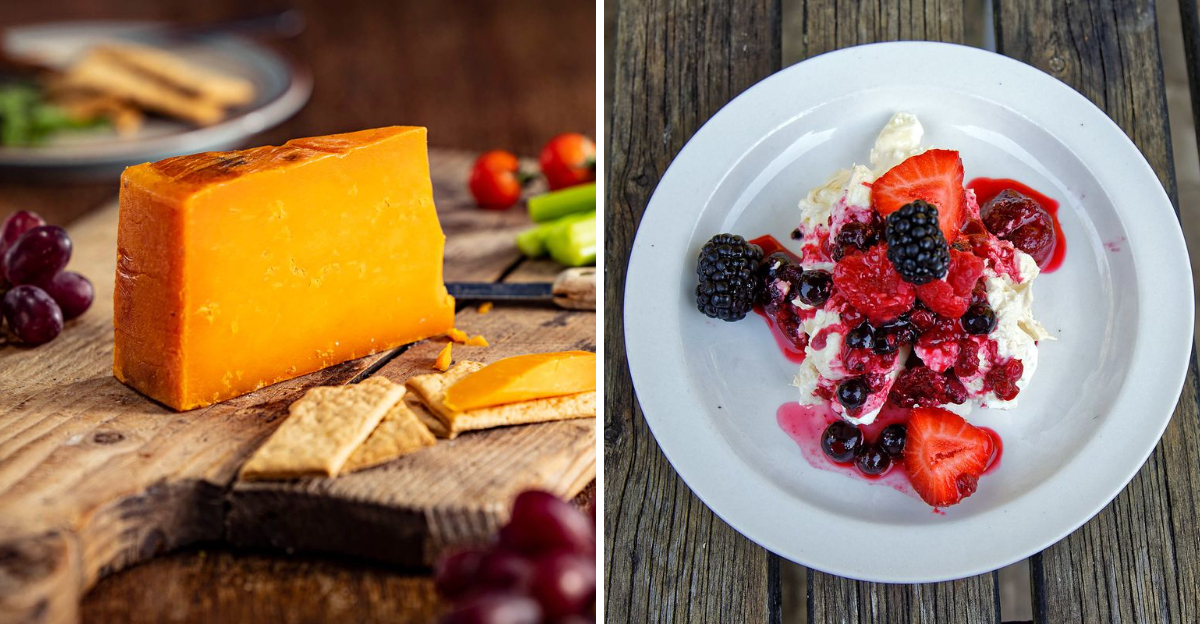
Leicester on a label tempts a Lie-ses-ter attempt, but locals keep it short: LESS-ter. If you ask for Red Leicester at a market, say it smoothly and watch the cheesemonger smile.
It is a bright, nutty favorite that melts beautifully.
Imagine ordering a toasty and pairing it with chutney. The sound is quick, not precious, just like everyday shop chatter.
Say LESS-ter, grab your slice, and enjoy that rich orange hue that lights up any board.
Gloucester (as in Gloucester cheese)
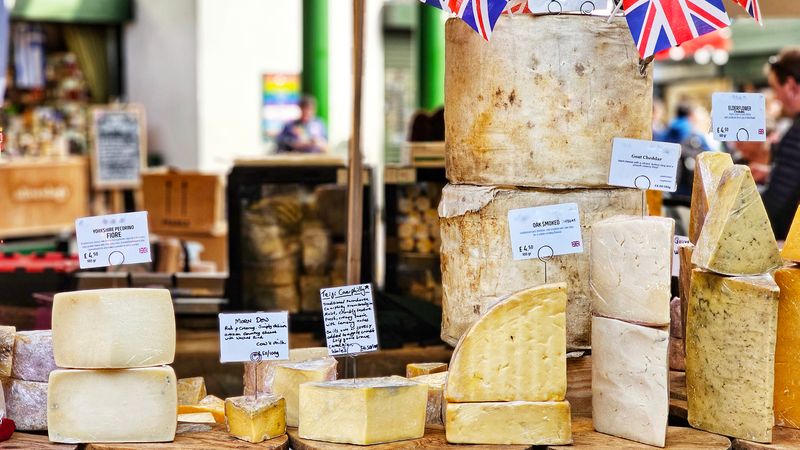
Gloucester can throw you if you go for GLOW-ses-ter. Locals flatten it to GLOSS-ter, like gloss paint without the shine.
When ordering Single or Double Gloucester, keep it neat and casual.
The cheese is buttery and mellow, lovely in sandwiches or melted on toast. You will hear it spoken fast at markets where queues move quickly.
Say GLOSS-ter and you will look like you have shopped there forever.
Yorkshire Pudding
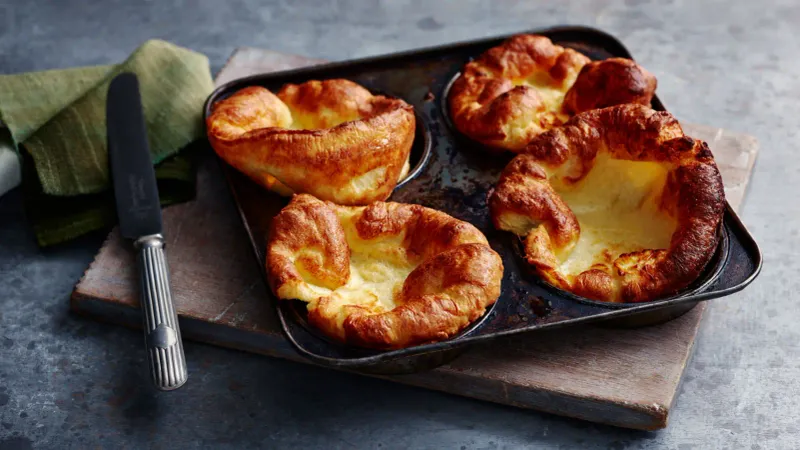
Yorkshire trips many visitors who add an extra syllable. Instead of Your-shy-er, aim for YAWK-sher, short and confident.
Picture a Sunday roast with crisp, puffy puddings catching the gravy.
The name moves as quickly as the servings vanish. Ask for YAWK-sher pud and you will be understood instantly.
It is fluffy, savory, and perfect with beef, though no one will judge extra gravy either.
Crumpet
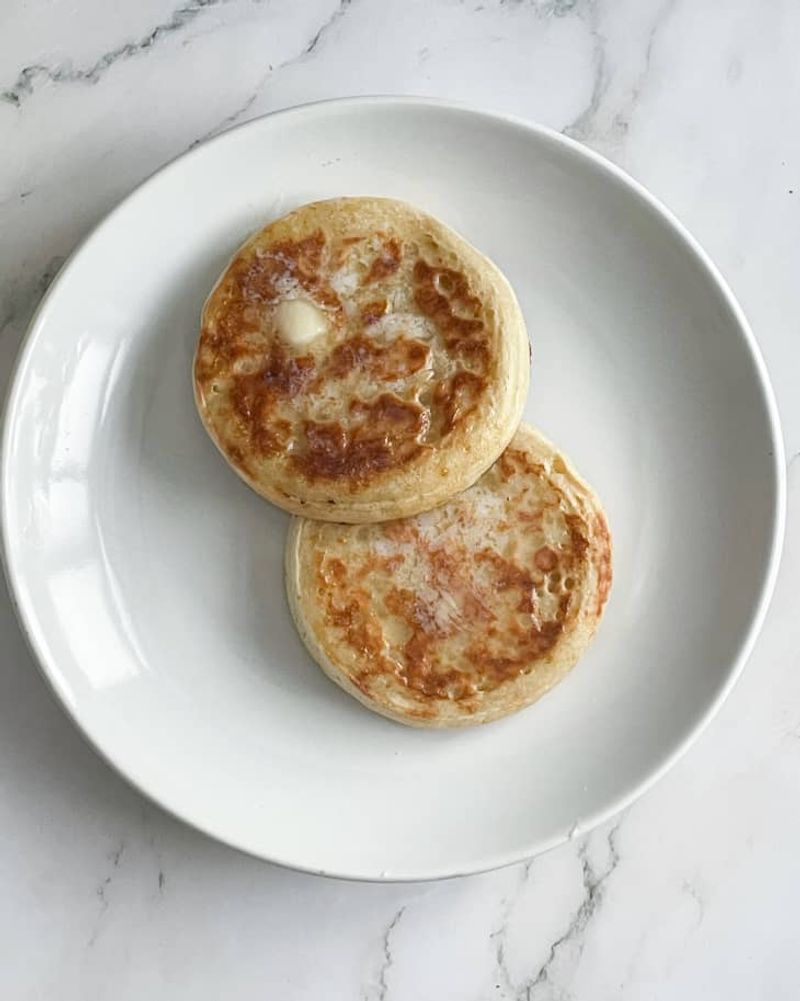
Crumpet looks friendly but some visitors go elegant with Crum-PAY. Keep it homely: CRUM-pit.
The joy is in those airy holes soaking butter, not a fancy flourish.
Order a couple at a cafe and listen for the clipped rhythm. It is quick comfort on a chilly morning, especially with jam or Marmite.
Say CRUM-pit, take a bite, and let the butter do the talking.
Scone
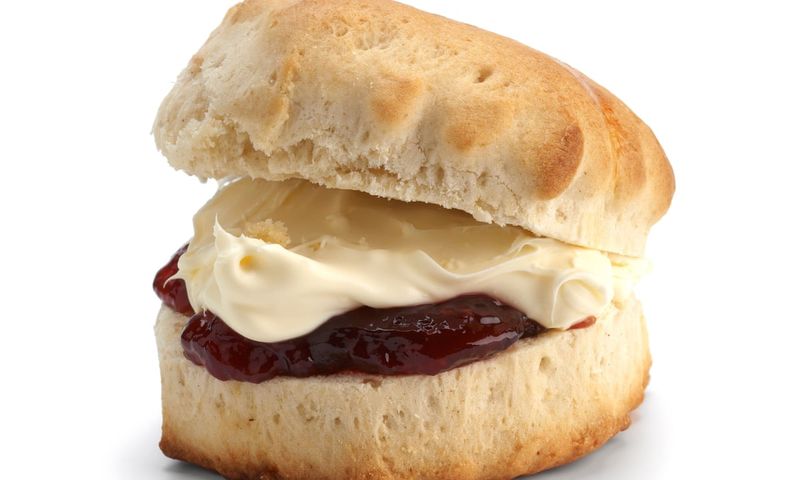
This one sparks friendly debate. Some say SCON to rhyme with con, others say SCONE like stone.
Truth is, both fly depending on where you are, so relax and match the room.
Order confidently, then focus on the real argument: jam or cream first. In Cornwall, jam first.
In Devon, cream first. Smile, choose your side, and enjoy flaky warmth with a pot of tea.
Bovril
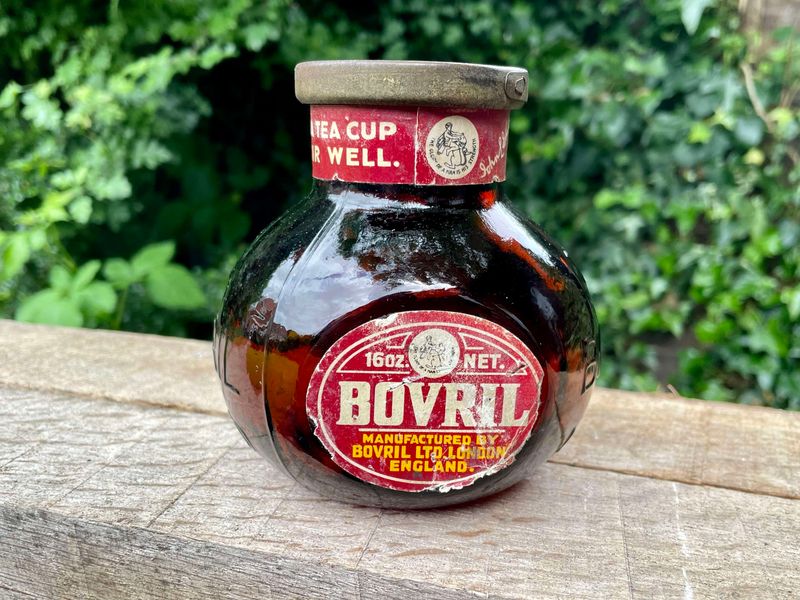
Bovril tempts a Bow-VRILL attempt, but locals say BOV-ril with a short o. Think robust, salty comfort on a cold day.
You might meet it at football grounds or stirred into hot water.
Ask for BOV-ril and wrap your hands around the mug. It is an acquired taste, but so is winter.
Sip slowly, feel the warmth, and you will understand why it endures.
Marmite
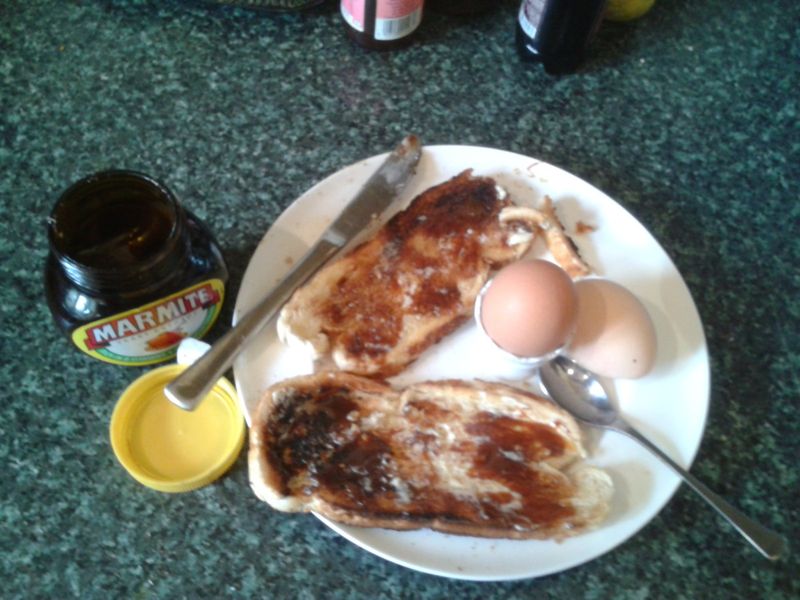
Marmite invites playful mistakes like Mar-MEET, but it is MAR-might. Love it or hate it, the name is as punchy as the taste.
A thin scrape on toast is the usual route.
Say MAR-might and watch locals nod. Go light at first, then build to your happy place.
It is salty, yeasty, and oddly addictive when it clicks.
Lough Neagh (regional foods and fish)
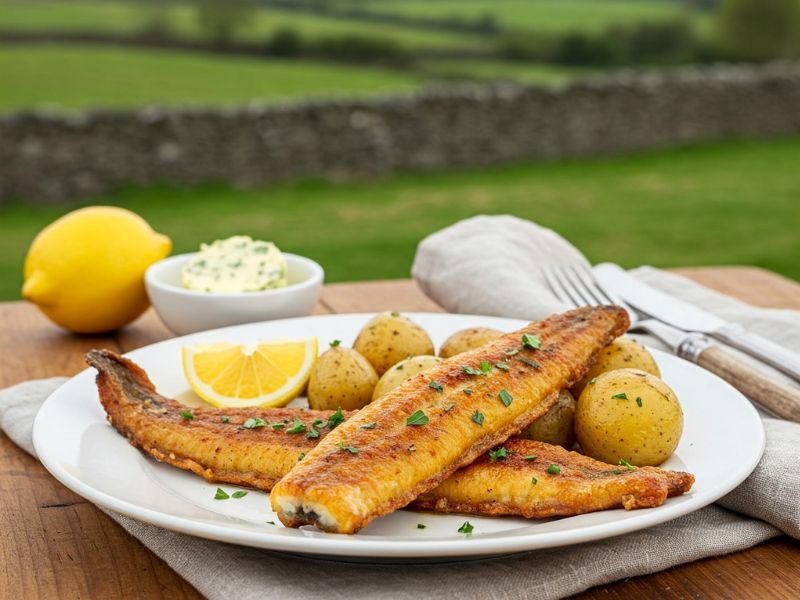
Lough Neagh looks simple until you say it out loud. Visitors often try Lock NEE-agg, but locals smooth it to Lok NAY.
The first word matches loch or lock, the second is a single clean syllable.
When you see eels or fish listed from this area, now you will sound spot on. Keep it light and confident.
Order proudly and enjoy a truly regional taste of Northern Ireland.
Cock-a-leekie (soup)
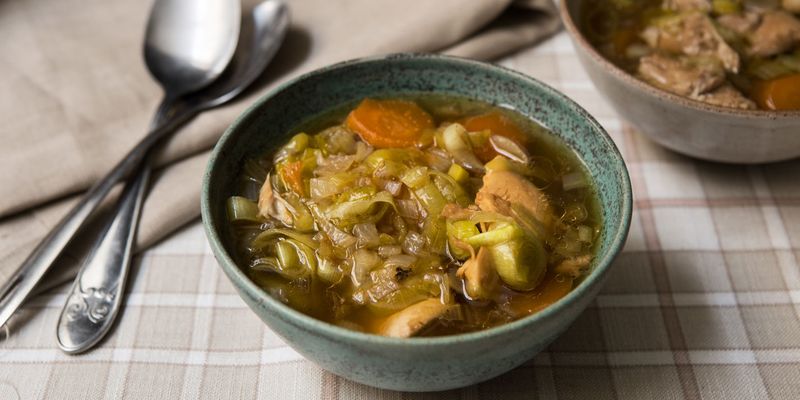
The hyphens scare people into over-enunciating. Visitors go Cock-ah LEEK-ee, but locals breeze through Cock-uh LEE-kee.
It is quick, homely, and soothing.
Order in a cozy pub and you will hear that soft middle vowel. The soup is gentle and wholesome, with leeks, chicken, and often prunes for depth.
Let the name flow and the warmth follow.
Pasty (especially Cornish pasty)
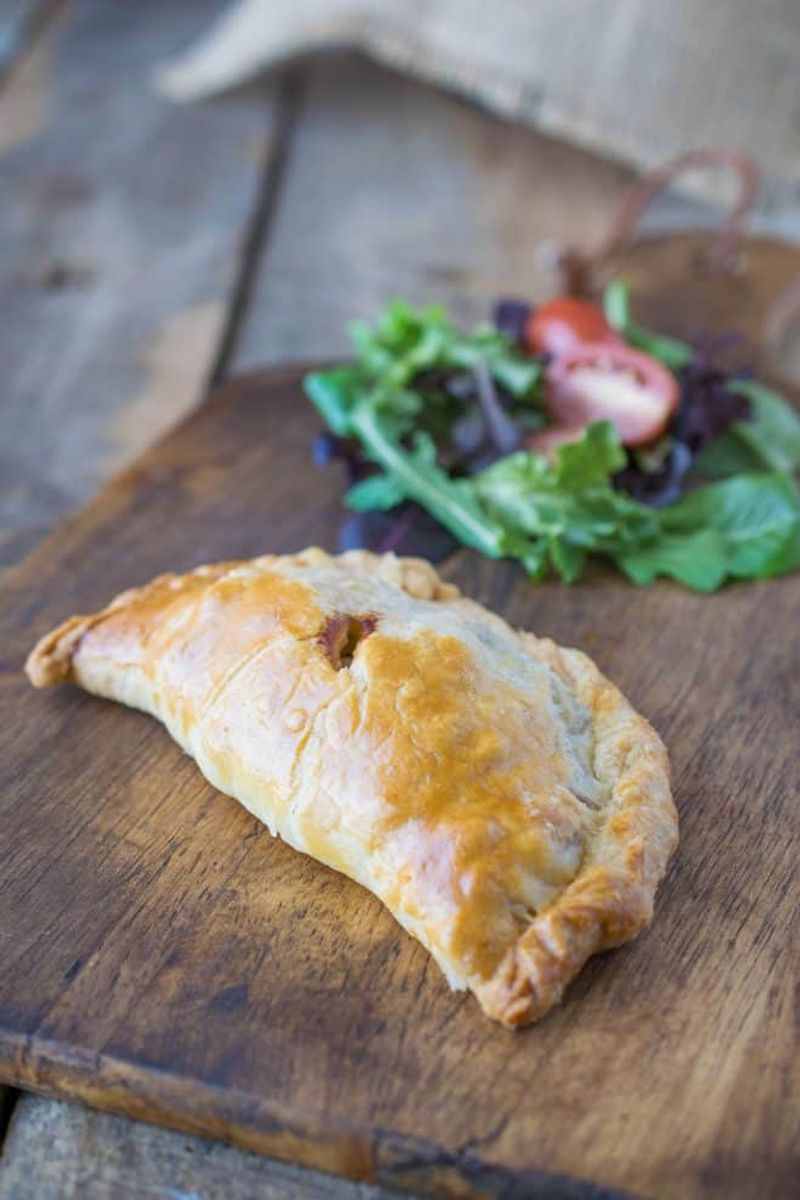
Pasty trips people who stretch PASS-tee dramatically. You have the syllables right, but keep it quick and neat.
Ask for a Cornish pasty and avoid dragging the first bit.
Inside, expect beef, potato, swede, and onion in a hearty hand pie. Perfect walking food on blustery coasts.
Say it briskly, grab one hot, and head for the view.
Eton Mess
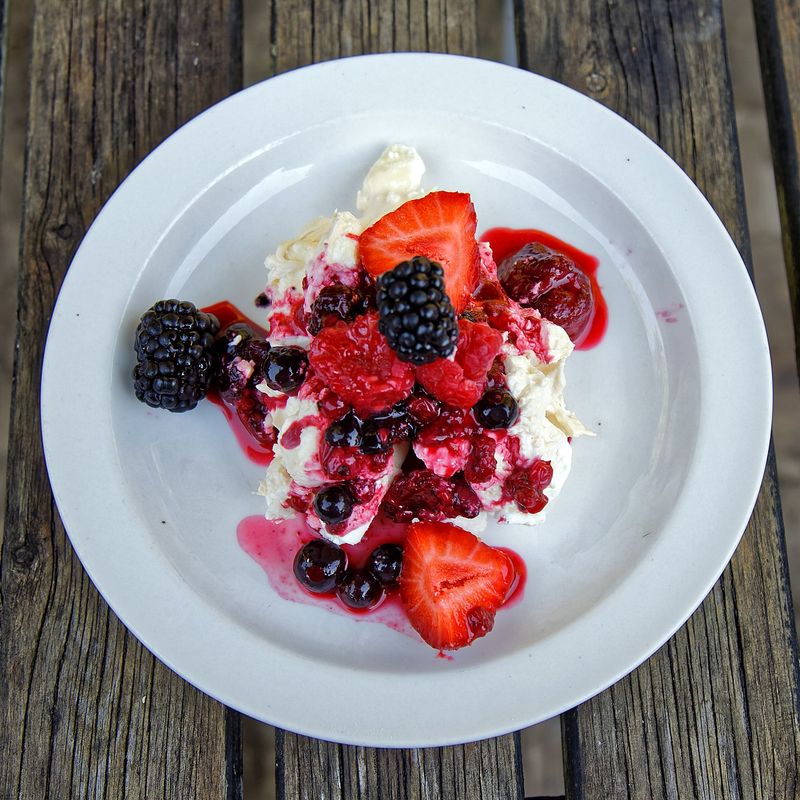
Eton Mess looks straightforward yet the second word tricks the ear. Visitors often go EE-ton with a firm t, but locals blur it to EE-tun.
Soft, quick, and playful.
The dessert is a jubilant crumble of meringue, cream, and berries. Order it after a pub lunch and you will understand the name.
It is a glorious, sweet muddle worth every spoonful.
Edinburgh Rock (sweet)
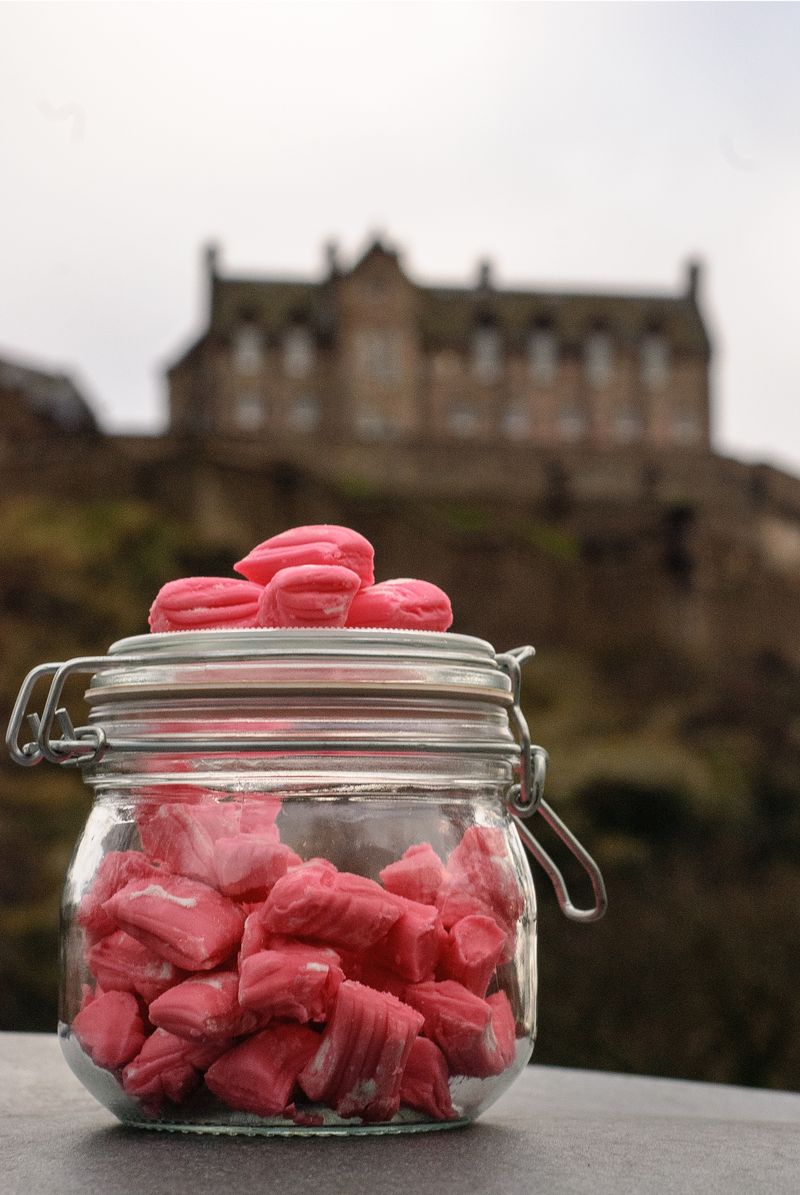
Edinburgh likes to surprise. Many say Ed-in-BURG, but the local rhythm is ED-in-bruh.
Say it gently and you will be handed a bag with a smile.
Edinburgh rock is light, crumbly, and pastel pretty, more delicate than seaside sticks. Perfect for gifting or nibbling on a stroll.
Keep the name breezy and the sweetness follows.
Lough (as on menus or ingredients)
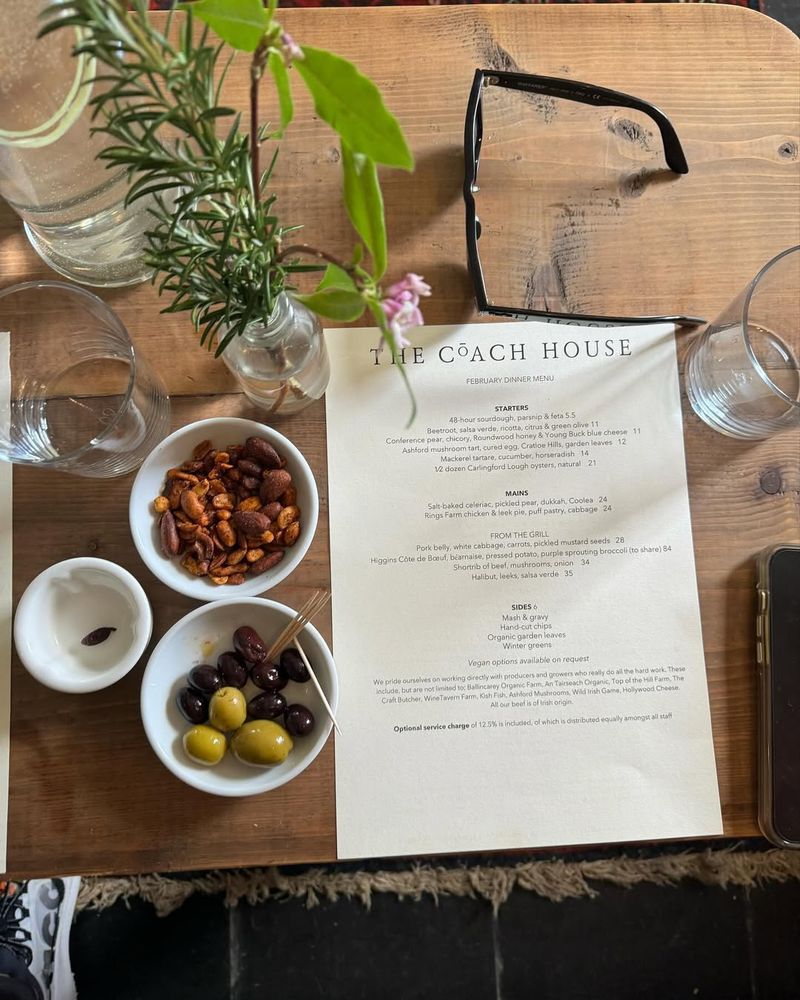
Lough on a menu can cause a pause. Visitors often read it as Low, but it sounds like loch or lock: Lok.
Say it clean and short, then place your order.
You will spot it with fish, oysters, or regional produce. Knowing it unlocks a lot of coastal menus.
One word, one beat, and suddenly everything sounds right.
Branston Pickle
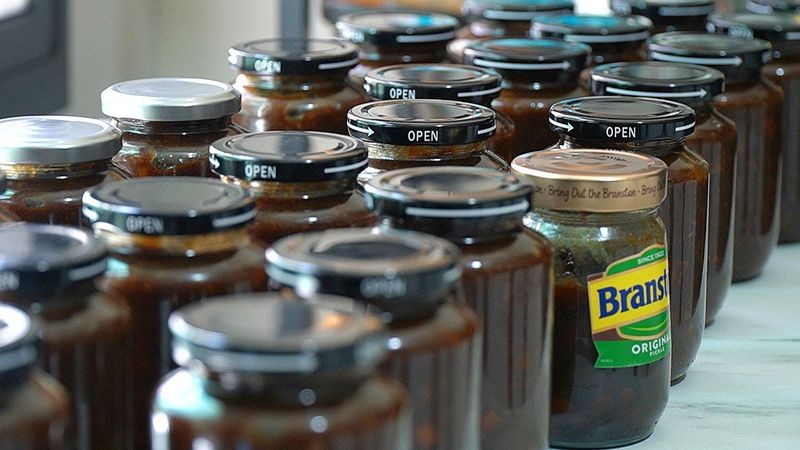
Branston can twist tongues into BRAN-stone. Keep it friendly and local with BRAN-stun.
Ask for it in a ploughman’s lunch and you will be golden.
The pickle is chunky, sweet-sour, and brilliant with cheddar. A little spoon transforms a simple sandwich.
Say BRAN-stun, spread generously, and enjoy that unmistakable tang.