
15 Common Challenges When Making Chili At Home
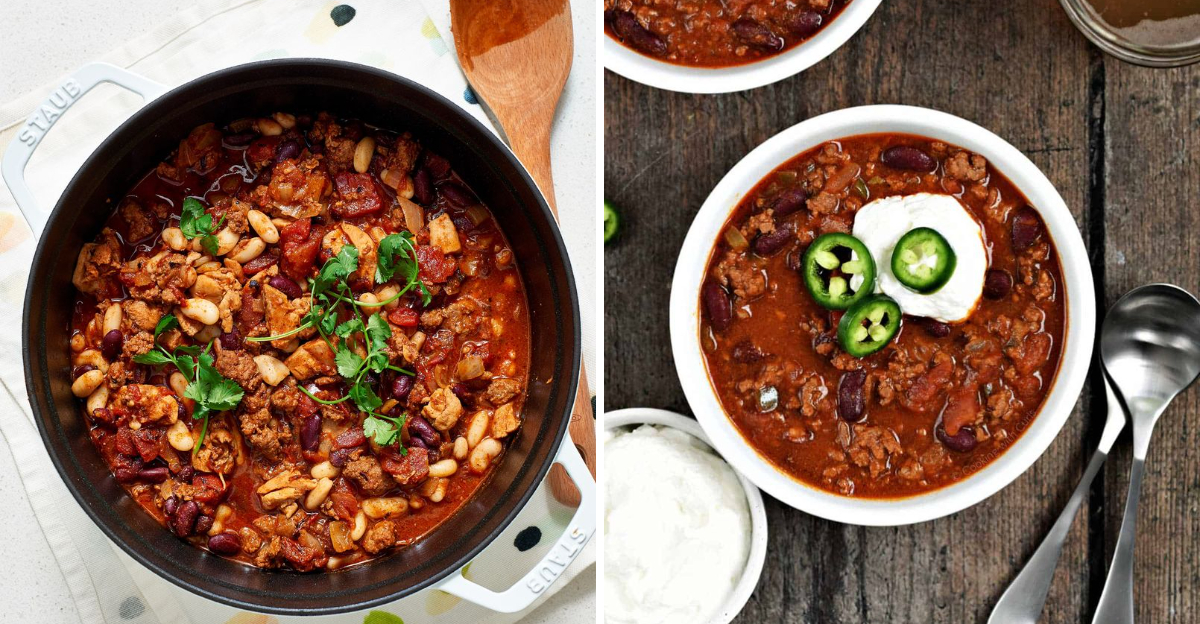
Chili night should be cozy, not chaotic. If your pot turned watery, flat, or unexpectedly fiery, you are not alone.
Small tweaks can transform a so-so batch into a bowl worth bragging about. Use these clear fixes to rescue today’s chili and make tomorrow’s even better.
1. It tastes flat
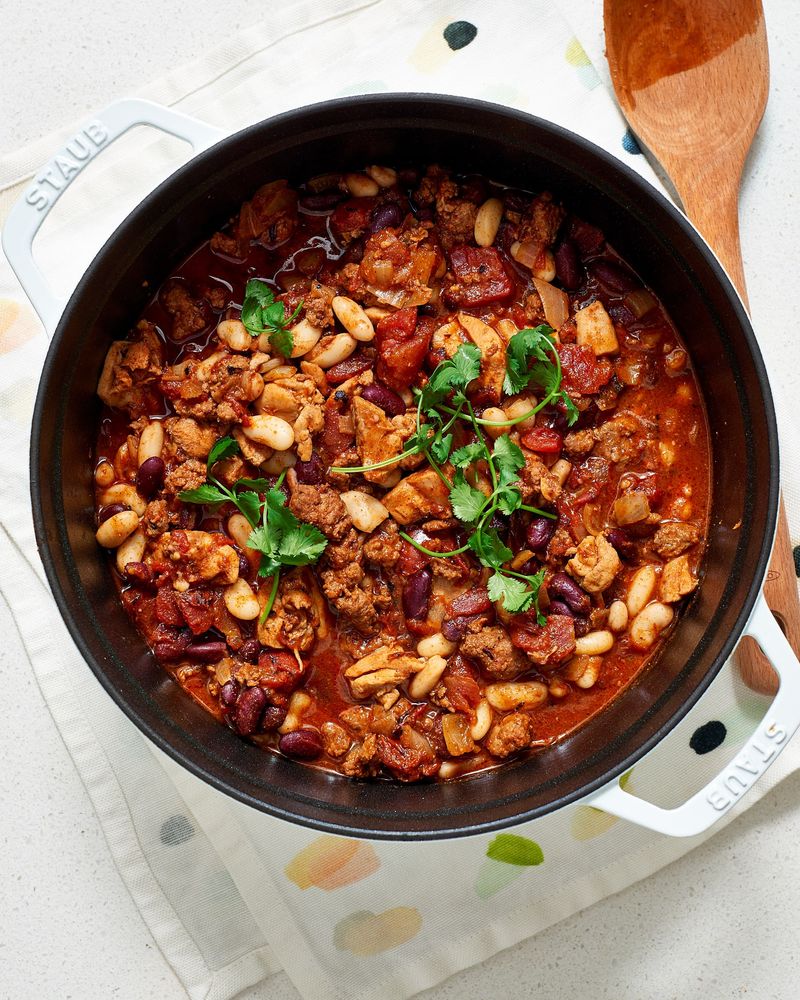
Flat chili usually needs salt, acid, or both. Taste first, then add a tiny pinch of salt and a squeeze of lime to wake everything up.
If lime is not handy, try a splash of apple cider vinegar or red wine vinegar.
Stir, simmer a few minutes, and taste again. You are looking for brighter flavors without tipping into sour.
If it still drags, a small bump of cumin or garlic powder can round it out while keeping balance.
2. The chili is watery

Watery chili usually needs time with the lid off. Keep a gentle simmer so excess liquid evaporates and flavors condense.
Stir occasionally to prevent sticking and to monitor thickness.
If you need a faster fix, make a cornstarch slurry or mash a few beans into the pot for body. Avoid cranking the heat too high or it may scorch.
Next time, add liquid gradually, and remember uncovered simmering is your thickener.
3. The chili is too thick
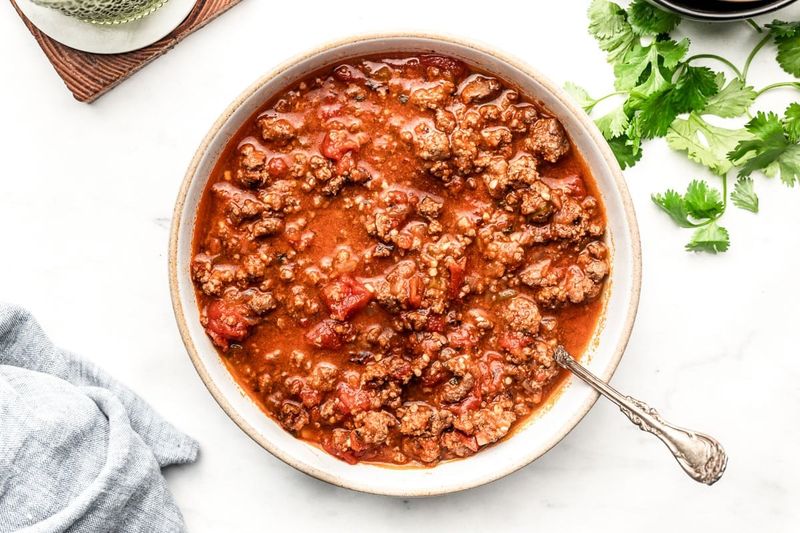
When chili turns pasty, it likely reduced too far or the bean-to-liquid ratio is high. Warm some broth or water and add in small splashes, stirring between each addition.
Keep it just loose enough to scoop comfortably.
Let it simmer a few minutes so the liquid integrates rather than dilutes flavor. If taste drops, correct with a pinch of salt or a squeeze of lime.
Next time, keep the lid partially on and check consistency more often.
4. The meat is dry or tough
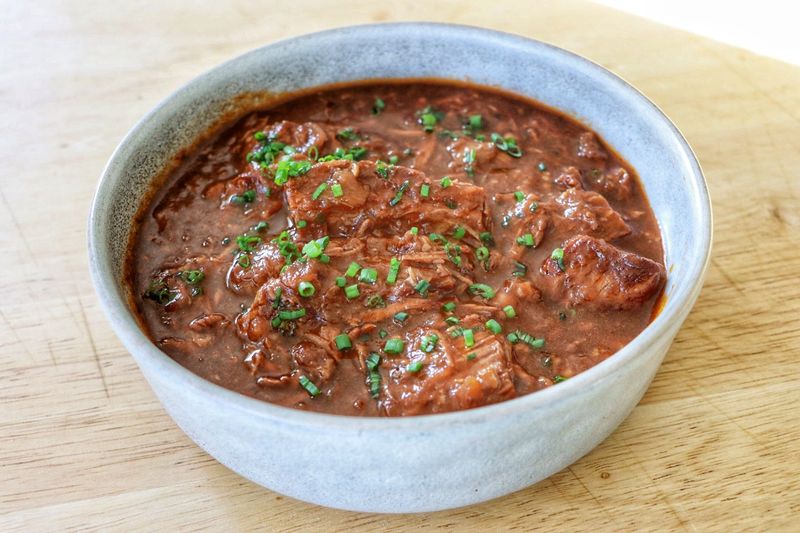
Dry or tough meat usually means overcooking ground meat or rushing cubed cuts. Brown for flavor, then drop to a gentle simmer so collagen breaks down without squeezing out juices.
Avoid boiling, which tightens proteins.
For cubed chuck, give it time until fork tender. For ground beef, brown, drain if needed, then simmer briefly in sauce.
Rest the chili a few minutes before serving to re-distribute juices.
5. There is not enough chili flavor
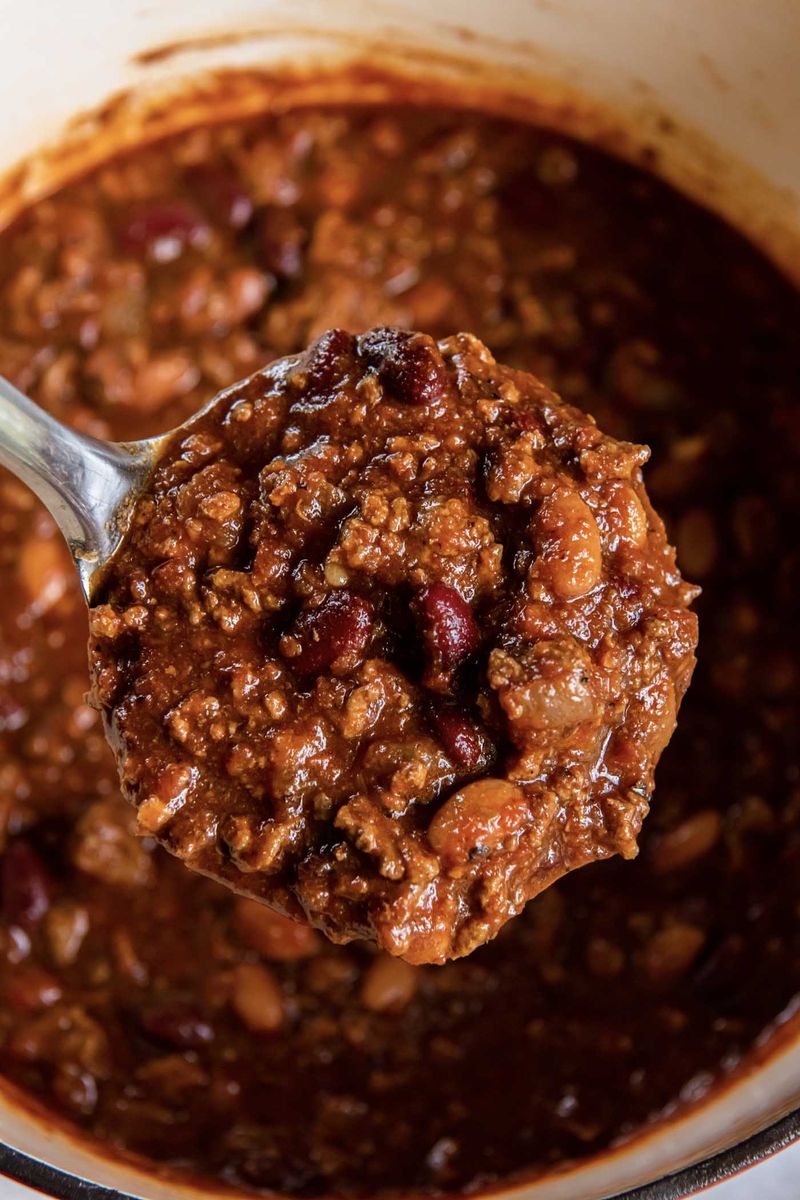
Mild chili powder can be surprisingly tame. Increase the total spice, then layer depth with cumin, smoked paprika, onion, and garlic.
Add in stages, tasting as you go, so the flavor feels built rather than dumped.
Bloom spices in a little oil before liquids to intensify aroma. If it still feels shy, a touch of tomato paste and a longer simmer can deepen savoriness.
Finish with salt to unlock everything you added.
6. The spices taste raw
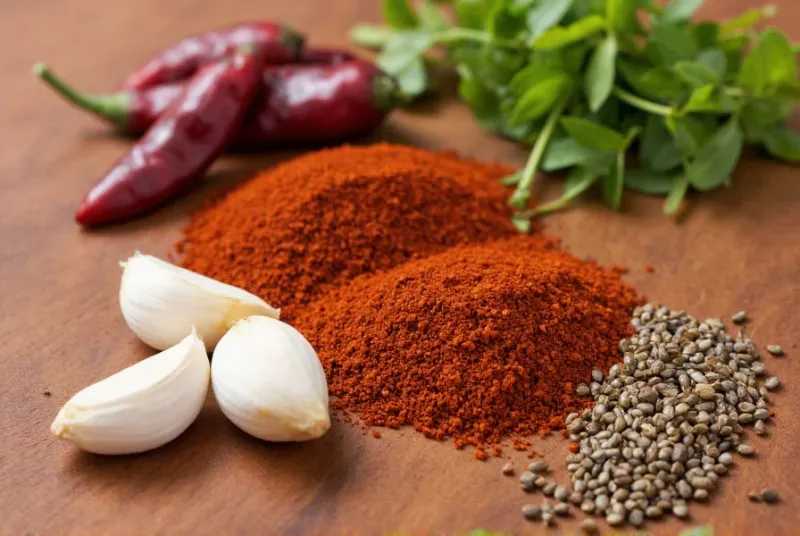
Dusty, raw-tasting spices mean they hit liquid before heat did its job. Toast spices in a little oil for 30 to 60 seconds until fragrant, then add tomatoes or broth.
This blooming step unlocks flavor and tames bitterness.
If the damage is done, keep simmering gently to mellow sharpness. A small spoon of tomato paste can help integrate flavors.
Next time, spice first, liquid second.
7. It is too spicy
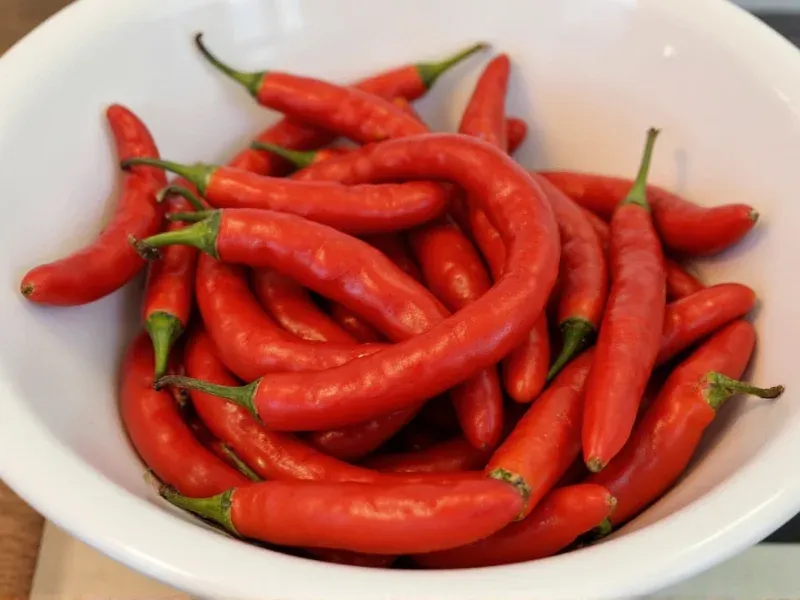
Heat cannot be removed, only balanced. Add dairy like sour cream or a splash of cream to cool perception of spice.
Increase volume with more beans or tomatoes to dilute heat across a larger batch.
A tiny pinch of sugar can soften sharp edges without making it sweet. Keep tasting between additions to avoid overcorrecting.
Serve with cooling toppings like cheese, avocado, or yogurt for extra relief.
8. It is not spicy enough
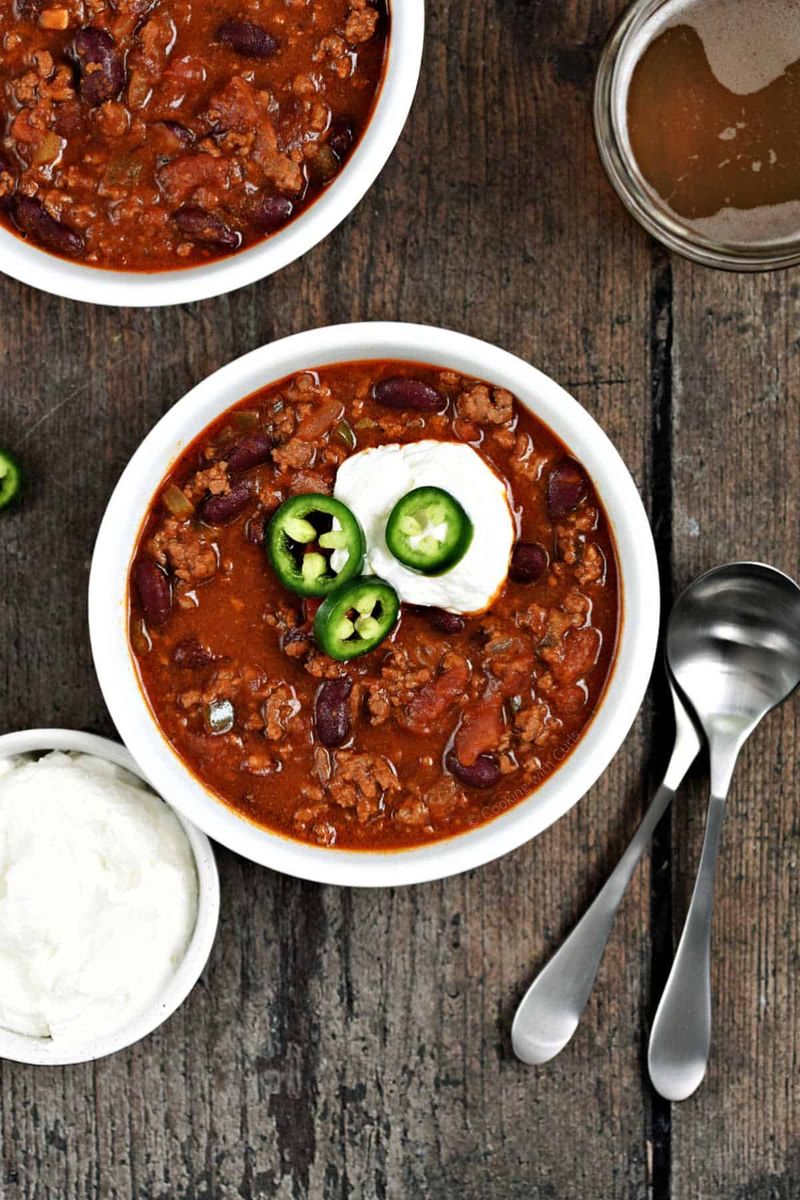
Build heat in layers so it tastes integrated, not slapped on. Add cayenne for clean heat, chipotle for smoky warmth, or a dash of hot sauce.
Diced jalapenos give fresh bite and aroma.
After each addition, simmer a few minutes to distribute spice evenly. Taste, then decide if it needs another nudge.
Keep balance in mind so heat does not mask the chili’s other flavors.
9. The tomatoes taste harsh or acidic
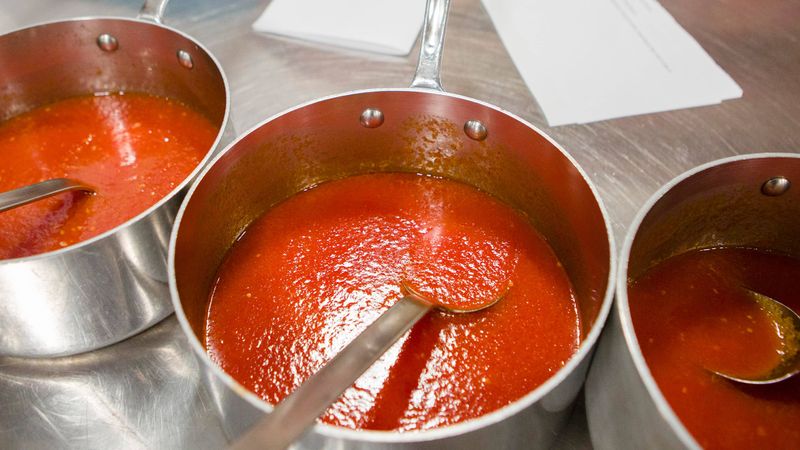
Some canned tomatoes run sharp. Balance with a pinch of sugar or a tiny bit of baking soda to neutralize acidity.
Let it simmer so edges soften and sweetness does not dominate.
Add gradually, stirring and tasting between each adjustment. A longer simmer and a knob of butter can smooth things, too.
Choose whole peeled tomatoes next time for rounder flavor.
10. The beans turn mushy
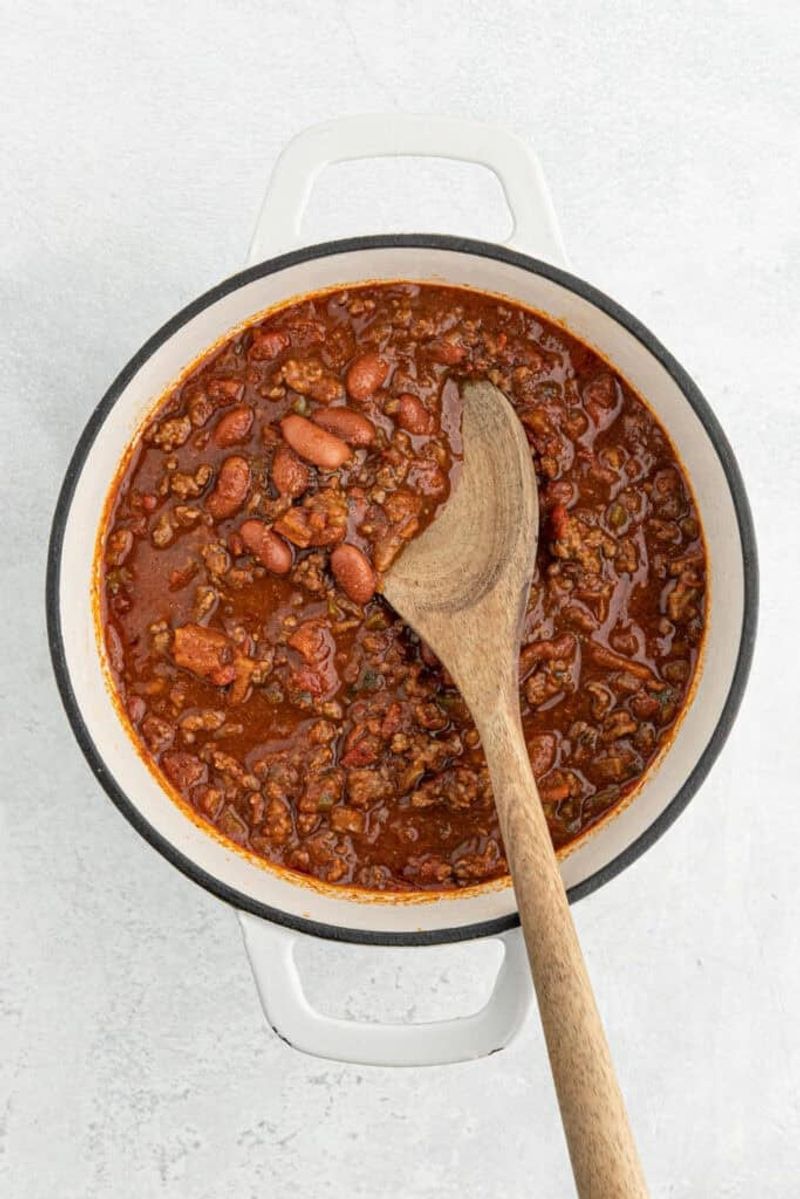
Mushy beans mean overcooking or starting with very soft canned beans. Add canned beans late and keep the simmer gentle.
Stir carefully so skins do not burst.
If using dried beans, cook them separately until just tender, then fold into the chili near the end. Avoid aggressive boiling.
Next time, choose firmer beans and watch the clock.
11. The beans are still hard
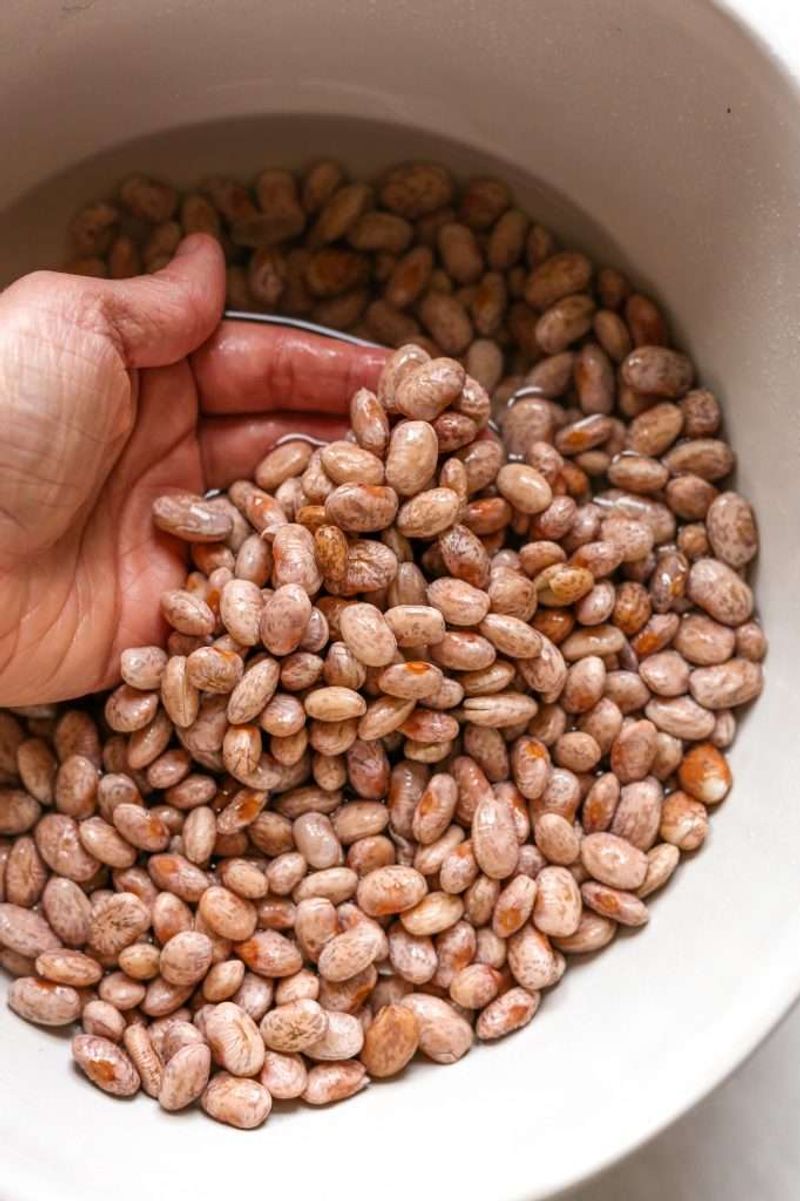
Hard beans are often old or shocked by early acidity. Tomatoes and vinegar can slow softening, so cook beans tender before adding lots of acid.
Soak longer if beans seem stubborn.
Simmer gently with enough water and salt toward the end for flavor. If needed, pressure cook to guarantee tenderness.
Once soft, fold them into the chili and finish seasoning.
12. The chili tastes greasy

Greasy chili often starts with fatty meat or not draining after browning. Skim the surface with a spoon or chill briefly to lift the solidified fat.
Adding beans or vegetables can absorb some richness.
Next time, brown in batches and drain excess fat before deglazing. Balance with acid like lime to cut through heaviness.
Keep portions of oil modest when blooming spices.
13. The flavor is bitter
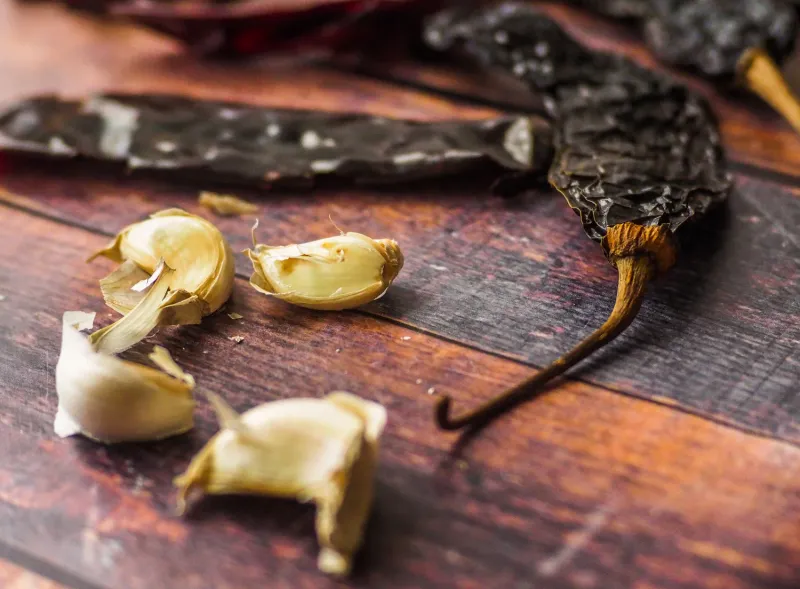
Bitterness can come from burnt spices, scorched bits, or too much dark beer. Keep heat moderate and stir to prevent sticking.
If bitterness appears, add a splash of broth and scrape the bottom gently.
A pinch of sugar or a knob of butter can smooth edges. Balance with acid and salt to re-center flavors.
Next time, toast spices lightly and watch the garlic closely.
14. Under-seasoned because you did not taste at the end
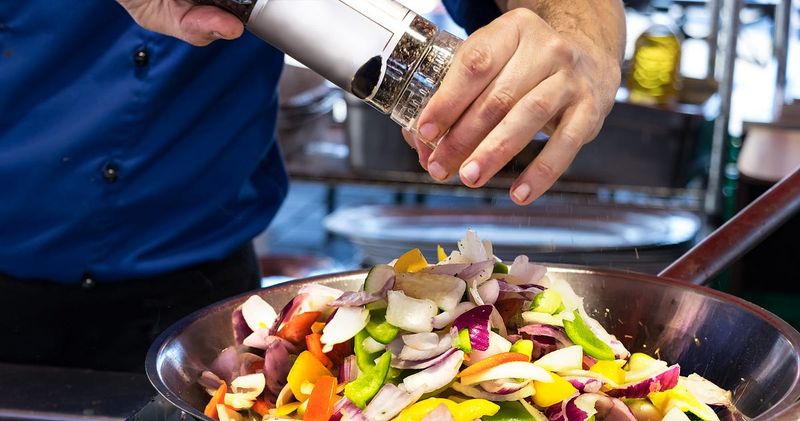
Chili shifts as it reduces, so early seasoning rarely holds. Taste right before serving and adjust salt, pepper, and acid.
This final pass brightens everything you worked on.
Add slowly, stir, then taste again so you do not overshoot. If flavors feel dull, a short uncovered simmer can concentrate.
Make end-of-cook tasting a habit.
15. It does not taste better the next day

Chili usually improves overnight if cooled and stored properly. Spread in shallow containers to cool quickly, then refrigerate.
Reheat gently the next day and taste before serving.
Adjust salt and acid since flavors can dull in the fridge. If it tightened, loosen with a splash of broth.
A short simmer melds everything, letting yesterday’s work truly shine.