15 Common Mistakes People Make When Using Canned Beets
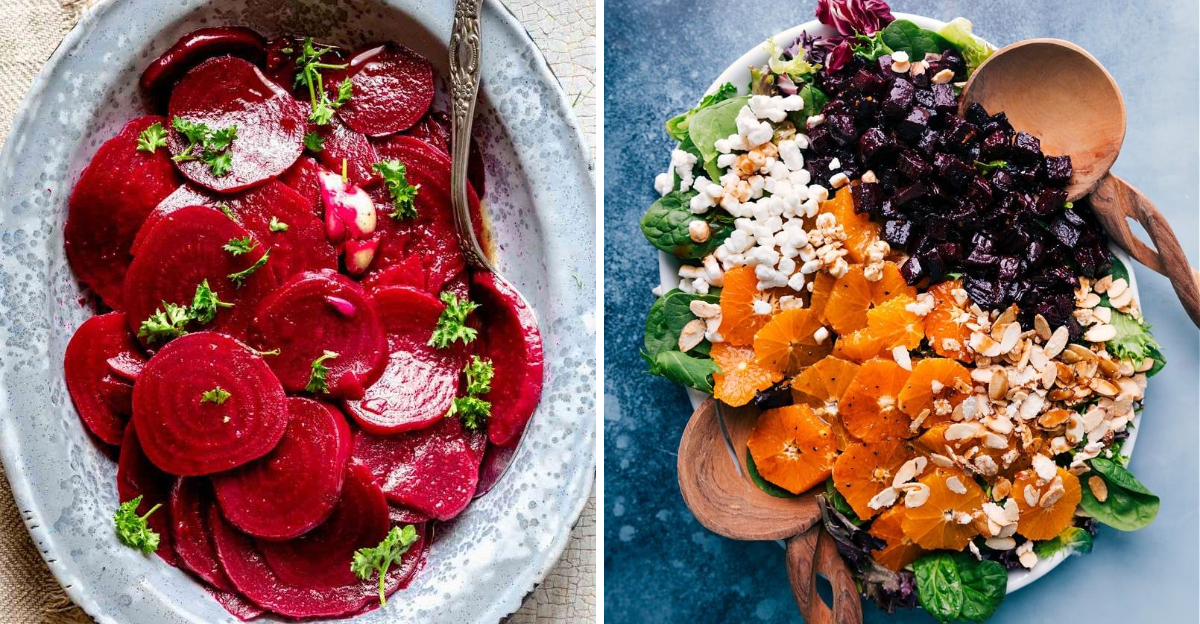
Canned beets can be a pantry hero when you know how to handle them. They are already cooked and tender, but small missteps can leave them watery, bland, or oddly metallic.
With a few smart tweaks, you can turn that humble can into something vibrant and satisfying. Let’s fix the most common slip ups so your beets actually taste amazing.
1. Not draining them well
Pouring canned beets straight into a dish can drown flavors and tint everything bright pink. Drain them thoroughly in a fine mesh strainer or colander, then let gravity work for a minute.
For salads or grain bowls, pat dry with paper towels to remove surface moisture and keep flavors clean.
When beets are too wet, dressings slide off and textures turn soggy. You lose contrast and end up with diluted seasoning.
Drying gives you better browning if you do a quick roast, and it helps vinaigrettes cling, so each bite tastes intentionally seasoned instead of washed out.
2. Skipping a quick rinse (when needed)
Some cans have a briny or metallic edge from the packing liquid. A fast rinse under cool water can tame that flavor without stripping the beet’s color.
Taste the liquid first. If it seems pleasant and slightly sweet, keep it.
If it tastes tinny or harsh, drain and rinse for a cleaner finish.
Rinsing also resets the canvas for your own seasonings. After rinsing, pat dry so dressings cling and salt disperses evenly.
You will notice beets feel less sugary and more balanced, letting herbs, citrus, and spices pop. It is a tiny step that pays off in salads, bowls, and sandwiches.
3. Assuming they taste like fresh roasted beets
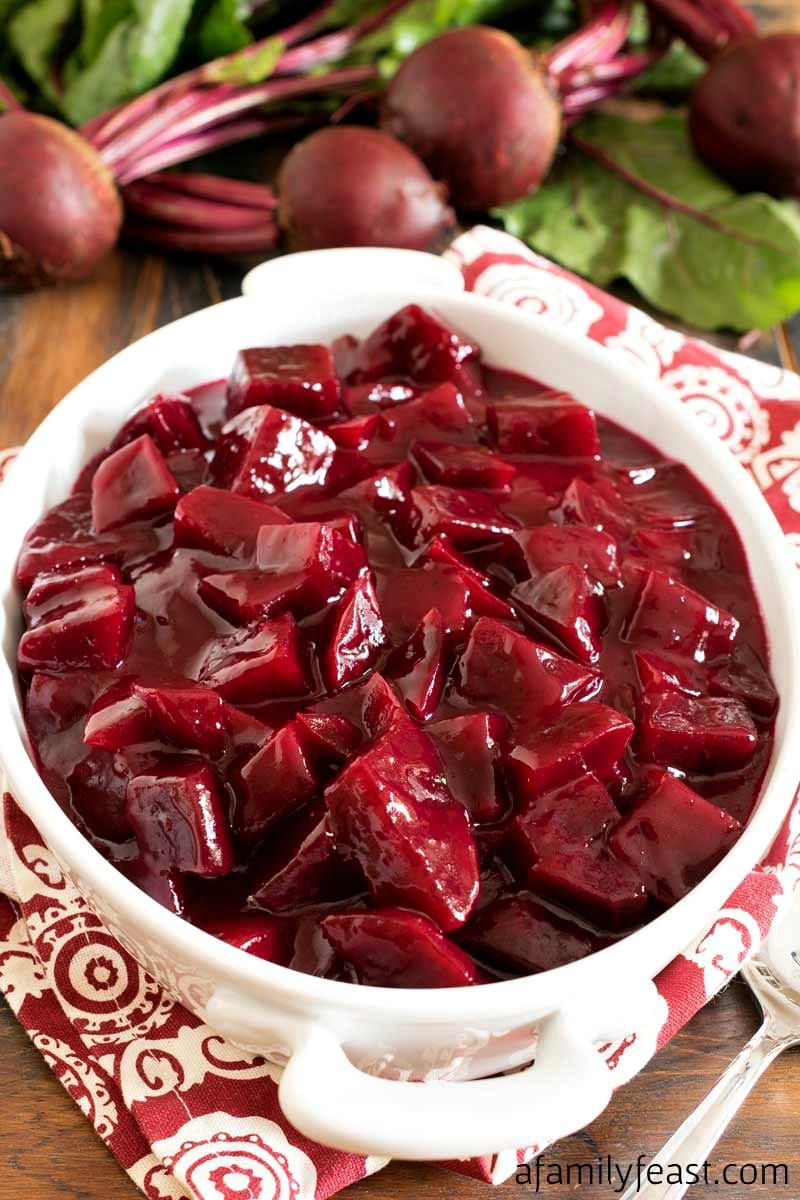
Canned beets are already cooked, so they are softer and milder than oven roasted beets. Expect a gentler earthiness, not that deep caramelized intensity.
If you want roasted vibes, add them back with technique: toss drained slices with oil, a little salt, and roast briefly at high heat to concentrate flavor.
You can also layer smokiness with paprika, char from a hot skillet, or depth from browned butter and herbs. A splash of balsamic or sherry vinegar amplifies sweetness while sharpening edges.
Think of the can as a shortcut to tender texture, then customize the flavor profile to mimic slow roasting without the full time commitment.
4. Using them without adding acid
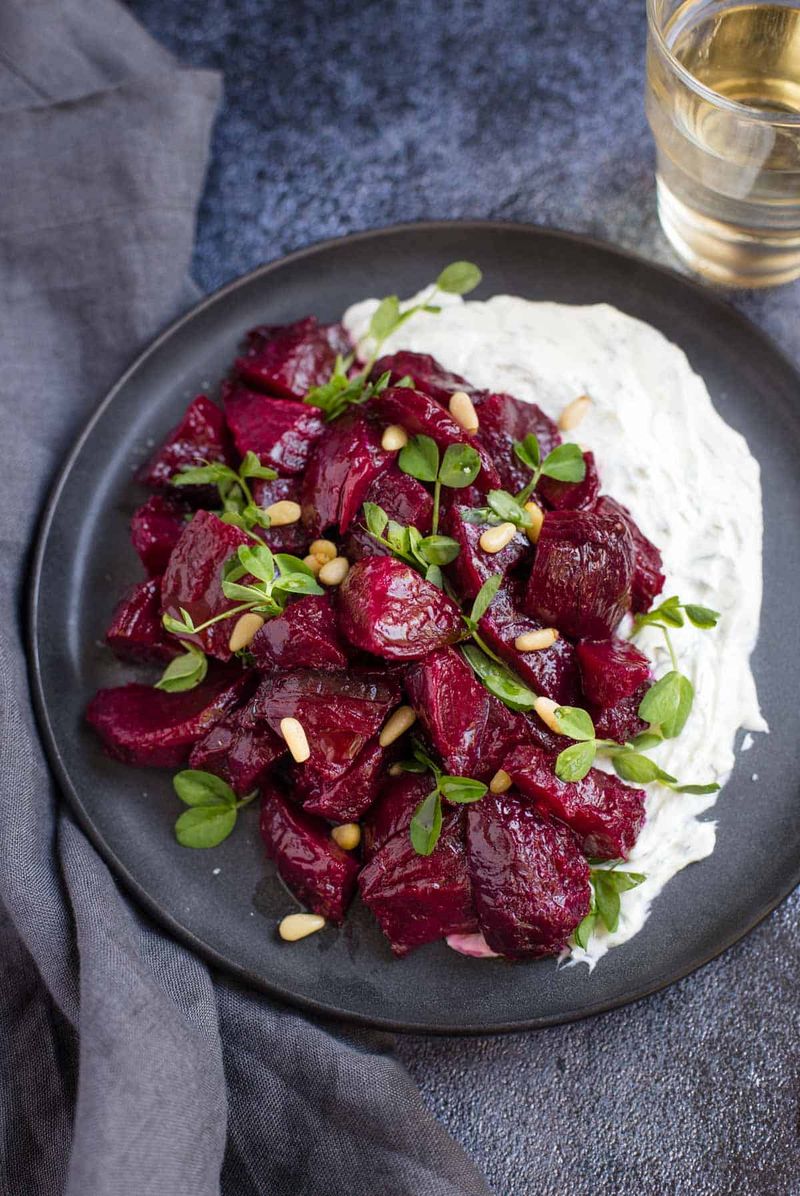
Beets love acid because it brightens their natural sweetness. Without it, canned beets can taste sweet and flat.
Add lemon juice, red wine vinegar, sherry vinegar, or apple cider vinegar to wake them up. Even a spoonful of pickled onion brine delivers instant sparkle and balances earthy notes.
Build a simple vinaigrette: two parts oil, one part acid, a pinch of salt, pepper, and a dab of mustard. Toss gently and let the beets sit for ten minutes to absorb flavor.
The result tastes fresher, cleaner, and more dimensional. You will notice everything around the beets tastes better too, from greens to grains.
5. Not seasoning enough
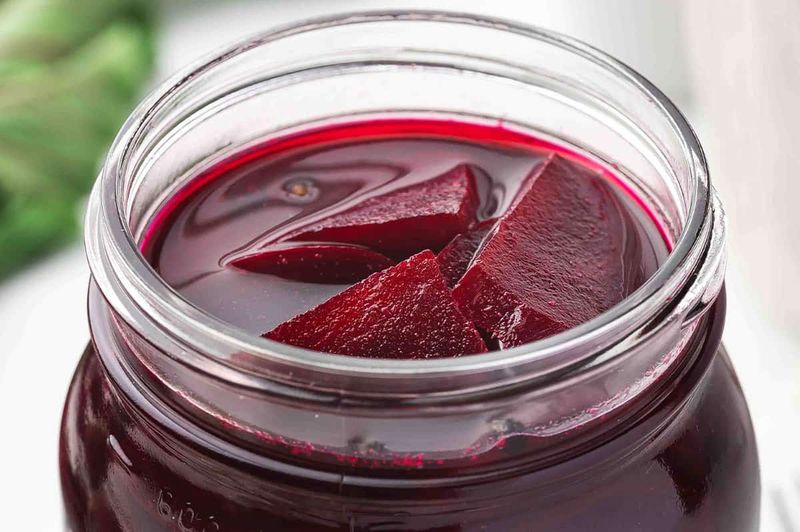
Because canned beets are mild, under seasoning makes them fade into the background. Start with a pinch of kosher salt to sharpen sweetness, then add freshly ground pepper.
Bring personality with garlic, dill, mustard, coriander, or cumin. Little hits of flavor turn soft slices into something you actually crave.
Season in layers. Salt after draining, again after dressing, and taste between steps.
A touch of olive oil helps fat soluble aromas bloom. Fresh herbs add aroma and color, while citrus zest perks up each bite.
Keep tasting until the beets feel lively. You should want another forkful, not just tolerate them.
6. Pairing them with the wrong greens
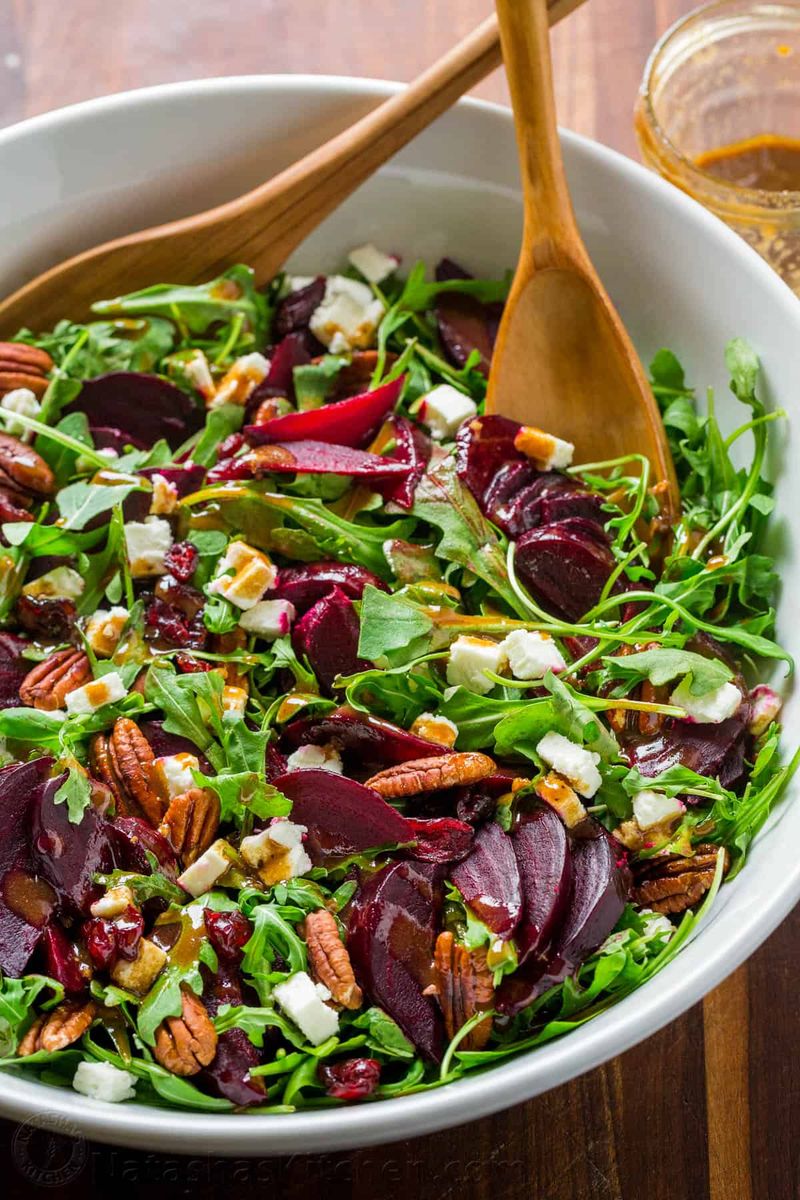
Delicate greens like butter lettuce can wilt and get overwhelmed by beets. Choose sturdier options that can handle moisture and color: arugula, kale, spinach, radicchio, or little gem.
Their structure keeps crunch intact, and their peppery or bitter notes balance beet sweetness without disappearing.
Dress greens separately, then add beets on top to prevent staining and sog. If using kale, massage with a touch of oil and lemon first.
Arugula loves a sharp vinaigrette and salty cheese. This approach keeps salad textures lively and flavors balanced, so beets feel like an accent, not a takeover.
7. Forgetting crunch
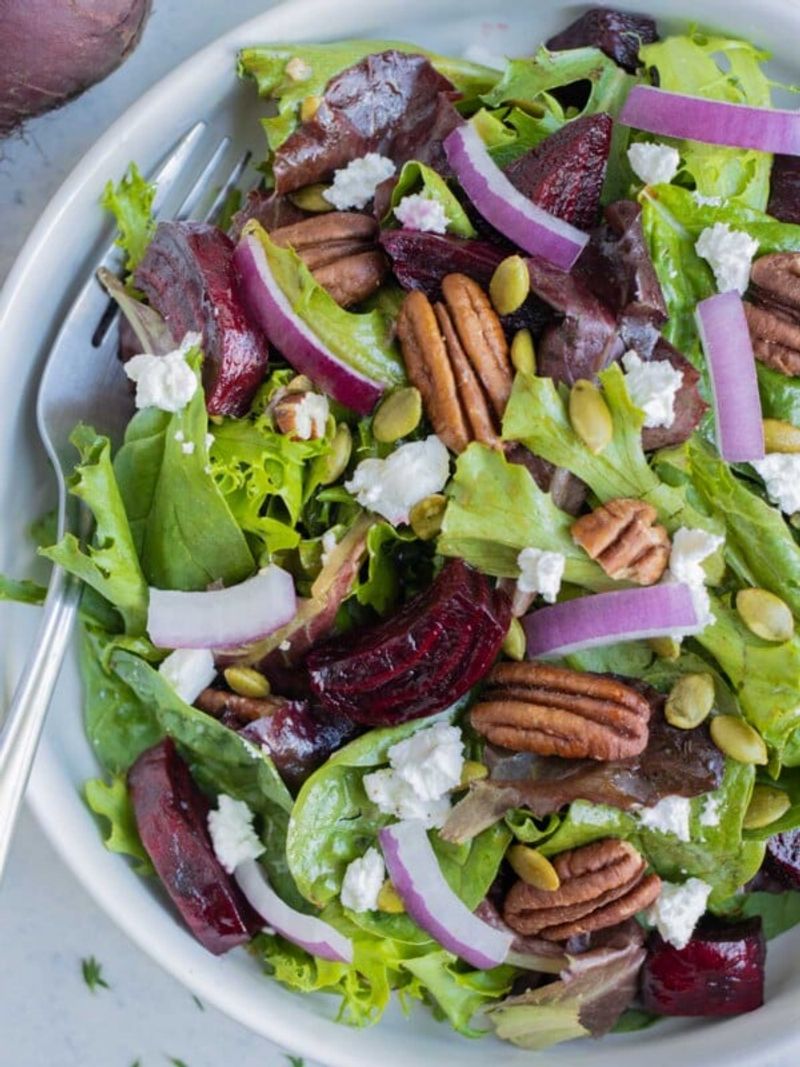
Canned beets are tender, so your dish needs contrast. Add crunch with toasted nuts, seeds, croutons, crispy shallots, or roasted chickpeas.
Even raw apple, cucumber, or shaved fennel delivers crisp relief. The goal is balance: soft beets, crunchy toppings, and a punchy dressing so every bite feels dynamic.
Toast nuts in a dry skillet until fragrant, then season with salt while warm. Use day old bread for rustic croutons, tossed with oil and baked until golden.
Layer the crunchy elements right before serving to keep them snappy. You will elevate a simple beet salad into something texturally complete and genuinely satisfying.
8. Serving them ice-cold with no flavor boost
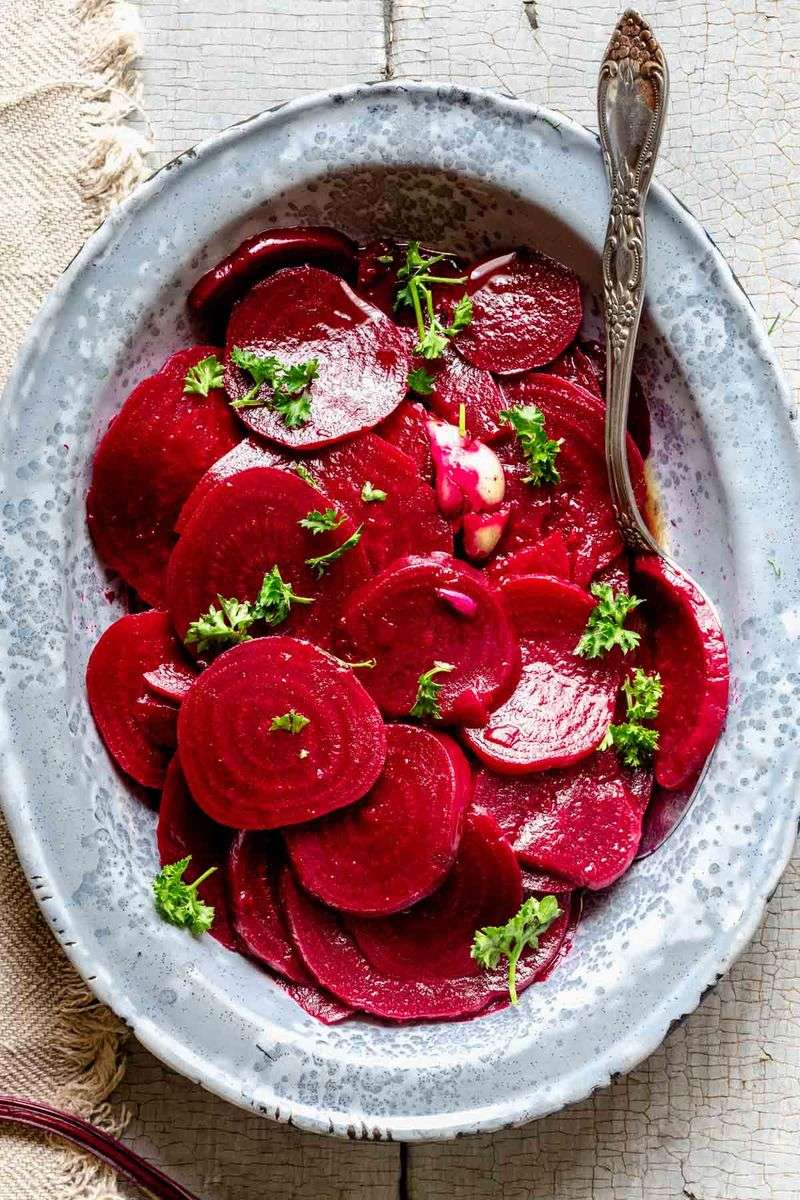
Cold beets can taste muted and overly sweet. Toss them with a lively vinaigrette, fresh herbs, and a bit of onion or shallot, then let the mix rest 10 to 15 minutes.
That short marination time helps flavors penetrate and wakes up the beets, so they do not read like refrigerator leftovers.
If serving chilled, season a touch more boldly than you would warm. Acid and salt are your friends, and a pinch of sugar can balance if your vinegar is sharp.
Consider citrus zest, dill, or mint for aromatic lift. You want bright and bracing, not icy and dull on the palate.
9. Over-mixing them into salads
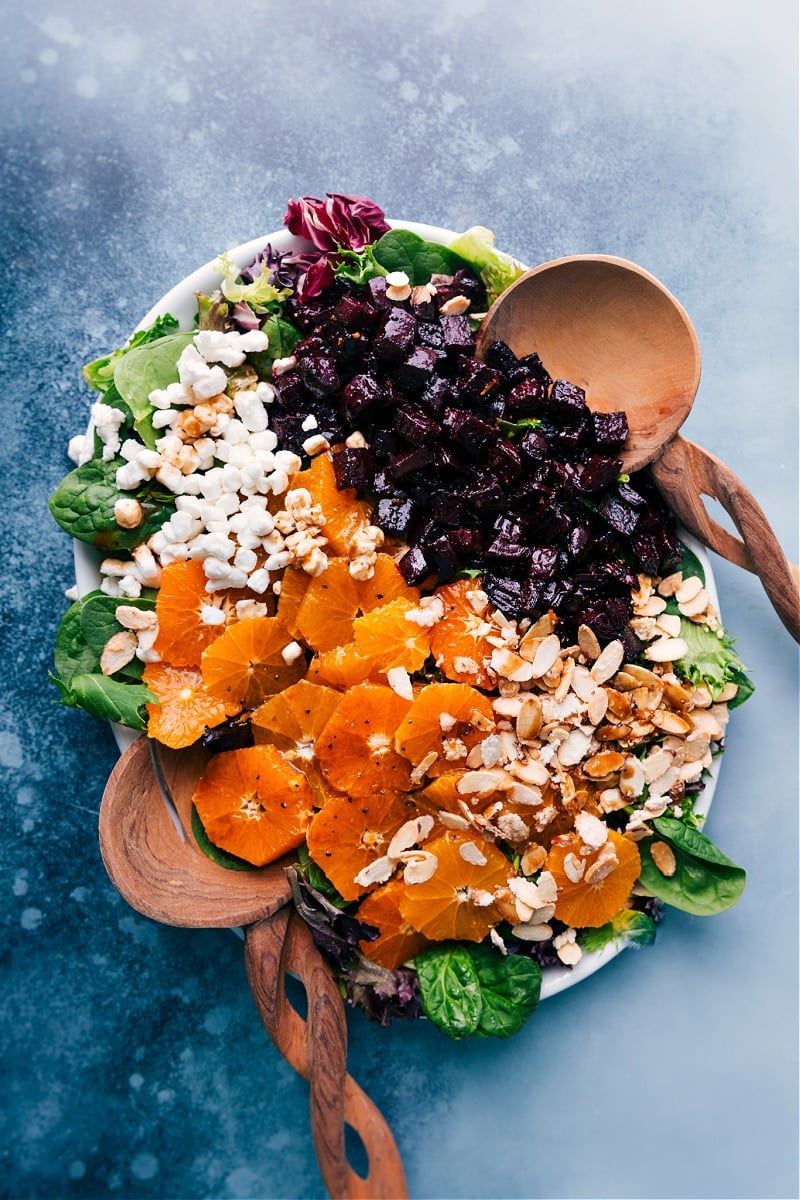
Stir beets in too aggressively and everything turns pink. If you want a pretty salad, keep beets separate and add them last.
Plate greens, grains, or beans, then tuck beets on top or to the side. You preserve color contrast and avoid bleeding that makes tomatoes, feta, and eggs look muddy.
Dress the base ingredients first, then lightly coat the beets with a bit of the same dressing. Use tongs or a spoon to place them gently.
This approach looks restaurant level at home and keeps flavors distinct. You get clean, defined bites instead of a monochrome bowl that tastes all the same.
10. Tossing them with dairy without balancing
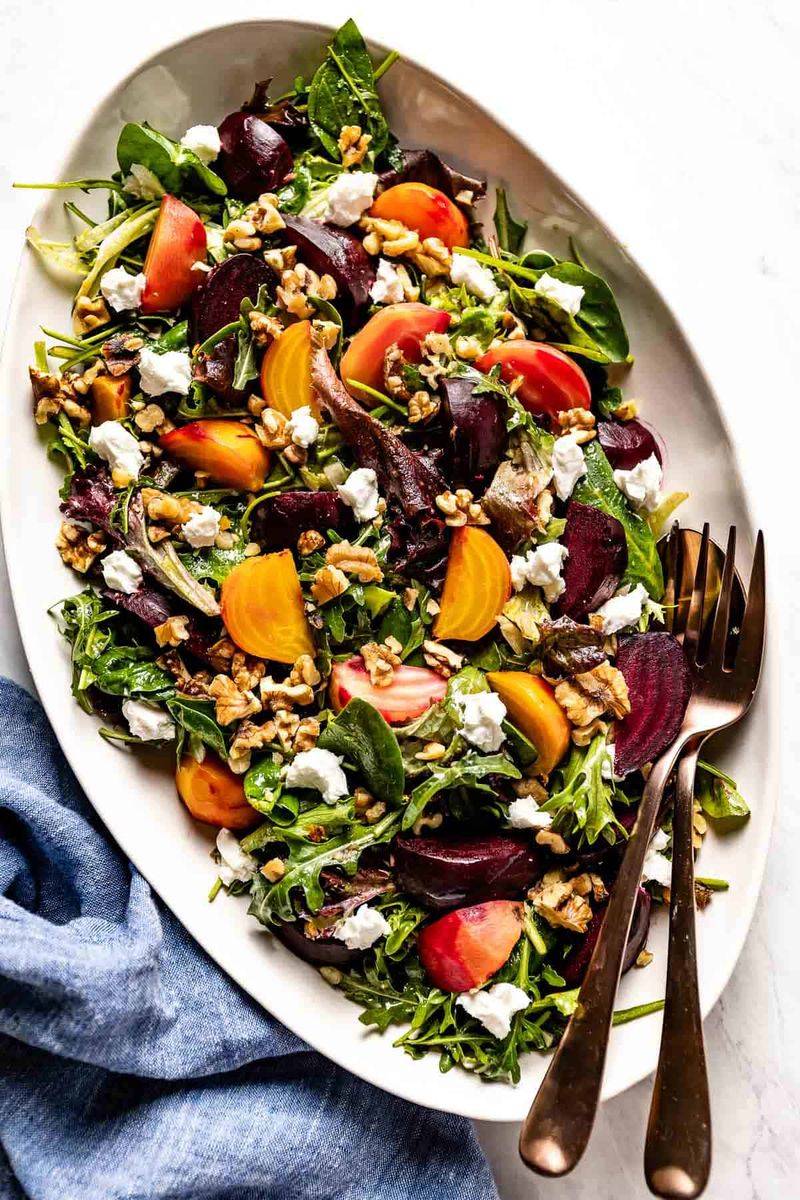
Goat cheese and feta love beets, but creamy dairy can flatten flavors without acid and salt. Add lemon juice or vinegar and season assertively so the combo reads bright, not cloying.
A drizzle of honey can work if you also include mustard or pepper to keep balance in check.
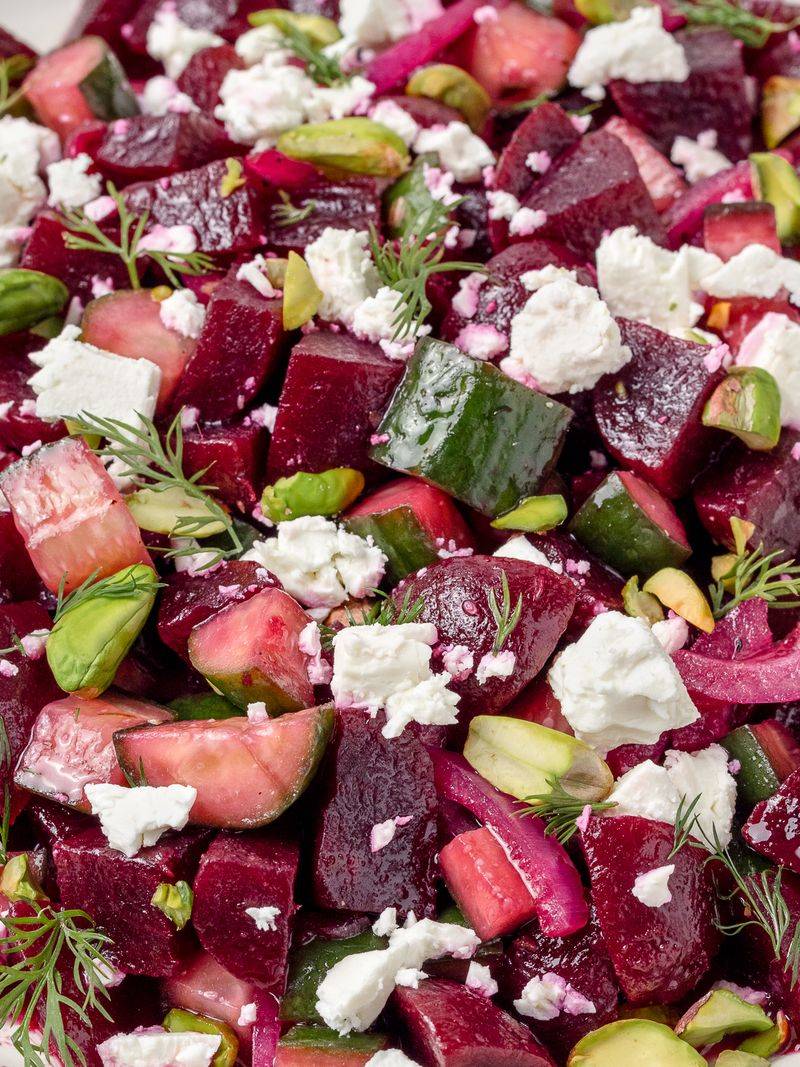
Try this ratio: beets, crumbled feta, a sharp vinaigrette, and plenty of herbs. Finish with toasted walnuts for texture.
If using yogurt, whisk in lemon, garlic, and salt before tossing, so it is zippy, not bland. You will get creamy, tangy, and earthy in harmony, rather than heavy sweetness.
11. Heating them too long
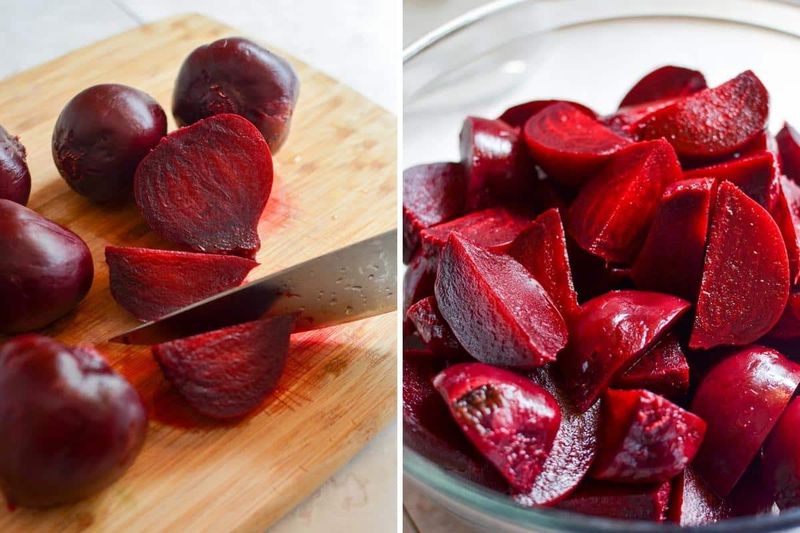
Canned beets are already cooked, so extra heat risks mush. Warm them gently in a skillet with a knob of butter or olive oil, just until heated through.
Medium low heat keeps slices intact and preserves texture. If you need deeper flavor, sear briefly in a hot pan, then remove quickly.
A splash of vinegar or citrus added off heat brightens without extending cook time. Overcooking not only softens beets but also dulls color.
Aim for warm and glossy, not stewed. Taste as you go, and pull them the moment they feel supple and seasoned.
Less time equals better structure and cleaner flavor.
12. Not using the liquid thoughtfully
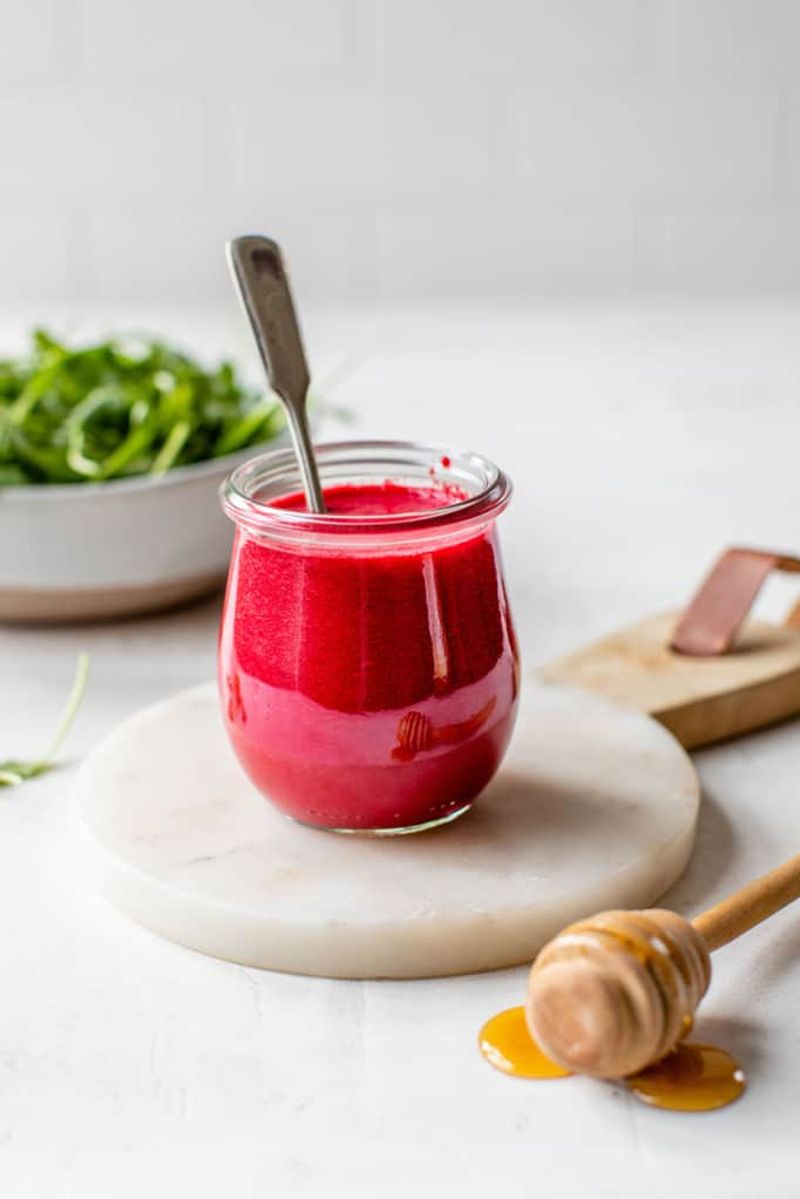
Not all can liquid is created equal. Sometimes it tastes pleasantly sweet and earthy, and sometimes like plain can water.
Taste it first. If it is good, save a splash for vinaigrette, to tint hummus, or to color pickled eggs.
If it tastes off, do not force it. Just drain and discard.
Using flavorful liquid reduces waste and ties flavors together. Start small, then adjust salt and acid since the liquid can be sweet.
It is an easy way to intensify beet character without extra ingredients. If the liquid is salty, compensate in your dressing.
Your palate will tell you quickly.
13. Ignoring the quick pickled beet upgrade
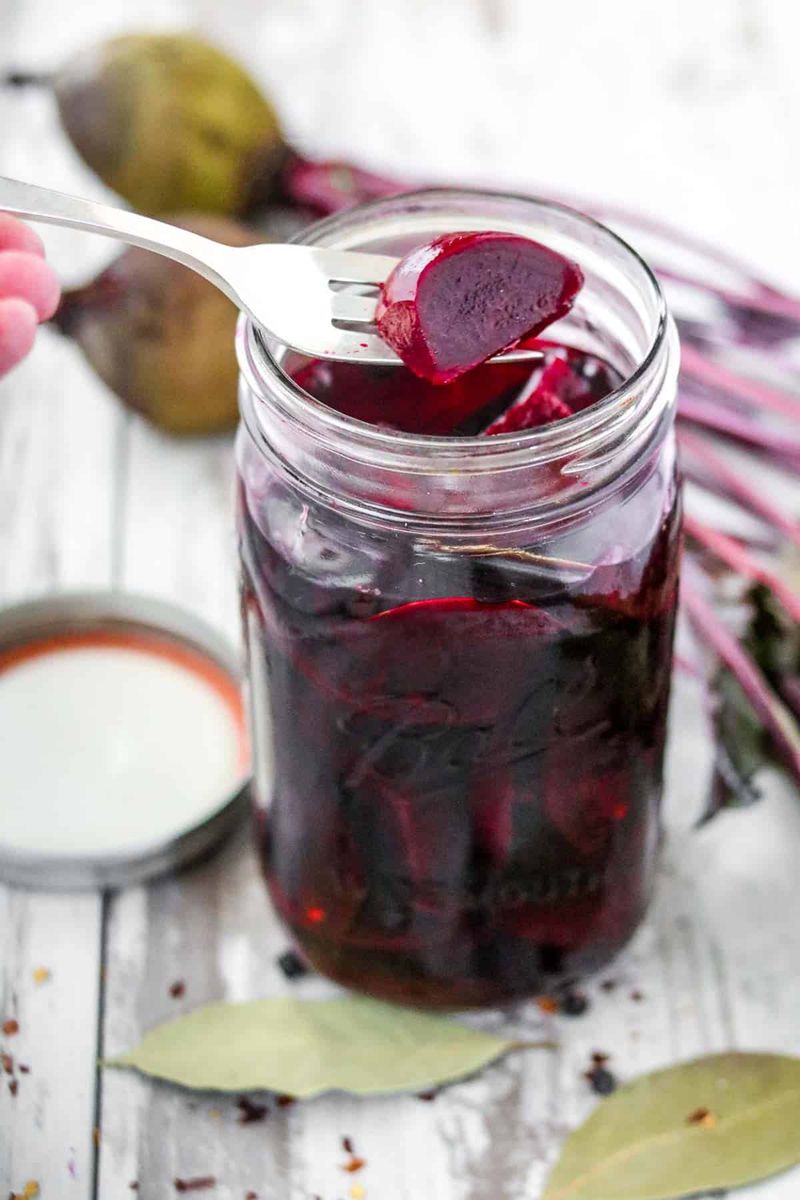
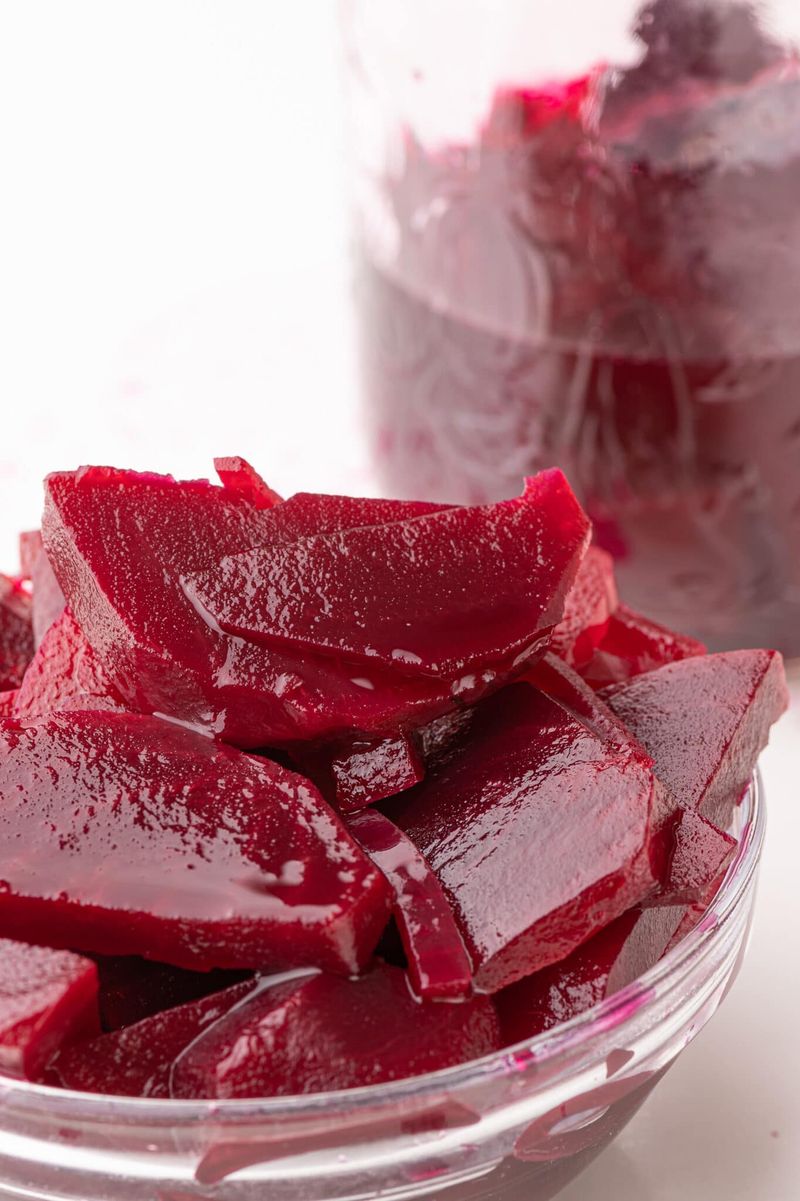
You can transform canned beets into quick pickles in minutes. Warm vinegar with a little water, sugar, and salt, plus spices like peppercorns, mustard seed, and bay.
Pour over drained beets, cool, then chill. In an hour they taste bright and punchy.
In a day they are picnic ready and sandwich perfect.
This upgrade rescues bland cans and extends shelf life in the fridge. Adjust sweetness and acidity to your preference.
Add garlic or chili for heat, or orange zest for fragrance. Quick pickling delivers restaurant style zing with almost no effort.
Put them on salads, tacos, boards, or grain bowls.
14. Not pairing them with strong flavors
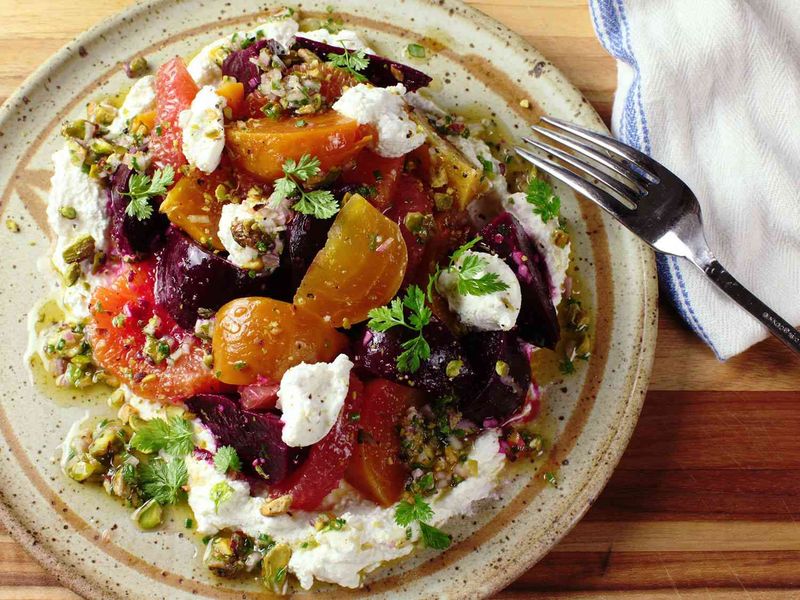
Beets are sweet and earthy, so they shine with bold partners. Think horseradish, strong mustard, citrus, sharp cheeses, smoked fish, or spicy greens.
These flavors cut through sweetness and add dimension. A little intensity goes a long way, turning simple beets into a centerpiece component instead of a bland side.
Try orange segments with fennel and olives, or dollops of horseradish yogurt. Smoked trout with beets and dill tastes Nordic and balanced.
Grainy mustard plus capers delivers savory punch. When in doubt, add acid, heat, or smoke.
Those elements keep the dish lively and memorable from first bite to last.
15. Overlooking roasting or searing for flavor
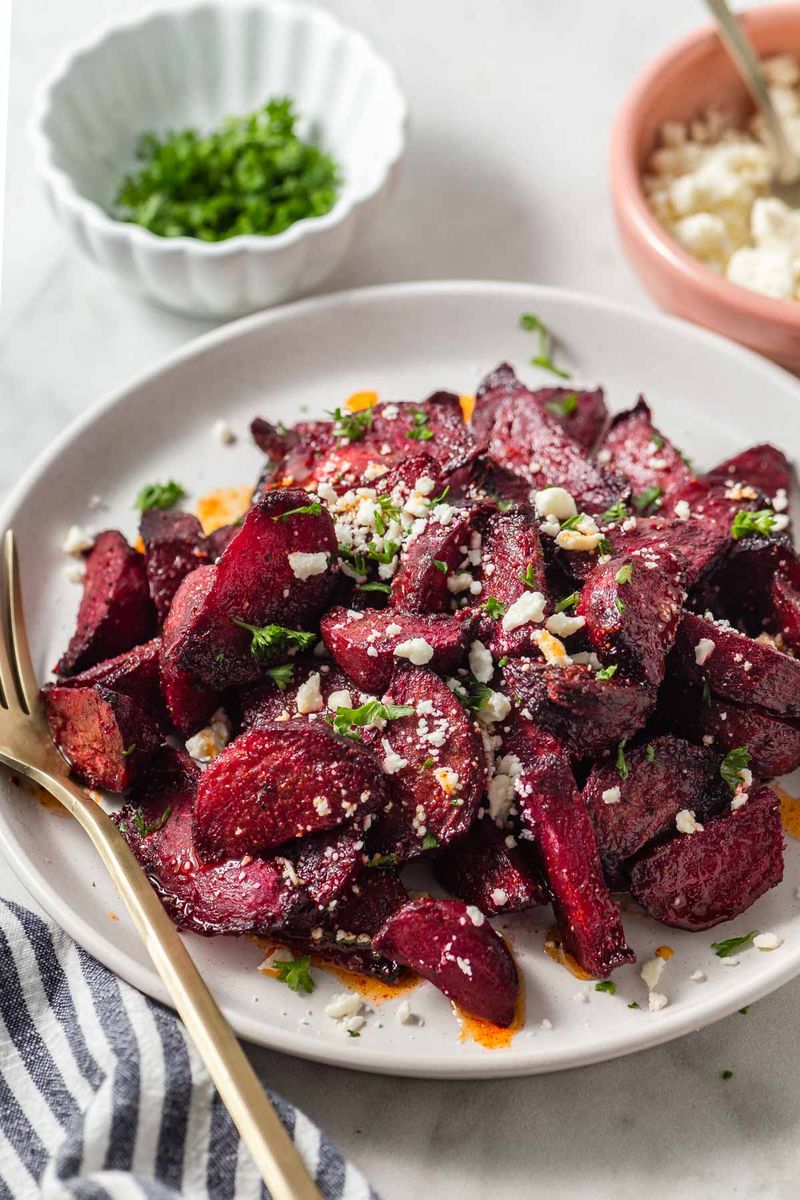
Even though canned beets are cooked, quick high heat can add caramelized edges and complexity. Toss well drained wedges with oil and salt, then roast at 450 F for 10 to 12 minutes, or sear in a ripping hot skillet.
You will get light browning, concentrated sweetness, and better texture.
Do not roast long or they will dry out. Finish with vinegar, citrus, or a dab of butter for shine.
This technique bridges the gap between canned convenience and roasted flavor, especially helpful when you crave that toasty note without starting from raw. It is a simple, reliable upgrade.