15 Distinct Styles Of Japanese Restaurants
Japanese restaurants are not just about sushi. Each style has its own rhythm, signature dishes, and little rituals that make dining feel like an experience, not just a meal.
If you have ever wondered why one place feels like a casual pub while another whispers with quiet ceremony, this guide decodes it. By the end, you will know exactly where to go for smoky skewers, pristine sashimi, or soul-warming noodles.
1. Sushi-ya (Sushi Restaurant)
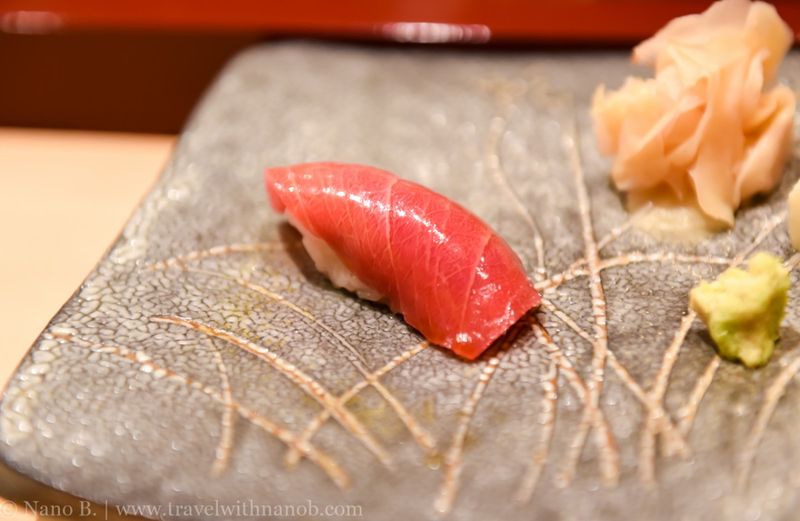
Sushi-ya is where precision meets restraint. Expect pristine nigiri, delicate sashimi, and maybe a few elegant small bites that spotlight seasonal fish.
You sit, the chef studies you, and each bite lands with quiet confidence. Order omakase if you want to be guided, or choose a la carte if you crave control.
Rice temperature, wasabi heat, and knife work define everything. Do not drown pieces in soy.
Let textures and sweetness unfold. It feels intimate, calm, and deeply satisfying for anyone chasing purity.
2. Kaiseki (Traditional Multi-Course)
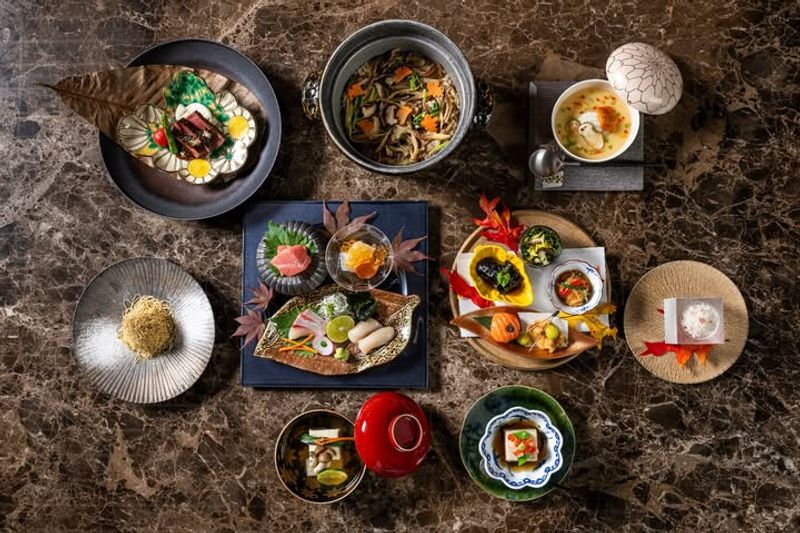
Kaiseki is seasonal storytelling on a plate. Courses arrive like chapters, moving from delicate starters to sashimi, simmered dishes, grilled moments, a rice course, and a thoughtful dessert.
Flavors are balanced, textures intentional, and plating feels like poetry. You slow down, listen to the season, and taste restraint.
Expect subtle broths, precise knife work, and produce at peak freshness. Portion sizes are modest, but the journey feels complete.
It is meditative, ceremonial, and ideal for celebrations where quiet detail matters more than volume.
3. Izakaya (Japanese Pub)
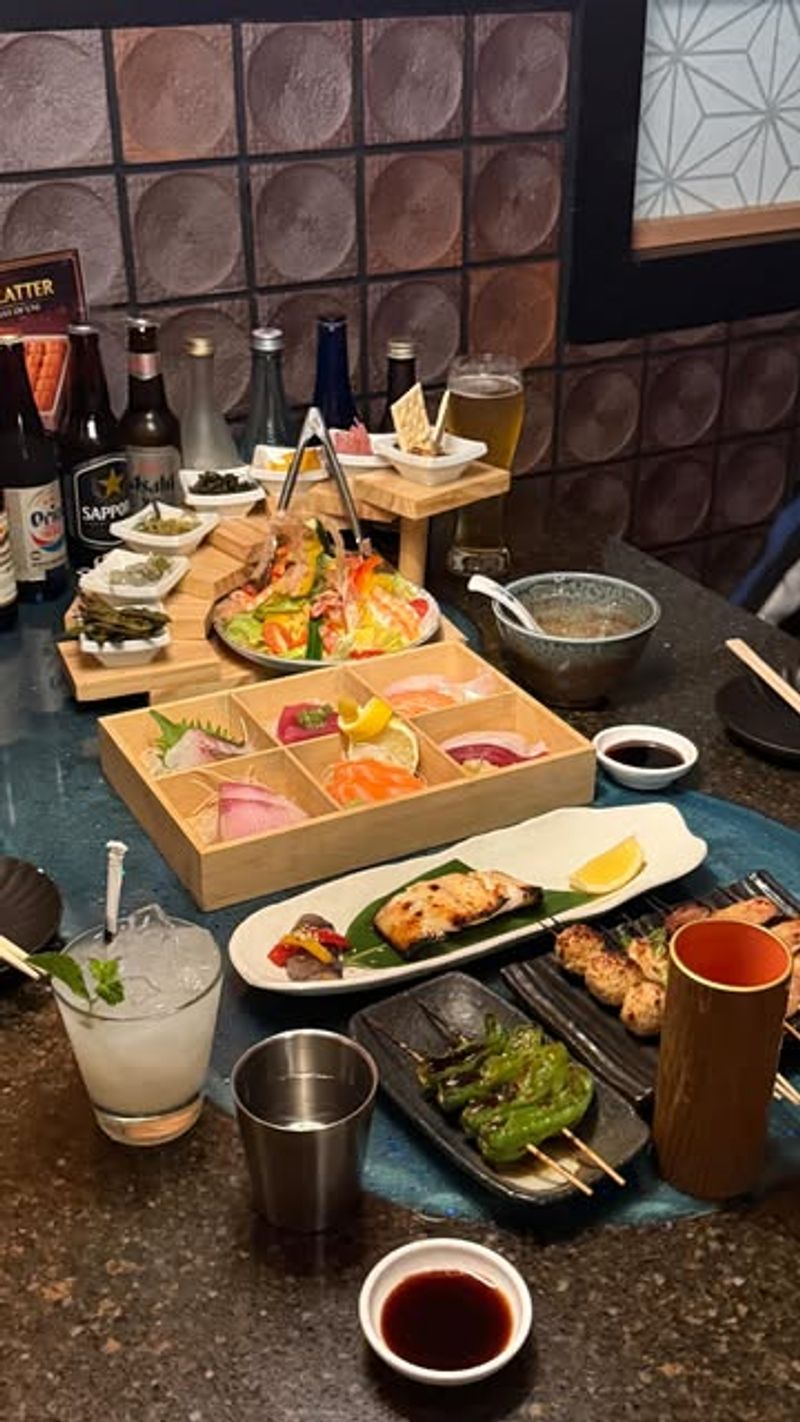
Izakaya nights are for sharing, sipping, and lingering. Think grilled skewers, karaage, gyoza, pickles, and sizzling small plates that keep landing as conversation flows.
Beer, highballs, and sake keep the mood easy. You point at a board, try something new, and reach across the table for another bite.
It is relaxed, loud, and perfect for groups. Salty, savory flavors pair with drinks, encouraging one more order.
No rush, no rules, just rounds of comforting plates.
4. Ramen-ya
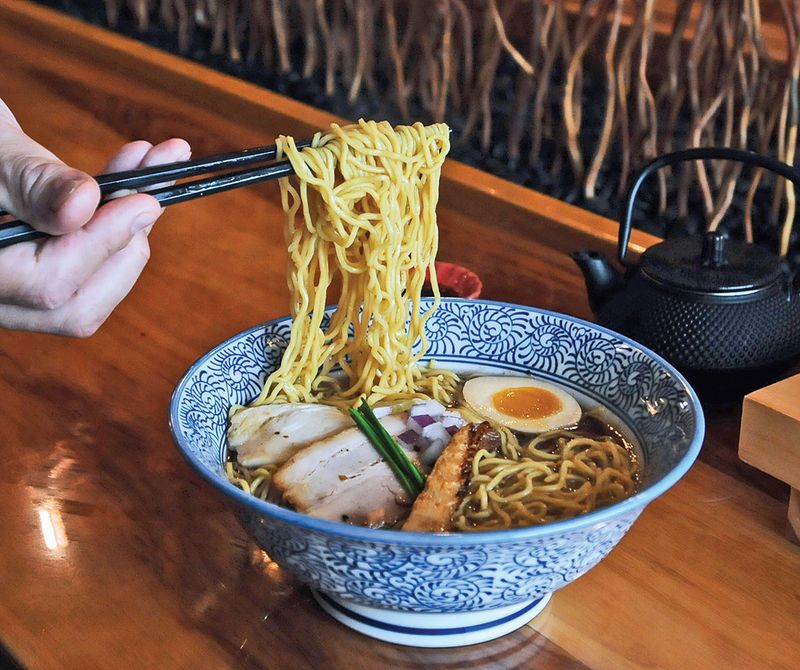
Ramen-ya is fast, slurpy satisfaction. Bowls arrive steaming with broths like tonkotsu, shoyu, miso, or shio, each with its own personality.
Noodles have spring, toppings range from chashu to menma, and you can tweak richness or salt. You sit at a counter, order quickly, and get comfort in minutes.
It is casual, usually affordable, and addictive on cold days. Expect bold flavor and real depth.
Add extra egg, choose spice, and go heavy on garlic if you dare.
5. Udon-ya
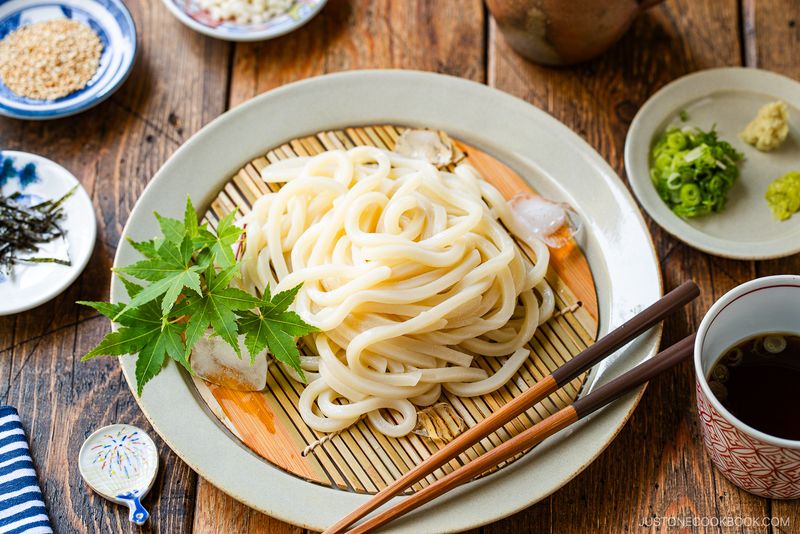
Udon-ya centers on thick, chewy noodles that feel like a hug. You can go hot in gentle dashi or chilled with a dipping sauce, then add tempura or scallions to suit your mood.
The texture is the star, bouncy and comforting. It is straightforward, soothing, and endlessly customizable.
Perfect for lunch or a quick dinner, udon balances lightness with satisfaction. Broths stay clean, toppings stay simple.
You leave feeling nourished, not weighed down, ready to keep going.
6. Soba-ya
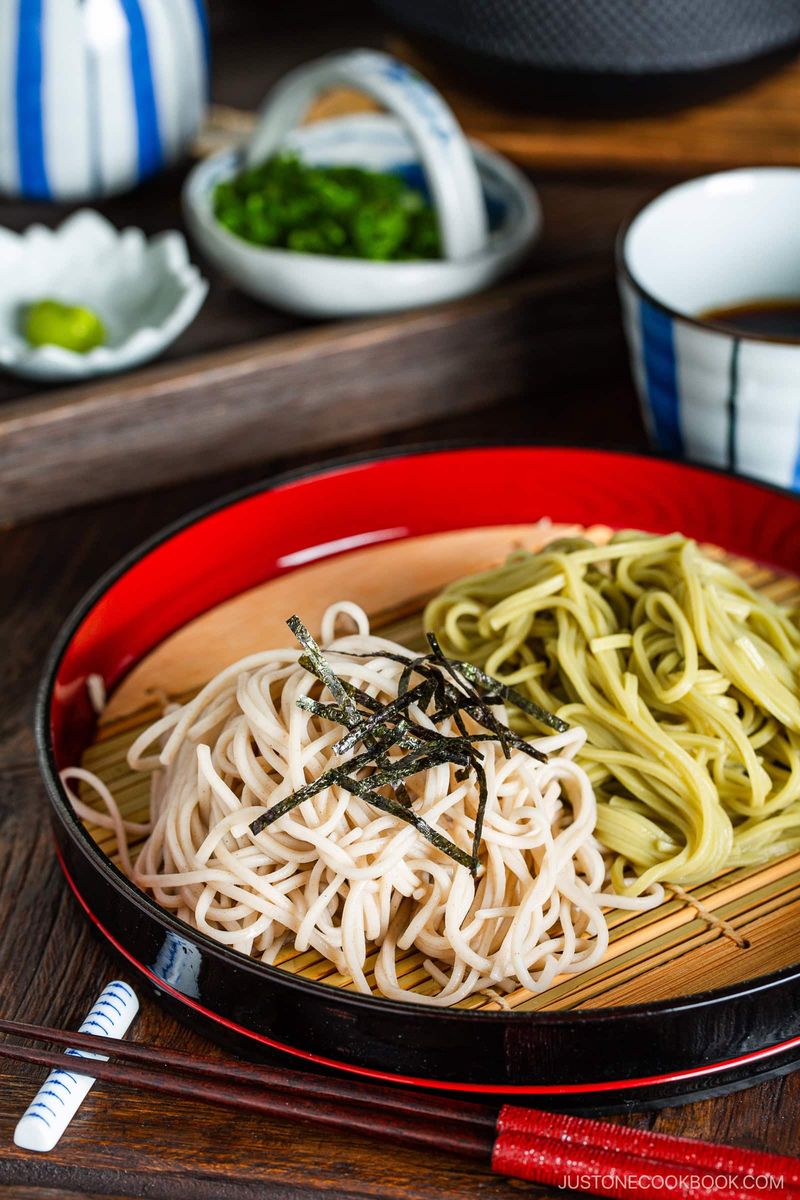
Soba-ya celebrates buckwheat noodles, earthy and elegant. Served chilled on bamboo trays with dipping sauce or in a warm broth, soba feels subtle yet satisfying.
You taste grain, terroir, and craft in every strand. Many spots mill and cut in-house, so texture matters.
Light, refined, and great for warmer days, soba pairs with tempura or a simple mountain vegetable topping. Slurp briskly, savor quietly.
It is a cleaner, lighter path when you want flavor without heaviness.
7. Yakitori-ya
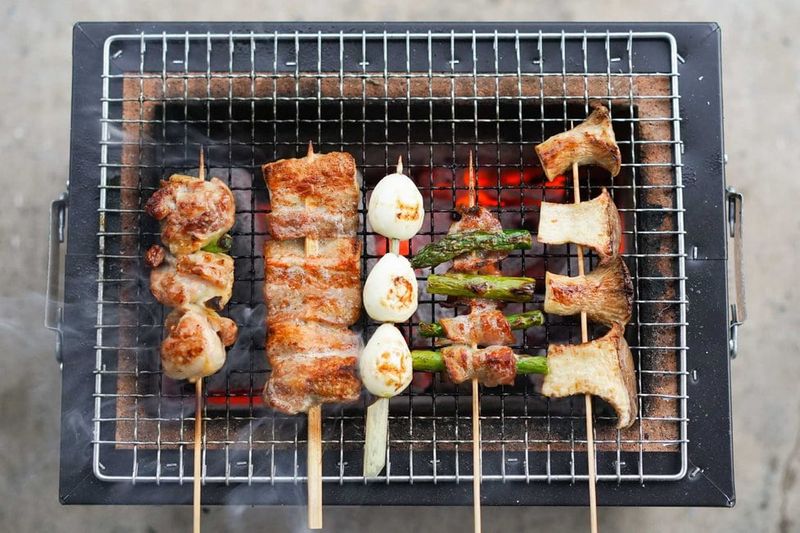
Yakitori-ya is about chicken, fire, and patience. Skewers cook over charcoal, kissed with salt or tare sauce until glossy and smoky.
You order rounds of thigh, skin, heart, or vegetables, and watch the grill master work. Each bite is focused and primal, best with beer or shochu.
The vibe is narrow counters, sizzling sounds, and a steady rhythm of plates. It is simple, addictive, and surprisingly nuanced.
You leave smelling faintly of smoke and very happy.
8. Yakiniku (Japanese BBQ)
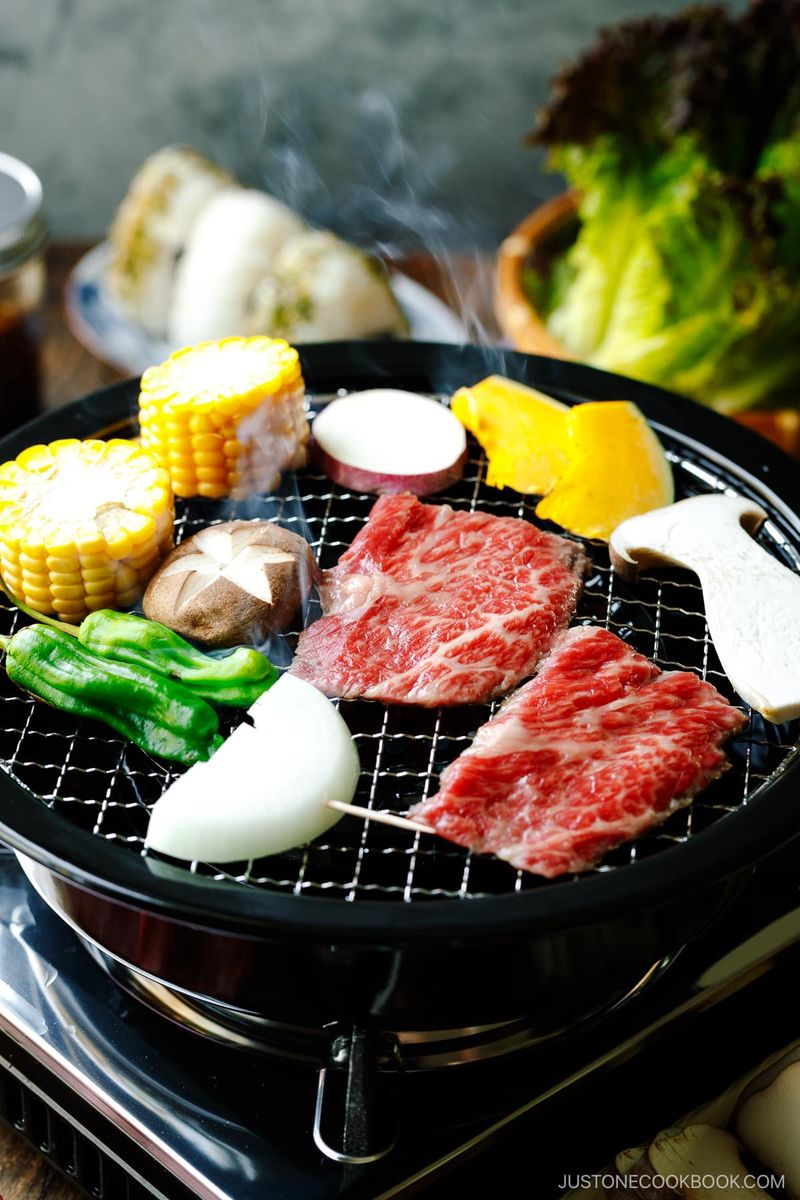
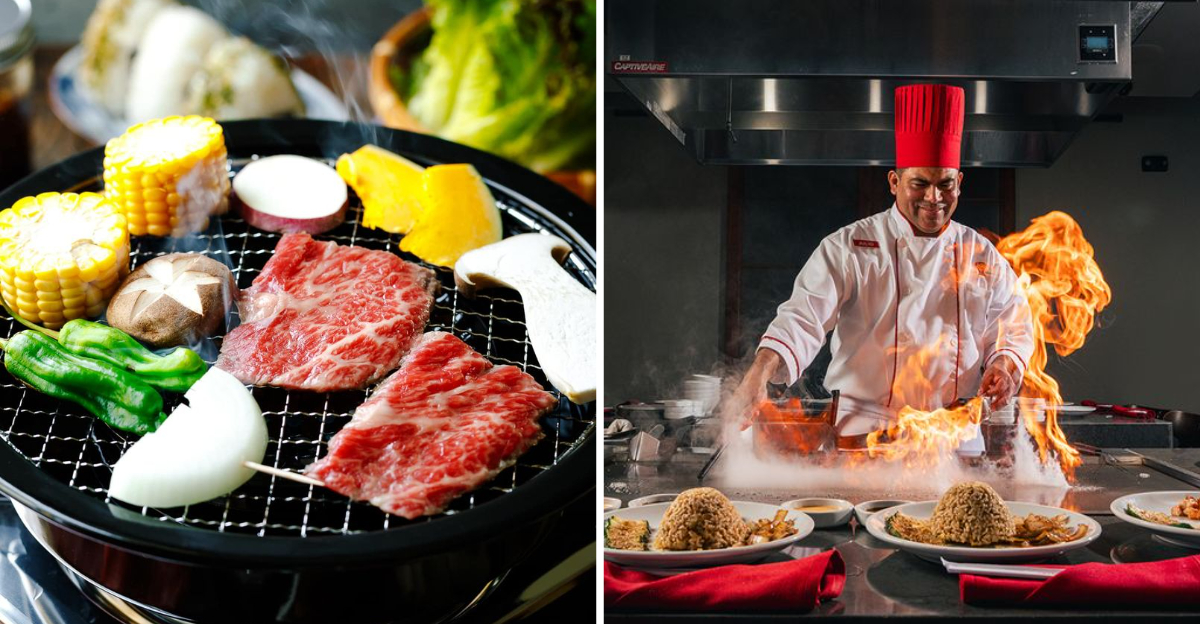
Yakiniku turns dinner into a hands-on grill party. Thin slices of beef, pork, or offal hit the grate and caramelize fast, then plunge into tare or sesame sauce.
You control doneness, swapping tongs with friends and chasing perfect sear. The aroma is irresistible, the pace playful.
Expect banchan-like sides, rice, and crisp drinks to cut the richness. Premium wagyu can make it splurge-worthy.
It is social, satisfying, and perfect when you want interactive fun.
9. Teppanyaki
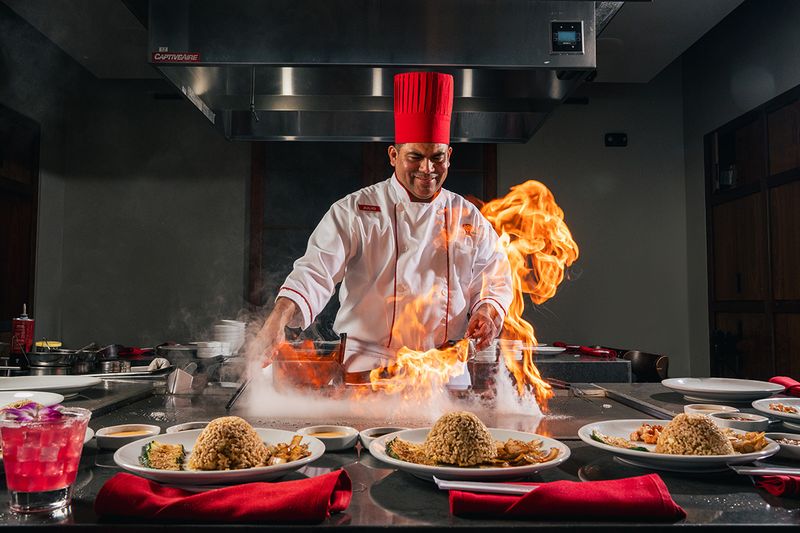
Teppanyaki brings theater to the table. A chef cooks on a flat-top griddle right in front of you, flipping shrimp, searing steak, and building glossy sauces with flair.
Depending on the place, it is either playful showtime or quiet, technical precision. Either way, you are close to the heat and action.
Expect garlic fried rice, vegetables, and proteins cooked a la minute. The fun is timing, aroma, and sizzle.
It is a great pick for groups and celebrations.
10. Okonomiyaki-ya
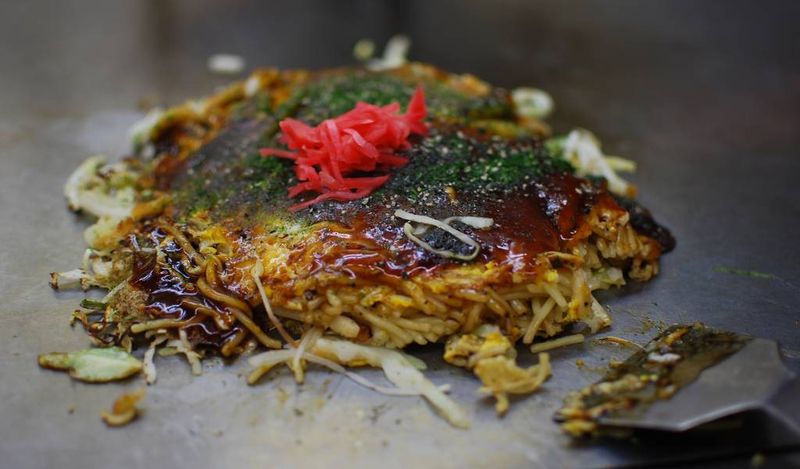
Okonomiyaki-ya specializes in savory pancakes cooked on a hot griddle. Osaka style mixes batter with cabbage and toppings, while Hiroshima layers noodles inside.
Sauces, mayo, and bonito flakes bring sweet-savory comfort. You watch it sizzle, then slice wedges to share.
Some spots let you cook yourself, others handle it for you. Add mochi, cheese, or seafood if you feel adventurous.
It is messy, satisfying, and perfect for a casual night out.
11. Tempura-ya
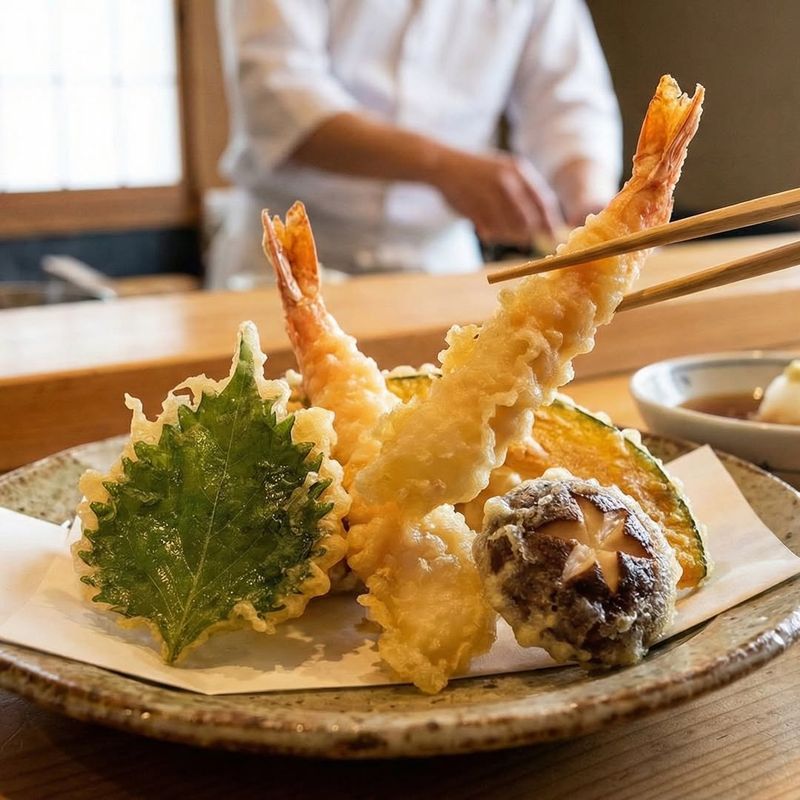
Tempura-ya turns frying into finesse. Seafood and vegetables are dipped in airy batter and kissed by hot oil for crisp, delicate shells.
The best pieces feel weightless and shatter cleanly. You might get a set meal, tendon bowl over rice, or omakase fried course by course.
Dipping sauce, grated daikon, and salt highlight sweetness. Timing is everything, so eat each bite immediately.
It is refined, quietly indulgent, and surprisingly light.
12. Tonkatsu-ya
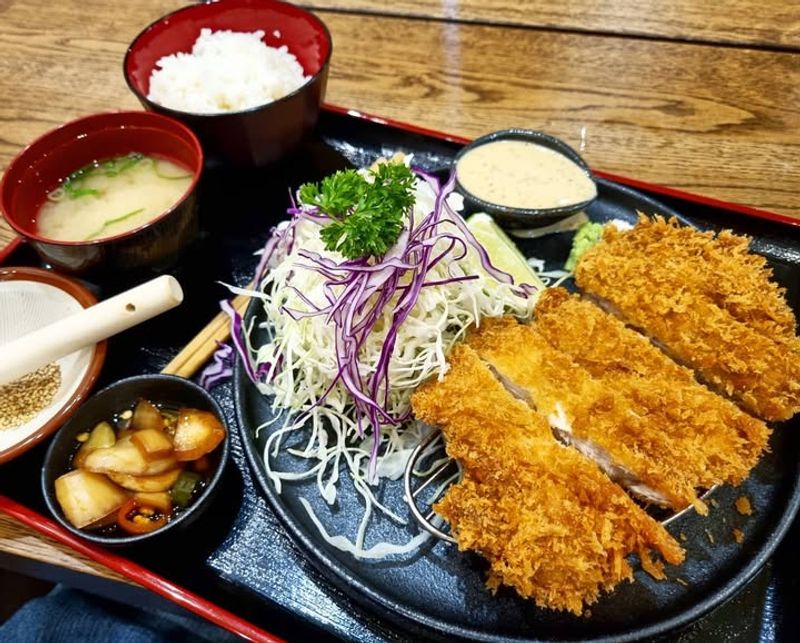
Tonkatsu-ya delivers golden crunch. Pork cutlets get breaded in panko, fried until juicy inside and crisp outside, then sliced and served with cabbage, rice, soup, and a tangy sauce.
It is comfort food with clean edges. You can choose loin or tenderloin, each with different texture.
Grind sesame and mix with sauce for extra aroma. Add curry or make it katsudon if you want saucy warmth.
It hits that perfect balance of crunchy, savory, and soothing.
13. Donburi-ya (Rice Bowl Shop)
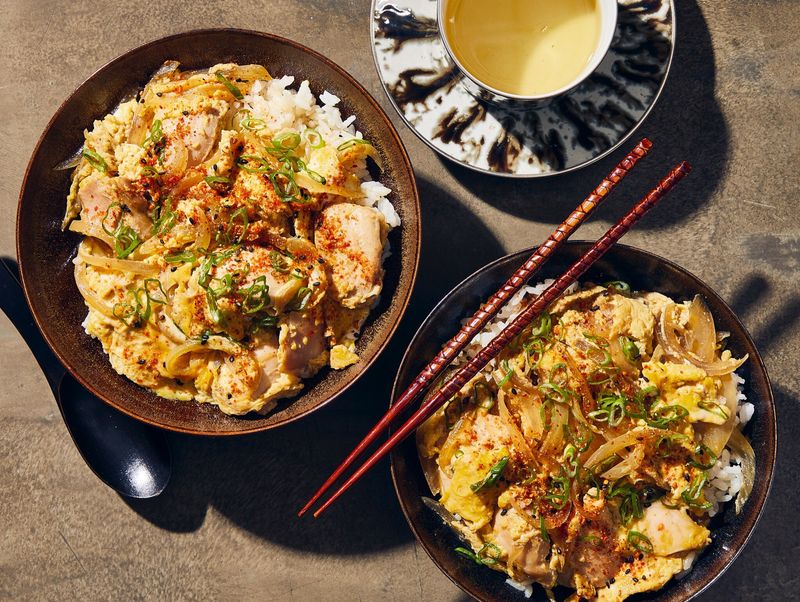
Donburi-ya is quick, filling comfort. A warm bowl of rice becomes dinner when topped with gyudon beef, oyakodon chicken and egg, or tempura for tendon.
Sauces soak in, every bite hits both rice and topping. It is budget-friendly and perfect when you want hearty without fuss.
Customizations are easy: extra egg, more onions, or spice. Bowls eat fast, travel well, and satisfy at odd hours.
You finish full, content, and ready to move on.
14. Shabu-Shabu / Sukiyaki Restaurant
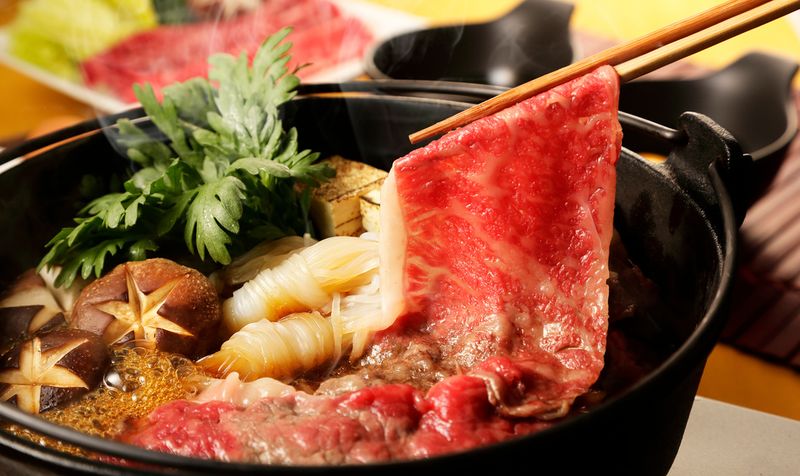
Shabu-shabu and sukiyaki turn the table into a hot pot haven. You swish thin beef in bubbling broth or simmer it in a sweet-savory sauce, then dip in ponzu or sesame.
Vegetables, tofu, and noodles round it out. It is cozy, interactive, and perfect when the weather cools.
Expect steady conversation as everyone cooks and shares. The pace is gentle and communal.
You leave warm, satisfied, and slightly proud of your cooking.
15. Kappo / Omakase Counter
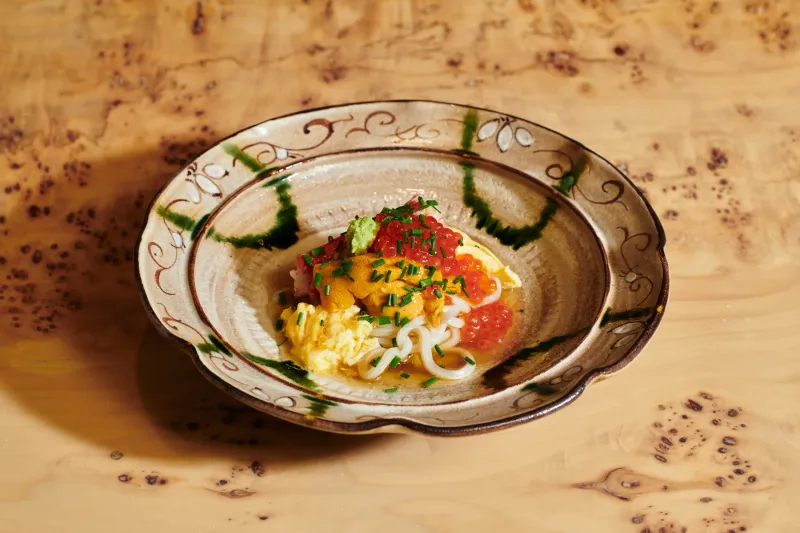
Kappo is chef-driven intimacy. You sit at the counter, watch techniques up close, and eat what the chef thinks best that day.
Courses shift with micro-seasons, weaving raw, grilled, simmered, and steamed preparations. Conversation guides the pacing, making it personal and fluid.
Compared to sushi-only omakase, kappo explores broader techniques and ingredients. It rewards curiosity and trust.
You surrender the menu and gain a tailored experience.