15 Foods In America With A Reputation For Safety Risks
Some of your favorite everyday foods might actually carry hidden health risks. From fresh salads to juicy burgers, certain foods in America have a long history of causing foodborne illnesses.
Knowing which foods to watch out — and how to handle them safely — can make a huge difference for you and your family. Here is a closer look at 15 foods that have earned a reputation for safety concerns.
1. Leafy Greens
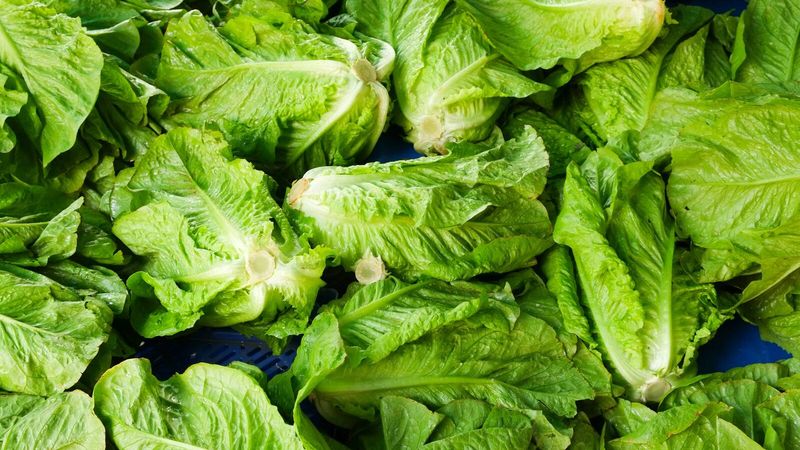
Salad lovers, take note — leafy greens like spinach, romaine, and kale top the CDC’s list of foods most linked to foodborne illness outbreaks. Contamination often starts in the field, where soil, water, or animal manure can introduce dangerous bacteria like E. coli and Salmonella.
Because most people eat these greens raw, there is no cooking step to kill off harmful germs. Washing them thoroughly under running water before eating is always a smart move.
2. Raw or Undercooked Eggs
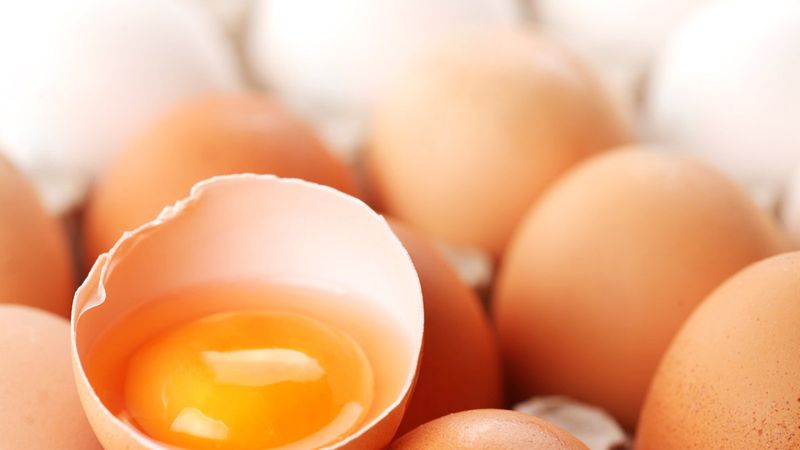
Every year, Salmonella-contaminated eggs are responsible for an estimated 79,000 food poisoning cases and around 30 deaths across the United States. The tricky part?
Salmonella can actually get inside an egg before the shell even fully forms.
Runny eggs, homemade Caesar dressing, and raw cookie dough are common culprits. Cooking eggs until both the yolk and white are firm is the safest way to enjoy them without worry.
3. Raw Oysters and Shellfish
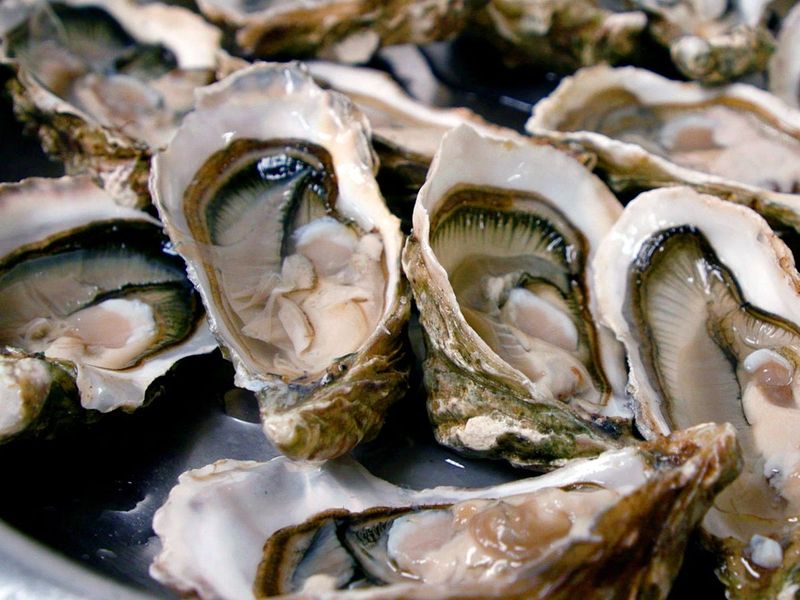
There is something undeniably fancy about slurping down a fresh raw oyster — but that luxury comes with real risks. Shellfish like oysters, clams, and mussels filter enormous amounts of water, which means they can concentrate harmful bacteria and viruses, including Vibrio and Norovirus.
People with weakened immune systems or liver disease face the highest danger from eating them raw. Cooking shellfish thoroughly eliminates most of the risk and is strongly recommended for vulnerable individuals.
4. Raw Sprouts
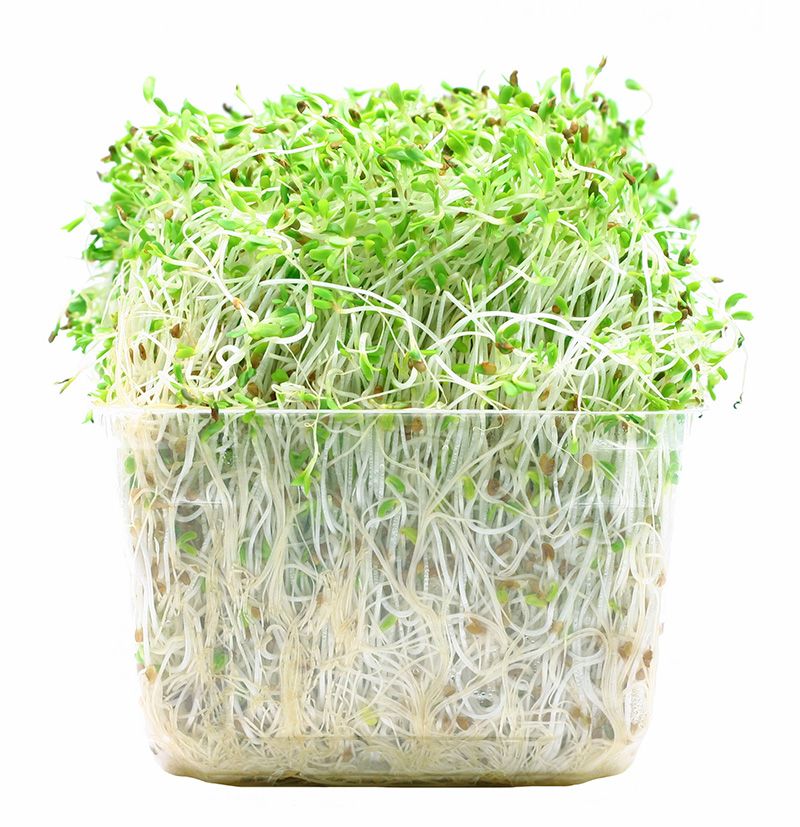
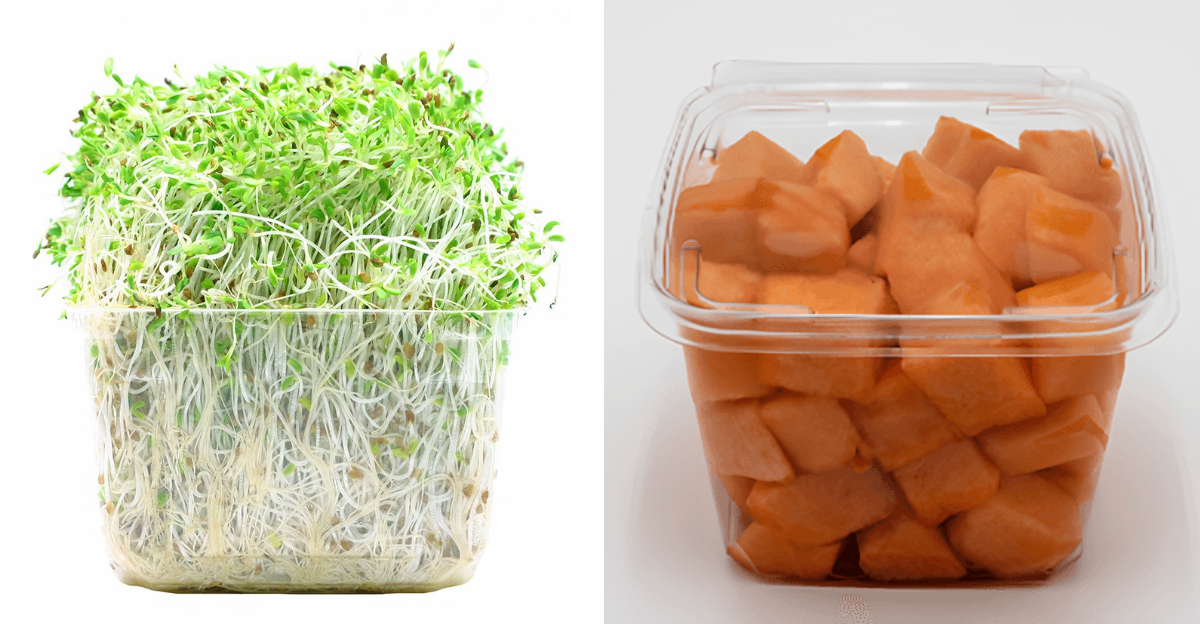
Tiny but troublesome, raw sprouts have been behind dozens of foodborne illness outbreaks linked to Salmonella, E. coli, and Listeria. The warm, moist conditions needed to grow sprouts are basically a five-star hotel for dangerous bacteria.
What makes this extra tricky is that contamination often lives inside the seeds themselves, meaning rinsing alone cannot make them safe. The FDA actually advises children, elderly people, pregnant women, and anyone with a weakened immune system to avoid eating raw sprouts entirely.
5. Raw Milk and Unpasteurized Dairy
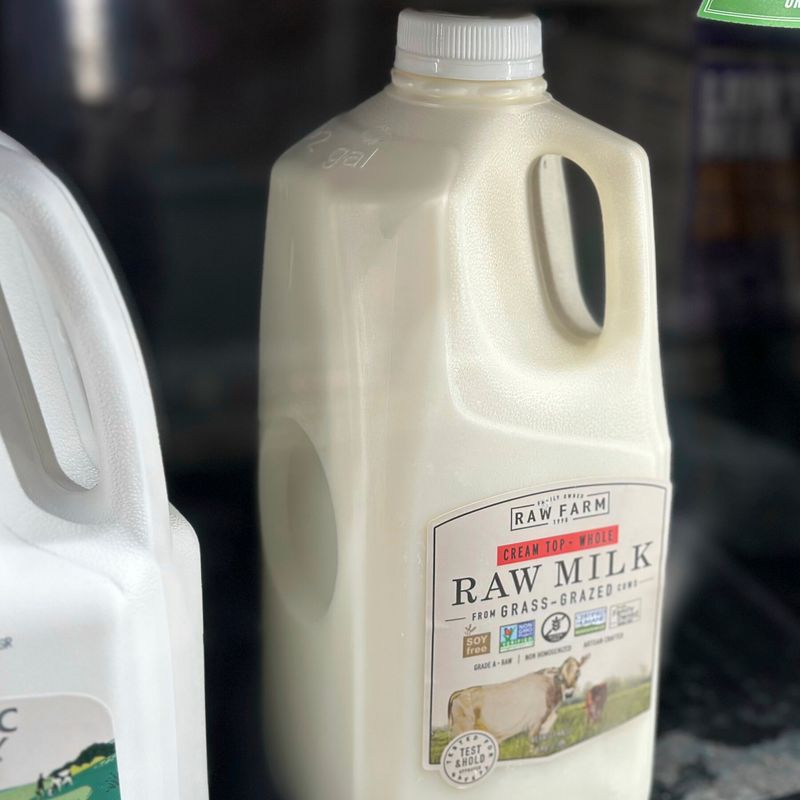
Raw milk fans often praise its taste and claimed health benefits, but health agencies strongly disagree with skipping pasteurization. Without that heat treatment, raw milk can carry Salmonella, E. coli, Listeria, and Campylobacter — all bacteria capable of causing serious illness.
Infants, young children, pregnant women, and the elderly face the gravest danger. Outbreaks linked to raw milk and unpasteurized cheeses have resulted in hospitalizations and even deaths across multiple states each year.
6. Raw Flour
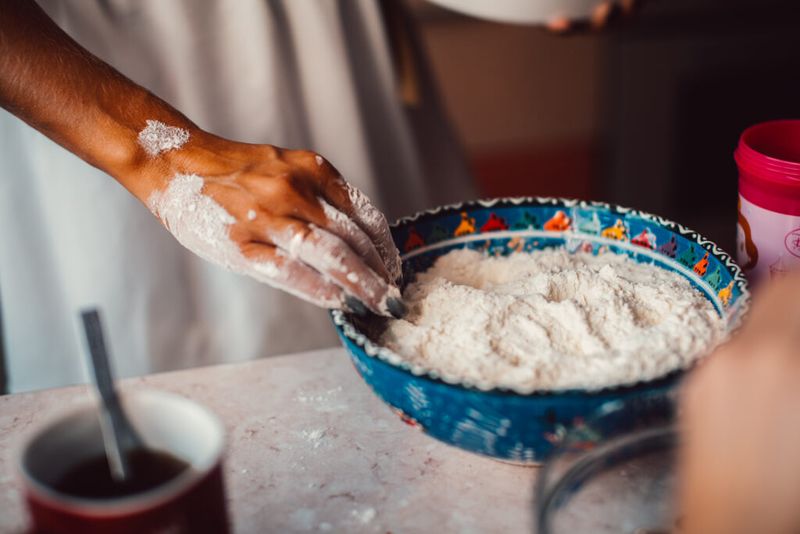
Most people know not to eat raw meat, but raw flour? That one surprises a lot of people.
Flour is actually an uncooked agricultural product, meaning it can carry E. coli and Salmonella picked up from contaminated fields or during processing.
Grinding or bleaching the grain does not kill these bacteria. That means licking the spoon while making cookies or tasting raw bread dough is riskier than it seems.
Always bake before you taste.
7. Pre-Cut Melons
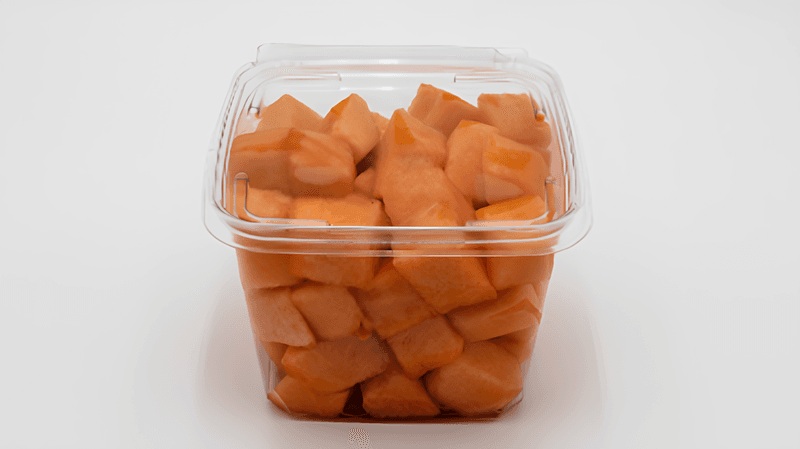
Pre-sliced melon from the grocery store looks refreshing and convenient, but it hides a sneaky risk. Melons grow on the ground, so their rinds can pick up bacteria like Listeria and Norovirus from the soil.
When a knife slices through the rind, those germs can transfer straight to the edible flesh.
Pre-cut melons left unrefrigerated for too long give bacteria a chance to multiply rapidly. Always keep cut melon chilled and eat it within a few days.
8. Undercooked Poultry
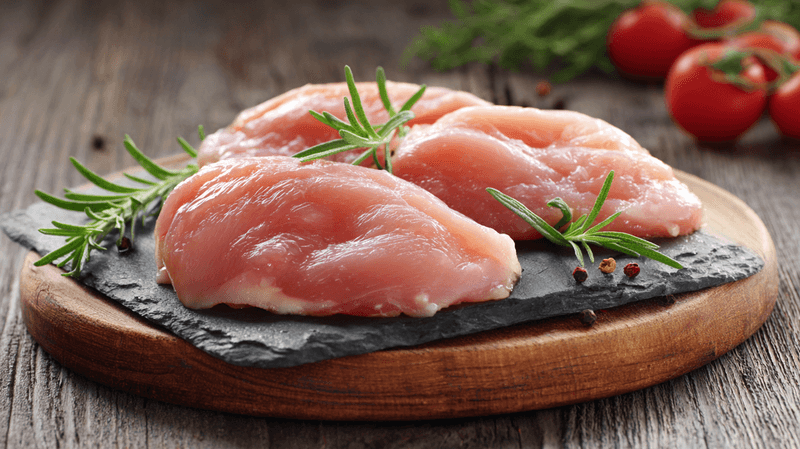
Chicken is one of the most popular proteins in America, but it also carries a well-earned reputation for food safety issues. Campylobacter and Salmonella are commonly found in poultry guts and feathers, and they contaminate the meat during processing.
One big mistake many home cooks make is washing raw chicken — this actually spreads bacteria across the sink and nearby surfaces. The only safe fix is cooking poultry to an internal temperature of 165 degrees Fahrenheit all the way through.
9. Undercooked Ground Beef
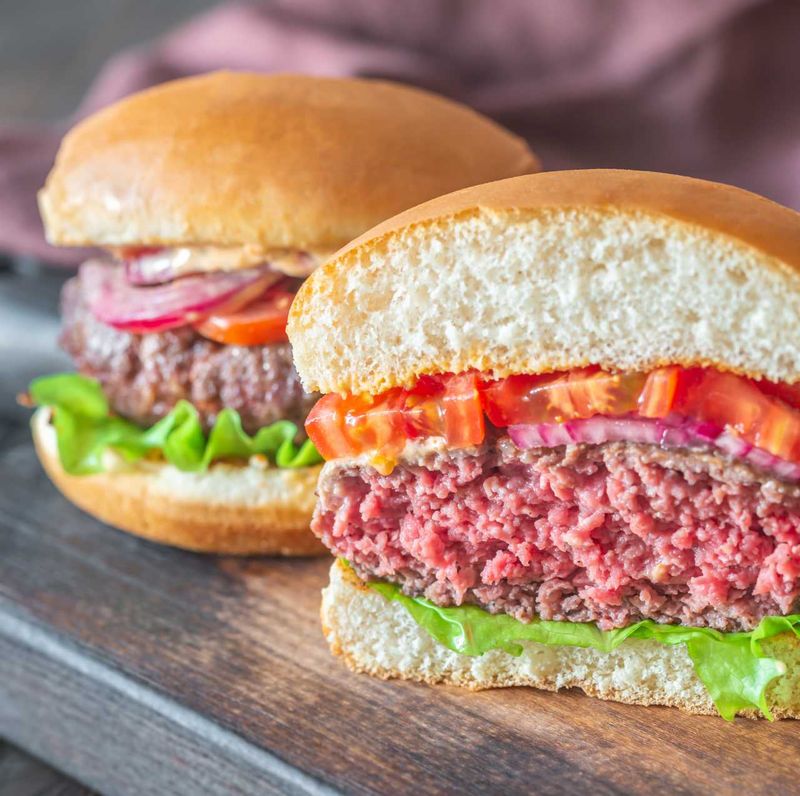
A juicy burger is an American classic, but ground beef comes with serious safety stakes. Unlike a whole steak, grinding meat mixes surface bacteria — like dangerous E. coli O157:H7 — throughout the entire batch, meaning every bite of an undercooked burger carries risk.
Cooking ground beef to a minimum internal temperature of 160 degrees Fahrenheit is the only way to destroy these pathogens. Color alone is not a reliable indicator — always use a meat thermometer to be sure.
10. Deli Meats
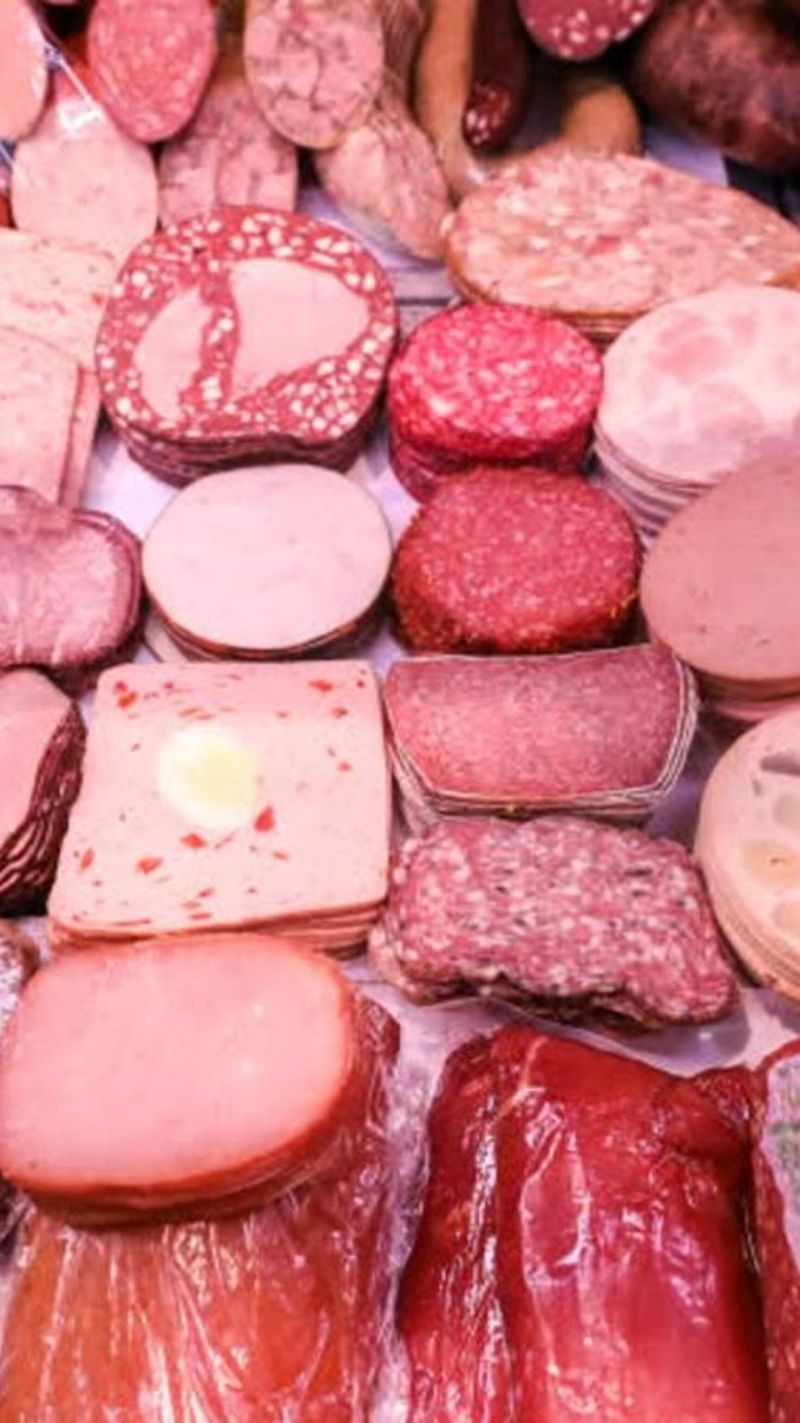
Deli meats like ham, salami, and turkey slices are grab-and-go favorites, but they can harbor Listeria even when stored in the refrigerator — which is unusual since most bacteria slow down in the cold. Processing plants and food handlers can introduce contamination after cooking.
Pregnant women and people with weakened immune systems are especially at risk from Listeria infections, which can turn severe quickly. Reheating deli meats to 165 degrees Fahrenheit before eating dramatically reduces that danger.
11. Tuna
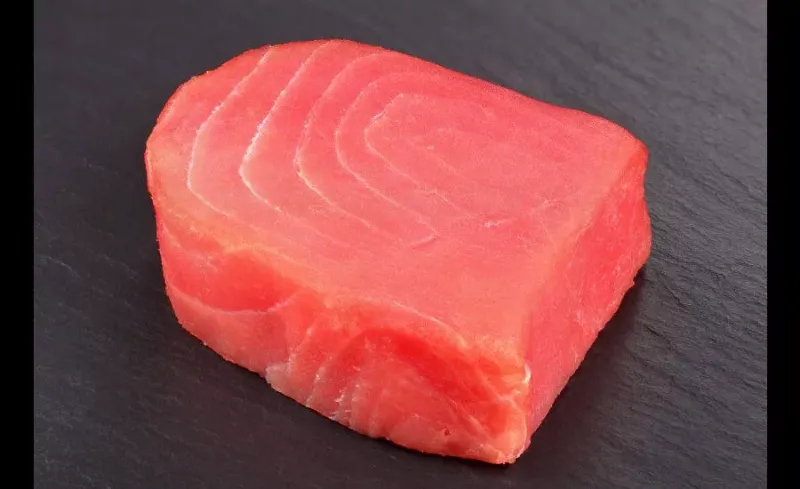
Tuna is one of the most consumed fish in the country, but improper handling after the catch can trigger a reaction called scombrotoxin poisoning — also known as histamine fish poisoning. When tuna is not kept cold enough, bacteria break down the fish and release histamine, which no amount of cooking can destroy.
Symptoms can feel a lot like an allergic reaction, including flushing, hives, and nausea. Buying tuna from reputable sources and keeping it properly chilled reduces the risk significantly.
12. Potatoes
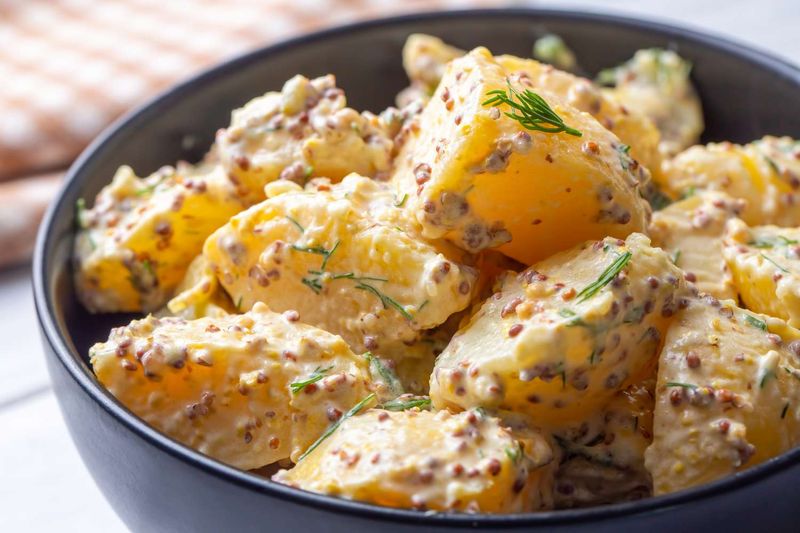
Potatoes might seem like the safest food on the planet, but they have quietly been linked to several foodborne illness outbreaks over the years. The biggest danger usually comes not from the potato itself, but from how it is prepared and stored — think potato salad left out at a summer cookout for hours.
Baked potatoes wrapped in foil and kept warm for too long can also grow Clostridium botulinum. Proper refrigeration and timely serving keep potato dishes safe and delicious.
13. Berries
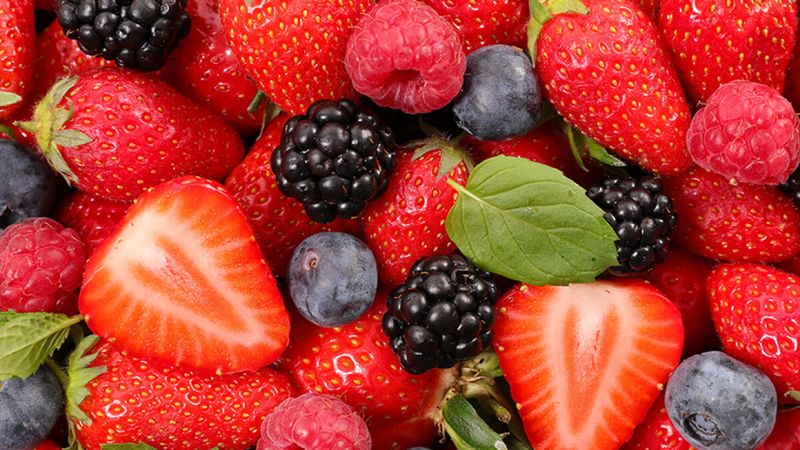
Few things beat a handful of fresh berries on a summer morning, but these small fruits have been tied to outbreaks of Norovirus, Hepatitis A, and Cyclospora — a microscopic parasite. Contamination can happen during growing, harvesting, or packaging, especially when imported berries are involved.
Frozen berries have also been connected to illness outbreaks when eaten without cooking. Rinsing fresh berries well under cold running water before eating is a simple step that helps reduce surface contamination.
14. Hot Dogs

Hot dogs are a backyard cookout staple, but they make food safety lists more often than most people realize. Already-cooked when packaged, they can still become contaminated with Listeria during processing or slicing — and Listeria can grow even in the refrigerator.
Children, pregnant women, and elderly individuals are particularly vulnerable to serious Listeria infections. Heating hot dogs until they are steaming hot all the way through before serving is the best way to enjoy them safely at your next cookout.
15. Raw or Undercooked Fish
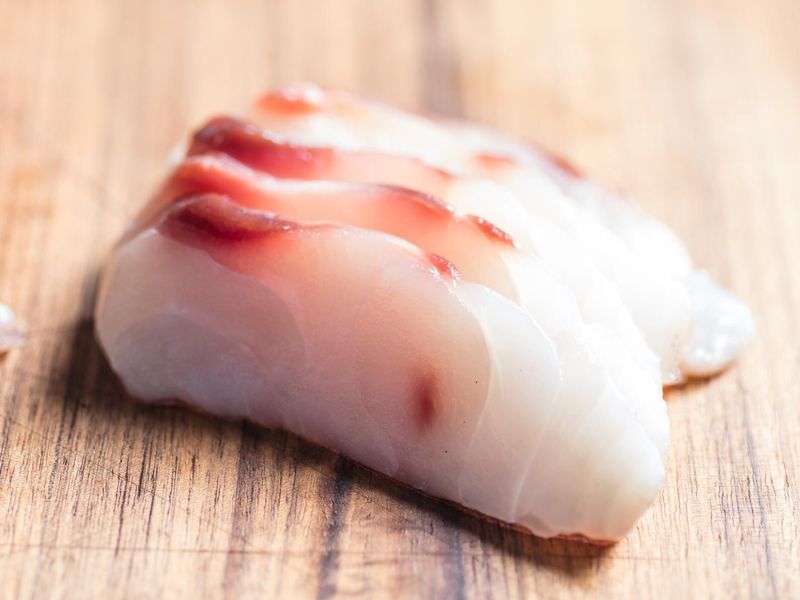
Sushi culture has made raw fish wildly popular across America, but finfish can harbor parasites like roundworms and tapeworms, plus bacteria such as Salmonella and Listeria monocytogenes. Contamination can happen anywhere from the ocean to the restaurant kitchen.
The good news is that freezing fish to the right temperature before serving it raw can kill most parasites — which is why reputable sushi restaurants use commercially frozen fish. However, freezing does not wipe out all harmful bacteria, so some risk always remains.