15 Foods You Should Never Wash Or Rinse Even If Many Still Do
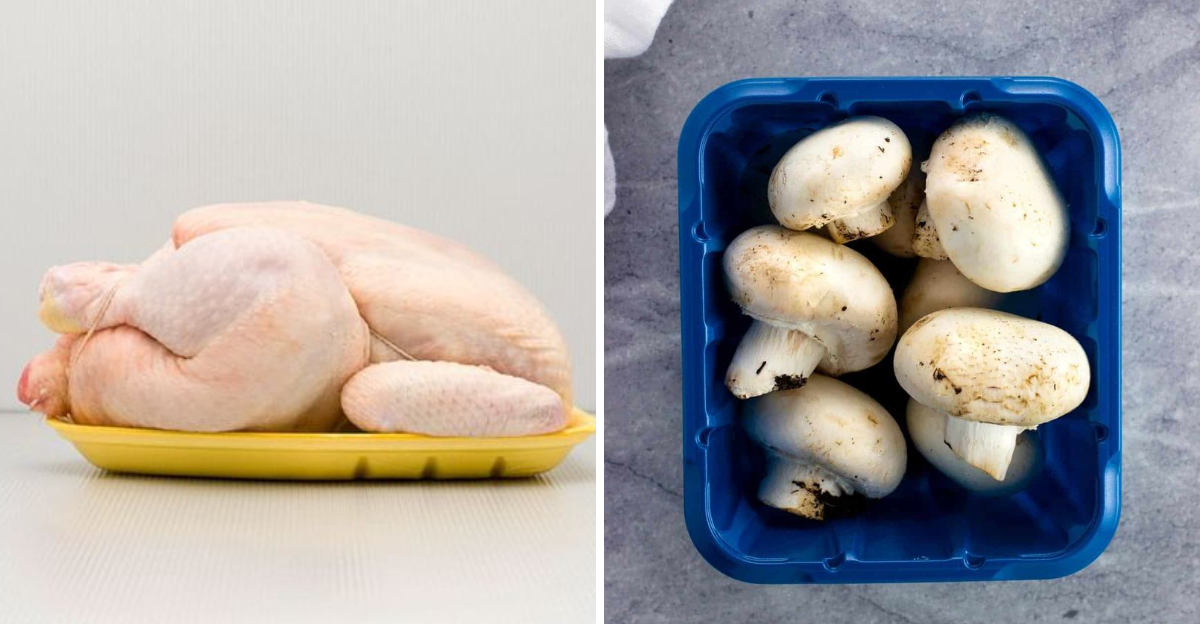
Most of us grew up watching someone rinse chicken under the faucet or scrub eggs before cracking them open. It feels like the clean thing to do, but science says otherwise.
Washing certain foods can actually make your kitchen less safe, ruin textures, or undo work that was already done for you. Here are 15 foods you should put down the sponge for.
1. Raw Whole Chicken
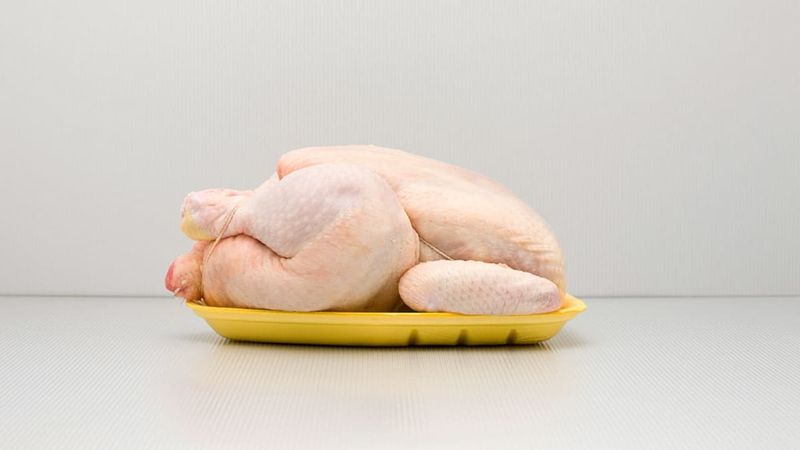
Here is a surprising kitchen truth: rinsing a whole raw chicken does not clean it. Instead, water splashes bacteria like Salmonella and Campylobacter onto your sink, countertops, and nearby utensils.
The USDA officially recommends skipping the rinse for this reason.
Cooking chicken to an internal temperature of 165 degrees Fahrenheit is the only reliable way to kill harmful germs. No amount of tap water gets the job done.
Save the water, and trust the heat.
2. Raw Chicken Pieces
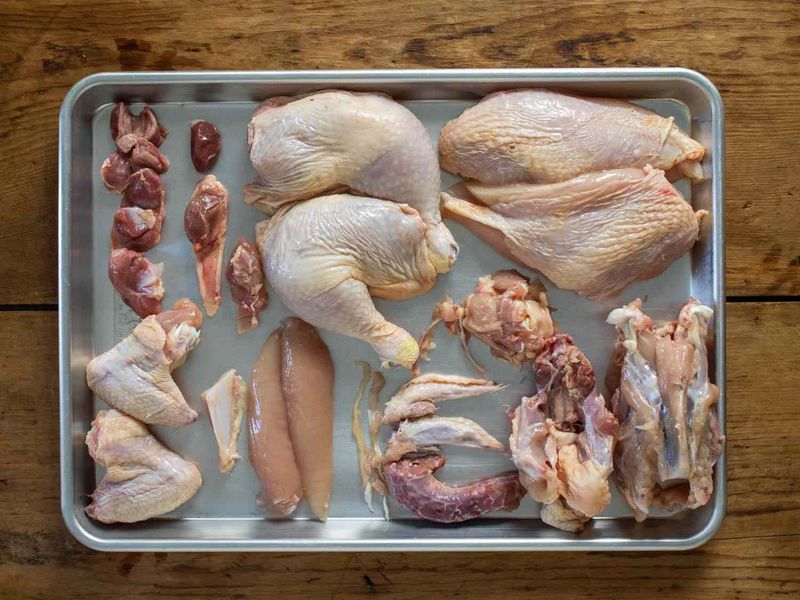
Boneless chicken breasts, thighs, and drumsticks all carry the same risk as a whole bird. Rinsing them sends tiny water droplets flying up to three feet in every direction, carrying bacteria along for the ride.
Your clean counter becomes a contamination zone in seconds.
Skipping the rinse keeps bacteria contained to the meat, where cooking will destroy it completely. Season directly and cook thoroughly instead.
Your kitchen will actually be safer for it.
3. Raw Whole Turkey
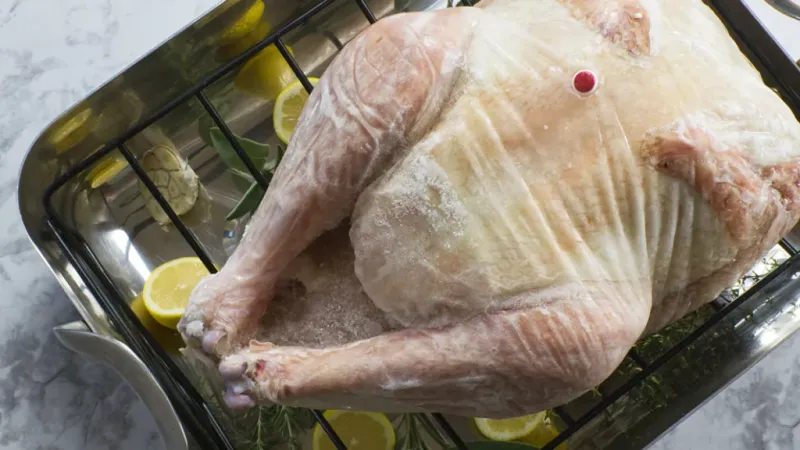
Thanksgiving prep often includes a thorough turkey rinse under running water, but food safety experts strongly advise against it. The same splash-and-spread problem that affects chicken applies here, just on a much bigger scale.
A large bird means more surface area and more potential for bacteria to travel.
The USDA has been clear about this for years. Roasting a turkey to 165 degrees Fahrenheit will eliminate any bacteria present.
The oven does all the heavy lifting here.
4. Raw Ground Beef
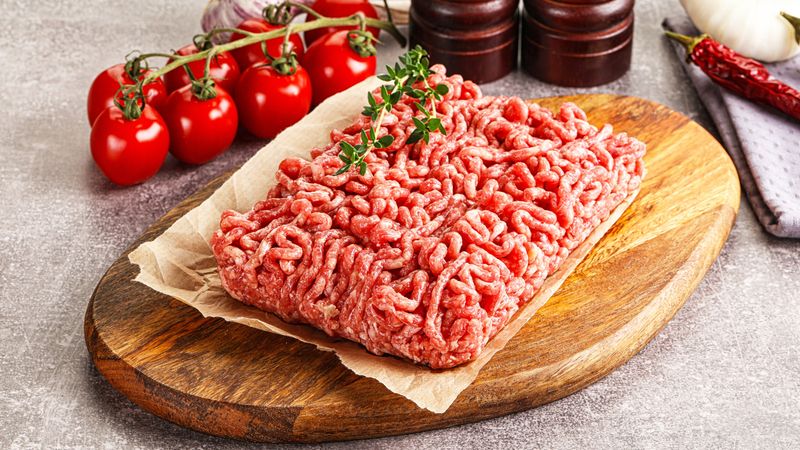
Washing ground beef is one of those habits that causes more problems than it solves. Water spreads bacteria to your sink and surrounding surfaces, and it also rinses away the natural fats that give beef its rich, savory flavor.
You end up with a less safe and less tasty result.
Ground beef should reach a minimum internal temperature of 160 degrees Fahrenheit during cooking. That heat is your real protection.
No rinsing required, and your burgers will thank you.
5. Raw Beef Steaks and Roasts
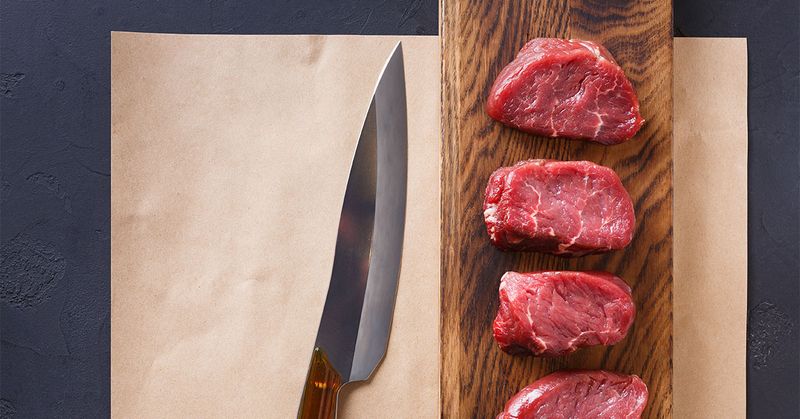
A beautiful ribeye or pot roast does not need a bath before hitting the pan. Bacteria on raw beef live deep within the muscle fibers, not just on the surface, so rinsing does nothing to remove them.
What it does do is splash those germs around your entire prep area.
Cooking beef to the USDA-recommended internal temperature handles everything. A quick pat dry with paper towels before cooking actually gives you a better sear.
That is a trade worth making.
6. Raw Pork Chops and Roasts
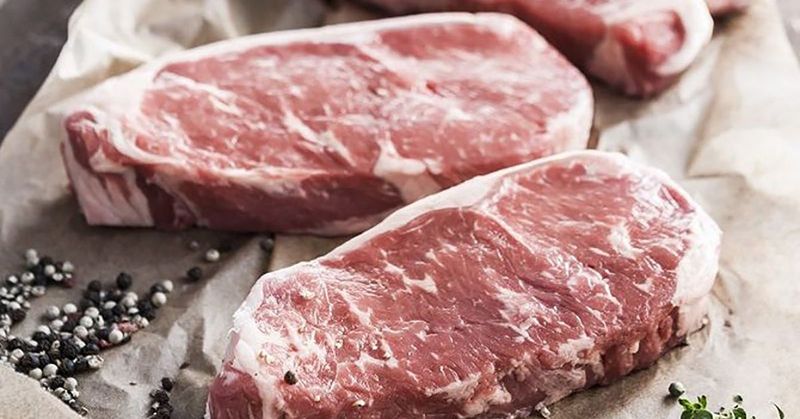
Pork has come a long way in food safety standards, and washing it before cooking is no longer recommended by any major food authority. Rinsing raw pork spreads bacteria like Listeria and Yersinia to surrounding kitchen surfaces.
Cross-contamination can then transfer to salads, fruits, or other ready-to-eat foods nearby.
Modern pork should be cooked to 145 degrees Fahrenheit, followed by a three-minute rest. That process alone makes it completely safe.
Skip the sink and go straight to the skillet.
7. Raw Lamb
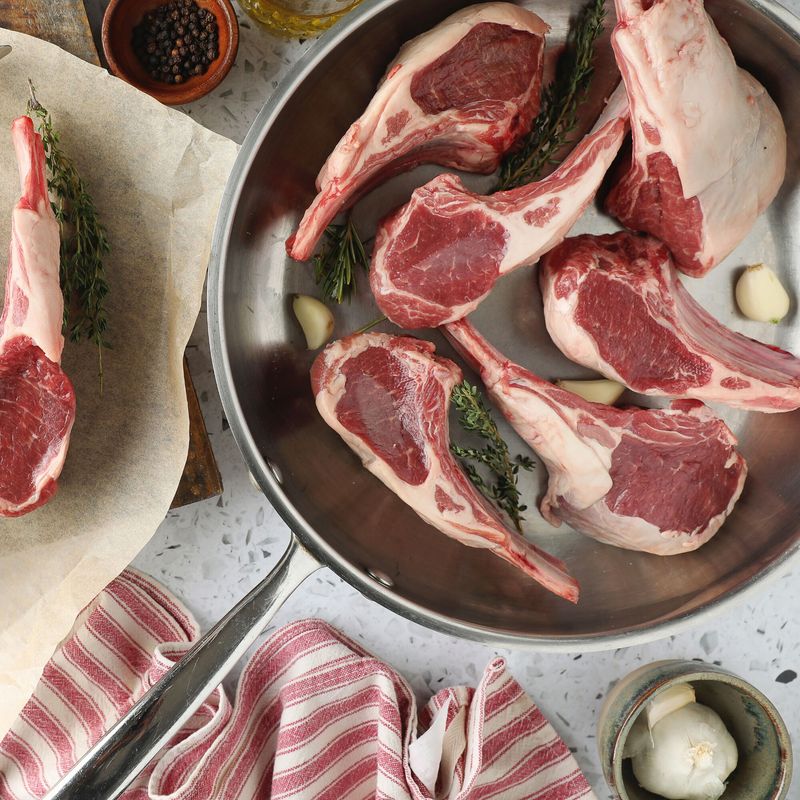
Lamb chops and roasts have a bold, distinctive flavor that many home cooks adore. Rinsing them before cooking does nothing to enhance that flavor and everything to compromise kitchen hygiene.
Water droplets carry bacteria from the meat to your sink basin, drain, and surrounding counters.
Like other red meats, lamb reaches safe eating temperatures through proper cooking, not rinsing. Rubbing it with garlic, rosemary, and olive oil before roasting is a far better use of your prep time.
Let the heat handle the rest.
8. Raw Veal
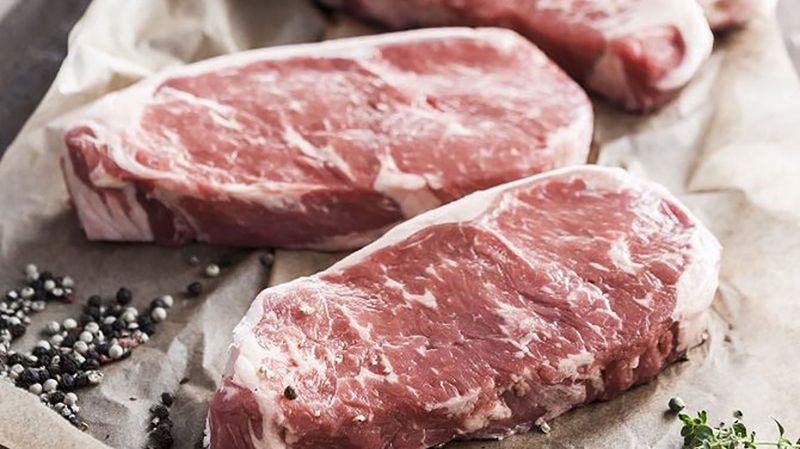
Veal is a delicate meat that absorbs flavors beautifully, making it a favorite in Italian and French cooking. Rinsing it before preparation is unnecessary and potentially harmful, as water can transfer pathogens to your prep surfaces.
There is no food safety benefit to wetting the meat.
Thorough cooking is the only method proven to eliminate bacteria in raw veal. A quick blot with a paper towel before breading or searing will actually improve the final texture.
Keep it dry and cook it properly.
9. Raw Fish and Seafood
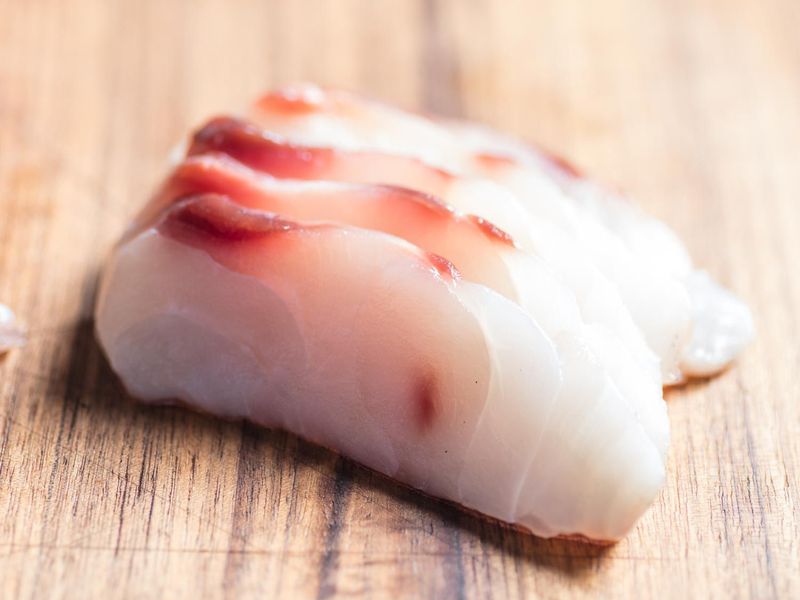
Raw fish fillets and shellfish may look like they need a rinse, but doing so actually increases your risk of contamination. Water splashing off raw seafood can carry bacteria like Vibrio and Listeria to nearby cutting boards, utensils, and countertops.
Your kitchen sink quickly becomes a hotspot for germs.
Fish should reach an internal temperature of 145 degrees Fahrenheit to be considered safe. Cooking handles every safety concern that rinsing cannot.
Keep the fish dry and season it right before it hits the heat.
10. Pre-Washed Bagged Salad Greens
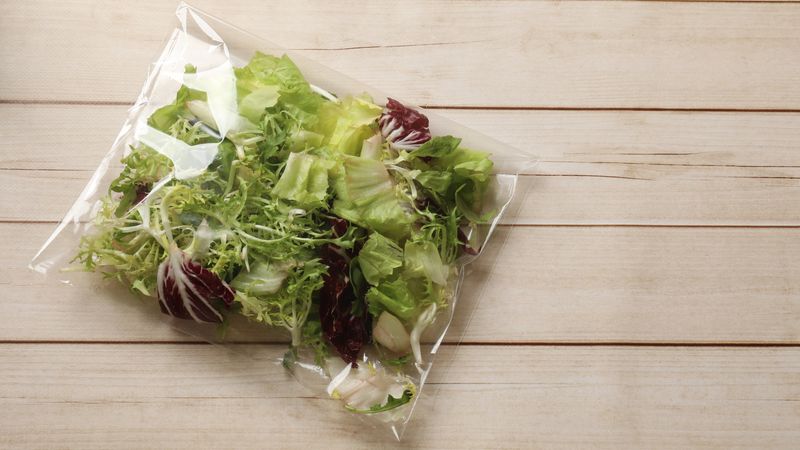
Those bags of spinach, arugula, and mixed greens labeled “triple-washed” or “ready-to-eat” have already been through an industrial-grade cleaning process. Washing them again at home sounds responsible, but it can actually introduce new bacteria from your sink or hands back onto the leaves.
Commercial washing facilities use carefully controlled sanitizing systems that home sinks simply cannot match. Opening the bag and serving directly is both safe and convenient.
Rewashing does not add protection; it adds risk.
11. Cultivated Mushrooms
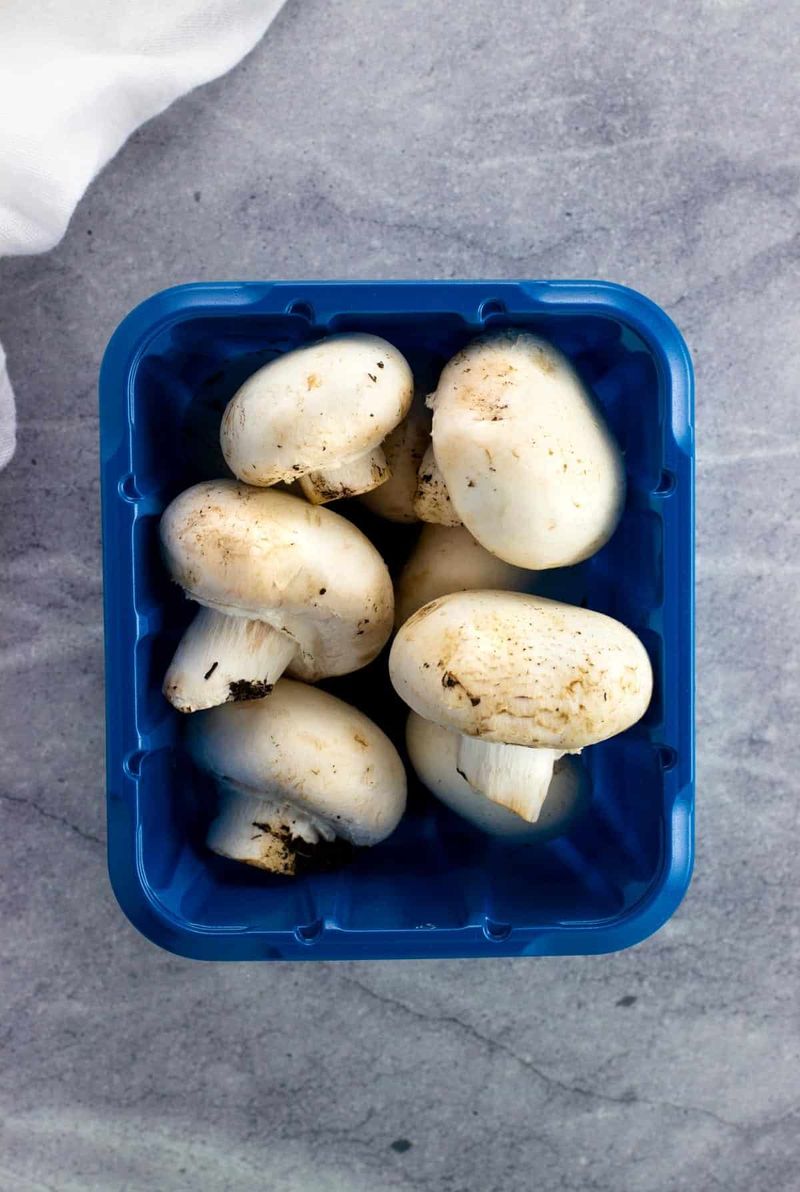
Mushrooms are like tiny sponges with an appetite for water. Rinsing them under the tap causes them to absorb moisture rapidly, leading to a soggy, rubbery texture when cooked.
That beautiful golden-brown sear you are aiming for becomes nearly impossible once they are waterlogged.
The better approach is wiping them gently with a slightly damp paper towel or a soft brush just before cooking. This removes any surface dirt without compromising the texture.
Dry mushrooms cook up perfectly every single time.
12. Store-Bought Eggs
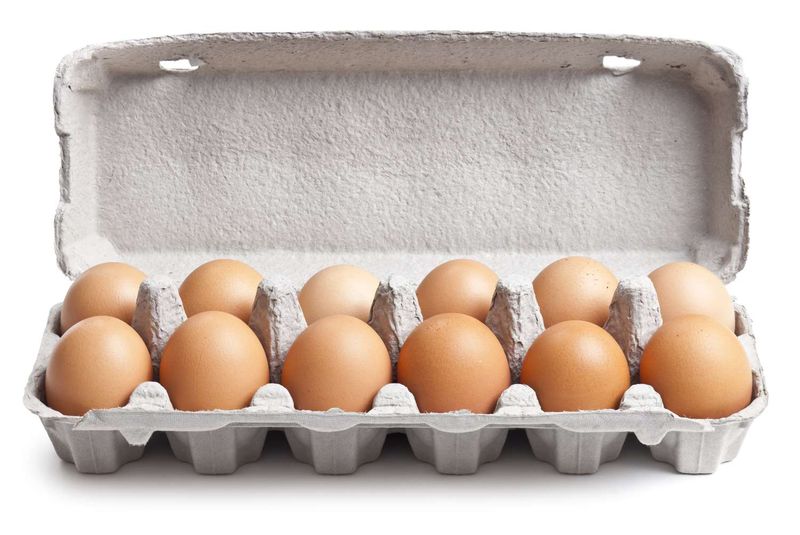
Eggs sold in American grocery stores go through a mandatory washing and sanitizing process at the facility. That process removes the natural protective coating called the bloom, or cuticle, which originally sealed the shell against bacteria.
A refrigerator then becomes the egg’s main line of defense.
Washing eggs again at home strips away any remaining protective layer and can push bacteria through the porous shell. Just store them cold and use them as-is.
The carton they came in is already doing its job.
13. Dry Pasta
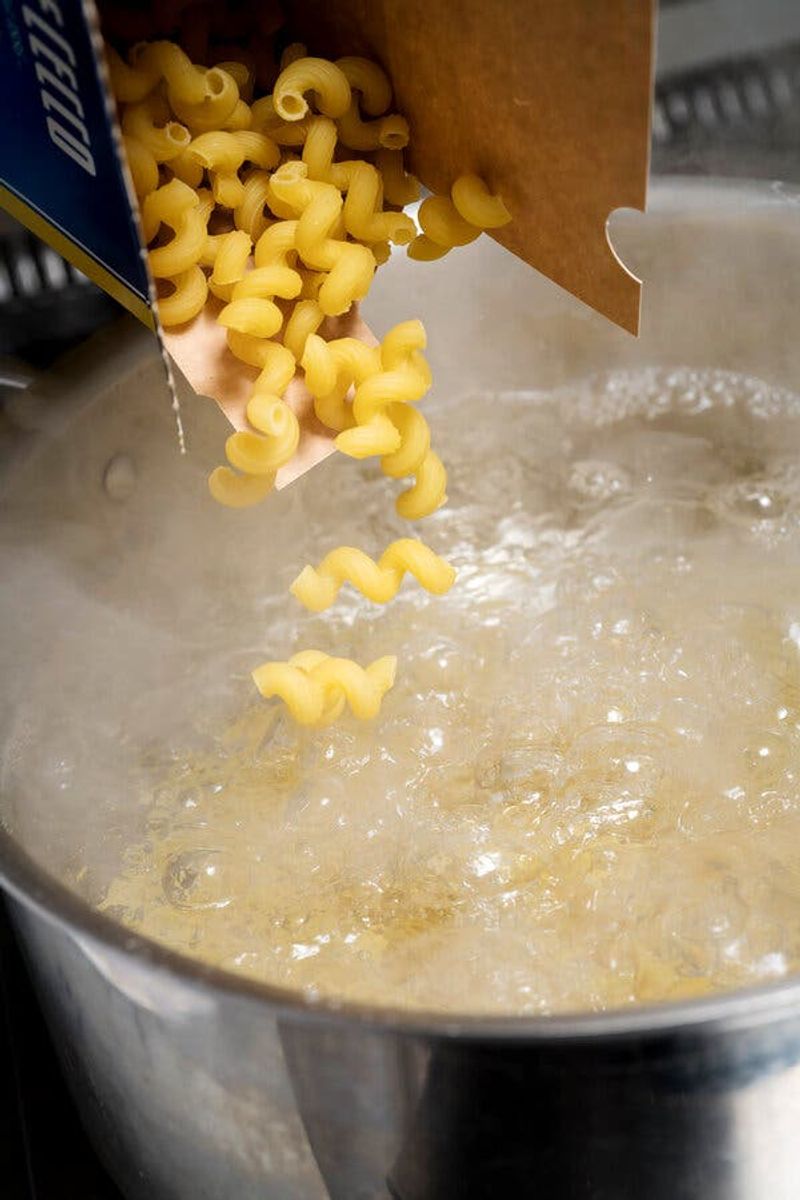
Rinsing dry pasta before dropping it into boiling water is completely pointless from a food safety standpoint, and rinsing it after cooking is even worse for your meal. Those cloudy starchy molecules released during cooking are what allow your sauce to cling beautifully to every strand.
Washing that starch away leaves you with slippery pasta that rejects sauce like a raincoat rejects water. If you want perfectly sauced pasta, skip the rinse every time.
The starch is your best kitchen ally here.
14. Pre-Rinsed Packaged Quinoa
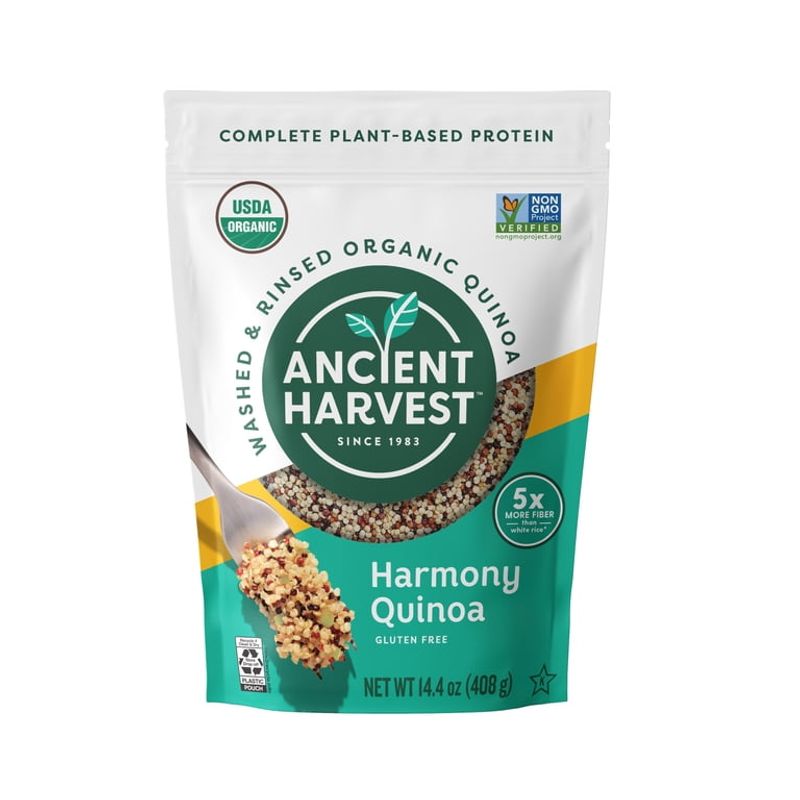
Quinoa has a natural bitter coating called saponin, which is why many recipes tell you to rinse it. But most packaged quinoa sold in stores today is already pre-rinsed before it hits the shelves.
Rinsing it again at home is just an extra step with no real benefit.
Check the packaging before you reach for the colander. If it says pre-rinsed or ready-to-cook, you can pour it straight into the pot.
Your dinner gets on the table a little faster, with zero compromise.
15. Most Packaged White Rice
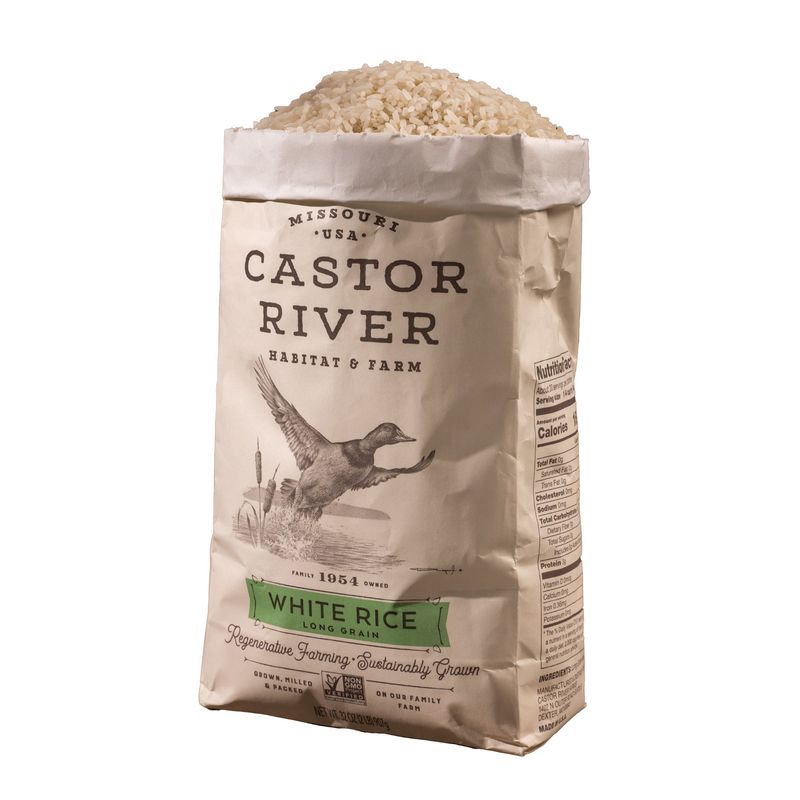
Rinsing packaged white rice is a habit rooted more in tradition than necessity for most modern households. Commercially milled rice in the United States is often enriched with added vitamins and minerals, and rinsing washes those nutrients straight down the drain.
You paid for that nutrition, so keep it.
From a food safety angle, cooking rice at boiling temperatures eliminates any bacterial concerns completely. If you prefer a fluffier, less sticky result, a single rinse is fine.
But skipping it is entirely safe and nutritionally smarter.