15 Indicators Of A High-Quality Frozen Pizza
Frozen pizza can be a weeknight hero, but only if you pick the good stuff. You do not need to be a chef to spot the winners in the freezer aisle.
With a few quick checks, you can separate cardboard disappointments from pies that actually taste pizzeria level. Use these smart indicators so your next bake hits crispy, cheesy, balanced perfection.
1. Real cheese listed first
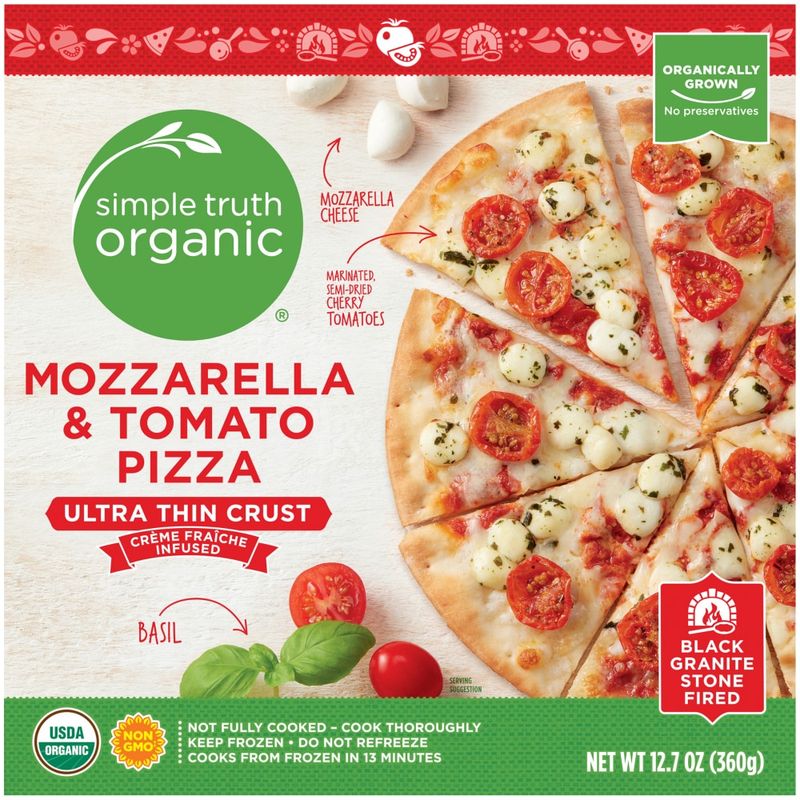
Glance at the ingredient list and look for mozzarella near the top. Real cheese should lead, not vague terms like cheese product or imitations that melt strangely.
Quality brands often blend mozzarella with provolone or a sprinkle of parmesan for added flavor.
You will taste the difference: clean melt, gentle stretch, and a savory dairy aroma. Inferior cheeses can turn greasy or rubbery.
If you see anti-caking agents overloaded or odd oils dominating, that is a red flag. Choose pizzas that celebrate real cheese up front.
2. Short, readable ingredient list
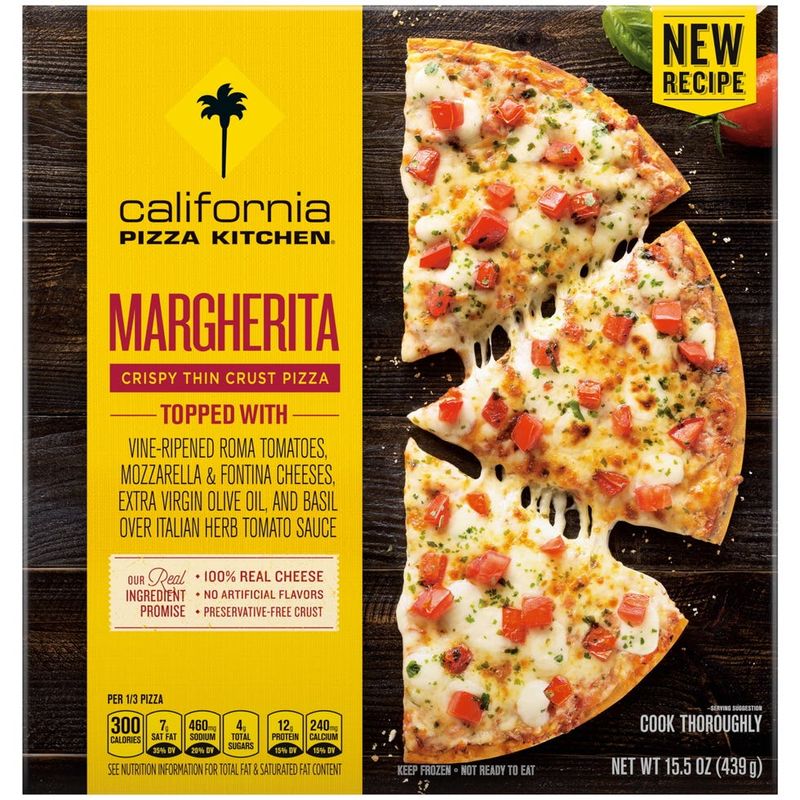
Shorter ingredient lists often signal better ingredients. You want recognizable words like tomatoes, flour, yeast, olive oil, and mozzarella.
When you see long chains of stabilizers and unpronounceable fillers, expect bland flavor and odd textures.
Readability matters because fewer additives usually mean the manufacturer trusts their dough, sauce, and cheese. It is not about perfection, just clarity.
A straightforward list aligns with a more honest bake. If sugar, gums, or starches dominate early, the pizza might lean sweet or gummy.
Aim for real-food simplicity that supports a clean, balanced slice.
3. A crust with a clear style
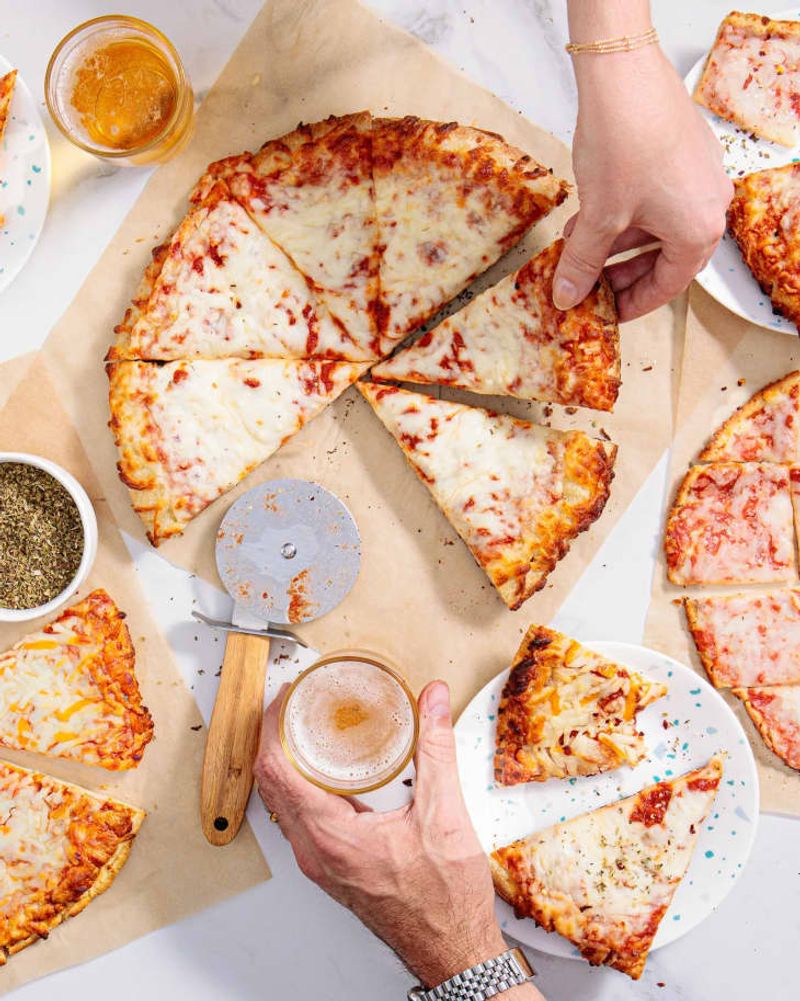
Great pizzas know what they want to be. Whether it is thin and crispy, Neapolitan-inspired, pan, or rising crust, a defined style guides the bake and toppings.
Clarity helps you set expectations and pick the right oven setup.
Look for language that explains the style and suggested texture. A vague crust often eats like cardboard.
Specific cues like wood-fired inspired or stone-baked suggest attention to dough fermentation and heat. When the style is intentional, the results usually include better chew, structure, and flavor.
Choose a style that matches how you like to eat.
4. Visible air bubbles or texture in the crust
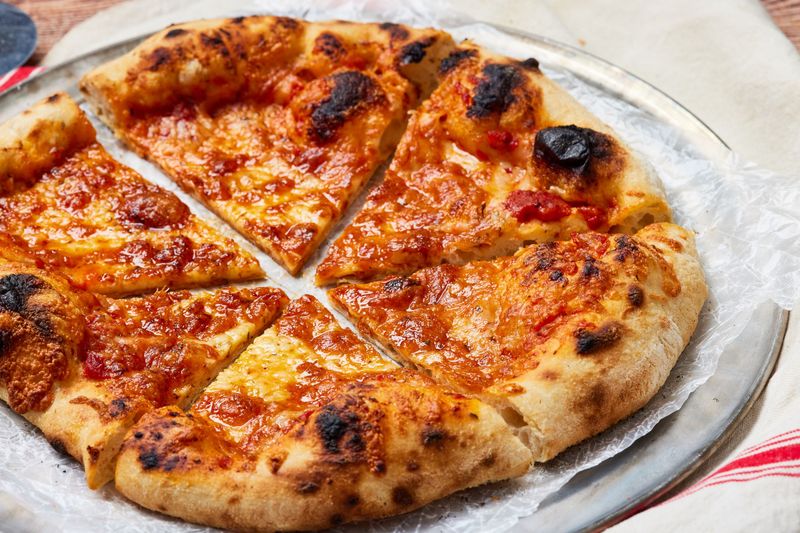
Check the rim and underside for tiny bubbles and irregularity. A living-looking dough hints at fermentation and better oven spring.
That texture translates to a crust that bakes crisp outside while staying tender and chewy inside.
Flat, uniform crusts often bake dense and dull. You want signs of gas pockets that will expand with heat.
Even frozen, you can see aeration. Those bubbles create character and help toppings stay balanced instead of sinking into a soggy middle.
Texture signals craft, not factory flatness, and leads to a satisfying bite.
5. Tomato sauce that lists tomatoes early
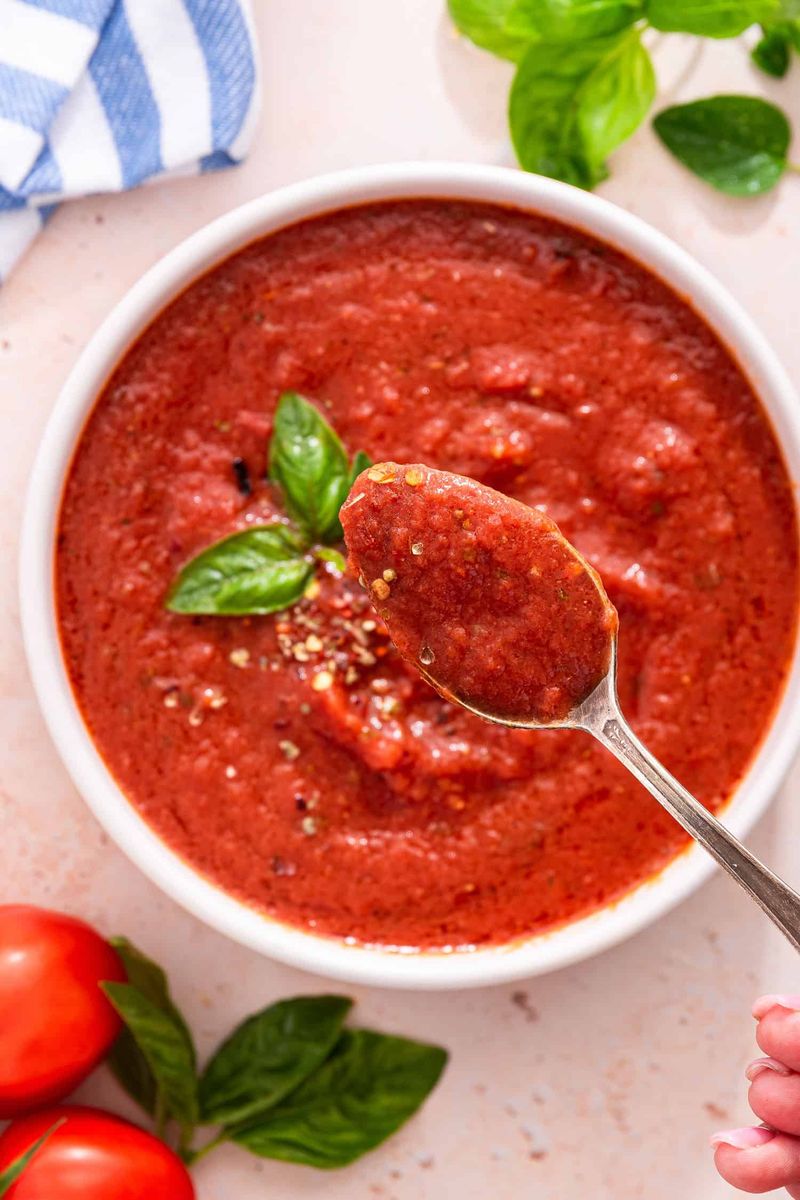
Good sauce starts with tomatoes, not water, starch, and sugar. Check that tomatoes or crushed tomatoes appear early on the label.
When tomatoes lead, the sauce tastes bright, slightly sweet, and naturally savory.
Overly processed sauces rely on paste, sweeteners, and thickeners to fake body. That can turn the pizza cloying or flat.
You want acidity and depth that stand up to cheese richness. Early tomatoes usually indicate better quality and less need for corrective additives.
Expect cleaner flavor, less watery bake, and a sauce that enhances rather than drowns everything.
6. Balanced sauce-to-cheese ratio
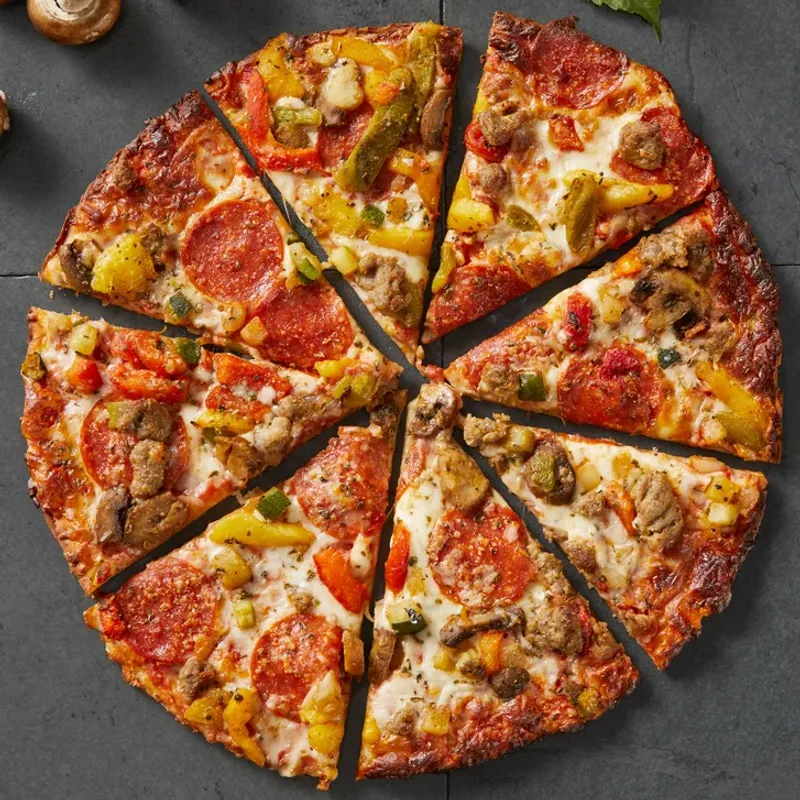
Before baking, scan the surface. You want even cheese coverage with patches of visible sauce.
Too much sauce can pool watery and undermine the crust, while heavy cheese can render greasy and mute flavor.
Balance means each bite delivers tangy tomato, creamy dairy, and crisp crust together. Look for a mosaic rather than a blanket.
Thoughtful distribution shows the maker tested their formula. After baking, the cheese should lightly brown without oil lakes.
A good ratio protects structure and keeps the center from collapsing. Trust your eyes for that equilibrium.
7. Toppings that look like real food
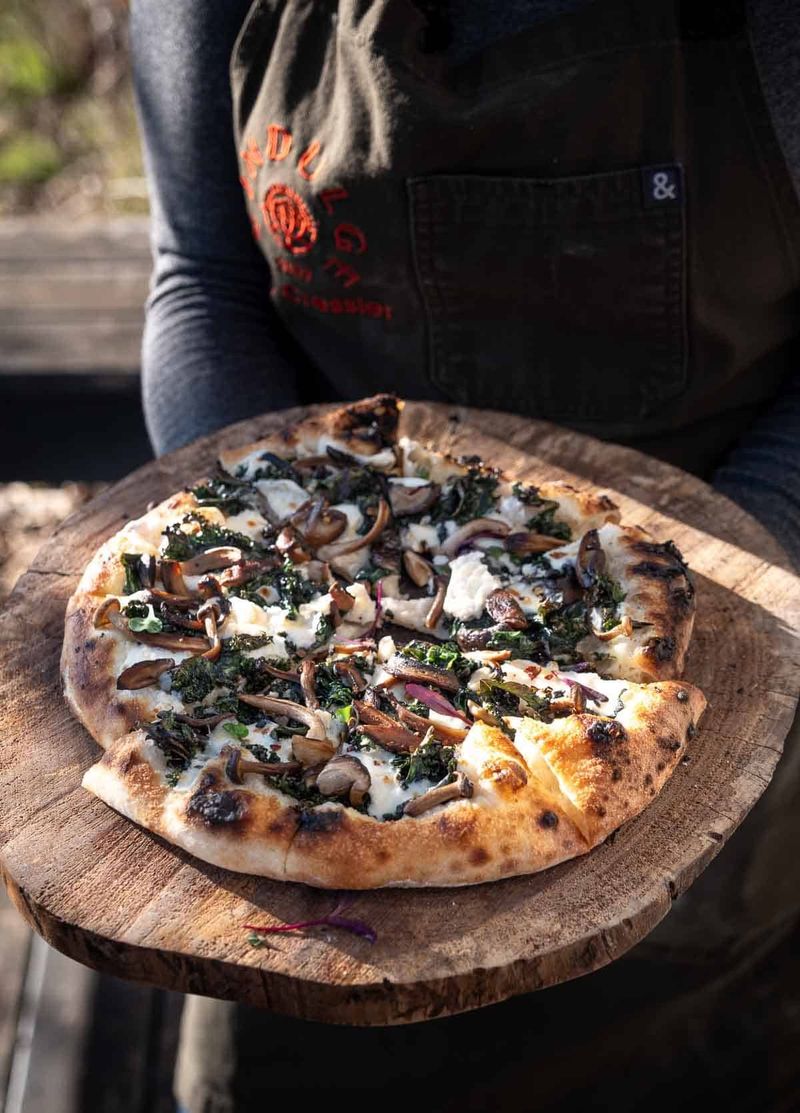
Quality toppings look like what they are. You should see pepperoni slices, real mushroom caps, clear onion strips, and defined peppers.
If toppings resemble pellets, dust, or minced mystery bits, the bake will likely taste processed.
Real pieces roast nicely, releasing aroma and caramelization. They maintain texture instead of turning mushy.
Visual identity correlates with sourcing and minimal fillers. When toppings look honest, you taste freshness and distinct flavors that complement the crust and sauce.
Choose pies that showcase clear, recognizable ingredients rather than disguised fragments.
8. Meat toppings with real texture
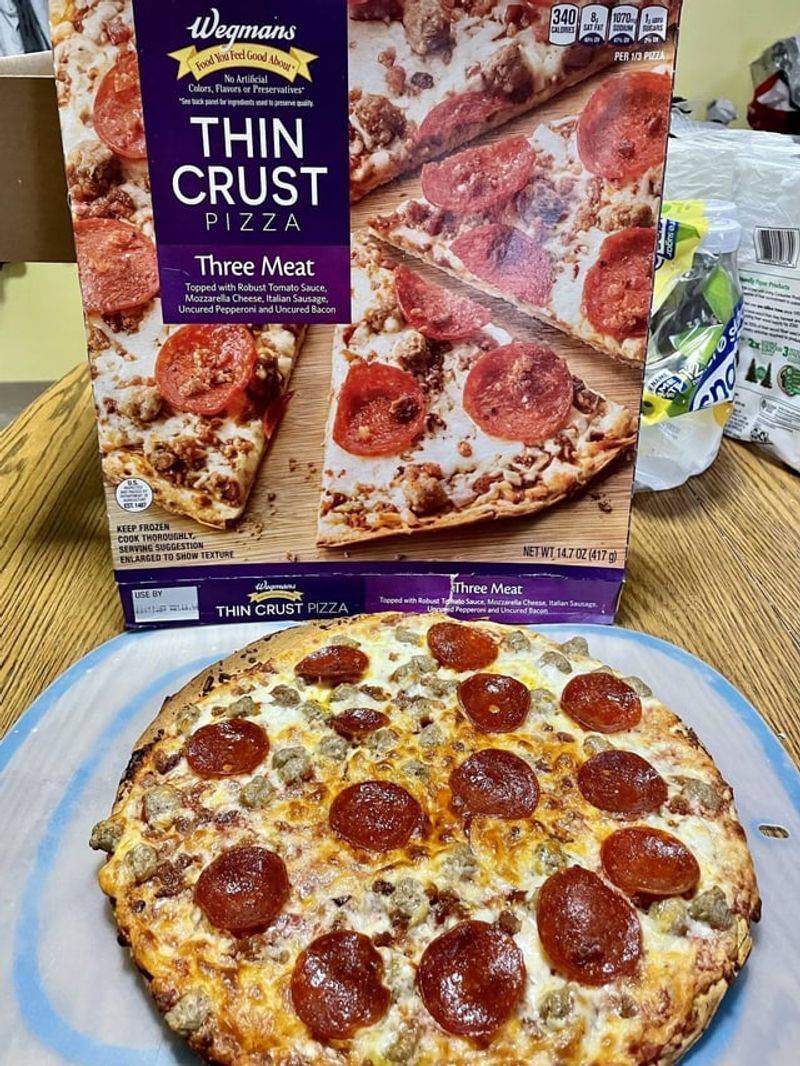
Good pepperoni should cup and crisp, sausage should show coarse grind and herbs, and chicken should be chunks, not crumbs. Texture promises flavor and proper fat rendering.
Avoid meats that look uniform and spongy.
Well-made meats deliver savory depth without greasy puddles. They brown attractively and add toothsome bites.
Read the label for specific cuts and fewer fillers. The right meats hold their identity after baking and provide bursts of seasoning.
If the meat looks like paste, the flavor likely follows. Seek robust, defined pieces that sear and sizzle.
9. A little char potential
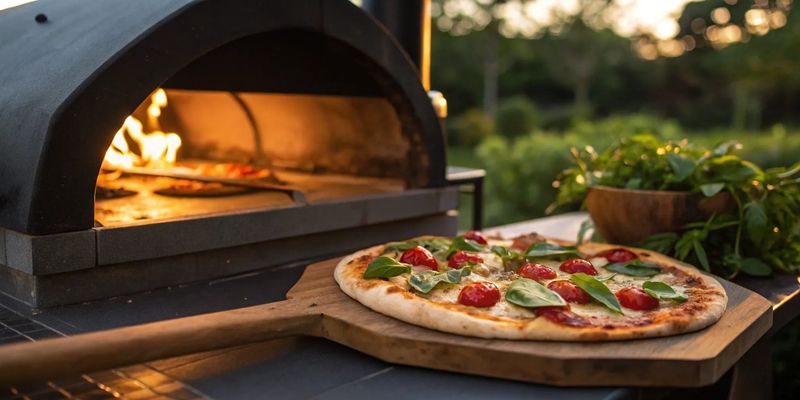
Some char is flavor. Scattered dark spots on the crust and light cheese browning suggest sugars caramelizing and Maillard magic.
Brands that aim for higher heat results usually reference stone-baking or wood-fired inspiration.
Char should be speckled and gentle, not burnt. That delicate bitterness balances richness and wakes up the palate.
If the box images show leopard spotting and instructions call for real heat, expect better depth. You will get crisp edges, fragrant aroma, and complexity that tastes restaurant-level.
Look for char-friendly cues on both packaging and cook times.
10. Not overloaded to the point of sogginess
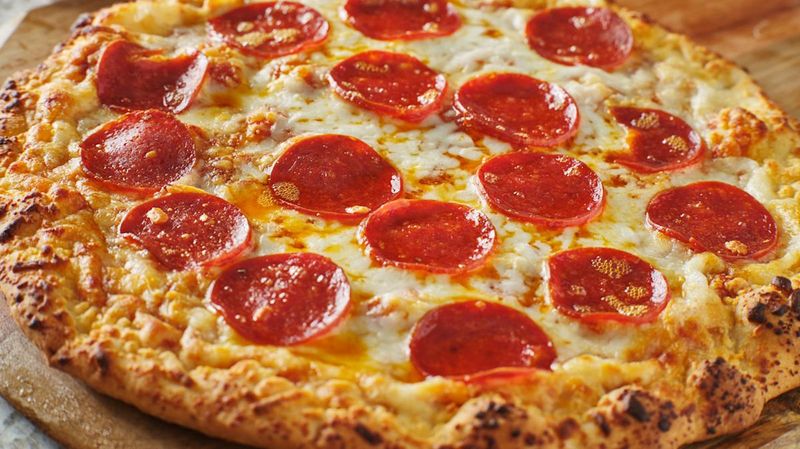
More toppings are not always better. Excess weight traps steam, turning the center floppy and wet.
A thoughtful pie leaves space for heat circulation and moisture escape.
Look for toppings spread evenly without piling in the middle. You want a slice that stands up when lifted, not a limp fold.
Balanced pizzas bake predictably and keep crust integrity. Trust restraint: fewer high-quality toppings beat mountains of mediocre ones.
The goal is harmony, not overload. Your oven will reward restraint with crispness and clean flavors.
11. Clear cooking instructions with real heat
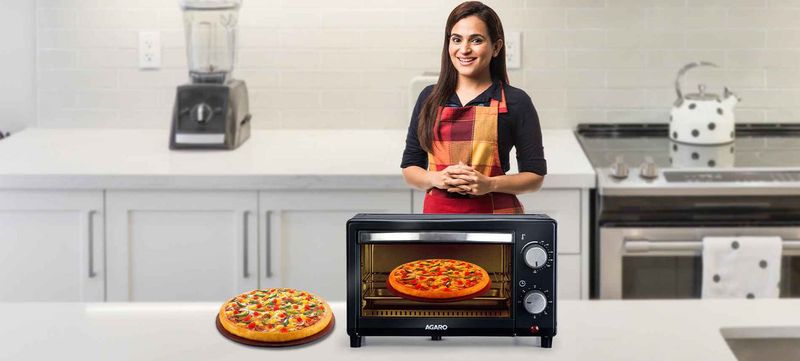
Good brands tell you exactly how to nail the bake. Clear instructions with preheat emphasis and higher temps like 425 to 475 F mean they designed the crust for proper rise and crisping.
Vague directions lead to guesswork and soggy results.
Look for timing ranges and rack placement guidance. Precision signals testing and care.
When heat is respected, starches gelatinize and cheese browns properly. Follow those cues and you will taste sharper textures and balanced melt.
If directions seem timid, the crust may never truly set. Strong guidance is a quality clue.
12. Stone or steel-friendly directions
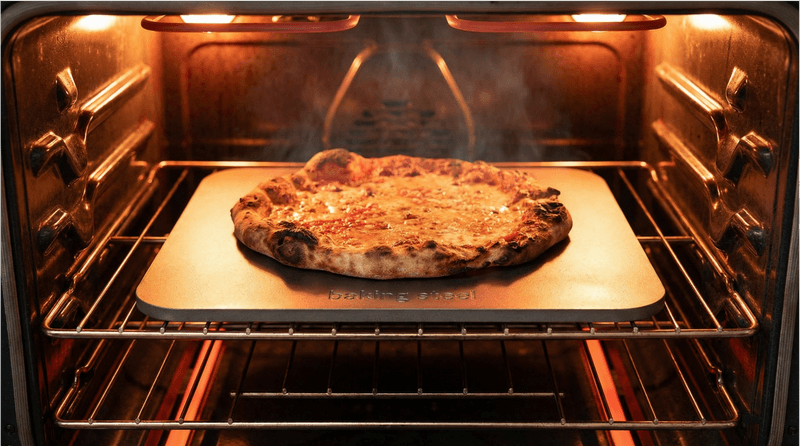
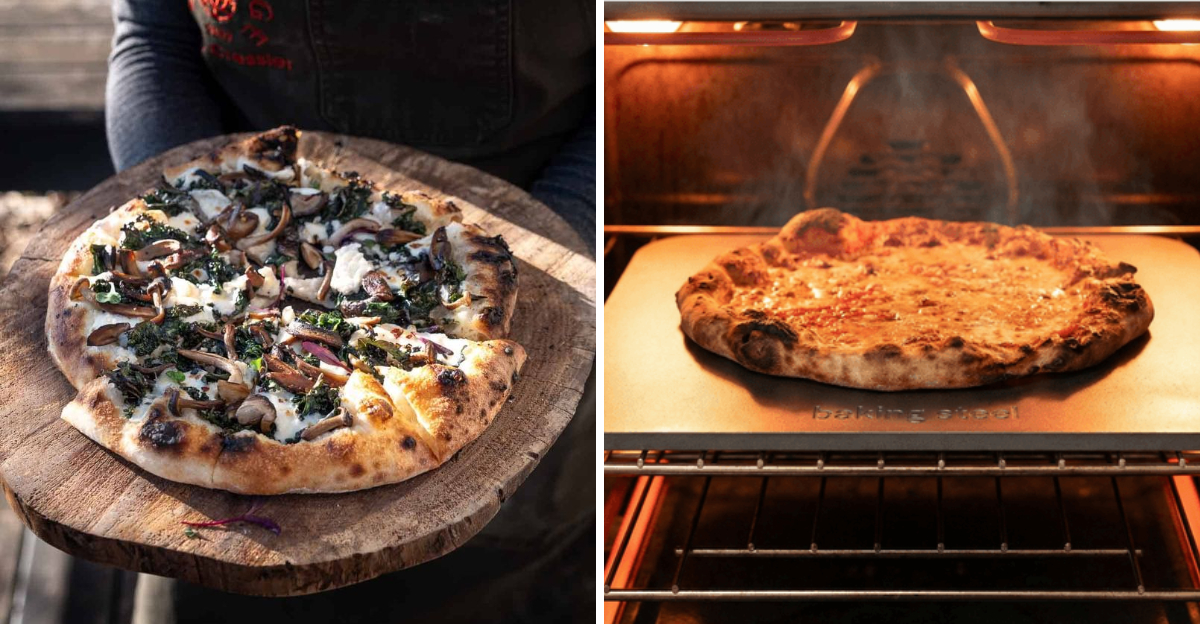
When a box suggests a preheated stone or steel, that is a sign the maker values real crust texture. Stones and steels transfer heat fast, giving you rapid oven spring and crisp bottoms.
It means the dough formula expects serious thermal contact.
Even direct rack baking notes show confidence in airflow and structure. These instructions do not appear on flimsy pies.
They point to tested, pizzeria-minded results with blistered edges and sturdy slices. If you have a stone or steel, use it.
You will taste superior crunch and chew.
13. Smells like real bread and tomatoes
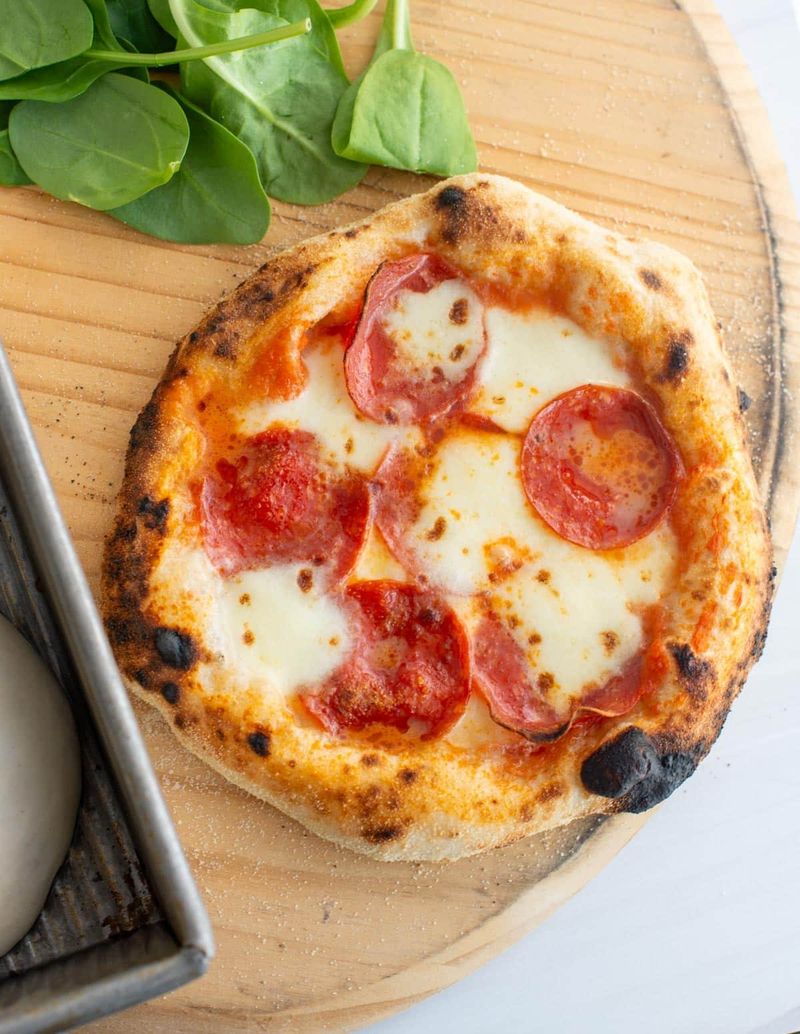
Trust your nose mid-bake. Quality pies smell like rising bread, toasted grain, and fresh tomatoes.
That aroma hints at real fermentation and tomato-forward sauce, not just hot fat and salt.
If the scent skews oily or artificial, expectations should drop. A bready aroma means the crust is developing flavor while sugars caramelize.
Tomato fragrance signals acidity and balance. The kitchen should feel like a pizzeria moment, inviting and savory.
Follow the scent as a preview of texture and taste. Your nose rarely lies about quality.
14. It reheats well
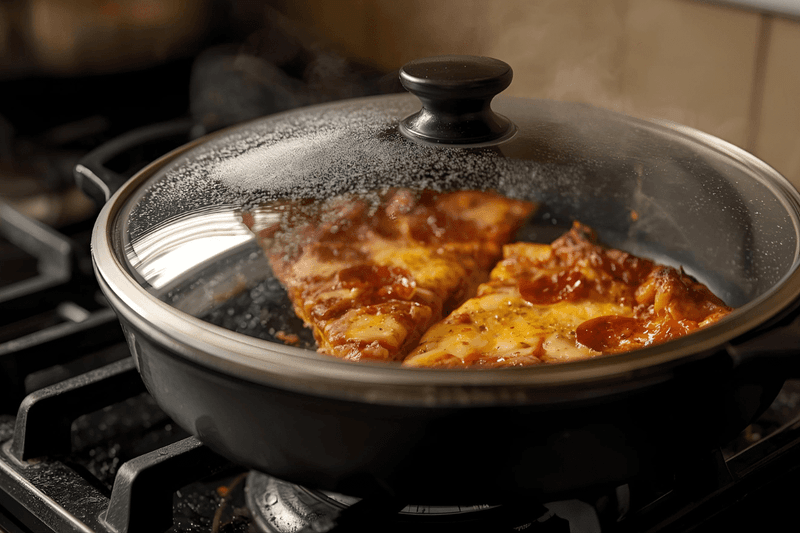
A strong pizza survives day two. When reheated in a skillet or hot oven, the crust should regain snap, not collapse.
Sauce should stay bright and cheese remelt smoothly without breaking into greasy pools.
Good structure and balanced moisture make leftovers sing. If a slice holds shape and tastes lively after reheating, the original quality was there.
Avoid pies that turn spongy or soggy once cooled. Reheat performance is a practical test you can rely on for future purchases.
15. Crust stays crisp after a short rest
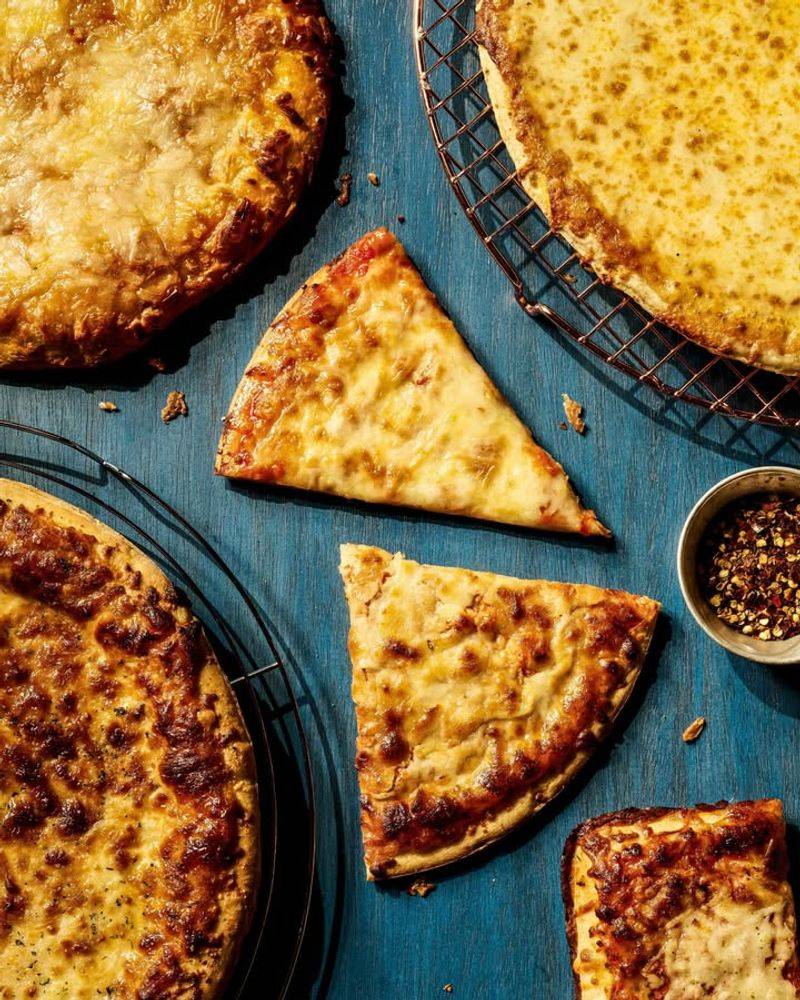
After baking, let the pizza rest a few minutes so steam escapes. A quality crust stays crisp, with a firm underside and a center that does not sag.
This short pause should not turn the slice floppy.
Resting reveals structural honesty. If the base softens instantly, moisture management failed.
A good pie keeps texture while cheese settles and flavors marry. You should lift a slice confidently and hear a gentle crunch.
That stability signals balanced dough hydration, thoughtful toppings, and a proper bake.