15 Reasons To Steer Clear Of Diet Soda
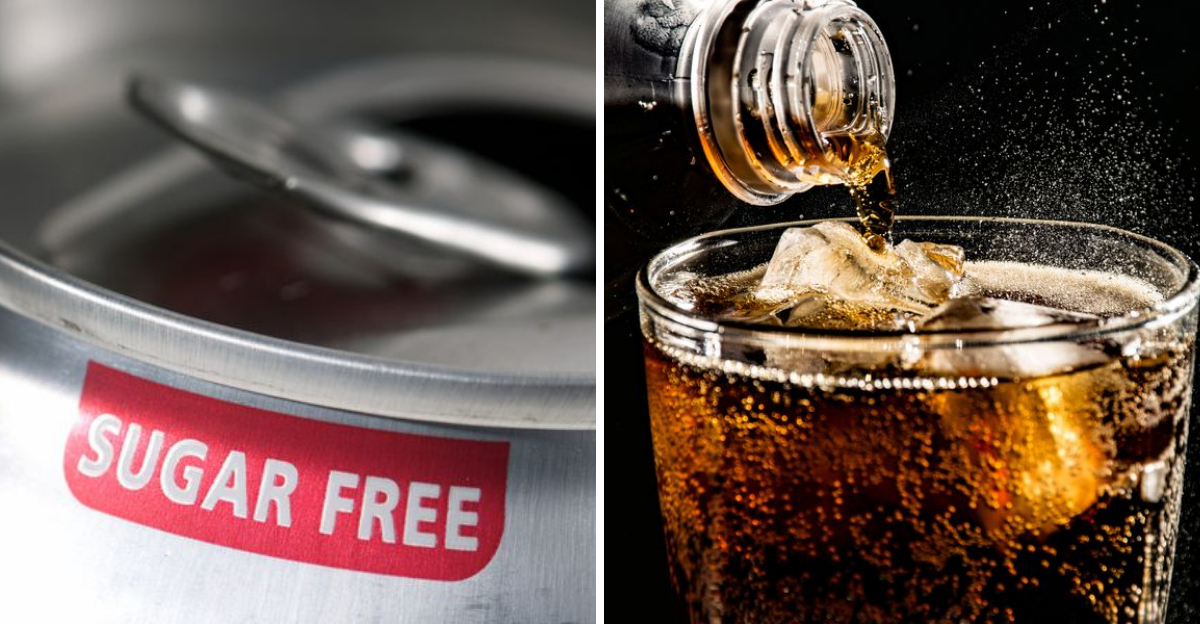
While diet soda might seem like a guilt-free beverage choice, it comes with a variety of hidden downsides. From affecting your dental health to potentially influencing weight gain, the implications can be surprising. Here are 15 reasons why you might want to reconsider reaching for that can.
1. Sweet Tooth Stays Active
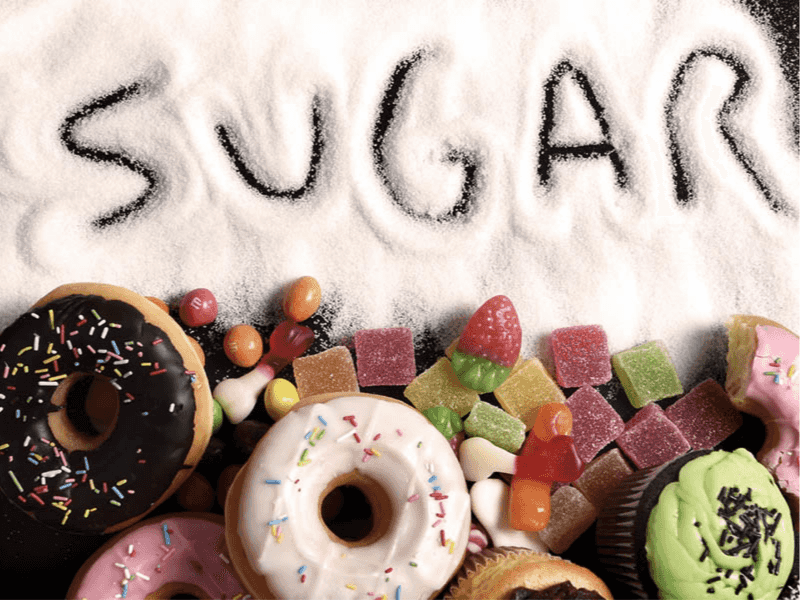
Ever noticed how a diet soda leaves you craving more sweets? Artificial sweeteners are often far sweeter than sugar, which can tune your taste buds to expect that level of sweetness. Over time, this could make regular food taste bland. The desire for sugary snacks intensifies, keeping your sweet tooth on high alert.
This doesn’t just apply to occasional sweets but everyday meals, which might start to seem dull in comparison. It’s a cycle that leaves you reaching for more sweet treats than you intended—definitely not the result you wanted.
2. Cravings Unresolved

Diet soda gives you the sweet taste without the calories, but does it truly satisfy your cravings? For many, it simply postpones the inevitable. The brain enjoys the sweetness but later demands the real deal.
This might lead to binge-eating or seeking out high-calorie snacks later. Without addressing the root of the cravings, diet soda might just be delaying the snacking urge. It’s a temporary fix that doesn’t resolve the underlying desire for sugary treats.
3. Potential Weight Gain
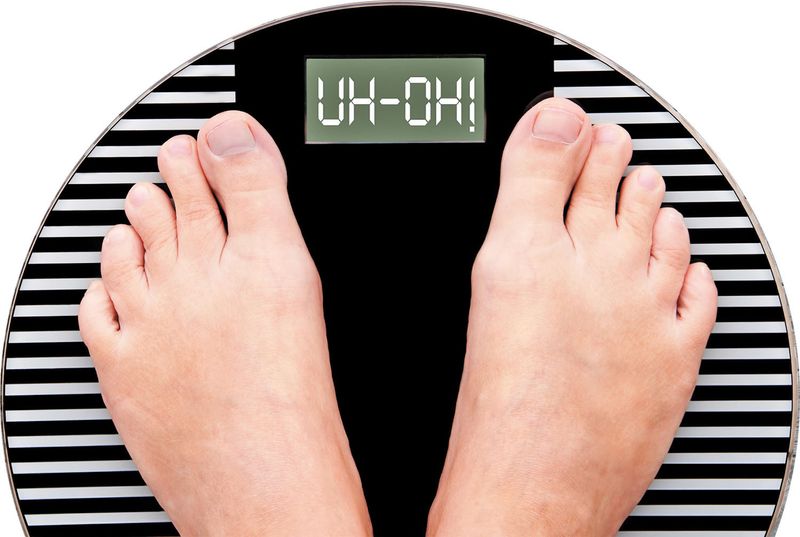
Counterintuitive as it may seem, some studies link diet soda consumption with weight gain. Despite being calorie-free, it may influence weight indirectly. The sweetness without energy can confuse the brain, affecting hunger hormones and eating patterns.
Over time, this might contribute to increased calorie intake from other sources. While not conclusive, the possibility suggests that relying on diet soda for weight management might not be as effective as hoped.
4. Mixed Signals to Brain and Body
Sweet taste with zero calories—how does that affect your body? The mismatch between flavor and energy intake can alter how the brain responds to sweetness, possibly influencing hunger cues.
This disruption might lead to overeating or craving high-calorie foods later. It’s a complex interaction that highlights how diet soda might not be as straightforward an option as believed. Your body expects energy from sweetness, and when it’s missing, the repercussions can be unexpected.
5. Tooth Health Concerns

While diet soda doesn’t contain sugar, it’s still acidic. This acidity can erode tooth enamel over time, increasing the risk of cavities and sensitivity.
Regular consumption without proper dental care can lead to noticeable dental damage. Protecting your smile means being cautious with acidic beverages, even those without sugar. It’s a reminder that sugar-free doesn’t always equate to tooth-friendly.
6. Hydration Habits Disrupted

Choosing diet soda over water can disrupt healthy hydration habits. The caffeine and carbonation can leave you feeling oddly thirsty, despite drinking a lot of liquid.
This might lead to inadequate water intake, which is crucial for overall health. Moreover, the bloated feeling from carbonation can be uncomfortable. Hydration is more than just consuming liquids; it’s about choosing beneficial ones.
7. Headaches and Jitters

Some individuals find headaches or jitters creeping in after drinking diet soda. Ingredients like aspartame or caffeine can trigger these symptoms in sensitive people.
The timing often coincides with diet soda consumption, hinting at a connection. If you experience these issues, it might be worth re-evaluating your drink choices. Recognizing triggers is key to avoiding discomfort in daily life.
8. Gut Health Uncertainty
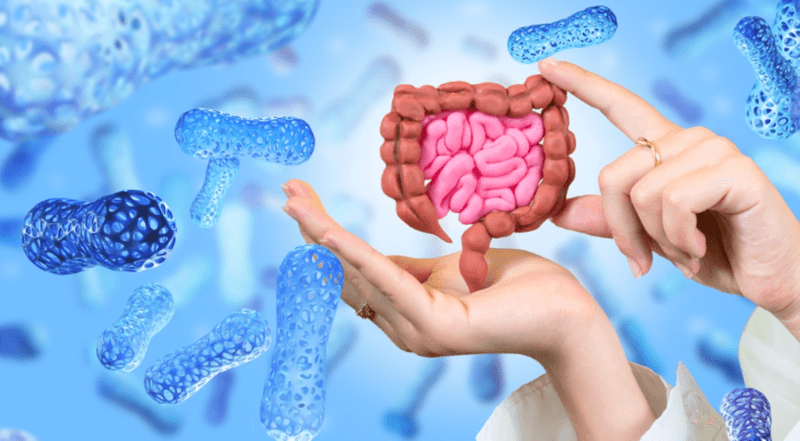
Emerging research suggests artificial sweeteners in diet sodas might affect gut bacteria negatively. While the science isn’t fully settled, there are concerns about long-term impacts on gut health.
A balanced microbiome is essential for digestion and overall well-being. Saturating it with diet soda may not be the best approach if you’re aiming for a healthy gut. Exploring alternatives could support better digestive health over time.
9. Appetite Increase
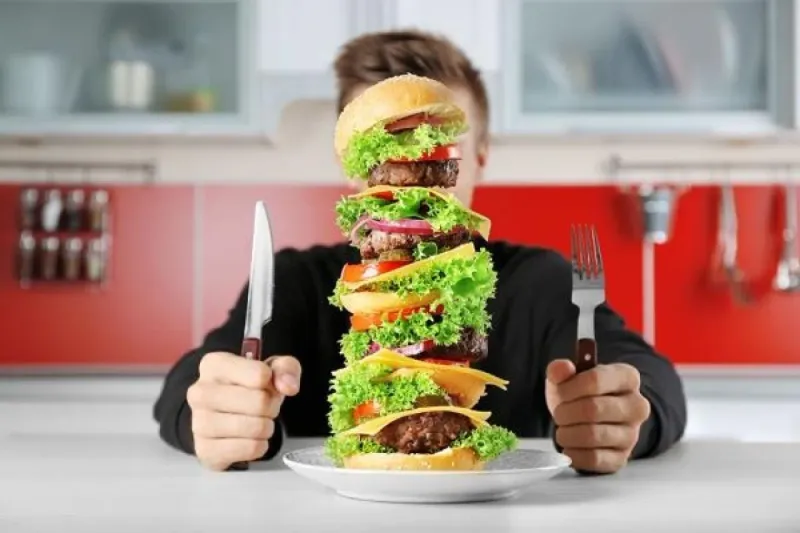
Does diet soda make you hungrier? Some users report increased appetite after consumption. The sweet taste without calories might leave the body unsatisfied, leading to greater food intake later.
If you notice a pattern of snacking more on days you drink diet soda, it might not be a coincidence. Understanding individual reactions can help guide better dietary choices and manage hunger cues effectively.
10. Soda Habit Reinforcement
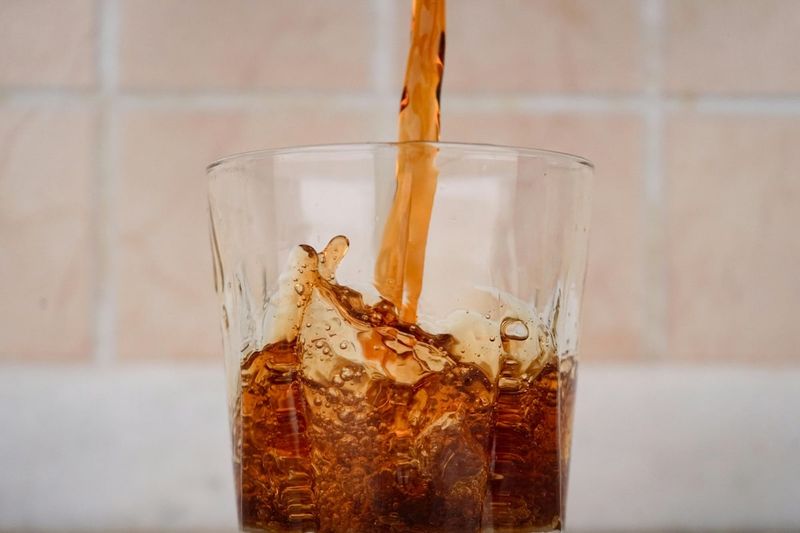
One of the challenges with diet soda is maintaining the ritual of having a sweet, fizzy drink. This keeps the soda habit alive, even if the drink is calorie-free.
It doesn’t break the cycle of needing a soda with meals. Over time, it reinforces the idea that satisfaction requires a can in hand. Exploring ways to break this cycle can be beneficial for overall dietary habits.
11. Nutritional Opportunity Loss

Every time a diet soda replaces water or a nutritious beverage, it’s a missed opportunity to nourish the body. Herbal teas, milk, or just plain water offer benefits that diet soda doesn’t.
Over weeks and months, these choices add up, affecting overall nutrition. Opting for drinks that support health can make a noticeable difference in well-being and energy levels.
12. Zero-Calorie Mindset Trap
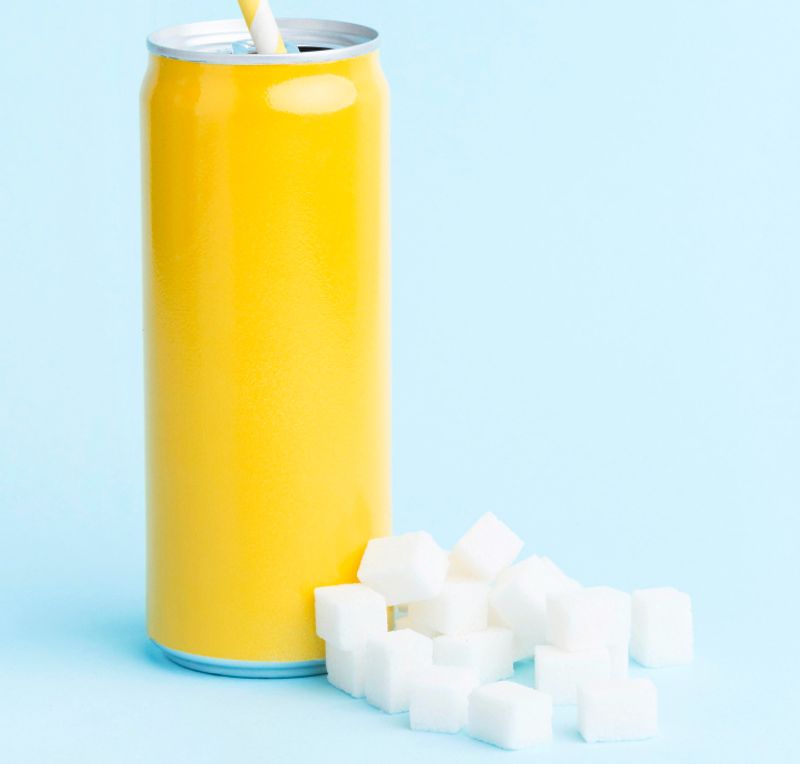
The perception of diet soda as a “freebie” can be misleading. It often leads to a mindset where other unhealthy habits, like ultra-processed snacks, become justified.
This can support a lifestyle that isn’t aligned with health goals. Understanding the broader implications of viewing diet soda as harmless can aid in making more health-conscious choices daily.
13. Sleep Disturbances
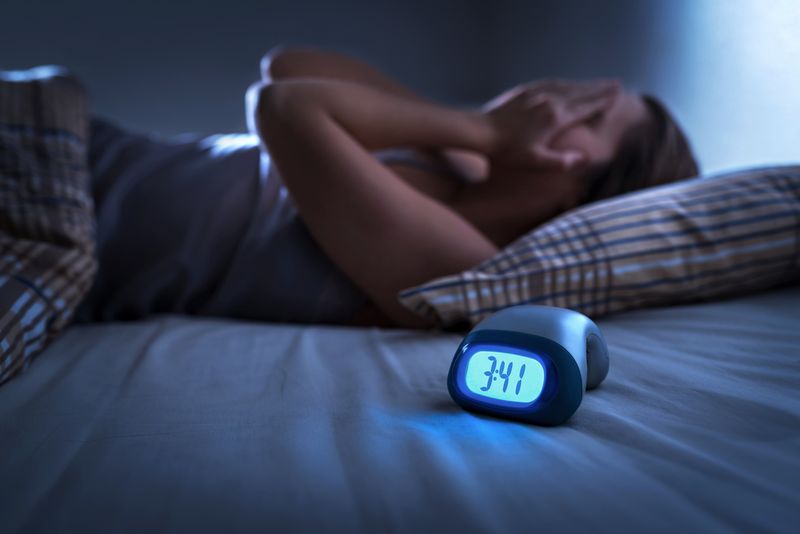
Late-day diet soda can sneakily impact sleep due to its caffeine content. Often consumed as “just soda,” the caffeine might delay sleep onset or reduce sleep quality.
For those sensitive to caffeine, this can result in restless nights or groggy mornings. Being mindful of soda consumption time helps ensure better sleep patterns and overall well-being.
14. Positive Change from Reduction

Many who cut back on diet soda notice positive changes. Reduced cravings, less bloating, and improved energy levels are commonly reported benefits.
A newfound appreciation for water or unsweetened drinks often follows. This transition underscores how diet soda isn’t essential and can be replaced with healthier options, enhancing well-being.
15. Taste Bud Reset
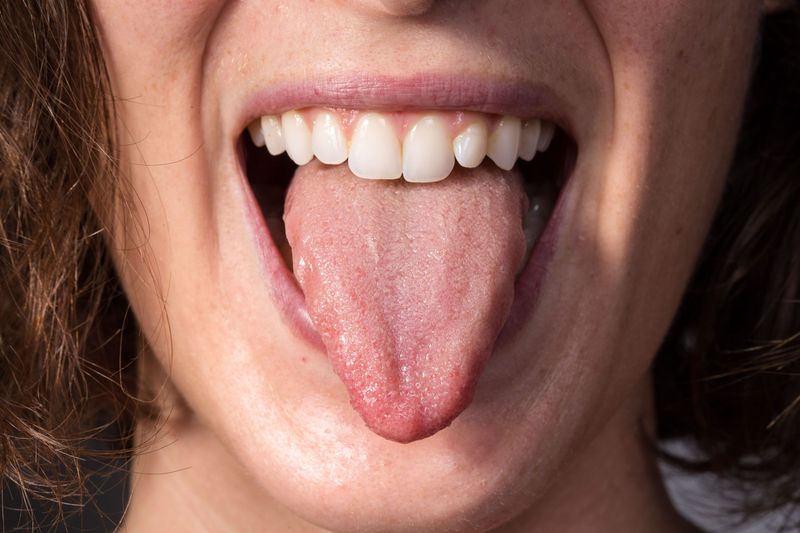
Adjusting from diet soda to water or unsweetened beverages can initially seem daunting, but it pays off. Over time, taste buds recalibrate, making natural foods taste more vibrant and sweet.
This change enhances the enjoyment of fresh fruits and simpler drinks. Realizing that diet soda isn’t necessary for enjoyment or satisfaction can inspire a healthier lifestyle shift.