15 Restaurant Types Most Seniors Avoid And 7 They Truly Enjoy
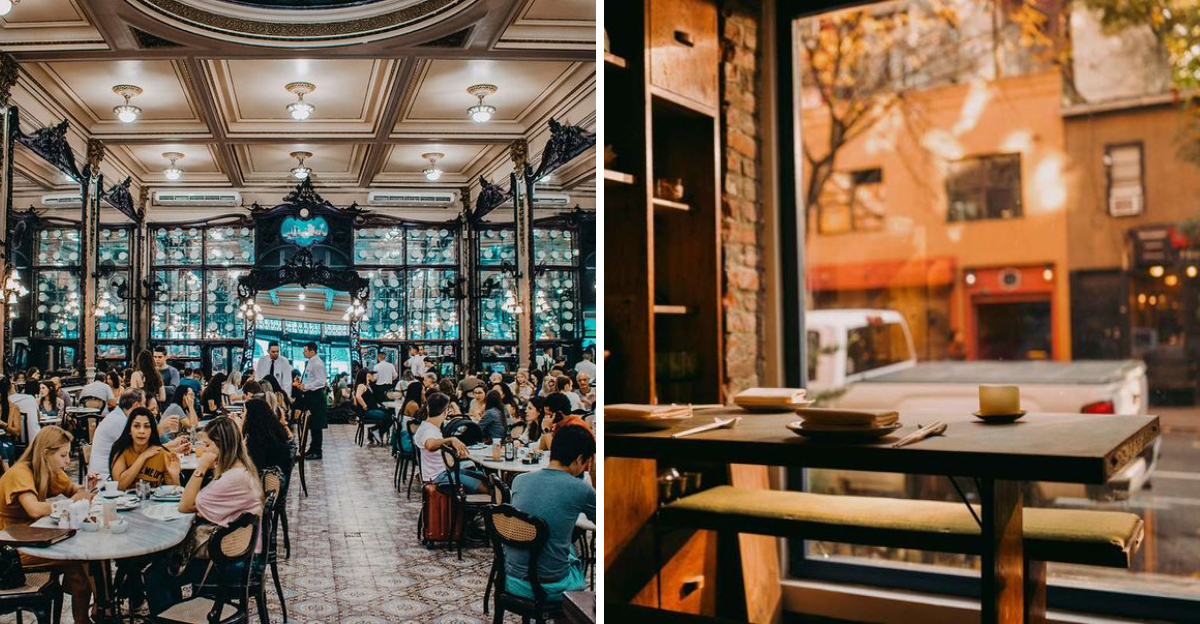
A lot of older diners still love eating out, but the right setting makes all the difference. Comfort, noise, lighting, and pacing can turn a meal into a joy or a chore.
If you have ever squinted at a menu or felt rushed through dinner, you already know the feeling. Here is a simple guide to spots many seniors skip and the ones they truly enjoy, so your next meal out feels easy and pleasant.
1. Ultra-loud scene restaurants
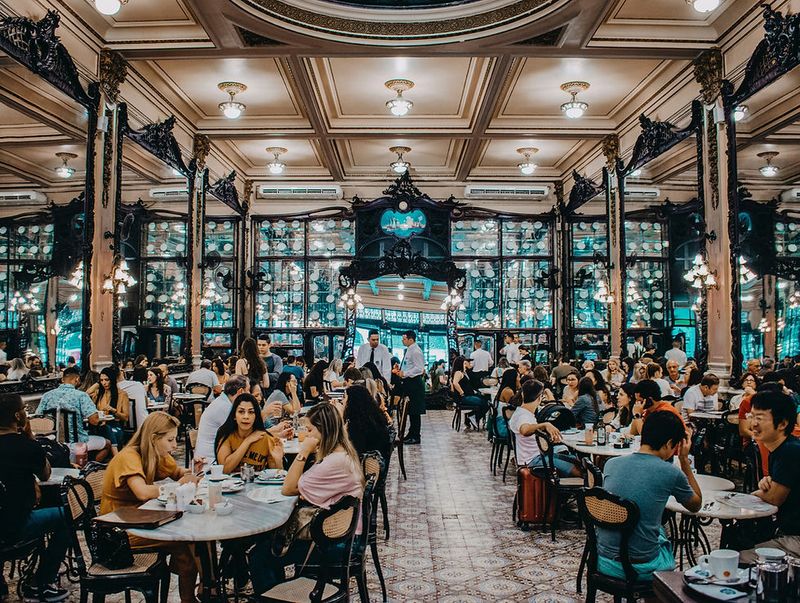
When the music is blasting and every table is shouting, conversation becomes work instead of pleasure. You end up leaning in, repeating yourself, and missing parts of stories that matter.
The sensory overload can make even great food feel forgettable and tiring.
Hard surfaces bounce sound around, turning clinks and laughs into a roar. You want to linger, but the energy says hurry up and get out.
If hearing aids are involved, feedback and distortion only add stress.
Quiet corners are rare, and staff often rush. A calmer place lets you taste, talk, and breathe.
You leave feeling restored, not wrung out by the noise.
2. Trendy small-plate sharing spots
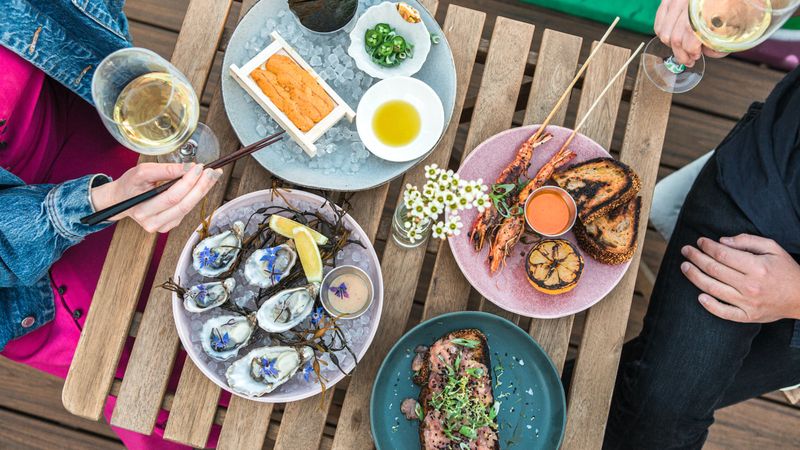
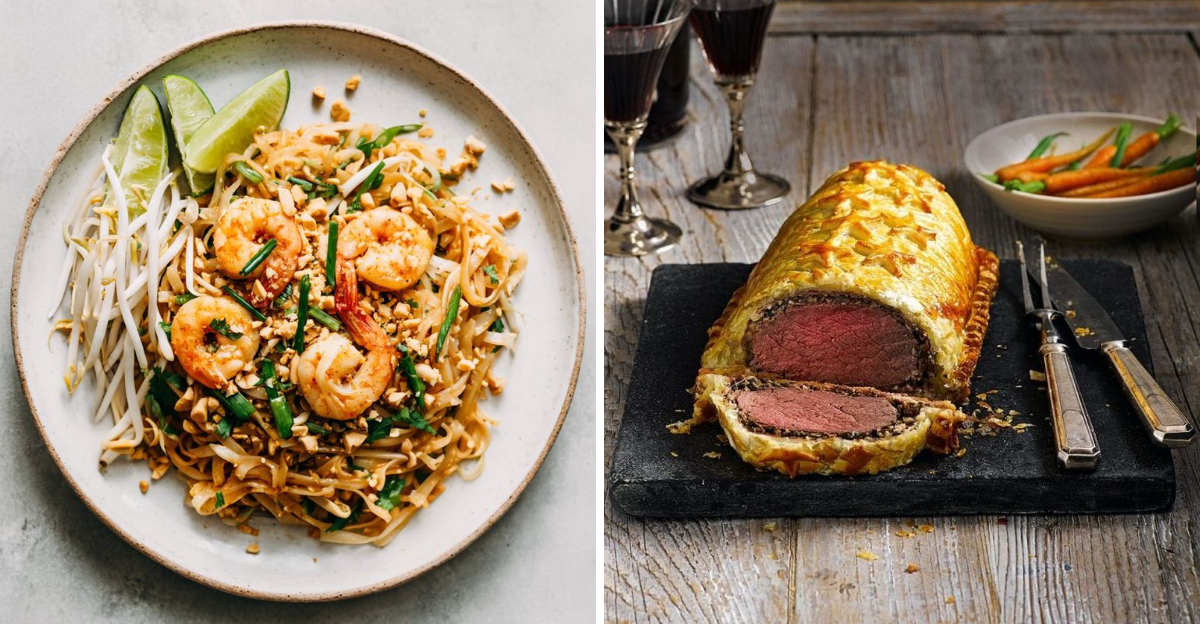
Sharing can be fun, but it often means juggling plates, awkward splitting, and never feeling sure you got a full meal. You might crave clear portions and a dish that is truly yours.
Constantly negotiating bites can make dinner feel like a strategy game.
Menus often change weekly and are written in chef shorthand. That adds pressure to decipher what will arrive.
If you have dietary limits, picking around shared dishes becomes uncomfortable and risky.
Small plates also stretch the pacing, with food arriving in unpredictable waves. You might leave full, or not.
A simple entree and sides provide clarity, comfort, and less fuss while dining.
3. Very low lighting restaurants
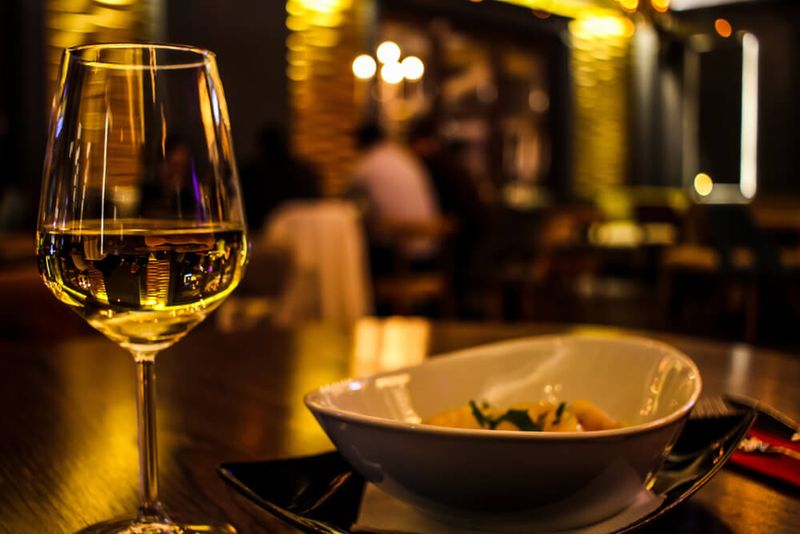
Dim lighting looks romantic until you cannot read the menu or see steps clearly. Squinting or pulling out a phone flashlight is not the relaxing tone you hoped for.
It also makes it harder to notice allergens or ask informed questions about dishes.
Low light can hide obstacles like steps, rugs, or crowded chairs. That makes navigating the space more stressful.
Even signing the check becomes a tiny challenge instead of a breeze.
Good lighting does not need to be harsh. Soft, even illumination lets you chat comfortably and see what you are eating.
The right glow sets a calm mood without sacrificing visibility.
4. Counter-service-only with long lines

Standing in a long line while balancing decisions can drain the joy before you even order. Then comes carrying a heavy tray through a maze of chairs and searching for a seat.
If you move a bit slower, it is easy to feel rushed by the crowd.
Refills, condiments, and napkins often require repeat trips. That means more juggling, more waiting, and more step counts than you wanted.
The whole process feels like errands instead of a meal.
Table service removes the stress and lets you sit sooner. You can order without pressure and settle in.
A relaxed pace turns lunch into a break, not a chore.
5. Cramped dining rooms with packed tables
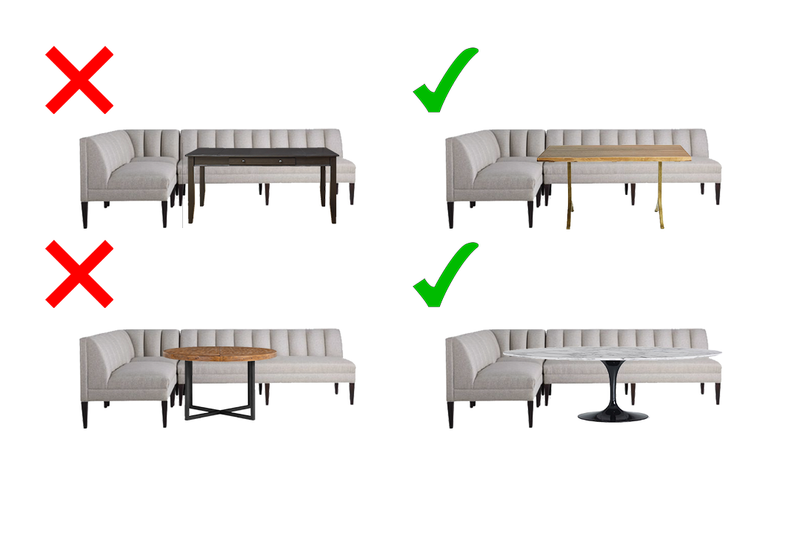
When tables are jammed together, you bump elbows, apologize every minute, and worry about knocking drinks. Pulling out a chair becomes a careful shuffle.
It is tough to relax when personal space is scarce and movement feels risky.
Crowded layouts amplify noise and make conversations private to no one. Servers struggle to reach you, and you feel in the way.
If you use a cane or walker, navigating tight aisles adds real friction.
A bit of breathing room changes everything. Wider aisles, sensible spacing, and sturdy chairs let you settle in.
You enjoy your meal without the constant dance of avoiding collisions.
6. Restaurants dominated by tall bar stools
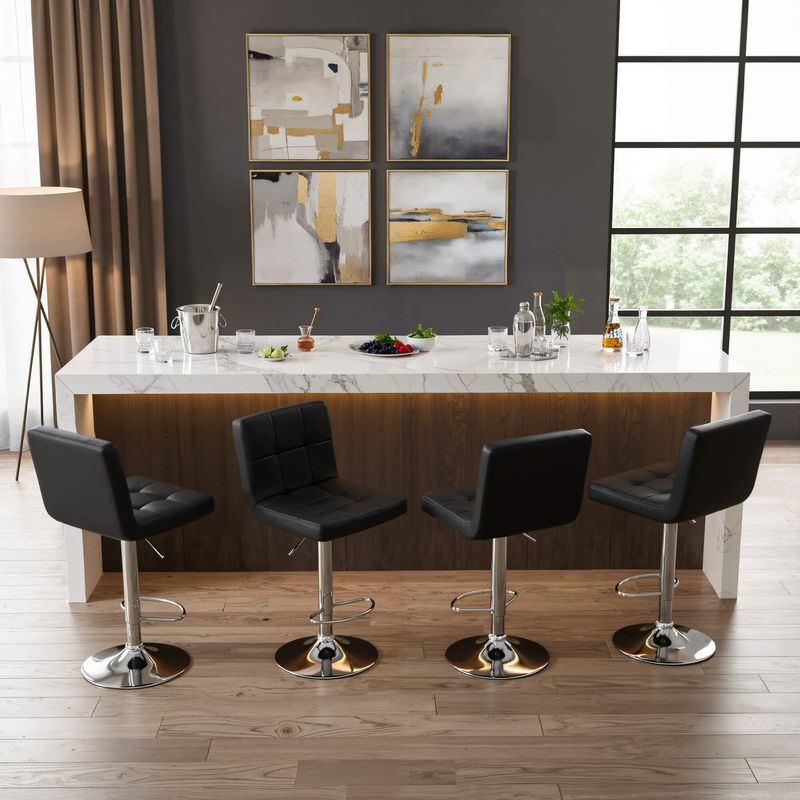
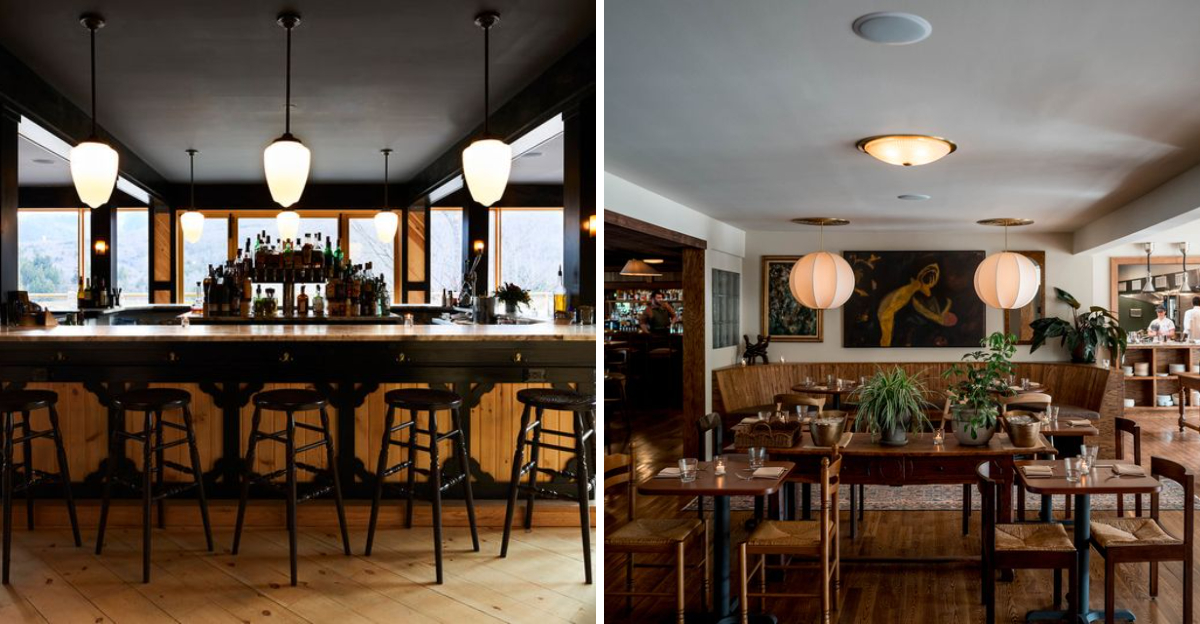
High stools look stylish but can feel wobbly, hard to climb onto, and tough for longer meals. Without a backrest or stable footing, you tense up instead of relaxing.
Getting down gracefully is its own challenge when the floor is slick.
If most seating is high-tops, choosing a table becomes an awkward negotiation. You may wait longer just to avoid discomfort.
Even then, crowding near the bar adds noise and interruptions.
Standard-height chairs with backs provide stability and ease. Add a cushion and clear legroom, and you are set.
Comfort should not be a bonus feature. It should be the baseline for lingering happily.
7. Pay-by-the-ounce or complex pricing
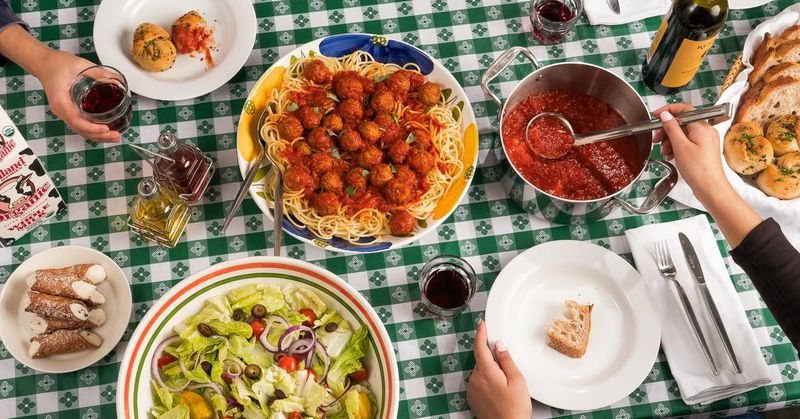
When the bill feels like a math quiz, the meal loses its charm. Pay-by-the-ounce setups create guesswork about cost and portions, making every spoonful feel strategic.
You end up second-guessing choices instead of enjoying flavors.
Complicated tiered menus and hidden surcharges add more confusion. You want clear prices and sensible portions that feel fair.
A straightforward check is easier to budget and discuss with friends.
Simple combinations win: entree, side, and beverage at a clear price. It builds trust and keeps the focus on food.
Transparency turns payment into a quick step, not the stressful finale.
8. Extreme spice or challenge-food spots
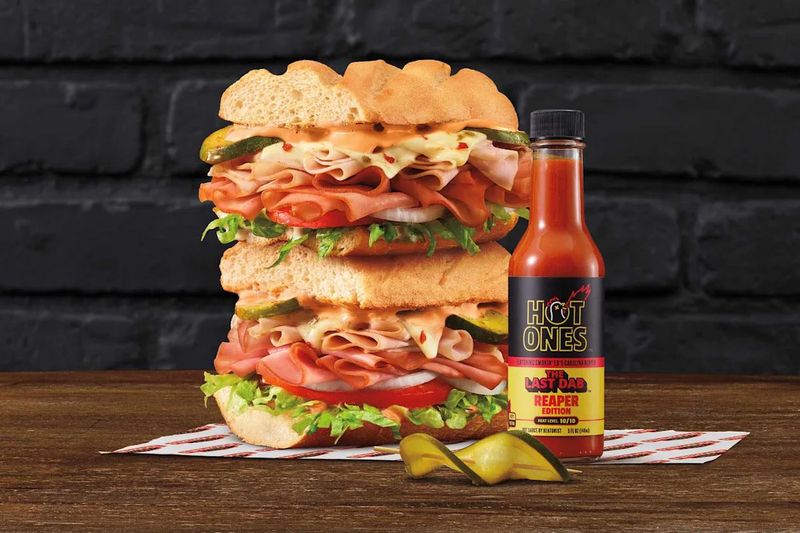
Heat lovers exist, but extreme spice turns dinner into a dare. When tears, hiccups, and numb lips arrive, flavors vanish behind discomfort.
The body’s alarm bells drown out conversation and enjoyment.
Challenge menus push speed, volume, or pain thresholds. That encourages rushing and risk instead of savoring.
If you have sensitive digestion, the aftermath is not worth the bragging rights.
Balanced spice is wonderful when it enhances, not punishes. Clear heat levels, mild options, and thoughtful seasoning let everyone eat happily.
Food should invite you in, not taunt you from the plate.
9. Overly experimental tasting menus
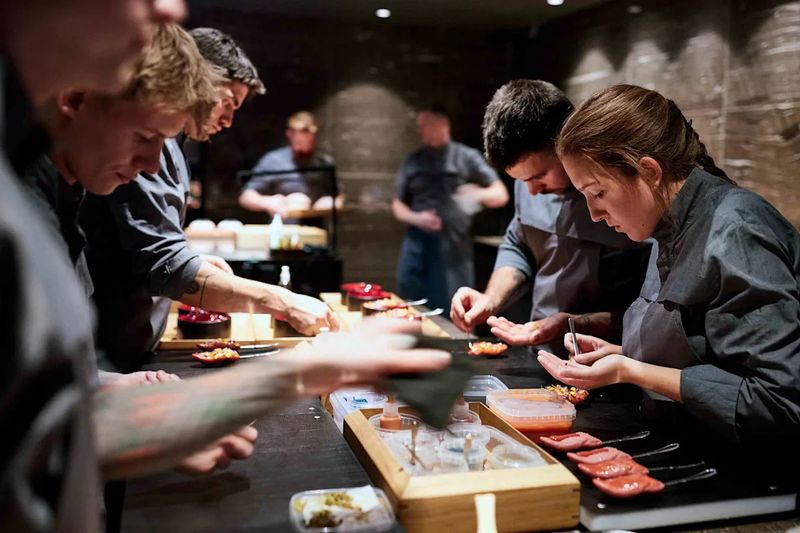
Surprise courses can feel magical, but they demand trust, patience, and appetite for the unknown. If you manage allergies or meds, mystery sauces are stressful.
Portions vary wildly, and pacing can stretch far longer than expected.
Servers deliver long explanations for each dish. You might prefer straightforward choices without a lecture.
It is hard to relax when you keep wondering what is next and whether you will like it.
Classic menus offer predictability and comfort. You can tailor sides and seasonings and finish when you choose.
Control turns dinner into a pleasure instead of a performance.
10. Trend-driven dessert cafes with huge sweets

Giant sugar bombs look fun on Instagram but can be overwhelming to order and eat. You may want a small slice or a classic scoop, not a skyscraper sundae.
Loud music and standing queues add to the overload.
Menus lean heavy on toppings and gimmicks while downplaying balance. If you are watching sugar, choices feel limited.
You should not need a spreadsheet to find a simple treat you enjoy.
A modest dessert in a calm space tastes better and sits easier. Thoughtful portion sizes and decaf options help, too.
Dessert should be a gentle finish, not a challenge for your metabolism.
11. Sports bars during big games

Game nights bring energy, but they also flood the room with noise, distractions, and motion. Every cheer interrupts conversations and servers must weave through crowds.
You leave hoarse, not happy.
Flashing screens pull focus from the people at your table. If you prefer steady pacing, the stop-start chaos is draining.
Volume spikes make hearing aids struggle and fatigue sets in fast.
Off-peak hours can be better if the vibe calms. Still, a quieter restaurant usually wins.
You go out to connect, not to shout over commentators and commercials all evening.
12. Restaurants that rush you
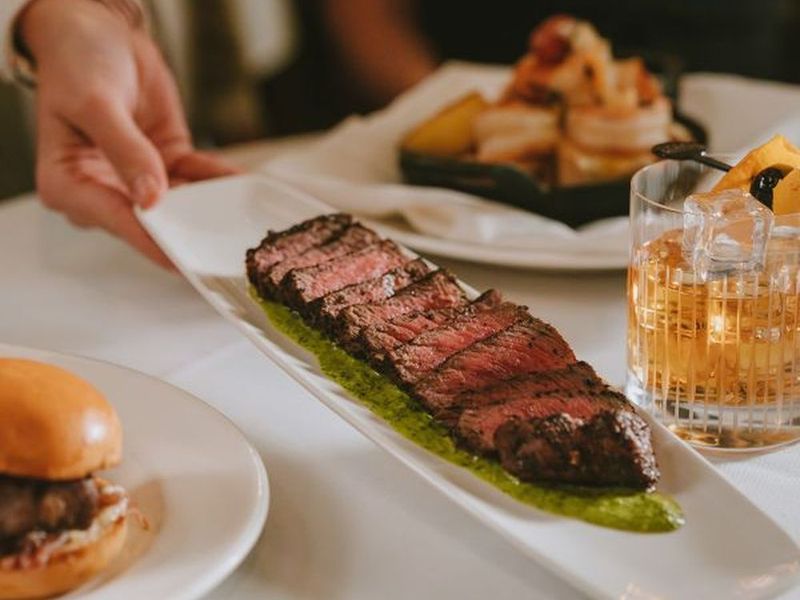
Being hurried changes the whole meal. When plates vanish mid-bite and the check lands early, you feel like a timeslot, not a guest.
It is hard to savor when staff signals you to speed up.
Rushing also leads to mistakes with orders or refills. You want space to ask questions and enjoy each course.
A calm tempo helps with digestion and conversation equally.
Great service moves efficiently but never pushes. When you set the pace, stress dissolves.
You leave satisfied instead of wondering what just happened to your evening.
13. Places with tiny, uncomfortable chairs
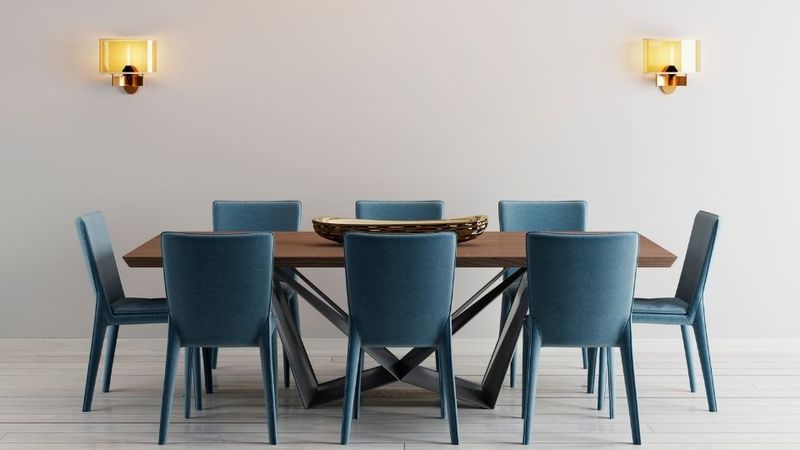
Seats matter more than most menus. If a chair pinches, wobbles, or lacks support, your back and hips complain before dessert.
You fidget instead of focusing on friends and flavors.
Armrests, normal seat height, and steady legs reduce strain. Cushions or booth seating can help, too.
Without comfort, even a great steak feels like it takes forever to finish.
When the seating is right, you relax and linger. You notice the conversation more than the chair.
Comfort is not luxury, it is basic hospitality that keeps people returning.
14. Parking-nightmare locations
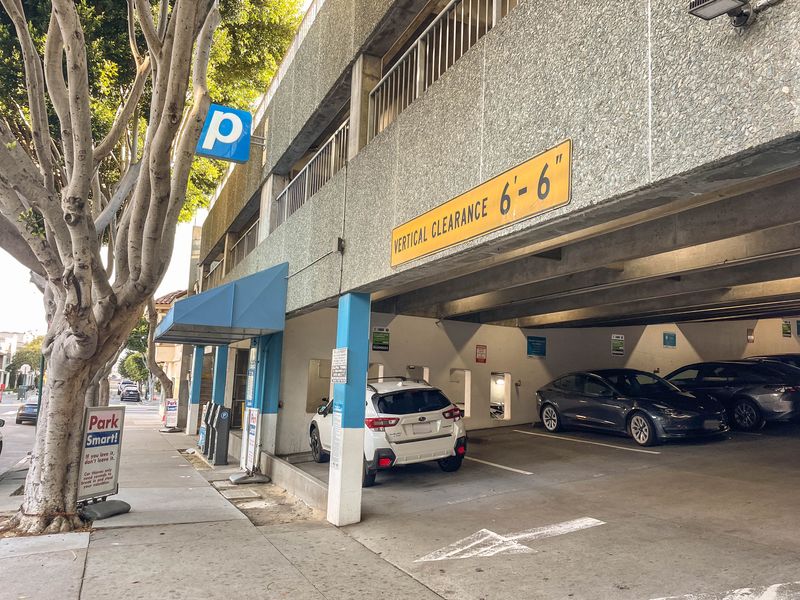
Before you taste a bite, parking can make or break the outing. Circling the block, tight garages, and long walks drain patience and energy.
Add rain or uneven sidewalks, and the hassle multiplies.
Valet helps, but only if it is reliable and affordable. Clear drop-offs and nearby accessible spaces matter a lot.
The easier the arrival, the more relaxed the meal feels.
Choose places with simple, close parking or reasonable valet. You will arrive calm and ready to enjoy.
Convenience outside the restaurant sets the stage for comfort inside.
15. Hard-to-navigate restrooms
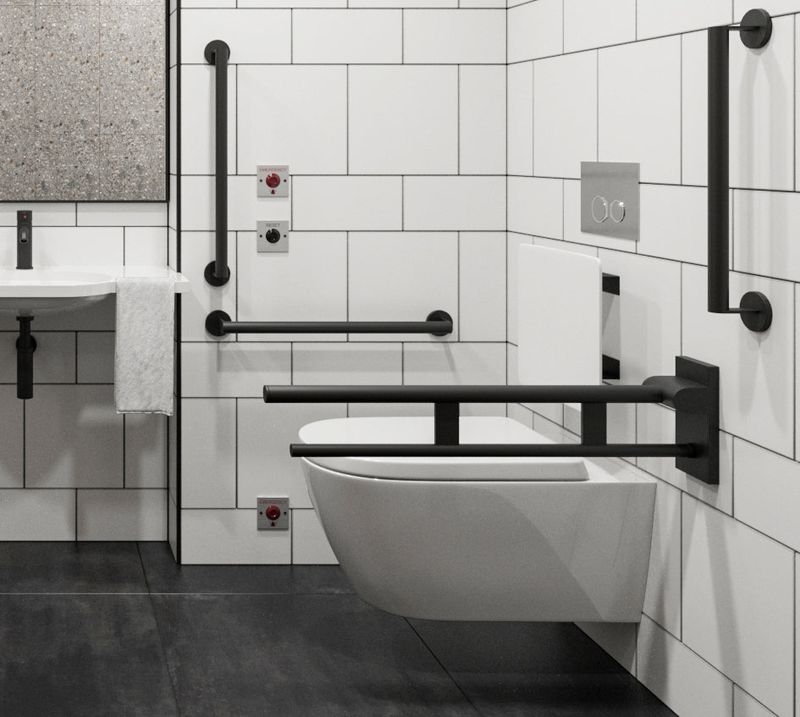
If the restroom is far away, upstairs, or squeezed into a corner, stress rises quickly. Slippery floors and missing grab bars add risk you should not have to manage.
Clear access is basic dignity, not a bonus feature.
Poor signage makes the trip longer than it needs to be. When you return, your food may be cold.
That is not the memory you want from a nice night out.
Accessible restrooms close to the dining room change everything. You can relax, hydrate, and enjoy your meal.
Thoughtful design keeps comfort and safety quietly handled in the background.
16. Classic diners and family restaurants
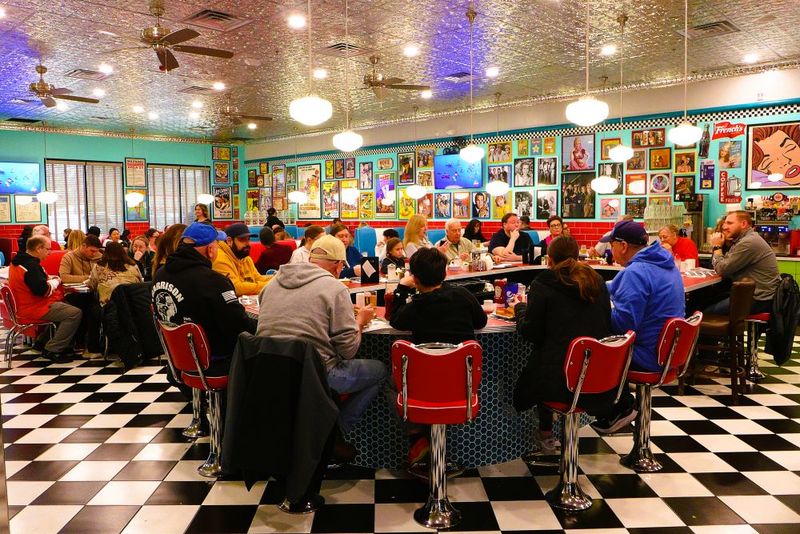
Diners feel familiar and welcoming. You get clear menus, fair prices, and servers who keep coffee warm without hovering.
Portions make sense, and you can take leftovers home easily.
The atmosphere is steady, with seating that supports conversation. You choose your pace and nobody pushes you out.
Daily specials keep it interesting without confusing the table.
Comfort classics like soups, omelets, roast chicken, and pie hit the spot. You leave full, happy, and unhurried.
It is simple hospitality done right, which is why people become regulars.
17. Calm sit-down cafes with table service
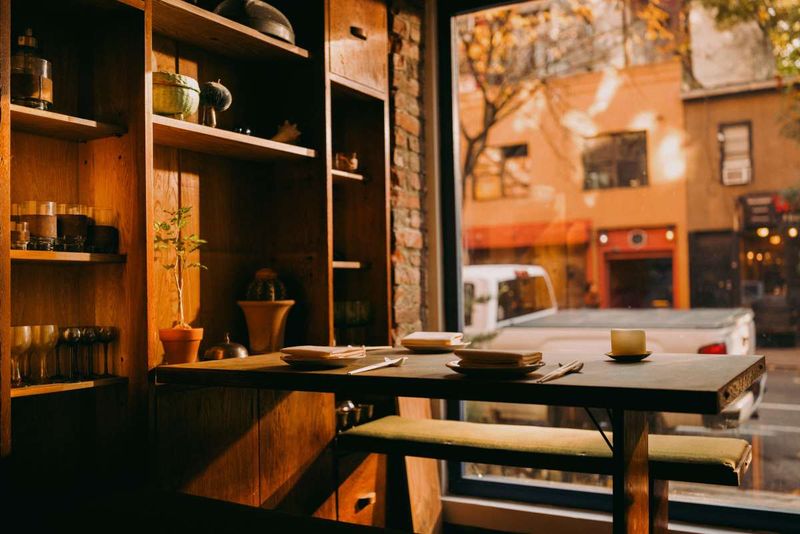
A calm cafe lets you settle in with tea, a light meal, and easy conversation. Natural light and soft music make time glide.
Staff check in gently without hovering at your elbow.
Menus are readable and balanced, with soups, salads, and a few warm plates. You can customize dressing or bread without a fuss.
Good lighting helps with sketches, reading, or catching up on messages.
It is the kind of place where you lose track of time in a good way. You finish feeling refreshed, not overstimulated.
That subtle comfort brings you back again and again.
18. Early-bird friendly restaurants
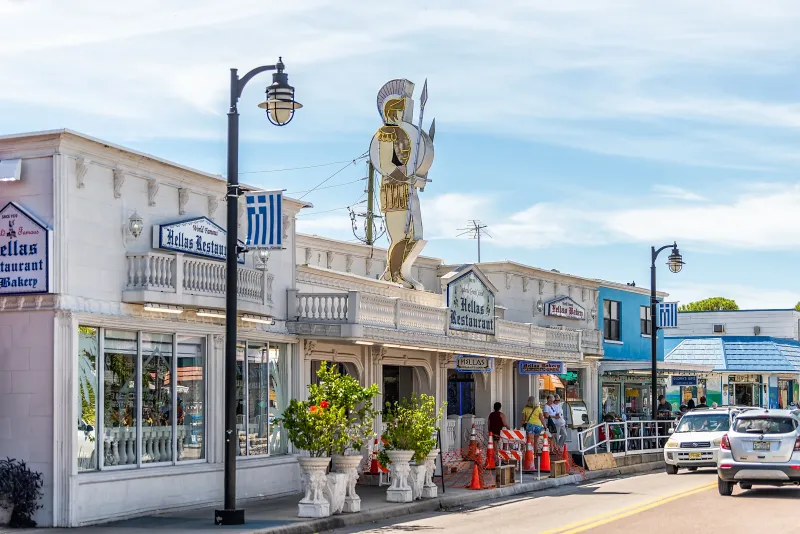
Early hours mean quieter rooms, attentive service, and shorter waits. You get fresh food without the rush of peak crowds.
Specials often make dinner a better value without cutting quality.
Servers have time to answer questions and adjust pace. You can dine at a comfortable speed and still be home before dark.
It fits neatly with appointments and evening routines.
The mood is relaxed and neighborly. You can hear every word at the table and enjoy dessert without glancing at the clock.
It feels like the restaurant was designed just for you.
19. Italian-American comfort spots
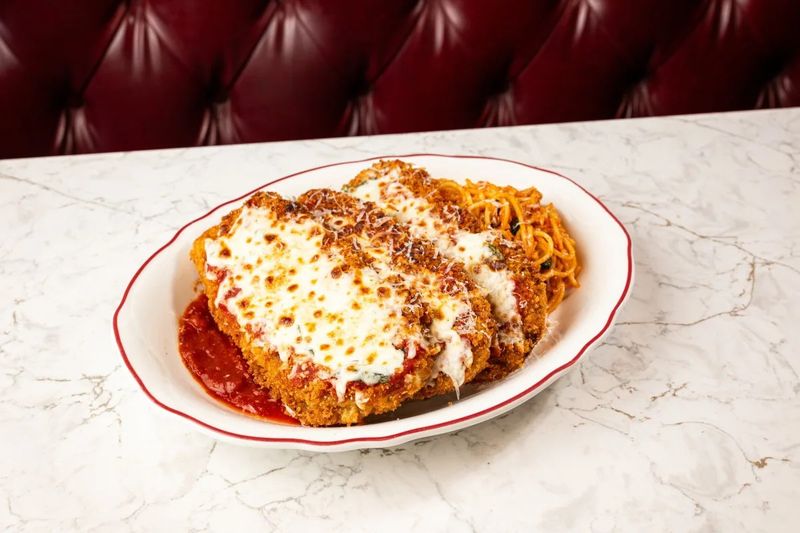
Italian-American menus offer comfort and clarity. Pasta, soup, salad, and grilled fish or chicken feel familiar and satisfying.
Leftovers reheat well, turning one meal into two with no fuss.
Service tends to be warm and steady. You can split a dish or take half home without side-eye.
Portions are generous, sauces balanced, and sides predictable in the best way.
The atmosphere invites conversation over a slow, shared pace. Bread baskets, olive oil, and a simple dessert end things gently.
It is easy to feel cared for from start to finish.
20. Seafood restaurants with straightforward prep
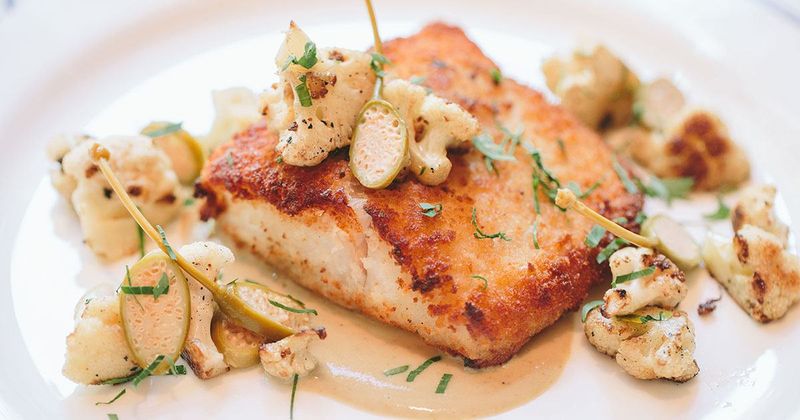
Clean, simple seafood shines when grilled, baked, or broiled with clear sides. You know what you are getting without surprise sauces.
That makes it easier to manage preferences and sensitivities.
Menus often list fish plainly with lemon, herbs, and vegetables. You can choose lighter preparations and still feel satisfied.
Staff can explain sourcing and help with portion sizes.
The calm, coastal vibe usually matches the food. You enjoy clear flavors and leave comfortable, not weighed down.
Freshness and simplicity make it an easy yes for many diners.
21. Steakhouses with classic predictable menus
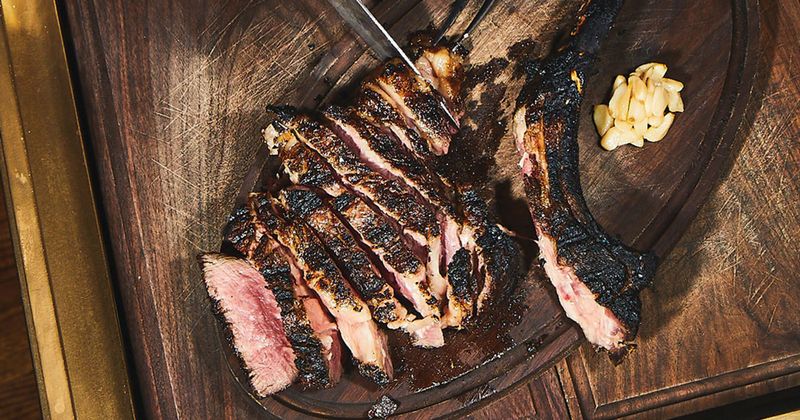
A reliable steakhouse delivers exactly what it promises: a good cut, a potato, a vegetable, and straightforward sides. You choose your doneness and know what will arrive.
No decoding required.
Service is attentive without being theatrical. Chairs are sturdy, lighting is steady, and noise stays manageable.
You can add a soup or salad and pace the meal your way.
Leftovers travel well for a second round at home. The whole experience feels grounded and respectful.
Predictability can be a real luxury when you just want dinner done right.
22. Neighborhood restaurants with familiar staff
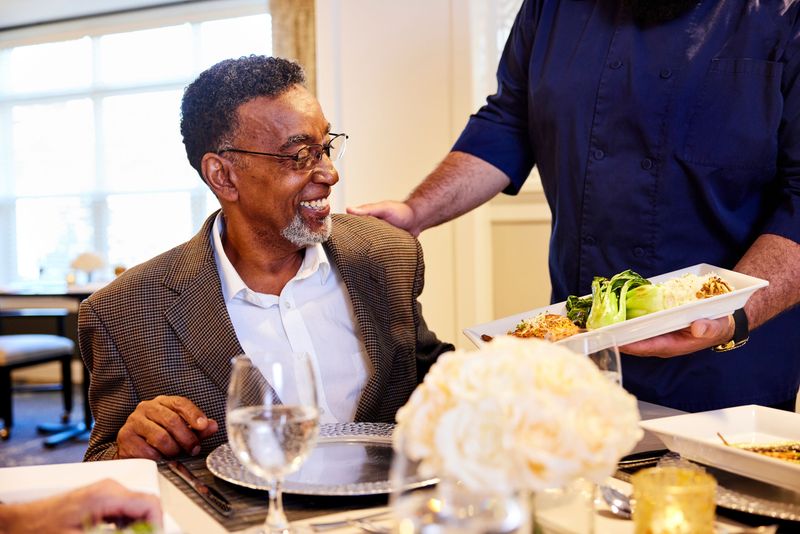
Being recognized changes the mood instantly. When staff remember your favorite tea or how you like your soup, you feel seen.
That trust softens every part of the meal.
Neighborhood spots pace service to your table, not the clock. You get honest recommendations and help with small adjustments.
The room often stays quieter and more considerate than trendier places.
Consistency brings you back, week after week. It feels like eating with friends, not performing as a customer.
Good food plus familiar faces equals a perfect dining rhythm.