
15 Seasonal Winter Vegetables And Ways To Cook With Them
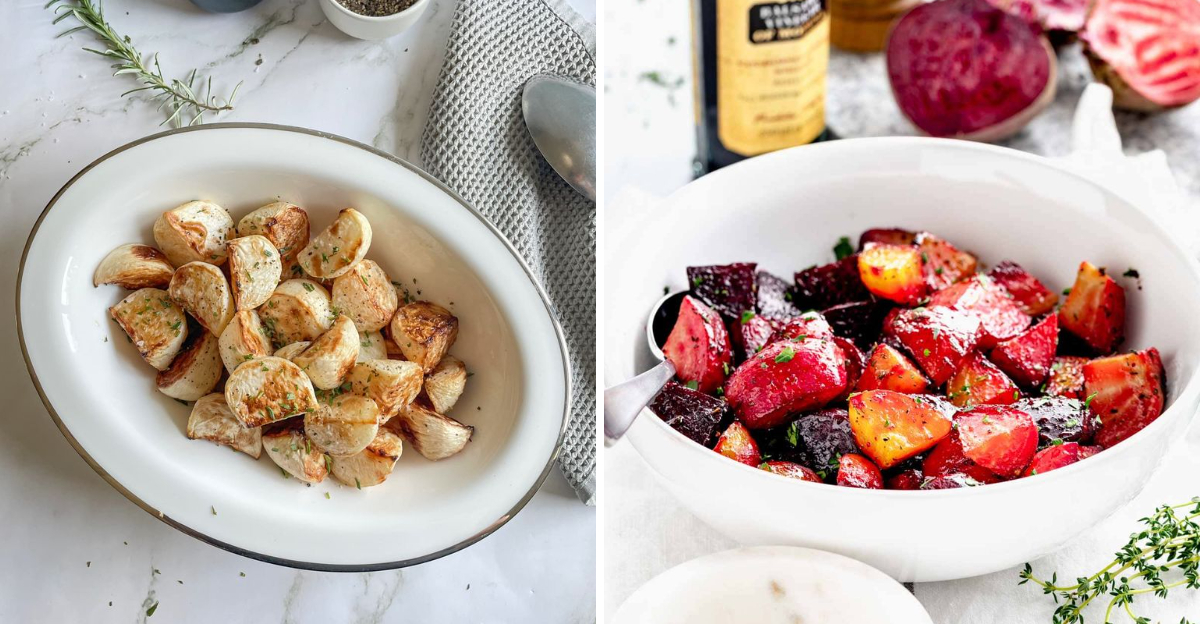
Winter cooking can feel endless, but the produce drawer is packed with fresh inspiration. Cold weather vegetables turn sweet, nutty, and deeply satisfying when you treat them right.
From sizzling sheet pans to cozy soups, these simple techniques make weeknights easy and weekends special. Grab a few of these staples and you will eat well all season long.
1. Brussels sprouts

Roast Brussels sprouts hard and hot until the edges lace with crisp caramelization. Toss with olive oil, salt, and a splash of vinegar, then add sliced sausage on the same sheet pan for an easy dinner.
For speed, halve or quarter the sprouts so they brown before steaming.
Prefer them tender and light? Shred and sauté with garlic, finishing with lemon and Parmesan.
You can also fold them into a sheet pan medley with onions and potatoes. A mustard drizzle wakes everything up.
Save leftovers for grain bowls or chop into a warm slaw with apples.
2. Cabbage
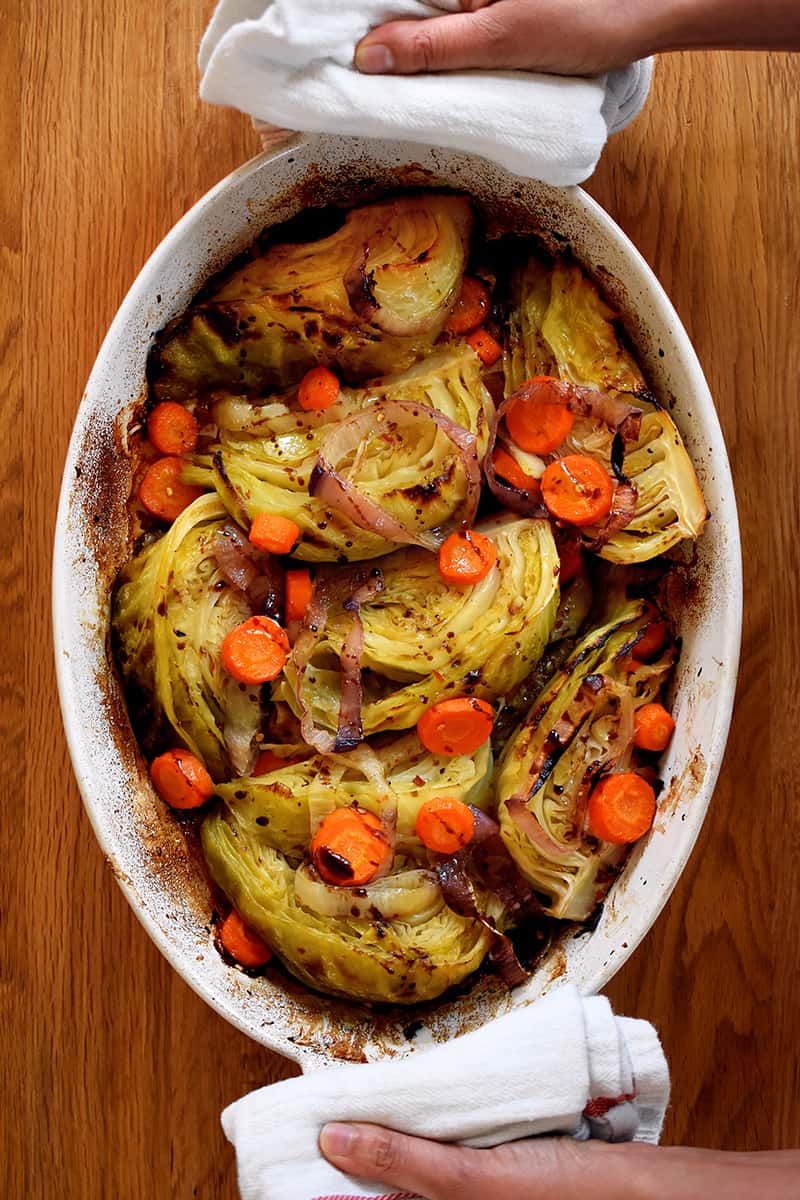
Cabbage turns silky and sweet when braised with butter and broth. Nestle wedges into a skillet, season generously, and let them simmer until spoon tender.
A splash of cider vinegar or lemon balances the richness. For a quick option, stir fry thin shreds over high heat for a crunchy, sweet bite.
It also excels in soups and stews, adding body without heaviness. Add caraway or smoked paprika for cozy depth.
Leftovers reheat beautifully and pair with sausage, beans, or noodles. If you love texture, char the edges first, then braise.
The contrast makes every forkful pop.
3. Cauliflower
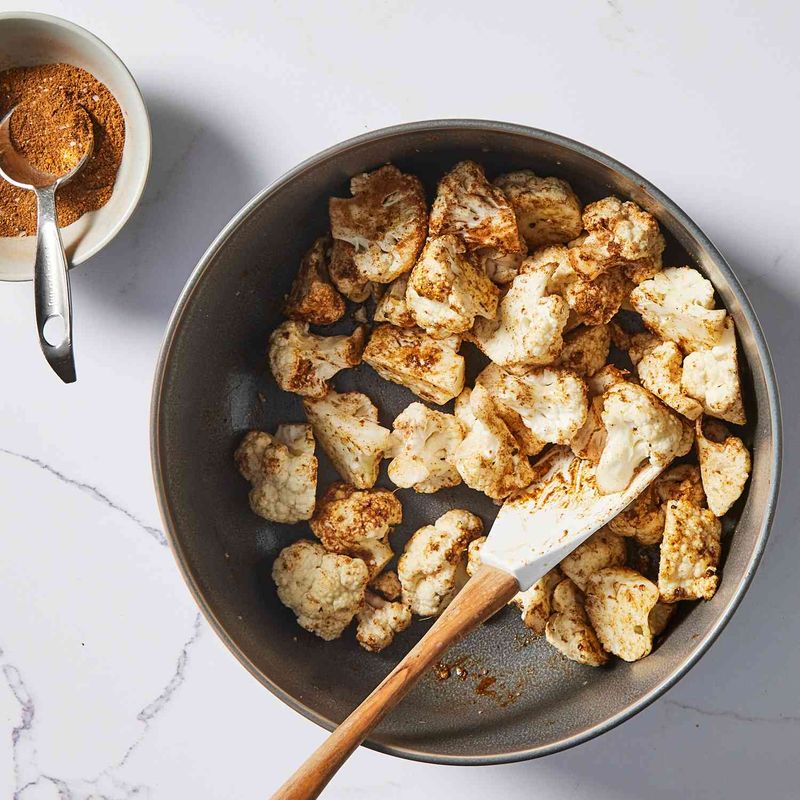
Roast cauliflower with spices until the tips toast and the centers turn buttery. Turmeric, cumin, and coriander make it shine, or keep it simple with garlic and olive oil.
For comfort, steam florets and mash with butter and roasted garlic for a lighter take on potatoes.
Craving soup? Simmer cauliflower in broth with onion and thyme, then blend until creamy and velvety.
A drizzle of olive oil or crunchy croutons finishes the bowl. Save a few roasted florets for garnish.
Cauliflower happily carries bold flavors, so do not be shy with spice.
4. Broccoli
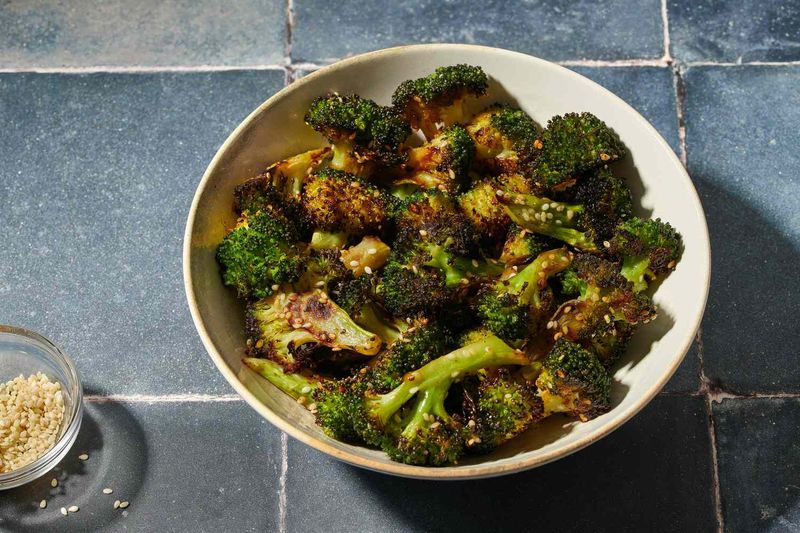
Broccoli loves high heat. Roast with olive oil, garlic, and lemon until the florets char slightly and the stems stay snappy.
A squeeze of lemon at the end brightens everything. For a weeknight stir fry, toss broccoli into a hot pan with soy, sesame oil, and ginger.
You can also bake it into a cozy, cheesy casserole with rice or orzo. The sauce clings to every bud.
Do not forget the breadcrumb topping for crunch. Leftover roasted broccoli becomes an easy lunch tossed with chickpeas, feta, and herbs.
It never sits long.
5. Carrots
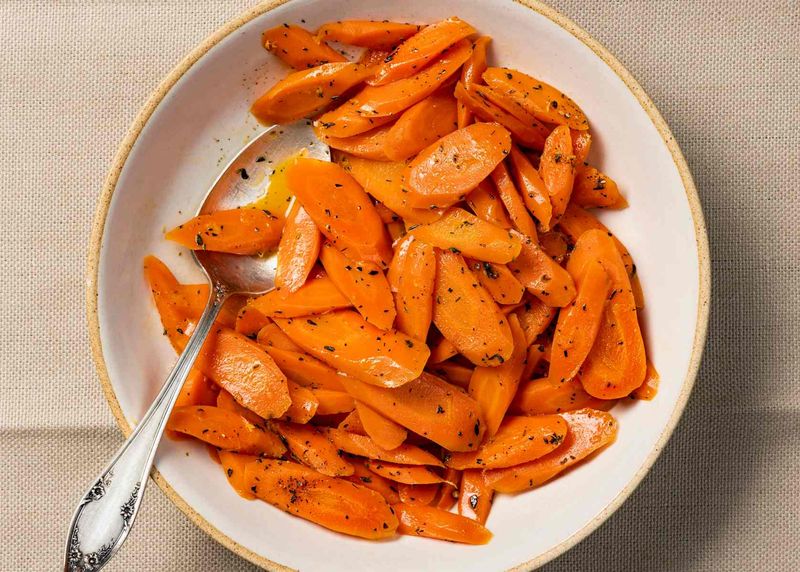
Carrots turn candy sweet in the oven. Toss with honey, thyme, and a little olive oil, then roast until blistered at the edges.
A final brush of butter makes them shine. For soup, simmer carrots with onion and ginger, blend smooth, and swirl in yogurt or coconut milk.
On the stovetop, glaze coins in butter and a splash of broth until the liquid reduces to a glossy sauce. They pair beautifully with citrus zest and toasted seeds.
Save leftovers for grain bowls or chop into salads. Their sweetness balances spicy mains, adding welcome color and comfort.
6. Parsnips
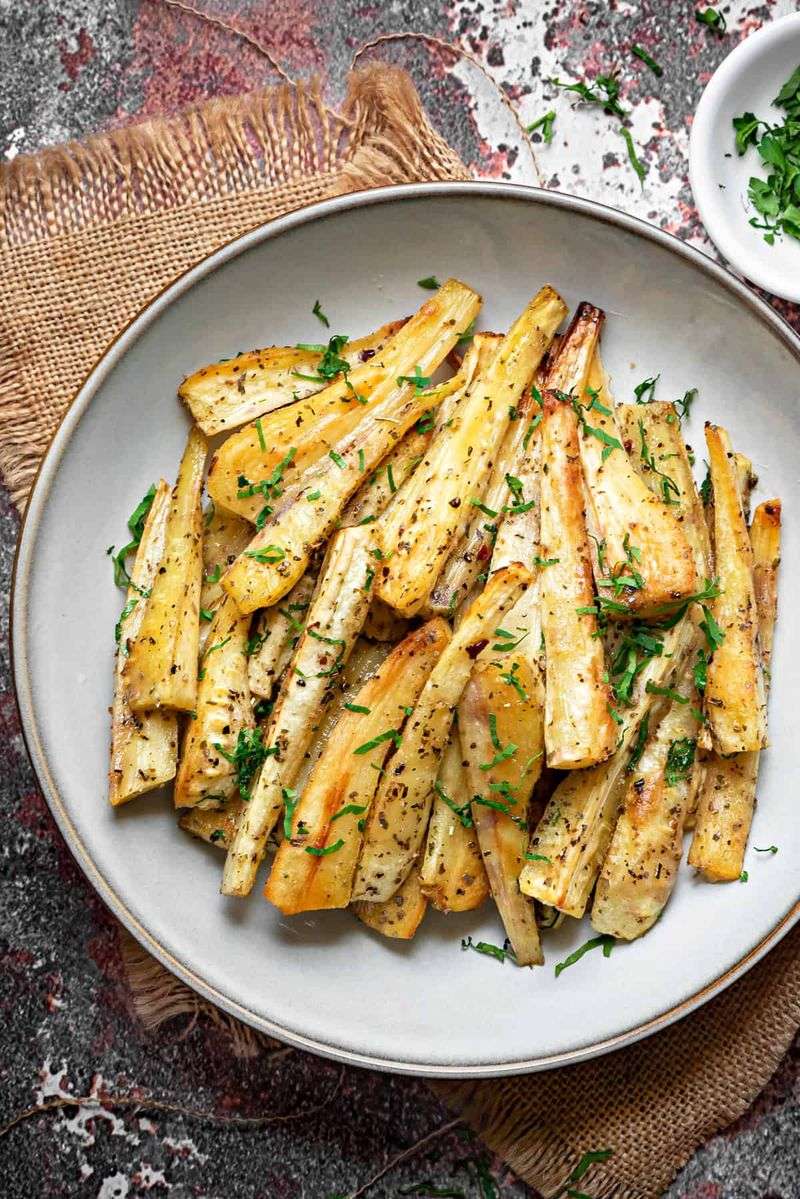
Parsnips roast into caramelized, nutty spears that taste like candy with attitude. Toss with oil, salt, and pepper, then let the oven do the work.
Split thicker pieces to keep cooking even. For a mash, combine equal parts parsnips and potatoes with butter and cream for earthy sweetness.
They also blend into soups beautifully. Sauté with onion, simmer in broth, then puree for a velvety bowl that hints of vanilla and hazelnut.
A sprinkle of toasted nuts or crispy pancetta adds contrast. Leftovers rewarm well and make an elegant side for roasted chicken or salmon.
7. Turnips
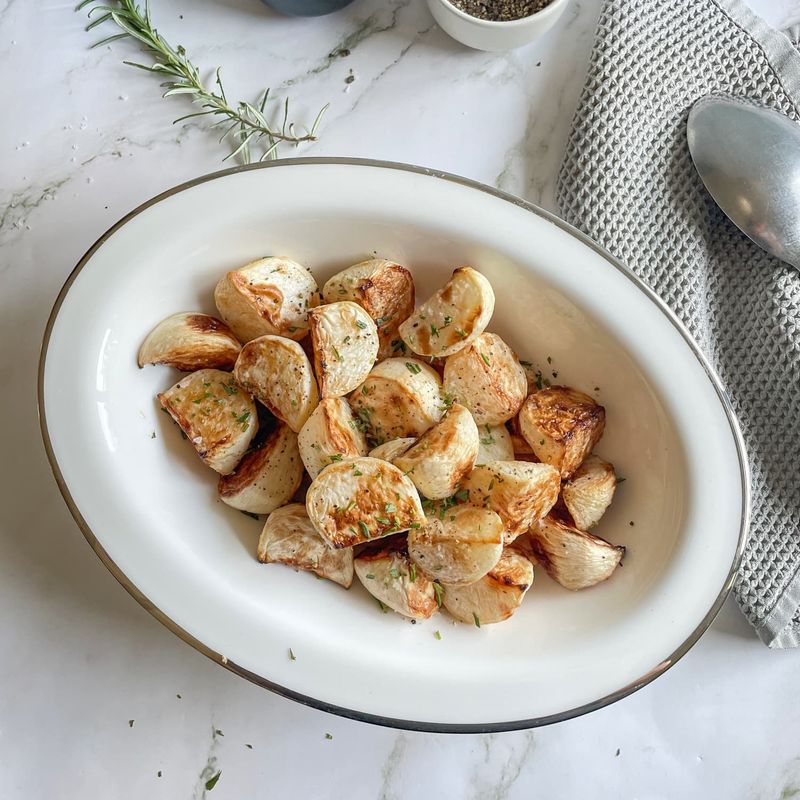
Turnips are underrated and versatile. Roast them like potatoes until browned and tender, finishing with herbs and lemon.
Younger turnips stay sweeter, while larger ones lean earthy. For a cozy mash, steam and puree with butter, a touch of cream, and plenty of salt to balance their bite.
They shine in stews, soaking up savory broth while holding shape. Pair with beef, chicken, or beans.
If bitterness worries you, peel thoroughly and roast hotter. A maple drizzle works wonders.
Save the greens if attached, sautéing with garlic for a bonus side that feels delightfully thrifty.
8. Rutabaga

Rutabaga brings gentle sweetness and a buttery texture when roasted. Cube it, toss with oil and salt, and let the edges caramelize.
A touch of smoked paprika adds warmth. For a mash, cook until tender and blend with butter for a potato alternative that tastes rich but light.
It is also great in hearty soups. Rutabaga adds body without turning mealy, holding pleasant bite.
Pair with thyme, sage, or dill. If peeling feels tough, trim the waxed skin with a sharp knife.
Leftovers crisp nicely in a skillet for breakfast hash with eggs.
9. Sweet potatoes

Sweet potatoes shine in countless ways. Roast wedges until caramelized, then dust with chili powder and lime for contrast.
Bake whole until squishy, crack open, and stuff with black beans, avocado, and yogurt. For a silky mash, add butter and either cinnamon or chili for sweet heat.
They play beautifully with savory toppings like tahini, feta, or herby chimichurri. Leftover cubes tuck into salads and tacos.
If you want crisp edges, preheat the pan and do not crowd. Their natural sugars brown quickly, rewarding patience with deep flavor and a gorgeous amber glow.
10. Winter squash (butternut, acorn, kabocha)

Winter squash loves the oven. Roast halves cut side down until tender, then scoop into buttery mash or ravioli filling.
For soup, simmer with onions and broth, then blend until silky. A swirl of cream or coconut milk adds luxury.
For salads and bowls, cube and roast until edges caramelize.
Each variety offers personality. Butternut is sweet and smooth, acorn is tender and mildly nutty, and kabocha is dense and rich.
Spice with curry, cinnamon, or smoked paprika. Toasted seeds add crunch.
Leftovers become tacos, risotto, or breakfast hash. You will look forward to them.
11. Potatoes

Potatoes are the winter MVP. Roast chunks until shattering crisp, using hot oil and plenty of salt.
Parboil first for extra crunch. For mashed, steam or boil, then whip with butter and warm milk until billowy.
A touch of garlic or sour cream takes them over the top.
Bake and load with cheddar, bacon, and chives for pure comfort. Potatoes also simmer into chowders and stews, lending body and mild sweetness.
Save leftovers for breakfast hash. If crisping, avoid crowding the pan.
Their golden edges and creamy centers make every bite feel like a hug.
12. Leeks

Leeks bring gentle onion sweetness without the bite. Slice, rinse thoroughly, and sauté in butter until soft and fragrant, then add to soups or creamy pasta.
Roasted whole or halved, they turn silky with charred edges. A drizzle of vinaigrette and herbs makes them a simple side.
For classic comfort, simmer with potatoes and broth, then blend into a velvety soup. Use leeks anywhere you would add onions when you want softer flavor.
Save the dark greens for stock. Their mellow taste anchors rich dishes, letting your main ingredients still sing clearly.
13. Onions
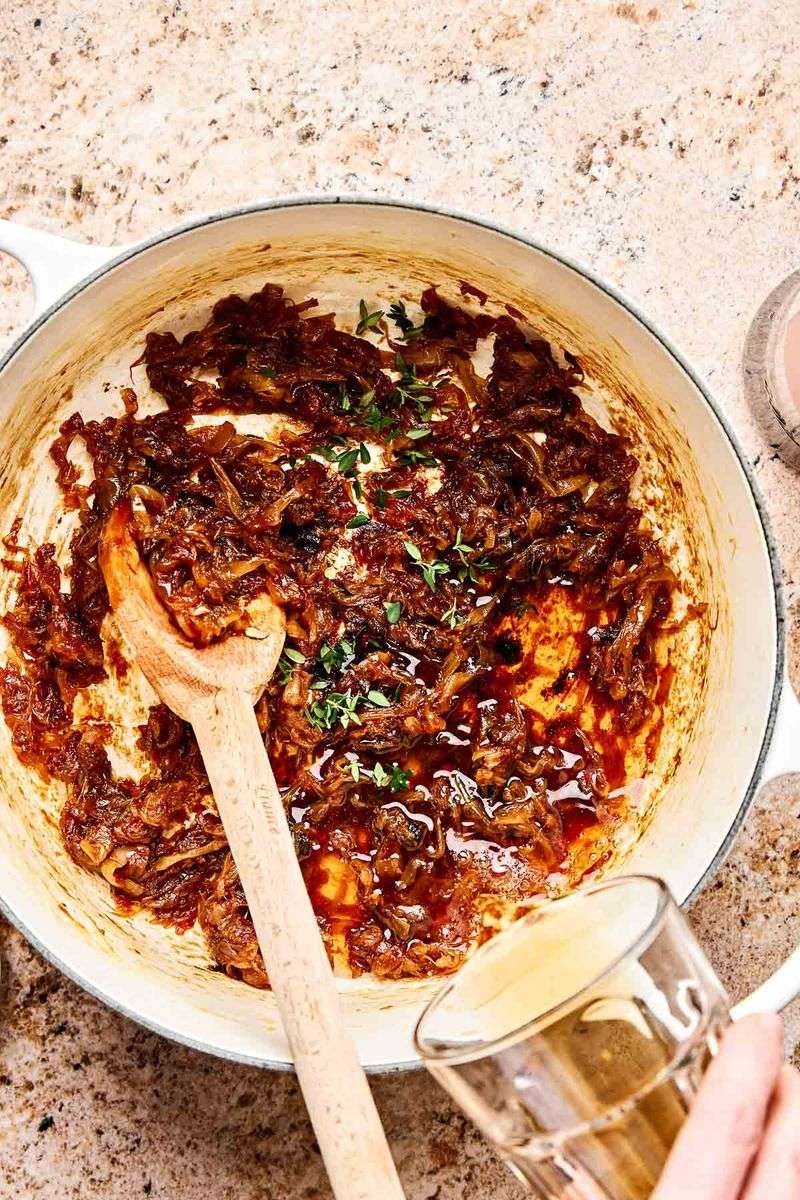
Onions are the backbone of winter flavor. Slowly caramelize in butter or oil until deep brown and jammy, then spoon over pasta, burgers, or grilled cheese.
Roast wedges alongside meats for sweetness and char. They also build soup and stew bases that taste richer than their simple ingredients suggest.
For French onion soup, take time with the browning, then deglaze and simmer in broth. Top with toasted bread and melty cheese.
Store extra caramelized onions in the fridge for instant weeknight magic. A little patience pays dividends, delivering a powerful, cozy depth to everything.
14. Beets
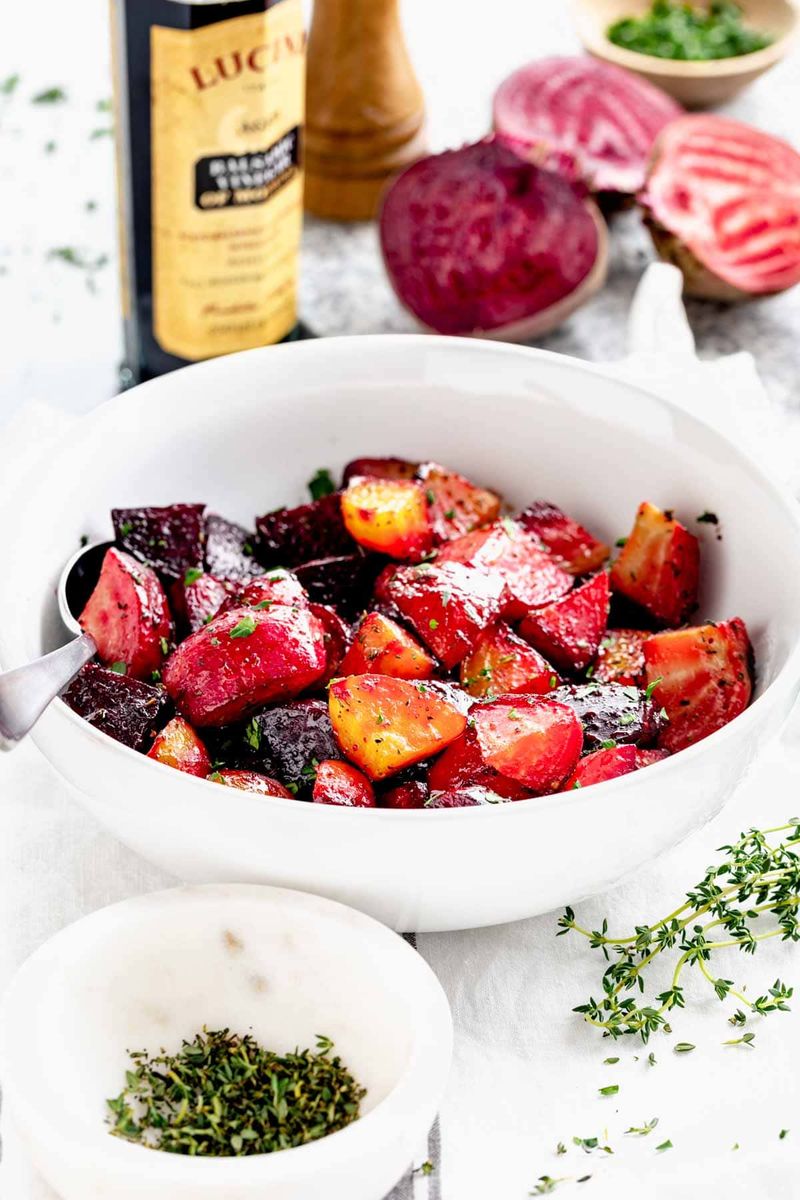
Beets are earthy, sweet, and beautiful. Wrap in foil and roast until tender, then rub off skins and slice.
A citrusy vinaigrette brightens their sweetness. Shred raw beets into salads with apples and walnuts for crunch and color.
They also pickle easily, turning into a tangy, long lasting side.
For a warm dish, toss roasted beets with goat cheese and herbs. Save the greens and sauté with garlic.
Wear gloves if stains worry you. Their jewel tones make winter plates sparkle, and their flavor stands up to bold cheeses, toasted nuts, and peppery greens effortlessly.
15. Kale (and other hardy greens)
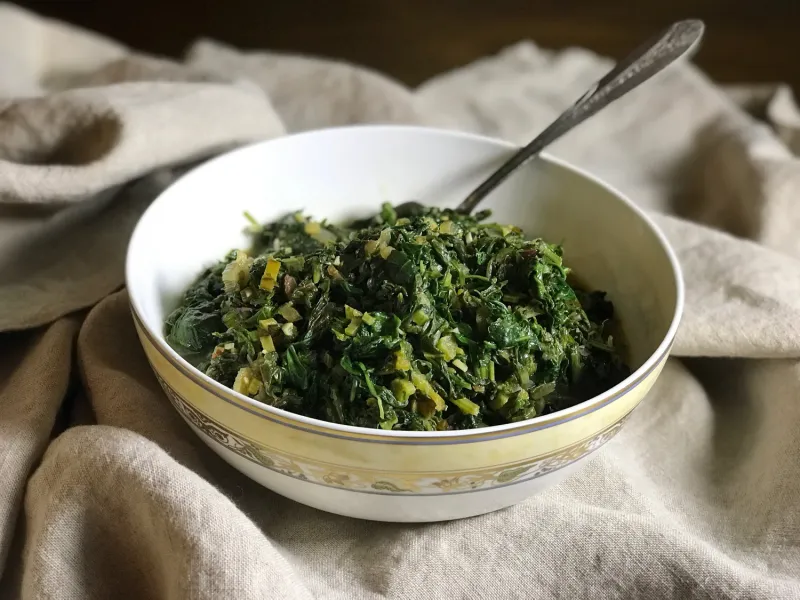
Kale thrives in winter. Sauté with garlic and olive oil until tender but still bright, then finish with lemon.
It slips into soups, especially with beans and sausage, bringing texture and nutrients. For snacks, bake kale chips until crisp, seasoning with salt and chili for a satisfying crunch.
Other hardy greens like collards and chard cook similarly. Blanch tougher stems first for even tenderness.
A drizzle of tahini or a sprinkle of Parmesan makes greens feel special. Leftovers fold into omelets or grain bowls.
Keep the heat lively and avoid overcooking to preserve color.