15 Things To Know About New Orleans Muffulettas
If you have ever wondered why people plan trips around a sandwich, the New Orleans muffuletta is your answer. It is bold, briny, and built for sharing, with flavors that only get better as it rests.
You will learn the secrets behind the bread, the olive salad, and the press that makes it sing. By the end, you will know exactly how to spot a great one and enjoy it like a local.
1. The bread is the identity
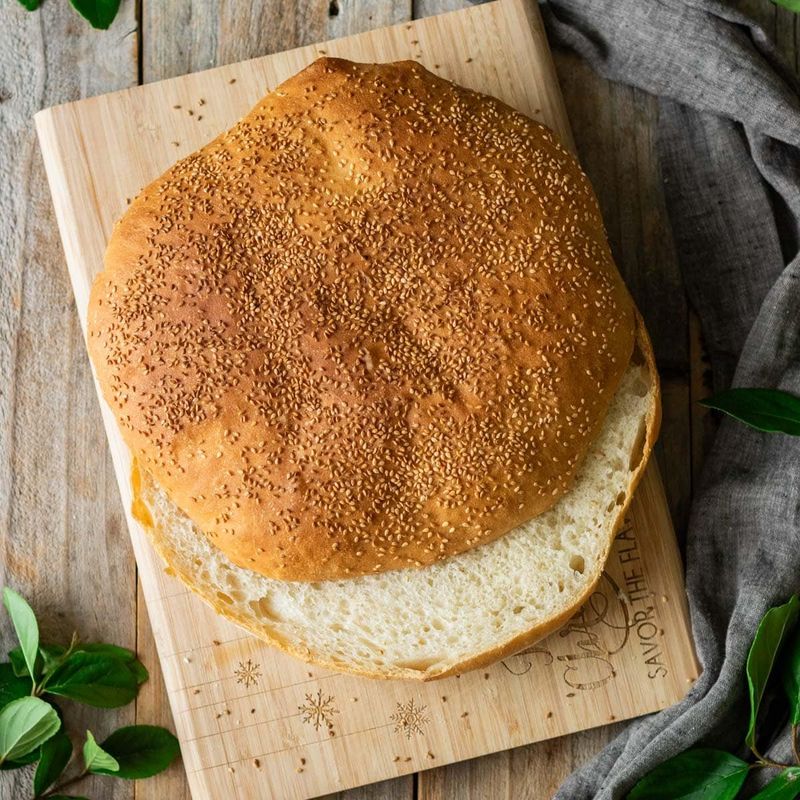
A real muffuletta starts with a big, round sesame loaf that feels substantial without being tough. It needs a tender crumb and a thin, resilient crust that welcomes olive oil instead of repelling it.
When you press the sandwich, the loaf should give slightly, not shatter.
You want structure that can shoulder layers of meat, cheese, and olive salad without turning soggy. Think supple, not squishy.
The bread is the identity, so shortcuts show up immediately in every bite.
2. The olive salad is nonnegotiable
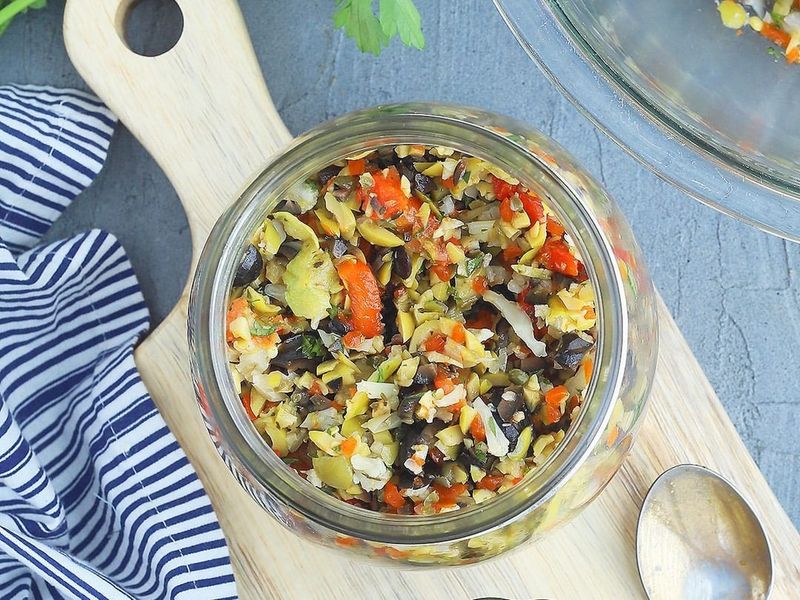
Without the olive salad, you are not eating a muffuletta. You are holding an Italian deli stack on a round roll.
The salad brings briny punch, herby perfume, and silky olive oil that seasons the bread as it rests.
It is a chopped mix of olives, pickled vegetables, garlic, and herbs suspended in good olive oil. Spread generously so every slice tastes alive.
Leave it out and the soul disappears.
3. Pressing makes it better
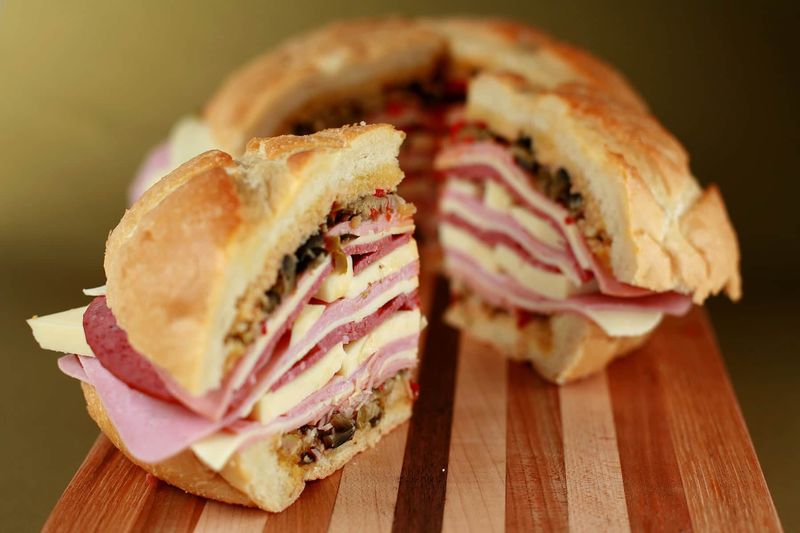
Pressing is not just a visual flex. It compresses the layers so each bite feels integrated, not slippery.
The olive oil seeps into the crumb, carrying herbs and brine where they belong.
A gentle press also helps the sandwich slice cleanly into wedges without shredding. Use a skillet, a sheet pan with cans, or wrap and weight it in the fridge.
The result is tidy, flavorful cohesion, not chaos.
4. Serve it in wedges
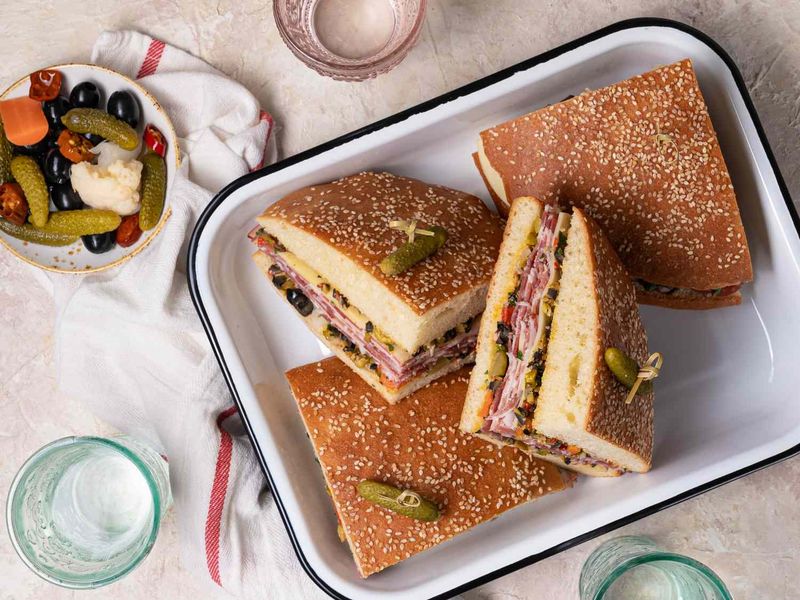
Eating a full muffuletta like a burger gets messy fast. Classic style is to cut the round into quarters or even eighths.
Wedges make the hearty stack shareable and easy to manage.
Pressing first helps the slices hold together. You get a neat cross section with balanced layers in every bite.
It is less wrestling, more savoring, and perfect for passing around a table.
5. Built for groups
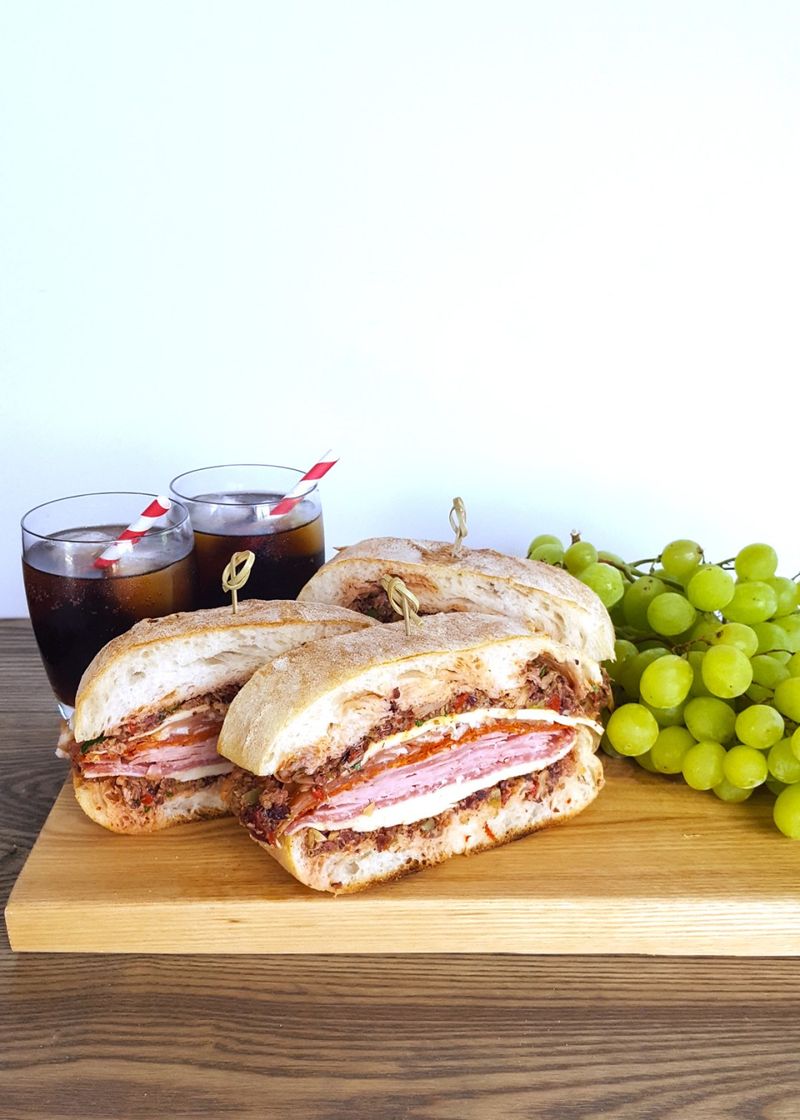
A full muffuletta is party food by design. That big round loaf turns into practical portions the moment you slice it.
Bring one to a picnic, tailgate, or road trip and watch it disappear.
The sandwich travels well, tastes great at room temp, and feeds several people without fuss. It is the ultimate shareable centerpiece that feels generous, festive, and unfancy in the best way.
6. Cured meats, not cooked
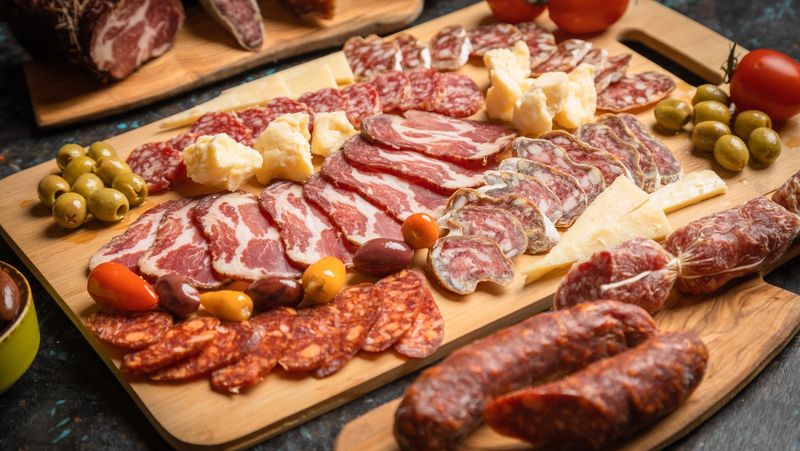
Traditional fillings lean on cured meats like salami and mortadella, sometimes capicola. You want savory, seasoned depth, not moisture-heavy roasted slices.
The salt and spice of cured meats play beautifully with the briny olive salad.
Layer them thin so the stack eats cleanly and stays balanced. Avoid watery meats that can sog out the bread.
Think flavor density over bulk, and let the olive oil tie everything together.
7. Provolone is the anchor
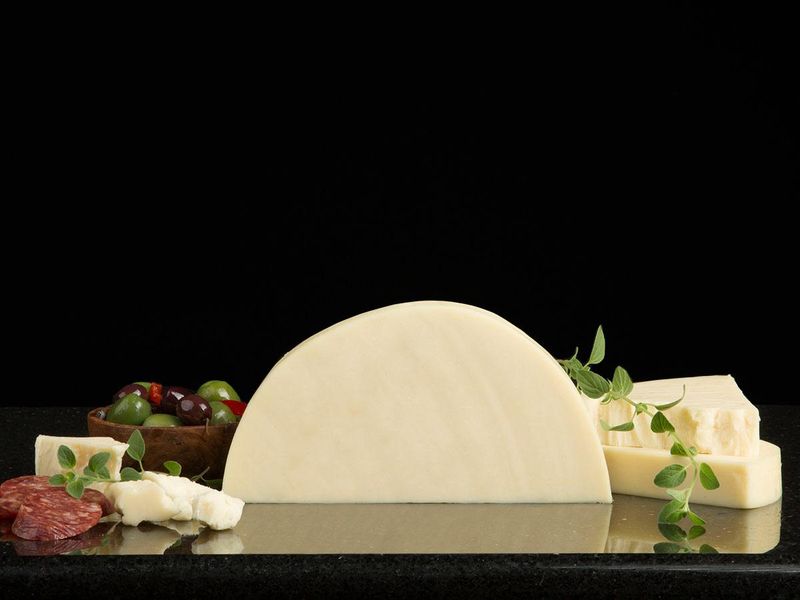
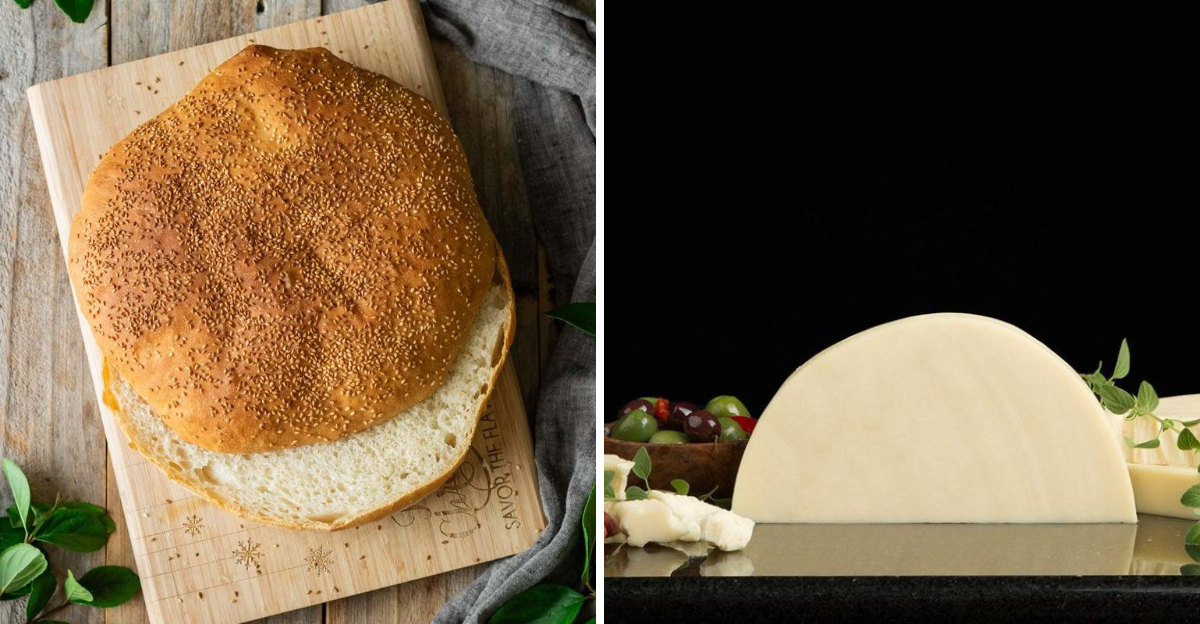
Provolone brings gentle sharpness and welcome sturdiness. It stands up to the olive salad without vanishing.
Some versions mix cheeses, but provolone remains the classic anchor because it melts slightly under pressure and keeps the stack coherent.
Choose a firm, not rubbery, slice and layer evenly across the bread. The cheese helps insulate the crumb from excess oil.
It is quiet support that you still taste.
8. Better after it rests
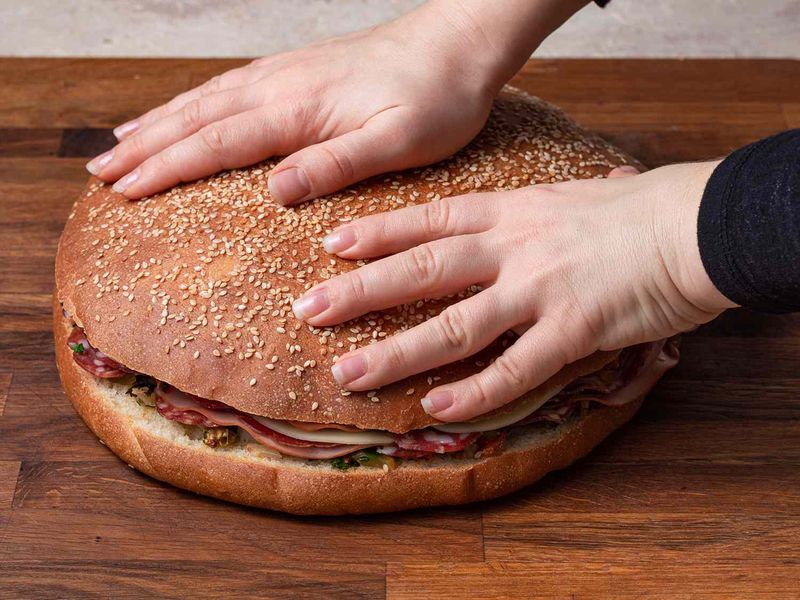
Time is a secret ingredient. Letting a muffuletta sit allows the olive oil and herbs to perfume the bread while flavors meld.
The edges soften just enough to feel luxurious.
Wrap it, press it, and give it at least thirty minutes, longer if you can. The sandwich becomes harmonious instead of layered noise.
Few foods reward patience like this one.
9. Room temperature is ideal

Heat is not required here. Many people prefer a muffuletta at room temp because the flavors stay bright and distinct.
Warmth can blur the lines and soften the bread too much.
Let it lose its chill after the rest. Then slice and serve.
You will taste the herbs, brine, meats, and cheese clearly, with bread that still has pleasant structure.
10. Italian-Sicilian roots in New Orleans
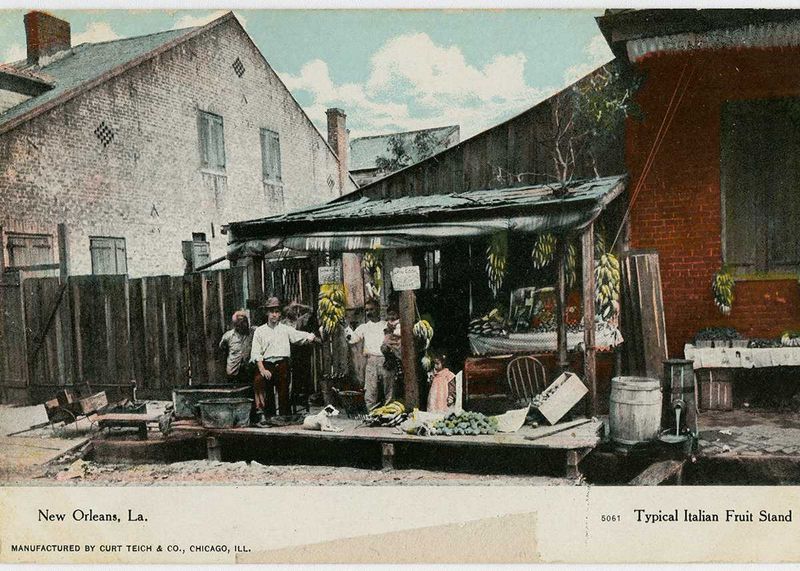
The muffuletta story runs through New Orleans Italian immigrant life, especially Sicilian traditions. The ingredients read like an Italian deli, yet the spirit is pure Crescent City.
That cultural blend explains the sandwich’s confidence and generosity.
You taste Sicily in the olives and herbs, and New Orleans in the swagger and scale. It is a love letter to immigrant ingenuity and local appetite, captured between sesame-sprinkled halves.
11. Chopped, not sliced salad
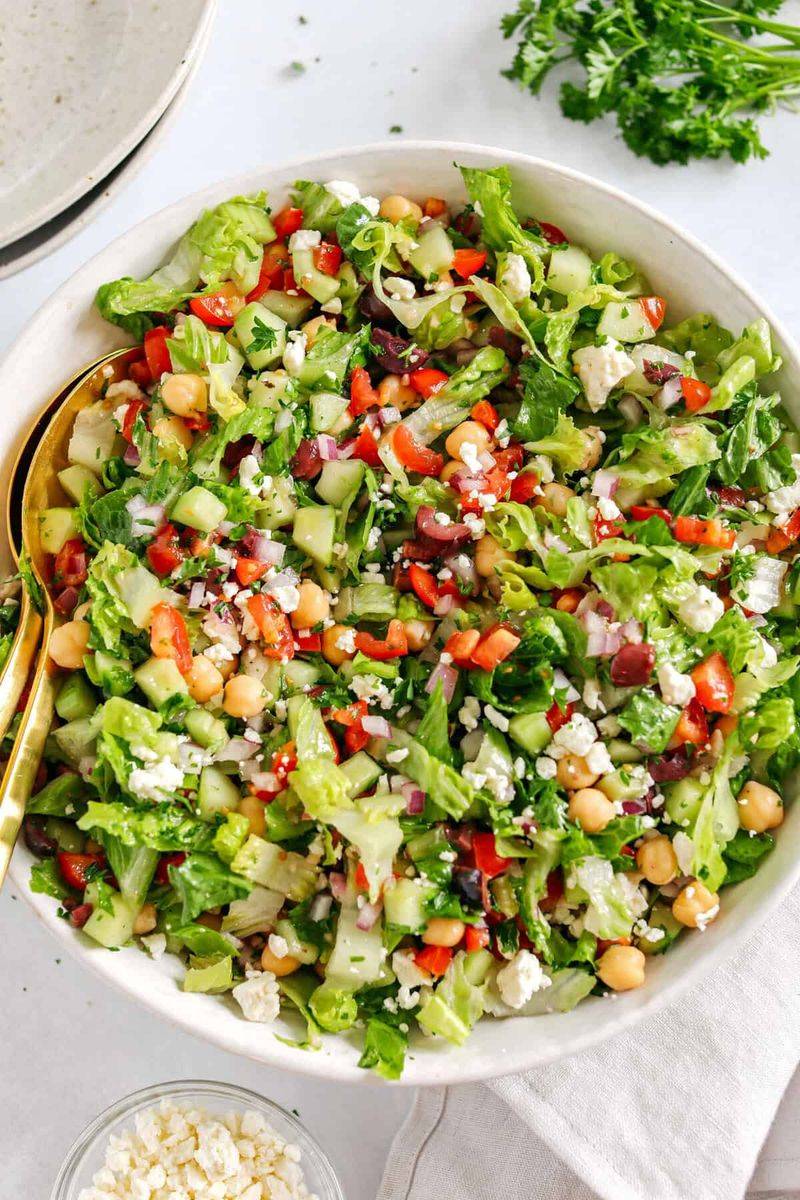
Chopping the olive salad fine matters more than people realize. Uniform pieces spread evenly so each bite carries brine, crunch, and herb.
Large chunks slide out and create gaps that taste flat.
Think confetti, not coins. A small dice also helps the oil distribute, seasoning the crumb without puddling.
It is tidy, flavorful engineering that pays off at the table.
12. Sturdy but not dry bread
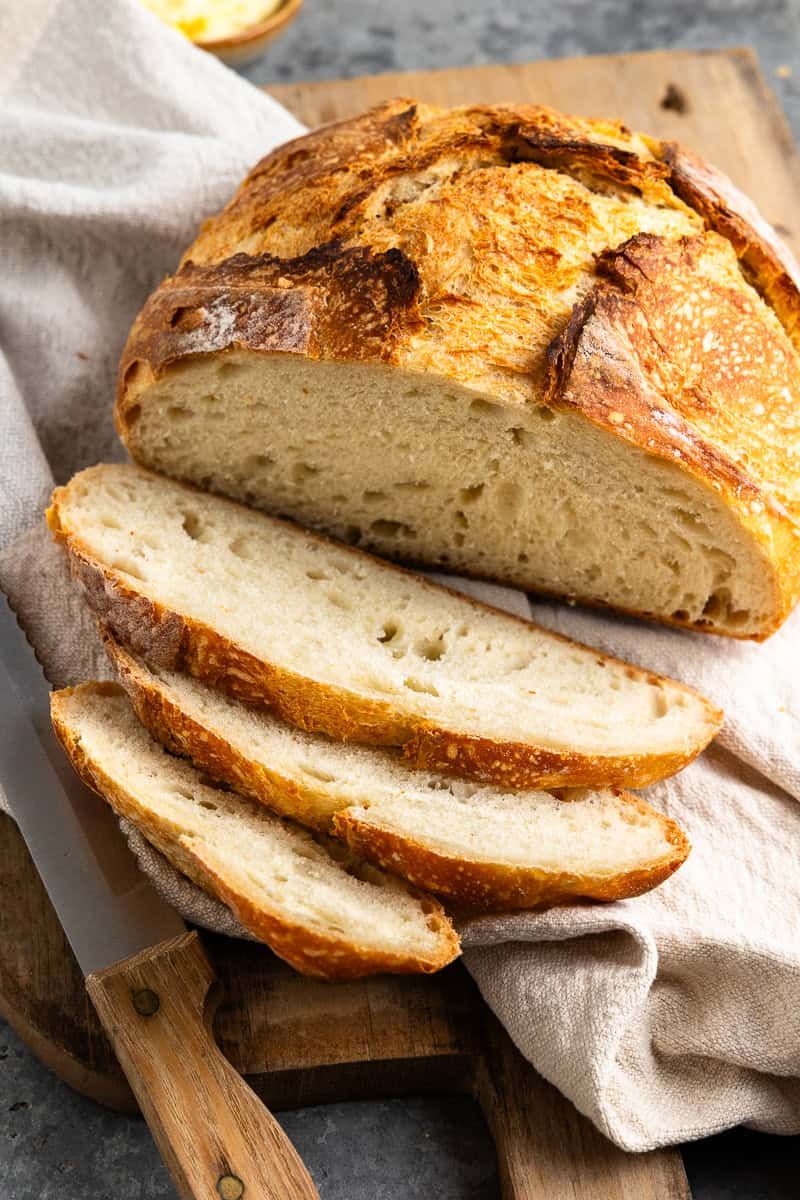
Get the texture right and everything else follows. Too crusty and you fight through each bite.
Too soft and the structure collapses under meat, cheese, and oil.
You want a thin, resilient crust and a moist, springy crumb. It should welcome pressure and absorb flavor without surrendering.
This balance is what lets the sandwich travel and slice cleanly.
13. Blame bread, not olive salad
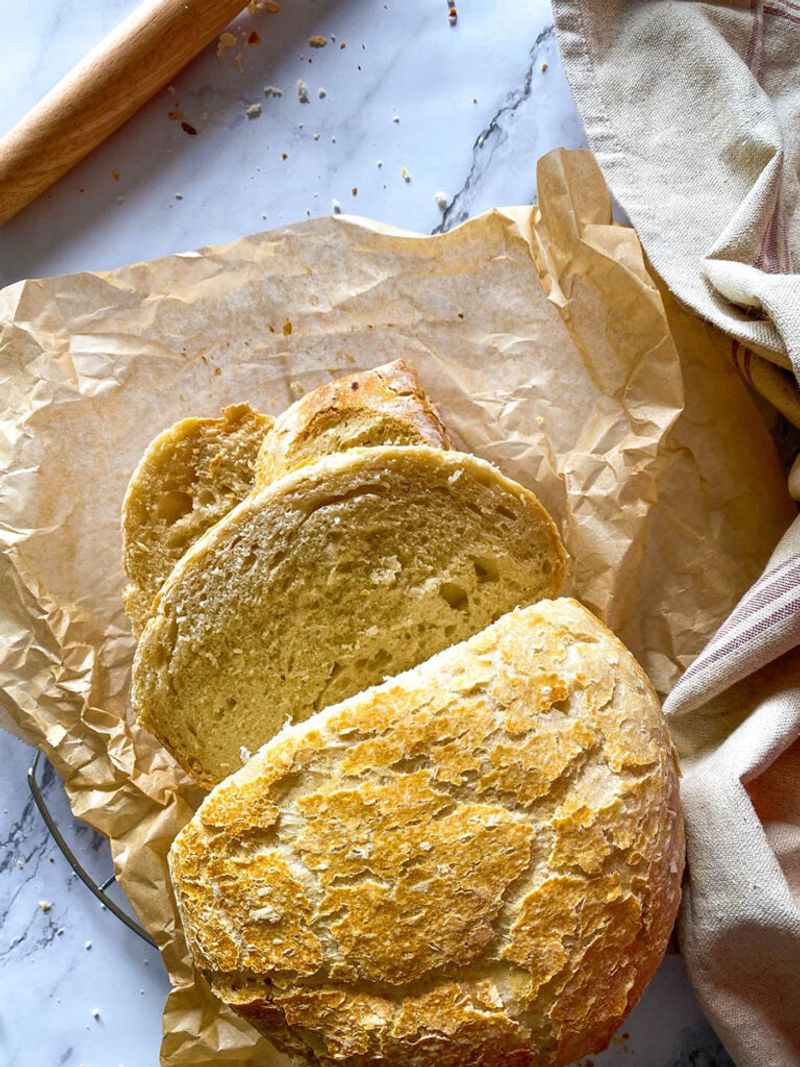
When a muffuletta turns soggy, the olive salad gets blamed unfairly. More often, the bread was wrong or the sandwich was not rested and pressed.
The salad should be generous and lively.
Fix the foundation and the oil becomes seasoning, not slosh. Choose better bread, press it, and give it time.
Suddenly, the olive salad tastes like the hero again.
14. Travel friendly legend

This sandwich was born for movement. It improves as it rests, slices neatly, and eats cleanly from a napkin.
That makes it a road trip staple and a picnic champion.
Wrap it tight, bring a knife, and serve in wedges wherever you land. The flavor holds steady without a heat source.
Few foods travel with this much confidence.
15. Balance over brute salt
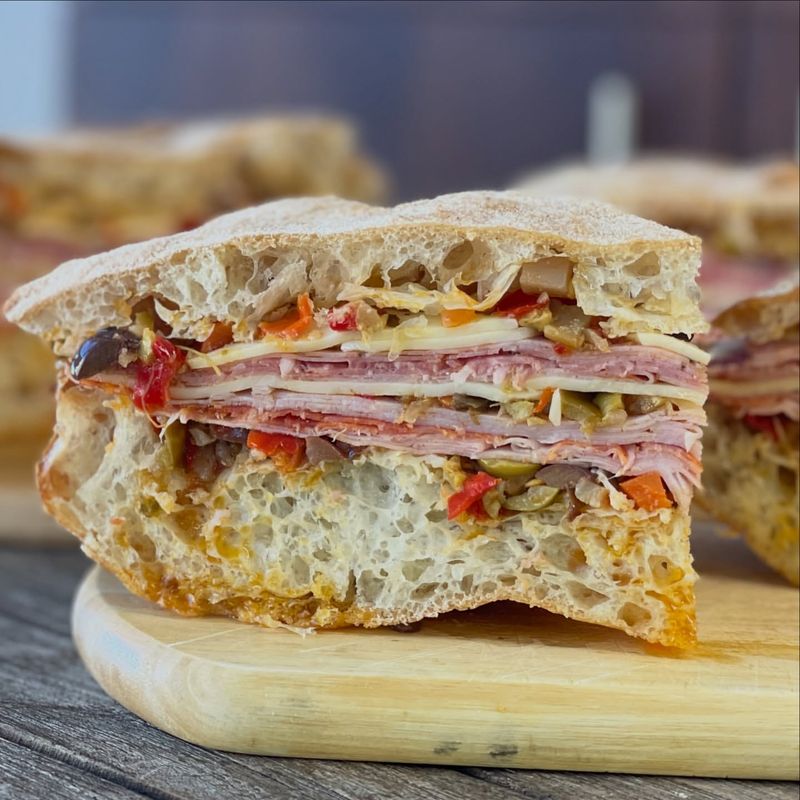
A great muffuletta is bold but balanced. Salty, briny, rich, herby, and still in harmony.
The bread and provolone act like moderators so the meats and olive salad never overwhelm.
Layer with intention, not just volume. Taste for salt and acidity, then adjust with extra oil or a little more salad.
When everything clicks, each bite feels complete and calm.