15 Unusual Cakes Many Grandparents Grew Up Eating
Some of the most memorable cakes from earlier generations sound a little odd at first, but that is exactly what makes them so fascinating. These were the kinds of practical, clever desserts that turned pantry staples into something worth gathering around the table for.
If you have ever wondered what grandparents considered a real treat, this list offers a delicious look back. You might even find a few surprising cakes that deserve a comeback in your own kitchen.
1. Tomato Soup Cake
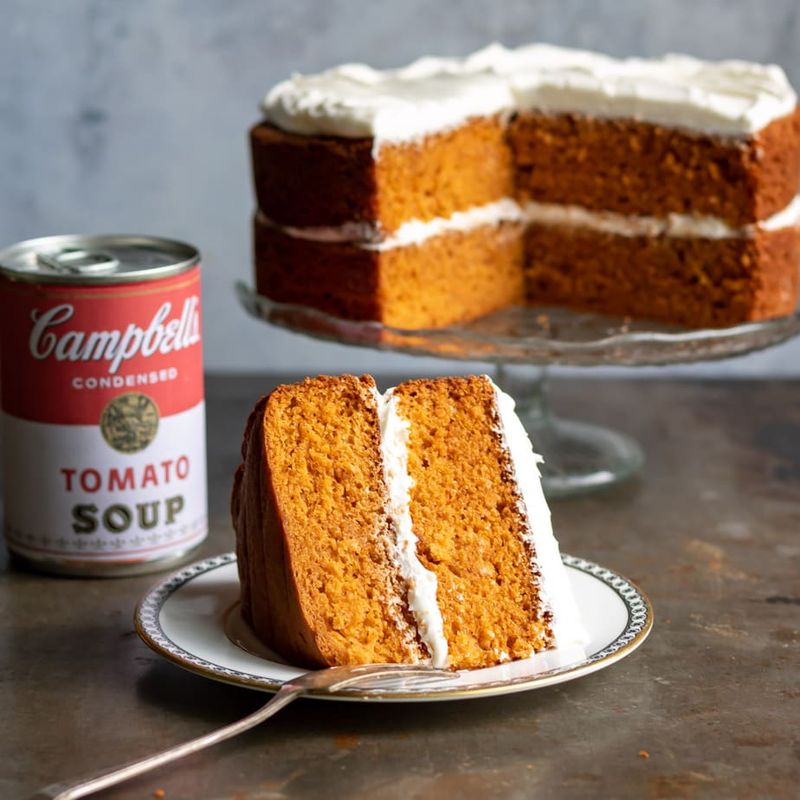
Tomato soup cake sounds like a prank until you taste a slice and realize how comforting it is. The condensed soup melts into the batter, adding moisture, gentle color, and a warm spice-friendly base.
You do not really taste tomato the way you expect.
Instead, it lands somewhere between spice cake and gingerbread, with a soft texture that stays tender for days. Many grandparents grew up seeing it as a smart pantry dessert, especially when fresh ingredients were limited.
Once a simple glaze or cream cheese frosting goes on top, it becomes one of those curious old recipes you suddenly understand and want again.
2. Vinegar Cake
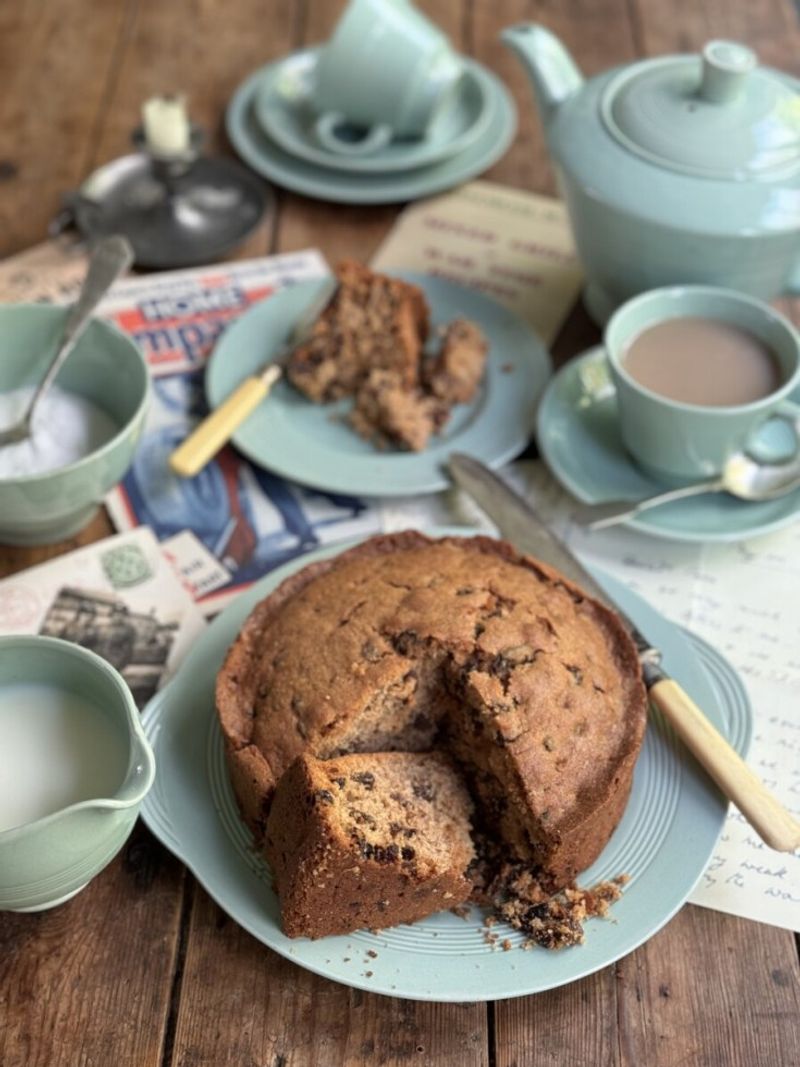
Vinegar cake is one of those humble recipes that proves clever baking can still feel special. A little vinegar reacts with baking soda to help the cake rise, creating a light, tender crumb without needing expensive ingredients.
You get a faint tang, but it never overpowers the sweetness.
That balance is exactly what makes it memorable, especially with warm spices or a dusting of sugar. Grandparents often knew it as a practical cake from leaner times, when every ingredient had to earn its place.
It may sound plain today, yet one bite shows why simple, resourceful desserts stayed beloved for generations.
3. Mayonnaise Cake
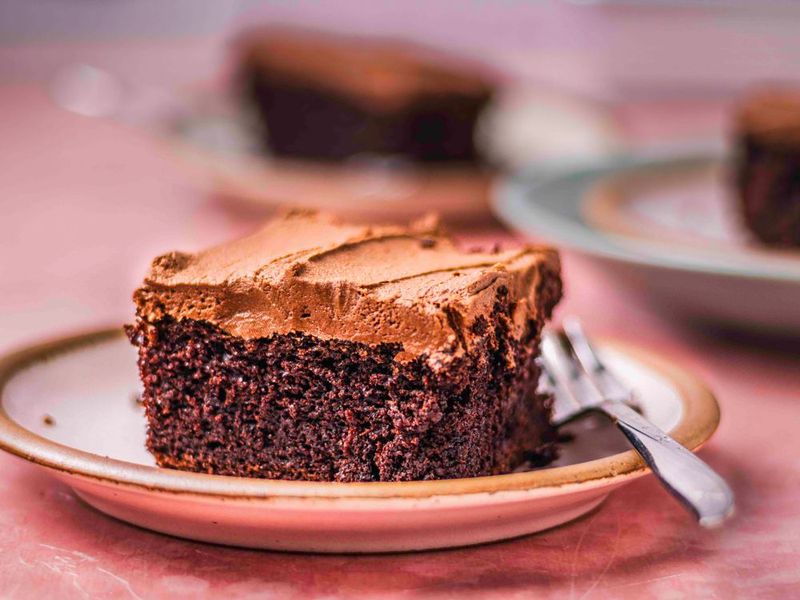
Mayonnaise cake has a name that still makes people pause, but the result is far more familiar than strange. Because mayonnaise contains eggs and oil, it slips into cake batter easily and creates a texture that stays soft and moist.
You would never guess the secret ingredient from the flavor alone.
It usually tastes like a dependable chocolate cake, just a little richer and more tender than expected. For many grandparents, it was a smart shortcut and a reliable bake for birthdays, church suppers, and everyday treats.
Once you know the trick, the whole recipe feels less weird and more like practical kitchen wisdom worth keeping.
4. Prune Cake
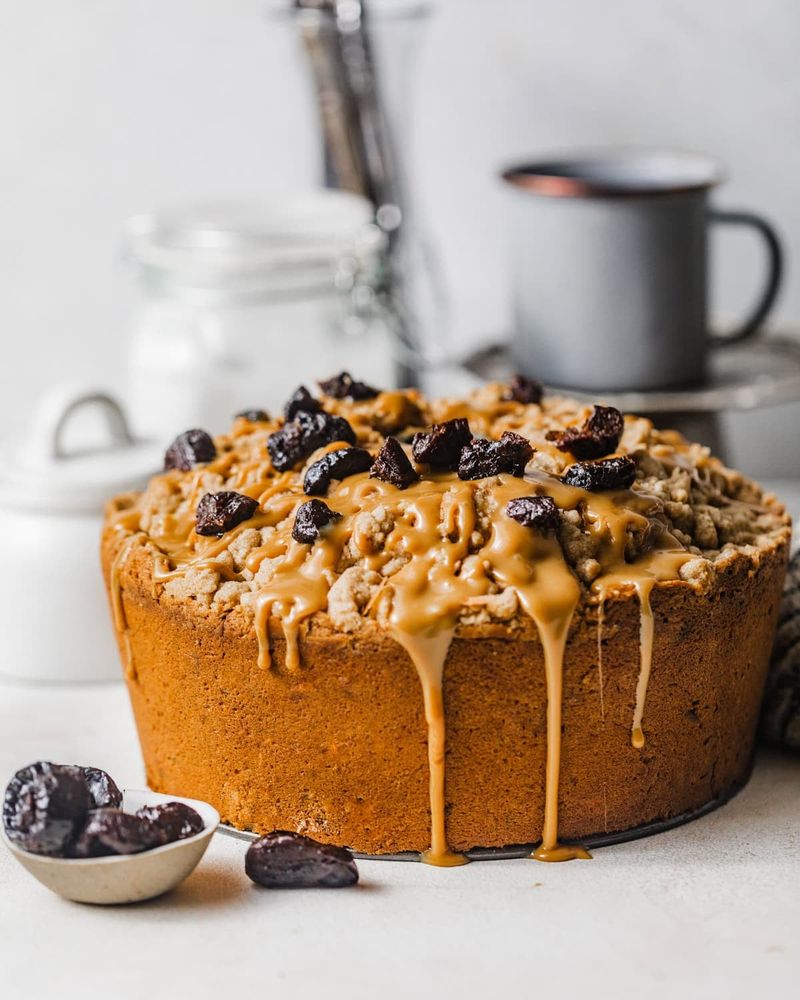
Prune cake carries the kind of old-fashioned charm that younger generations often overlook until they taste it. Prunes bring deep sweetness, moisture, and a dark richness that makes the cake feel almost caramel-like.
The texture is dense but soft, with a flavor that feels cozy rather than heavy.
Many versions were finished with a simple glaze, which gave the whole thing a polished, company-worthy look. Grandparents often remembered it as a practical dessert that still felt a little fancy on the table.
If you enjoy spice cake, date cake, or sticky toffee flavors, this one makes perfect sense and deserves more respect than it usually gets.
5. Applesauce Cake
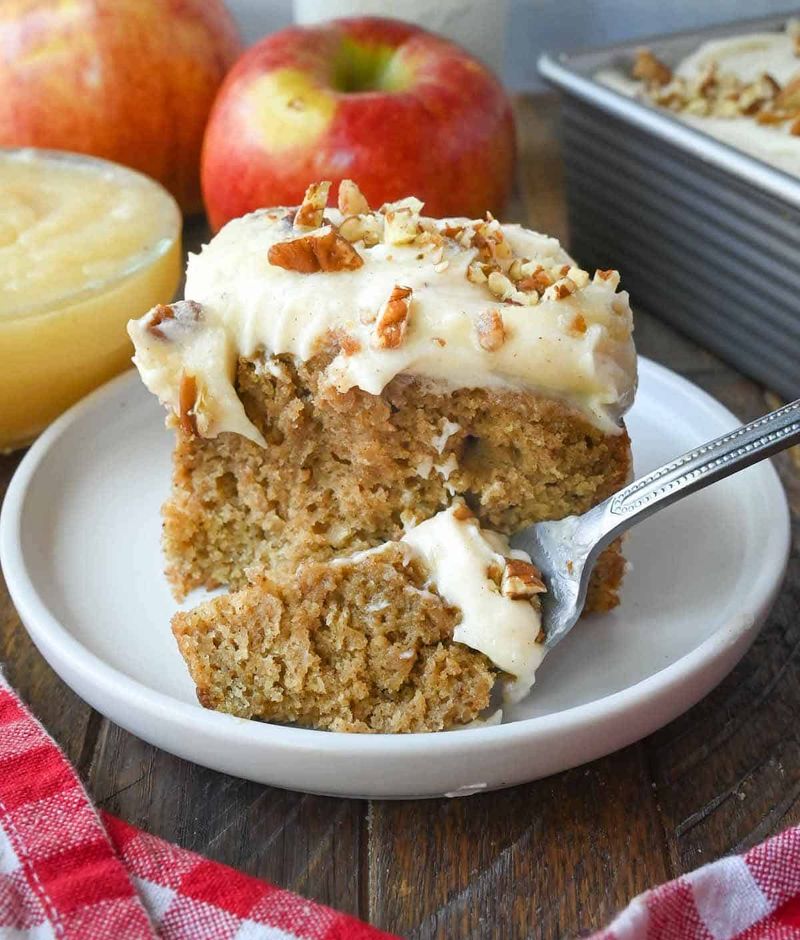
Applesauce cake was the kind of pantry dessert that made everyday ingredients feel especially generous. Applesauce added moisture, natural sweetness, and a mellow fruit flavor that worked beautifully with cinnamon, cloves, and nutmeg.
You get a soft, tender cake that tastes comforting from the very first bite.
Because applesauce kept well and was often already in the kitchen, this cake became a practical favorite in many homes. Grandparents knew it as reliable, economical, and easy to dress up with nuts, raisins, or a light frosting.
It is the sort of modest cake that never tries too hard, yet somehow disappears quickly whenever you serve it.
6. Raisin Cake
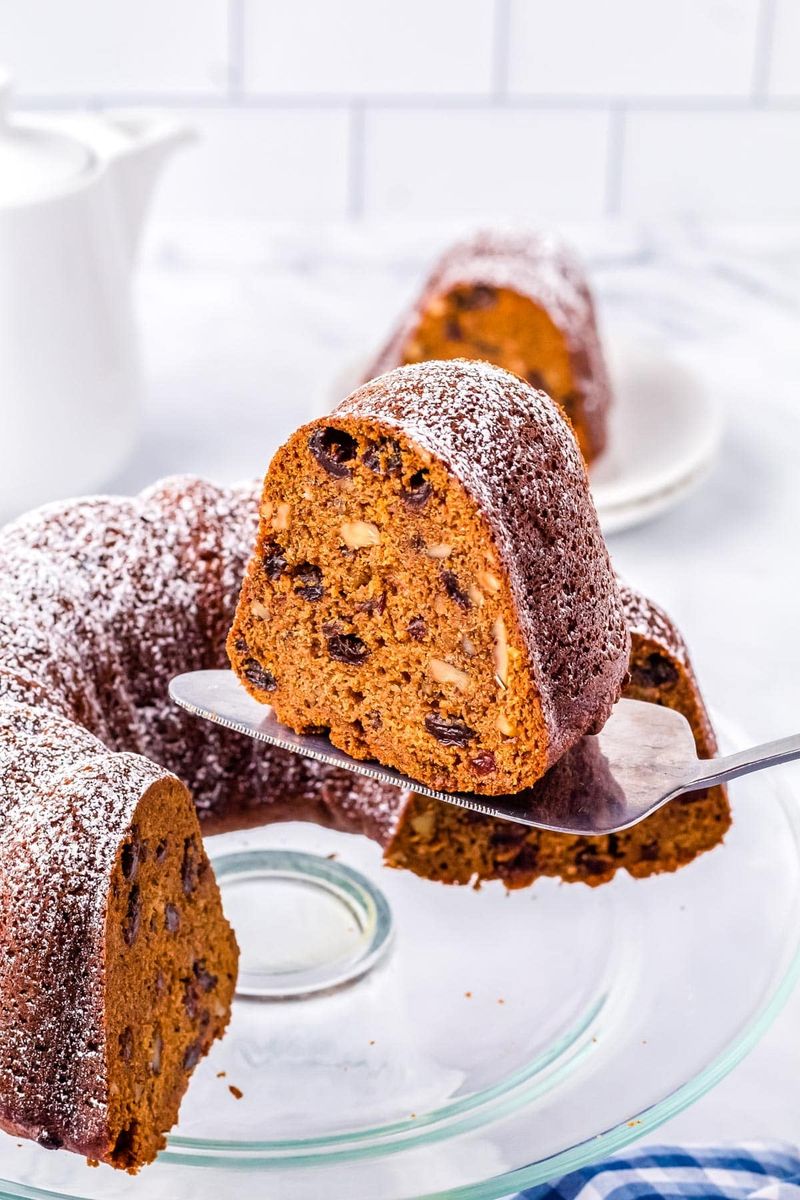
Raisin cake may not sound flashy, but it has the warm, familiar flavor of a dessert made to comfort. Usually spiced with cinnamon and cloves, the cake is dotted with plump raisins that add bursts of sweetness and chew.
You can serve it plain, glazed, or with a simple frosting.
That flexibility helped it stay popular in households where ingredients needed to stretch without feeling boring. Many grandparents grew up treating raisin cake as a dependable favorite for visits, holidays, or Sunday dinners.
It has a homespun quality that feels honest and inviting, like the kind of cake you cut into while coffee brews and conversation starts naturally.
7. Chocolate Sauerkraut Cake
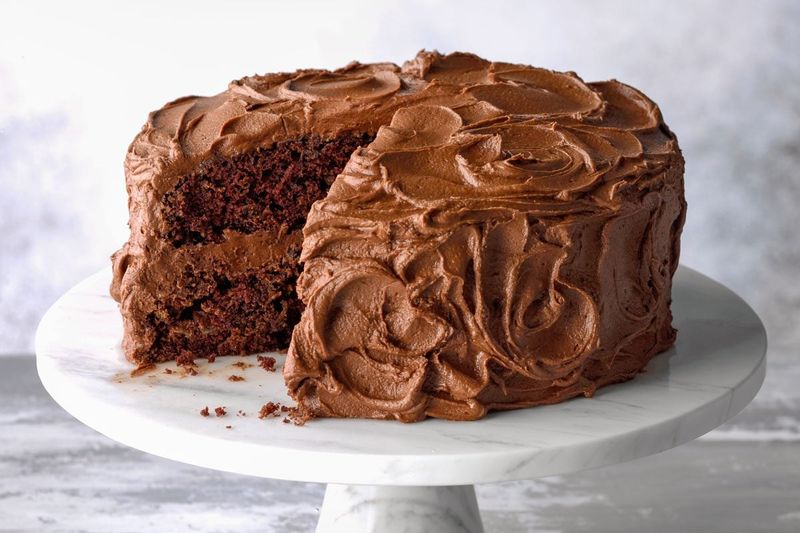
Chocolate sauerkraut cake is the sort of recipe that makes everyone raise an eyebrow before asking for seconds. The sauerkraut does not make the cake taste like cabbage at all.
Instead, it adds moisture and a delicate texture that helps the chocolate crumb stay soft and interesting.
That surprising contrast is exactly why older generations remembered it so well. It was a conversation starter, but it was also genuinely good, especially under rich chocolate frosting.
Many grandparents described it as one of those odd-sounding cakes that won people over after the first bite. If you like secret-ingredient baking, this one feels like a clever classic hiding in plain sight.
8. Coca-Cola Cake
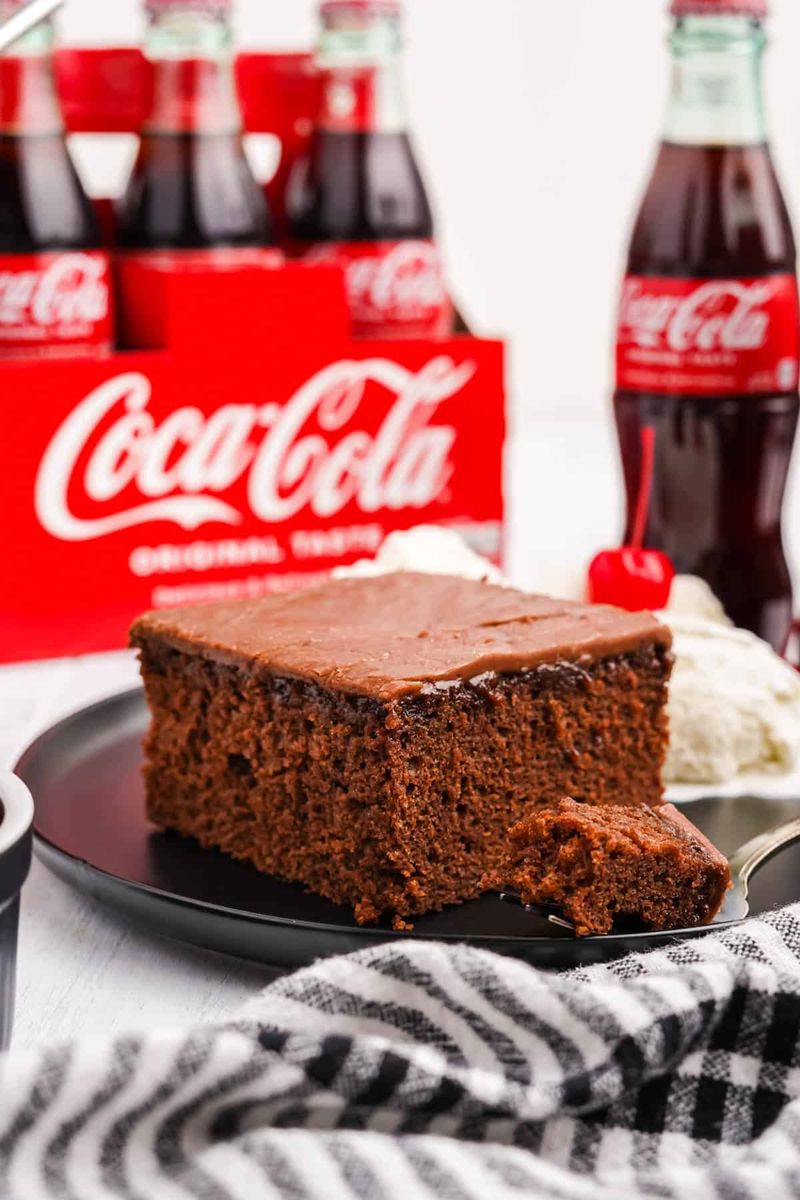
Coca-Cola cake feels playful, but it has been a serious favorite in many Southern kitchens for decades. The cola goes into the batter and often the frosting too, helping create a fudgy texture and deep sweetness.
You end up with a rich sheet cake that is easy to carry and even easier to share.
That made it perfect for potlucks, reunions, and church tables where dependable crowd-pleasers mattered. Grandparents often remembered it as a lively, modern-feeling dessert when soda recipes became popular.
With chocolate, cola, and sometimes pecans all working together, it tastes bold, nostalgic, and exactly like the sort of cake people hoped would still be left for seconds.
9. Water Cake
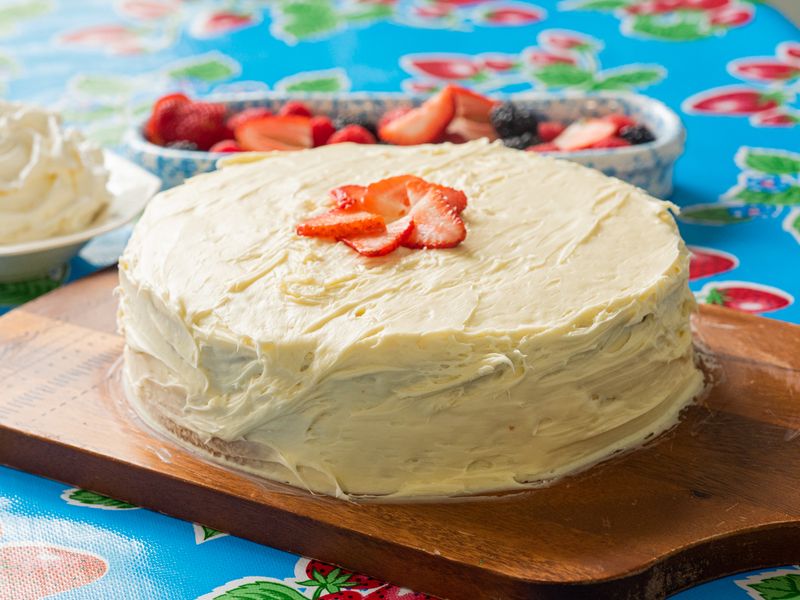
Water cake shows just how inventive home bakers could be when supplies were limited or budgets were tight. Instead of milk, the batter uses water, proving that a satisfying cake does not need fancy ingredients.
The flavor is simple, but the texture can still be surprisingly soft and pleasant.
That plainness is part of the appeal, especially if you appreciate recipes built on thrift and practicality. Grandparents often knew water cake as a useful standby, something you could make with whatever was already on hand.
It may not sound exciting beside richer cakes, yet it carries a quiet kind of pride, reminding you that good baking often begins with resourcefulness rather than luxury.
10. Wacky Cake
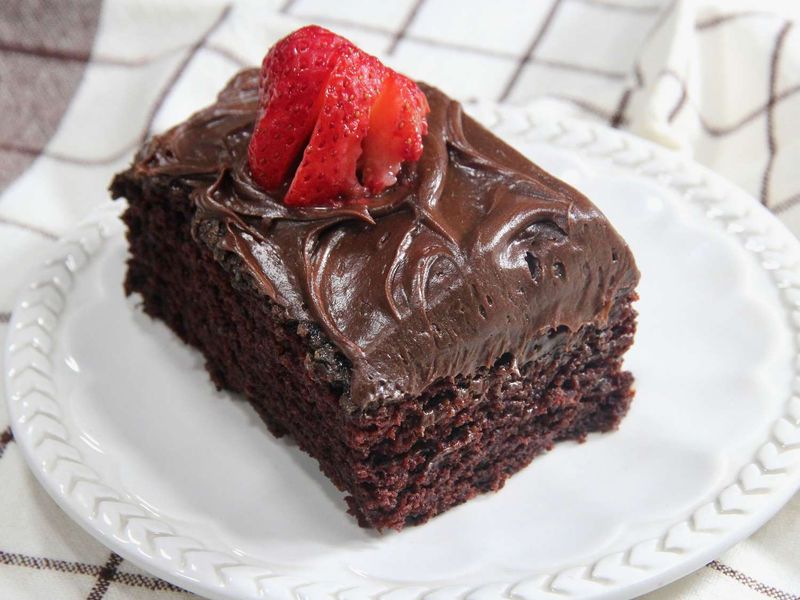
Wacky cake, sometimes called Depression chocolate cake, has a reputation for sounding like a kitchen trick. There are no eggs, no milk, and no butter, yet it still bakes into a tender chocolate cake with real personality.
Even better, the ingredients are often mixed right in the pan.
That no-fuss method made it especially useful when dishes and ingredients both needed to be conserved. Grandparents often grew up with this cake as proof that dessert could still happen during hard times.
It tastes straightforward, chocolatey, and comforting, without feeling like a compromise. Once you see how well it works, the name feels less odd and more like a proud little wink from the past.
11. Jelly Roll
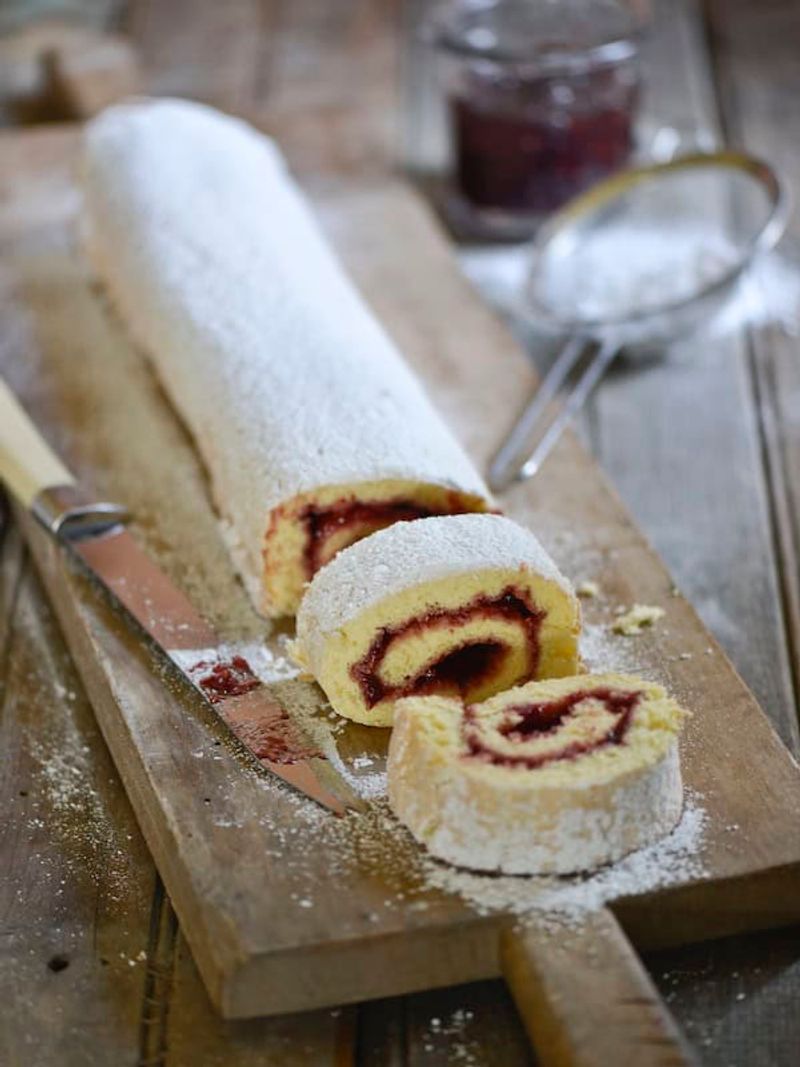
Jelly roll brought a little showmanship to the dessert table without demanding especially costly ingredients. A thin sponge cake was baked, spread with jam, and rolled into a neat spiral that looked far fancier than its pantry roots suggested.
When sliced, each piece showed off that pretty swirl people still love.
Grandparents often remembered jelly roll as a company dessert, something suitable for guests, holidays, or afternoon coffee. The filling could change with the season, making it versatile as well as charming.
It asked for a careful hand, but not impossible skill, and that balance made it feel impressive in the best homemade way. Even now, it carries a sweet sense of occasion.
12. Stack Cake
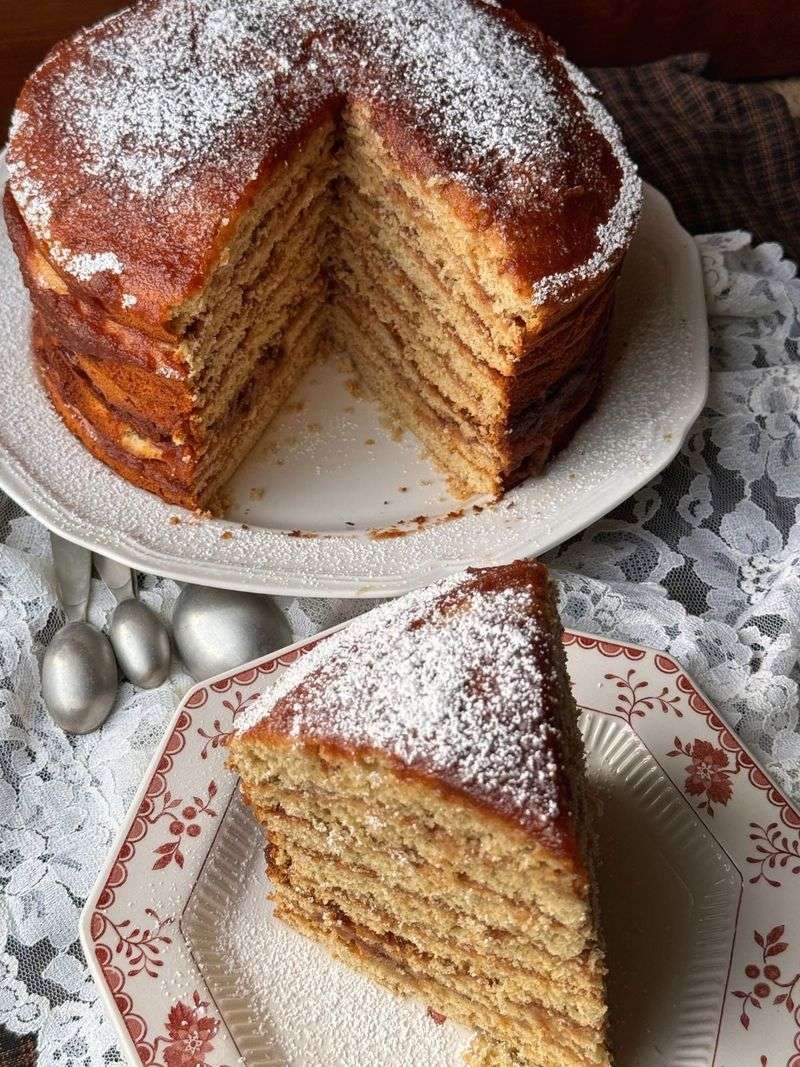
Stack cake was never the quickest dessert on the table, which is part of why it felt so special. Thin cake layers were baked one by one, then stacked with apple butter or another spiced filling between them.
Over time, the layers softened together into something dense, fragrant, and wonderfully old-fashioned.
In some families, especially in Appalachian traditions, this was a true celebration cake tied to gatherings and milestones. Grandparents often recalled it as a labor of love, made when an ordinary dessert simply would not do.
It tastes rich in memory as much as flavor, and every slice carries the feeling of patience, ceremony, and a recipe worth passing down carefully.
13. Pineapple Upside-Down Cake
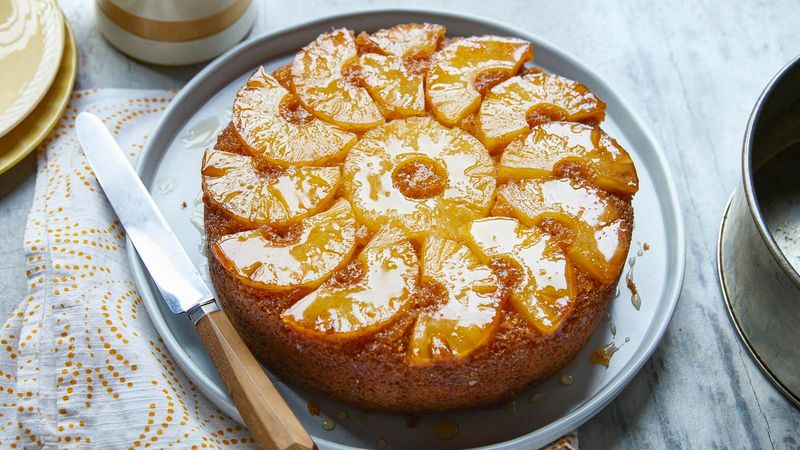
Pineapple upside-down cake has a theatrical charm that made it feel exciting the moment it appeared. With canned pineapple rings, bright cherries, and a caramelized topping revealed after the flip, it looked cheerful and polished without being difficult.
You get fruit, buttery cake, and sticky sweetness in every bite.
For many grandparents, it represented a fun, modern sort of baking that still used accessible pantry ingredients. It was showy enough for guests but familiar enough for family suppers, which gave it lasting appeal.
Even today, that glossy top has the power to pull people closer to the table. Few vintage cakes capture optimism and nostalgia quite as beautifully.
14. Fig Cake
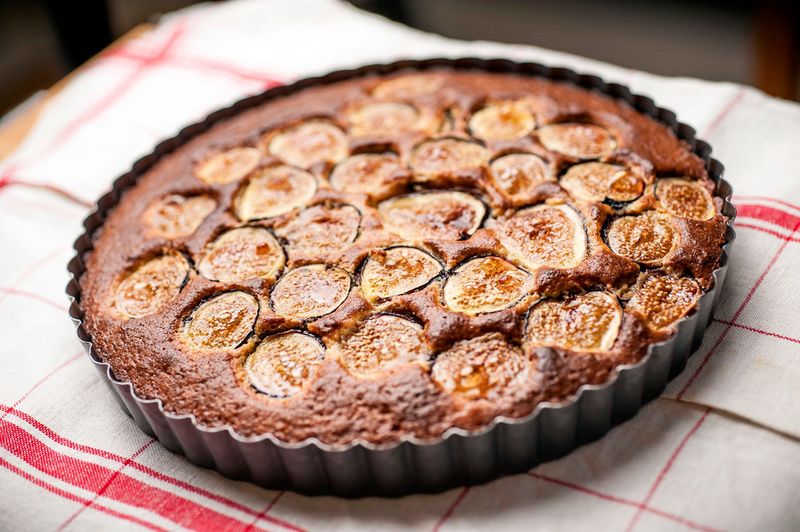
Fig cake has a rich, old-world feeling that makes it stand apart from lighter, fluffier cakes. Dried figs bring concentrated sweetness, a slightly seedy texture, and deep flavor that feels almost honeyed.
The cake is usually dense and moist, with a richness that sits somewhere between spice cake and a better version of fruitcake.
That comparison helps explain why older generations often held onto it so fondly. Grandparents knew fig cake as a hearty, special dessert that worked well for holidays or colder weather.
It may not be the first cake younger bakers think to make, but one bite reveals why it earned a place in family recipe boxes for so long.
15. Poke Cake
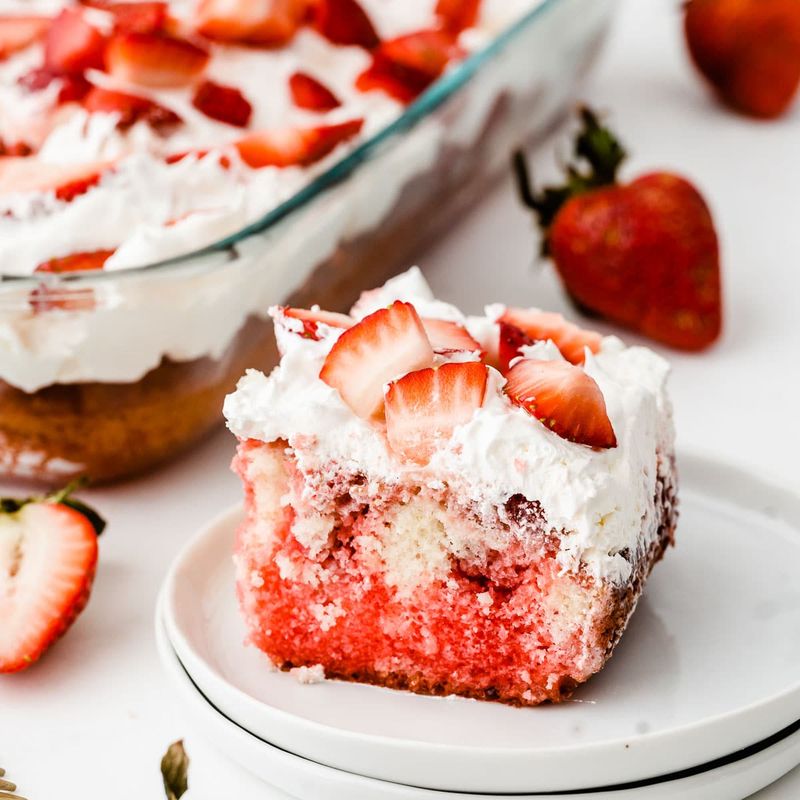
Poke cake arrived later than some of the older pantry classics, but it absolutely belongs in the grandma-cake conversation. After baking, the cake is poked all over so gelatin can soak in, creating bright streaks of color and extra moisture.
Chilled and topped with whipped cream, it becomes playful, cool, and impossible to ignore.
Grandparents loved it because it was easy, eye-catching, and ideal for warm-weather gatherings, birthdays, and potlucks. It felt modern in its day, especially compared with heavier spice cakes and fruit-based desserts.
Even now, its cheerful look and soft texture make it one of those retro treats that instantly brings back church basements, family picnics, and second helpings.