15 Unusual Foods That Sustained People During World War II
Ration books changed how everyday meals looked, tasted, and even smelled, yet people still found creative ways to keep dinner on the table. Scarcity pushed cooks to reinvent familiar dishes with odd stand ins that actually worked.
As you read, you will recognize clever hacks that turned scraps, tins, and powders into comfort. These unusual foods tell a story of grit, thrift, and the quiet courage of making do.
1. Powdered eggs

Powdered eggs were the practical way to keep breakfast and baking going when chickens were reserved for other uses. You would whisk the powder with water and pretend it was the real thing.
In pancakes, cakes, and puddings, it worked well enough to fool picky eaters.
Scrambled style eggs made from powder were humble but filling. When fresh eggs were rationed, these packets felt like gold.
You could stretch recipes, bind meat patties, or enrich custards without wasting precious ration points.
2. Powdered milk
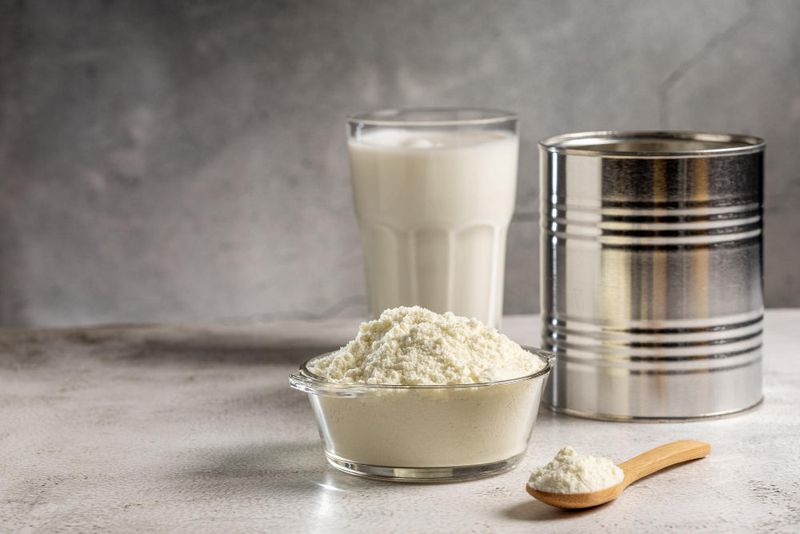
Powdered milk was not glamorous, yet it saved sauces, soups, and morning porridge. Stirred into water, it stood in for cream in tea and custards.
When sugar ran short, a spoonful added body and a hint of sweetness.
Moms stretched it into cocoa for kids and added it to mashed potatoes for a richer feel. Bakers relied on it to tenderize bread and rolls.
It stored easily, traveled safely, and turned up in countless wartime recipes that made scarce ingredients go farther without sacrificing comfort.
3. Spam and other canned luncheon meats

Spam and similar canned meats were salty, sturdy, and always there. You could fry slices until crisp, dice them into potato hash, or fold them into white sauce for creamed toast.
That reliable protein powered workers and soldiers when fresh cuts were out of reach.
Kids learned the sizzle meant dinner was soon. The can key, the gelatin, the hiss when it met a hot pan all felt familiar.
It packed calories, traveled well, and kept for ages, helping families stay nourished through long shortages.
4. Canned fish (sardines and kippers)
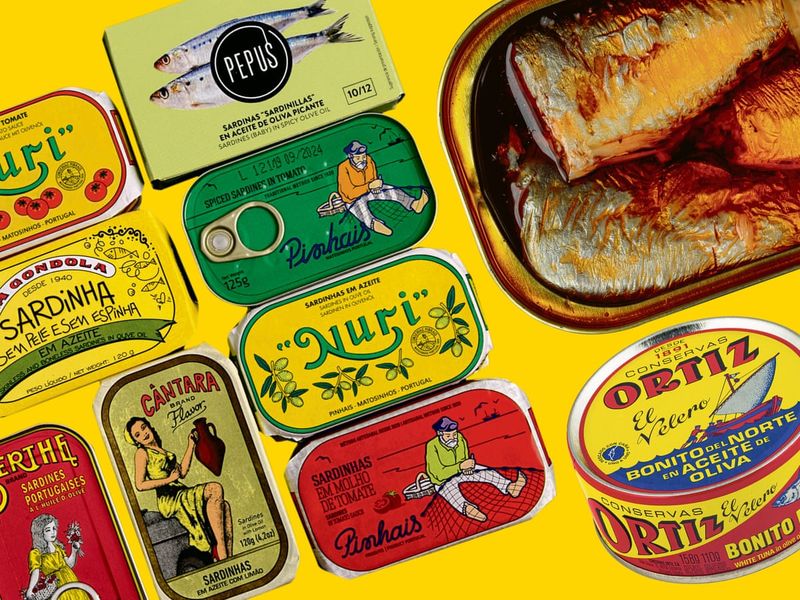
Canned sardines and kippers brought big flavor to small meals. You could mash sardines with mustard and onions for a quick spread.
Kippers flaked beautifully into potatoes, turning them into a satisfying fish cake.
Because they kept well, these tins became a dependable protein when markets were bare. The smoky, oily richness season vegetables and broths without extra fat.
Packed lunches often hid a tin and some bread, ready for a salty, briny bite that felt like a small luxury amid rationing.
5. Organ meats (liver, heart, kidneys)
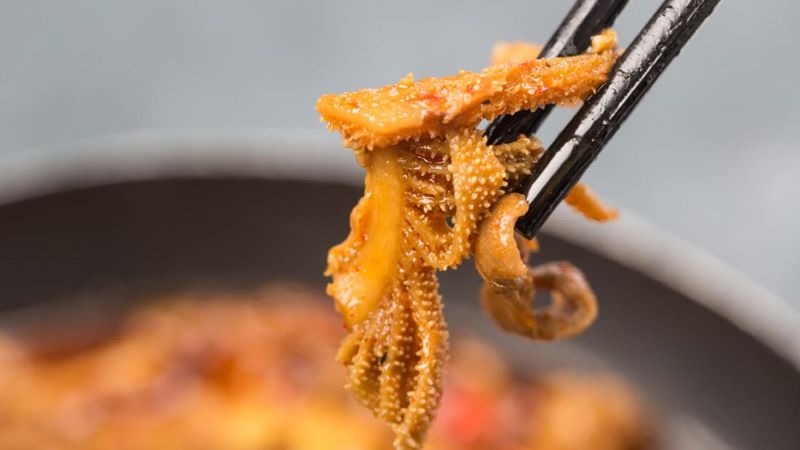
Organ meats were affordable and available when prime cuts disappeared. Liver with onions became a weekly ritual, loaded with iron and flavor.
Hearts were stewed until tender, then sliced for sandwiches that felt hearty and substantial.
Kidneys simmered in gravy stretched a handful of vegetables into a full supper. Cooks learned to soak, season, and braise patiently.
Once you mastered technique, these cuts delivered deep flavor and real nutrition, proving nothing from the animal needed to be wasted during wartime.
6. Bone broth and soup from scraps
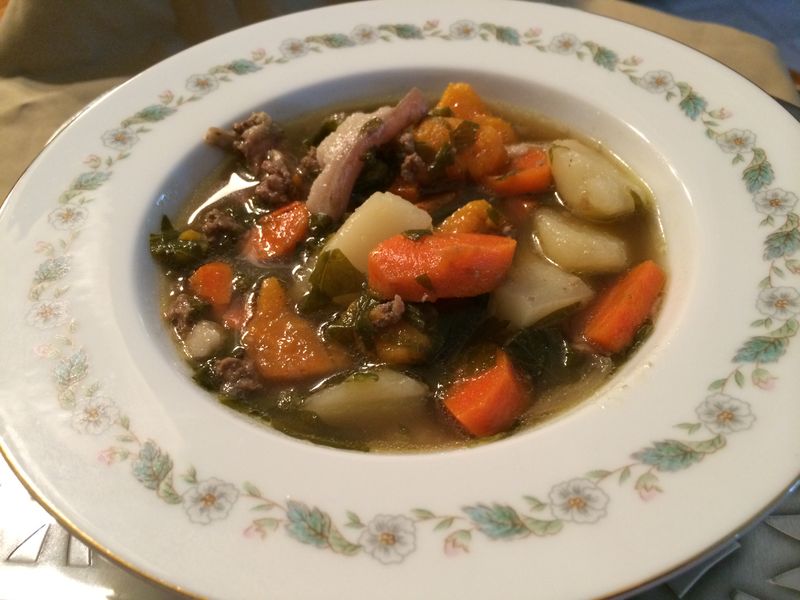
Every bone, peel, and parsley stem earned a second life in the stockpot. Long, gentle simmering coaxed flavor and gelatin into a nourishing broth.
With barley, potatoes, or noodles, scraps transformed into a meal that warmed bellies and spirits.
Add a spoon of drippings, leftover gravy, or a few sardines, and the broth suddenly sang. Nothing felt wasteful.
You saved fuel by cooking once and eating twice, stretching limited meat into days of satisfying soups that made rationing survivable.
7. Mock apple pie (made with crackers)
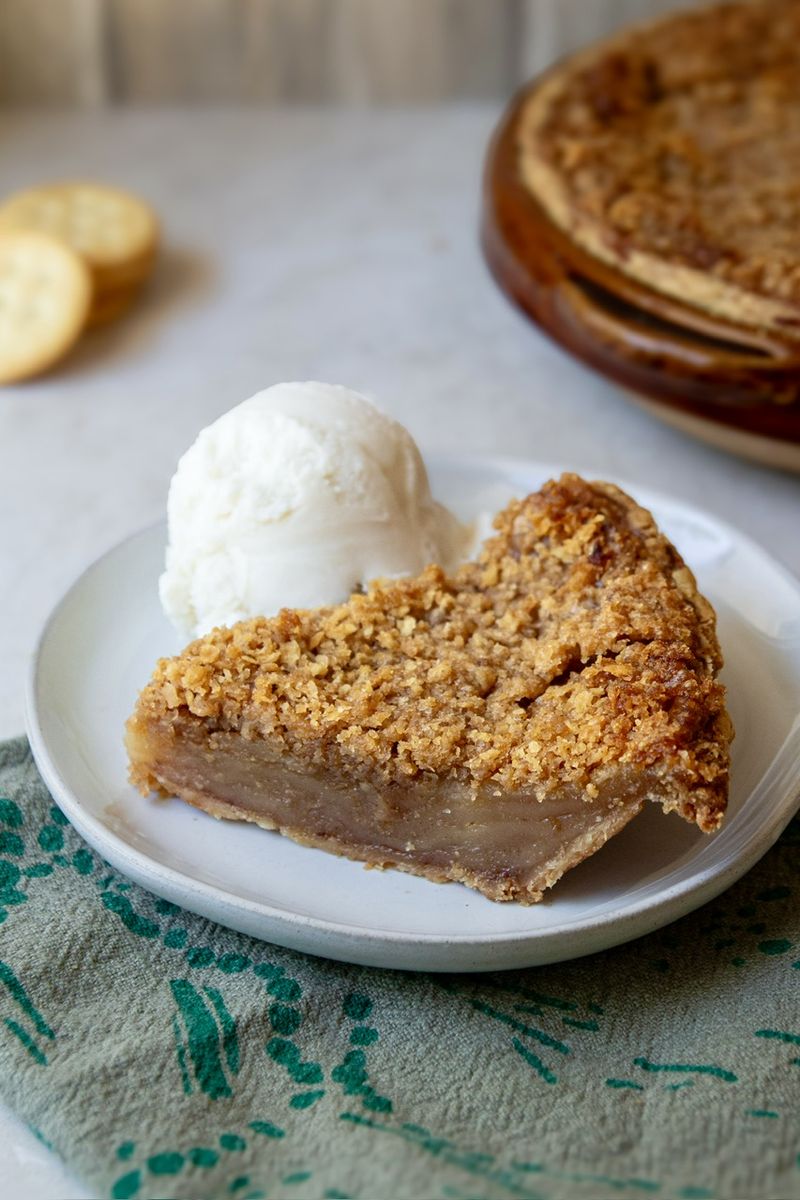
Mock apple pie fooled more than a few guests. Crackers stood in for apples, softened with water, sugar, lemon, and plenty of cinnamon.
The texture was surprisingly convincing, and the aroma hit all the nostalgic notes.
When fruit was rationed or out of season, this dessert delivered comfort. A flaky crust, a dollop of reconstituted cream, and suddenly it felt like Sunday.
It proved that taste memories rely on spice, texture, and ritual as much as the original ingredient.
8. Carrot-based desserts
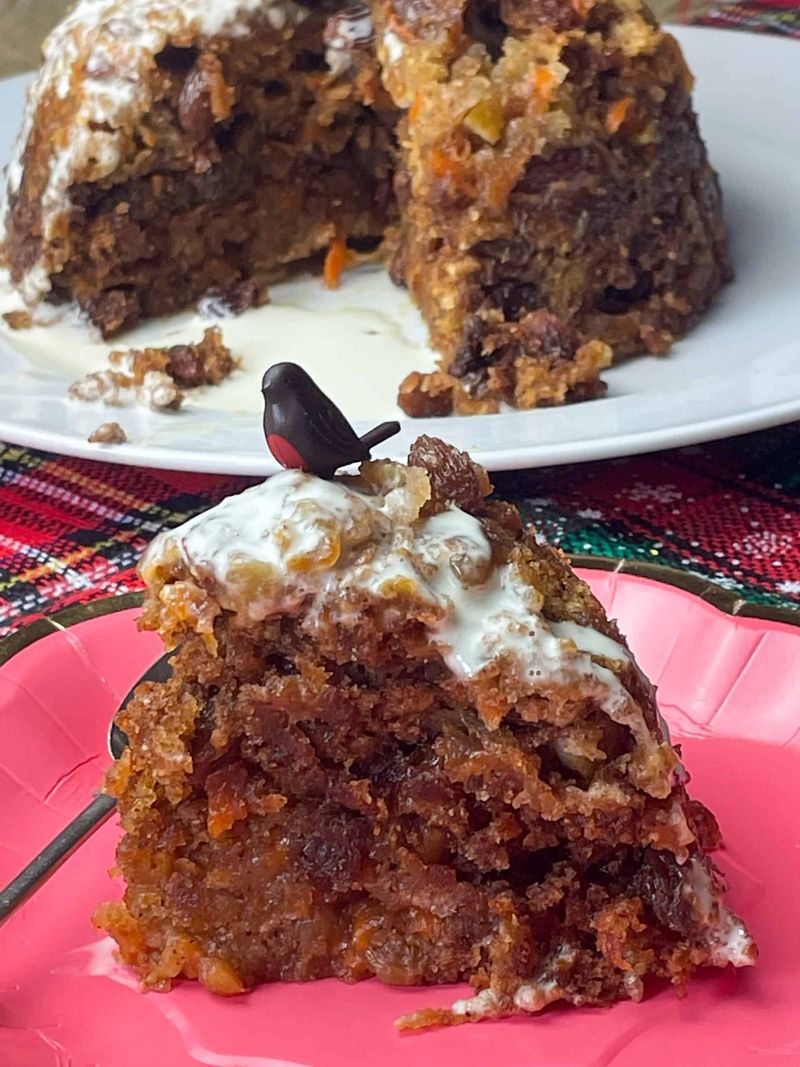
Carrots pulled double duty as sweetener and moisture. Grated into cakes, puddings, and steamed puddings, they replaced scarce sugar and butter.
Their natural sweetness made desserts feel generous without using many ration coupons.
Boiled carrots mashed into jam was a real trick too, flavored with citrus peel. Kids never guessed.
Warm spices like cinnamon and nutmeg amplified the effect, creating desserts that tasted cheerful even when supplies ran thin.
9. Potato bread and potato-based baking
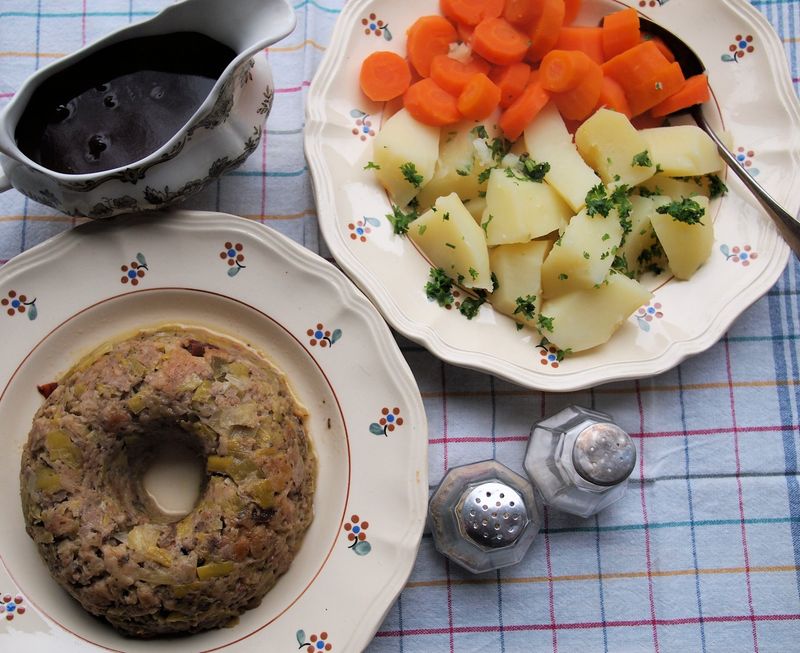
Potatoes stretched precious flour, giving bread a tender crumb and staying power. Mashed spuds slipped into rolls, pancakes, and even pastries, keeping them moist for days.
With less wheat available, every scoop of potato was like finding extra dough in the bowl.
Leftover mash never went to waste. Fry it into cakes, fold it into scones, or bind it into fish patties.
The result was filling, thrifty, and surprisingly delicious, making potato baking a wartime staple that still tastes great today.
10. Oatmeal and hot cereal dinners
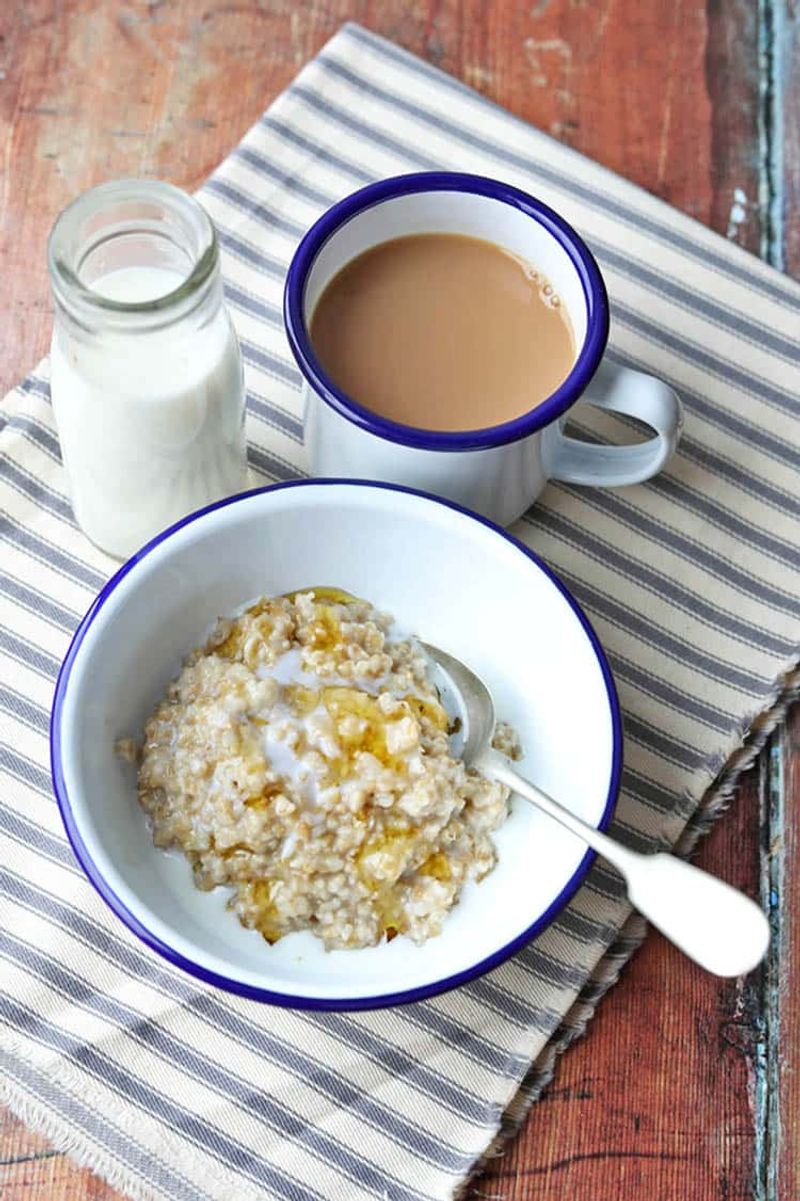
Hot cereal was not just breakfast. Oats, cornmeal, and barley became dinner with savory toppings like onions, drippings, or bits of canned fish.
The warmth felt satisfying, and the cost stayed tiny.
Cooking in water or reconstituted milk, you could stretch one cup into several bowls. A sprinkle of dried herbs, a spoon of white sauce, and suddenly it felt like comfort food.
Simple, quick, and flexible, these bowls kept families full through long evenings.
11. Victory garden vegetables (especially cabbage)
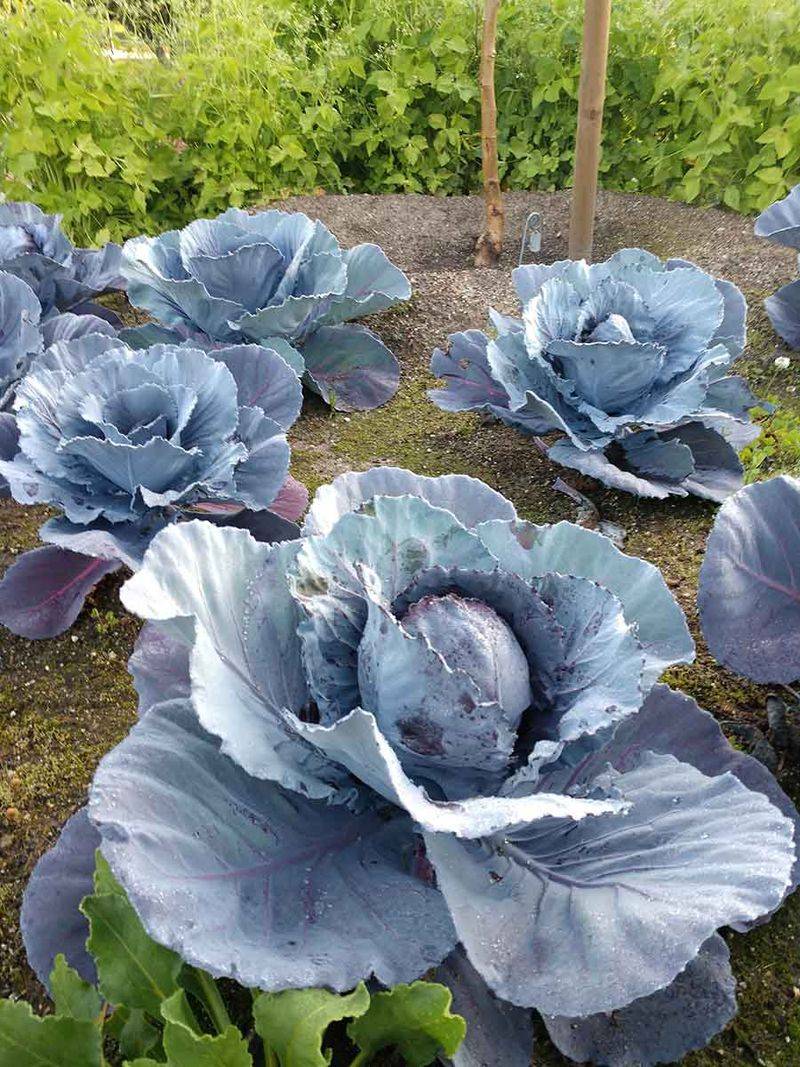
Victory gardens meant food independence. Cabbage starred because it grew quickly, stored well, and cooked into countless dishes.
Boiled, braised, or shredded into slaw, it anchored meals when markets were bare.
Beets, carrots, and hardy greens filled the rest of the plate. Pickling and fermenting stretched the harvest through winter.
Every seed planted felt like defiance and hope, turning small yards into reliable pantries that helped families ride out rationing with pride and fresh flavor.
12. Meatless meals built around beans and lentils
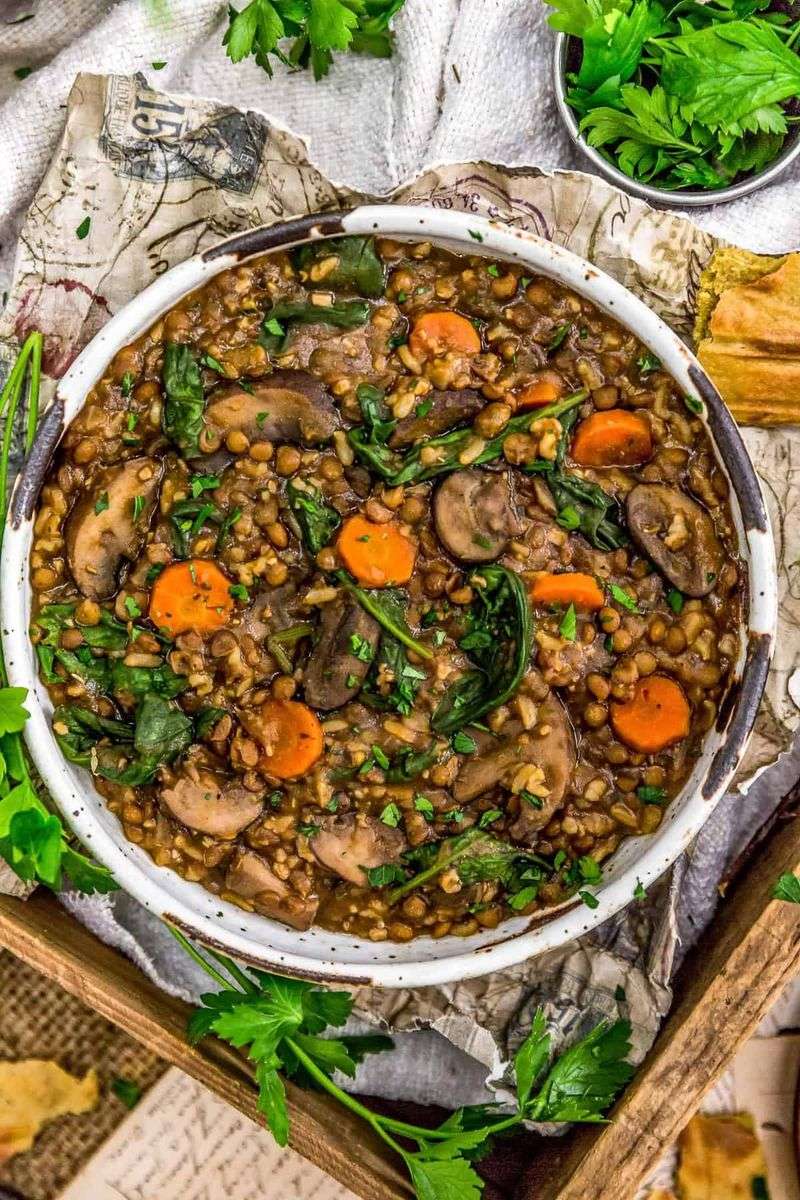
Beans and lentils did heavy lifting as affordable protein. A pot simmered with onions, carrots, and herbs fed a family all evening.
Mash leftovers into patties, fry in drippings, and stack on bread for tomorrow’s lunch.
These legumes soaked up spices, tomato, and the last bit of bacon rind to feel indulgent. Fiber kept everyone full, and the cost stayed friendly to ration coupons.
Meatless did not mean joyless when the pot was seasoned well.
13. White sauce as a meal stretcher
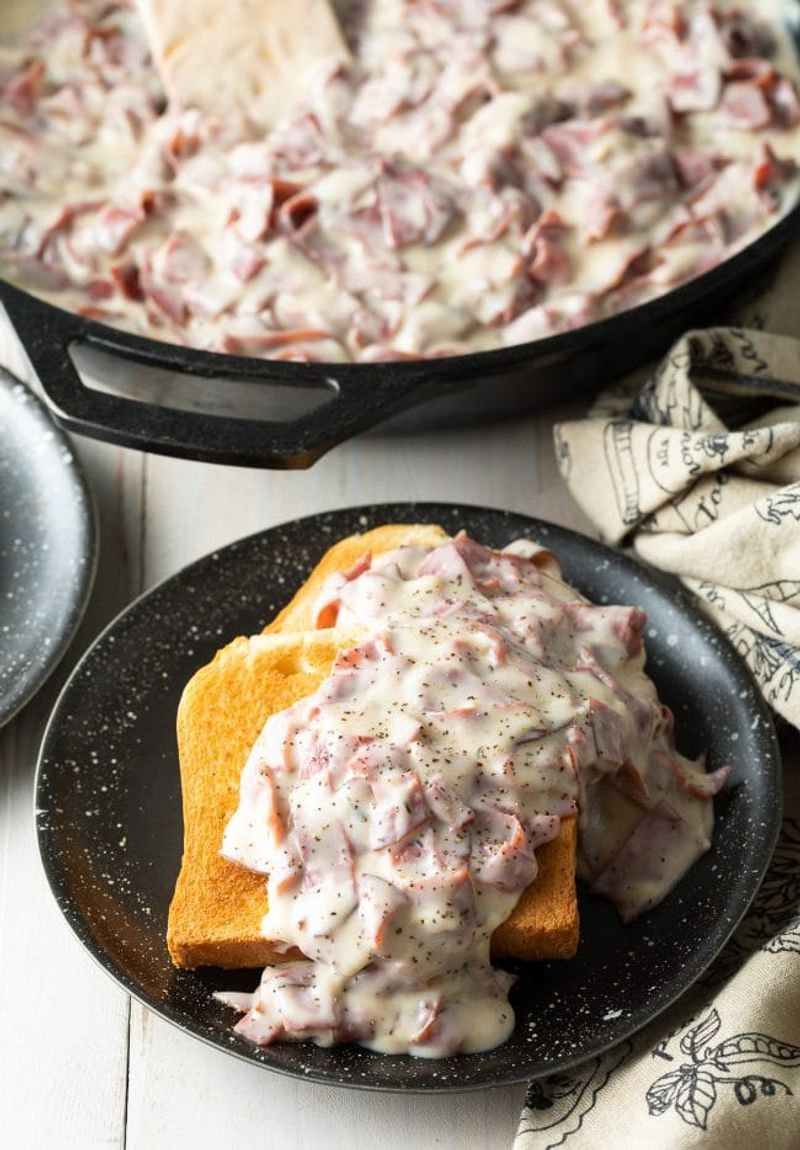
White sauce was the quiet hero. Flour, fat, and milk transformed sad leftovers into creamed vegetables, fish pies, and toast toppers.
Keep stirring, season boldly, and thin or thicken as needed.
With just a spoonful of mustard or cheese scrap, it tasted special. You could fold in canned meat or sardines and call it dinner.
This sauce stretched flavors and filled plates, proving technique matters as much as ingredients when money and rations are tight.
14. Dried fruit as a sweet substitute
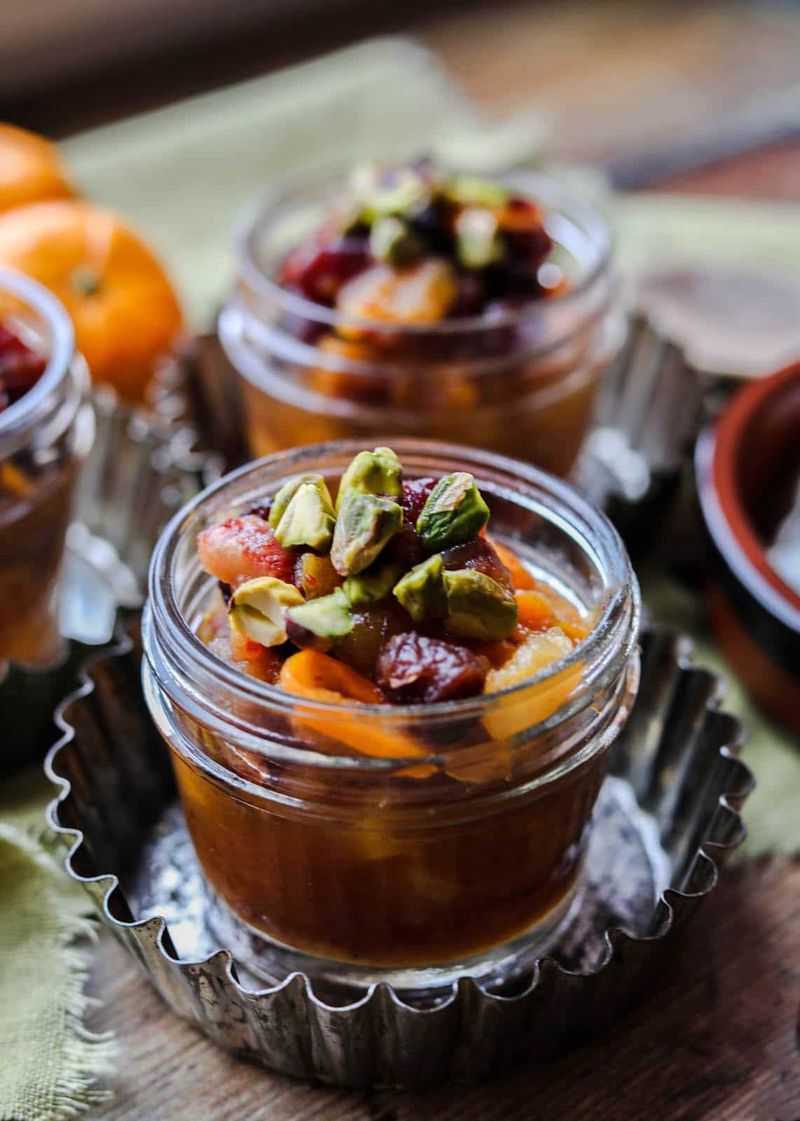
Dried fruit stepped in when sugar ran short. Raisins, prunes, and currants sweetened porridge, cakes, and puddings without measuring out precious granules.
Soak them first and the juices became a flavorful syrup.
Bread studded with dried fruit felt festive even on an ordinary Tuesday. A handful into stews added depth and a pleasant chew.
With careful storage, dried fruit stayed ready to bring sweetness to the table when fresh produce and sugar were out of reach.
15. Tea and coffee substitutes

When coffee beans vanished and tea was scarce, substitutes kept rituals alive. Roasted barley, chicory, and dandelion roots brewed into a dark, roasty cup.
It was not the same, but the warmth and habit mattered.
People blended tiny amounts of real coffee with substitutes to stretch the stash. Others preferred the nutty, bitter edge on its own.
Morning felt normal again, and morale lifted with every sip that said we are still here, still sharing a table.