15 Vegetables That Might Not Be As Nutritious As You Believe
Think every veggie in your cart is a guaranteed nutrient powerhouse? Some favorites deliver less than you expect once you factor in cooking methods, portion sizes, and bioavailability. Before you double down on a bland salad or overcook a side, it helps to know where nutrition hype outruns reality. Let’s unpack the surprises so you can eat smarter without giving up the foods you love.
1. Iceberg Lettuce
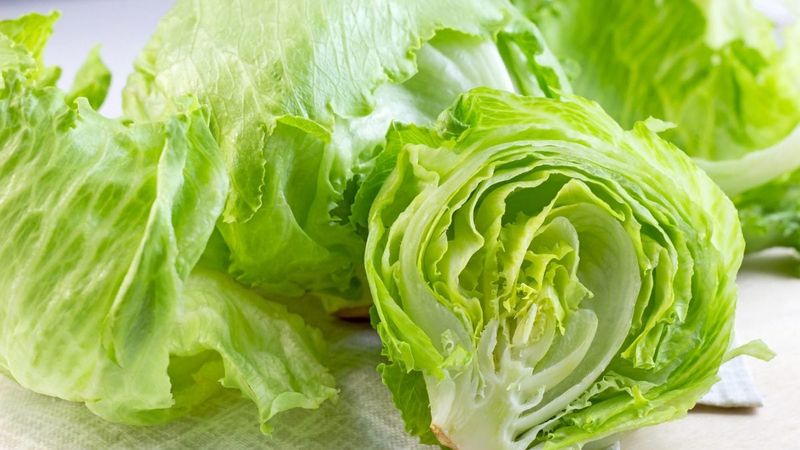
Iceberg lettuce looks fresh and crunchy, but it is mostly water with minimal vitamins and minerals compared to darker greens. You can still enjoy it for hydration and texture, yet it will not carry your salad’s nutrition. Think of it as a base waiting for stronger teammates.
Boost the bowl with spinach, arugula, or kale, plus colorful veggies and protein. Use a dressing with healthy fats to help absorb fat soluble nutrients from the add ins. If you crave crunch, mix in nuts or seeds. You will still get that refreshing bite while upgrading the payoff.
2. Celery
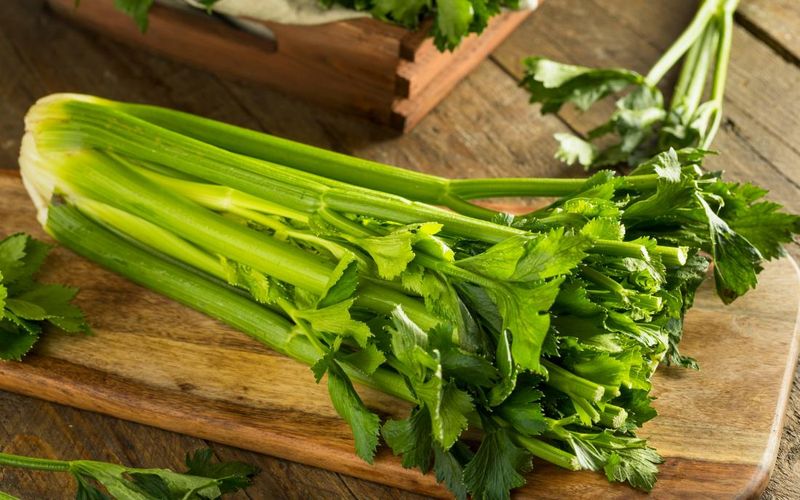
Celery has a clean snap and low calories, but nutrition is not its strong suit. The fiber is modest, and the vitamins are present in small amounts. It is mostly water, which can be helpful for hydration but not depth of nutrients. If you rely on it alone, you may miss out.
Use celery as a vessel for nutrient dense dips like hummus or nut butter. Chop it into soups that contain beans and leafy greens. Pairing it smartly lets you keep the crunch while raising the nutrient floor. Balance matters more than celery’s calorie count.
3. Cucumber
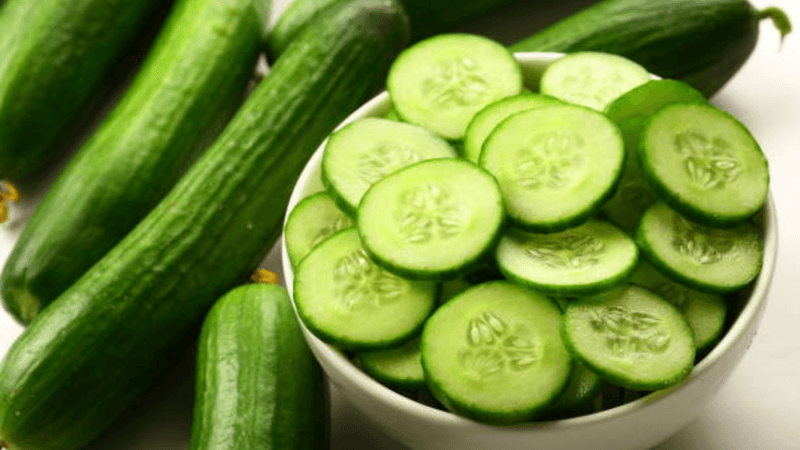
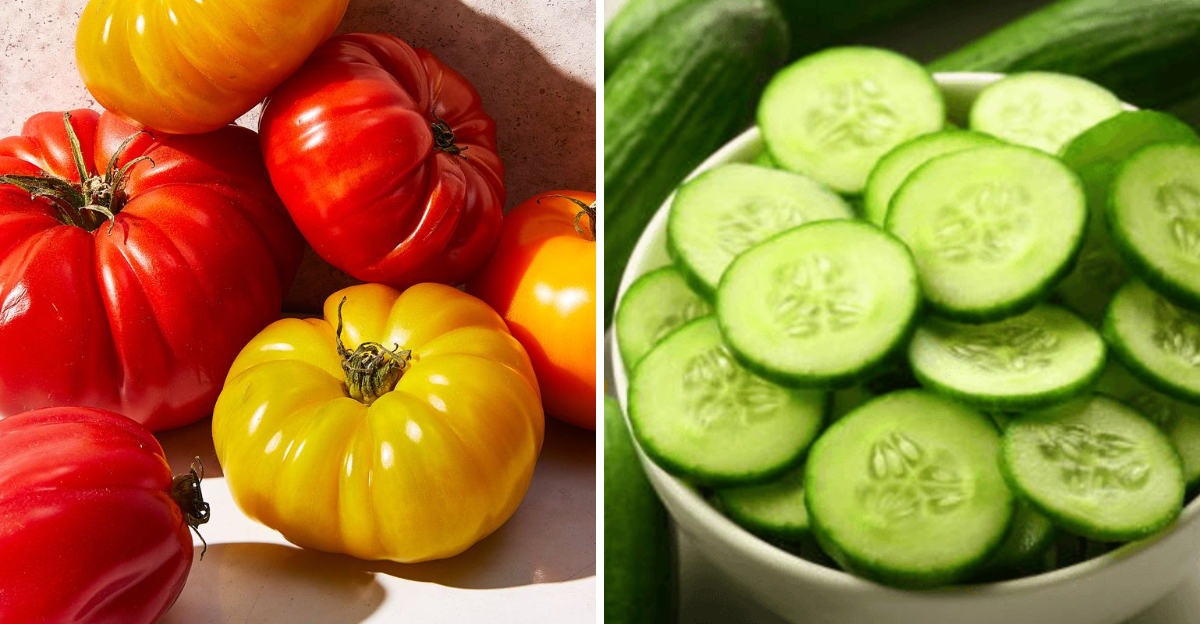
Cucumber feels refreshing and spa like, but most of its volume is water. That is great for hydration, yet it means few vitamins and minerals per serving. The peel carries more fiber and antioxidants, which many people remove. If you want real nutrition traction, build around it.
Keep the skin on when possible, and combine cucumber with tomatoes, herbs, olive oil, and cheese for balance. You will add healthy fats that improve absorption of fat soluble compounds. Infused water is nice, but a robust salad works harder. Hydration and flavor can coexist easily.
4. Potatoes (Fried)
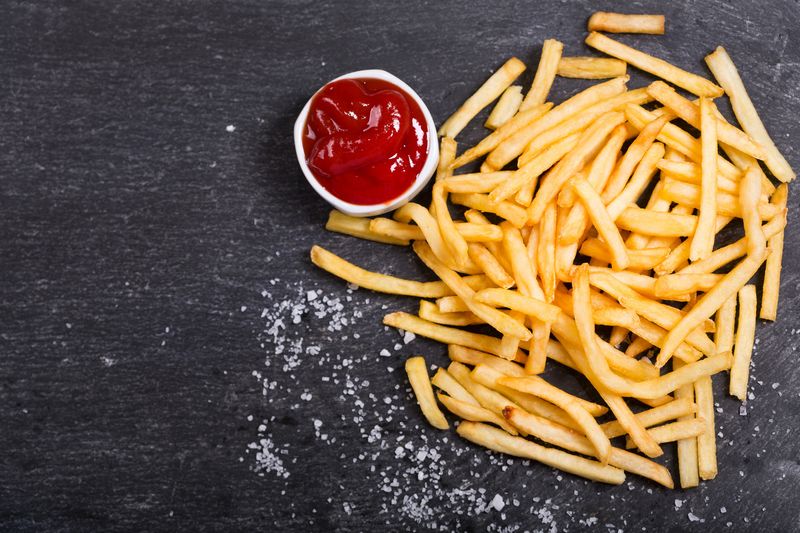
Potatoes can be nutritious when baked or boiled, but frying changes the story fast. Oil adds calories, and high heat can create compounds you want to limit. Many fries come salted heavily, which pushes sodium intake upward. That cozy crunch often crowds out more balanced sides.
Choose roasting with olive oil and herbs for better control. Keep portions reasonable and pair with protein and fiber rich vegetables. A potato can fit a healthy plate when you manage preparation and toppings. Think crispy, not greasy, and enjoy the comfort without losing nutritional sense.
5. Corn
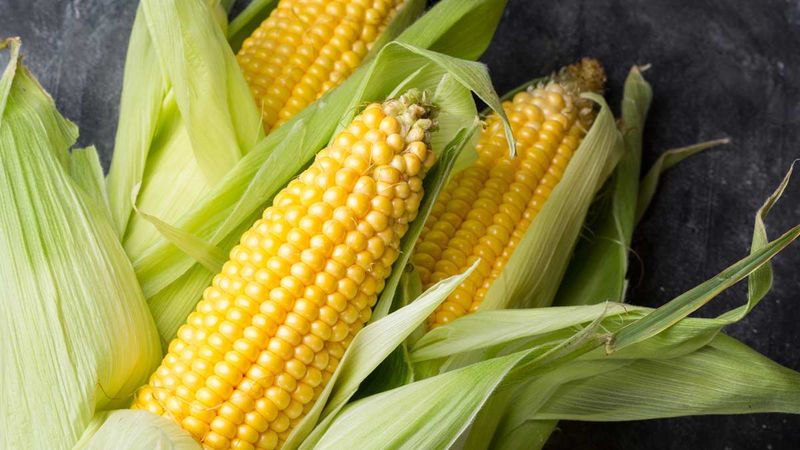
Corn brings sweetness and nostalgia, but it is heavier on starch than micronutrients. The fiber is decent, yet vitamins are not as concentrated as in leafy greens or crucifers. Canned versions may include added salt or sugar. If corn dominates the plate, variety suffers quickly.
Use corn as a side, then load up on colorful vegetables and lean protein. Consider swapping some kernels for black beans and peppers in salads. You will improve amino acid balance and add antioxidants. Sweet is fine, but let corn play a supporting role so your meals stay balanced.
6. Green Peas (Canned)

Green peas can be a solid plant protein, but canned versions often bring extra sodium and mushy texture. The processing may reduce some heat sensitive nutrients. Rinsing helps, though it will not restore everything. If peas are your main vegetable, you might expect more than they deliver.
Choose frozen peas for better texture and lower sodium. Pair them with carrots, herbs, and olive oil to add flavor and absorbing fats. Mix peas into whole grain dishes for a fuller nutrient profile. Convenience can work, but small upgrades make the difference in real value.
7. Zucchini (Overcooked)
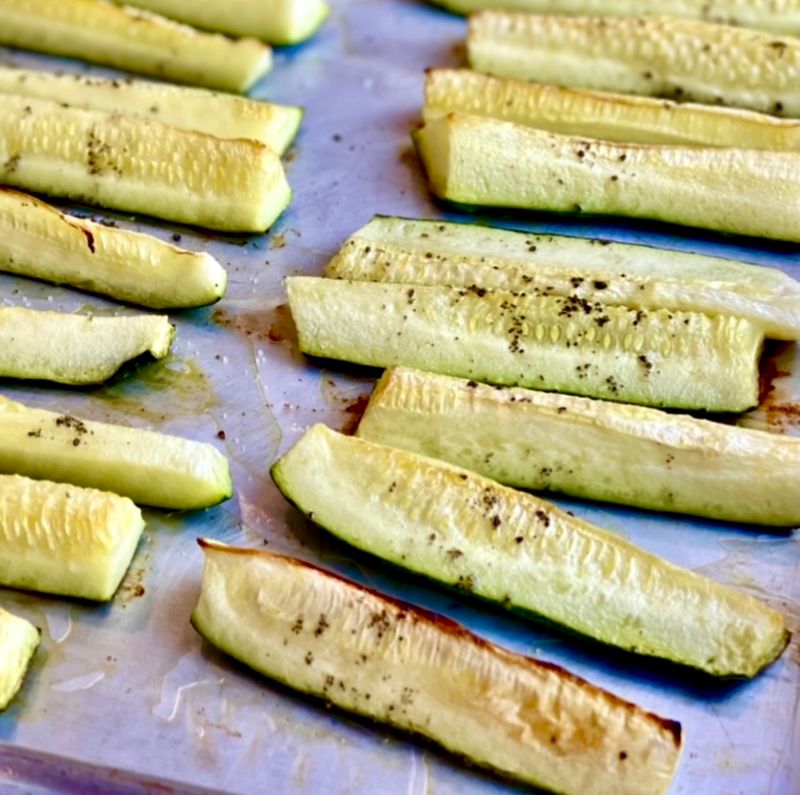
Zucchini starts light and versatile, but overcooking turns it watery and droopy. That texture signals lost appeal and some nutrient decline. Water soluble vitamins can leach into the pan or sauce. You end up with bulk but not the satisfying bite or full benefits.
Try quick sautés, grilling, or roasting at high heat for caramelization. Keep slices thicker to retain structure and season with lemon, garlic, and herbs. A drizzle of olive oil helps you absorb fat soluble compounds. Cooked right, zucchini supports a balanced plate without pretending to be a superstar.
8. Tomatoes (Out of Season)
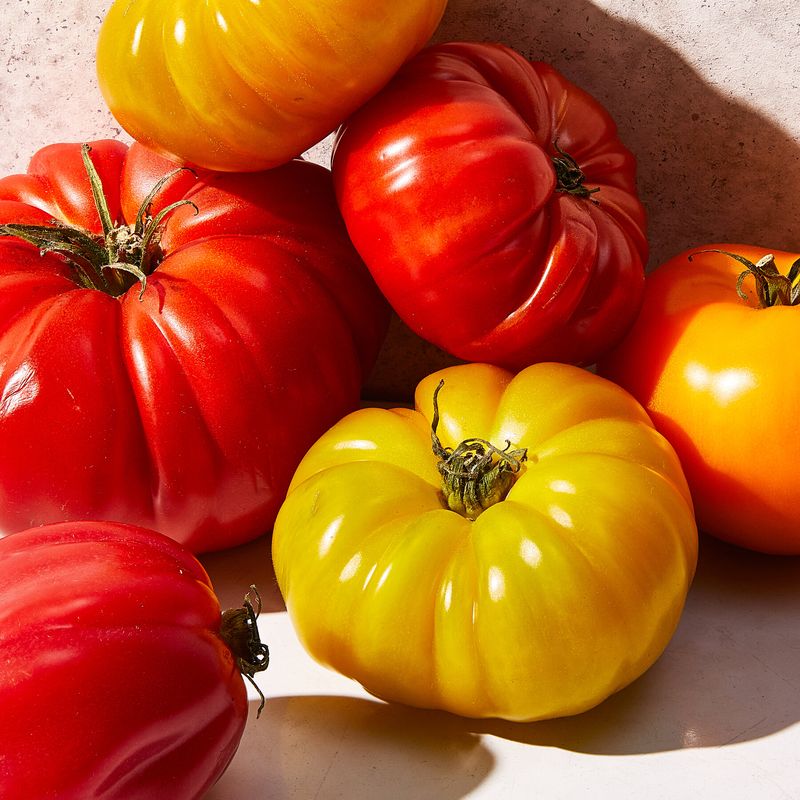
Tomatoes shine when ripe, but out of season they often taste weak and offer less of their famed antioxidants. Long storage and travel can dull flavor and nutrient density. You might add lots of dressing to compensate, which skews a healthy dish. Disappointment rarely motivates better eating.
Choose canned or jarred tomatoes for sauces during winter. They are picked ripe and heat processed, concentrating lycopene. Roast fresh tomatoes to deepen flavor if that is what you have. Seasonal timing matters, and your taste buds will notice the difference immediately.
9. Beets (Pickled with Sugar)
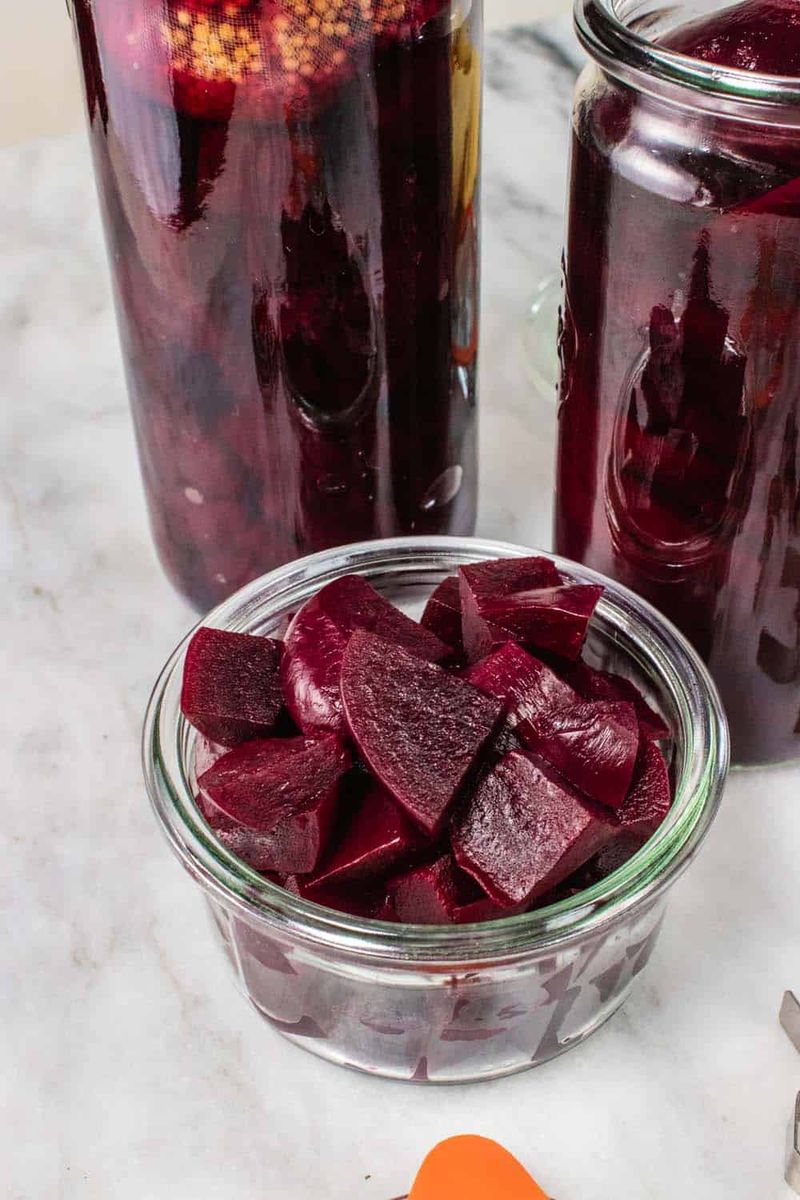
Beets can be nutrient rich, but many pickled versions are loaded with added sugar. That sweetness masks the earthy flavor and shifts the health profile. You still get some fiber and folate, yet the syrup dilutes the benefit. It becomes a condiment rather than a hearty vegetable side.
Look for low sugar brines or make your own with vinegar, spices, and citrus. Roast fresh beets to keep nutrients and concentrate flavor naturally. Pair with goat cheese, greens, and walnuts for balance. You will keep the color and satisfaction without the sneaky sugar surge.
10. Carrots (Juiced)
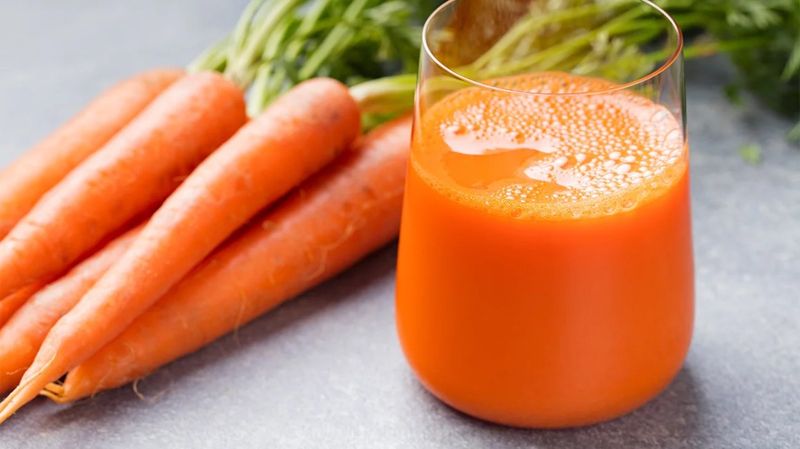
Carrot juice tastes sweet and sunny, but juicing strips most fiber. Without fiber, the natural sugars rush in quickly, and satiety dips. You still get beta carotene, yet the portion size can climb fast. A big glass may give more sugar than you planned.
Eat whole carrots or blend them into smoothies with yogurt or nuts for balance. Pairing with healthy fats helps your body use fat soluble nutrients. If you love juice, keep the serving small and sip with a meal. You will enjoy the flavor while protecting stable energy.
11. Sweet Potatoes (Marshmallow Topped)

Sweet potatoes carry fiber and carotenoids, but the classic marshmallow topping can drown their strengths. Added sugar turns a smart side into dessert. Butter heavy recipes push calories up without adding many micronutrients. The dish feels comforting, yet the health halo is misleading.
Try roasting wedges with cinnamon, olive oil, and a pinch of salt. Add toasted pecans for crunch and healthy fats. A yogurt drizzle can bring creaminess without a sugar bomb. Keep the natural sweetness front and center, and your plate will stay satisfying and balanced.
12. Green Beans (Overboiled)

Vibrant green beans turn gray and lifeless when overboiled. That sad color hints at nutrient loss, especially water soluble vitamins. The texture becomes squeaky and soft, discouraging big portions. With minimal flavor, they beg for butter and salt to be palatable, which defeats the purpose.
Blanch quickly, then sauté with garlic, almonds, and olive oil. This keeps snap, color, and better nutrient retention. Finish with lemon zest for brightness. You will enjoy eating more vegetables when they taste alive, not soggy. Technique is the quiet difference maker.
13. Onions (Fried Rings)

Onions bring antioxidants and prebiotic fiber, but battering and deep frying change the equation. You add refined flour, oil, and lots of sodium. The onion portion gets small relative to the crust. A few rings can deliver a calorie load that overshadows the base vegetable.
Bake onion slices brushed with olive oil or air fry lightly breaded rings. Use whole grain crumbs and seasonings for flavor. Serve alongside a protein and salad to keep balance. You still get sweetness and crunch without leaning on heavy frying. Cravings can be satisfied smarter.
14. Spinach (Raw Only)
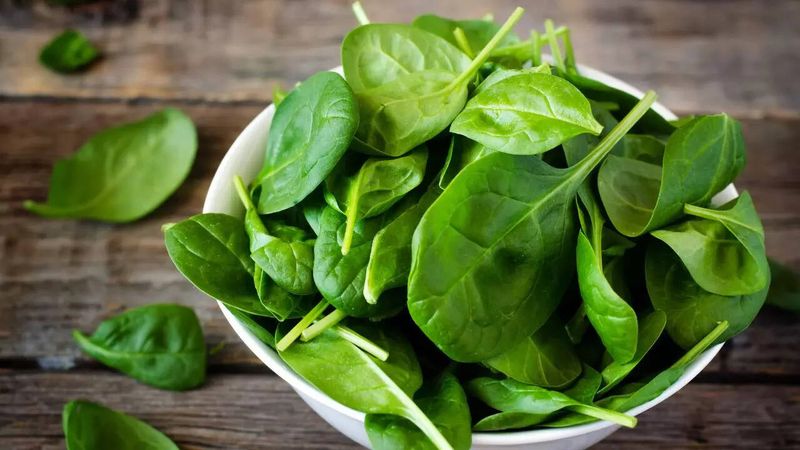
Raw spinach feels virtuous, yet relying on it only raw can limit iron and calcium absorption due to oxalates. A mountain of leaves wilts into a handful, making portions unreliable. You may think you are getting more than you are. Variety and preparation style change the payoff.
Lightly sautéing breaks down oxalates and concentrates the greens. Pair spinach with vitamin C rich foods to improve iron uptake. Add olive oil for fat soluble vitamins. Mix raw and cooked servings through the week so you cover your bases without overestimating the salad bowl.
15. Cauliflower (Pizza Crust)
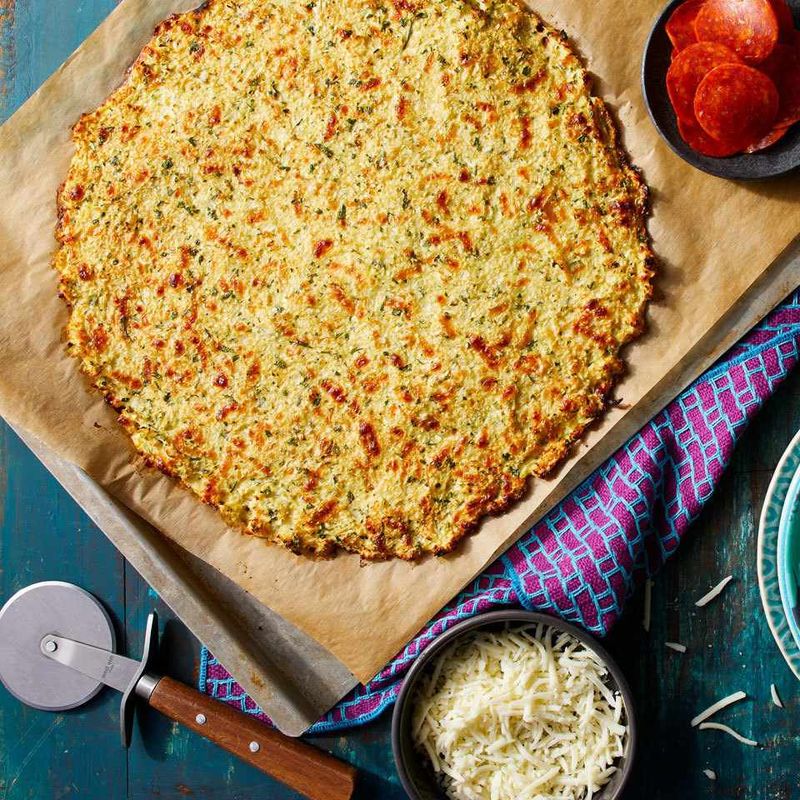
Cauliflower crust sounds like a guilt free swap, but many versions add cheese and starches for structure. Calories and sodium can rival regular dough, and fiber may drop after processing. The slice feels light, yet it is not always a nutritional win. Labels matter more than buzzwords.
Make your own with minimal binders, or enjoy regular thin crust with extra veggie toppings. Pair pizza with a salad to fill fiber gaps. The goal is balance, not pretending one crust is magical. Smart choices across the meal beat one trendy substitution.