15 Vintage Kitchen Tricks Grandma Used Before The Internet Existed
Long before smart gadgets and viral hacks, home cooks relied on simple tricks that actually worked. These old kitchen habits were practical, thrifty, and surprisingly clever, especially when money and time were tight.
You can still use many of them today to cook with less waste and a lot more confidence. If you love old-school wisdom that makes everyday meals easier, these grandma-approved ideas are worth bringing back.
1. Testing Oil With A Wooden Spoon
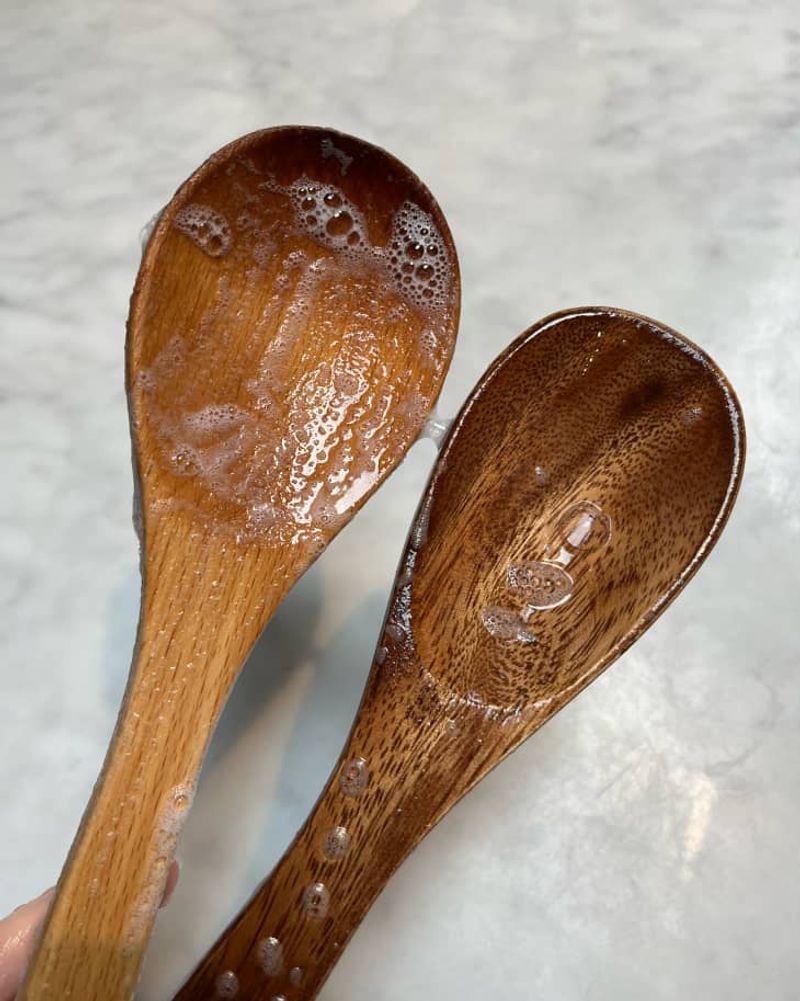
Before thermometers were common in home kitchens, cooks had to trust what they saw. One favorite trick was dipping the handle of a wooden spoon into the oil and watching closely for bubbles.
If small, steady bubbles gathered around the wood, that usually meant the oil was hot enough for frying.
I love this trick because it feels simple, visual, and low stress. You do not need batteries, apps, or extra gadgets cluttering your drawer.
It also reminds you to stay present at the stove, which is often the best safety tip of all when hot oil is involved.
2. Saving Bacon Grease For Flavor
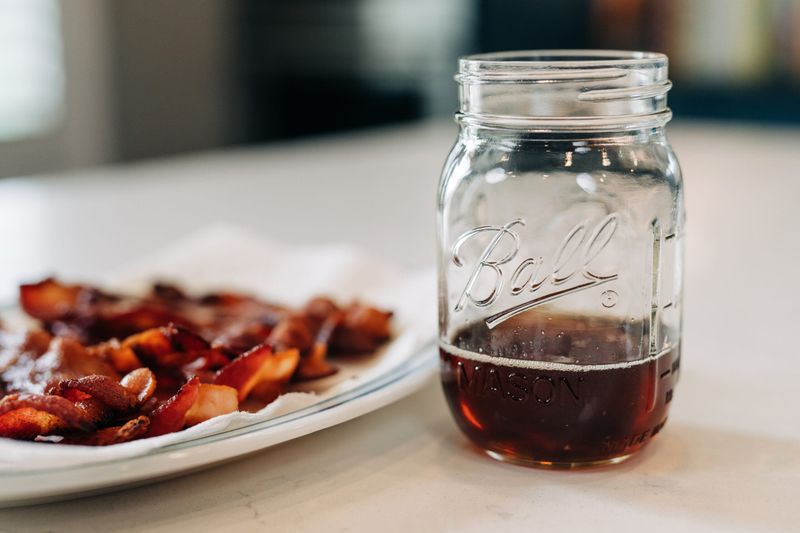
Grandma rarely threw away bacon grease because she knew flavor when she saw it. After cooking breakfast, the drippings were often strained into a jar or tin and kept for later use.
That little stash could transform fried potatoes, greens, beans, or cornbread with a deeper, smokier taste.
You only needed a spoonful to make plain food feel richer and more satisfying. It was a thrifty habit, but it also made everyday cooking taste special.
Even now, saving bacon grease can help you build big flavor without reaching for expensive ingredients or bottled shortcuts from the store.
3. Using Stale Bread Instead Of Wasting It
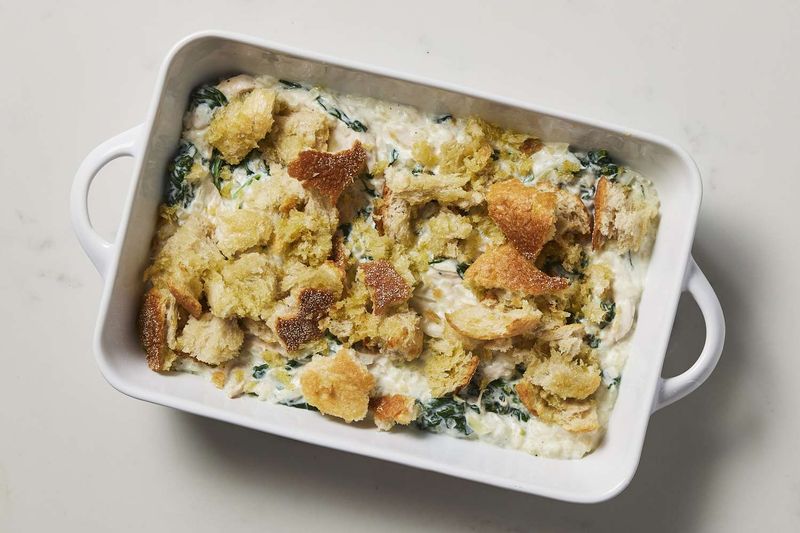
Stale bread was never automatically considered trash in an old-school kitchen. It became breadcrumbs, croutons, stuffing, bread pudding, or even a thickener for soups and casseroles.
That kind of thinking stretched groceries further and made one loaf do much more work than you might expect.
I think this habit says a lot about how carefully people used what they had. Instead of focusing on what bread was no longer good for, they found what it could become next.
If you hate food waste, this is one vintage trick that still feels smart, creative, and very useful today.
4. Keeping Celery Crisp In Water
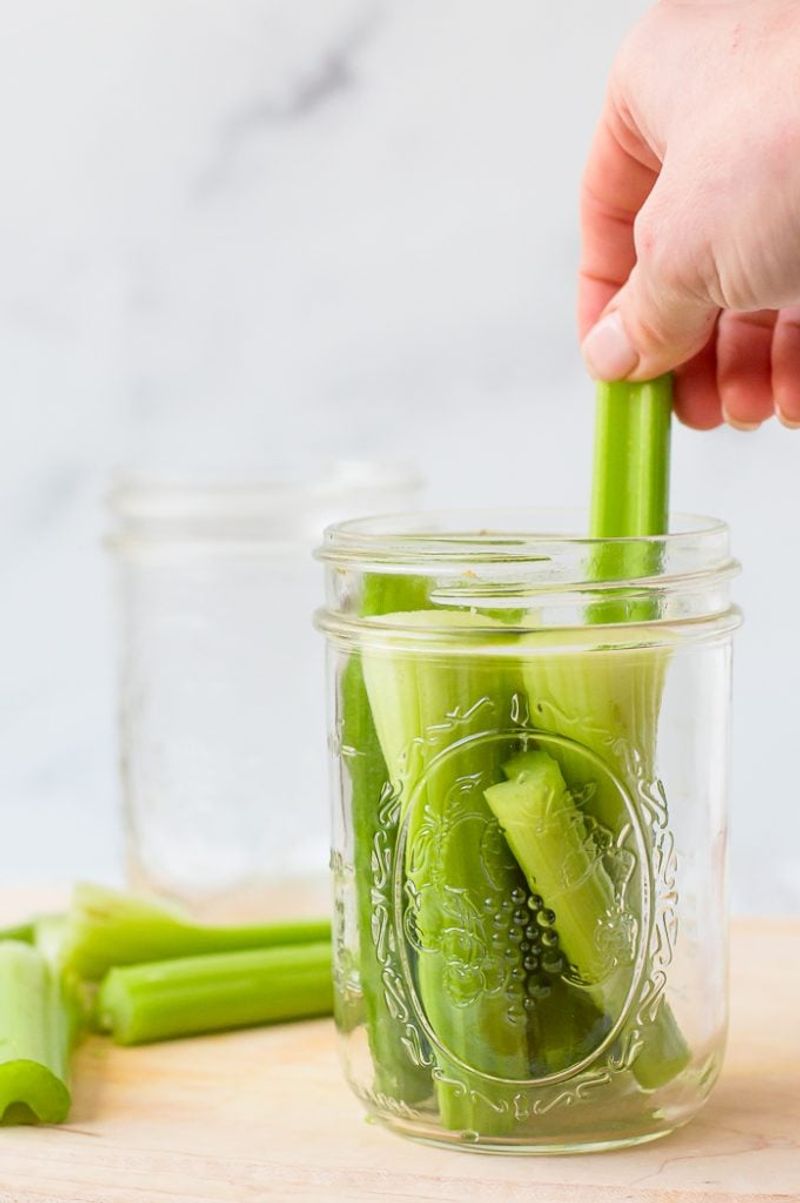
A limp bunch of celery did not always mean it belonged in the trash. Many cooks stood the stalks in cold water or soaked cut pieces to help bring back some crispness.
It was a simple trick, but it often made tired produce look and feel fresh enough to use again.
You can still do this when celery loses its snap in the fridge. The cold water helps the stalks firm up, which makes them nicer for snacking, soups, or salads.
Grandma understood that a small rescue could save both money and a trip to the store later.
5. Softening Brown Sugar With Bread
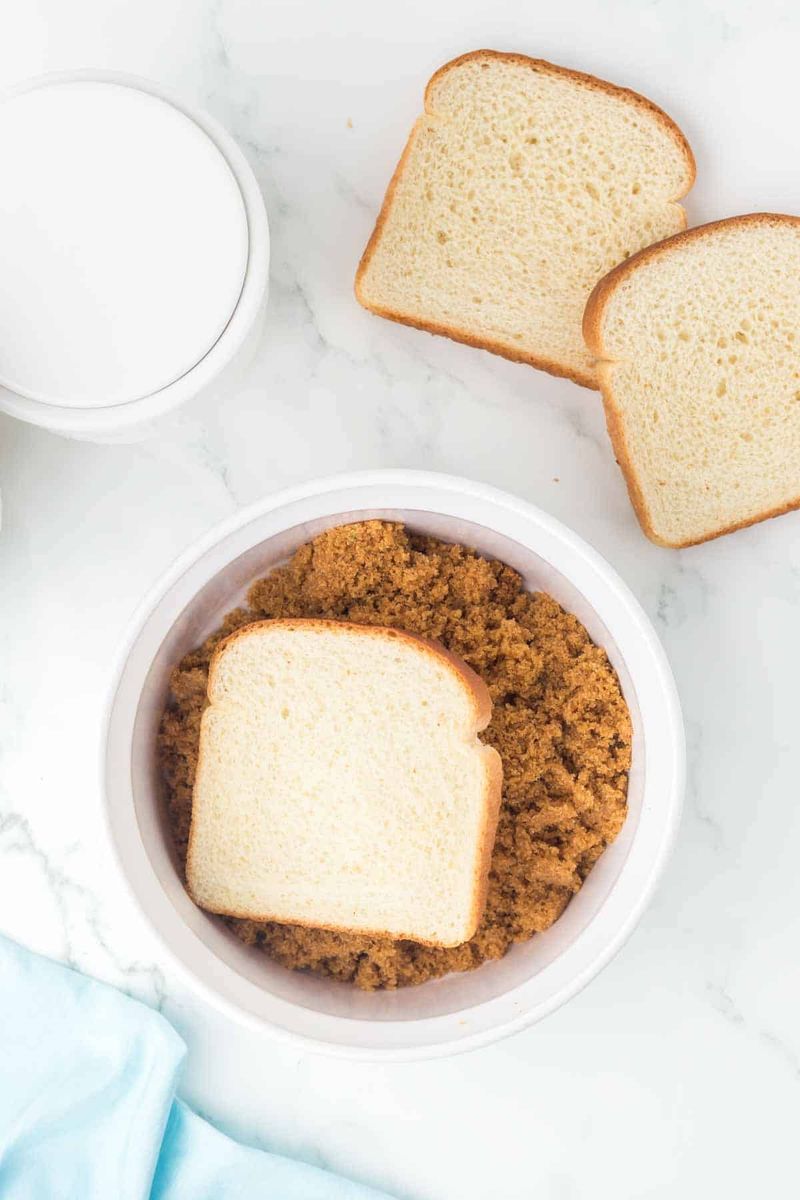
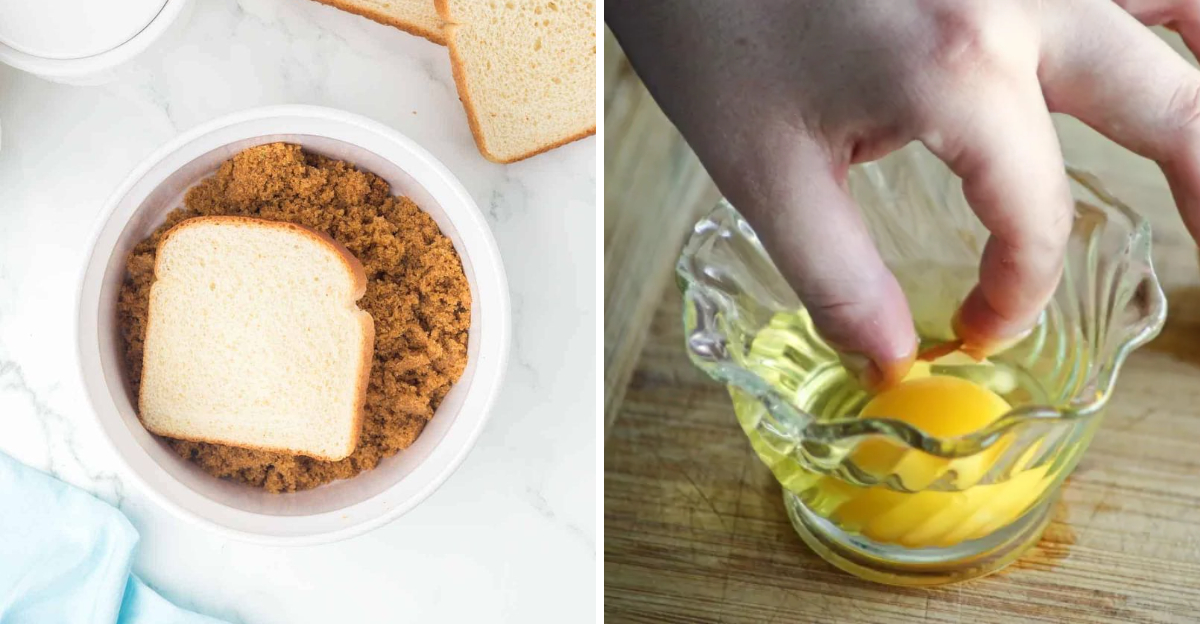
Brown sugar had a sneaky way of hardening into one stubborn brick. Instead of fighting it with force, older cooks slipped a slice of bread into the container and sealed it up.
Over time, the bread shared moisture with the sugar and helped soften it enough to use again.
I like this trick because it solves an annoying problem with almost no effort. You are not buying special gadgets or tossing out a half-used bag in frustration.
It is one of those quiet kitchen fixes that feels almost magical until you remember how practical grandmothers really were.
6. Peeling Potatoes Into A Bowl Of Water
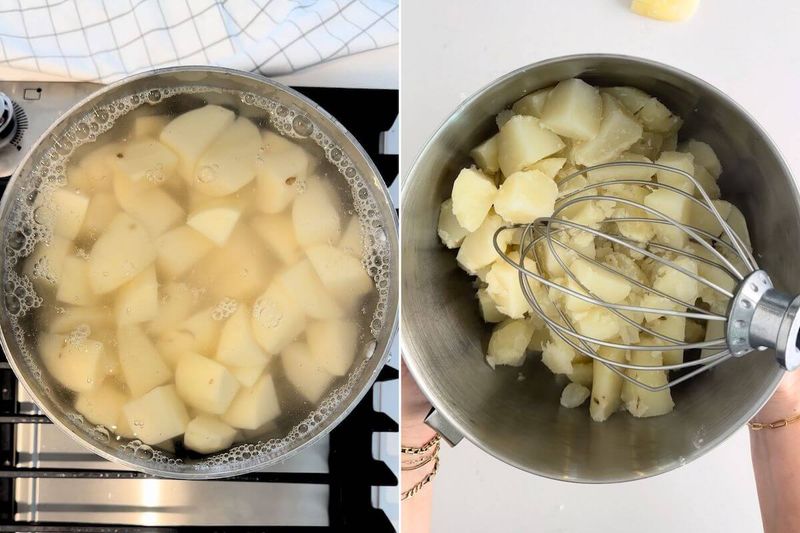
When a big family dinner was coming, potatoes were often peeled ahead of time. To keep them from browning, they went straight into a bowl of cold water until cooking started.
That easy step protected their color and let cooks prep early without losing that fresh, clean look.
This trick is still one of the best ways to get ahead before a busy meal. You can peel and cut potatoes with less last-minute stress, then cook when you are ready.
Grandma knew that smart prep was not about fancy systems, just simple steps that prevented unnecessary problems.
7. Adding A Pinch Of Sugar To Tomato Sauce
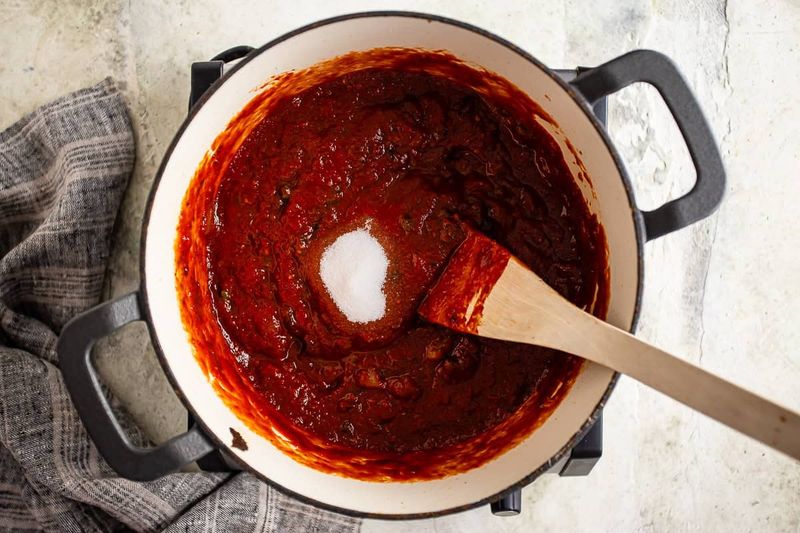
If tomato sauce tasted too sharp, many grandmothers reached for a little sugar. The goal was not to make the sauce sweet, but to soften the harsh acidic edge.
Just a pinch could round out the flavor and make the whole pot taste calmer and more balanced.
You can think of it as a gentle nudge rather than a major adjustment. Sometimes tomatoes vary, especially canned ones, and this tiny addition helps smooth things out fast.
It is a good reminder that old kitchen wisdom often came from tasting carefully, then fixing problems with the smallest possible move.
8. Using Eggshells To Clear Tiny Shell Bits
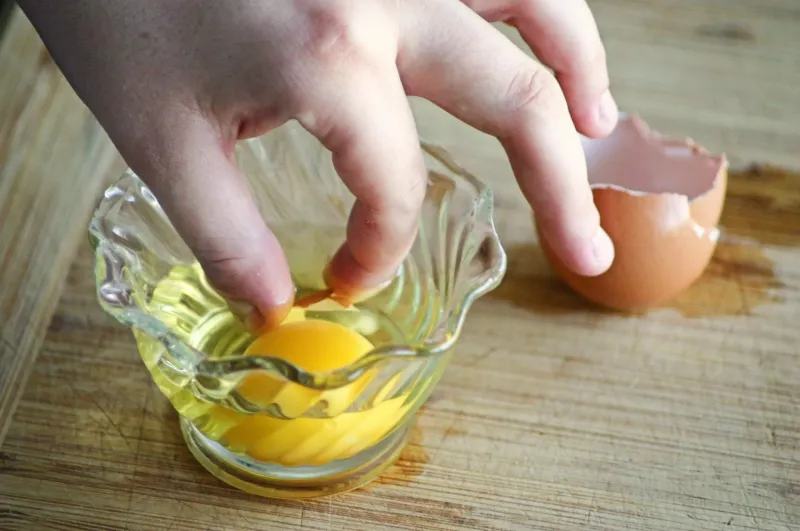
Cracking eggs into a bowl does not always go perfectly, and tiny shell bits can slip in fast. One old trick was to use part of the eggshell itself to scoop the stray piece out.
The shell often grabs the fragment better than a spoon, which tends to chase it around.
I still think this is one of the smartest little kitchen fixes ever. It uses what is already in your hand, and it works without any fuss.
Grandma did not need a specialized tool for every small problem because she understood that the simplest solution was often right in front of you.
9. Rolling Citrus Before Juicing
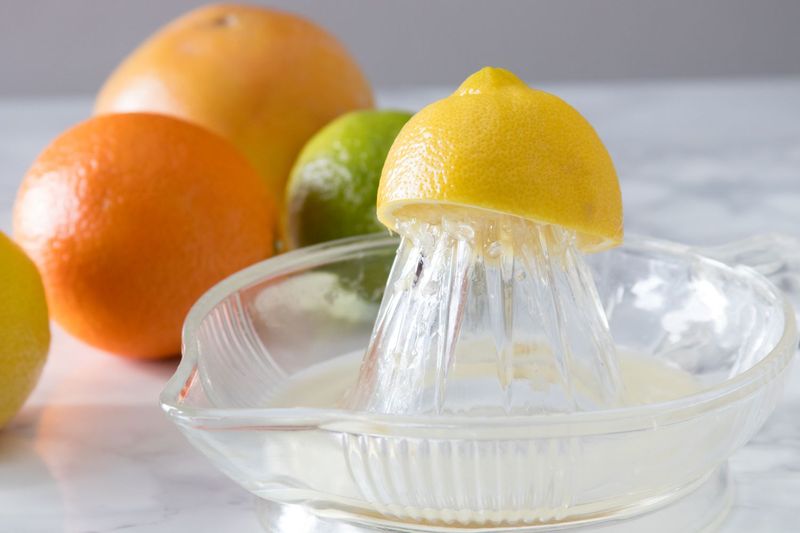
Before squeezing a lemon or orange, many cooks rolled it firmly on the counter first. That little pressure helped loosen the juice inside and made the fruit easier to squeeze.
It only took a few seconds, but it often meant getting noticeably more juice into the bowl or pan.
You can use this trick anytime a citrus fruit feels firm and stingy. It is especially helpful when you need every bit for dressing, baking, or homemade lemonade.
Grandma paid attention to small efficiencies like this because tiny steps added up, especially when ingredients were expected to stretch as far as possible.
10. Covering Cake With A Clean Towel
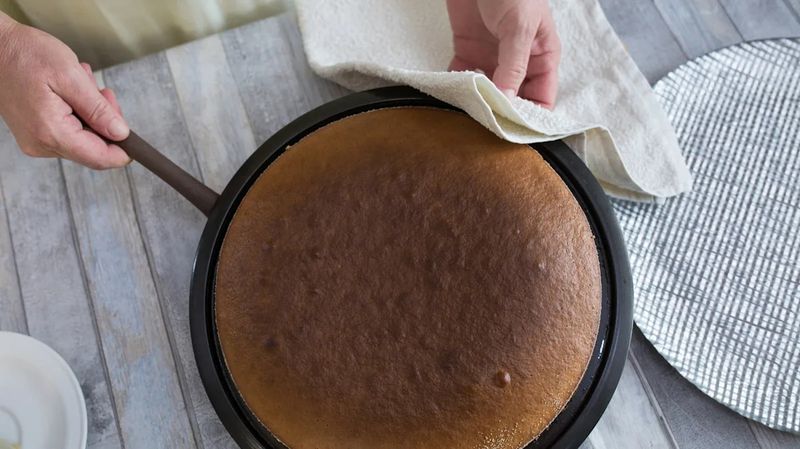
Not every kitchen had a dedicated cake keeper waiting in the cupboard. Once a cake cooled, it might simply be covered with a clean towel to shield it from dust and air.
That practical move helped protect the surface while keeping it from drying out too quickly.
I love how unfussy this trick feels compared with modern storage solutions. It used what was available and got the job done without making baking feel complicated.
Grandma’s kitchen was full of these flexible habits, where resourcefulness mattered more than owning every special container a store could possibly sell.
11. Reviving Leftover Rice In A Pan
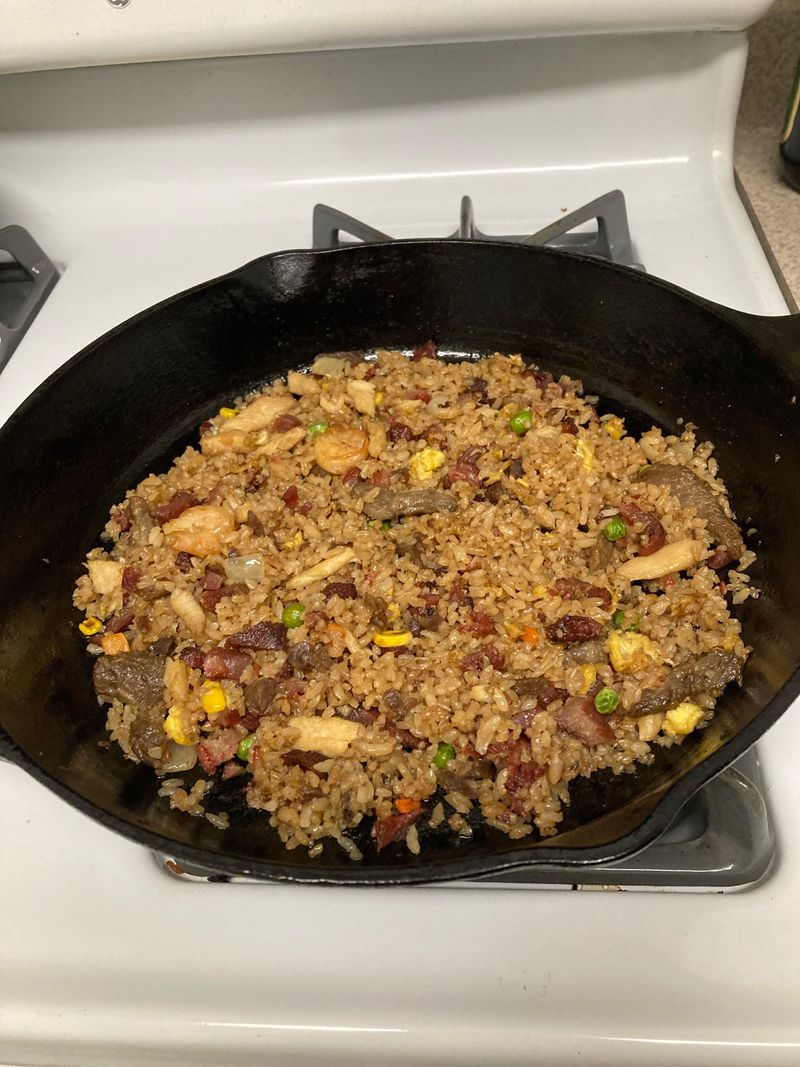
Long before microwaves took over, leftover rice often came back to life in a skillet. A splash of water and a lid created steam, which helped the grains soften without turning dry or tough.
It was a gentle method that made yesterday’s rice much nicer to eat.
You can still use this trick when reheated rice seems disappointing from the fridge. The pan gives you more control, and the steam restores texture surprisingly well.
Grandma knew leftovers deserved care too, because making food pleasant the second time around was part of keeping a kitchen efficient and welcoming.
12. Measuring By Eye Instead Of By Gadget
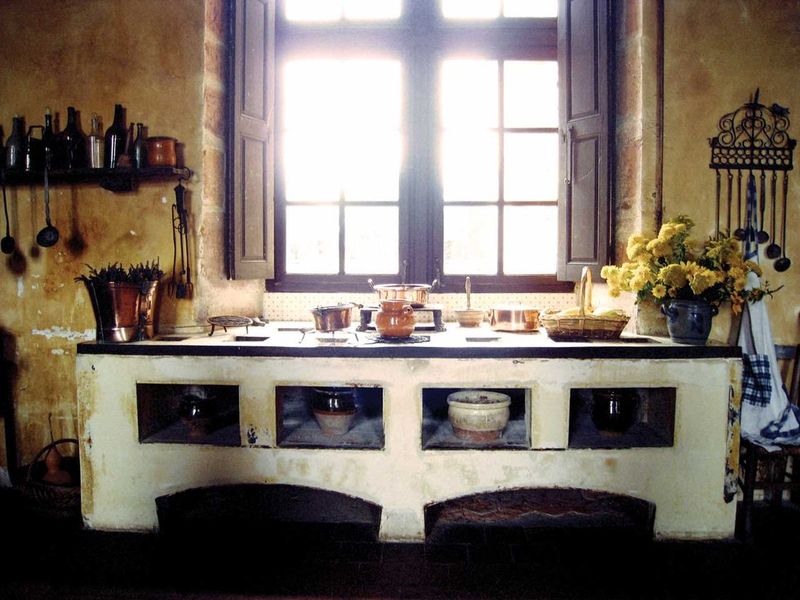
Many vintage cooks did not rely on drawers full of measuring gadgets. A coffee cup, a spoon, a pinch, or the palm of a hand often stood in for exact tools.
Years of repetition taught them what looked right, and that confidence carried dinner from memory to table.
I would not use this method for every delicate bake, but it still has value. It teaches you to notice texture, proportion, and instinct instead of staring at numbers alone.
Grandma cooked by feel because she knew food is not always perfect, and a practiced eye can be surprisingly accurate.
13. Using Salt To Scrub Cast Iron
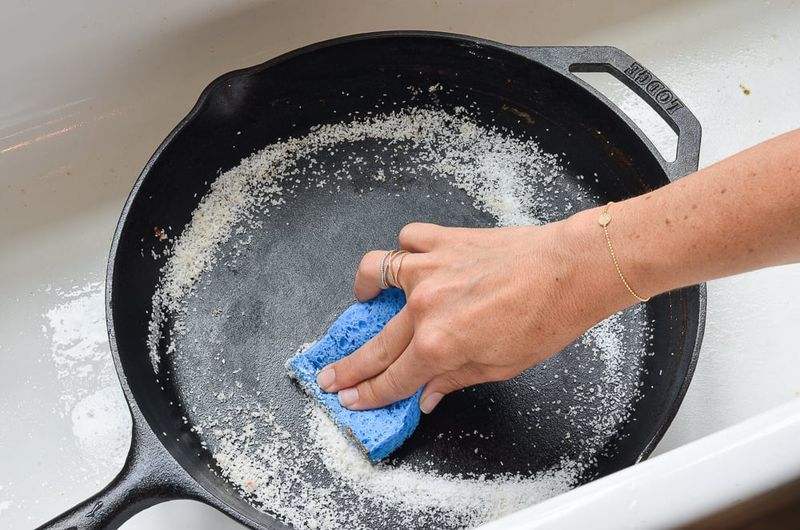
Cast iron skillets were treated with respect, and cleaning them took a gentle approach. Instead of relying on soap every time, many cooks used coarse salt to scrub away stuck bits.
The salt added abrasion without stripping the seasoned surface that made the pan work so well.
This is still a great trick when your skillet needs a quick cleanup after cooking. You get the mess off without being too harsh on the finish you worked to build.
Grandma understood that maintenance was part of good cooking, and taking care of tools meant they could last for generations.
14. Letting Butter Sit Out To Soften
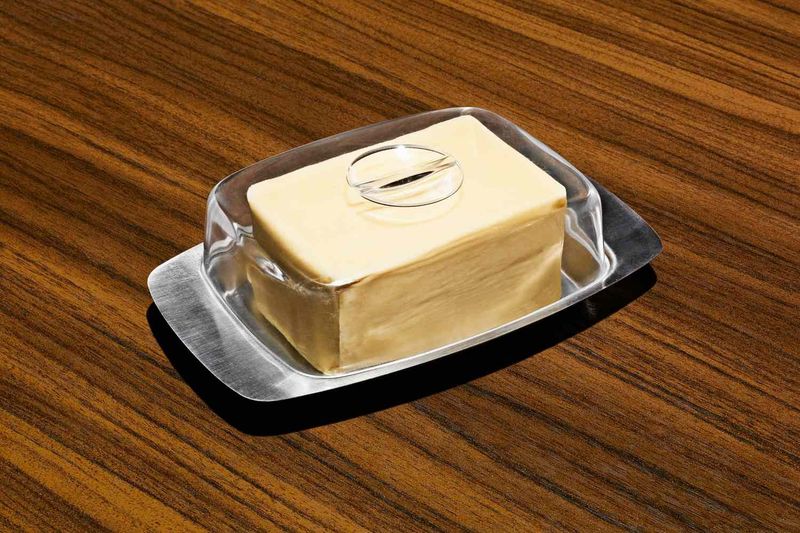
Instead of rushing butter soft with modern shortcuts, Grandma usually planned ahead. Butter sat on the counter for a while before baking so it could soften naturally and evenly.
That patience made it easier to cream with sugar, spread on bread, or blend smoothly into a batter.
You can really feel the difference when butter reaches the right texture on its own. It mixes better, traps air more effectively, and behaves the way recipes expect.
This trick is less about nostalgia and more about results, proving that a little waiting can make baking easier and more reliable.
15. Turning Leftovers Into A Whole New Meal
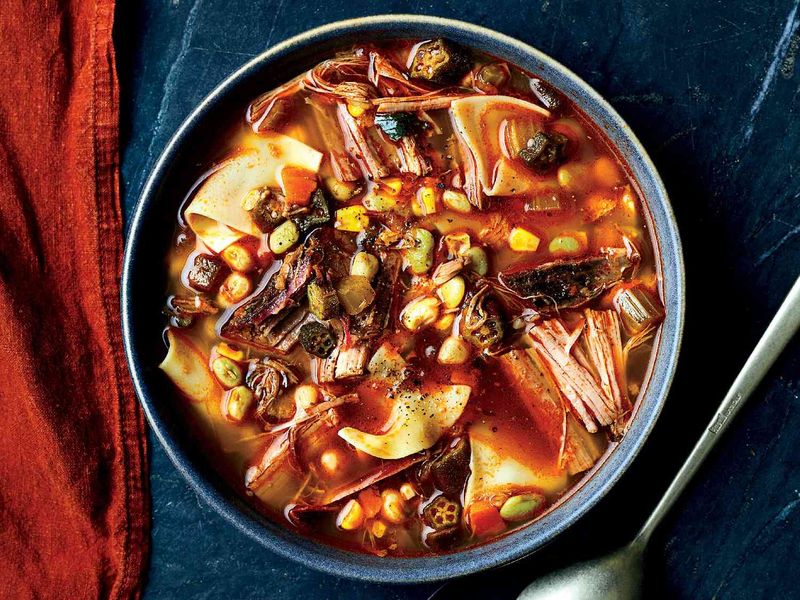
One of the best old kitchen tricks was really a way of thinking. Roast chicken became soup, extra vegetables turned into hash, and mashed potatoes found new life as patties or casserole topping.
Instead of seeing leftovers as boring, Grandma saw the beginning of tomorrow’s meal.
I think this habit might be the smartest one on the whole list. It saves money, reduces waste, and keeps your cooking creative without much extra effort.
When you learn to transform food instead of tossing it, the kitchen feels more resourceful, and every meal starts working a little harder for you.