15 West Coast Fast-Food Chains That Pioneered The Industry
The West Coast didn’t just embrace fast food, it helped invent the playbook. From streamlined systems to drive-thru magic, these chains shaped how you order, eat, and crave on the go.
You’ll see the origin stories behind cult favorites and household names, plus a few pioneers that deserve more love. Ready to trace the flavor road map that changed American eating forever?
1. McDonald’s
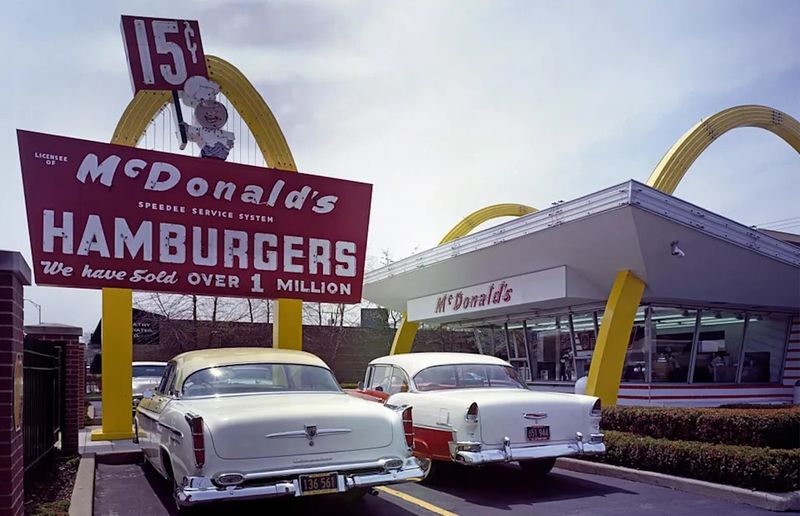
Before golden arches dominated skylines, a little Southern California stand perfected speed. The Speedee Service System turned burgers into an assembly-line craft, with stations, timing, and repetition.
Suddenly, consistency was not a miracle but a method.
That process obsession became the industry’s backbone. You could drive up in any town and expect the same hot fries and quick handoff.
It taught chains that standardization scales flavor, and that speed sells smiles.
The West Coast tinkered first, then the world followed. What began as roadside hustle became a global routine.
2. In-N-Out Burger
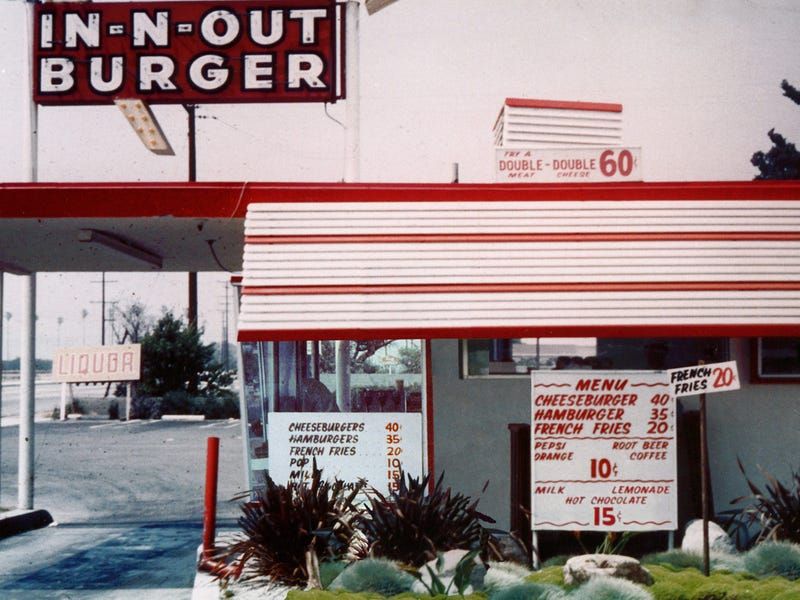
Simplicity can be radical when everyone else complicates. In-N-Out kept the menu tight, the ingredients fresh, and the service dialed to cruising speed.
Early two-way speaker drive-thrus made carside ordering feel futuristic and friendly.
The secret menu whispered customization without clutter. Hand-cut fries, real milkshakes, and burgers griddled to order proved restraint tastes better.
You felt taken care of, not sold to.
That understated confidence influenced countless brands. Keep it focused, keep it fast, keep it delicious.
The West Coast cool turned into national devotion.
3. Jack in the Box
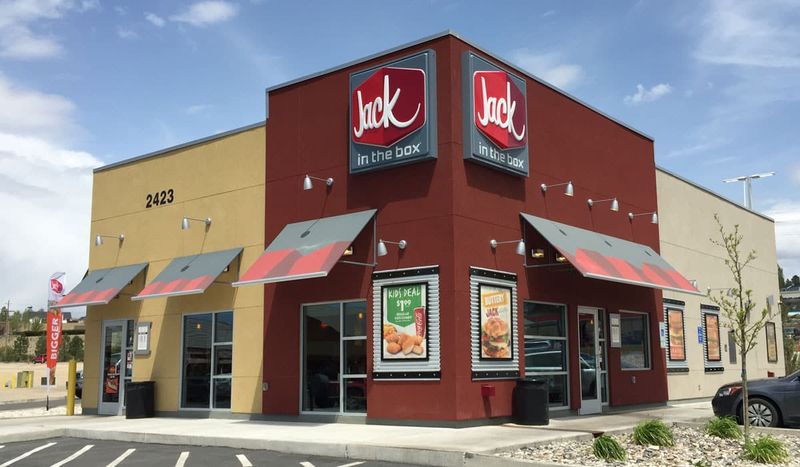
Jack in the Box treated drive-thru like a 24-7 stage. The speaker crackled, the menu spanned breakfast, tacos, and burgers, and convenience led every decision.
It felt like the anytime kitchen parked by your commute.
Pushing late-night service and quirky innovation, they normalized grabbing food on unpredictable schedules. The drive-thru became not just a feature, but the front door.
With variety as a strategy, they taught chains to pivot fast with tastes. The result was a playbook for modern, flexible fast food that keeps lines moving and cravings answered.
4. Taco Bell
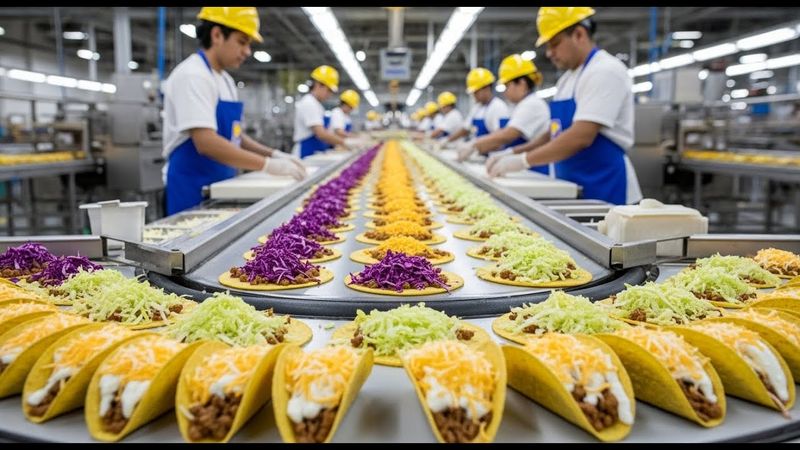
Taco Bell translated Mexican-American flavors into a fast, familiar ritual. Crunchy shells, seasoned beef, and customizable layers met an assembly-line rhythm that made new tastes approachable.
You learned a vocabulary of tacos, burritos, and hot sauce packets.
By standardizing spice and crunch, they created a genre that could travel anywhere. The model showed how bold flavors and speed could coexist.
It wasn’t fine dining, but it was fun, affordable, and repeatable. That formula unlocked a new lane in fast food, turning curiosity into weeknight habit across the country.
5. Del Taco
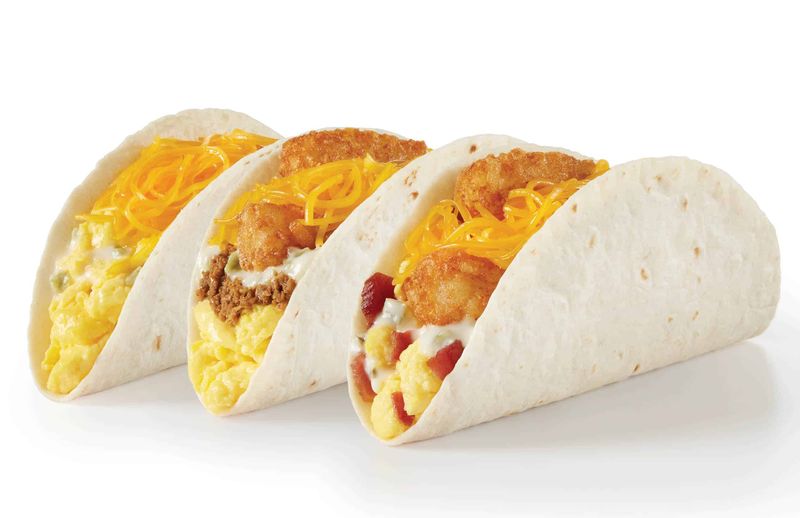
Del Taco carved a distinct space by pairing value with heft. Big tacos, saucy burritos, and fast service delivered West Coast flavor without pretense.
You could order a feast and still feel smart about the bill.
They balanced American comfort with Mexican basics, meeting late-night hunger and weekday lunches equally. Consistency mattered as much as size.
That blend taught chains to respect price perception as a feature, not a footnote. If cravings are currency, Del Taco printed plenty.
The result was loyal regulars who loved getting more without waiting longer.
6. Carl’s Jr.
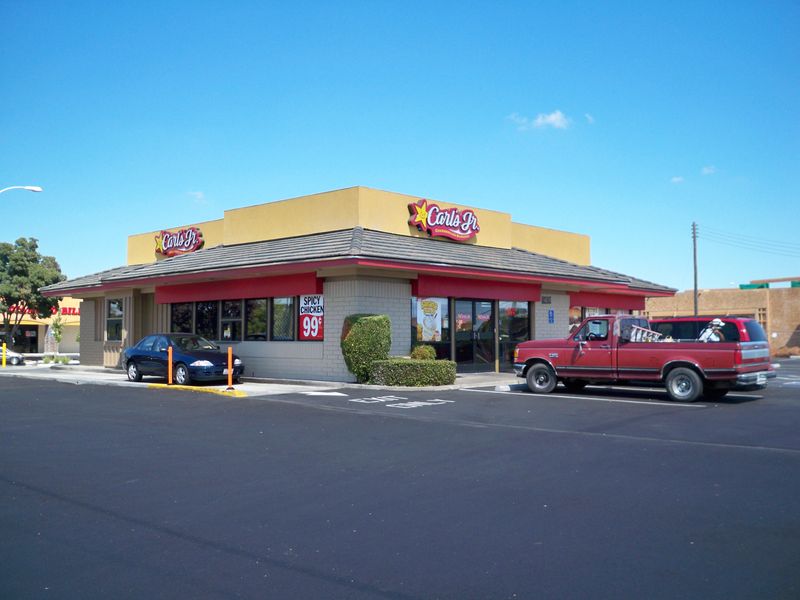
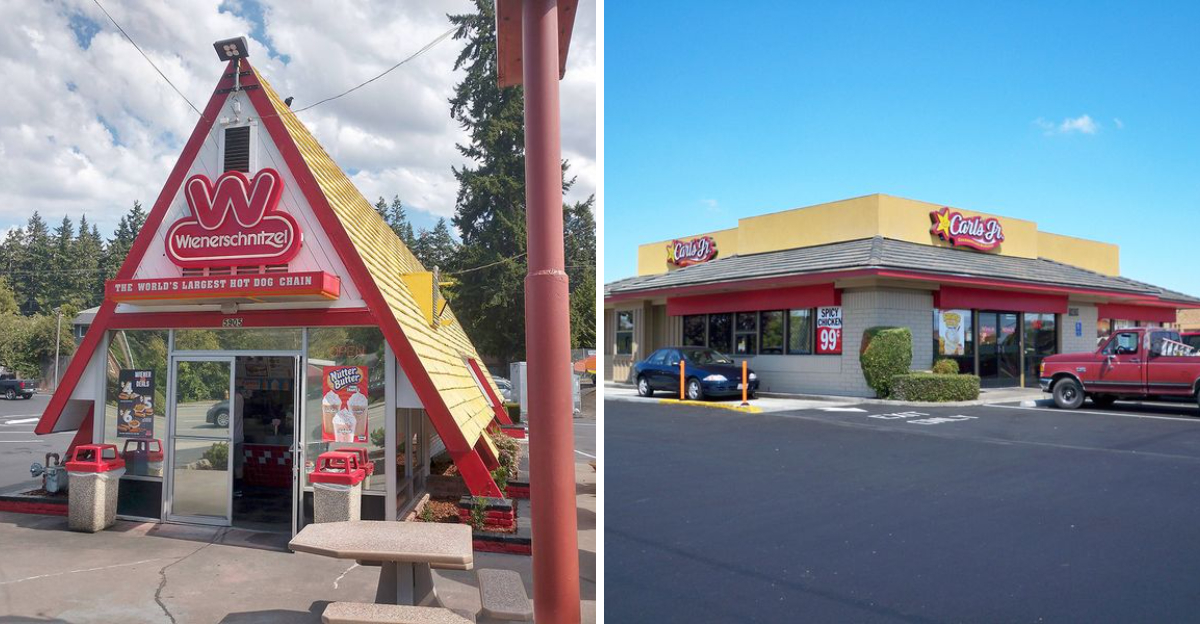
Carl’s Jr. evolved from a humble stand into a franchising force. Charbroiled burgers and that iconic star sign marked a West Coast shift from drive-ins to modern quick service.
The chain learned to scale personality without losing heat.
With bigger burgers and visible flame, flavor looked dramatic and tasted bold. You saw the sizzle and trusted the bite.
Its growth playbook helped define how regional brands leap to wider maps. The path ran through franchising, marketing swagger, and reliable burgers that felt a notch indulgent.
7. A&W Restaurants
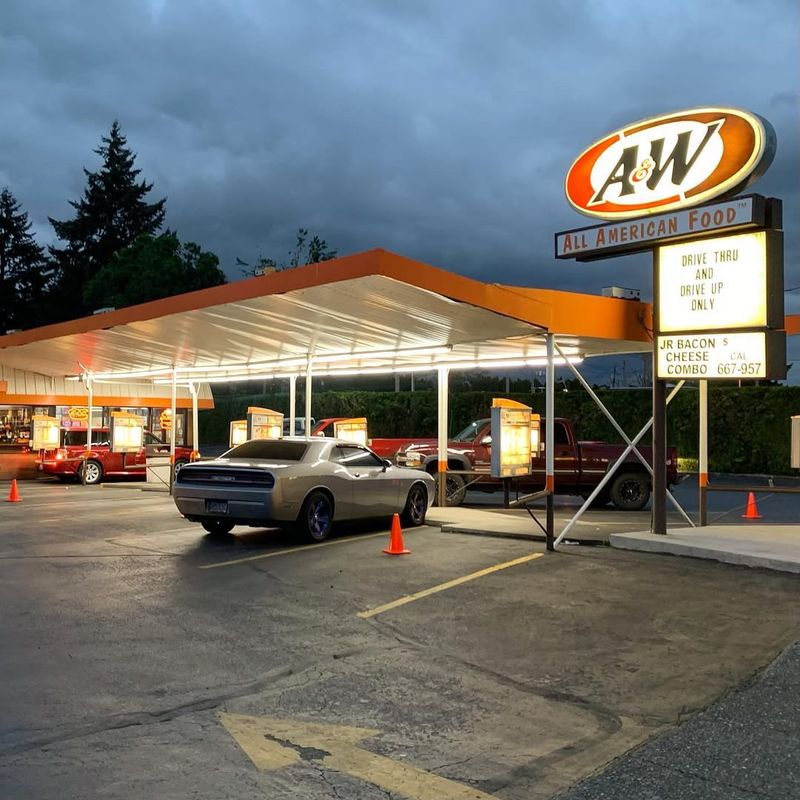
Before fast food had a name, A&W had a rhythm. Root beer stands, carhops, and frosty mugs defined roadside America on the West Coast.
Families rolled up, windows down, and treats arrived on metal trays.
That drive-in culture taught chains how to serve quickly in cars. The product was simple, the experience memorable.
As locations multiplied, consistency in syrup, carbonation, and hospitality mattered. A&W showed that a signature item can anchor a movement.
The mug, the foam, the ritual became a blueprint for scalable, craveable stops.
8. Foster’s Freeze
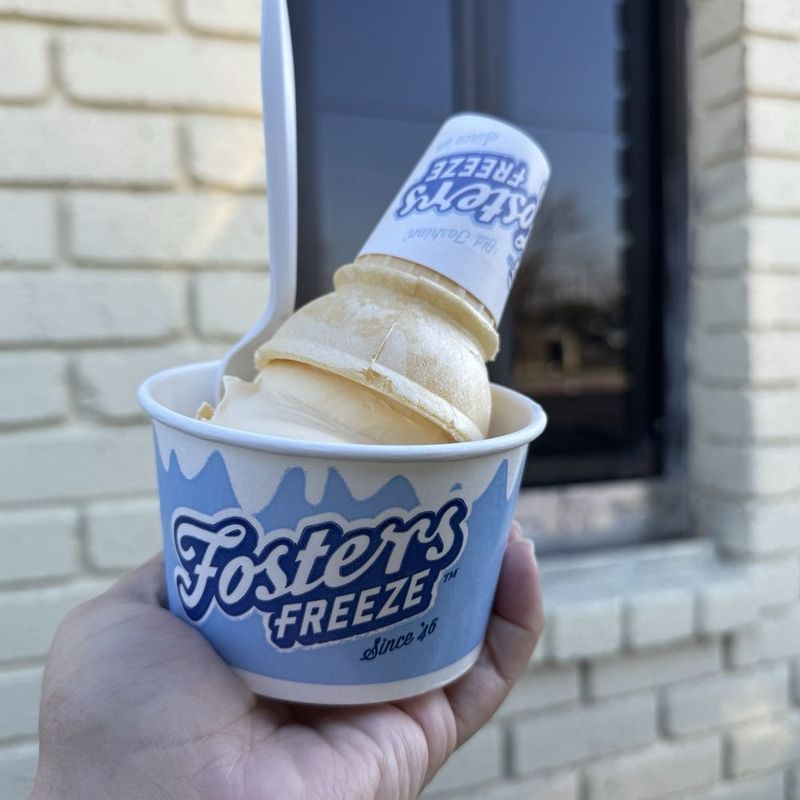
Foster’s Freeze made soft-serve a roadside love language. Swirls in cones, dipped shells, and sundaes turned quick stops into sunny memories.
The stand format proved dessert could anchor a destination.
Drive-in culture needed a sweet counterpart, and this delivered with speed. You did not wait long for joy.
By standardizing machines, mixes, and portions, they kept quality consistent while lines moved. That dessert-first model influenced countless windows and walk-ups.
Fast food is not just entrees, and Foster’s made that obvious.
9. Fatburger
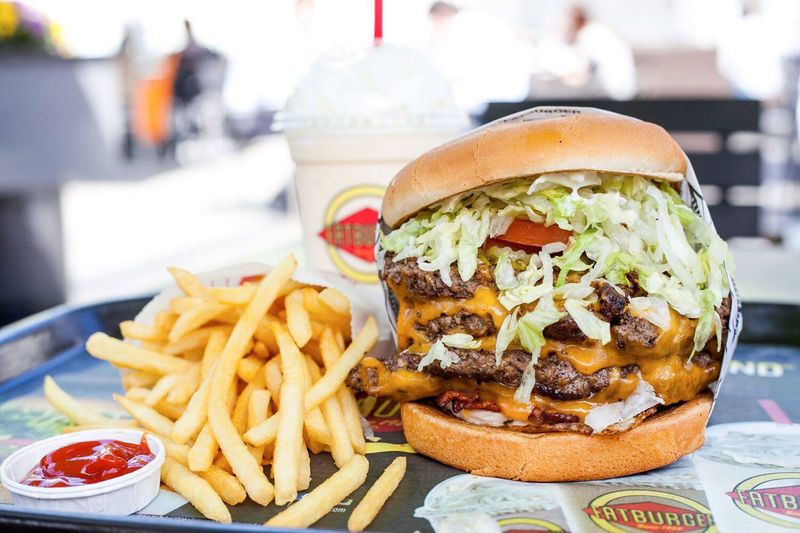
Fatburger proved made-to-order could still move fast. You watched patties sizzle, picked toppings, and felt ownership of the outcome.
Customization wasn’t a gimmick, it was the point.
That control invited loyalty and swagger. If you wanted heat, size, or extra cheese, it happened your way without slowing the line.
The vibe blurred diner and quick service, pioneering a premium feel at counter speed. Today’s build-your-burger trend traces back here.
It taught chains that freshness and choice can scale when the line is designed for it.
10. Bob’s Big Boy
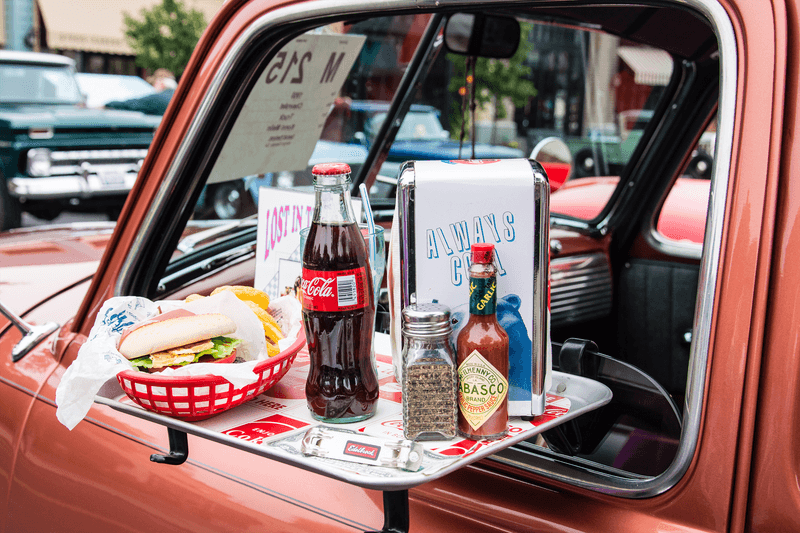
Bob’s Big Boy blended diner comfort with drive-in convenience. The signature double-deck burger, thick shakes, and curbside service turned quick meals into family rituals.
You could sit, linger, or roll through.
Combo meals felt celebratory rather than transactional. The brand made fast food feel like an outing, not just a pit stop.
That hybrid identity influenced how chains design experiences beyond the bag. Nostalgia, architecture, and mascots worked together.
It was marketing through memories, delivered with fries.
11. Wienerschnitzel
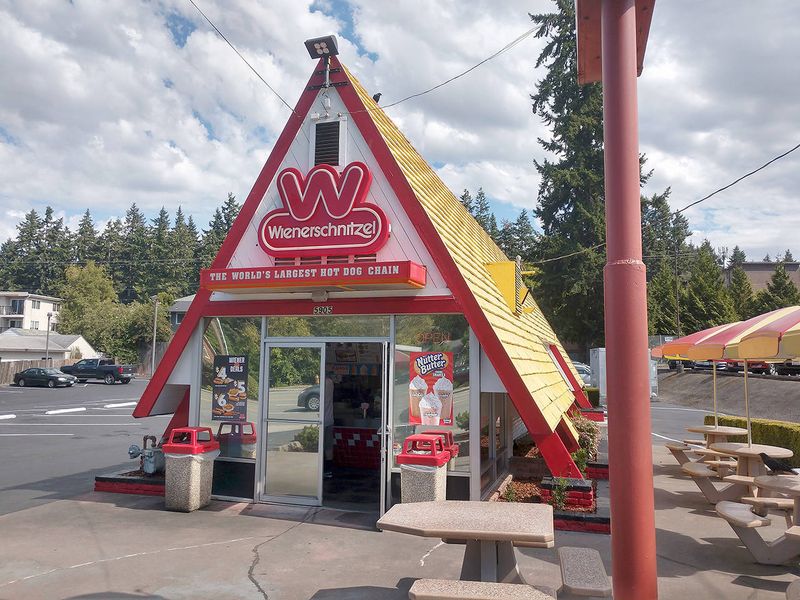
Wienerschnitzel built an empire on focused cravings. Hot dogs, chili, and simple toppings moved fast across a compact kitchen.
The specialized menu meant training was tight and service stayed swift.
That singular purpose proved you do not need burgers to thrive. A-frame buildings and bold colors made spots easy to recognize at speed.
By championing a niche, they showed category leadership is possible in fast food. When you wanted dogs, you knew exactly where to drive.
Reliability tasted like mustard and onions.
12. El Pollo Loco
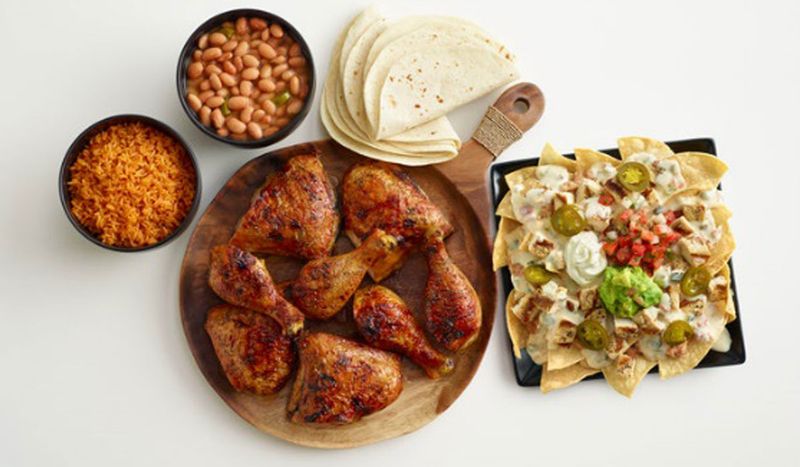
El Pollo Loco put fire-grilled chicken at center stage. You could smell citrus and smoke from the parking lot, proof that lighter could still be loud with flavor.
The grill offered theater and trust.
Meals came with warm tortillas, beans, and salsa, a departure from burger monotony. It felt fresh without sacrificing speed.
By standardizing marinades and grill timing, they scaled nuance. The result was a healthier-leaning option that still satisfied weeknight cravings.
Many chains followed with flame and marinade stories.
13. Pioneer Chicken
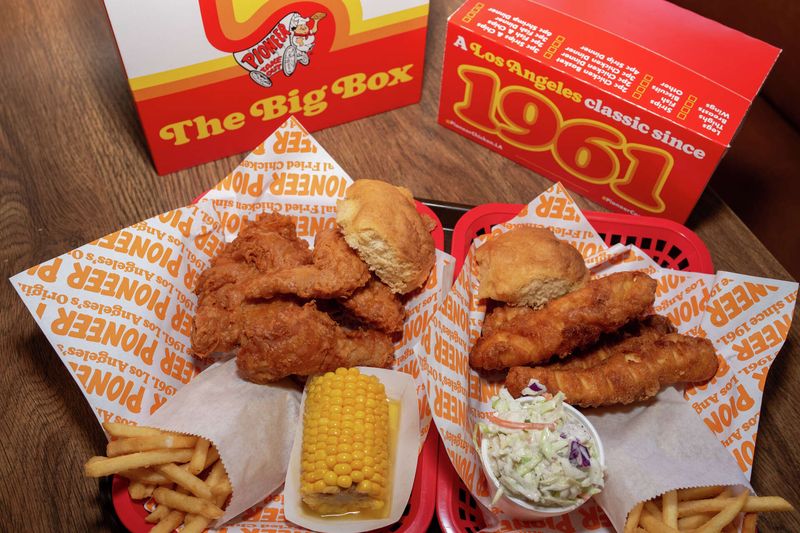
Pioneer Chicken helped define West Coast fried chicken cravings before the category exploded. Crispy, vividly seasoned pieces sat glowing under heat lamps, ready for quick handoffs.
It taught busy neighborhoods that chicken dinners could be fast and dependable.
Packaging, sides, and combo deals streamlined decisions and kitchen flow. You got crunch without long waits.
Though not as widespread today, its influence lingers in how chains stage chicken, manage breading systems, and serve families at scale. Pioneers do not always stay giants, but they mark the trail.
14. Dick’s Drive-In
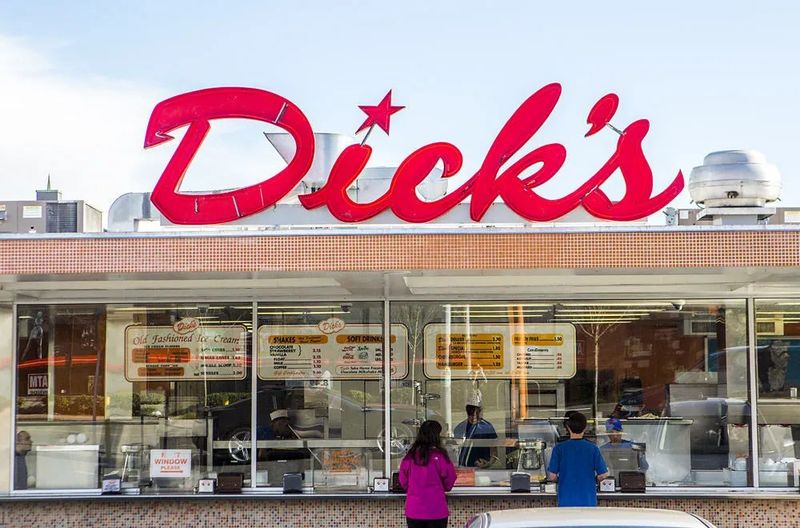
Dick’s Drive-In kept it stunningly simple. A short menu, walk-up windows, and fair prices made decisions fast and service faster.
You knew exactly what you were getting and why it hit the spot.
That discipline created speed without gimmicks. Fresh fries, shakes, and griddled burgers did the talking.
The model influenced countless stands that valued ritual over complexity. When costs rise and time shrinks, clarity wins.
Dick’s proved a regional classic can feel timeless by staying lean and consistent.
15. Burgerville
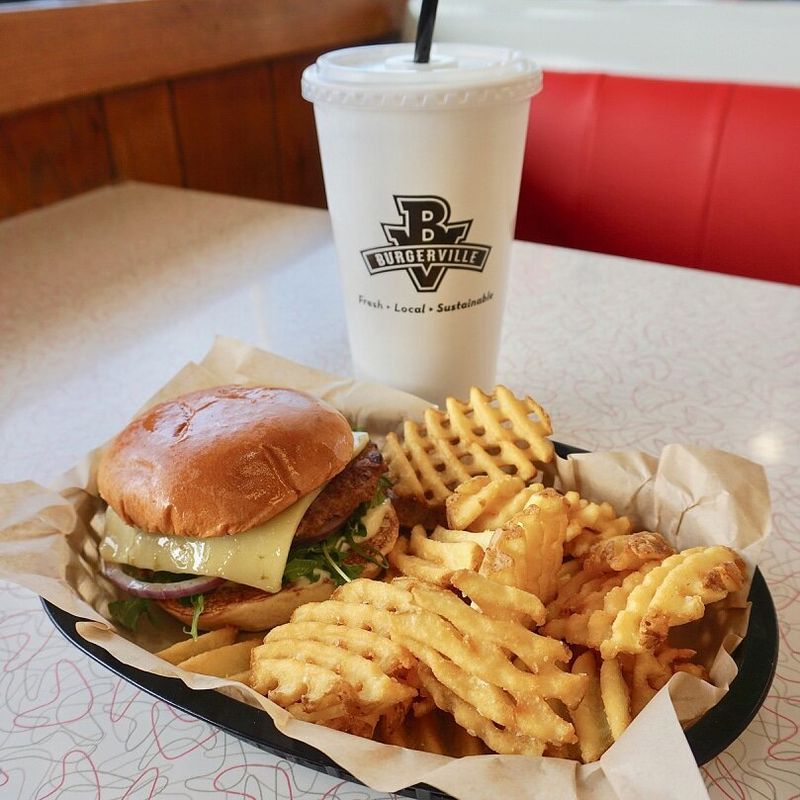
Burgerville leaned into the Pacific Northwest identity before local sourcing was cool. Seasonal shakes, regionally raised beef, and community messaging made fast food feel grounded.
You tasted where you were.
That approach created loyalty beyond convenience. Limited-time items turned seasons into menu moments and reasons to return.
By proving transparency could be speedy, they nudged the industry toward better sourcing stories. The lesson traveled far: local can scale when supply chains are thoughtful.
It is fast food with roots, not just routes.