16 Everyday Restaurant Mistakes That Cost You Money
Ever leave a restaurant feeling like the bill sneakily climbed while you were just trying to enjoy dinner. Small habits quietly add up, and restaurants are designed to nudge you toward pricier choices without you noticing.
With a few smart tweaks, you can eat well and still save real money. Let’s break the easy wins so your next meal out feels satisfying, not spendy.
1. Skipping the menu scan
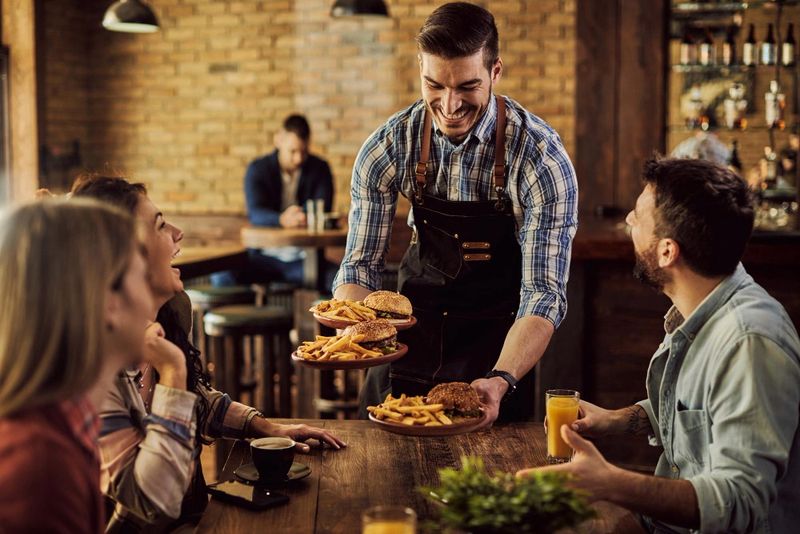
Glancing at the first items you see often means paying more for less. Menus place profitable dishes where your eyes naturally land, usually at the top right or in boxes.
Slow down and scan the entire menu so you actually compare portions, sides, and prices.
Look for simple dishes that do not rely on expensive add ons. Ask about portion sizes and whether sides are included.
When you compare fully, you spot better value and avoid defaulting to the priciest placements.
2. Ordering drinks first
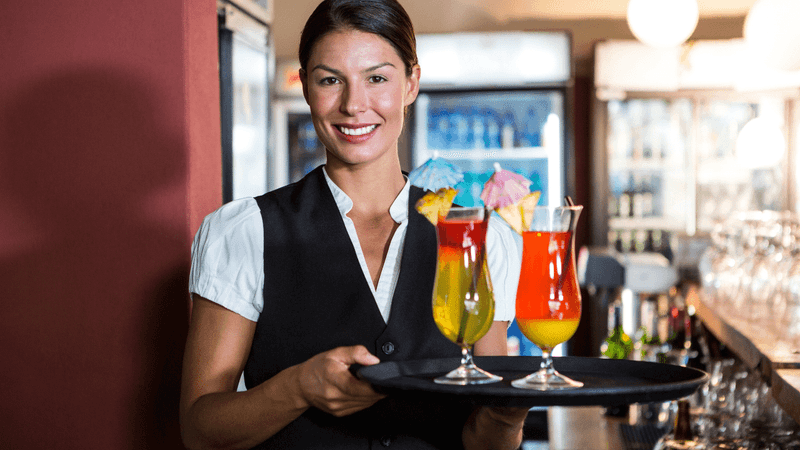
Servers often ask about drinks before you look at food, and that quick yes instantly inflates your bill. Alcohol, specialty sodas, and mocktails carry the fattest margins.
If you wait until after choosing food, you might realize water fits your plan or one drink is plenty.
Decide your budget before ordering beverages. Share a carafe or choose a single house pour if you want something special.
By delaying the drink decision, you reduce impulse choices and keep costs aligned with your meal.
3. Ignoring daily specials
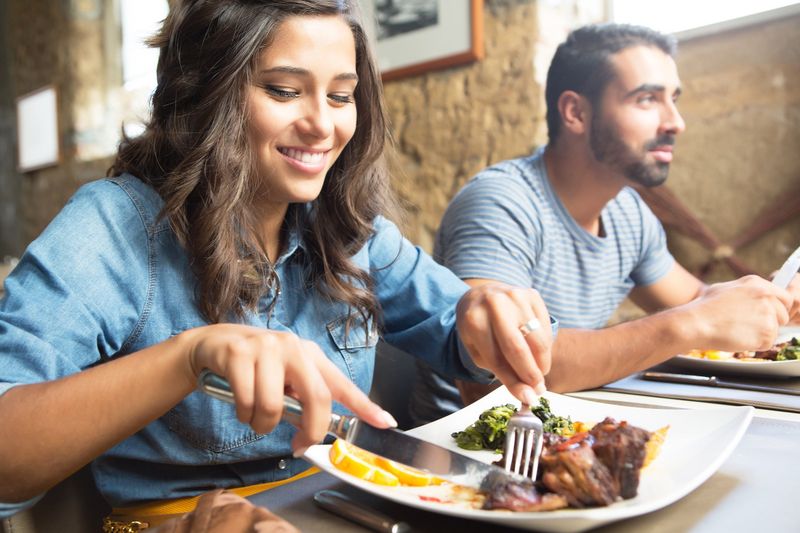
Specials can be strategic bargains or sneaky upsells. Many places price specials to move fresh inventory fast, which means value for you.
Other times, specials are high margin spotlight dishes. Ask questions before committing so you know which kind you are getting.
Ask what is included, portion size, and whether it is discounted versus regular menu items. Compare to similar dishes on the menu.
When specials are genuinely priced to clear great products, you win. If not, skip them without fear.
4. Not asking about substitutes
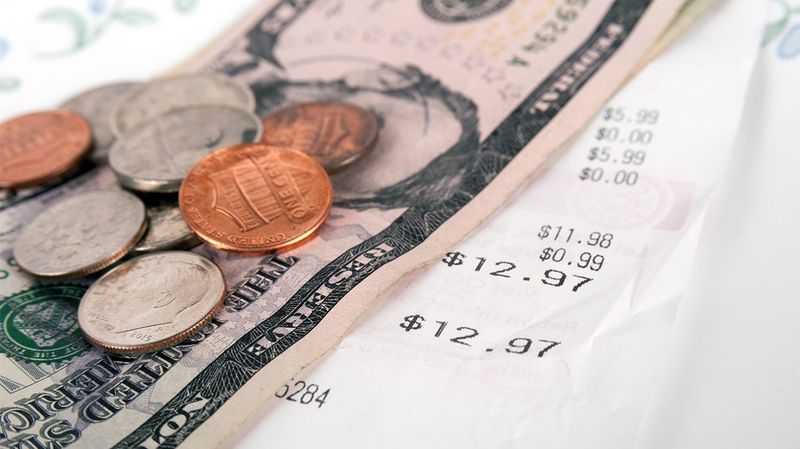
Paying extra for small swaps can snowball. Many kitchens can substitute sides like salad instead of fries or vegetables instead of a premium add on, often at little or no cost.
It never hurts to ask, and the worst answer is no.
State what you actually want rather than defaulting to preset combos. If a dish includes sides you will not eat, request a trade that suits your taste and budget.
Those tiny adjustments reduce waste and lower your total without sacrificing satisfaction.
5. Forgetting to share plates
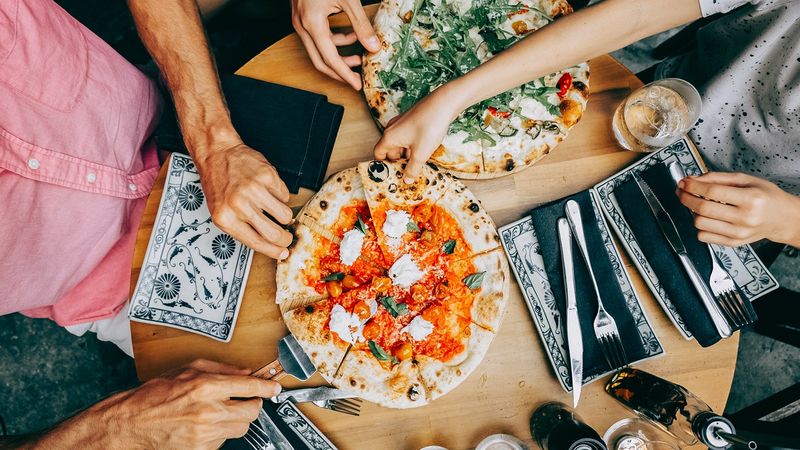
Portions are often oversized, and ordering individual entrees can waste food and cash. Sharing an appetizer and one entree lets you taste more while keeping the bill manageable.
You stay satisfied without leaving heavy leftovers you might not take home.
Ask whether the kitchen can split plates or provide extra plates. Order a side or soup to round things out.
Sharing encourages mindful pacing, helps you avoid over ordering, and turns dinner into a tasting experience that feels indulgent, not expensive.
6. Overlooking lunch portions
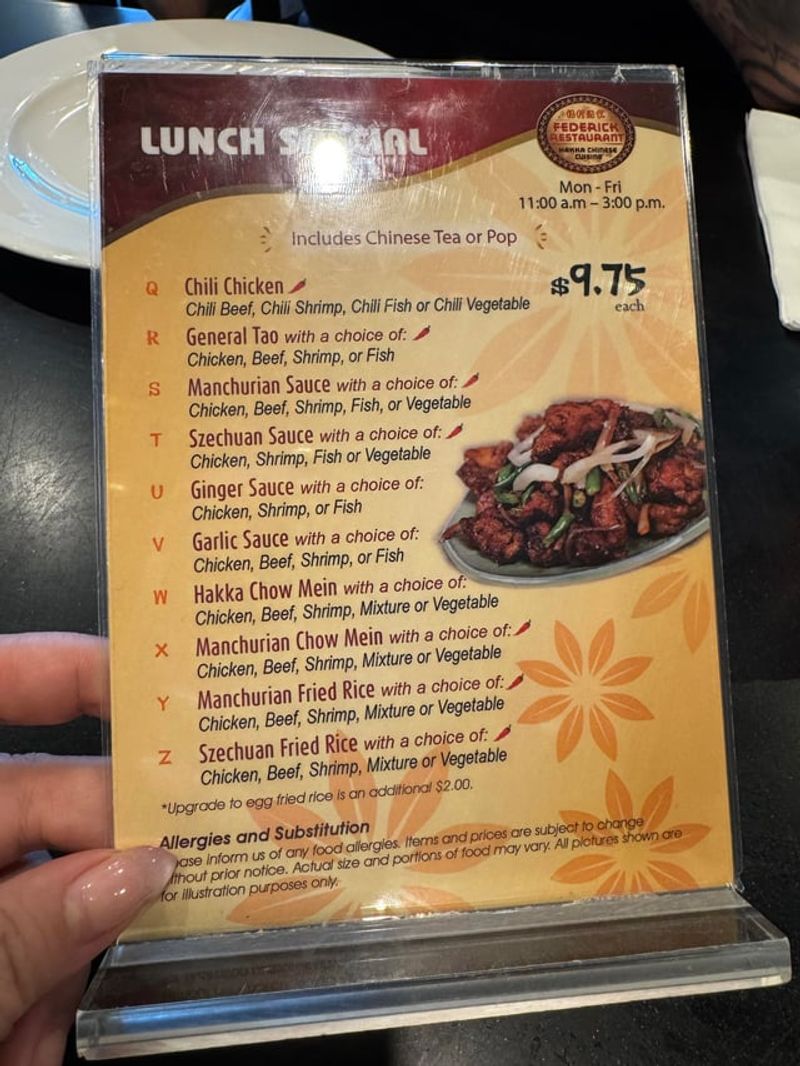
Lunch menus often feature the same flavors in smaller portions for noticeably less money. If timing allows, shift meetups to lunchtime.
You get quality food with lighter sizes that still satisfy.
Ask if the restaurant serves lunch portions during early dinner hours or weekends. Some spots offer express sets or combos that beat dinner pricing.
By planning your visit around lunch, you enjoy the same kitchen and ingredients while trimming the total, especially when paired with water instead of pricey drinks.
7. Not checking online deals
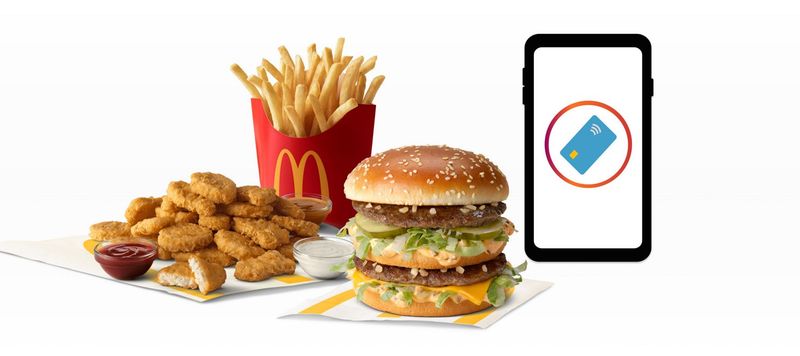
Restaurants quietly post promos on their websites, apps, and social feeds. Skipping that quick check means missing buy one get one offers, happy hour pricing, or free appetizer codes.
Two minutes can save real money before you even leave home.
Search the restaurant name plus coupon or rewards. Join loyalty programs for birthday perks and points.
Set alerts for your favorites. You will walk in with a plan, order smarter, and stack savings without changing what you like to eat.
8. Automatically saying yes to extras
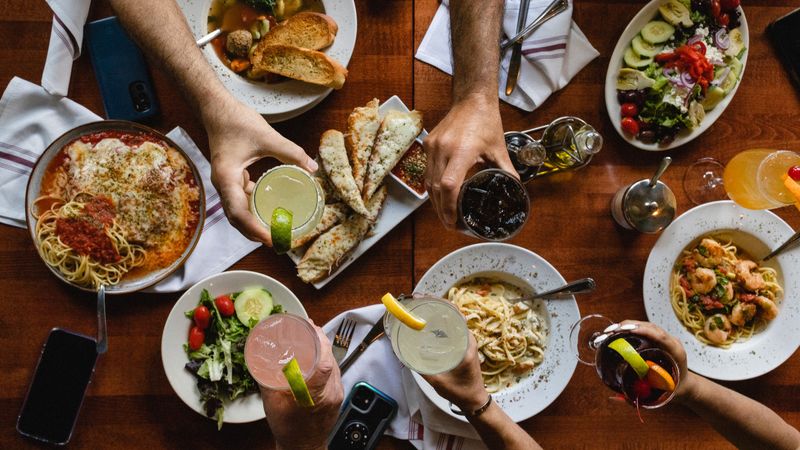
Add ons sound small, but two or three turn a budget meal into a splurge. Extras like premium cheese, avocado, or specialty sauces are priced for profit.
Decide what actually elevates your dish and skip the rest.
Ask the cost before agreeing. Sometimes a different dish already includes the extras at a better overall price.
By choosing one meaningful upgrade instead of several, you get satisfaction without sticker shock when the check lands.
9. Not asking about free water
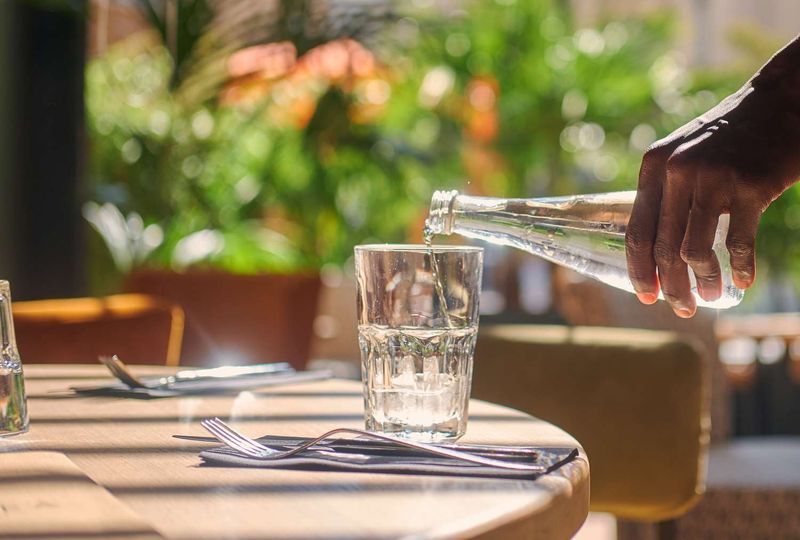
Many restaurants default to bottled still or sparkling when you ask for water. If you do not specify, you might pay several dollars per person.
Politely ask for tap water up front and keep the carafe refilled.
Save fancy water for special occasions. If you prefer bubbles, consider ordering one bottle to share rather than individual servings.
Clear communication avoids misunderstandings and keeps hydration from becoming the priciest item on your table.
10. Ordering dessert on impulse
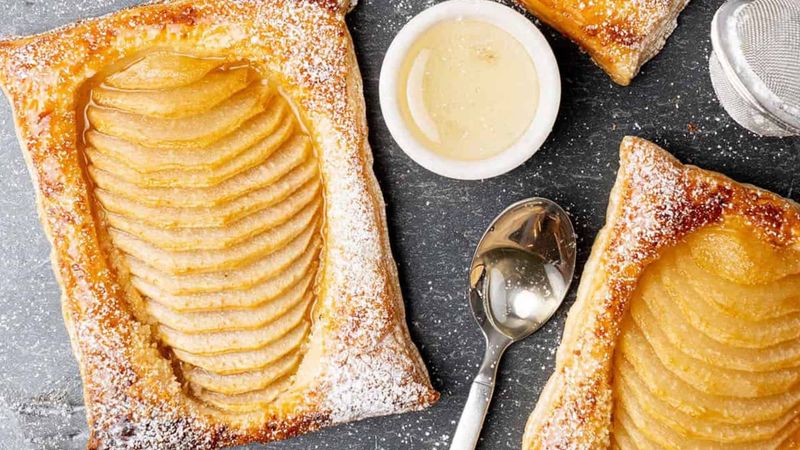
That dessert tray looks irresistible after a great meal, but restaurant sweets carry steep markups. Decide before you sit whether dessert is in the plan.
If not, enjoy the moment, then skip or share one treat among the table.
You can always grab a scoop or pastry elsewhere for less. When you set expectations early, you resist last minute temptations and keep the check within your comfort zone.
Treats taste better when they are intentional.
11. Ignoring split charge policies
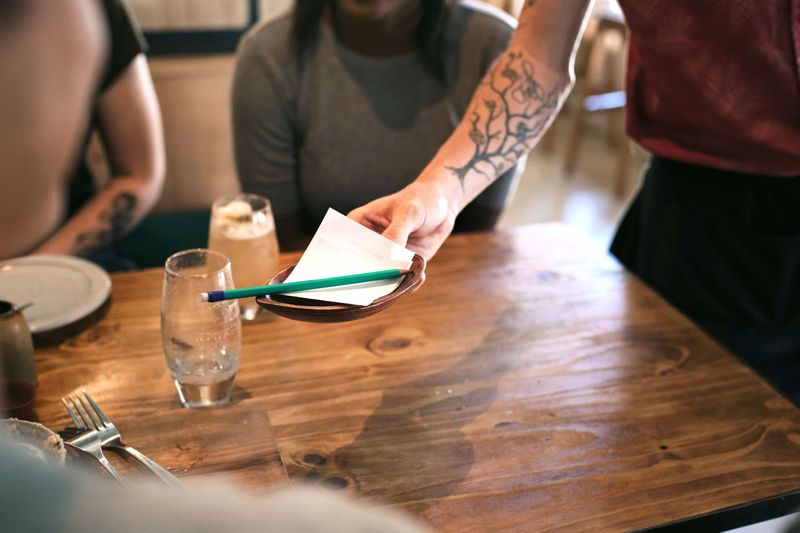
Some restaurants add a split charge when two people share one entree, which can erase the savings you expected. Before ordering one dish to share, ask about fees and whether the kitchen can provide extra plates without charge.
If there is a fee, consider ordering a couple of sides or a starter instead. You still share, avoid the surcharge, and control portions.
Clear questions prevent surprises and help you plan the most economical way to divide dishes.
12. Overpaying for sides
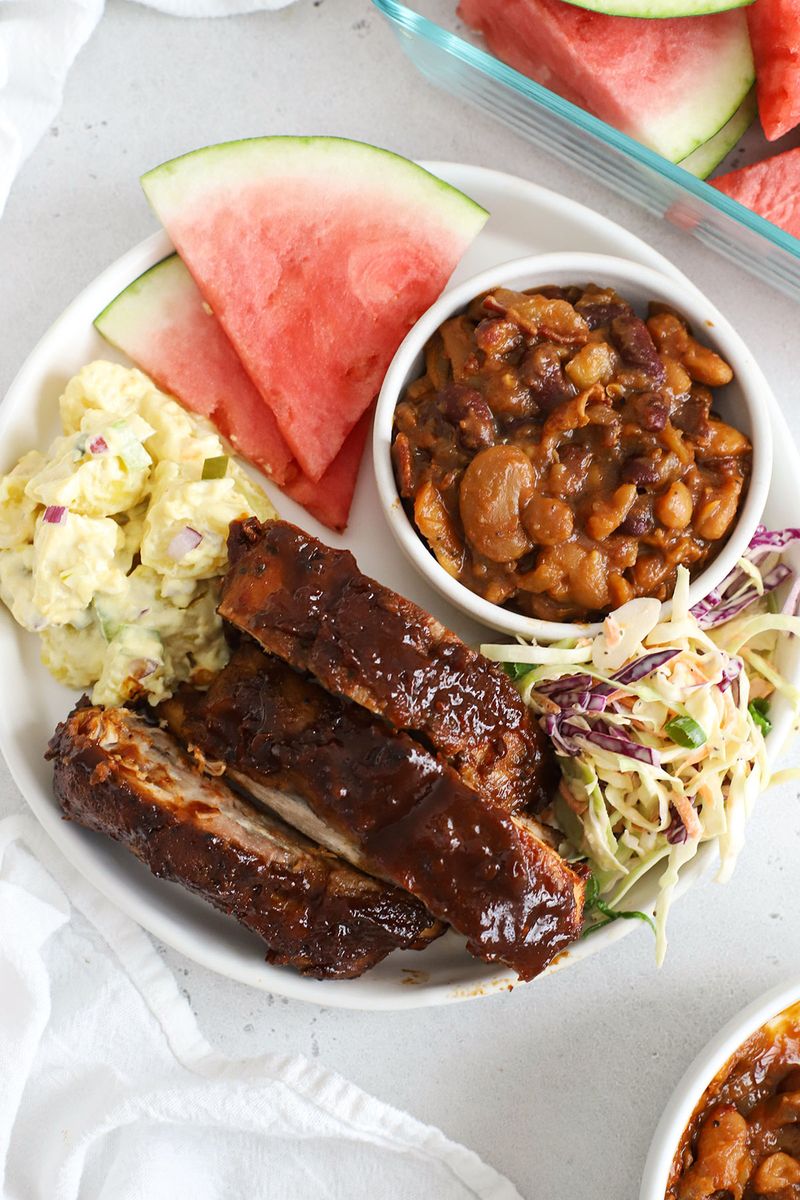
Sides look cheap individually, but two or three can outrun the cost of a full entree. Compare the bundle price to a main that includes sides.
Sometimes a sandwich plus two premium sides costs more than a complete plate elsewhere on the menu.
Ask which sides are included or can be swapped in. Choose one standout side and let the main carry the rest.
You pay for flavor, not filler, and your total stays balanced.
13. Not leveraging happy hour
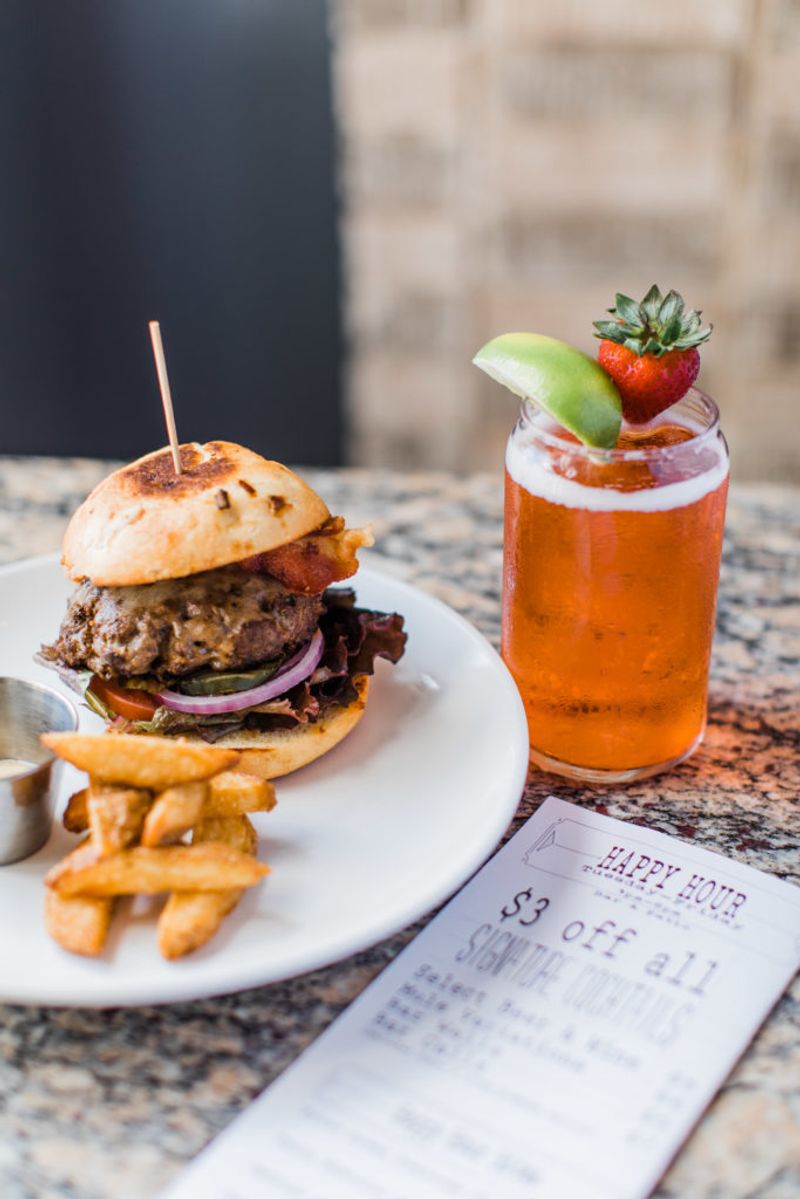
Happy hour is not just about drinks. Many places discount appetizers and small plates that make a full meal at a fraction of dinner pricing.
Timing your visit can cut the bill dramatically without sacrificing atmosphere.
Check exact hours and restrictions, then order strategically from the reduced menu. Share a few dishes and nurse one beverage or choose mocktails.
You get the same vibe, great flavors, and a smarter total when the check arrives.
14. Forgetting loyalty rewards
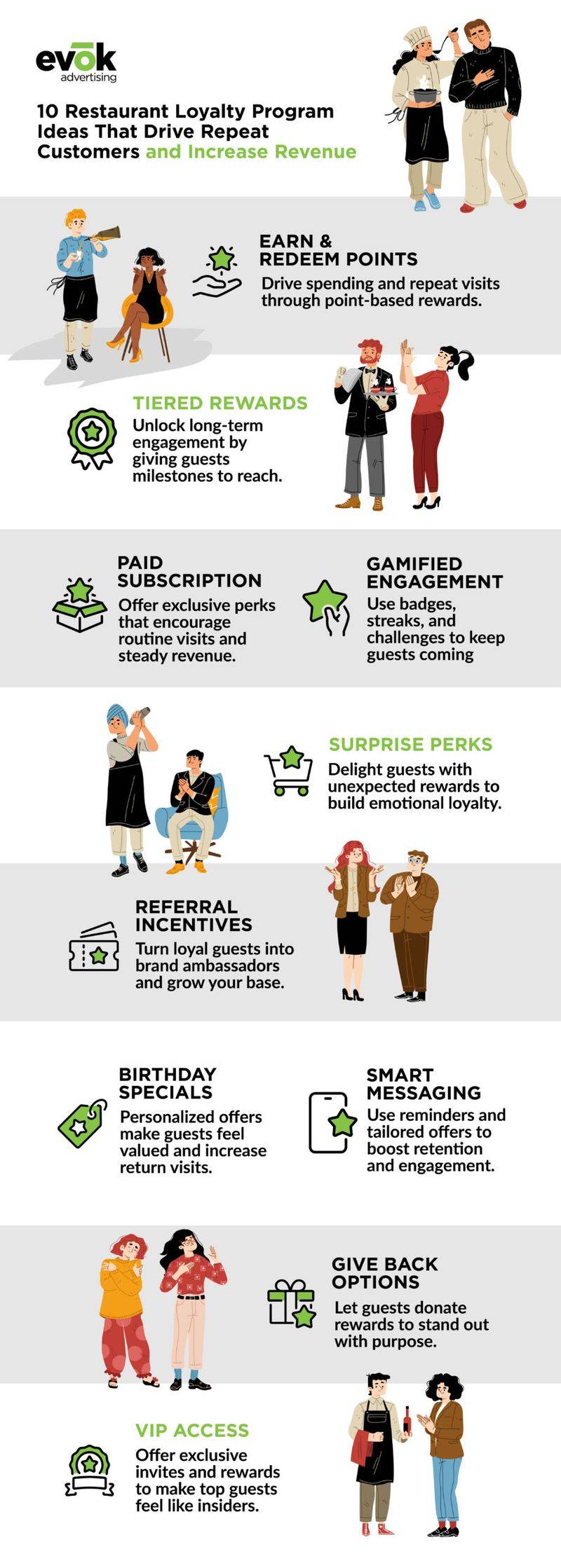
Points, stamps, and birthday freebies are easy wins that stack over time. If you visit a spot more than once, sign up.
The perks add up to free items, priority offers, and members only pricing you will miss otherwise.
Keep one folder on your phone for restaurant apps, and enable minimal notifications. When you check in or order, scan the code.
You are already spending, so capture the value that is offered to you.
15. Not clarifying service charges
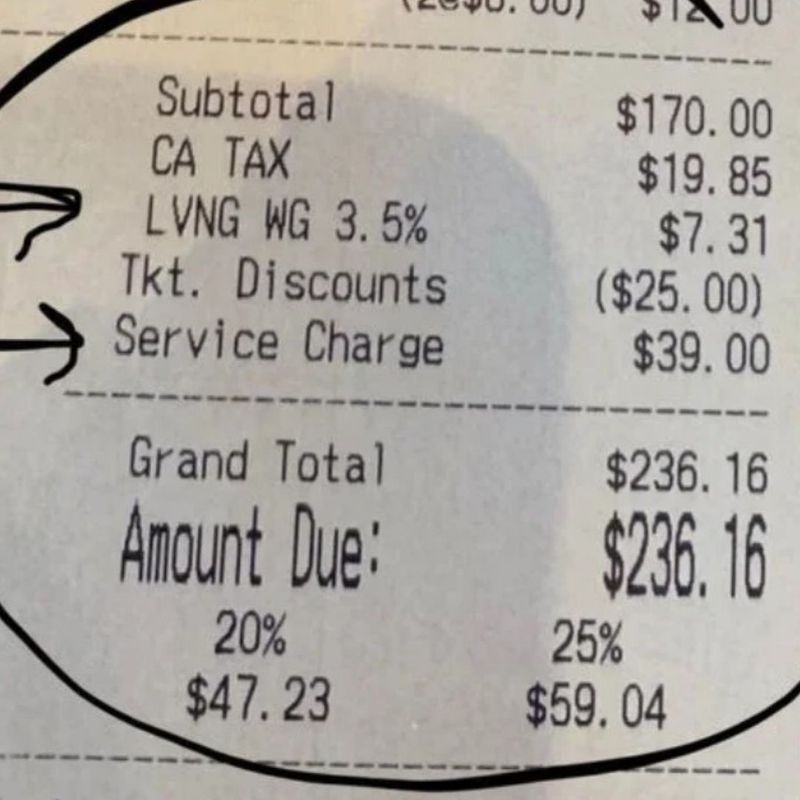
More restaurants include service charges that may or may not replace tips. If you do not read the bill, you might double tip or under tip unintentionally.
Ask your server how the charge works and whether staff receives it.
When the policy is clear, adjust your added tip accordingly. You respect the team while avoiding overpaying.
A thirty second check saves money and ensures fairness.
16. Ordering by habit, not hunger
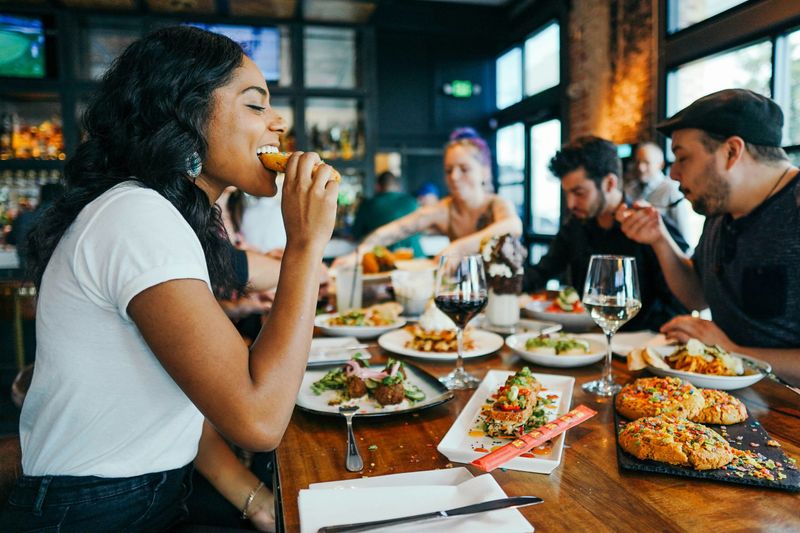
Habit makes you order an entree, appetizer, and drink even when you are not that hungry. Pause and gauge your appetite honestly.
Order lighter if that is what your body wants.
Start with a soup or salad, then reassess. You can always add a side or share something if you are still hungry.
Matching your order to real hunger saves money and reduces food waste, while leaving you satisfied instead of stuffed.