16 Liquid Ingredients That Improve Scrambled Eggs
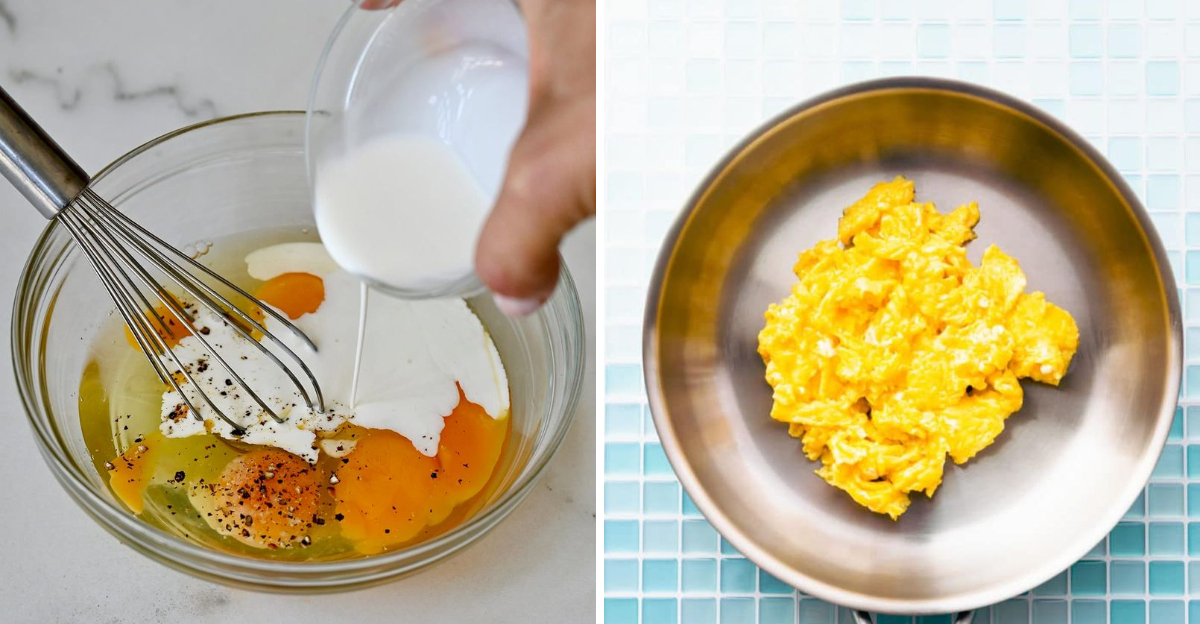
Scrambled eggs might seem simple, but the secret to making them truly amazing often comes down to one small addition: a splash of liquid. The right liquid can transform your eggs from rubbery and bland to soft, creamy, and full of flavor.
Whether you are cooking breakfast for yourself or impressing guests, knowing which liquids work best gives you a real edge in the kitchen. Get ready to upgrade your scrambled egg game with these 16 surprisingly effective liquid ingredients.
1. Milk, Cream, or Half-and-Half
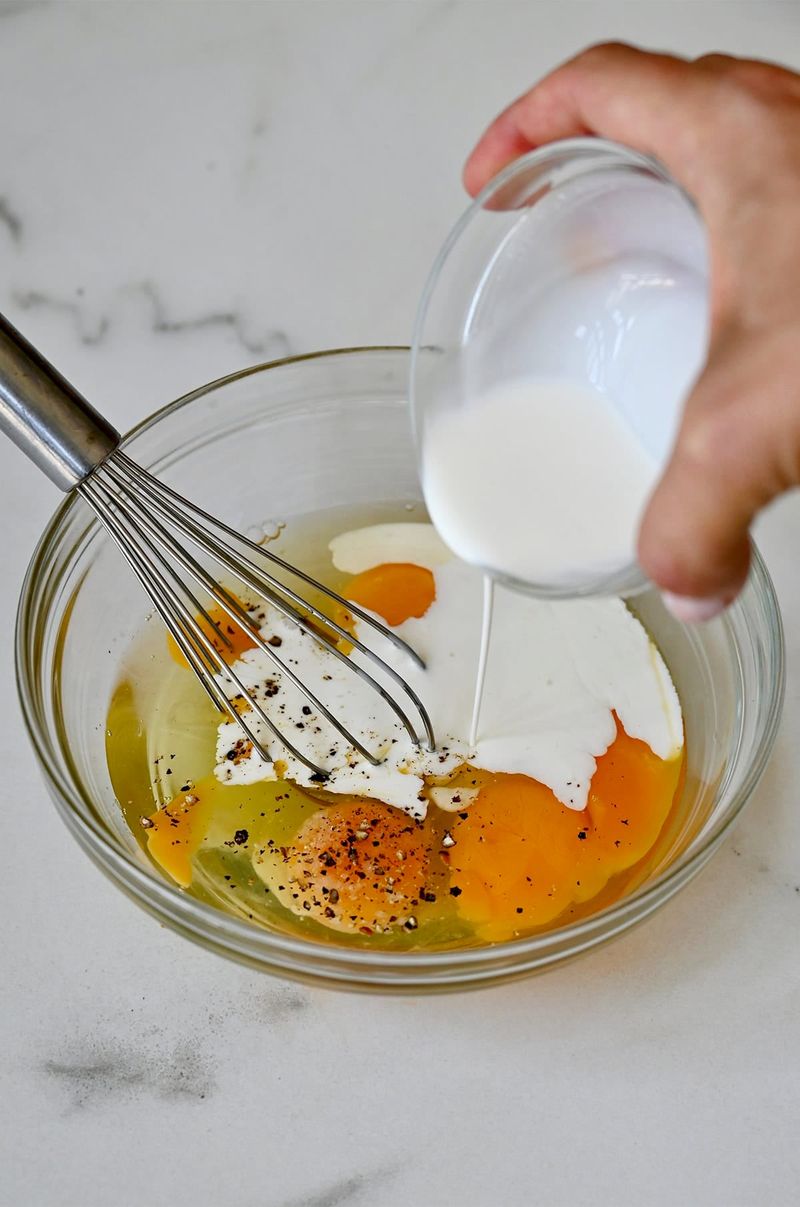
Ask any diner cook and they will tell you: a splash of dairy is the oldest scrambled egg trick in the book. Milk, cream, or half-and-half coats the egg proteins as they cook, slowing down the process and producing a silkier, creamier result.
Cream adds the richest texture, while milk keeps things lighter.
Half-and-half sits right in the middle, giving you a nice balance. It also tones down that strong “eggy” smell some people dislike, making the dish more crowd-friendly.
2. Water
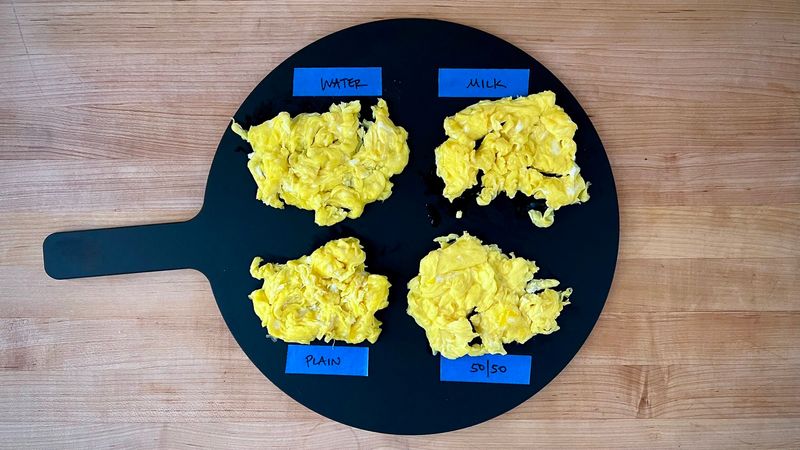
Sometimes the simplest answer is the best one. Adding just a tablespoon of water to your egg mixture creates steam inside the pan as the eggs cook, which puffs them up into a softer, more tender texture.
It is a trick short-order cooks have used for decades in busy breakfast kitchens.
Water does not add any flavor, so the pure egg taste still shines through. For light, fluffy scrambled eggs without any richness, water is your go-to move.
3. Sparkling Water or Seltzer
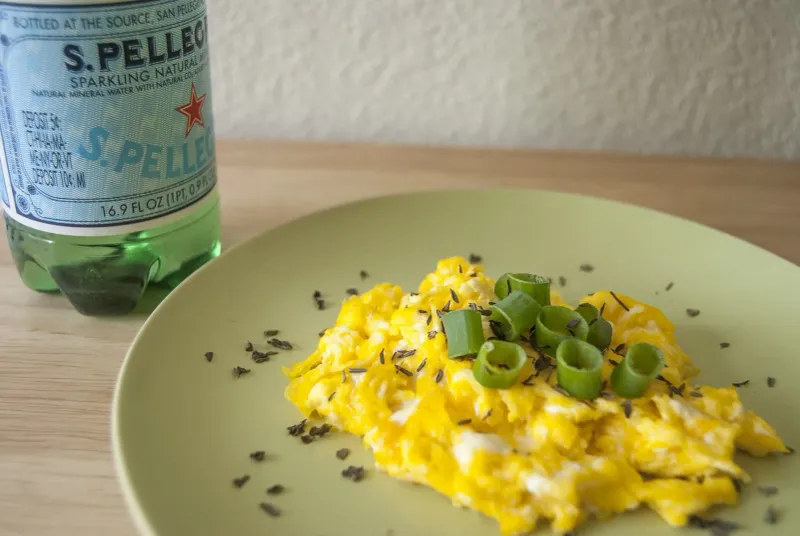
Carbonation is not just for drinks. When you whisk sparkling water or seltzer into your eggs, those tiny bubbles get trapped in the mixture.
As the pan heats up, the bubbles expand and create a surprisingly light, airy scramble that almost melts in your mouth.
Food scientists love this trick because it works on a physical level, not just a flavor one. Even a few tablespoons make a noticeable difference.
Try it once and plain water will feel like a step backward.
4. Broth (Chicken, Vegetable, or Bone Broth)
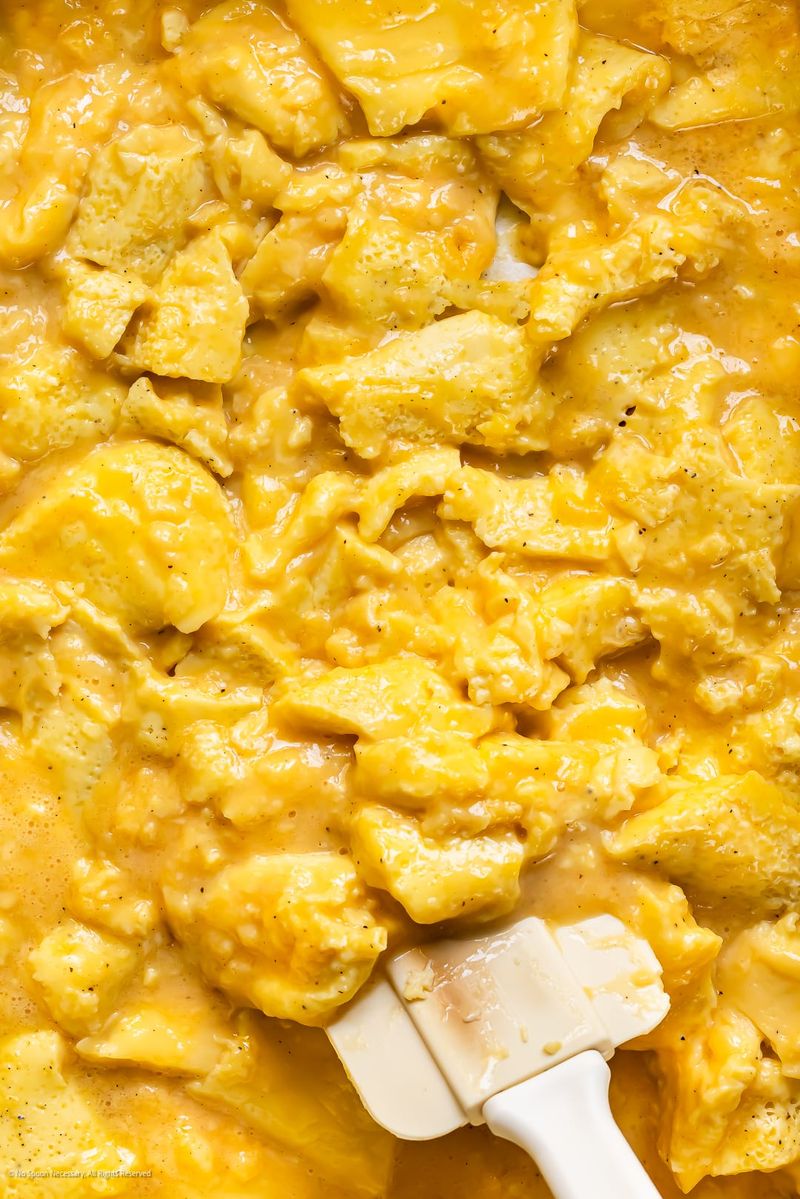
Broth does double duty in scrambled eggs. It keeps the eggs moist and fluffy while quietly layering in a savory, umami-rich depth that plain water simply cannot match.
Chicken broth is the most popular choice, but vegetable broth works wonderfully for a plant-based version.
Bone broth fans swear it adds an extra richness that elevates the whole dish. Use a low-sodium variety so you stay in control of the salt level.
Just a couple of tablespoons is all you need.
5. Lemon Juice
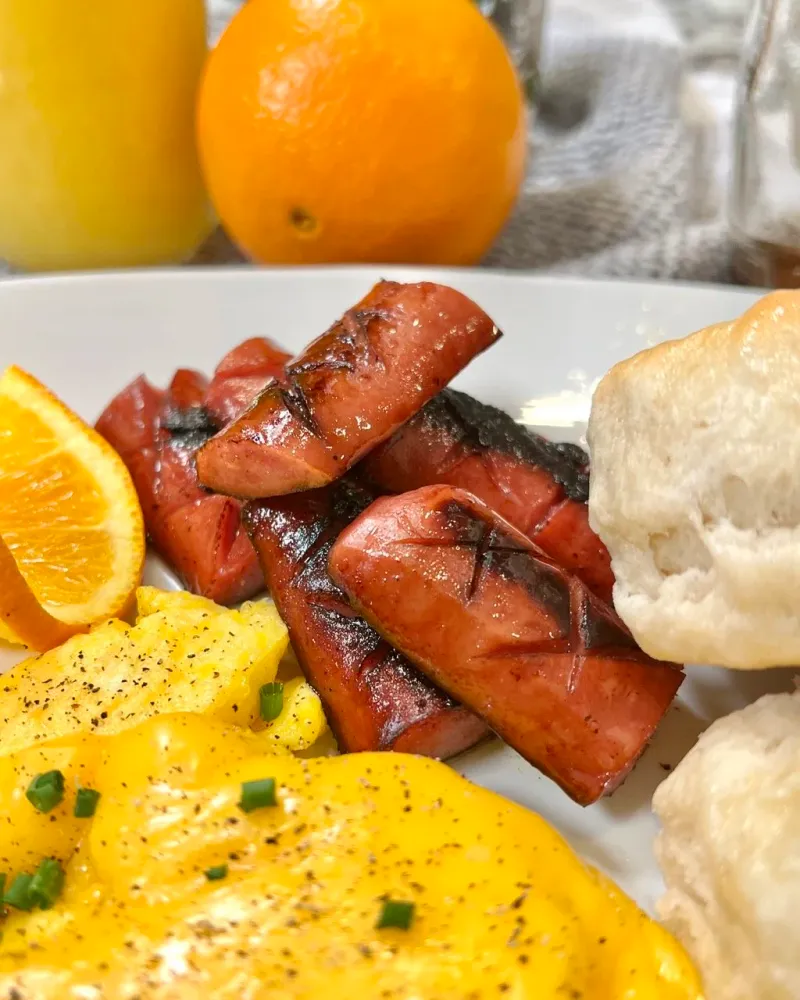
Here is something surprising: acid changes how egg proteins behave. A small squeeze of fresh lemon juice causes the proteins to set more gently, resulting in a softer, fluffier scramble with a noticeably brighter flavor.
It works almost like a flavor wake-up call for the whole dish.
The citrus note is subtle when used in small amounts, so the eggs do not taste like lemonade. About half a teaspoon per two eggs is the sweet spot.
It pairs especially well with herbs like chives or dill.
6. Vinegar
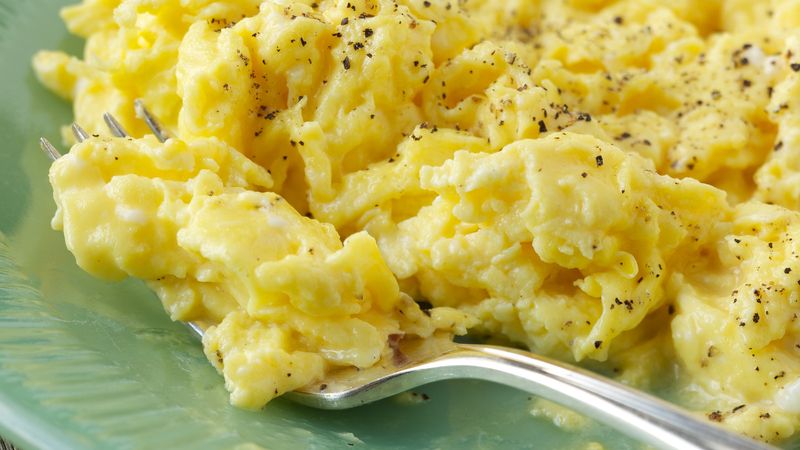
Vinegar might sound like an odd choice, but its acidity works the same magic as lemon juice on egg proteins. White wine vinegar, sherry vinegar, apple cider vinegar, and even balsamic all work in different ways, each adding a unique tang that balances out the richness of the eggs beautifully.
The key is using just a few drops. Too much and the flavor becomes overpowering, but the right amount creates super-soft eggs with a subtle complexity.
Sherry vinegar is a favorite in French-style cooking for exactly this reason.
7. Hot Sauce

Bold, fiery, and a little unpredictable, hot sauce is the personality upgrade scrambled eggs did not know they needed. A few drops of Tabasco or Sriracha adds heat, acidity, and a punchy complexity that makes every bite more interesting.
The vinegar base in most hot sauces also helps with texture, just like adding plain vinegar would.
The heat level is entirely up to you. Start with two or three drops and taste as you go.
It pairs brilliantly with cheese or avocado on the side.
8. Soy Sauce
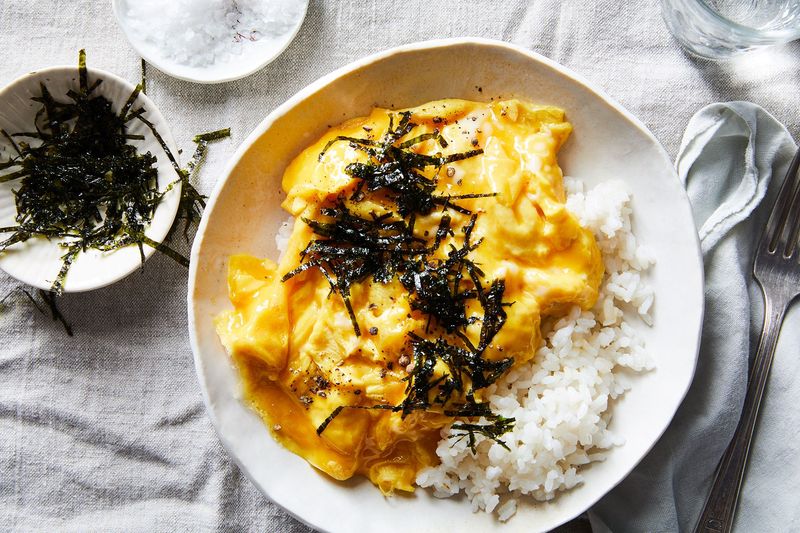
Soy sauce is a secret weapon that many home cooks overlook for breakfast. Just a small drizzle swaps out the need for added salt while delivering a deeply savory, umami-packed punch that makes scrambled eggs taste noticeably richer.
It also contributes to a slightly creamier texture as the eggs cook.
Low-sodium soy sauce is the smarter choice here so the eggs do not get too salty. This addition works especially well when pairing eggs with rice or wrapping them in a breakfast burrito with Asian-inspired toppings.
9. Extra Virgin Olive Oil
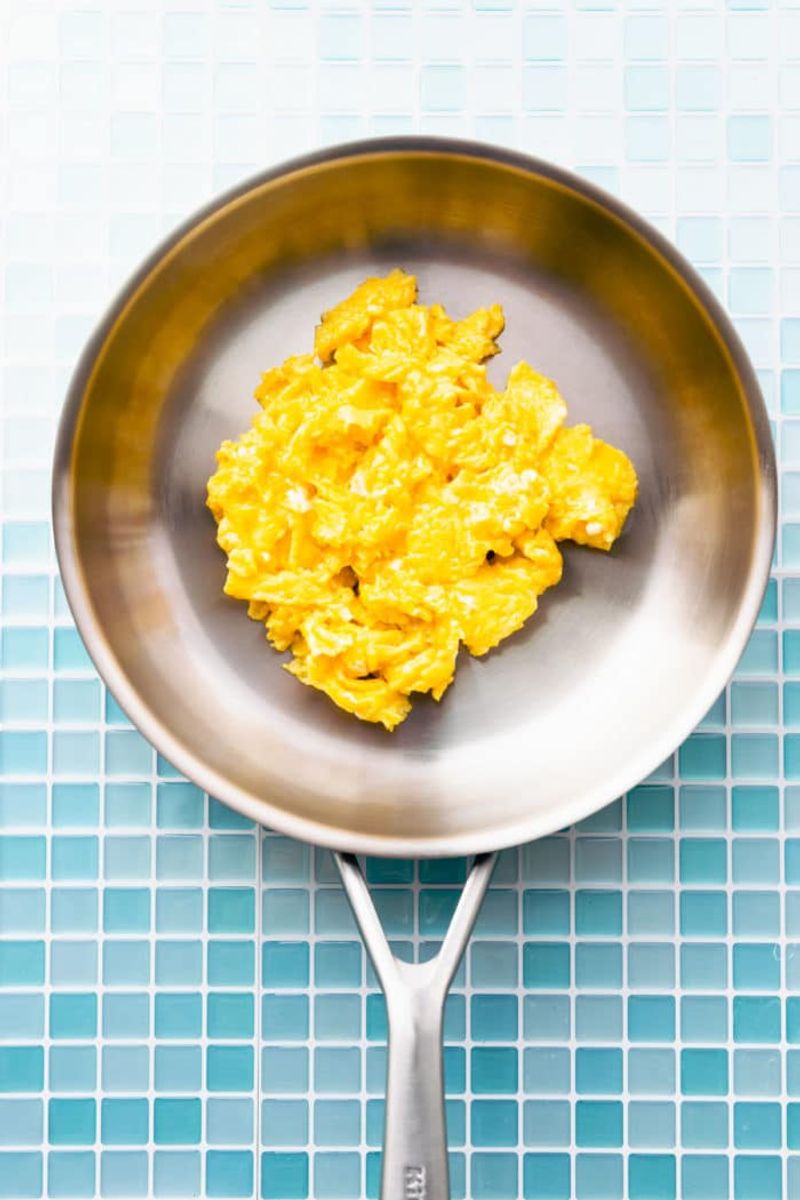
Whisking good-quality extra virgin olive oil directly into your egg mixture before cooking is a trick borrowed from Mediterranean kitchens, and it works incredibly well. The oil coats the proteins as they cook, producing eggs that are moist, fluffy, and rich with a distinctive fruity flavor that butter simply cannot replicate.
It is also a fantastic dairy-free alternative for anyone avoiding butter or cream. Use about one teaspoon per two eggs.
A grassy, robust olive oil makes the biggest flavor impact, so do not reach for the cheap stuff here.
10. Truffle Oil
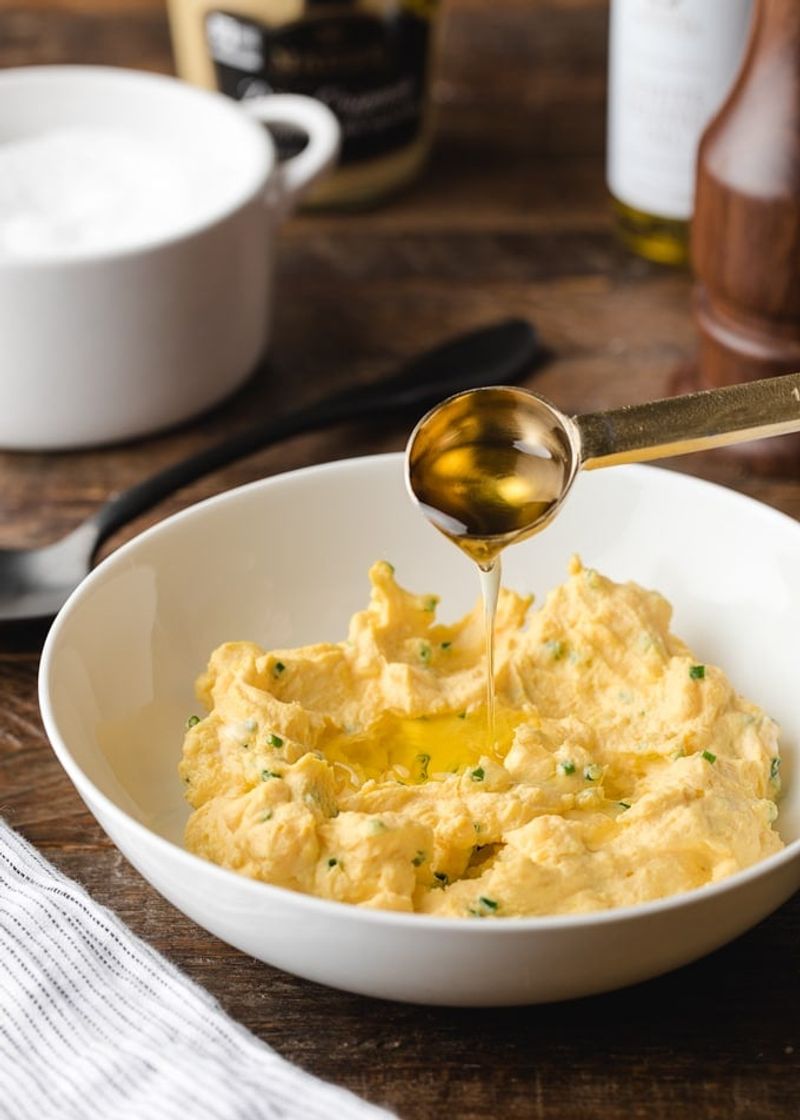
Few ingredients turn a humble breakfast into something that feels restaurant-worthy quite like truffle oil. Even a few drops of white or black truffle oil infuse scrambled eggs with an earthy, woody, deeply luxurious aroma that is hard to describe but impossible to forget.
It is the kind of flavor that makes people ask what your secret is.
Less is genuinely more here. Half a teaspoon is enough for two servings.
Finish the eggs with a drizzle right before plating rather than cooking it in, to preserve the delicate fragrance.
11. Toasted Sesame Oil
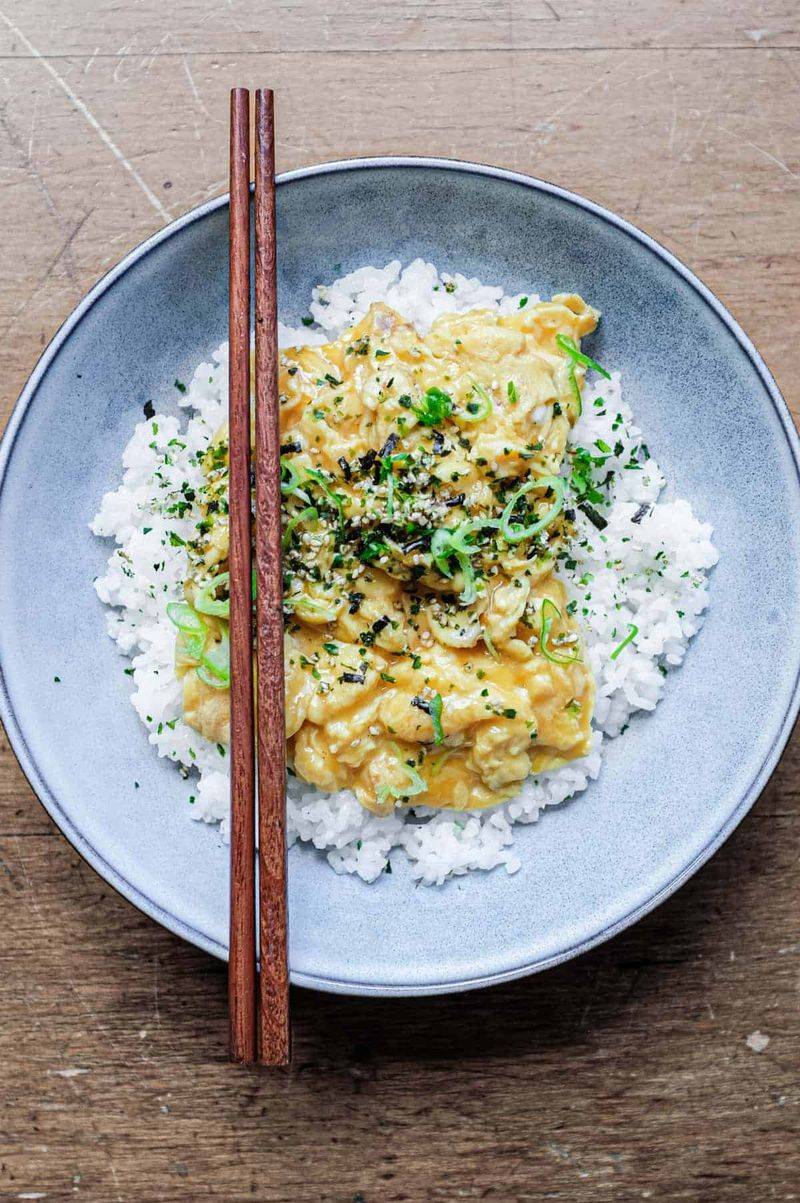
One tiny drizzle of toasted sesame oil and your scrambled eggs suddenly have a whole new identity. The deep, nutty, roasted aroma it brings is unmistakably Asian-inspired and works beautifully with ingredients like green onions, ginger, or a dash of soy sauce.
It transforms a plain breakfast into something that feels intentional and exciting.
Toasted sesame oil has a strong flavor, so a little goes a long way. About half a teaspoon per two eggs is plenty.
Un-toasted sesame oil is milder if you prefer a softer background note.
12. Dry White Wine or Mirin
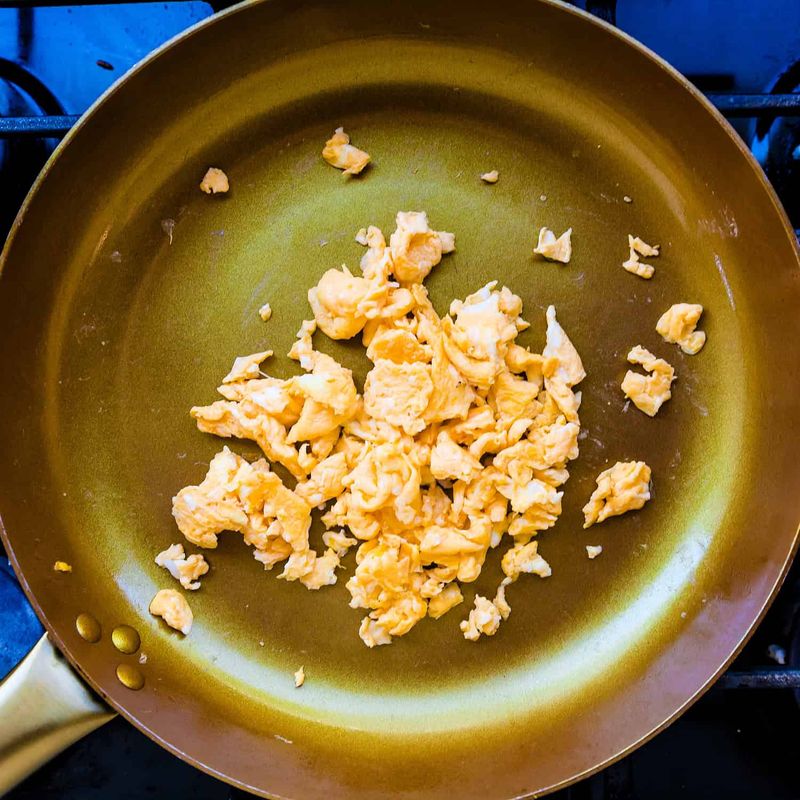
Cooking with wine is not just for fancy dinners. A splash of dry white wine like Sauvignon Blanc or Chardonnay brings a fresh, slightly acidic brightness to scrambled eggs that cuts through their natural richness in a really pleasant way.
The alcohol cooks off quickly, leaving behind only the flavor.
Mirin, a sweet Japanese cooking wine, takes a different approach by adding a gentle sweetness and tang that makes eggs taste almost caramelized. Both options are worth experimenting with.
Either way, use no more than one tablespoon per serving.
13. Full-Fat Coconut Milk
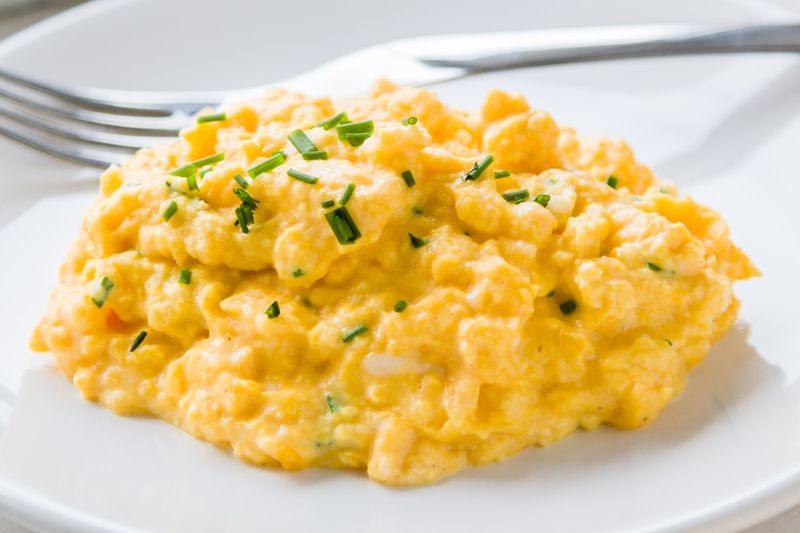
Coconut milk is an unexpected hero for anyone looking to make creamy scrambled eggs without dairy. Full-fat coconut milk, when whisked into the egg mixture, creates a luxuriously soft and fluffy texture that rivals what heavy cream achieves.
The flavor is subtly tropical, which might sound strange but actually works quite well with the right spices.
Try pairing coconut milk eggs with a pinch of turmeric or some fresh cilantro for a Southeast Asian twist. Use about two tablespoons per two eggs so the coconut flavor stays in the background rather than taking over completely.
14. Orange Juice
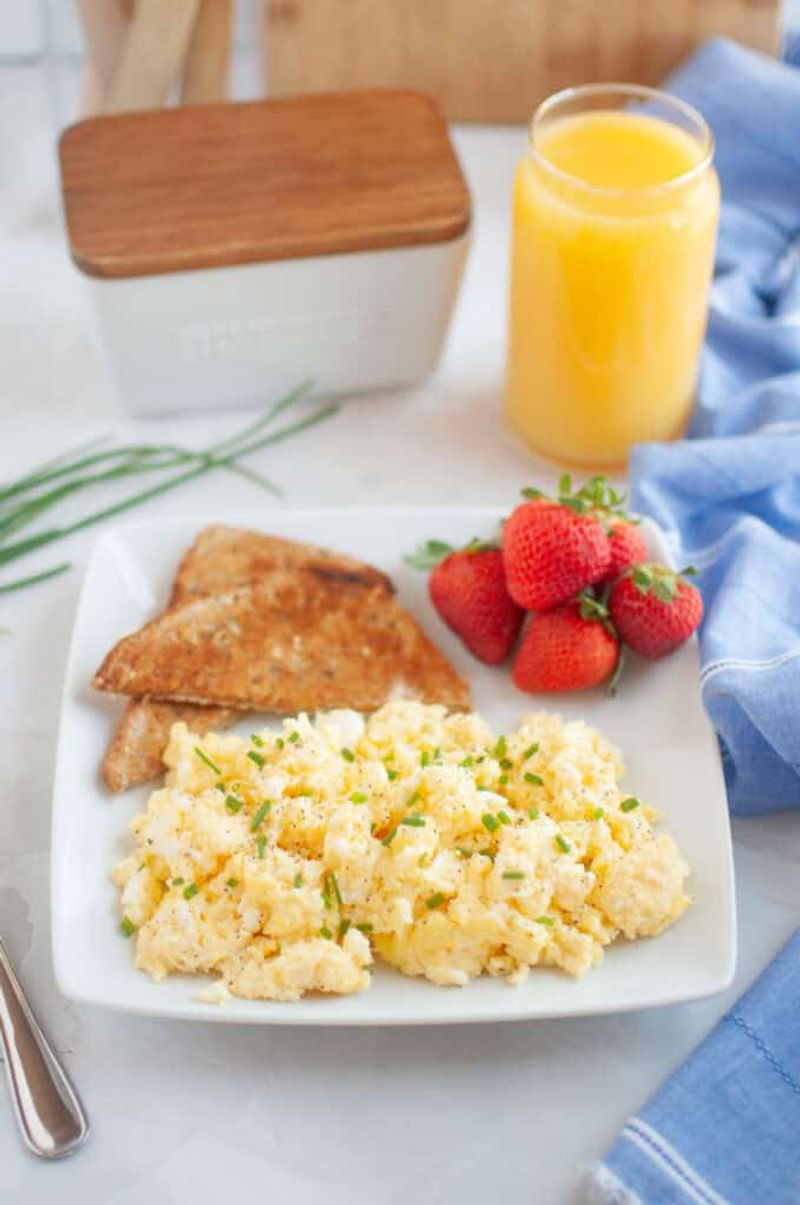
Orange juice in scrambled eggs sounds like a breakfast accident waiting to happen, but chefs who have tried it will tell you otherwise. Just a teaspoon or two adds a subtle sweetness and a citrusy brightness that lifts the whole flavor of the dish in a way that is surprisingly refreshing.
It also gives the eggs a slightly warmer, golden color.
The trick is keeping the amount very small. Too much and the sweetness becomes obvious in a way that feels off.
Freshly squeezed juice works better than the bottled kind for this one.
15. Melted Butter
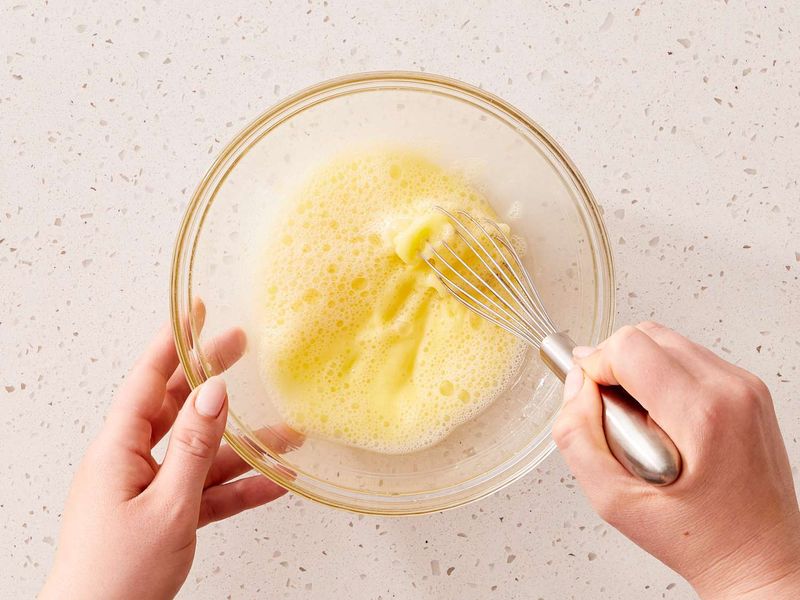
Most people use butter to grease the pan, but whisking melted butter directly into the egg mixture before cooking is a whole different level of indulgence. The fat coats every protein strand as the eggs cook, resulting in a decadently rich, creamy, and velvety texture that feels almost like custard.
It is the French bistro approach to scrambled eggs.
Use unsalted butter so you control the seasoning. About one teaspoon per egg is a good starting ratio.
This method pairs beautifully with a low, slow cooking technique over gentle heat for maximum creaminess.
16. Mayonnaise
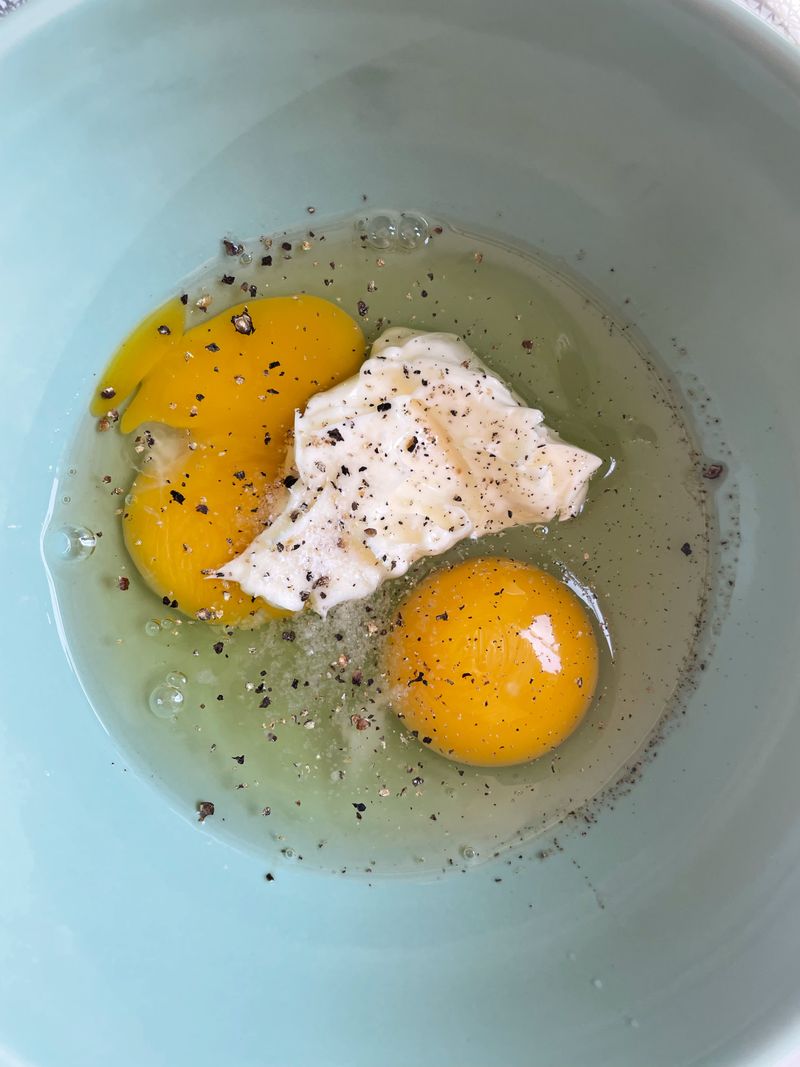
Mayonnaise is already made from eggs and oil, so adding it back into scrambled eggs is not as wild as it sounds. A small spoonful stirred into the beaten egg mixture before cooking creates an incredibly creamy, velvety texture that holds up well even if the eggs sit for a few minutes before eating.
It is a great trick for meal-prep mornings.
The flavor contribution is subtle but noticeable, adding a slight tang and richness. Use about one teaspoon per two eggs.
Japanese Kewpie mayonnaise, made with rice vinegar, takes this trick to an even more flavorful level.