16 Rare Foods That Are Hard To Find On A Menu
Some foods are so uncommon that most people go their entire lives without ever tasting them. Whether they grow in remote corners of the world, require special conditions to produce, or carry a jaw-dropping price tag, these rare ingredients rarely make it onto a restaurant menu.
From underground fungi to Arctic berries and live-larvae cheese, the food world holds some truly wild surprises. Get ready to discover 16 extraordinary foods that are almost impossible to find at your local eatery.
1. Almas Caviar
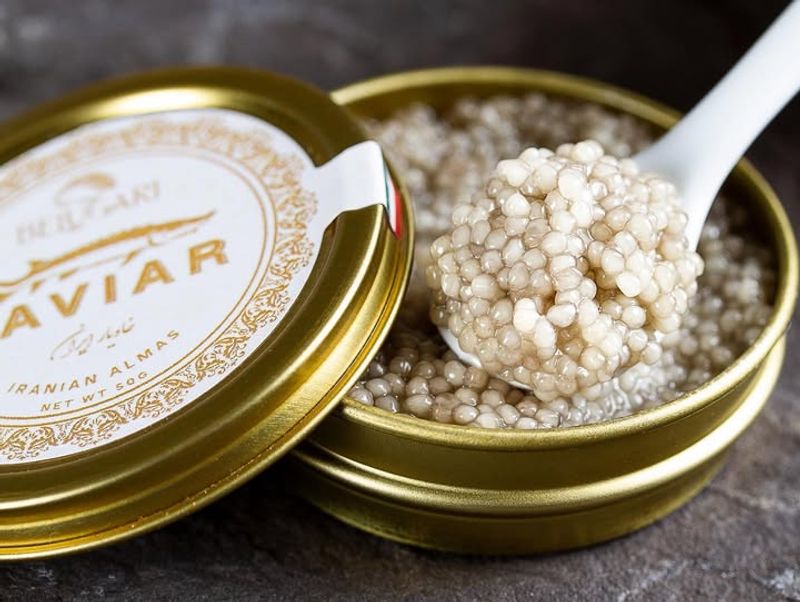
Often called “white gold caviar,” Almas caviar is harvested from the albino Beluga sturgeon found in the Caspian Sea off the coast of Iran. This fish is endangered, which makes every single tin of Almas an extraordinary rarity.
Prices can reach tens of thousands of dollars per kilogram, making it the most expensive caviar on Earth. If you ever spot it on a menu, consider yourself incredibly lucky.
2. Abalone
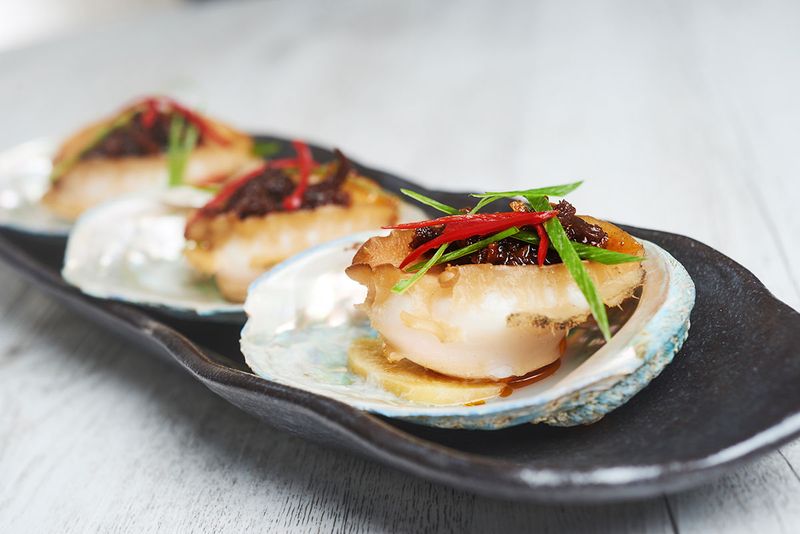
Nicknamed the “ear-shell” because of its oval shape that resembles a human ear, abalone is one of the most sought-after shellfish in the world. Wild populations have dropped dramatically due to overharvesting and disease.
Chefs who do serve it treat it like a gem, slicing the tender meat thin and cooking it quickly to preserve its delicate flavor. Finding abalone on a restaurant menu today feels like stumbling upon buried treasure.
3. Edible Ants
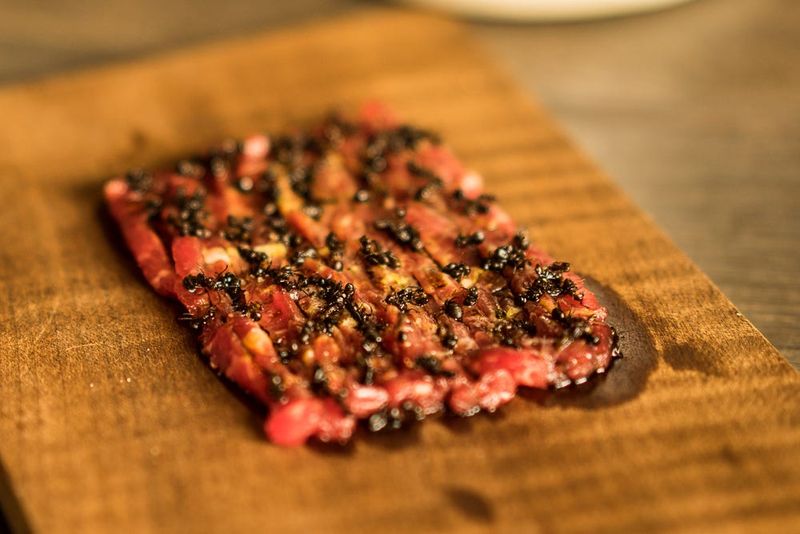
Believe it or not, ants have earned a spot in some of the world’s most prestigious kitchens. Chef Rene Redzepi of Copenhagen’s Noma restaurant helped spark global interest by using live ants as a tangy garnish on his dishes.
Their sharp, citrusy kick comes from natural formic acid in their bodies. Some chefs freeze them first to calm them down before plating.
It sounds unusual, but adventurous eaters consistently rave about the bold, bright flavor.
4. Bird’s Nest Soup
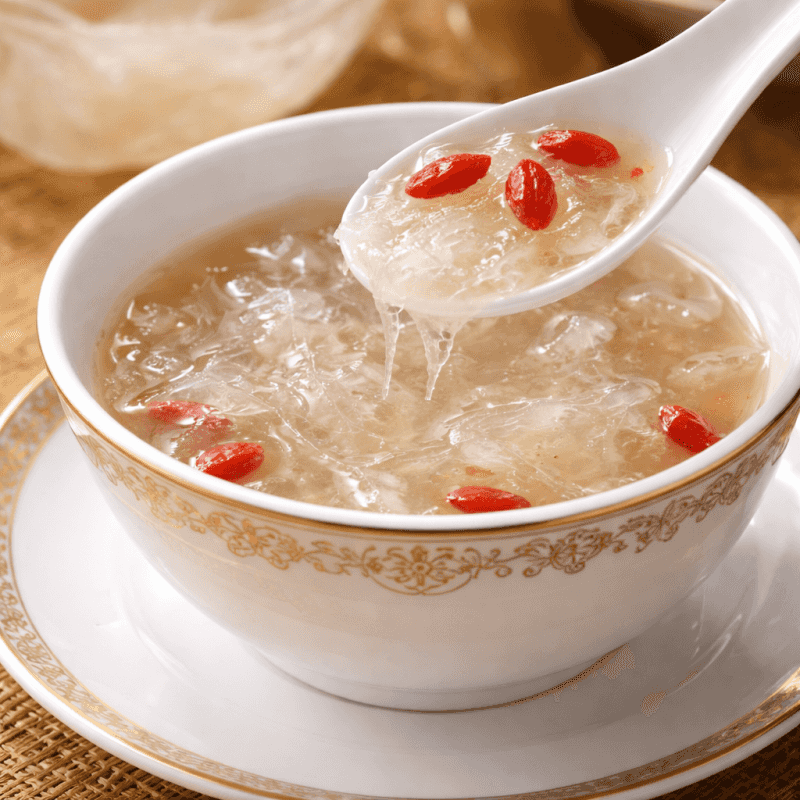
Few dishes carry as much mystique as bird’s nest soup, a prized delicacy across China and Southeast Asia. The “nest” is actually made from the dried saliva of swiftlet birds, which they use to bind materials together high on cave walls.
Harvesting these nests is dangerous and time-consuming, which explains the steep price tag. The soup has a subtle, slightly sweet flavor and a silky texture.
Many believe it carries health benefits, though scientists are still exploring those claims.
5. Casu Marzu
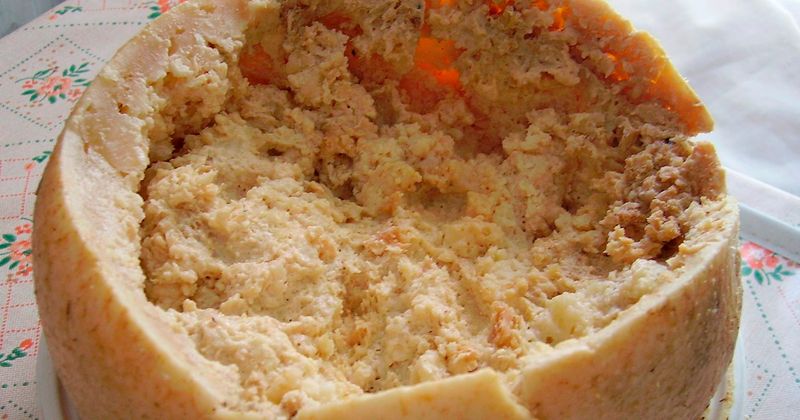
This Sardinian cheese is not for the faint of heart. Casu Marzu is intentionally infested with live cheese fly larvae, which break down the fat inside the cheese and create an intensely soft, pungent result that spreads like butter.
It has been banned by the European Union for food safety reasons, yet locals in Sardinia still pass it around at family gatherings. Eating it is considered an act of cultural pride.
Some diners even eat it with the larvae still wriggling inside.
6. Cloudberries
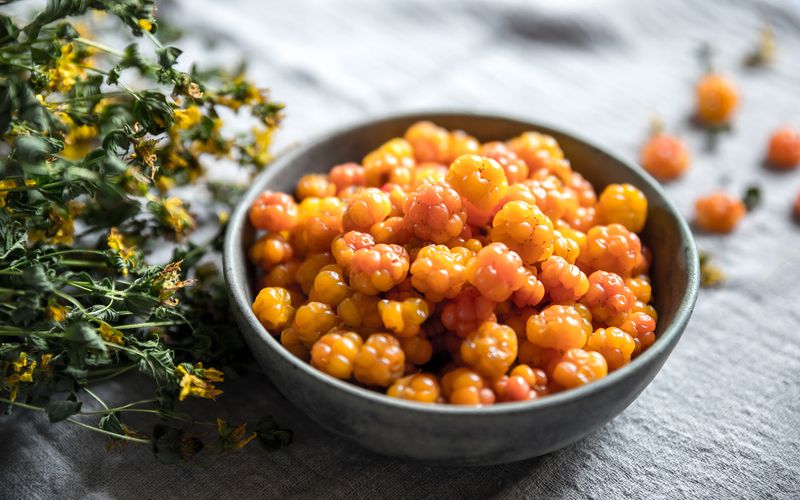
Golden, jewel-like, and surprisingly hard to find, cloudberries grow in cold Arctic and subarctic regions where very few other fruits can survive. They ripen for only a few short weeks each summer, making large-scale harvesting nearly impossible.
Their flavor is tangy and slightly floral, somewhere between a raspberry and an apricot. In Scandinavia, cloudberries are stirred into jams, served with cream, or paired with game meats.
Outside of northern Europe, spotting them on a menu is a genuine treat.
7. Densuke Watermelon
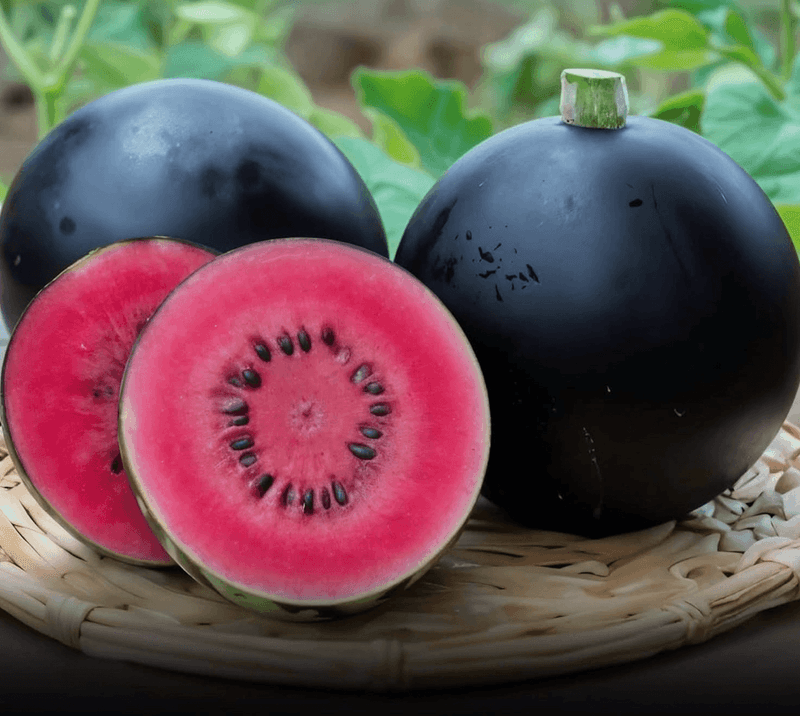
Grown exclusively on the northern Japanese island of Hokkaido, the Densuke watermelon looks like something from another planet. Its rind is almost completely black, and the inside bursts with an exceptionally sweet, crisp flavor unlike any ordinary watermelon.
Only a few thousand are grown each year, and the first ones of the season are auctioned off at staggering prices. A single melon has sold for over $6,000.
Restaurants that manage to source one typically serve it in paper-thin slices as a luxury dessert.
8. Finger Limes
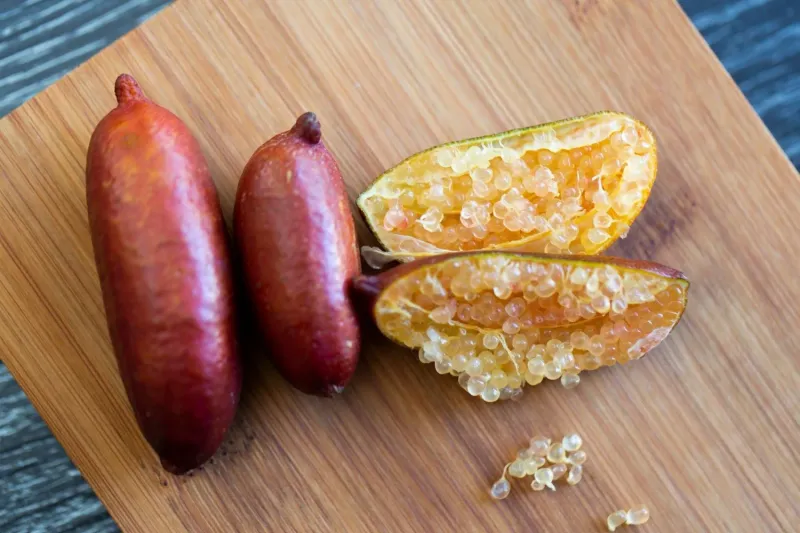
Sometimes called “citrus caviar,” finger limes are a wild Australian fruit that look like tiny green tubes on the outside. Slice one open and hundreds of small, bead-like juice pearls roll out, each bursting with a bright, zesty citrus flavor.
Top chefs absolutely love them for adding visual drama and a pop of freshness to seafood, sushi, and even cocktails. They are native to the rainforests of Queensland and New South Wales, and commercial farming is still quite limited worldwide.
9. Foie Gras
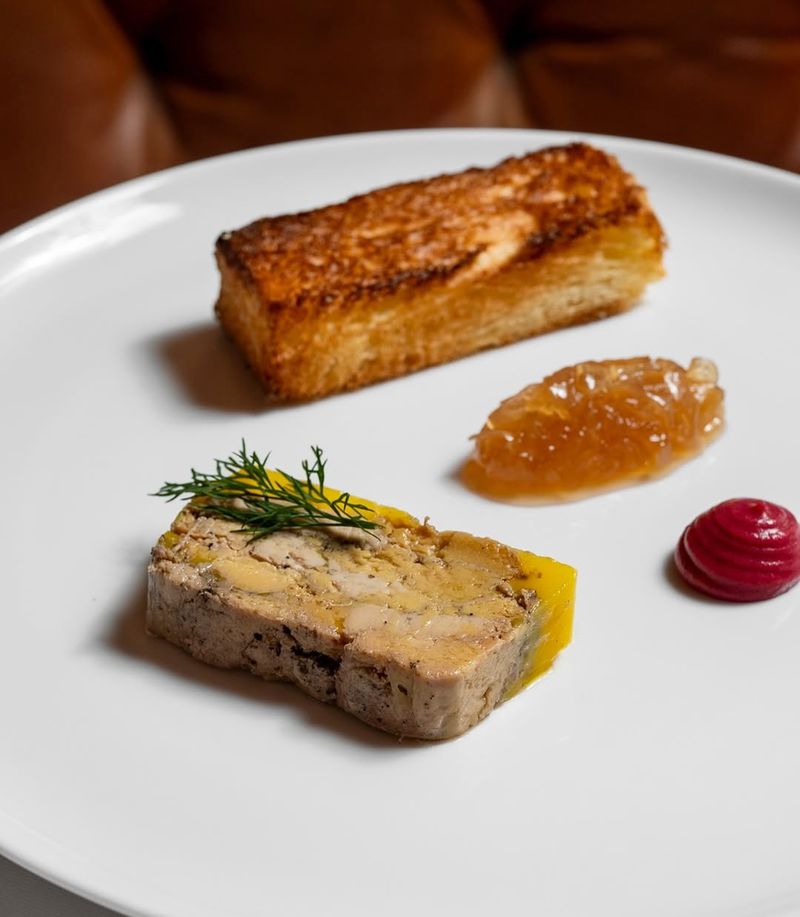
Rich, buttery, and deeply luxurious, foie gras is made from the specially fattened liver of a duck or goose. The fattening process, called gavage, involves feeding the birds large amounts of food to enlarge their livers, which has sparked serious ethical debate worldwide.
Several cities and countries have banned its production entirely, making authentic foie gras increasingly hard to find. When you do encounter it on a menu, it is typically served as a silky terrine or seared slice with sweet accompaniments like fig jam.
10. Jellied Moose Nose
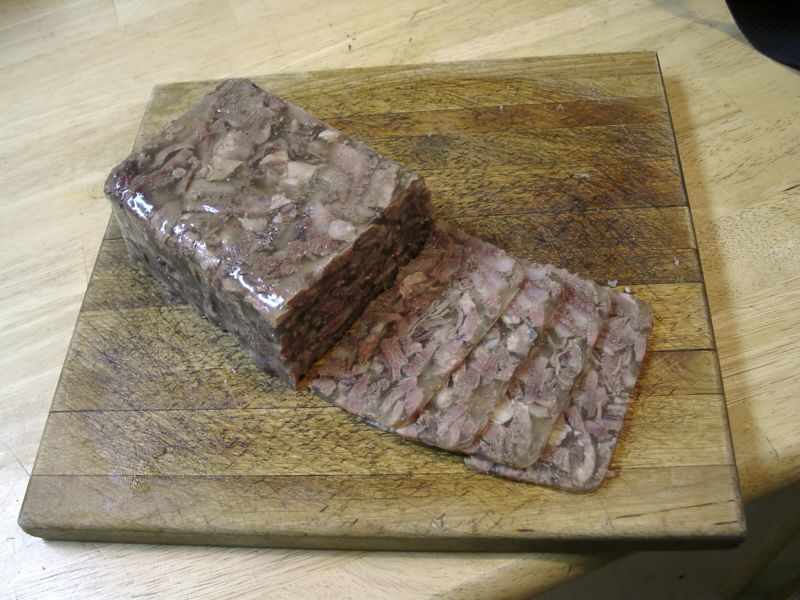
This dish sounds like something from a wilderness survival guide, but jellied moose nose is a genuine Canadian delicacy with deep roots in Indigenous and northern communities. The nose of a moose is slow-cooked, then set in a savory broth that gels as it cools.
Served cold and sliced thin, it has a tender, mild flavor that many compare to head cheese. It rarely appears on commercial menus, making it one of the most geographically exclusive dishes in North America.
11. Authentic Kobe Beef
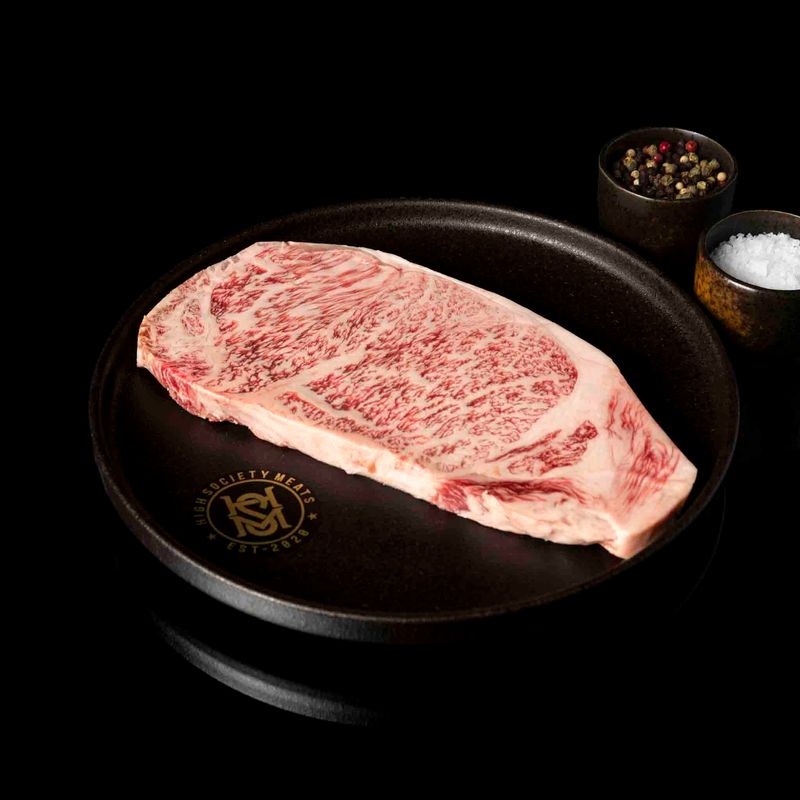
Real Kobe beef is one of the most misunderstood foods in the world. Many restaurants claim to serve it, but true Kobe beef must come from Tajima black cattle raised in Japan’s Hyogo Prefecture and meet incredibly strict grading standards.
The marbling in each cut looks almost like a painting, and the beef melts on your tongue with a richness that feels unlike anything else. Japan exports very limited quantities each year, so finding the genuine article outside of Japan is genuinely rare.
12. Matsutake Mushrooms
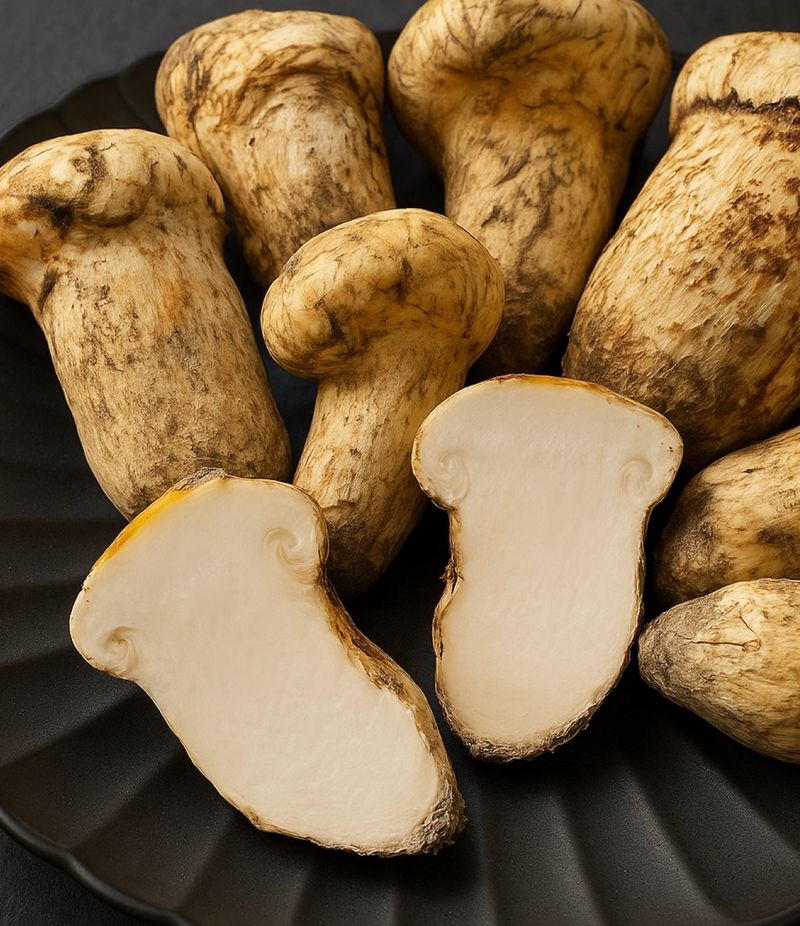
In Japan, the arrival of Matsutake mushroom season is treated almost like a cultural event. These wild mushrooms grow only in specific forest ecosystems alongside red pine trees, and they absolutely refuse to be cultivated on farms, no matter how hard scientists try.
Their spicy, cinnamon-like aroma is unlike any other mushroom on the planet. Climate change and forest degradation have made them increasingly scarce, pushing prices sky-high.
A single fresh Matsutake can cost hundreds of dollars during peak season.
13. Saffron
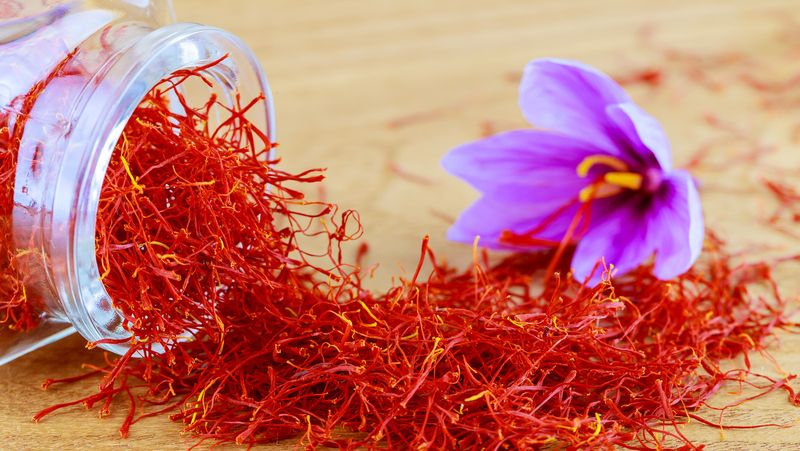
Gram for gram, saffron is one of the most expensive ingredients on Earth, sometimes costing more than gold. Each purple Crocus sativus flower produces only three tiny red stigmas, and every single one must be hand-picked during a brief autumn harvest window.
It takes roughly 75,000 flowers to produce just one pound of saffron. Beyond its golden color and honey-like flavor, saffron has been used in medicine, perfume, and religious rituals for thousands of years.
Authentic saffron on a menu signals serious culinary commitment.
14. Sea Grapes (Umibudo)
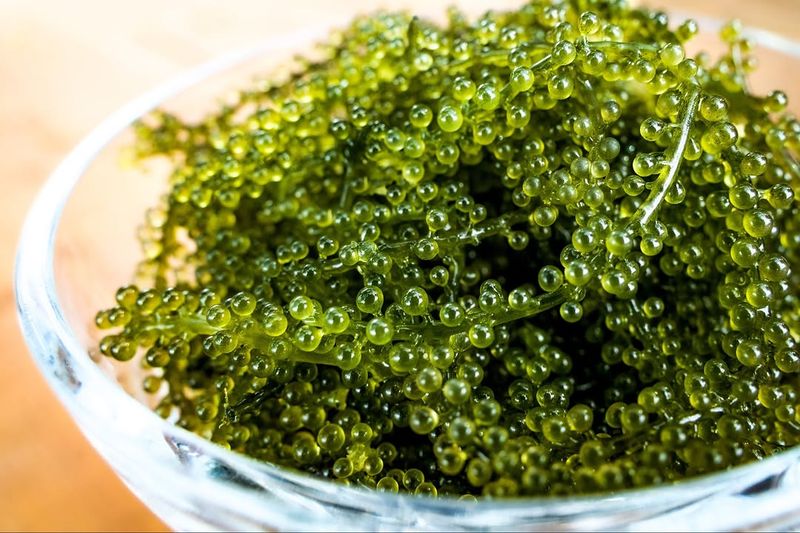
Sea grapes, known in Japan as Umibudo, look exactly like miniature clusters of green grapes but grow entirely underwater as a type of seaweed off the coast of Okinawa. Pop one in your mouth and each tiny sphere bursts with a cool, salty, ocean-fresh flavor.
They are incredibly delicate and must be eaten within hours of harvest, which is exactly why they rarely travel far from their home island. A handful of specialty Japanese restaurants outside of Okinawa manage to serve them, but availability is never guaranteed.
15. Shirako
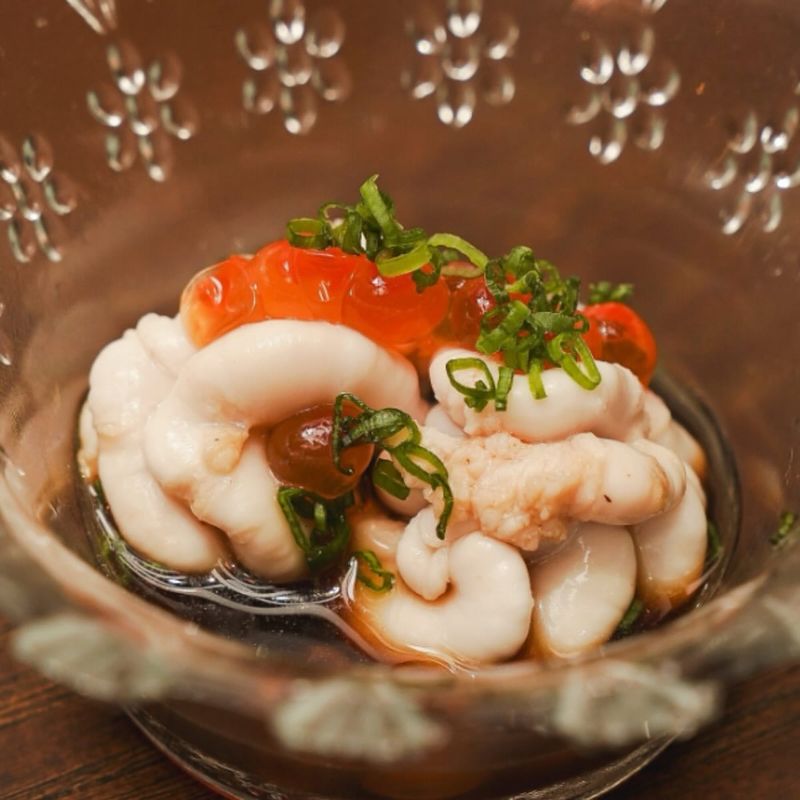
Shirako is one of those dishes that takes real culinary courage to order. It refers to the sperm sacs, or milt, of fish such as cod, anglerfish, or pufferfish, and it is considered a prized winter delicacy in Japan.
The texture is incredibly creamy and soft, almost like warm custard, with a mild, oceanic flavor that fans describe as surprisingly pleasant. It is served steamed, in broth, or lightly fried.
Outside of Japan and a few adventurous Western restaurants, shirako is nearly impossible to find.
16. White Truffles
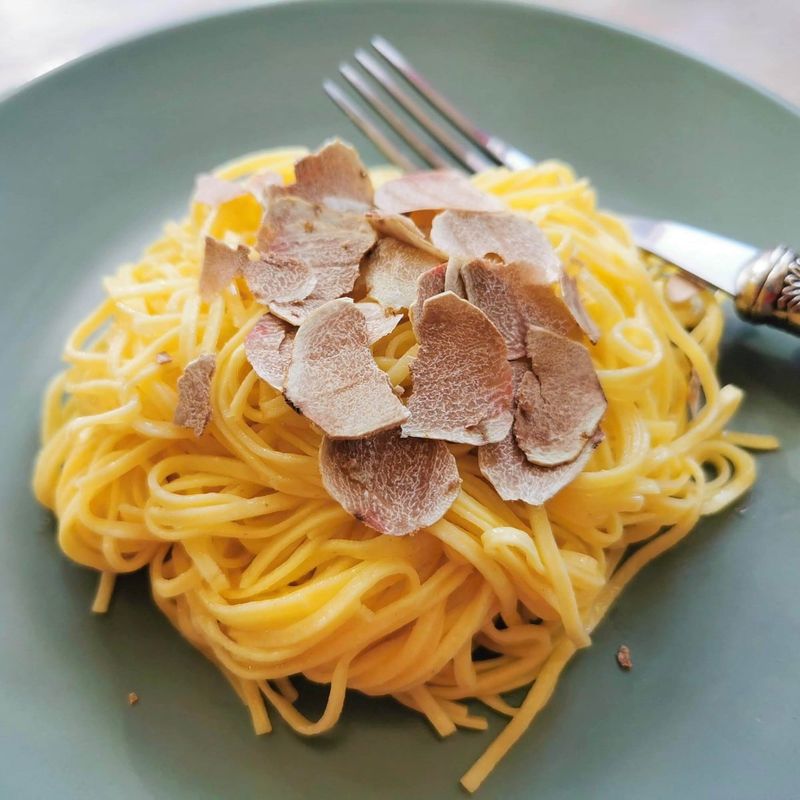
There is no ingredient in the culinary world quite as coveted as the white truffle. These knobby, pale fungi grow underground near the roots of oak and hazel trees in a handful of regions across Italy, most famously around Alba in Piedmont.
They cannot be farmed, only foraged, usually with the help of specially trained dogs. Their deeply earthy, garlicky aroma is so powerful that just a few shavings can transform an entire dish.
Prices regularly exceed $3,000 per pound during peak season.