
16 Reasons Watermelon Works Well In A Healthy Diet

Watermelon is one of summer’s most beloved fruits, and it turns out it’s a lot more than just a tasty treat. Packed with vitamins, minerals, and natural water, this juicy fruit offers some seriously impressive health perks.
Whether you’re trying to eat better, stay hydrated, or simply enjoy something refreshing, watermelon has you covered. Read on to discover why this vibrant fruit deserves a regular spot on your plate.
1. Excellent Hydration in Every Bite
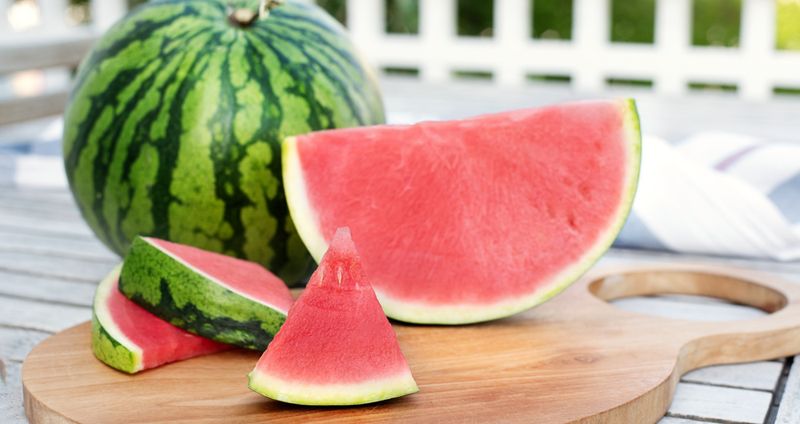
Did you know that watermelon is made up of about 92% water? That means every juicy bite is basically helping you stay hydrated without even trying.
This makes it a fantastic snack on hot summer days or after a workout.
Staying hydrated keeps your body running smoothly, from your brain to your muscles. Snacking on watermelon is a delicious way to hit your daily fluid goals without chugging plain water all day long.
2. Loaded With Powerful Antioxidants

Watermelon is bursting with antioxidants, including lycopene and cucurbitacin E. These compounds act like tiny bodyguards inside your body, fighting off harmful molecules called free radicals that can damage your cells over time.
Free radical damage has been linked to aging and various health conditions, so having a regular source of antioxidants really matters. Reaching for a slice of watermelon is one of the tastiest ways to give your body that extra layer of natural protection.
3. Highest Lycopene of Any Fresh Fruit

Here is a fun fact that might surprise you: watermelon actually contains more lycopene than any other fresh fruit or vegetable, even tomatoes. Lycopene is the pigment that gives watermelon its gorgeous red color, and it is also a powerhouse antioxidant.
Research suggests lycopene supports heart health, may lower the risk of certain cancers like prostate cancer, and can even offer some protection against UV skin damage. That rich red color is basically nature’s way of saying this fruit is good for you.
4. A Great Source of Vitamin C
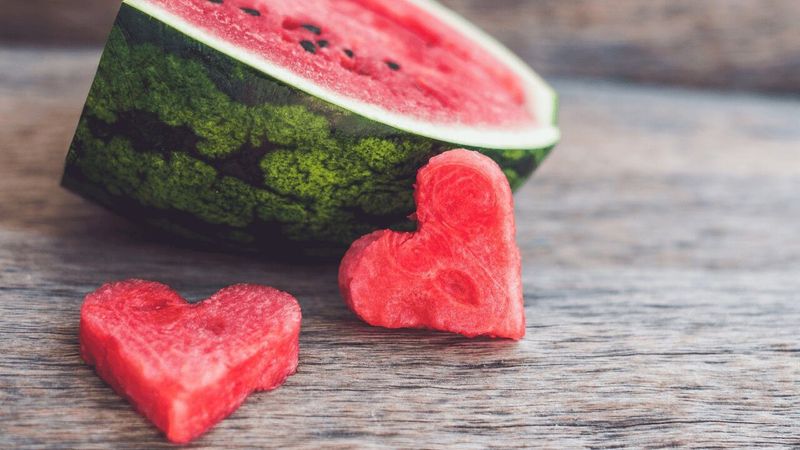
Vitamin C is essential for a strong immune system, healthy skin, and even iron absorption, and watermelon delivers a solid amount of it. Just two cups of watermelon can provide a meaningful chunk of your daily vitamin C needs.
This vitamin also plays a big role in producing collagen, which keeps your skin firm and helps wounds heal faster. Swapping out a processed snack for watermelon is an easy, tasty upgrade that your immune system will genuinely appreciate.
5. Vitamin A for Healthy Eyes and Skin
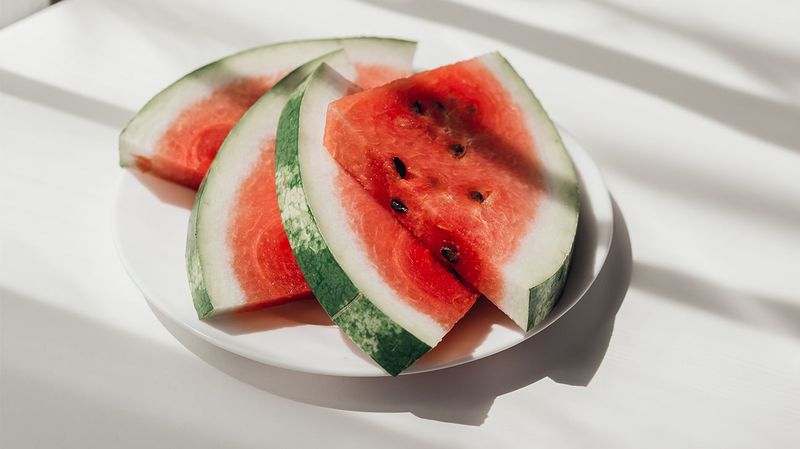
Watermelon is rich in beta-carotene, which your body converts into vitamin A, a nutrient that is absolutely crucial for maintaining sharp eyesight and healthy skin. Without enough vitamin A, your eyes can struggle to adjust in low light.
Your skin also benefits big time, since vitamin A supports cell turnover and repair, helping your complexion stay smooth and refreshed. Think of watermelon as a beauty snack that works from the inside out, nourishing your eyes and skin with every bite.
6. B Vitamins That Fuel Your Energy
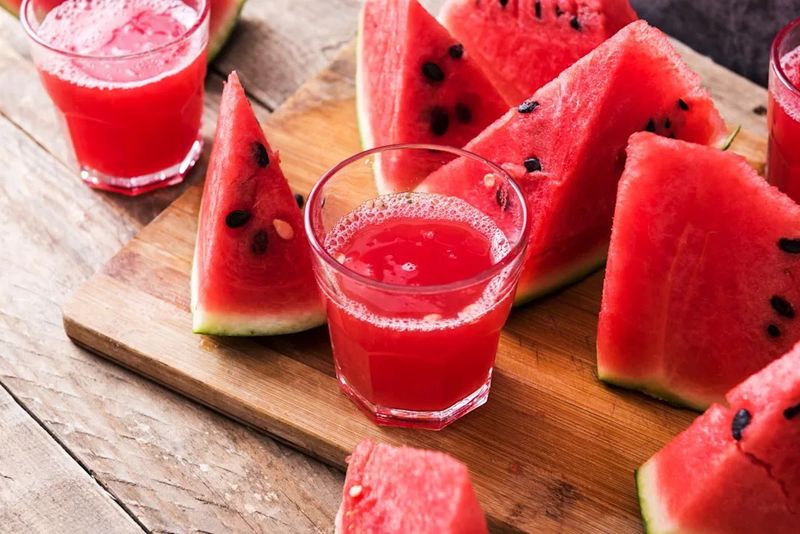
Watermelon contains several B vitamins, including B6, B1 (thiamin), and B5 (pantothenic acid), all of which play key roles in converting food into usable energy. Vitamin B6 in particular supports your immune system and helps your body break down proteins properly.
If you ever feel sluggish in the afternoon, reaching for watermelon instead of a sugary energy drink is a smarter move. These B vitamins work quietly behind the scenes to keep your metabolism humming and your nerves functioning at their best.
7. Potassium Keeps Your Heart and Muscles Happy
Potassium is one of those minerals your body quietly depends on every single day, and watermelon supplies a useful amount of it. This mineral helps regulate blood pressure, supports proper nerve signaling, and keeps your muscles contracting the way they should.
Potassium also helps your body hold onto calcium, which strengthens your bones and joints over time. For anyone trying to keep their heart healthy and muscles strong, adding watermelon to a balanced diet is a refreshingly simple strategy.
8. Magnesium for Strong Bones and Energy

Magnesium might not get as much attention as calcium, but it is just as important for building and maintaining strong bones. Watermelon contains a decent amount of this mineral, which also plays a role in energy production at the cellular level.
Without enough magnesium, your body can feel fatigued and your muscles may cramp more easily. Adding watermelon to your weekly routine is a small but meaningful way to keep your magnesium levels where they need to be for daily vitality.
9. Supports Healthy Weight Management
Watermelon is naturally low in calories while being high in water and fiber, which means it can help you feel full without overdoing it on calories. Studies have actually linked daily watermelon consumption to reductions in body weight, BMI, and waist size.
When you are craving something sweet, watermelon is a smart swap for cookies or candy. You get that satisfying sweetness along with real nutrients, making it much easier to manage your weight without feeling deprived or restricted.
10. Speeds Up Exercise Recovery
Watermelon is the richest natural source of an amino acid called citrulline, and that is a big deal for anyone who exercises regularly. Citrulline helps your body produce nitric oxide, which relaxes blood vessels and improves blood flow to tired muscles.
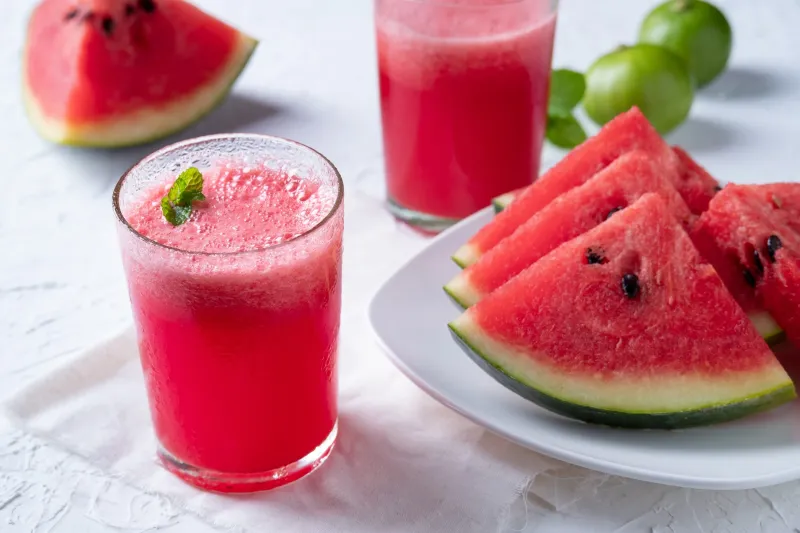
Better circulation means your muscles get oxygen and nutrients faster after a tough workout, which can reduce soreness the next day. Athletes and weekend warriors alike can benefit from drinking watermelon juice or snacking on fresh slices right after physical activity.
11. Promotes a Healthier Heart

Both lycopene and citrulline, two of watermelon’s star nutrients, have been linked to better heart health. Lycopene helps reduce inflammation and oxidative stress in blood vessels, while citrulline supports healthier blood flow and may help lower blood pressure.
Heart disease is one of the leading health concerns worldwide, so any food that naturally supports cardiovascular function is worth celebrating. Watermelon is not a magic cure, but making it part of a heart-friendly diet is a genuinely smart and tasty move.
12. May Help Lower Cancer Risk
The antioxidants in watermelon, especially lycopene, have been studied for their potential role in reducing the risk of certain cancers, including prostate and colon cancer. Lycopene works by fighting the oxidative stress and inflammation that can contribute to cancer cell development.
While no single food can prevent cancer on its own, eating a diet rich in antioxidant-packed fruits like watermelon is a solid step in the right direction. Think of it as stacking the deck in your body’s favor over the long haul.
13. Gentle Support for Better Digestion
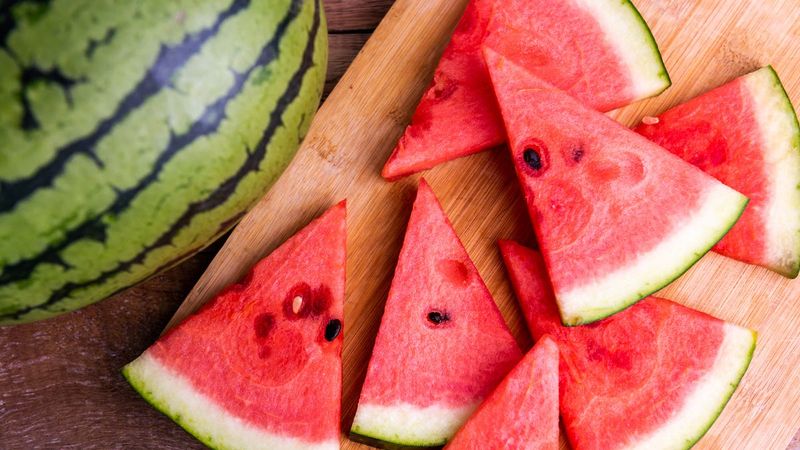
Watermelon contains a small but helpful amount of dietary fiber, which plays an important role in keeping your digestive system on track. Fiber adds bulk to your stool and helps things move through your gut at a healthy pace, reducing the risk of constipation.
Combined with watermelon’s very high water content, this makes it a gentle, digestion-friendly snack that is easy on the stomach. If you tend to feel bloated or sluggish after eating, swapping heavier snacks for watermelon can make a noticeable difference.
14. Nourishes and Protects Your Skin
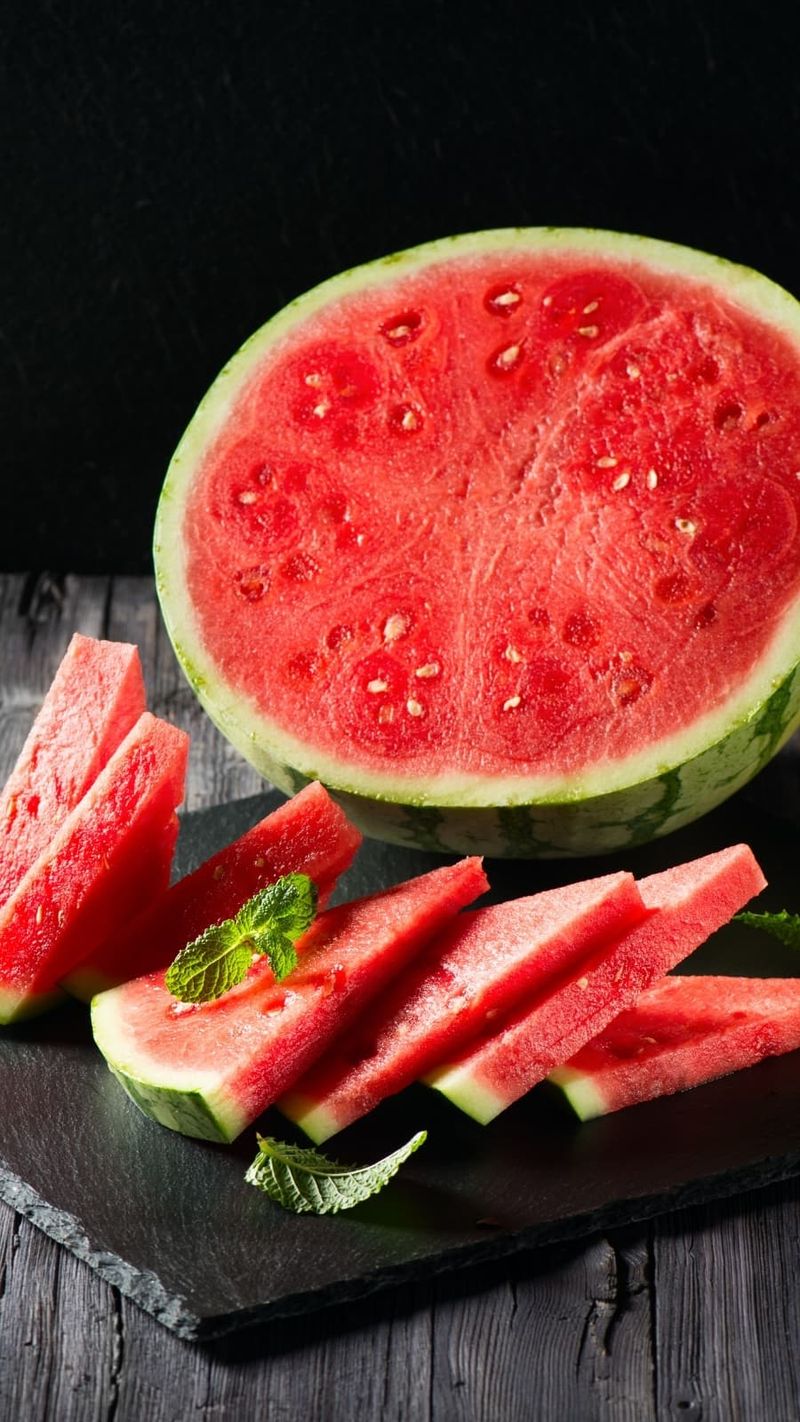
Vitamins A and C in watermelon team up beautifully to support skin health from the inside. Vitamin C boosts collagen production, which keeps skin firm and youthful, while vitamin A encourages skin cell renewal and repair.
Lycopene also offers a layer of protection against UV damage, though it is not a replacement for sunscreen. Together, these nutrients make watermelon a genuinely skin-loving food that works far better than any expensive supplement promising the same results.
15. Strengthens Your Immune System
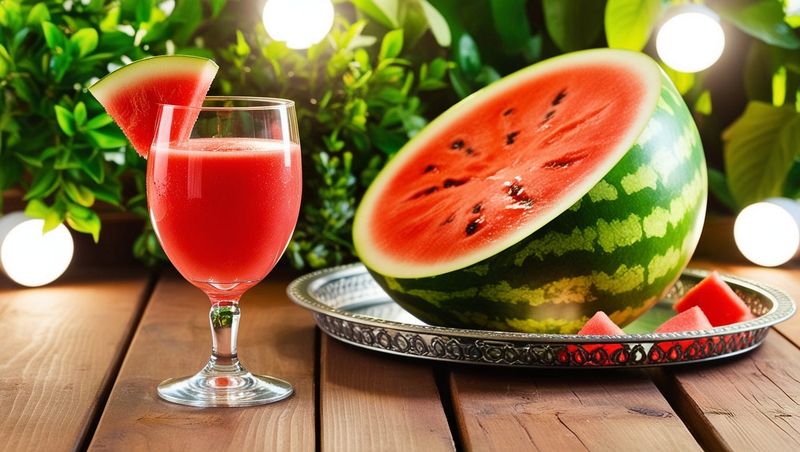
Vitamins C and B6 in watermelon both play essential roles in keeping your immune system strong and responsive. Vitamin C stimulates the production of white blood cells, while B6 helps those cells function properly when your body needs to fight off illness.
Citrulline also contributes to immune support by improving circulation, which helps immune cells travel through your body more efficiently. Eating watermelon regularly is one of the most enjoyable ways to give your immune defenses a natural, food-based boost.
16. Low in Fat, Sodium, and Cholesterol
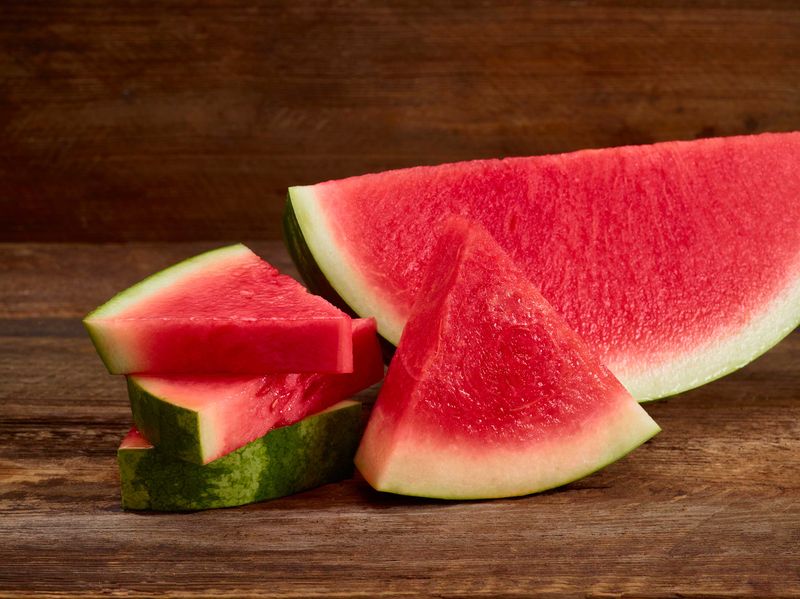
One of watermelon’s most underrated qualities is what it does not contain. It is naturally free of cholesterol, very low in sodium, and contains almost no fat, making it an ideal snack for people watching their heart health or overall diet quality.
Even the rind and seeds pack in extra nutrients, so nothing really goes to waste. For anyone building a cleaner, more balanced diet, watermelon is a guilt-free pleasure that checks all the right boxes without any of the dietary baggage.