16 Restaurant Recipes That Changed How Dishes Are Made
Some dishes did more than win hearts, they rewired expectations. Restaurants turned technique into theater and simple plates into new standards you now see everywhere.
As you read, you will spot the tricks and textures that quietly became “the right way” to make a classic. Ready to revisit the recipes that changed how we cook and order forever?
1. Caesar Salad (tableside-style)
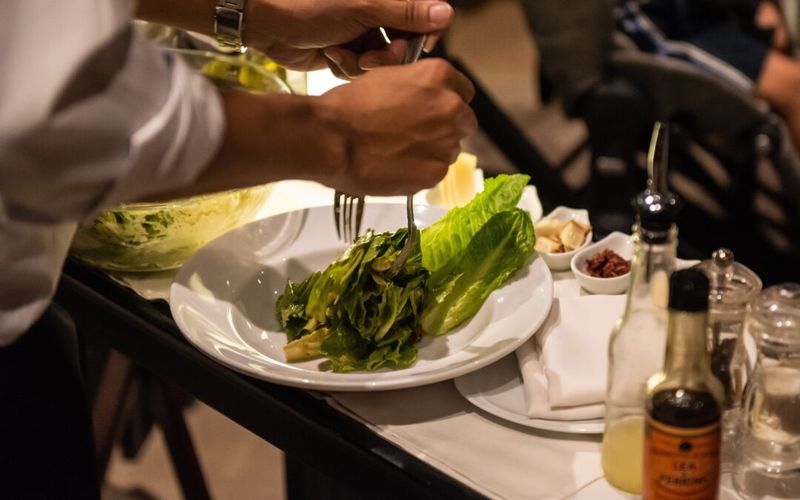
Before this, salads were side notes. Then came the performance: a cart rolling up, a wooden bowl, and a confident emulsification right in front of you.
Anchovy, garlic, egg yolk, lemon, and oil transformed into a glossy dressing that clung to crisp romaine.
Croutons were bigger, Parmesan was shaved boldly, and the toss felt like choreography. The spectacle made a salad feel like a headliner instead of a warm-up.
Home cooks chased that texture, learning how to whisk properly and season assertively.
Now, when you say Caesar, people expect drama and depth, not a limp mix. The method nudged everyone toward fresh-cracked pepper, balanced acid, and that savory finish.
It proved technique can turn simplicity into swagger.
2. Eggs Benedict with Hollandaise
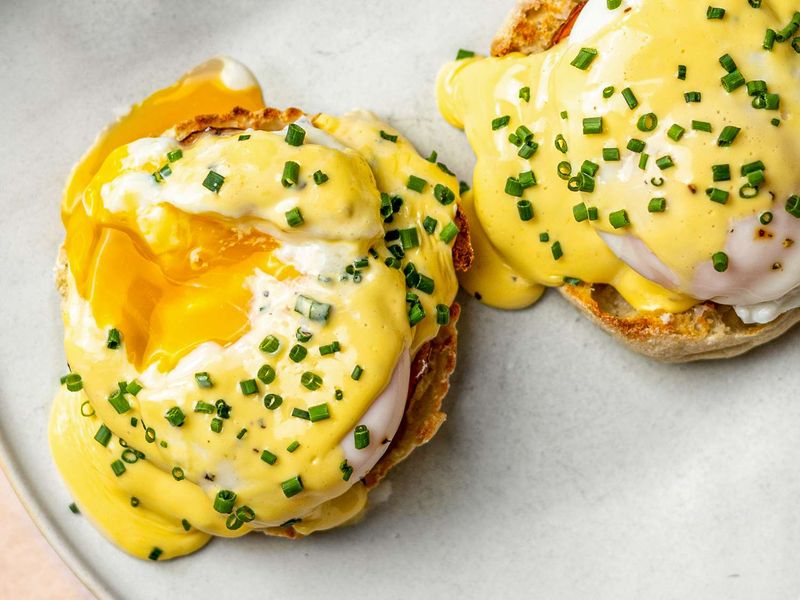
Brunch became a craft lesson the moment Hollandaise set the rules. A perfectly poached egg met English muffin, salty ham, and that warm, lemon-butter emulsion that signaled you were doing it right.
Restaurants trained diners to recognize sheen, temperature, and timing.
At home, you learned to whisk over gentle heat, manage clarified butter, and avoid breaking the sauce. The plate taught patience and precision while rewarding you with velvet richness.
It made weekend cooking feel like an event.
Now, poach time and sauce stability sit in your muscle memory. Benedict codified standards for brunchtime “properness,” pushing technique to the center of the plate.
It showed how a sauce can crown the entire experience, transforming simple parts into ceremony.
3. French Onion Soup with the Cheese Cap
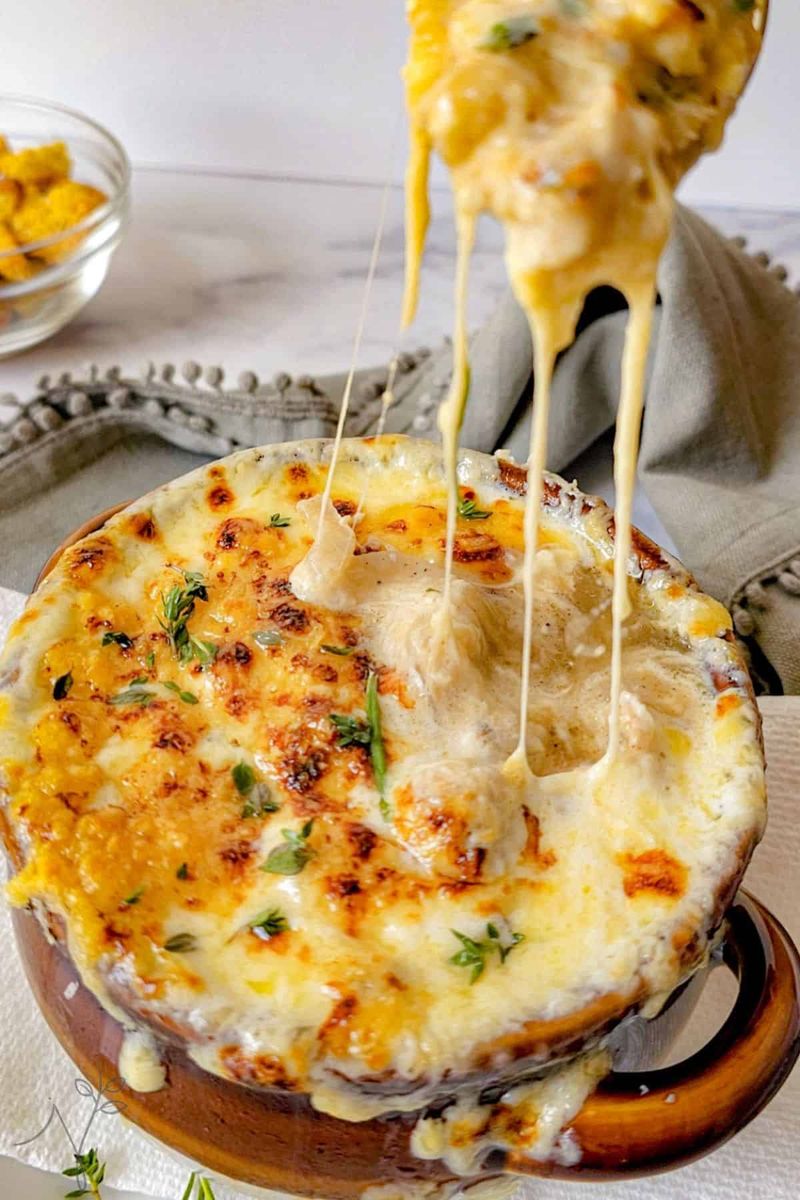
Restaurants reframed onion soup as a theater of the top. Caramelized onions and broth became the foundation, but the bread raft and blistered Gruyere stole the spotlight.
You learned to crave that spoon-crack moment before the sweet, savory flood underneath.
Broilers set expectations: a molten, browned lid that sealed in aroma and heat. Home kitchens chased it with ovenproof crocks and patient onion browning.
The dish pivoted from simple broth to layered texture.
Now, a bowl without the cap feels unfinished. You expect the stretch, the sizzle, and that toasted edge.
The cheese crown turned a humble pot into a signature ritual, proving presentation and heat control can redefine comfort.
4. Steakhouse Compound Butter Steak
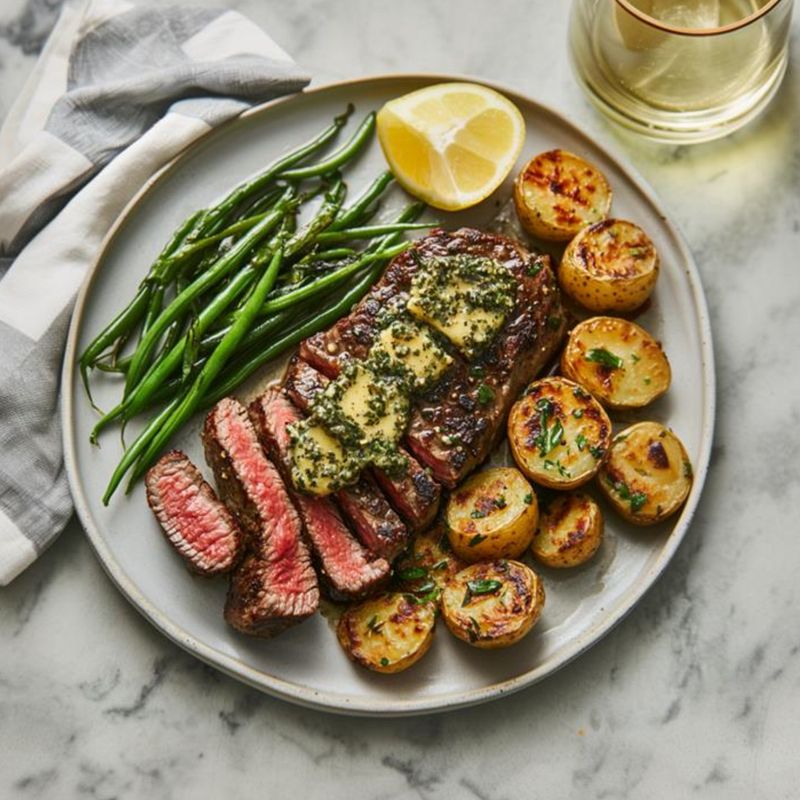
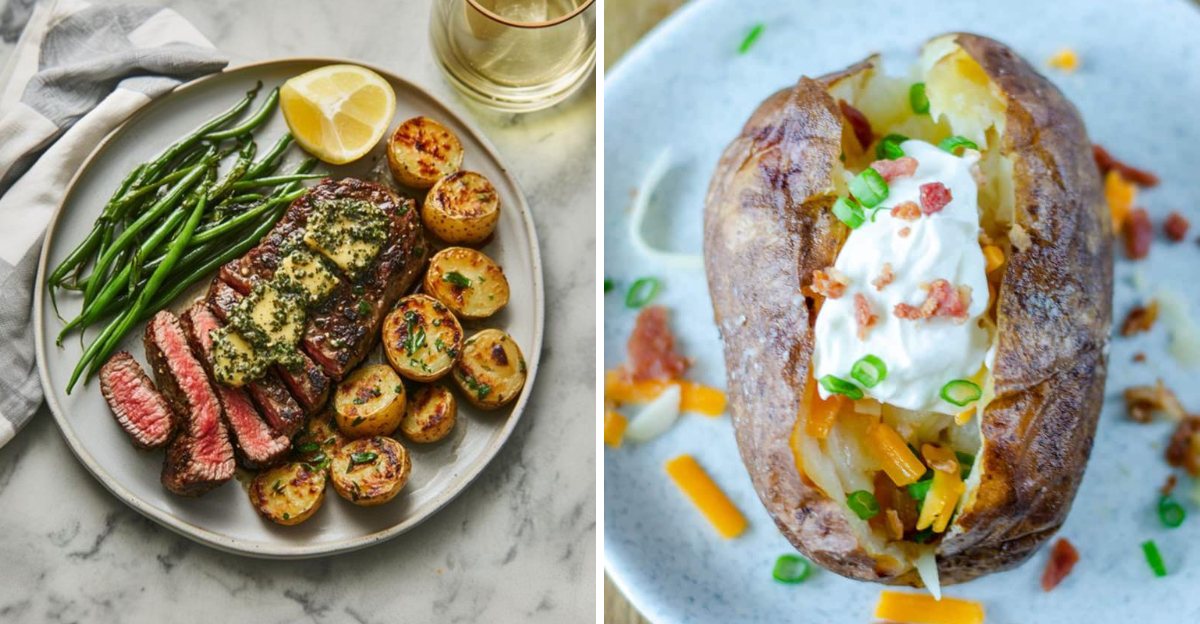
Steakhouses convinced everyone that butter is a finish, not an afterthought. A pat of herb or blue cheese butter hits the hot crust and cascades into every slice.
You taste richness, perfume, and salt in one easy flourish.
At home, compound butter made upgrades feel effortless. Mix softened butter with garlic, herbs, lemon zest, or funky cheese, then chill and slice.
Suddenly a budget cut tastes premium, and resting time becomes flavor time.
The move reoriented steak technique around finish and carryover heat. Now, people factor butter into seasoning the same way they plan sear and rest.
It showed that a final touch can rewrite the whole bite without changing the cut.
5. New York-style Pizza Slice
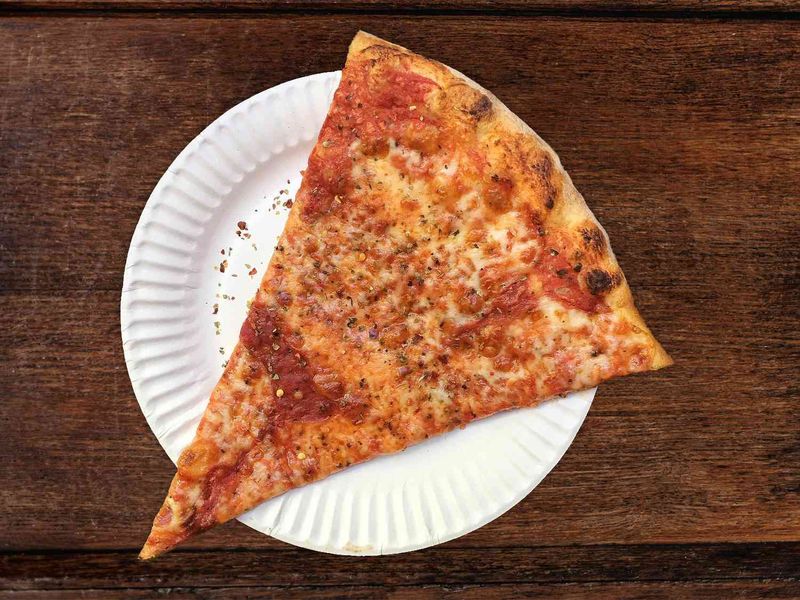
The slice taught you how pizza moves. Thin, foldable, blistered at high heat, it respects speed and street life.
A paper plate, a quick bend, and you are walking with dinner, grease line and all.
Technique matters: strong gluten development, long fermentation, and fierce deck ovens. That created chew, structure, and a light crisp undercarriage.
Cheese spread to the edge, sauce stayed balanced, and reheat flavor became part of the plan.
Now, “thin with chew” reads like a universal standard. Even far from New York, pizzerias chase that fold test.
The slice turned portability into a hallmark, proving texture and heat define identity as much as toppings.
6. Chicago Deep-Dish Pizza
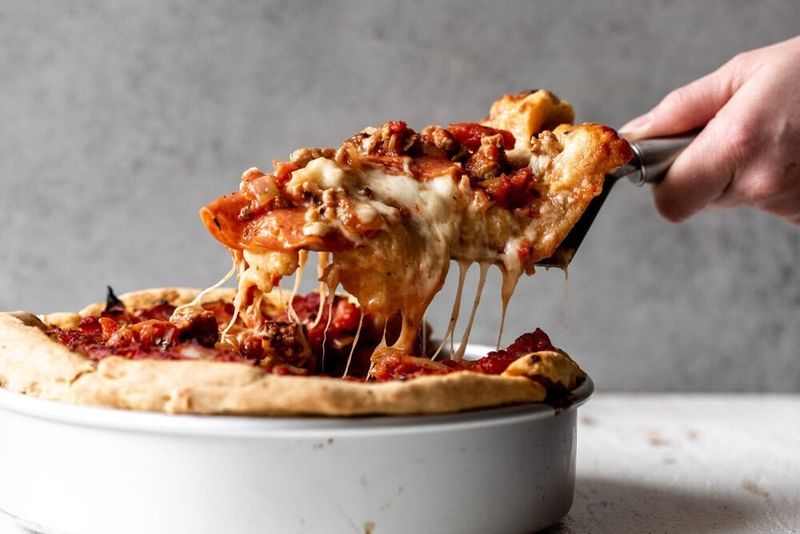
Deep-dish created a parallel pizza universe. Buttery, high-sided crust cradles layers of cheese and sausage, with chunky tomato sauce on top.
You eat it with a knife and fork, and that is the point.
Technique flipped the order: cheese first, then fillings, then sauce to protect from overcooking. Cast-iron or specialized pans hold heat and shape.
It is a baked casserole of textures rather than a quick bite.
The category change reset expectations nationwide. People stopped arguing thin vs thick and started valuing intention.
Deep-dish proved pizza could be slow, indulgent, and architectural, turning serving style and structure into defining traits rather than afterthoughts.
7. Buffalo Wings
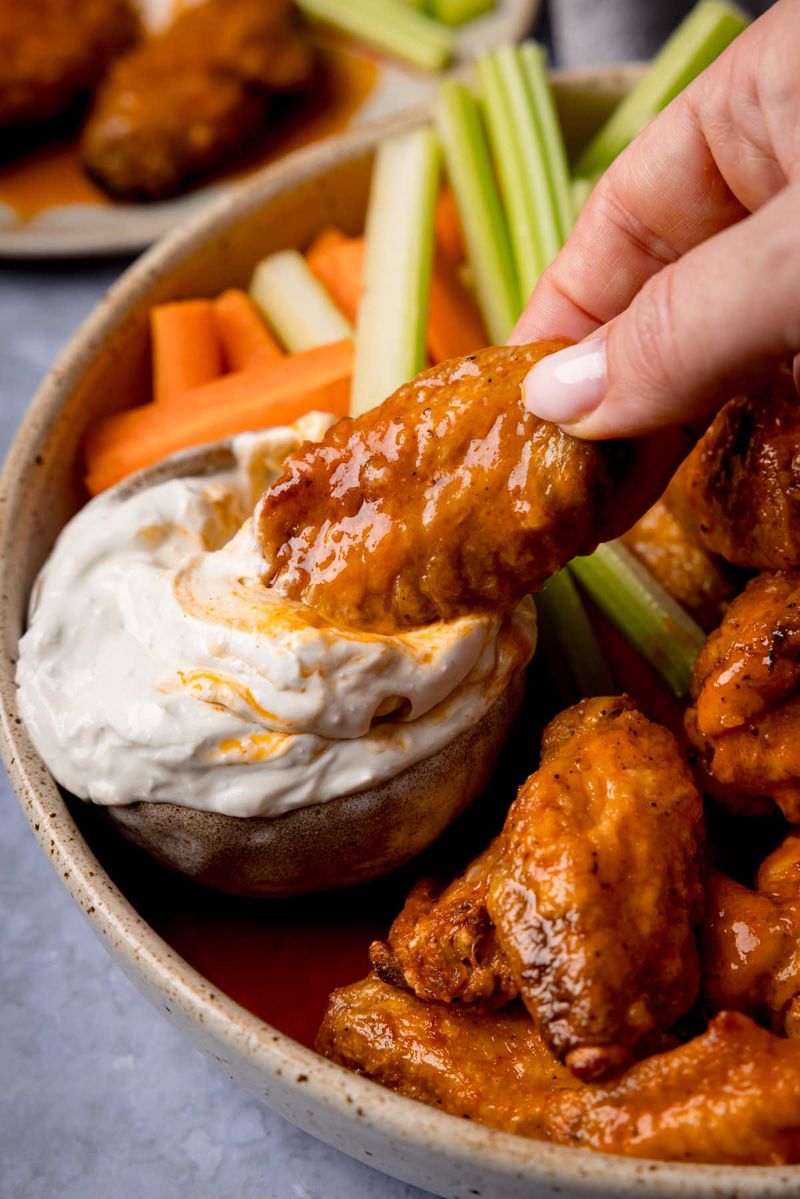
Buffalo wings made the blueprint: fry hard, toss hot, cool with a dip. The synergy between buttered hot sauce and blue cheese or ranch became ritual.
Celery on the side reset the palate and kept the heat fun.
Restaurants nailed timing and texture, inspiring home fryers and air fryer conversions. The format codified “sauce plus dip plus side” as a unit of flavor.
Even boneless versions follow the same map.
Now, wing menus feel like a sauce atlas. People expect customization, crispness, and a clean toss, not a soggy coat.
Buffalo turned bar snacks into a national category, teaching balance between fire, fat, and crunch.
8. Chicken Tikka Masala (Restaurant-style Curry)
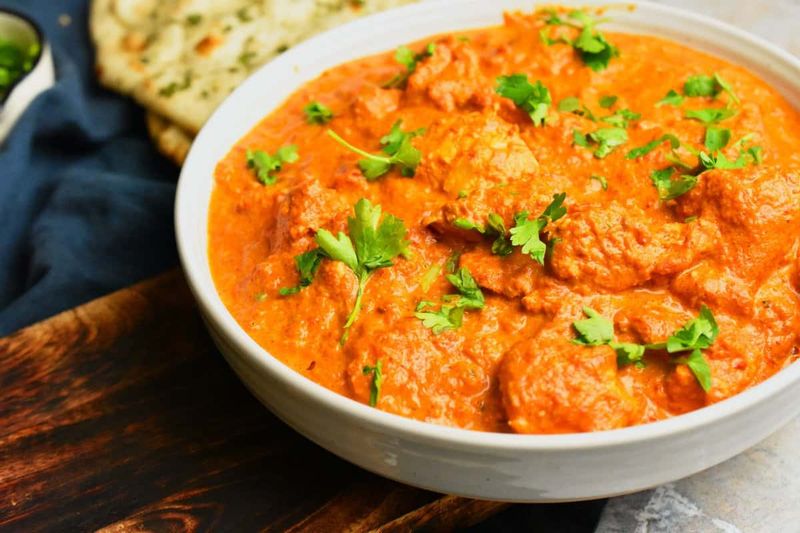
This dish became the gateway curry for many. Creamy tomato sauce, gentle warmth, and charred chicken bridged comfort and adventure.
Restaurants dialed balance so you could taste spice without fear.
Technique spread: marinate in yogurt, roast or broil for char, then finish in a buttery masala. Home cooks learned to bloom spices in fat, deglaze, and simmer to velvet.
It made complex flavor feel accessible.
Now, when people picture “Indian restaurant curry,” this silky orange glow comes to mind. It set expectations for richness, aroma, and that swipe of naan.
The template taught timing and layering, proving nuance can be welcoming.
9. Ranch Dressing as a Dip
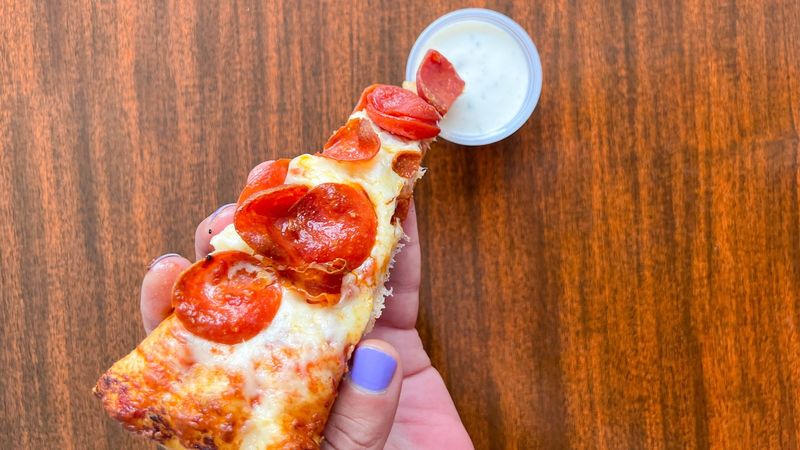
Ranch stopped being just salad dressing the minute restaurants put it next to everything crispy. Suddenly fries, wings, and even pizza crusts had a default partner.
Cool tang, garlic-onion zip, and creamy cling redefined snacking.
Chains made it cultural, and home fridges followed with squeeze bottles and DIY mixes. Technique got simpler: buttermilk tang, mayo body, and herb flecks.
The dip became a texture tool as much as a flavor hit.
Now, menus assume ranch is an option. You expect it to tame heat, season salt, and add comfort.
It shifted how people compose bites, turning dipping into a design choice, not an afterthought.
10. Cobb Salad as a Full Meal
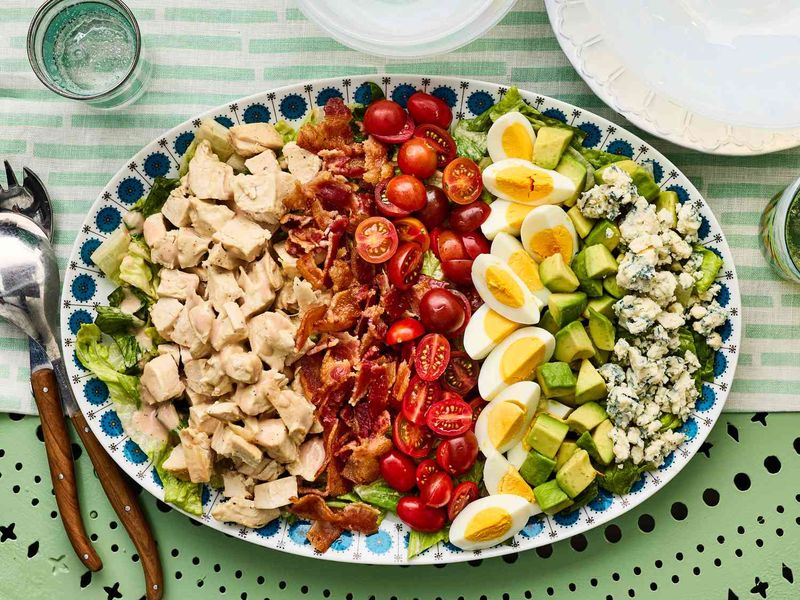
The Cobb made salad behave like an entree. Rows of toppings invited choose-your-own bites, with protein, fat, and crunch built in.
You left full, not just refreshed.
Restaurants taught composition: chop for even forkfuls, season each element, and dress thoughtfully. Bacon salt, creamy avocado, sharp blue cheese, and tender chicken created balance.
It mirrored a composed plate without feeling fussy.
Now, power salads echo that logic everywhere. You expect variety, texture, and satisfying protein in one bowl.
Cobb’s layout turned salad into a strategy, proving abundance and order can happily coexist.
11. Loaded Baked Potato
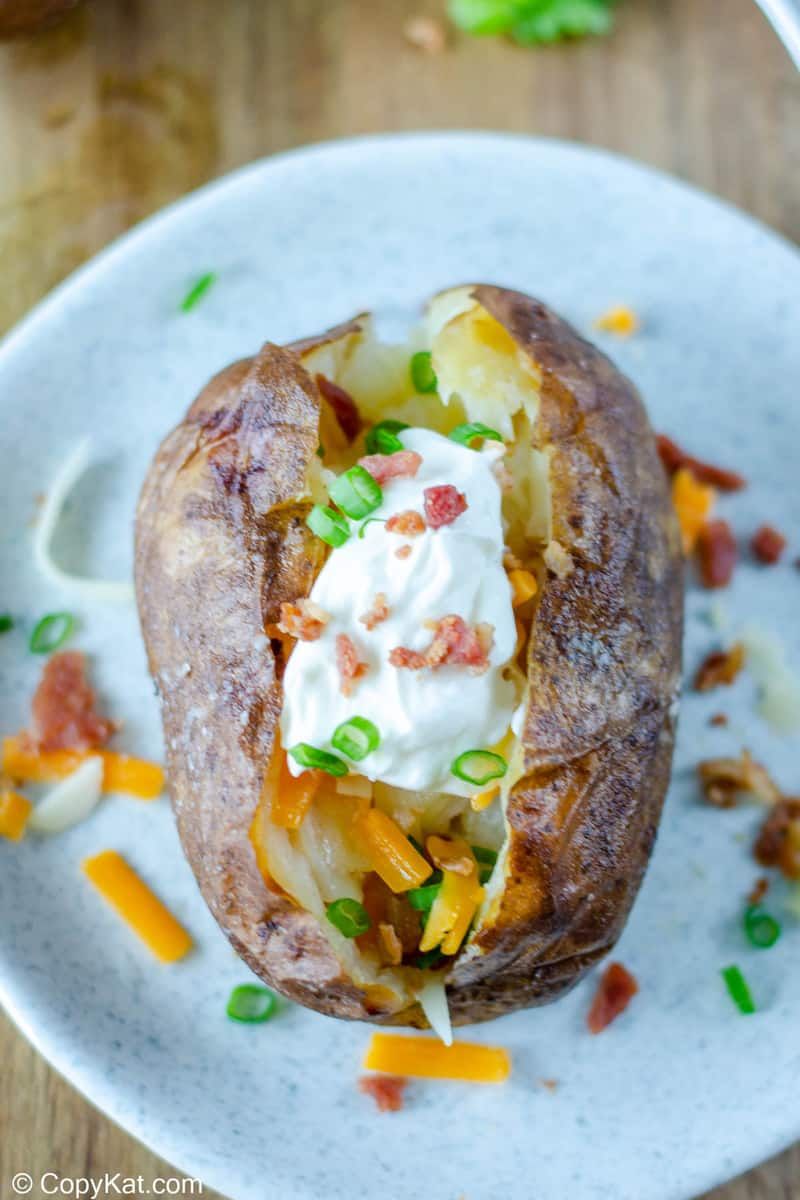
Steakhouses upgraded a humble potato into a side that feels like a dish. Crack the salt-crusted skin and steam escapes from a fluffy interior.
Butter melts, sour cream cools, cheese stretches, and bacon snaps.
You learned that toppings turn filler into theater. Timing matters, too: add butter first, then the rest, so heat carries flavor.
Chives bring freshness that cuts through richness.
Now, a bare baked potato seems unfinished. People expect customization, from broccoli-cheddar to brisket.
The format taught layering and heat management, proving a simple starch can share the spotlight with steak.
12. New England Clam Chowder (Creamy Style)
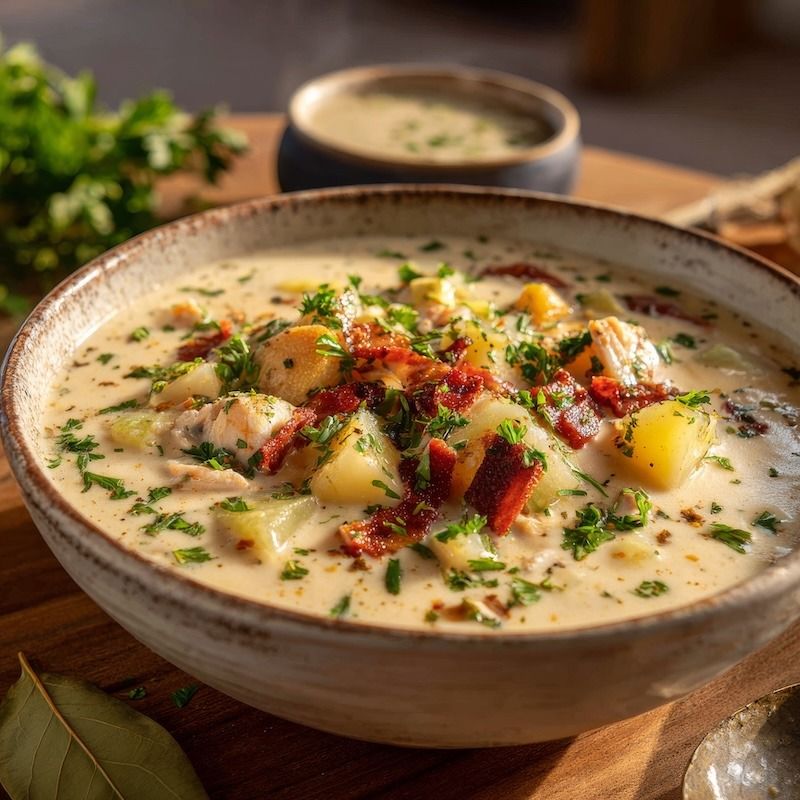
Restaurants cemented chowder as thick and spoon-coating, not brothy. Potatoes, clams, and smoky pork swam in a creamy base that felt coastal and cozy.
You learned to judge it by body and balance.
Technique moved homeward: render bacon, sweat aromatics, add clam juice, thicken gently, then fold in cream. Oyster crackers crowned the bowl, adding crunch and nostalgia.
The texture became the message.
Now, thin chowder reads like a mistake to many. People expect heft without paste, and clams that taste like the sea.
The standard proved mouthfeel can define identity as strongly as flavor.
13. Fettuccine Alfredo (American Restaurant Version)
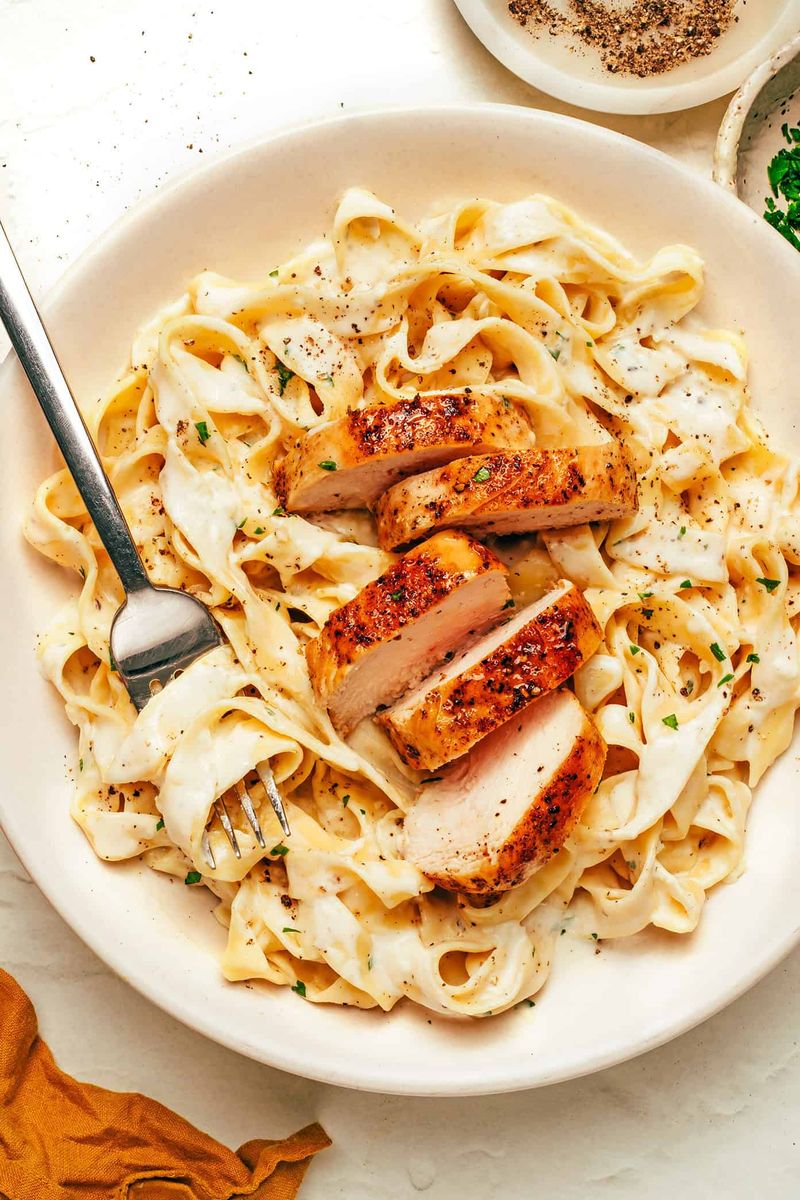
In America, Alfredo became a cream-coated comfort language. Restaurants leaned into heavy cream and butter, turning noodles into a silky, glossy tangle.
You learned to expect indulgence rather than the lighter Roman original.
Technique focused on emulsifying dairy with pasta water and Parmesan for cling. Black pepper and extra cheese reinforced that plush feel.
The sauce became the star, not a whisper.
Now, “Alfredo” signals a cream-first mindset. Home cooks adapted with simmered reductions and careful tossing off heat.
The American version reshaped expectations, proving richness and sheen can define authenticity for a culture.
14. BBQ Brisket as Low-and-Slow Craft
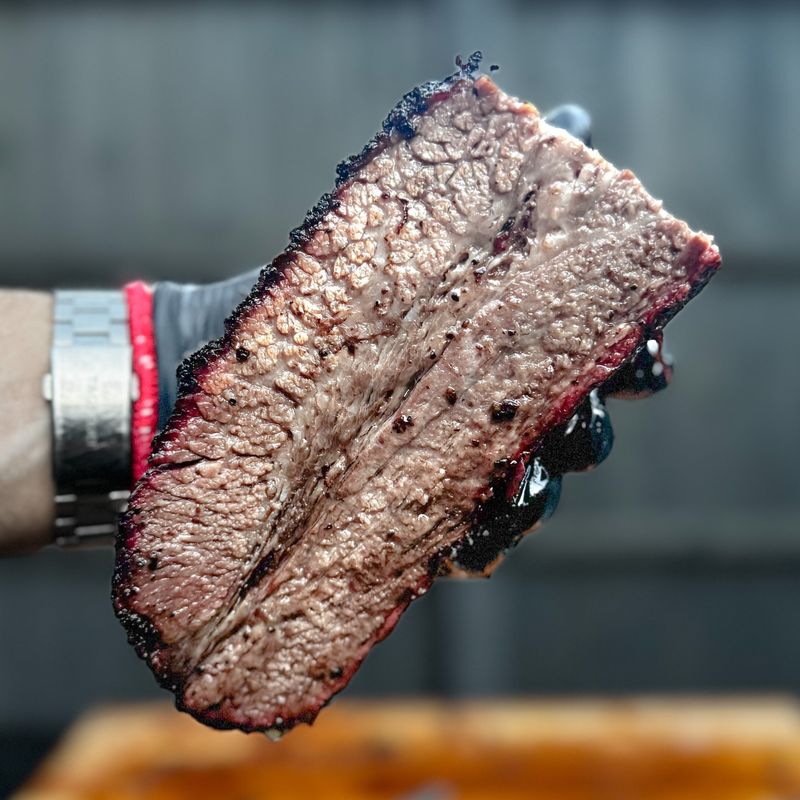
Brisket turned into a weekend craft project thanks to pitrooms. Long smoke, peppery bark, and that rosy ring taught patience.
You learned to rest, slice against the grain, and respect carryover.
Restaurants made technique transparent: wood choice, stick-burners, and temperature discipline. Butcher paper wraps and long holds turned collagen into silk.
The ritual spread to backyards everywhere.
Now, “craft barbecue” reads like a skill set. People time cooks by the hour and measure tenderness by the bend.
Brisket proved process can be the flavor, and the clock is an ingredient.
15. Sushi Rolls as a Creativity Canvas
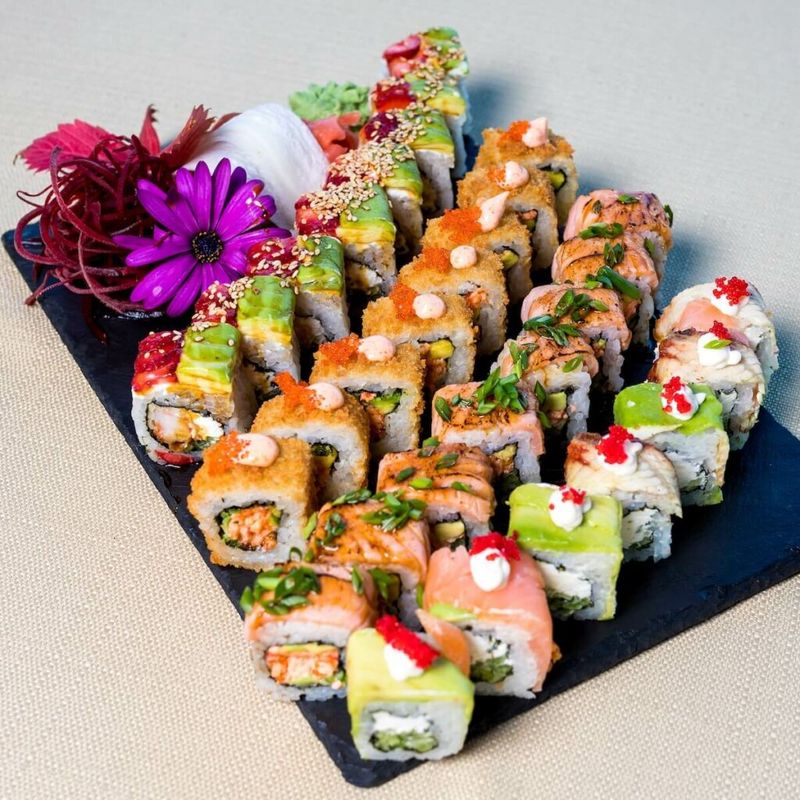
Outside Japan, restaurants turned rolls into playgrounds. Spicy mayo, crunch, torched toppings, and dramatic sauces rewrote expectations.
You ordered by vibe as much as fish, chasing texture and surprise.
Technique blended tradition with spectacle: tight rolling, precise cuts, then finishing flourishes. It welcomed skeptics with familiar flavors while celebrating craft.
The bar became a stage for color and composition.
Now, “special rolls” headline menus. People expect crowd-pleasing heat, sweetness, and crisp bits.
The format proved sushi could be both gateway and destination, where creativity lives beside discipline.
16. The Chocolate Lava Cake Moment
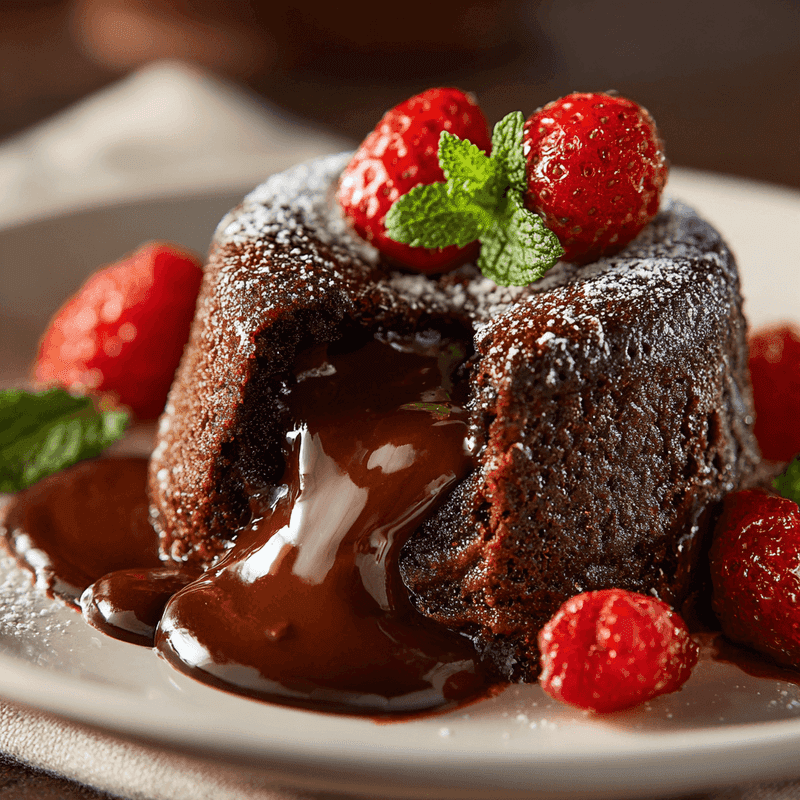
Restaurants made timing the dessert. Cut the cake and the center flows, warm against cold ice cream.
You expect drama on a small plate, not just sweetness.
Technique mattered: underbake by design, use high-quality chocolate, rest briefly, then serve fast. Ramekins, portioned batter, and tight timing trained kitchens and home bakers alike.
The surprise center became normal.
Now, molten equals special, even on weeknights. People look for contrast: hot, cold, bitter, sweet.
Lava cake proved that precision can create delight, turning a mistake-looking middle into the main event.