16 Smaller Texas Cities Where Barbecue Still Anchors Main Street
You can feel it in these towns before you even park – smoke in the air, pickups by the curb, and a line forming before noon. In smaller Texas cities, barbecue is not just a meal, it is the thing that still pulls people toward downtown and keeps local rhythm alive.
These are the places where pit rooms, meat markets, and old counters matter as much as any landmark. If you want the version of Texas that still tastes rooted, this is the road trip to take.
1. Lockhart

Lockhart is the town everyone names first, and once you stand on its streets, that reputation makes complete sense. Barbecue is not tucked away here – it defines the town’s image, traffic, and weekend energy.
The old brick buildings and legacy smokehouses make Main Street feel like a living archive of Central Texas pit culture.
What pulls you in is how natural it all feels. You can smell oak before you open a door, then step into rooms where cutting boards, black pepper, and brisket form the local language.
In Lockhart, barbecue is not a side attraction. It is the reason the town still feels famous every day.
2. Taylor

Taylor feels like a pilgrimage stop for people who judge a town by the quality of its brisket. The old-school pit culture still feels central here, not polished into something for tourists.
When you roll into town, barbecue immediately reads as part of the local identity.
That is what makes Taylor memorable. You get the sense that generations have treated smoked meat as both craft and routine, and the town still moves around that habit.
A meal here feels connected to church crowds, regulars, and family weekends, not just food media buzz. Taylor keeps barbecue grounded in everyday life, which is exactly why serious fans continue making the trip.
3. Lexington

Lexington is small enough that barbecue can completely reshape the mood of a Saturday morning. People plan their weekends around getting there early, which tells you everything about its pull.
In a town this size, a great smokehouse does more than serve lunch – it creates destination energy.
What I love about Lexington is how the scale sharpens the experience. You are not wandering a giant city looking for the next trendy spot, you are arriving with purpose, joining a line, and watching the town wake up around the pit.
That makes the whole place feel anchored by smoke and routine. Lexington proves a tiny town can still carry oversized barbecue importance.
4. Luling

Luling has that special kind of barbecue story where the pit room itself becomes part of the memory. Walking in, seeing the smokers, and feeling the heat does not feel staged for visitors.
It feels earned, like a working tradition the town never had to dress up.
That matters because Luling still gives you the sense that barbecue belongs to the physical place. The experience starts before the first bite, with wood smoke in the air and a building that tells its own history.
Downtown feels stronger because of that connection. In Luling, the meal is inseparable from the room, the routine, and the small-town pride that keeps people returning with real affection.
5. Llano

Llano shows how Hill Country barbecue can feel deeply local while still drawing people from far beyond town limits. The smokehouse here is not just a stop on a scenic drive – it feels like part of the town’s heartbeat.
You sense that quickly when locals and travelers line up for the same trays.
Main Street benefits from that steady pull. Barbecue gives Llano a center of gravity, something warm and familiar that ties together the courthouse-town feel with the region’s rugged charm.
There is nothing overcomplicated about it, and that is the point. Llano works because the food, the town, and the pace all reinforce one another beautifully.
6. Elgin

Elgin has the kind of barbecue identity that feels woven into ordinary life rather than saved for special occasions. Sausage, meat markets, and smoke all play into the town’s long-standing reputation.
When you spend time here, you can tell barbecue is part of local habit, not just local branding.
That daily familiarity gives Elgin its appeal. The market tradition still matters, and the town carries itself like a place where people have long trusted the counter, the cutter, and the smoker.
It is easy to picture regulars dropping by without ceremony because that rhythm still feels intact. Elgin reminds you that true barbecue towns are built on repetition, loyalty, and appetite.
7. Brenham

Brenham has become the sort of town where you schedule your day around barbecue, not the other way around. That sell-out energy changes how you move through town and makes the meal feel tied to the place.
You arrive earlier, pay attention, and treat lunch like an event.
What stands out is how naturally Brenham absorbs that excitement. It still feels like a smaller Texas town first, with barbecue giving the streets extra momentum rather than overwhelming them.
Serious food travelers show up, but the setting never loses its local texture. That balance is hard to fake.
Brenham proves a destination smokehouse can strengthen small-town character instead of replacing it.
8. Seguin

Seguin has the bones of a classic small Texas city, and barbecue has only sharpened its appeal in recent years. National attention may have boosted the town’s profile, but the setting still feels grounded.
The best part is that the smokehouse buzz fits naturally with Seguin’s everyday character.
You can sense how barbecue now helps anchor the town’s broader identity. It brings in travelers, gives locals another point of pride, and adds energy to streets that already carry history well.
That combination matters more than hype alone. Seguin feels like a place where recognition met real substance, turning a familiar downtown into a stronger food destination without losing its hometown ease.
9. Mart

Mart is the kind of place that makes you reconsider how much barbecue can transform a quiet downtown. It is a smaller stop, but modern-era attention has turned it into a meaningful detour for people who follow Texas smoke seriously.
That contrast gives the town real charm.
You roll in expecting something modest and leave talking about how the whole place feels newly animated by one strong culinary reason to stop. Barbecue becomes the story that pulls you off the highway and onto local streets.
In towns like Mart, that matters. It keeps Main Street relevant, introduces new visitors to old places, and proves small-scale Texas still has plenty of gravitational pull.
10. Belton

Belton shows how destination barbecue culture keeps spreading beyond the most famous Texas pit capitals. The city is not tiny, but it still carries that smaller-town sense of center where a standout smokehouse can shape local traffic and conversation.
Recent statewide attention only reinforces what regulars already know.
There is something satisfying about seeing a place like Belton claim its barbecue space without trying too hard. You get downtown character, a manageable pace, and the feeling that the meal belongs to the town instead of floating above it.
That connection is what keeps people coming back. Belton represents the newer wave of recognized barbecue towns that still feel approachable and rooted.
11. Schulenburg

Schulenburg feels like one of those towns where barbecue still follows the weekly rhythm of the community. The meat-market style tradition gives it a grounded, practical charm that bigger food scenes can never quite copy.
When the smokers get rolling on the weekend, the town feels even more itself.
That is the magic here. Barbecue is woven into errands, gatherings, and habits, not packaged as a grand performance.
You can imagine families planning around market hours and knowing exactly when the smoke will be right. In a state full of louder names, Schulenburg stands out for its steadiness.
It keeps the connection between Main Street and smoked meat refreshingly direct, local, and real.
12. Gonzales

Gonzales has the feel of a town where barbecue enters every road-trip conversation sooner or later. It may not dominate the statewide spotlight, but it absolutely belongs in Texas barbecue talk.
The best part is the local pride, because people here seem ready to defend their favorites with conviction.
That kind of argument is usually a good sign. It means barbecue still matters enough to shape identity, loyalty, and the reasons people stop downtown.
Gonzales carries that energy well, pairing history and small-town texture with food worth discussing long after lunch. You leave with the sense that this is exactly the sort of place that keeps Texas barbecue culture alive between the bigger, more famous names.
13. Chappell Hill

Chappell Hill is a tiny detour, but that is exactly why its barbecue appeal feels so strong. In a place this small, a good smokehouse does more than feed people – it becomes part of the town’s social center.
The scale makes everything feel more personal and more rooted.
You notice how barbecue supports the whole mood of the place. It draws travelers in, gives locals a familiar gathering point, and adds a dependable rhythm to a quiet historic setting.
Nothing about it feels trend-driven or overbuilt. Chappell Hill works because barbecue still acts like community infrastructure there, holding together memory, habit, and small-town identity in a very Texas way.
14. Fulshear
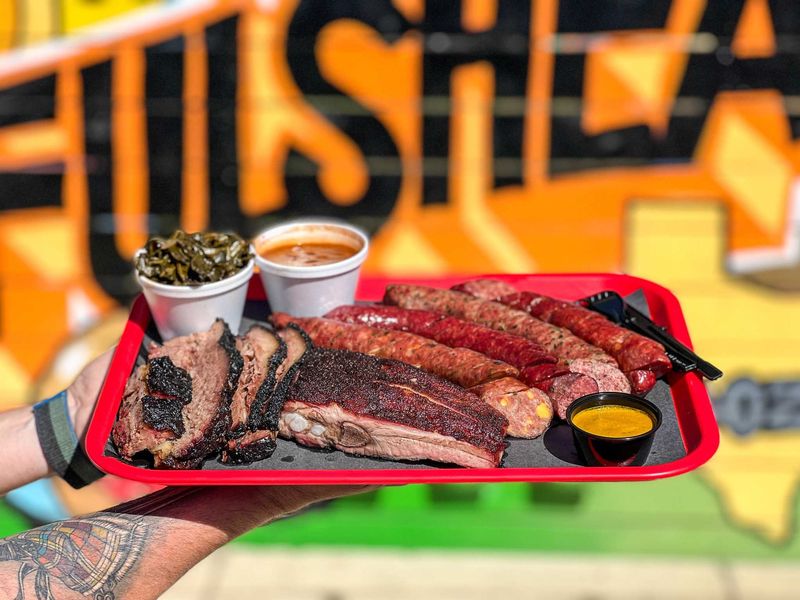
Fulshear represents a side of Texas barbecue culture that often gets overshadowed by famous standalone joints. The grocery and market tradition matters here, and that gives the town an older, more embedded kind of credibility.
Barbecue feels connected to everyday commerce, not just destination dining.
That distinction says a lot about why places like Fulshear matter. You are reminded that smoked meat in Texas often grew out of practical community spaces where people bought staples and picked up dinner in the same stop.
The town still carries that lore in a way that feels tangible. Fulshear keeps alive the market-to-smoker story that helped shape barbecue across the state.
15. Marble Falls
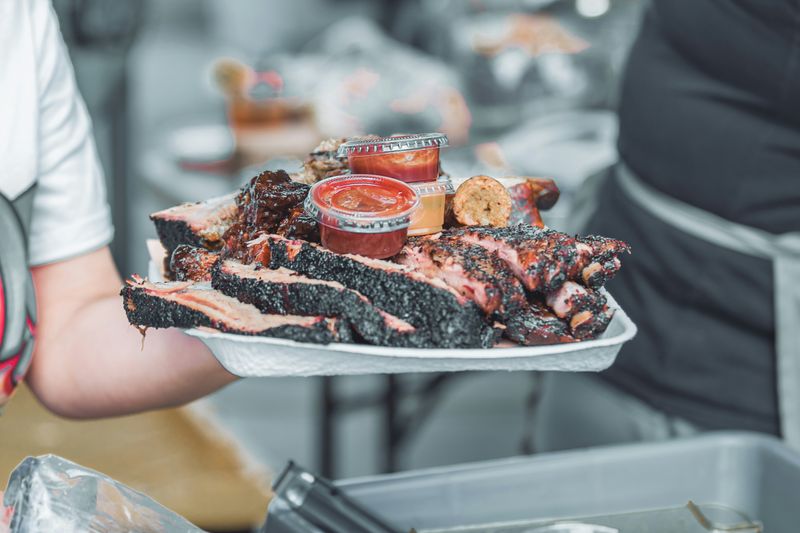
Marble Falls is not defined only by barbecue, but it absolutely shows how a beloved small-town kitchen can anchor Main Street culture. People detour here on purpose for food, and that purposeful stop shapes the town’s identity.
In Texas, that kind of devotion often overlaps naturally with barbecue values.
What makes Marble Falls fit this list is the way a strong food destination can become part of the local heartbeat. You see it in foot traffic, in the anticipation around lunch, and in how visitors talk about the town afterward.
The appeal goes beyond scenery or convenience. Marble Falls proves that when a kitchen becomes a ritual stop, Main Street grows stronger around it.
16. Lockhart Orbit Towns

The wider Lockhart orbit may be the smartest move for anyone chasing the Main Street side of Texas barbecue. Nearby small towns, roadside joints, and market counters let you build a loop instead of a single stop.
That road-trip style captures how barbecue really lives across a region, not just one famous address.
Driving between these places, you start noticing the shared language of smoke, butcher paper, simple storefronts, and loyal regulars. Each stop adds another piece of the story, and none of it feels overly curated.
That is why the orbit matters. It turns barbecue into a landscape experience, linking towns together through appetite, tradition, and the kind of small-scale Texas charm that still rewards wandering.