
16 Soup-Thickening Mistakes That Leave Pots Too Thin
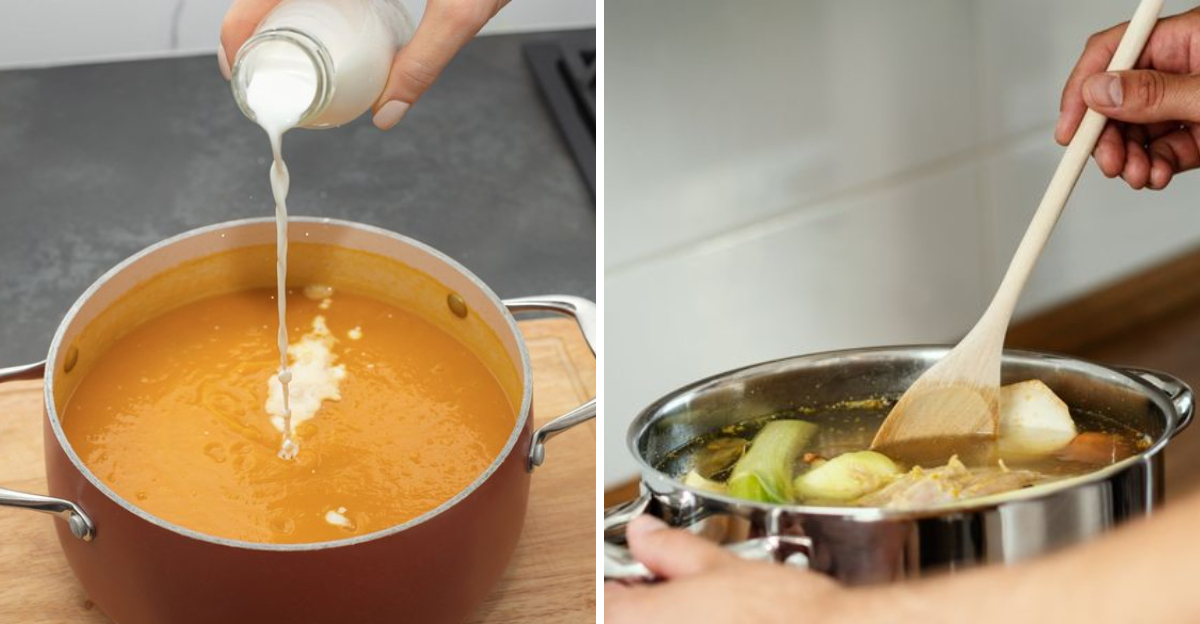
Making a rich, hearty soup sounds simple enough, but getting the right thickness can be surprisingly tricky. Many home cooks end up with a watery pot and wonder where things went wrong.
The good news is that most soup-thickening mistakes are easy to fix once you know what to watch for. Read on to find out which common errors might be sabotaging your soup game.
1. Starting With Too Much Liquid
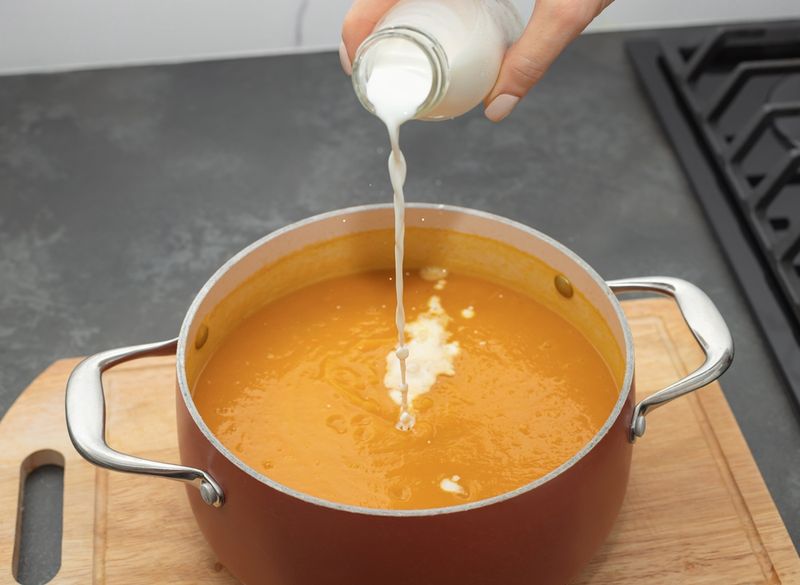
Pouring in a huge amount of liquid right at the start is one of the easiest ways to doom your soup from the beginning. When there is way more liquid than solid ingredients, the broth ends up thin, bland, and almost impossible to save.
Adding liquid gradually as you cook gives you far better control. You can always splash in more broth, but you cannot easily take it back out once it is already in the pot.
2. Skipping the Reduction Step
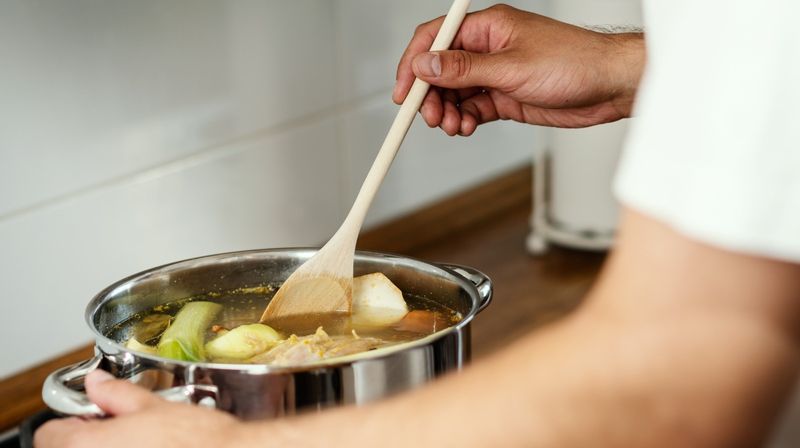
Rushing through the simmering stage is a classic move that leaves soup watery and weak. Reduction happens when heat drives off extra moisture as steam, concentrating both flavor and texture at the same time.
Letting your soup bubble away on low heat for an extra 20 to 30 minutes can make a huge difference. Patience is basically a free thickening ingredient that too many cooks forget to use.
3. Dumping Dry Starch Straight Into Hot Soup
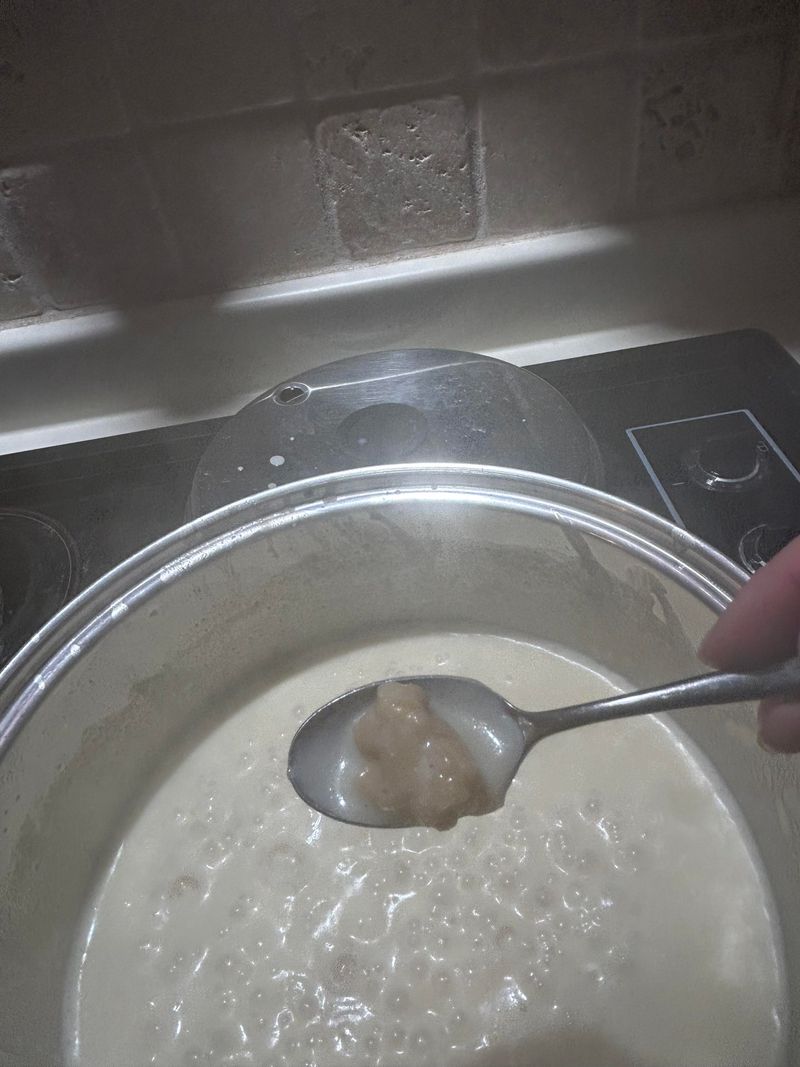
Sprinkling raw cornstarch or flour directly into a bubbling pot is a recipe for lumpy disaster. The moment dry starch hits hot liquid, it seizes up instantly, forming stubborn clumps that refuse to dissolve no matter how hard you stir.
Beyond the lumps, uncooked starch leaves a chalky, pasty aftertaste that ruins the whole bowl. Always mix your thickener with cold liquid first to avoid this frustrating and very fixable problem.
4. Making a Slurry With Hot Liquid
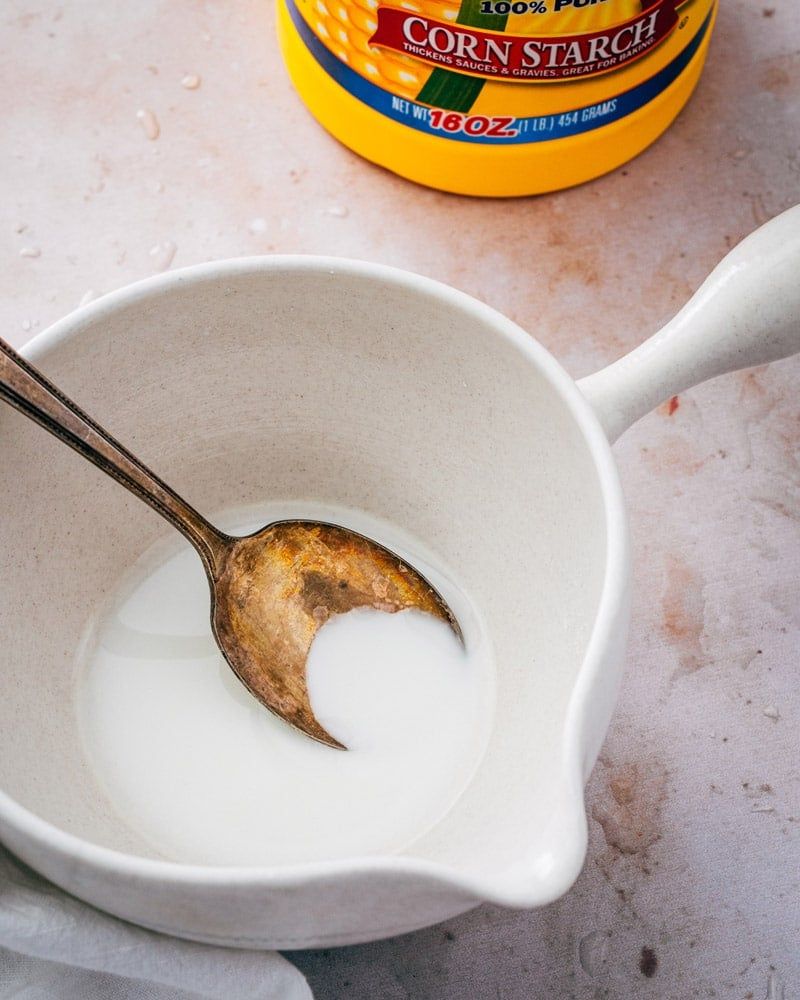
Here is something that catches even experienced cooks off guard: using warm or hot liquid to mix your slurry causes the same clumping problem as adding dry starch directly. Heat activates starch almost immediately, locking it into lumps before it can spread evenly.
Cold water or cold broth is the right choice every single time. Stir the starch into the cold liquid until completely smooth, then pour that mixture slowly into your hot soup.
5. Dumping in Too Much Thickener at Once
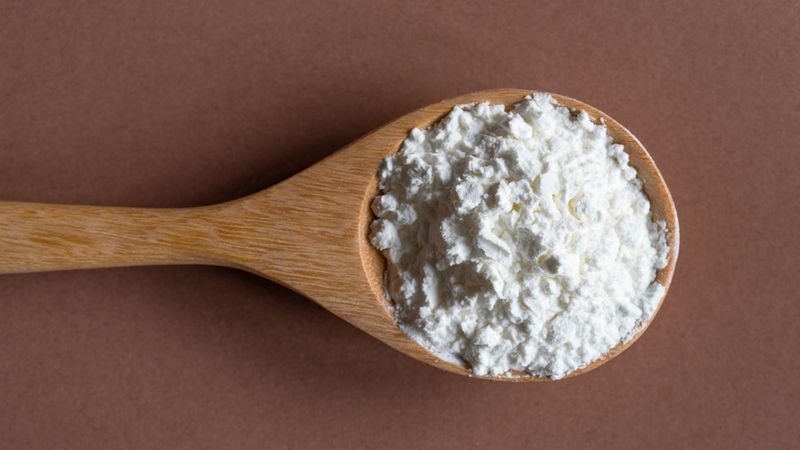
Going overboard with thickener turns your soup into something closer to wallpaper paste than dinner. Once the soup becomes too thick and gluey, fixing it usually means adding more liquid, which waters down the flavor you worked so hard to build.
A smarter approach is to add your thickener in small amounts, stir well, and wait a minute before deciding if more is needed. Slow and steady truly wins this race.
6. Pouring the Slurry in Too Fast
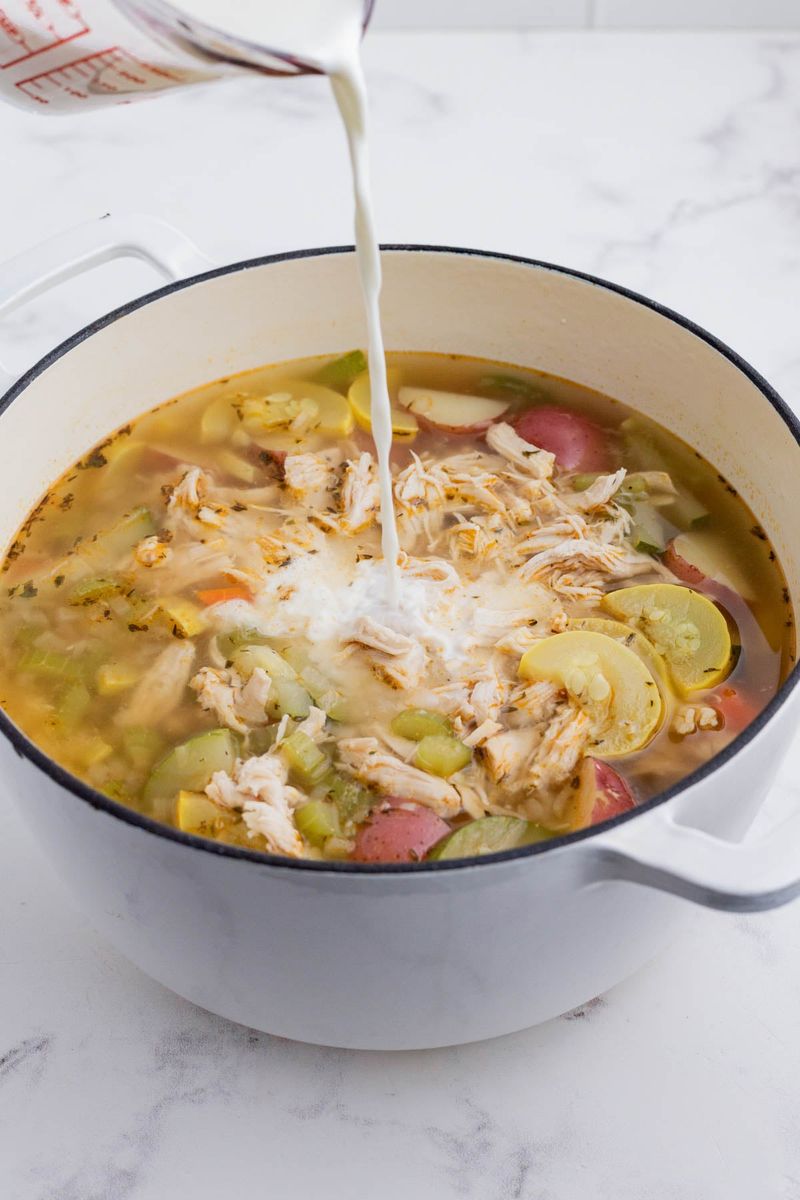
Even a perfectly made slurry can wreck your soup if you dump it in all at once. A sudden rush of starch mixture hits the hot liquid faster than stirring can handle, and clumps form almost instantly.
Stream the slurry in slowly, pouring with one hand while stirring constantly with the other. Giving the starch time to disperse evenly before adding more is the key to a silky, lump-free result every time.
7. Not Cooking Long Enough After Adding Starch
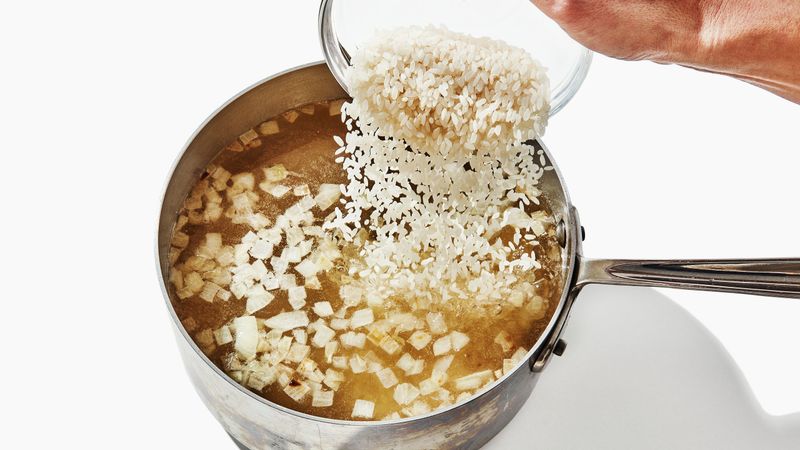
Raw flour has a dusty, unpleasant flavor that absolutely needs heat to cook out. Cornstarch, on the other hand, must reach a full boil to activate its thickening power properly.
Pull either one off the heat too soon, and you are left with soup that tastes off and still looks thin.
After adding a starch-based thickener, keep the soup at a steady simmer or gentle boil for at least a few minutes before tasting or serving.
8. Continuing to Boil After Thickening
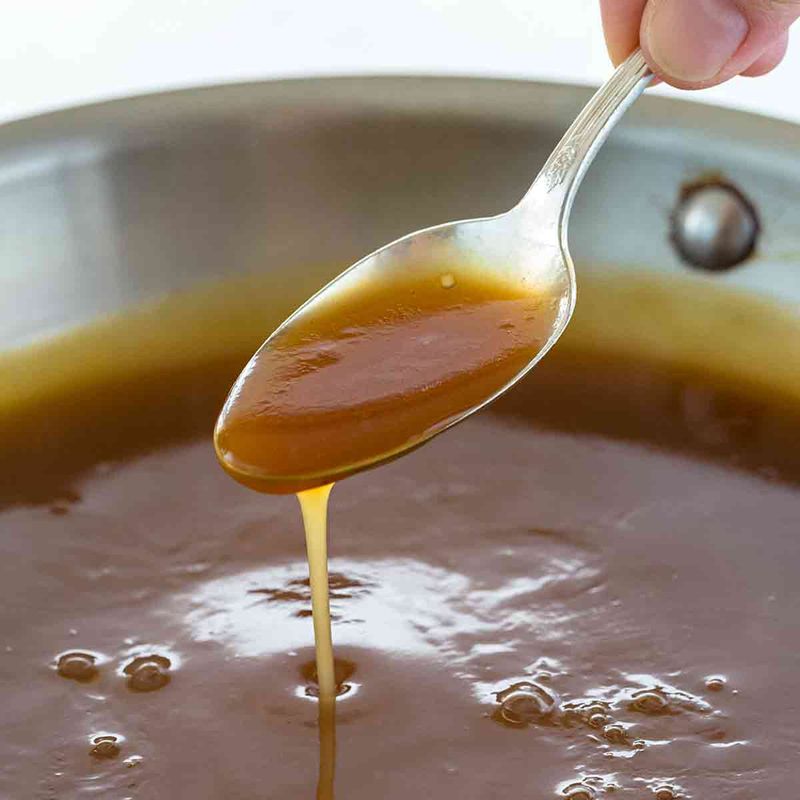
Starch molecules are surprisingly fragile once they have done their job. Keeping the heat too high after the soup has thickened can actually break those molecules apart, causing the soup to thin back out again in a process called starch breakdown.
Once your soup reaches the thickness you want, turn the burner down to a low simmer. Gentle heat holds everything in place without undoing all the work your thickener already did.
9. Using the Same Thickener for Every Soup
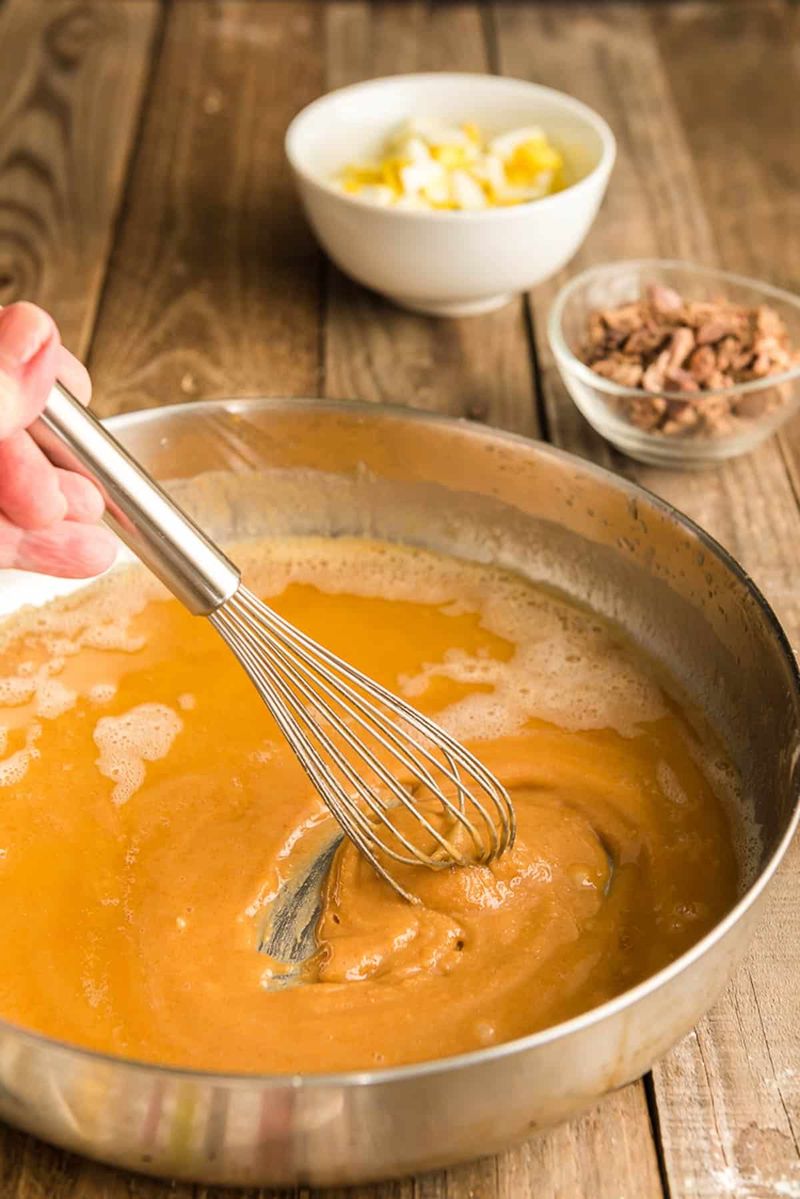
Cornstarch works brilliantly in a light Asian-style broth but can make a cream-based chowder feel oddly gelatinous. Arrowroot thickens beautifully in clear soups yet turns slimy when mixed with dairy.
Every thickener has a personality, and matching it to your soup style matters more than most cooks realize.
Experimenting with pureed vegetables, a classic roux, or even cooked lentils opens up a world of texture options that cornstarch alone simply cannot offer.
10. Getting the Fat-to-Flour Ratio Wrong in a Roux
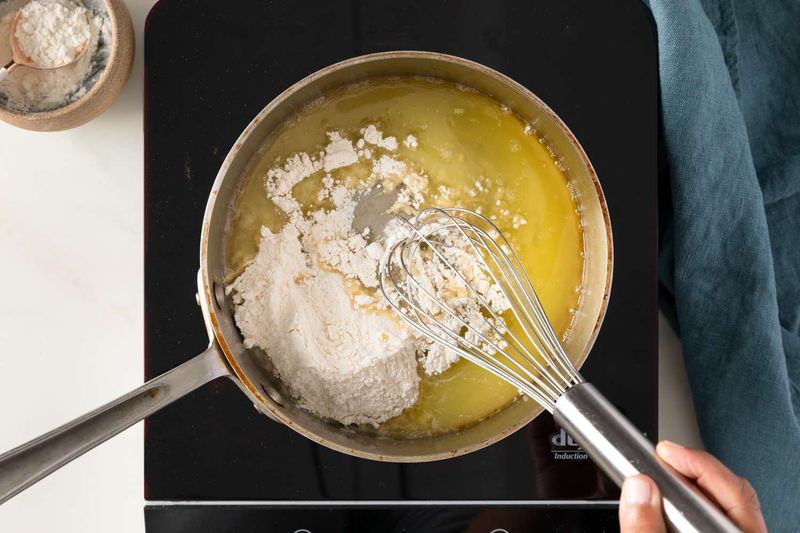
A roux is one of the oldest and most reliable soup thickeners around, but it only works when the ratio of fat to flour is correct. Too much flour and the mixture turns crumbly and dry; too little and the roux becomes greasy without thickening anything.
The classic rule is equal parts fat and flour by weight. Getting this balance right means your roux will blend smoothly into the broth without leaving floury lumps or an oily sheen behind.
11. Using Cold Fat to Start a Roux
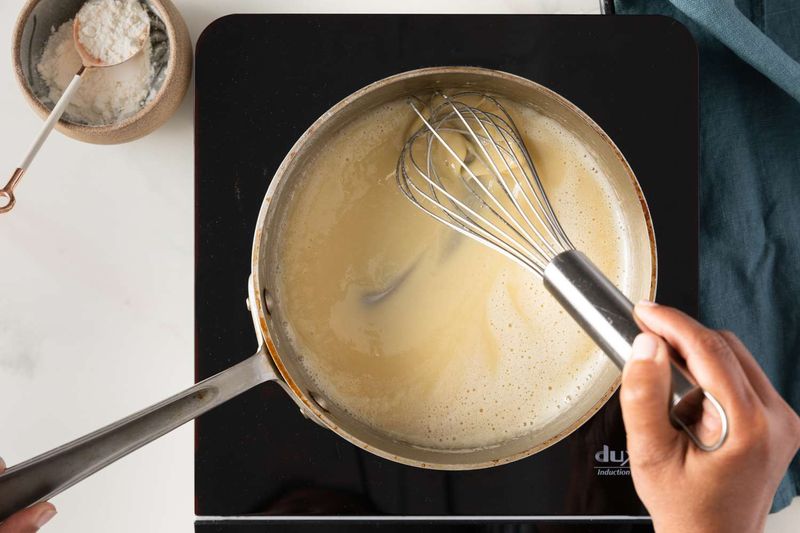
Wait, is not cold fat actually better? For some cooking tasks, yes, but not for a roux.
Starting with cold fat means the flour cannot hydrate and cook evenly from the beginning, leading to a grainy texture and uneven thickening power later on.
Melt your fat fully and let it warm up before adding the flour. That warm fat coats every flour particle evenly, giving you a smooth, consistent roux that blends seamlessly into your soup base.
12. Rushing the Cooking of a Roux
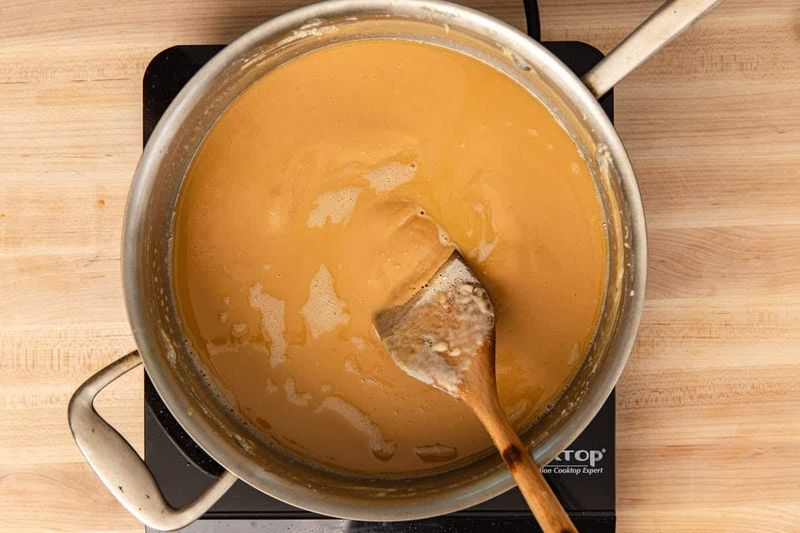
Few things smell worse in a kitchen than a scorched roux. High heat and impatience cause the flour to burn before it cooks through properly, leaving behind a bitter, acrid flavor that seeps into the entire pot of soup.
Keep the heat steady and medium-low, and stir the roux constantly from the moment it hits the pan. A properly cooked roux smells nutty and pleasant, which is your signal that it is ready to do its thickening job.
13. Boiling Dairy or Eggs After Adding Them
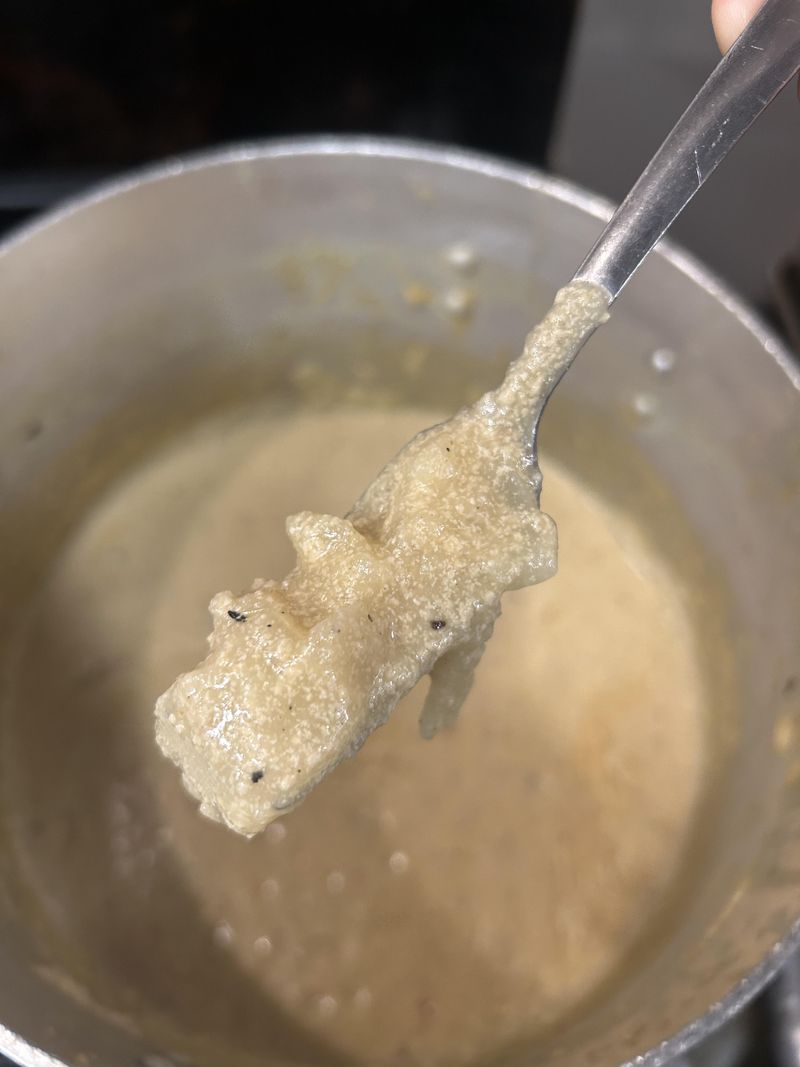
Eggs and dairy are delicate thickeners that curdle fast when exposed to high heat. Curdled cream or scrambled egg strands floating in your soup are not just unpleasant to look at; they also signal that the thickening proteins have broken down and will not do their job.
Once cream, milk, or beaten eggs go into the pot, keep the heat at a gentle, low simmer. A quick boil might seem harmless, but it can ruin the texture in seconds.
14. Adding Dairy Too Early in the Cooking Process
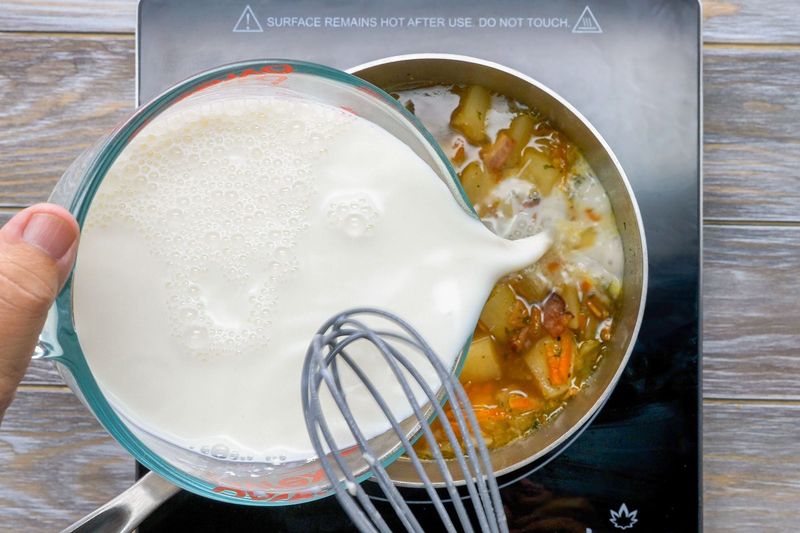
Cream and milk are not built for long cooking sessions. Adding them at the start of a recipe that simmers for an hour exposes them to prolonged heat, which causes proteins to denature and fats to separate into an unappetizing, greasy mess.
Stir in your dairy components during the final five to ten minutes of cooking, right before you are ready to serve. That short exposure to heat is just enough to warm everything through without breaking anything apart.
15. Over-Pureeing Starchy Vegetables

Blending cooked potatoes or other starchy vegetables sounds like an easy, natural way to thicken soup, and it absolutely can be. However, running the blender too long activates starch granules in a way that produces a thick, gluey paste that feels unpleasant in the mouth.
Pulse in short bursts and check the texture frequently. Leaving some small pieces unblended actually adds a pleasant, rustic body to the soup without crossing into sticky, glue-like territory.
16. Loading Up on High-Water Vegetables
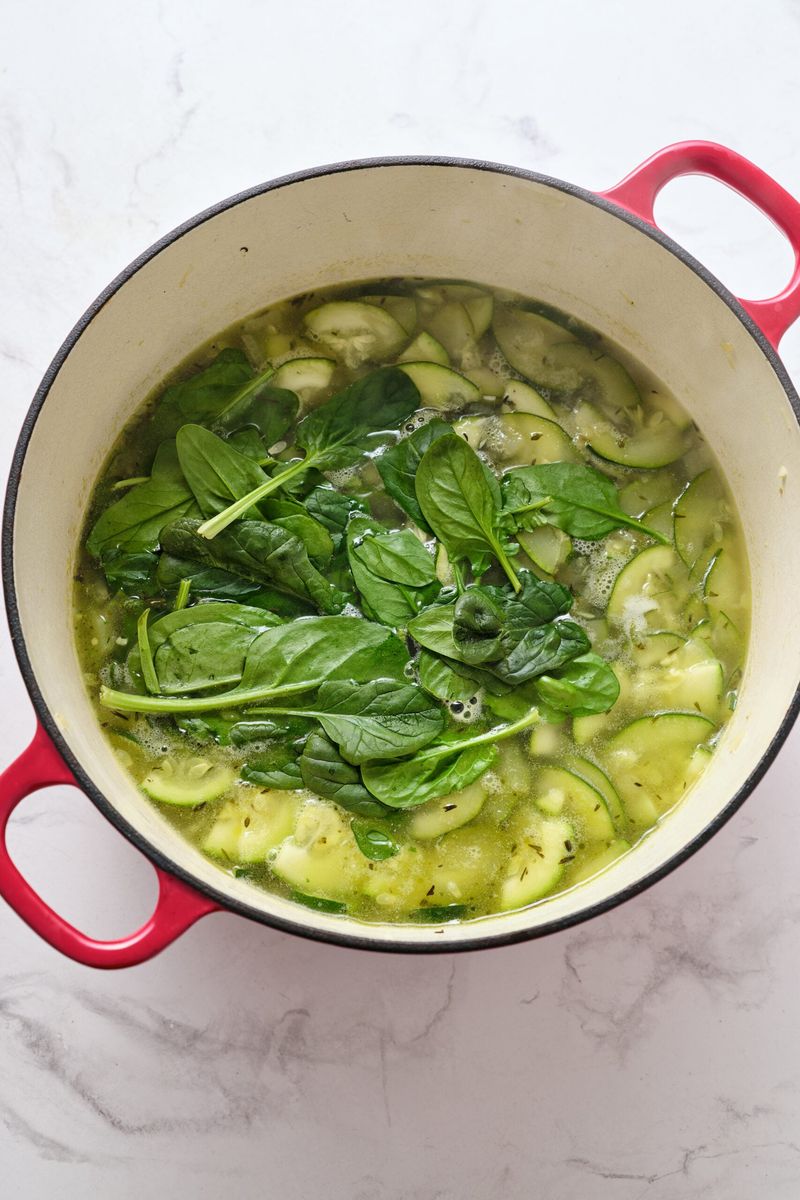
Spinach, zucchini, cabbage, and similar vegetables hold an enormous amount of water inside their cells. When they hit hot broth, that water releases rapidly, and suddenly your carefully simmered soup is noticeably thinner than it was five minutes ago.
Balance is the answer here. Use high-water vegetables in moderate amounts, or add them very close to serving time so they have less opportunity to dump their moisture into the broth.
Your soup will thank you for it.