16 Ways Cabbage Cooking Can Go Off Track
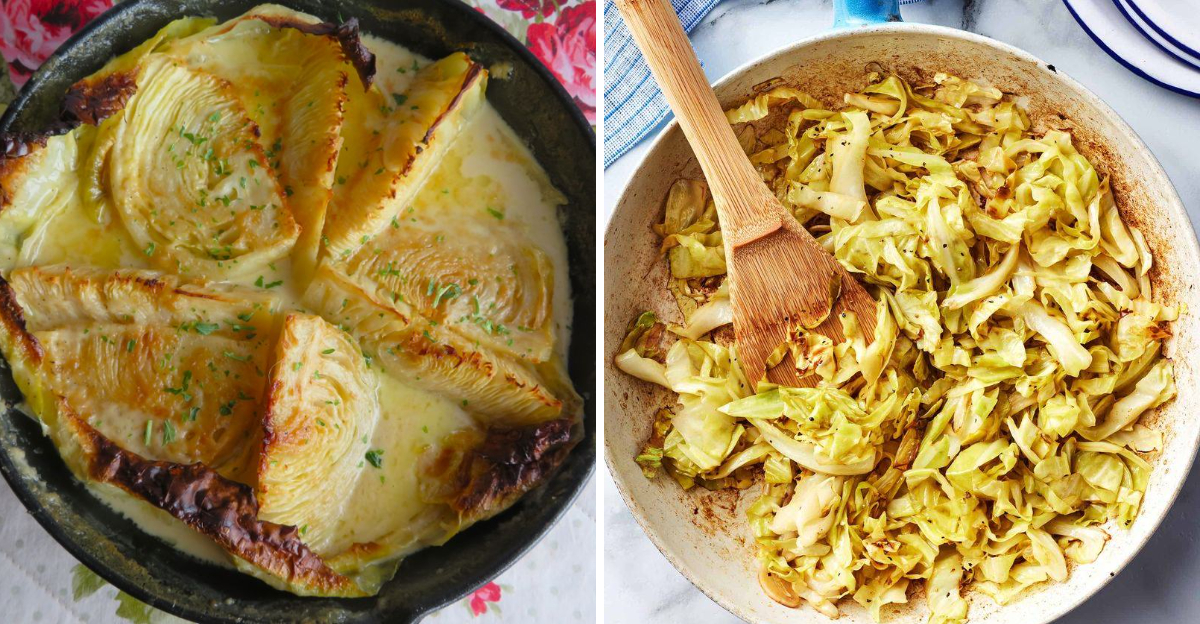
Cabbage is budget friendly, satisfying, and capable of bold, delicious flavors when treated right. But it can also slip into mushy, watery, or funky territory faster than you think.
If your kitchen has ever smelled louder than your dinner tasted, you are not alone. Here are 16 common pitfalls and the simple fixes that make cabbage tender, flavorful, and craveable.
1. Overcooking it into mush
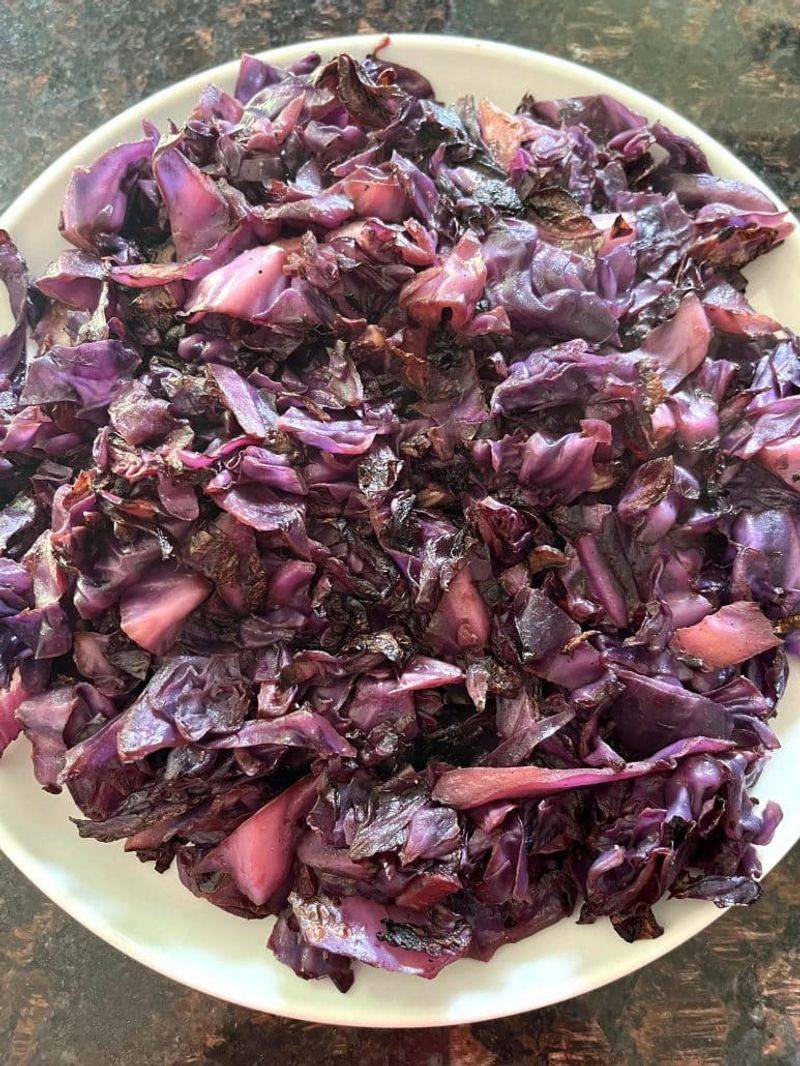
Overcooked cabbage collapses into a limp, sulfur-forward tangle that tastes more tired than tender. The trick is pulling it at tender-crisp, when the shreds still have a little snap and the color stays bright.
If you prefer silky instead of snappy, go for a slow braise with enough fat to turn it plush rather than soggy.
Time matters. Boiling needs just a few minutes, while sautéing or stir-frying might need only five to eight with pauses for browning.
Braises want low, steady heat, plus butter, oil, or bacon fat to cushion texture and carry flavor.
Watch closely, taste often, and stop early. You can always cook more, but you cannot uncook mush.
2. Boiling without seasoning the water
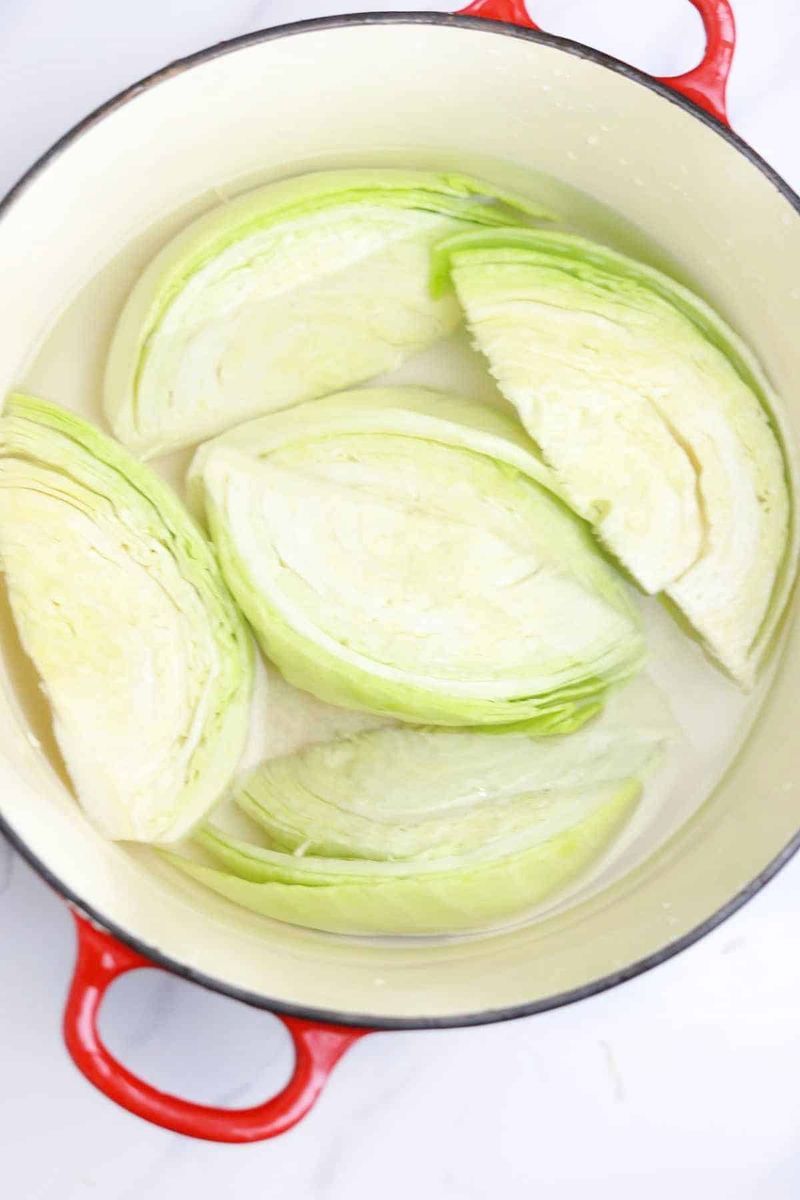
Plain water pulls flavor from cabbage and gives nothing back, leaving the whole pot tasting flat. Salt your water like pasta water so every cell seasons from the inside out.
For even more depth, use light chicken or vegetable broth, or drop in a smashed garlic clove and a bay leaf.
Seasoned liquid keeps cabbage bright and savory, reducing the need to over-salt later. It also shortens the path to tasty by infusing flavor as it softens.
If boiling wedges, taste the liquid first; it should taste pleasantly salty.
When draining, reserve a splash of that seasoned broth to moisten the finished cabbage. Then finish with butter and a squeeze of lemon for balance.
3. Not browning it when you sauté
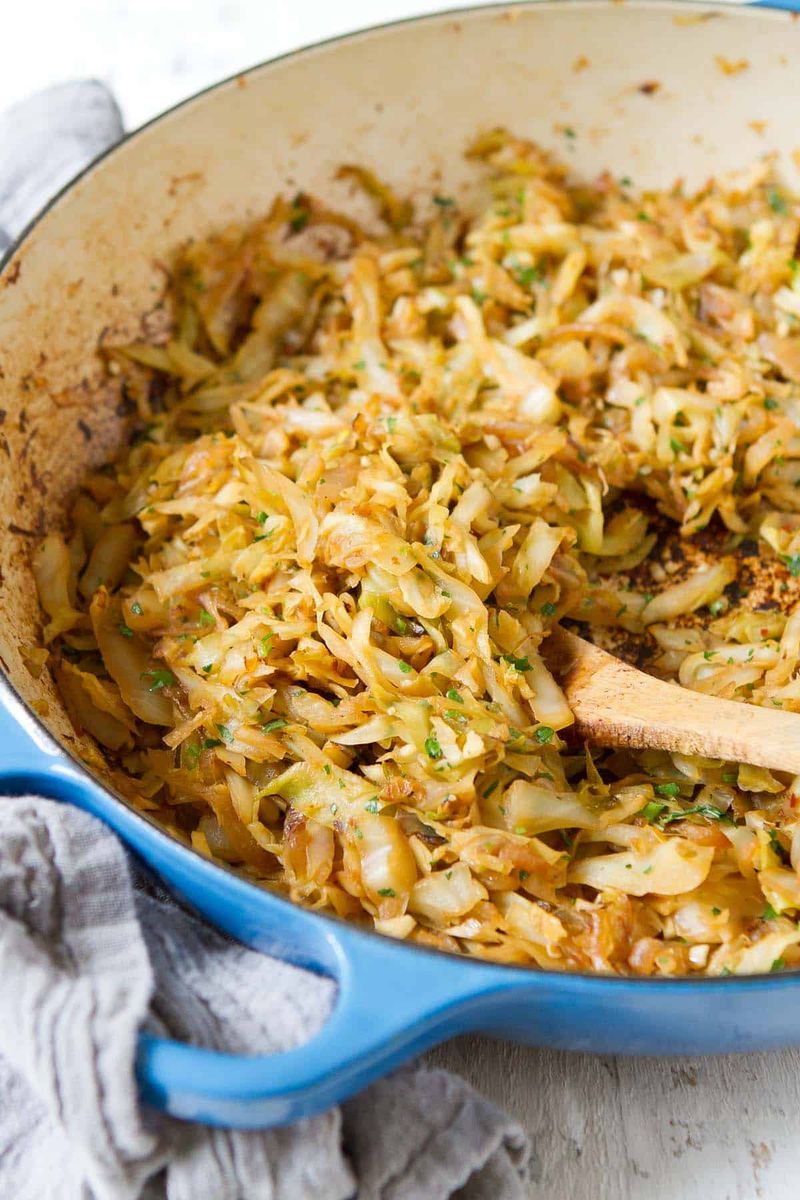
If you stir nonstop, cabbage steams and stays pale. Let it sit against the hot pan to pick up golden edges and nutty sweetness.
That caramelization adds complexity and balances any cabbage funk.
Use a wide skillet, medium-high heat, and enough oil to lightly coat. Spread cabbage in an even layer and resist moving it for a minute or two.
Then toss, let it sit again, and repeat until you see crisp browned bits.
Add aromatics once some color develops so they do not burn first. Finish with a pat of butter or a splash of vinegar.
You will taste the difference immediately: deeper, sweeter, and far less “cabbagey.”
4. Crowding the pan
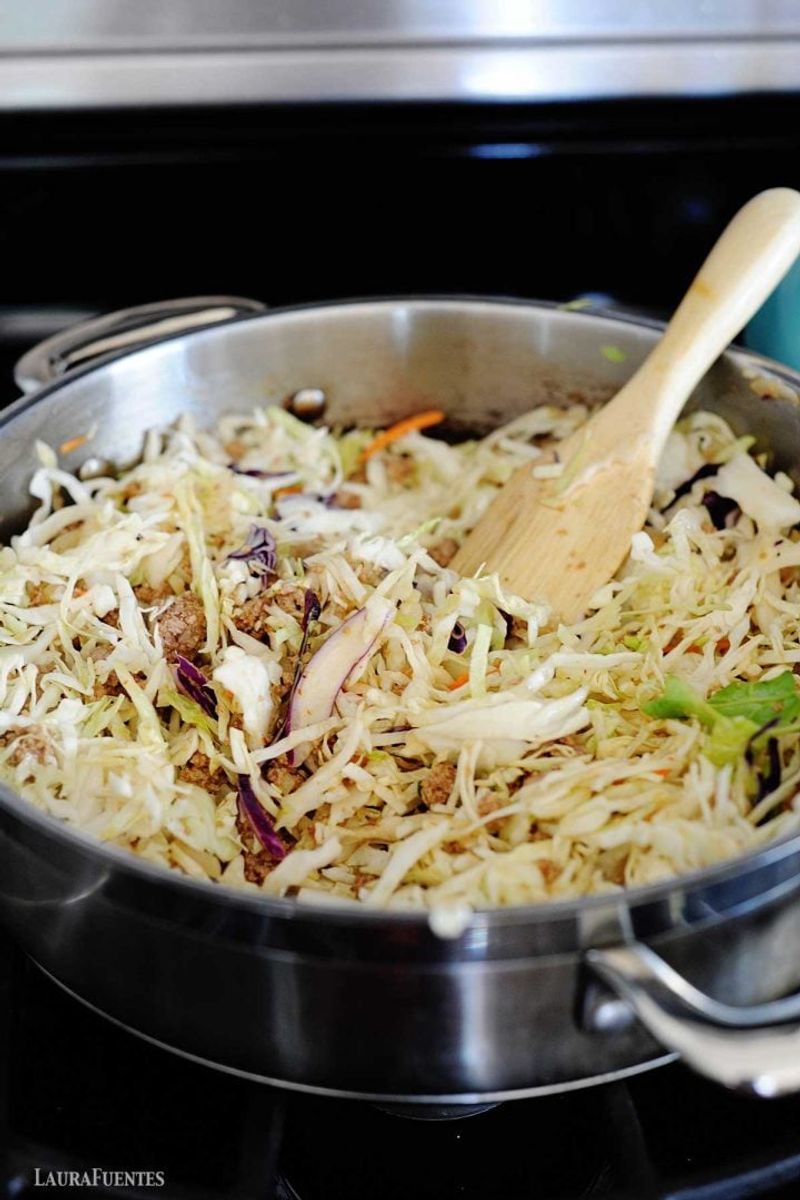
Too much cabbage in one pan sheds water and turns sautéing into steaming. You lose browning, flavor, and texture.
Instead, grab a wider skillet or cook in batches so each shred gets contact with heat and oil.
Spread cabbage in a thin, even layer. If it looks like a mountain, split it up.
As the first batch browns, transfer it to a bowl and repeat with a fresh drizzle of oil.
When all batches are done, combine them, season, and finish with acid or herbs. The payoff is huge: crisp-tender bites, caramelized edges, and concentrated flavor.
Skipping crowding is the fastest route to great cabbage.
5. Using heat that’s too low
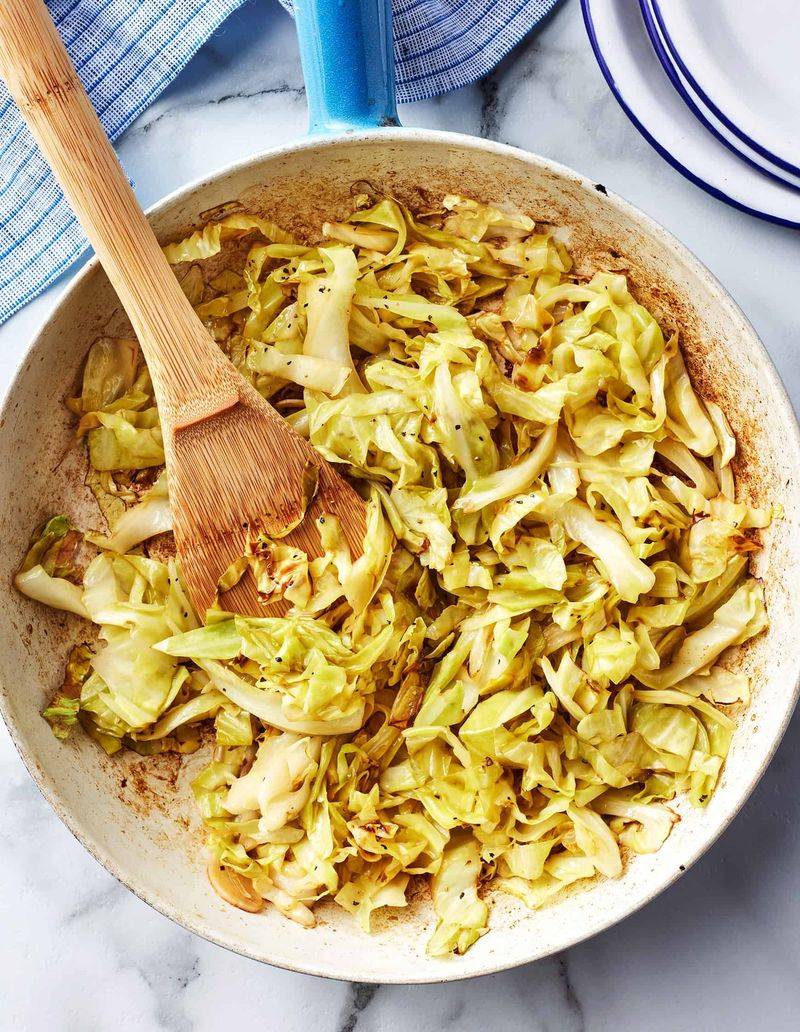
Low heat makes cabbage slowly leak water, leaving you with limp, steamy strands. For sautéing and stir-frying, medium-high heat is your friend.
It jump-starts evaporation and encourages browning before everything turns soggy.
Preheat the pan, add oil, then add cabbage. Listen for a lively sizzle.
If it whispers, the heat is too low. Turn it up and spread the cabbage out so moisture can escape.
Save low heat for gentle braises where time and fat transform toughness into silk. Different methods call for different flames.
Match heat to the technique, and your cabbage will reward you with texture and flavor instead of a damp slump.
6. Cutting it too thick for the cooking method
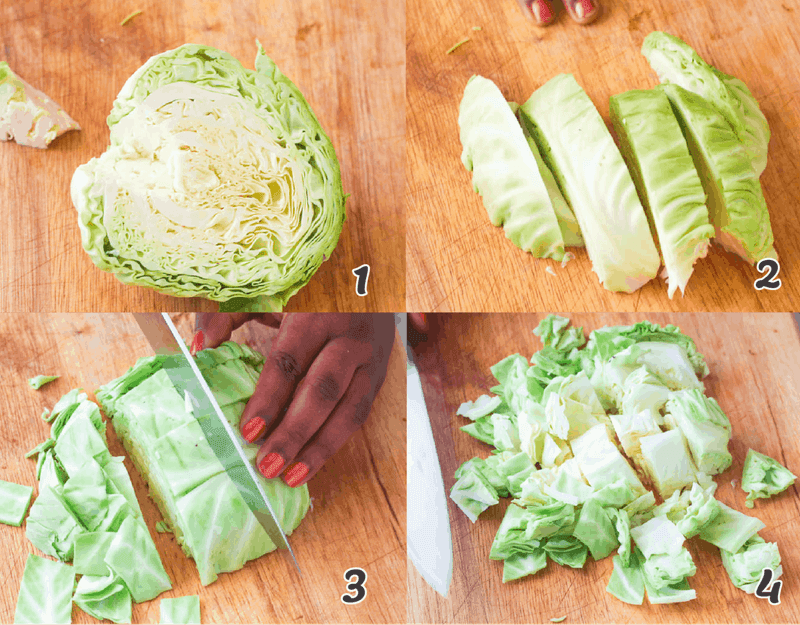
Thick chunks can stay stubbornly firm while edges go soft, especially in quick cooks. Match cut size to method: thin shreds or ribbons for fast sautéing, thicker slices or tidy wedges for braising.
Consistent size means even doneness and better texture.
Use a sharp knife or mandoline for thin, uniform strands. For wedges, keep the core attached so they hold together.
Sear wedges cut-side down, then add a splash of broth and cover to finish gently.
When in doubt, test a piece. If the outside wilts before the inside yields, you cut too thick.
Adjust the knife work first, not the cook time, and you will nail tenderness without mush.
7. Cutting it too thin for long cooking
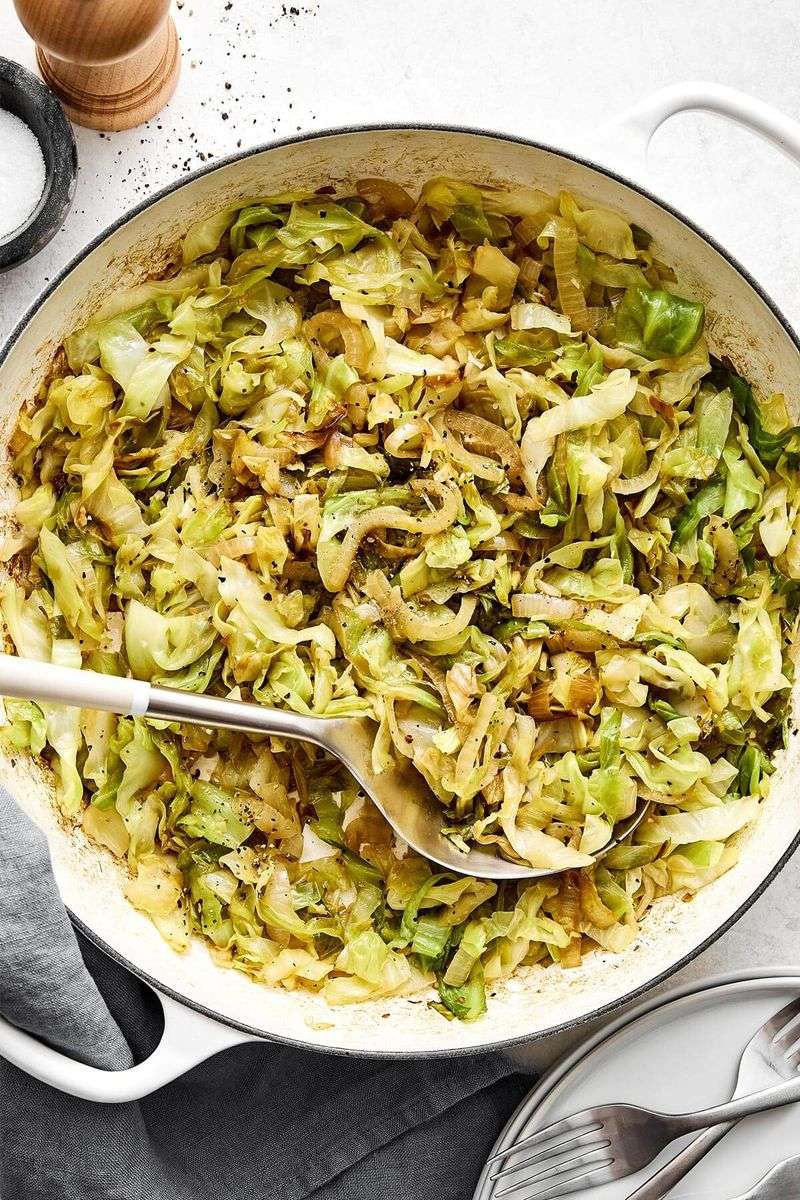
Paper-thin shreds vanish during long simmering, leaving soup watery and the cabbage indistinct. For braises, soups, or stews, cut thicker slices or use wedges so the leaves keep personality.
You want tender, not dissolved.
Think half-inch slices for soups and tidy wedges for low, slow braises. The extra heft protects texture and traps flavor.
It also prevents over-reduction of cabbage’s sweetness into blandness.
If you already sliced too thin, shorten the simmer and add the cabbage near the end. Or fold in a second batch of thicker cuts to recover body.
The goal is visible, velvety pieces you can bite, not strands that disappear.
8. Skipping fat entirely
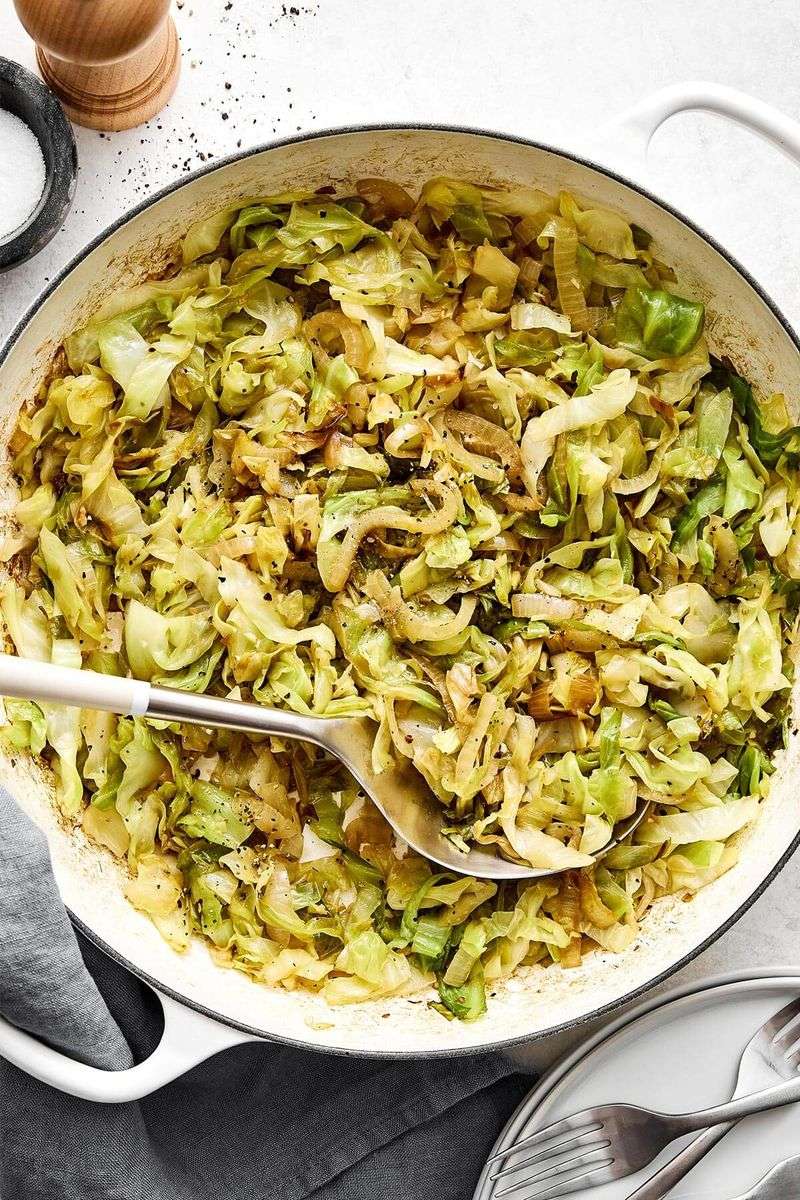
Cabbage is lean and benefits from a bit of richness to taste rounded and satisfying. Butter, olive oil, bacon fat, or ghee helps carry aromatics and spices, improves browning, and adds polish.
Without fat, flavors feel thin and textures skew squeaky or dry.
Add a tablespoon early so leaves get lightly coated. For braises, include a knob of butter or a slice of bacon to enrich the sauce.
Fat also tames sulfur notes and boosts sweetness.
Finish with a final drizzle or pat for gloss. You do not need much, just enough to make everything sing.
Pair that richness with acid later and you will have balance, not heaviness.
9. Not adding acid to balance it
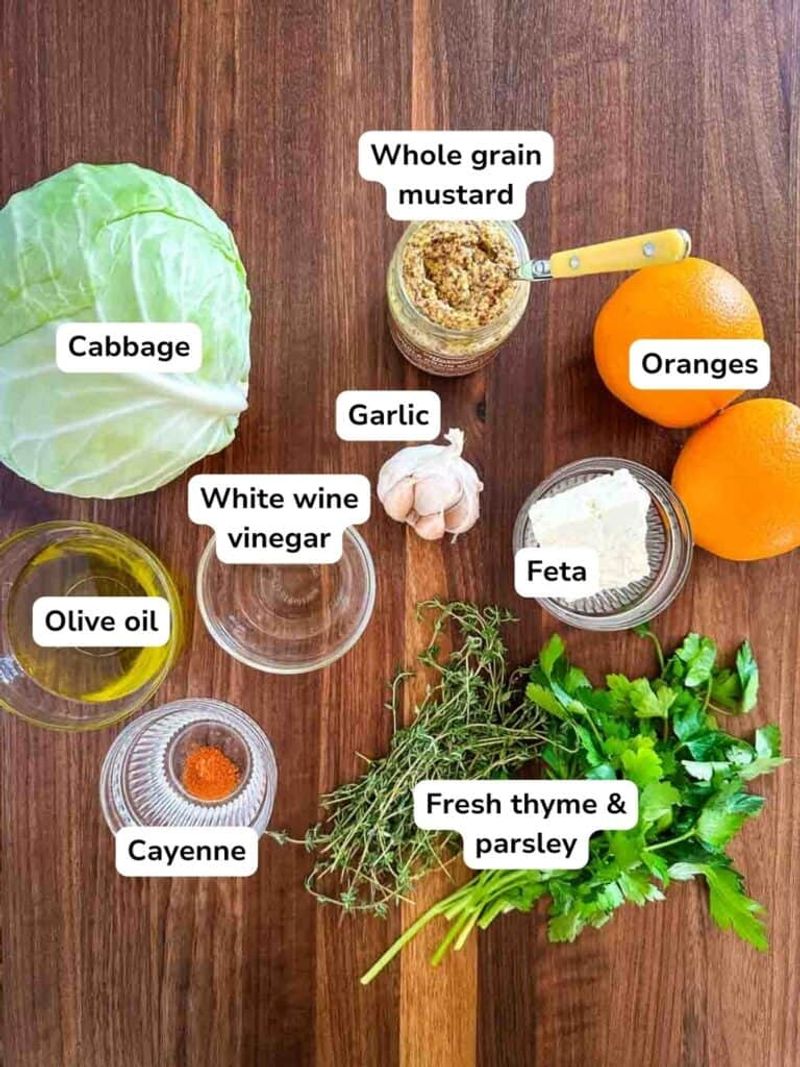
Cabbage can taste heavy and one note without a bright lift. A splash of vinegar, squeeze of lemon, spoon of mustard, or even pickle brine snaps flavors into focus.
Acid cuts richness, tames funk, and makes sweetness pop.
Add it at the end so the high notes stay fresh. Apple cider vinegar is friendly, red wine vinegar is bold, and lemon is clean.
Mustard brings acid plus spice and body.
Taste, then adjust with salt and a touch of fat. That triangle of seasoning makes cabbage land just right.
When a dish feels almost there but dull, acid is usually the missing piece.
10. Letting the sulfur smell take over
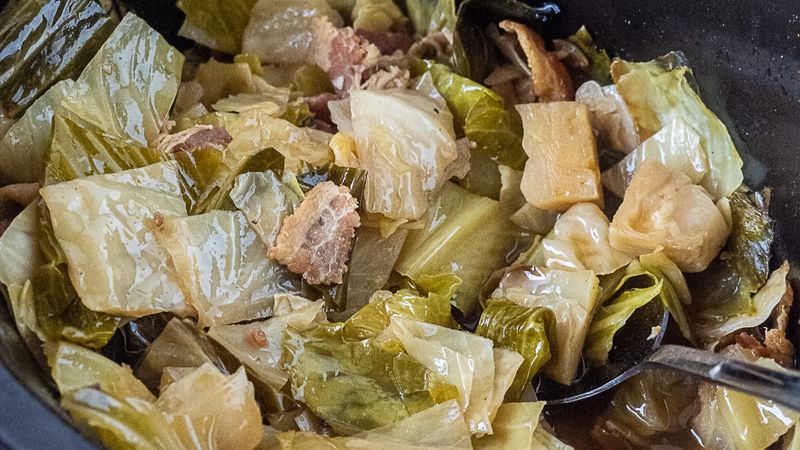
Overcooking releases more sulfur compounds, and that smell can stick around. Control it with either short and hot cooking or long and gentle braising.
Aromatics like onion, garlic, caraway, bay, or smoked meat add fragrance that steers things savory instead of stinky.
Vent the kitchen, keep the lid slightly ajar when appropriate, and avoid hovering between methods. Either sear and finish fast, or settle into a low, moist braise.
Do not simmer hard for ages.
A splash of vinegar near the end helps too. Proper seasoning and timing shift the aroma from harsh to hearty.
Your kitchen should smell inviting, not like a science experiment.
11. Using too much liquid in a braise
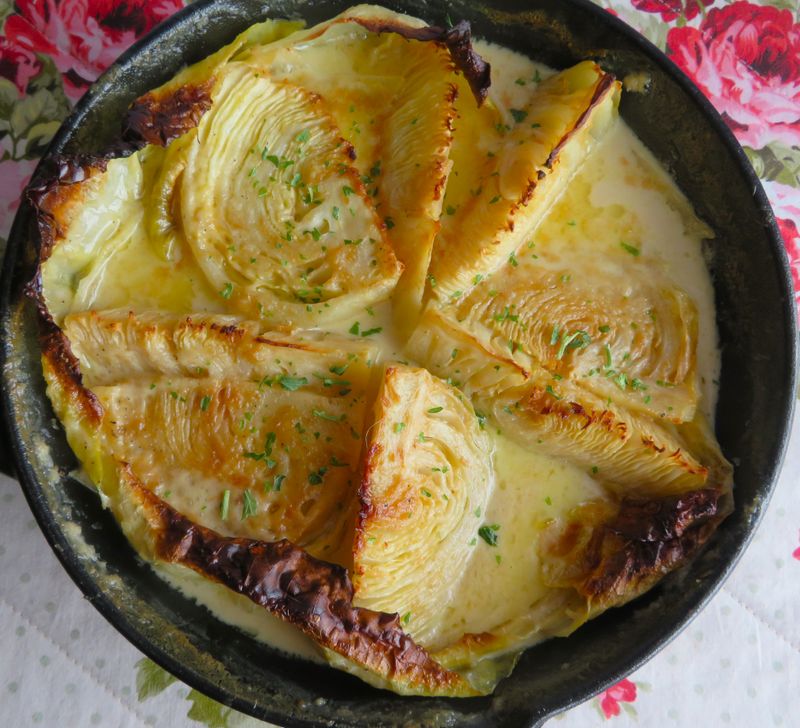
Braises need just enough liquid to create steam and a spoonable sauce, not a soup. Too much broth dilutes flavor and makes the cabbage watery.
Start with a shallow layer that comes one third up the sides of the wedges.
Sear first for color, add aromatics, then pour in minimal liquid. Cover and cook gently until tender, uncovering at the end to reduce.
The sauce should cling, not pool.
If you overpoured, ladle some out and reduce separately, then return the glossy reduction. Balance with salt and a splash of acid.
The result is concentrated cabbage with a rich, savory glaze.
12. Adding salt too early when you want browning
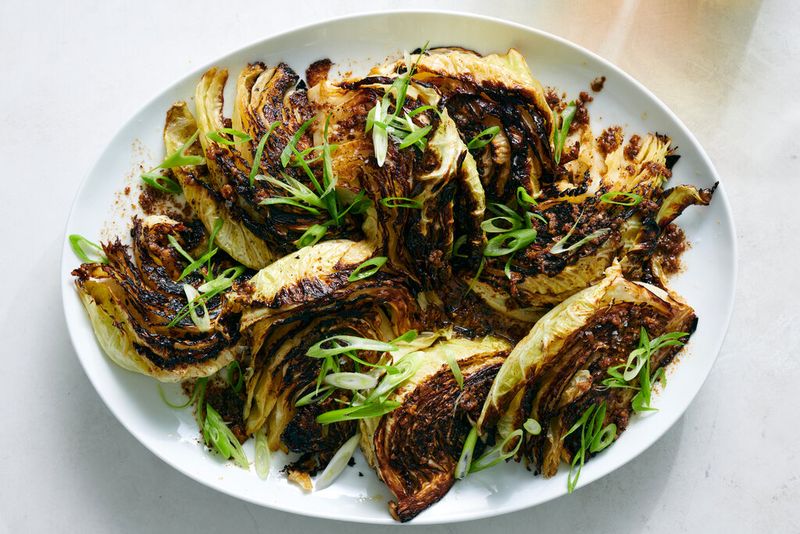
Salt draws out moisture, which can fight browning in quick cooks. If golden edges are the goal, hold most of the salt until color appears.
Or salt very lightly at the start and cook hotter to offset the moisture.
Spread cabbage in a hot, oiled pan, let it sit, then toss and repeat. Once you see caramelization, season more assertively and finish with acid.
This keeps the texture lively and the flavors focused.
For braises, salting earlier is fine because color is not the priority. Match your salting strategy to the technique.
You will taste better sear and still land on proper seasoning.
13. Not tasting and adjusting at the end
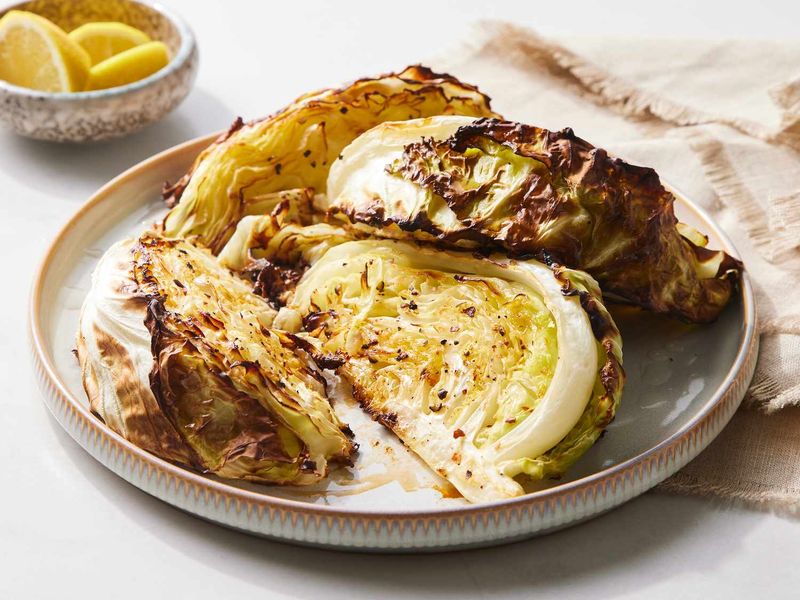
Cabbage dishes often hover at “fine” until the last minute transforms them. Taste before serving and adjust salt, pepper, acid, and a touch of fat.
That final pass brings clarity, gloss, and balance.
If it is dull, add acid. If it is sharp, add a little butter.
If it is flat, add salt or a pinch of sugar to highlight sweetness. Fresh herbs or scallions can add lift without heaviness.
Keep a quick station ready: salt cellar, pepper mill, lemon, vinegar, and butter. One minute of care pays off with restaurant-level polish.
Do not skip the victory lap.
14. Burning the garlic
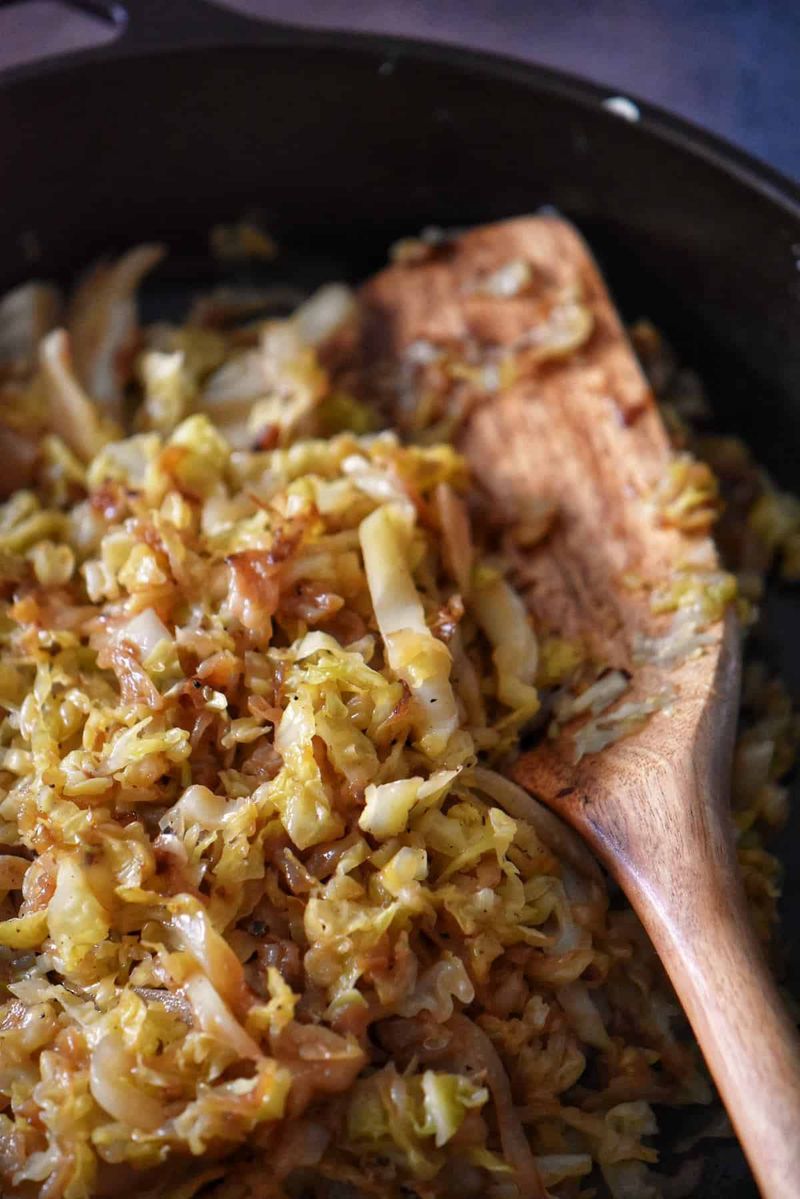
Garlic burns fast and turns bitter, especially in hot, quick cabbage sautés. Add it after the cabbage has wilted slightly so moisture buffers the heat.
Or push cabbage aside, make a small well, and toast the garlic briefly until just blond.
Keep oil present, heat medium-high but watched, and stir the garlic into the cabbage as soon as it smells nutty. If garlic goes past golden, start fresh.
Burnt bits will dominate the dish.
Alternatively, use sliced garlic for a larger margin of error or bloom garlic in butter for gentler heat. Smart timing keeps the flavor sweet and round, not acrid.
15. Making coleslaw too far ahead without planning
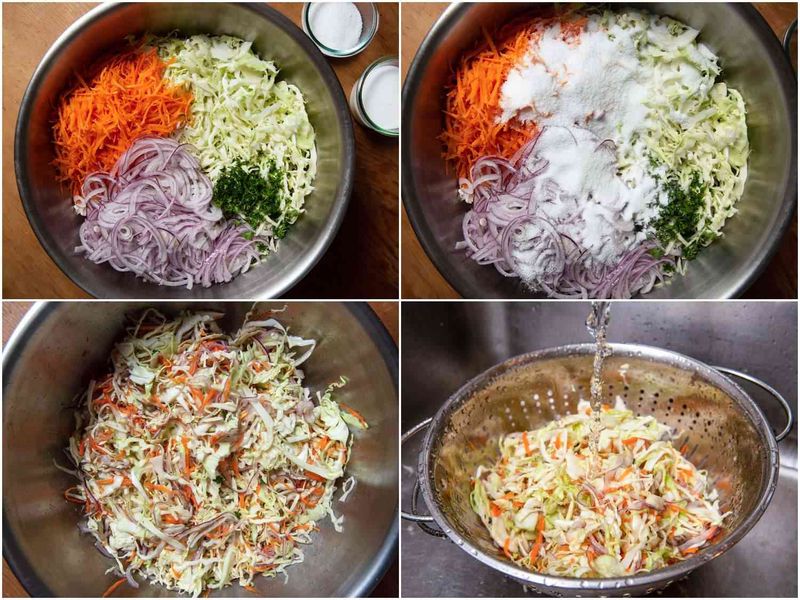
Made too early, slaw weeps water and turns limp. To hold texture, salt the shredded cabbage, let it sit, then squeeze out excess moisture before dressing.
Or keep the dressing separate and toss closer to serving.
Pre-salting seasons from within and prevents watery puddles later. For extra crunch insurance, add the dressing an hour before eating and stir again just before serving.
Sturdy veggies like carrots and onions handle longer rests better than delicate herbs.
If it is already watery, drain and re-season with a fresh splash of vinegar and a little mayo. Crispness returns with smart prep, not brute force.
16. Choosing the wrong cabbage for the job
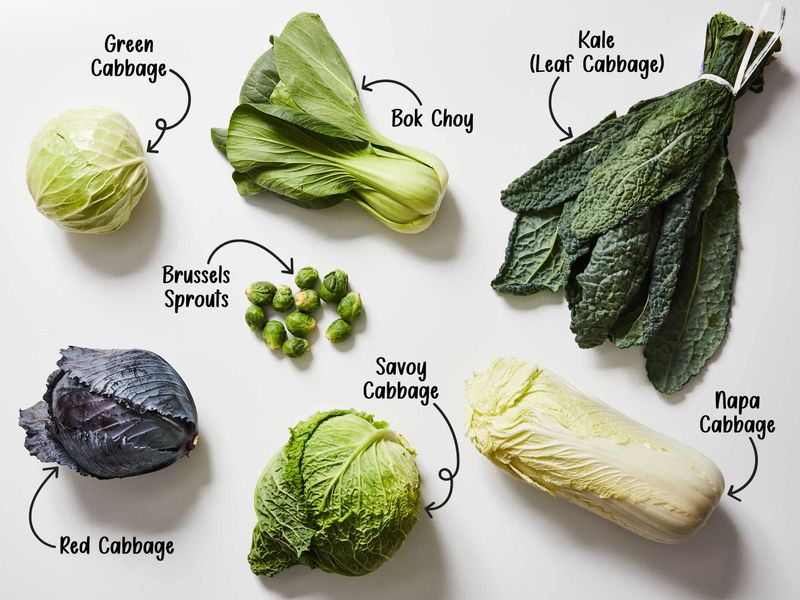
Not all cabbages behave the same. Napa is delicate and fast cooking, perfect for stir-fries and quick soups.
Savoy is tender with crinkled leaves that sauté beautifully. Green is sturdy and versatile, great for slaws and braises.
Red is firm and striking, best roasted or pickled where its color shines.
Match variety to method for the best texture and flavor. If you swap, adjust cut size and timing accordingly.
For example, use thinner slices of green if substituting for napa in a stir-fry.
Knowing your cabbage toolbox prevents frustration and elevates everyday meals. Choose wisely, then season boldly.