17 Common Signs Of Poor Quality At Concession Stands
Concession food can be legendary when it is fresh, hot, and made with care. But when standards slip, the warning signs show up fast, and your taste buds pay the price.
Spotting those red flags early can save you money, time, and disappointment. Here is how to read the clues so you walk away with a snack worth craving.
1. Food sitting under heat lamps for too long
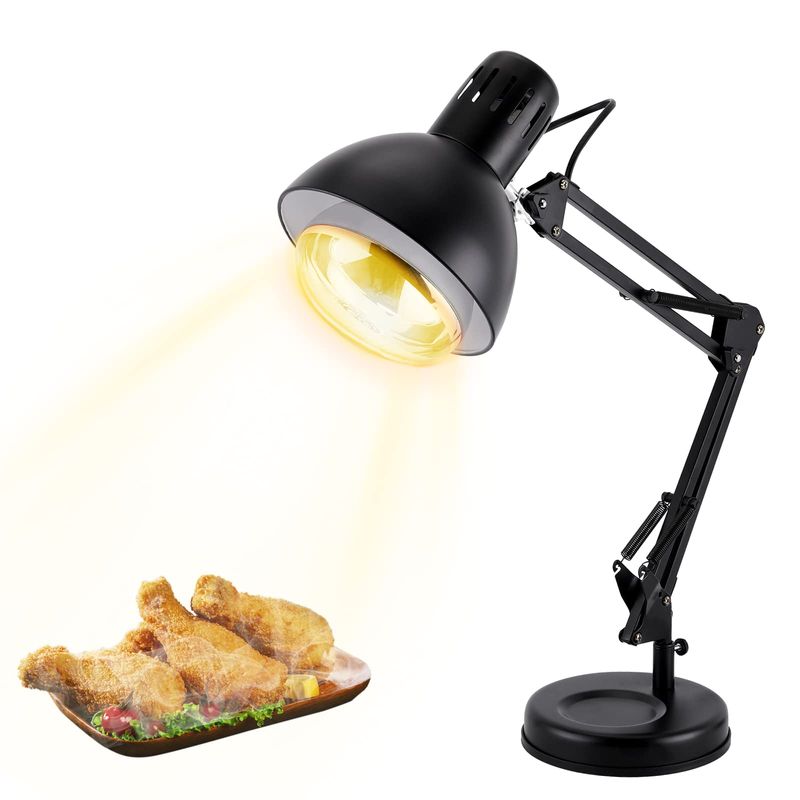
Heat lamps can keep food safe, but they are not magic. When items sit too long, moisture escapes, textures collapse, and flavors dull.
You will see wrinkled hot dogs, leathery buns, and glossy, tired surfaces that scream past their moment.
Listen for the lack of sizzle and watch for pooled grease instead of fresh juices. If staff keeps rotating the same items without replacing them, it is a tell.
Ask how long that batch has been holding, and consider ordering something cooked to order instead.
Your nose helps too: stale, warmed-over aromas usually mean old product. Fresh food smells lively and inviting, not heavy or faded.
2. Fries that look pale, limp, or greasy
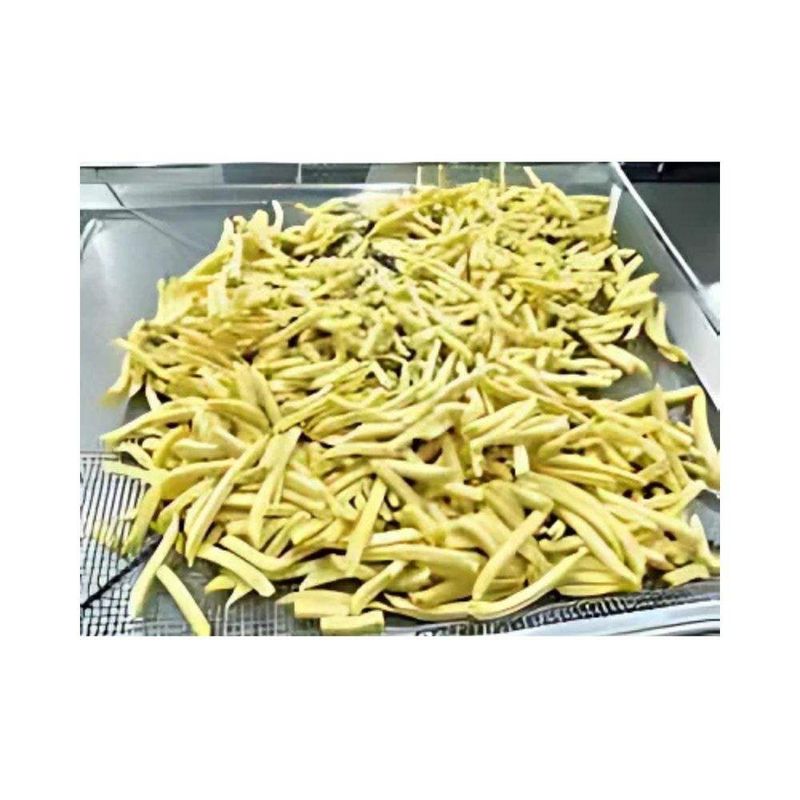
Great fries should snap slightly when bitten and sparkle with a golden crust. Pale, limp fries usually mean oil temperature problems or overcrowded baskets.
Greasy surfaces suggest the fries were not allowed to drain or the oil is tired.
Look for crisp edges, a deep gold color, and that light potato aroma. If they look soggy and cling together, freshness is likely not in the cards.
Fries should be cooked in small batches and served quickly for the best texture.
Ask whether a new batch is coming out soon. If the stand cannot answer or seems indifferent, skip the fries this round.
Your taste buds deserve better crunch.
3. Hot dogs with shriveled ends or split casings
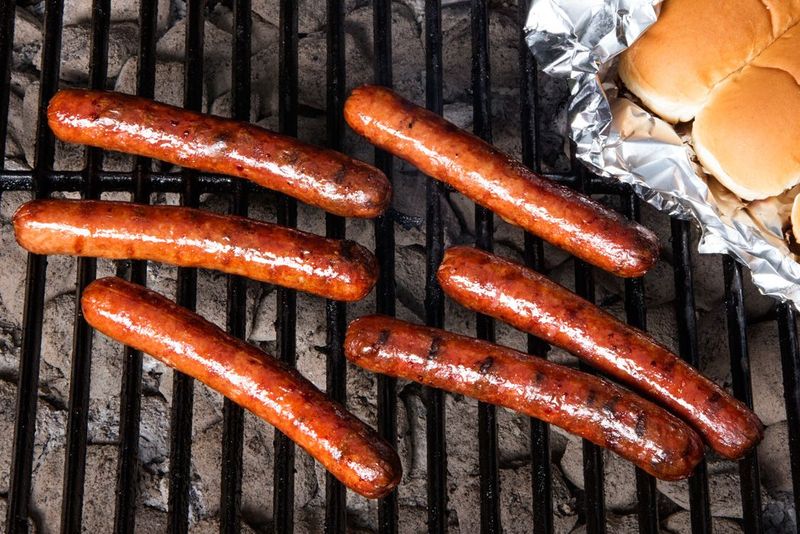
Hot dogs thrive on gentle heat and timely turnover. Shriveled ends signal dehydration from excessive holding.
Split casings show the internal pressure exceeded balance, often from overcooking or roller grills left on high for too long.
Good dogs look plump, smooth, and evenly colored. If the ends are puckered and the casing looks torn, expect a rubbery bite and uneven flavor.
Ask when the current batch was started, and try to catch a fresh rotation.
Pairing with a fresh bun matters too. A tired dog in a steam-soaked bun doubles the letdown.
Trust your eyes: taut snap equals quality, while wrinkling screams pass.
4. Popcorn that smells stale or tastes chewy
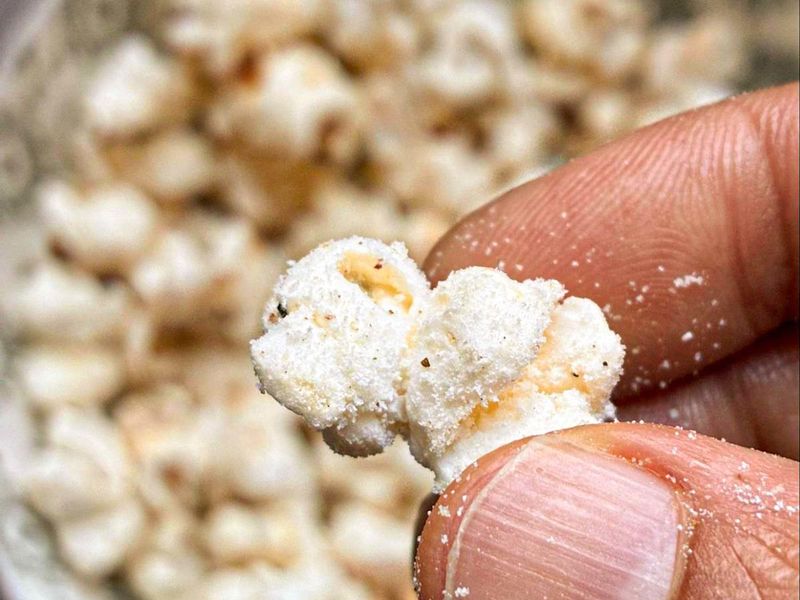
Fresh popcorn is crisp, aromatic, and lightly crackly. When it turns chewy, staleness is already in charge.
That flat, cardboard-like taste suggests it has been sitting in the warmer too long or stored improperly.
Watch for dull kernels that clump rather than tumble freely. If the aroma is faint or oddly sweet-rancid, that is a red flag.
Ask if a fresh batch is popping soon, and request from the newest layer if possible.
Butter can mask issues, but it cannot fix texture. If you bite in and feel rubbery chew, quit early.
A fresh pop cycle transforms the experience and is worth the short wait.
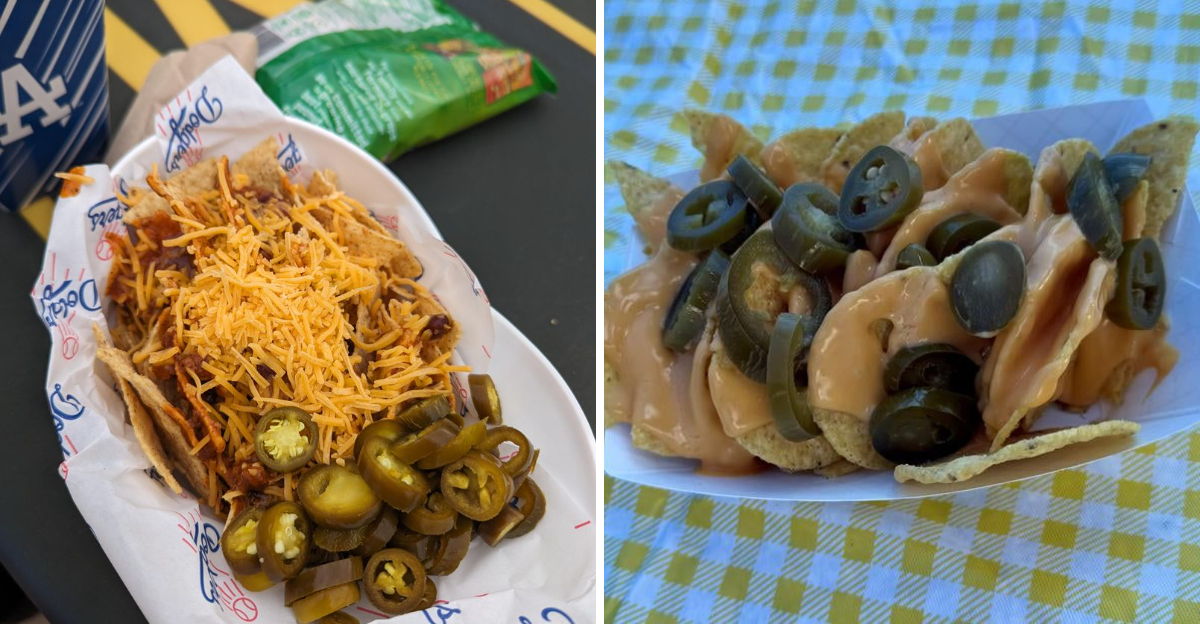
5. Nacho cheese that looks thick, clumpy, or skinning over
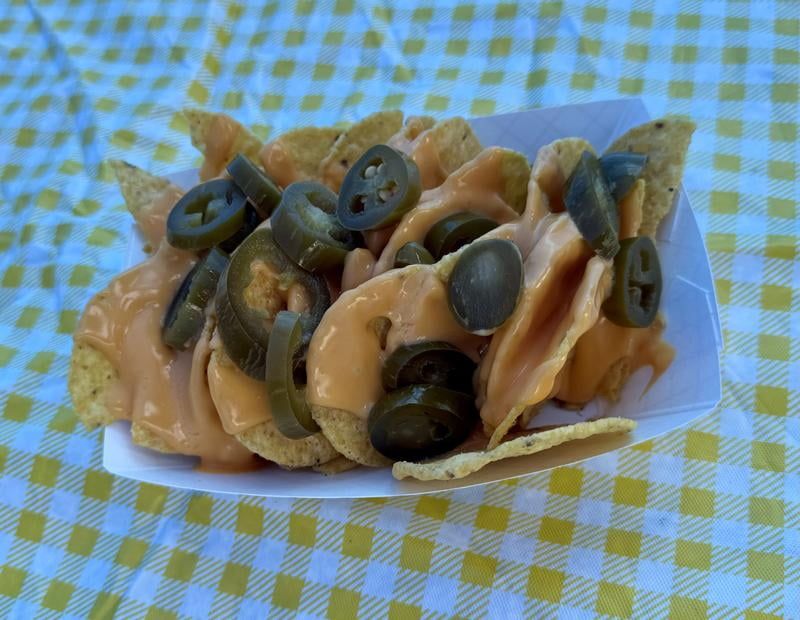
Nacho cheese should be silky and pourable. When it turns thick, clumpy, or develops a skin, it has been held too long or kept at the wrong temperature.
You will see ridges, cracks on the surface, and strings instead of smooth flow.
Good stands stir frequently and monitor heat settings. If the pump coughs or sputters paste-like globs, that is not a good sign.
Ask for a quick stir or a check on the holding unit before committing.
Cheese skins quickly when airflow and heat meet neglect. A fresh batch should glide onto chips and coat evenly.
If it plops like pudding, consider another snack altogether.
6. Cold cheese on hot chips or hot cheese on cold chips
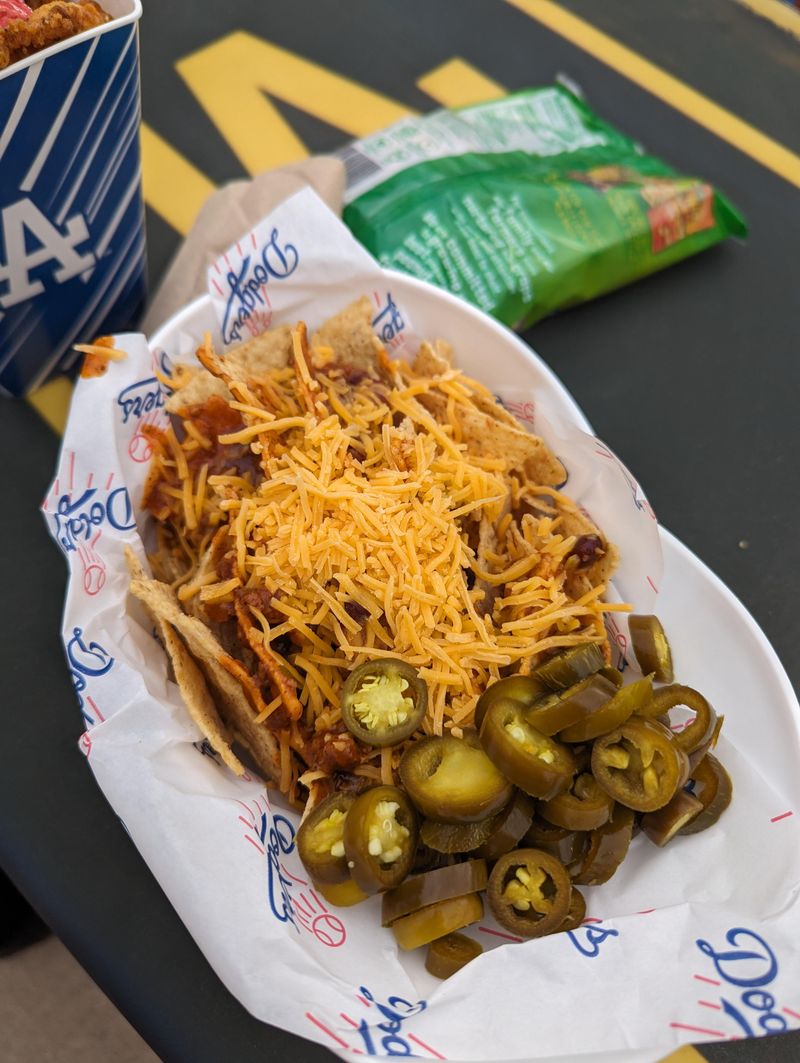
Temperature balance makes nachos work. Cold cheese on hot chips never melts right, leaving squeaky shreds and awkward bites.
Hot cheese on cold chips turns the bottom layer soggy fast, then cools into a rubbery sheet.
Feel the tray. If there is condensation underneath, chips were probably stored warm and trapped steam.
Chips should be crisp, dry, and warm, with cheese at a smooth, hot-pour consistency that coats without flooding.
Ask for cheese to be added to freshly opened chips, not a steamy bin. A quick rewarm can rescue quality.
When you see mismatched temps, expect texture chaos and bland, sad nachos.
7. Condiment station that is messy or low effort
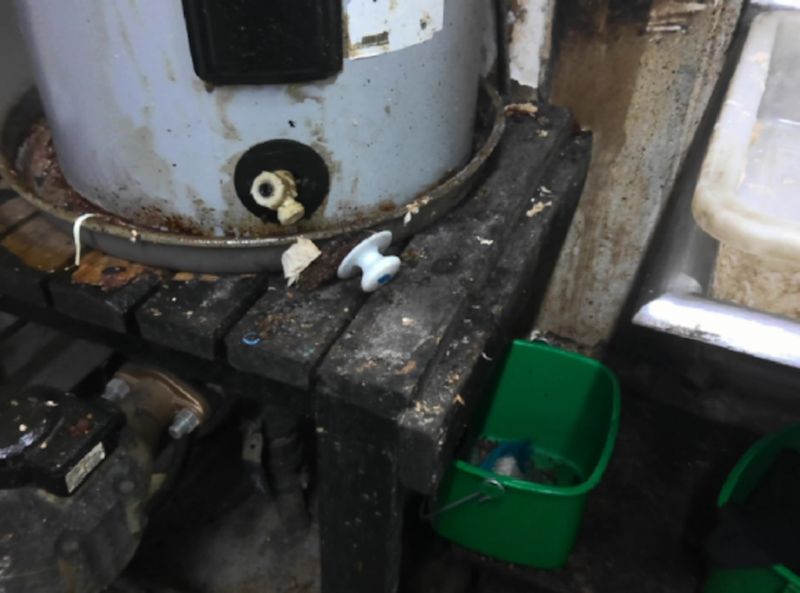
Condiment stations reveal how a stand treats details. Sticky pump handles and dried ketchup crust suggest cleaning is not routine.
Empty napkin holders and scattered onions show weak restocking and oversight.
Good stands wipe surfaces often, swap bottles, and keep tongs clean. If trash overflows or lids are missing, expect similar shortcuts behind the scenes.
That mess can lead to cross-contact, off flavors, and unappetizing garnishes.
Glance at the floor and nearby sinks. If they look neglected, quality control likely is too.
Ask for sealed packets when possible, and do a quick inspection before you dress your food. Clean stations usually mean better food.
8. No temperature control in sight
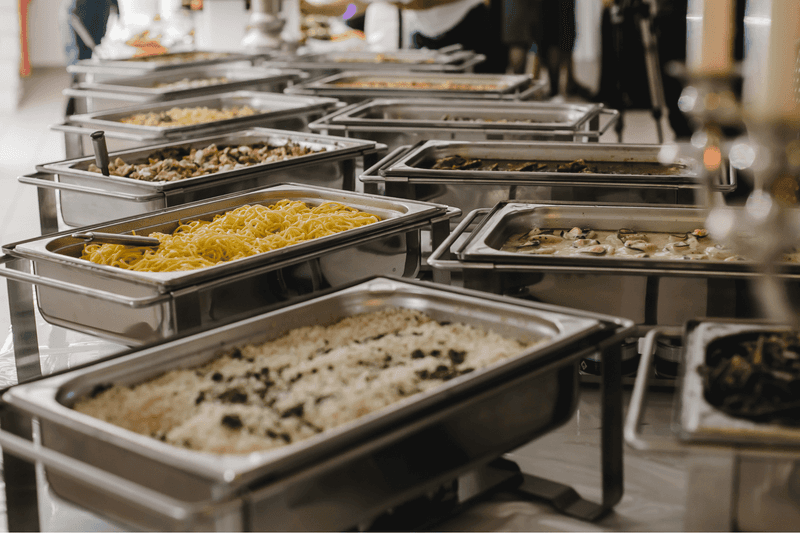
Temperature is food safety’s backbone. Hot foods must stay hot, cold foods cold, and nothing should loiter in the danger zone.
If you cannot spot thermometers, hot holding, or chilled wells, that is a serious red flag.
Coolers should feel cold and close firmly. Steam tables and warmers should be on and monitored.
If items sit uncovered at room temperature, you risk texture loss and potential safety issues.
Politely ask how they are holding the item you want. A confident, clear answer builds trust.
Vague responses or shrugged shoulders mean standards might be soft, and your snack could pay the price later.
9. Slow service with no clear reason

Delays happen, but unexplained slowness often hints at poor prep or organization. If the stand is not busy and orders still crawl, ingredients may not be ready or systems are broken.
Cold food and wrong temperatures often follow.
Watch for idle equipment, missing trays, and staff hunting for basics. That chaos leads to rushed assembly and corner cutting.
When workflow fails, quality usually slides with it.
Ask for an ETA or what is fresh right now. If they cannot tell you, pick another item or stand.
Good operations communicate clearly and deliver with purpose, keeping hot items hot and crisp items crisp.
10. Strong burnt oil smell near the fryer
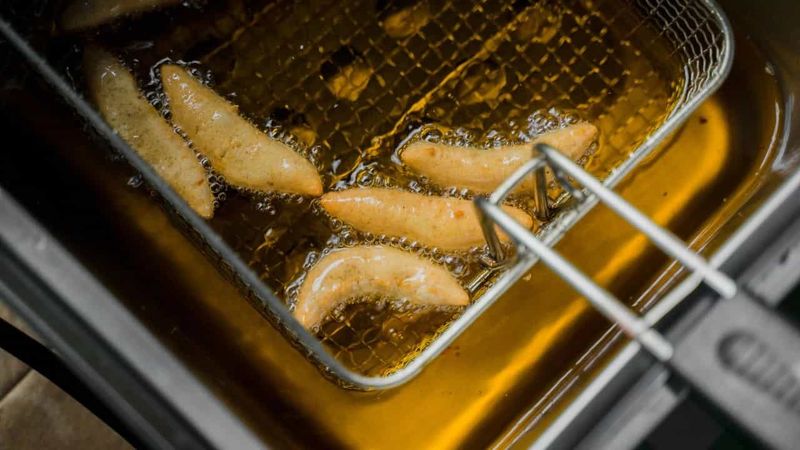
That old fryer smell tells you everything. Oil breaks down with heat and time, creating bitter, heavy notes that stick to food.
If the air near the fryer smells burnt or acrid, expect dark crusts and lingering aftertaste.
Fresh oil smells neutral and produces clean, crisp textures. Spent oil foams, smokes earlier, and leaves greasy residue.
Look at the color through the fryer window: overly dark oil means maintenance is overdue.
Ask when the oil was last filtered or changed. Good stands track it carefully.
If you smell that stale haze, skip fried items today and choose something less affected by oil quality.
11. Chicken tenders or wings with breading falling off
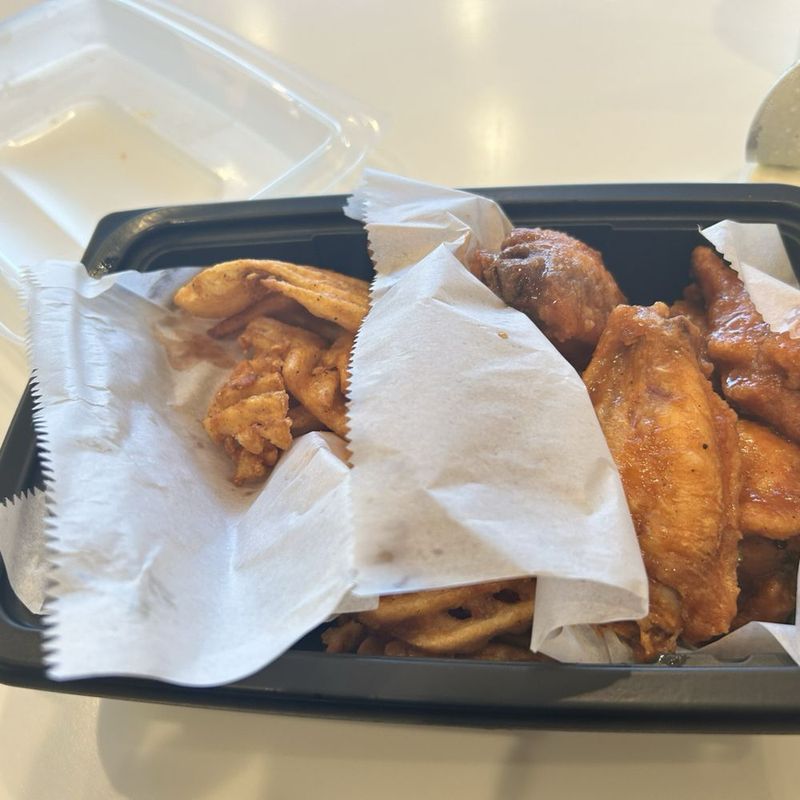
Great fried chicken clings to its crust. When breading slides off, it signals poor dredging, wet product, or overcrowded frying.
Soggy holding also steams the crust, breaking the bond and turning crunch to mush.
Look for even coating and audible crispness. If you see bald patches or greasy flakes, the process was rushed.
Proper rest after breading and correct oil temp keep everything intact and delicious.
Ask for a fresh batch or choose a different item if the tray looks tired. A crisp crust should fracture lightly, not shed in sheets.
Your hands should stay mostly clean, not covered in oily crumbs.
12. A wet bun situation
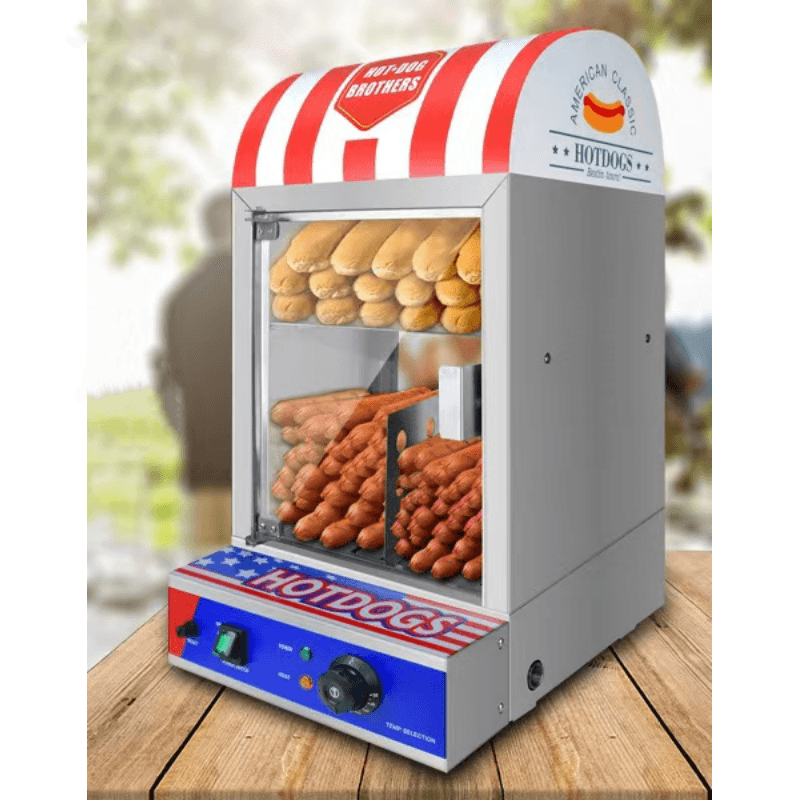
A wet bun ruins the bite. Moisture builds when wrapped items sit, steam condenses, and the bread collapses.
Over-wrapping, holding in warmers too long, or sauce-heavy assembly all lead to mush.
Press lightly: if the bun springs back, you are safe. If your finger leaves a dent or picks up moisture, quality is slipping.
Ask for a fresh, unwrapped build or sauce on the side to preserve structure.
Good stands toast buns for resilience and assemble to order. That tiny step protects texture and flavor.
If the bin looks steamy and buns look glossy-damp, consider a different item or a custom build.
13. Drinks that taste flat or syrupy
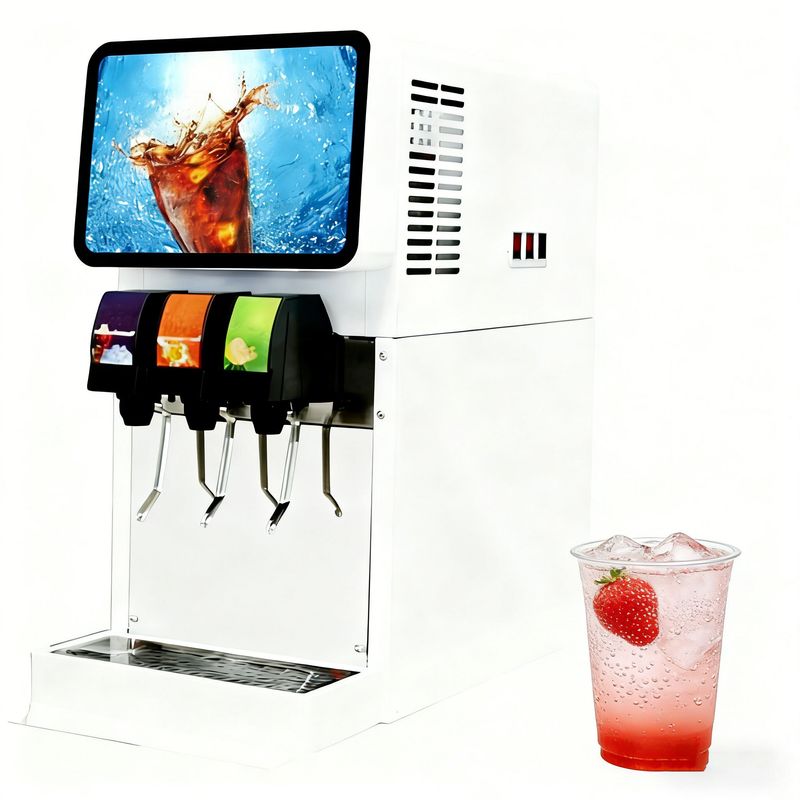
Fountain drinks should sparkle with balanced sweetness. Flat soda signals weak CO2 or an empty gas tank.
Syrupy taste means the mix is off or the ratio is skewed toward concentrate.
Look for lively bubbles and listen for fizz. If the pour sputters or the stream looks sluggish, calibration may be off.
Lines that are rarely cleaned also add off flavors and odd aromas.
Ask staff to try another nozzle or confirm fresh syrup. You can also request a bottled option when carbonation seems unreliable.
A clean, crisp drink should refresh, not coat your tongue with sticky sweetness.
14. Ice that smells or tastes off
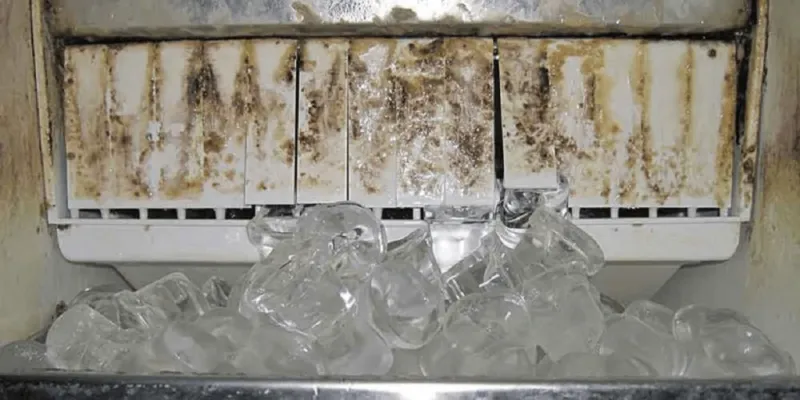
Ice should taste like nothing. If it smells like the freezer, onions, or cleaning chemicals, the machine likely needs a deep clean.
Ice absorbs odors fast and ruins otherwise decent drinks.
Cloudy, crackly cubes are not always bad, but trapped debris or odd specks tell another story. If the ice bin sits near strong-smelling foods, expect flavor hitchhikers.
Fresh filters and regular sanitation make a noticeable difference.
Give the ice a sniff before filling your cup. If it smells weird, skip it and ask for a chilled bottle instead.
Drinks should cool cleanly, not carry strange aromas from neglected equipment.
15. Allergy or ingredient questions get brushed off

Clear answers on allergens show care. If staff shrugs or deflects simple questions, that is more than inconvenient.
It suggests recipes are not documented and training is thin.
Good stands know what is in their food, how it is handled, and where cross-contact risks hide. If nobody can check a binder or label, caution is your friend.
A short wait for confirmation is worth the safety and peace of mind.
Ask for ingredient lists, prep methods, and separate tools if needed. Respectful, informed responses build trust.
Vague answers should push you toward simpler items or prepackaged options with clear labels.
16. Visible cross-contact risks
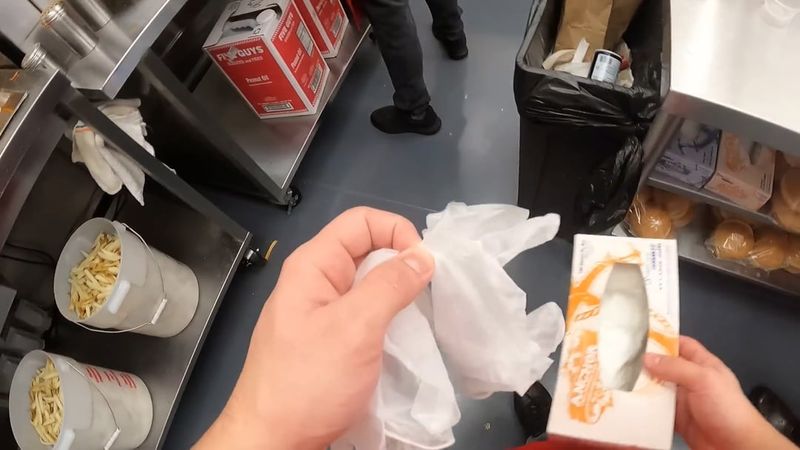
Cross-contact can sneak into any bite if tools and surfaces are shared carelessly. The same tongs for everything, gloves never changed, and raw items near ready-to-eat foods are clear warnings.
Quality and safety both suffer when boundaries blur.
Watch the flow: raw to cook to serve should be clean and linear. If utensils bounce between stations, crumbs migrate and allergens spread.
Small choices prevent big problems.
Ask for fresh gloves, clean tongs, or sealed packages when needed. Good teams respond quickly and respectfully.
If you spot sloppy handling, take your appetite elsewhere and avoid unnecessary risks.
17. The food just looks unloved
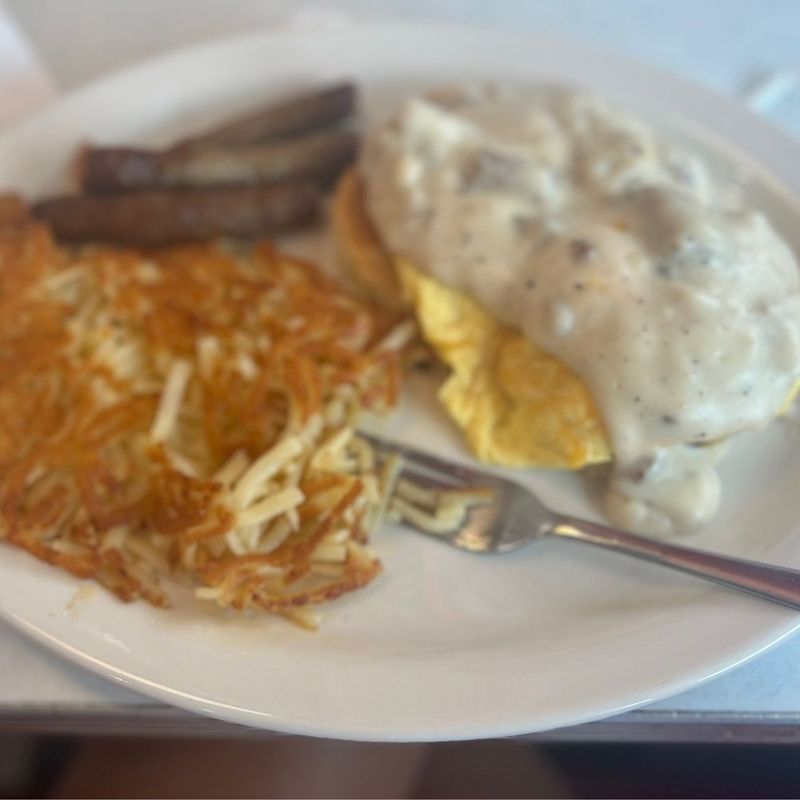
You can see when food lacks care. Sloppy assembly, uneven portions, and dried edges whisper neglect.
Cold spots and smeared sauces finish the message: nobody is double checking the plate before it hits your hands.
Great stands build with intention. Ingredients are centered, garnishes are tidy, and portions feel fair.
That attention shows up in every bite and keeps textures balanced.
Trust your eyes. If the tray looks like an afterthought, the taste usually follows.
Ask for a fresh build or choose a different stand. You deserve food that looks as good as you want it to taste.