17 Foods You Should Never Put In A Cast Iron Skillet
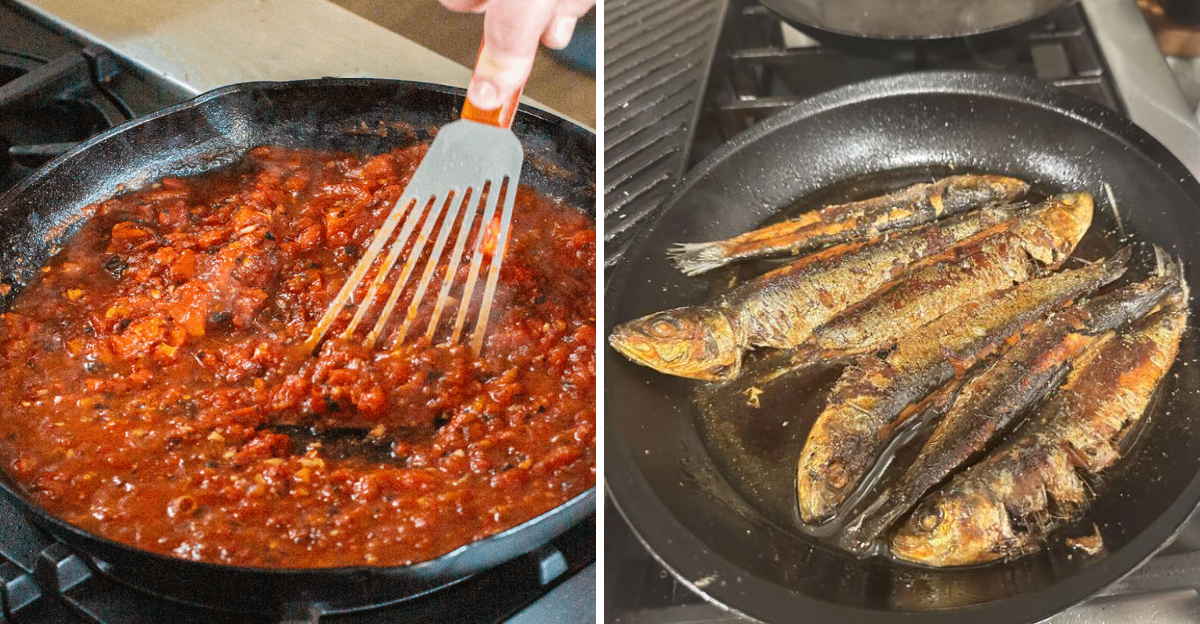
Cast iron is amazing, but it is not the best tool for every recipe. Certain foods can strip seasoning, leave metallic flavors, or lock in stubborn odors that haunt your next meal.
You can sometimes get away with them in a very well seasoned skillet, but the risk is real. Here are the most common cast iron regret-makers and what to reach for instead.
1. Long-simmered tomato sauce
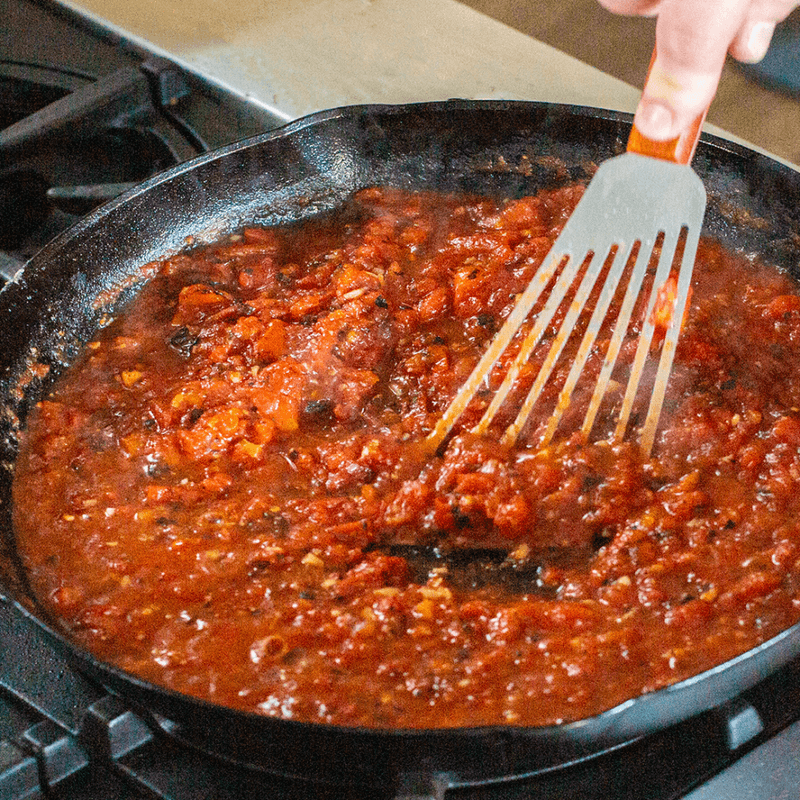
Long-simmered tomato sauce sounds cozy, but it is a rough match for cast iron. High acidity plus prolonged heat can strip the carefully built seasoning and leave a faint metallic note in your sauce.
You will notice the pan looking duller, and cleanup gets trickier next time. If you love an all-day simmer, switch to enameled cast iron or stainless steel.
You will get brighter flavor, no iron taste, and far less risk to your pan’s finish. A well seasoned skillet might survive a quick simmer, but hours of bubbling tomatoes are asking for trouble.
Protect your skillet by searing meat there, then moving the sauce to a non-reactive pot. Your taste buds will thank you.
2. Vinegar-heavy sauces
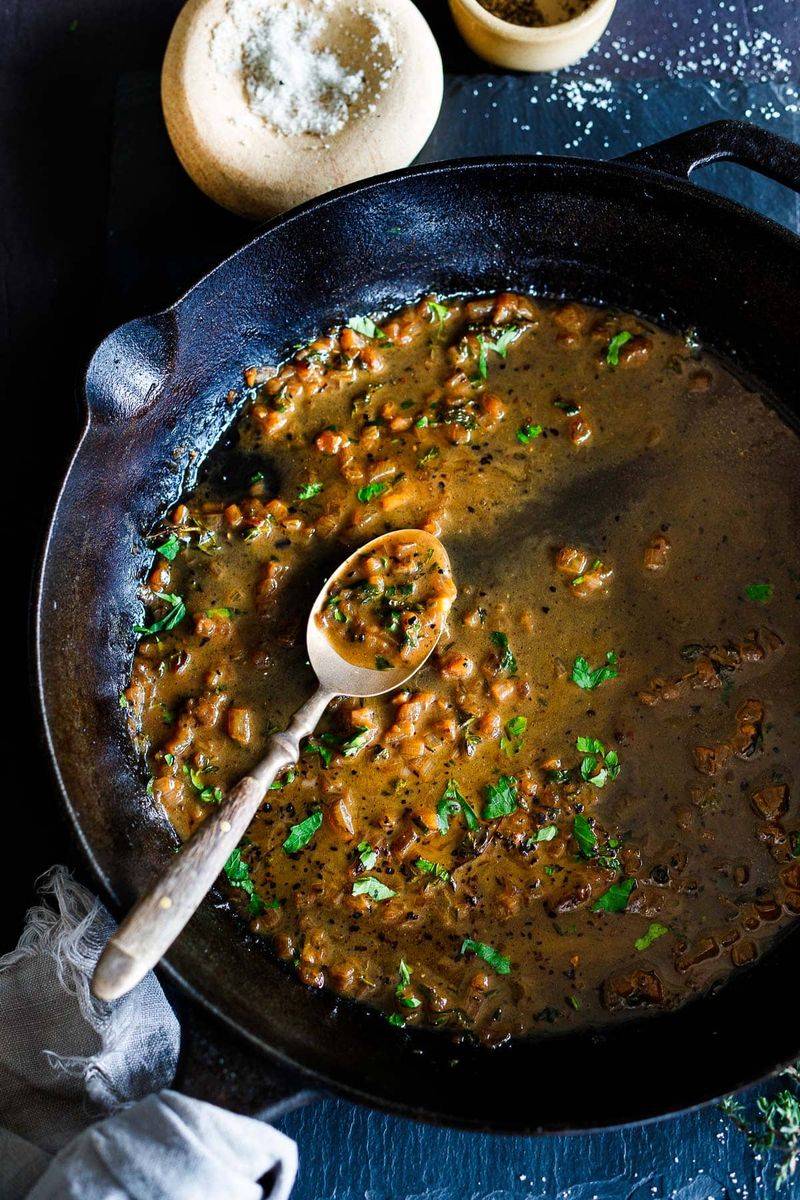
Anything loaded with vinegar is tough on cast iron. The sharp acidity works against the seasoning, particularly when the sauce reduces and concentrates.
You might end up with a thinner protective layer and unwanted metallic flavors sneaking into your meal. For barbecue mop sauces, tangy stir-fry finishes, or pickling-style reductions, grab stainless steel or enameled cookware.
They are non-reactive and better for fast reductions. You will keep flavors clean and preserve your skillet’s hard-earned sheen.
If you insist on a vinegar splash in cast iron, make it quick. Deglaze, move, and finish in a different pan.
That way you keep the fond you love without sacrificing your seasoning or staining the skillet with stubborn smells.
3. Lemon-braised dishes
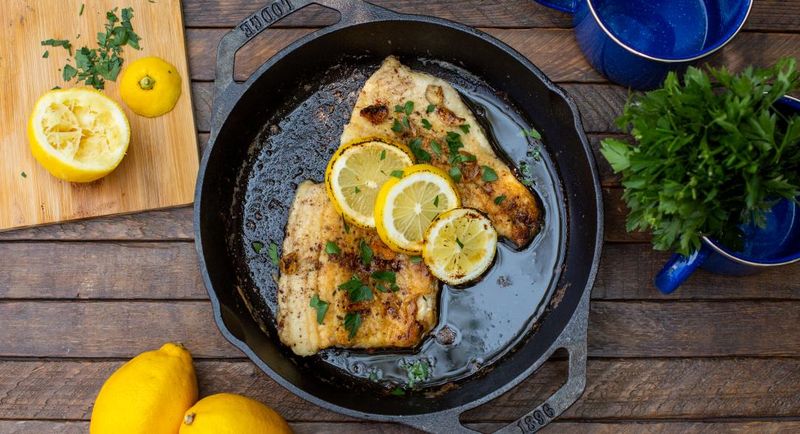
Lemon brings brightness, but long lemon braises are risky in cast iron. The extended contact with acidic juice can eat at seasoning and push a tinny taste into delicate proteins.
You may also notice the surface looking patchy afterward, which means more reseasoning work. Use enameled cast iron for lemon chicken, artichokes with lemon, or piccata-style pansauce.
You will get the same browning and heat control without the reactive downside. Your sauce stays clean, and the pan’s finish stays intact.
A quick squeeze at the end is safer if you want to use cast iron for searing. Finish off-heat or in a different pan.
You will keep that sunny citrus pop without paying the seasoning tax.
4. Wine-based braises
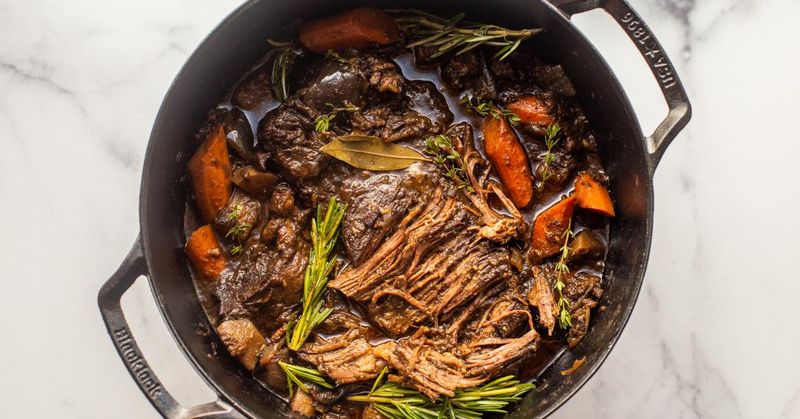
Wine plus time can undo your cast iron’s finish. Red or white, the acidity slowly chews through seasoning during long braises, especially when you scrape and stir.
That erosion invites sticking and can leave a faint iron note in the sauce. Brown the meat in cast iron if you love the crust, then move everything to an enameled Dutch oven for the simmer.
You will protect the seasoning and still enjoy deep flavors. The sauce will taste cleaner, and cleanup will be easier.
Short deglazes with wine are less risky but still not ideal. Keep contact brief, then transfer to a non-reactive pan.
Your skillet stays strong, and the braise remains bright, balanced, and delicious.
5. Fruit cobblers with lots of lemon or berries
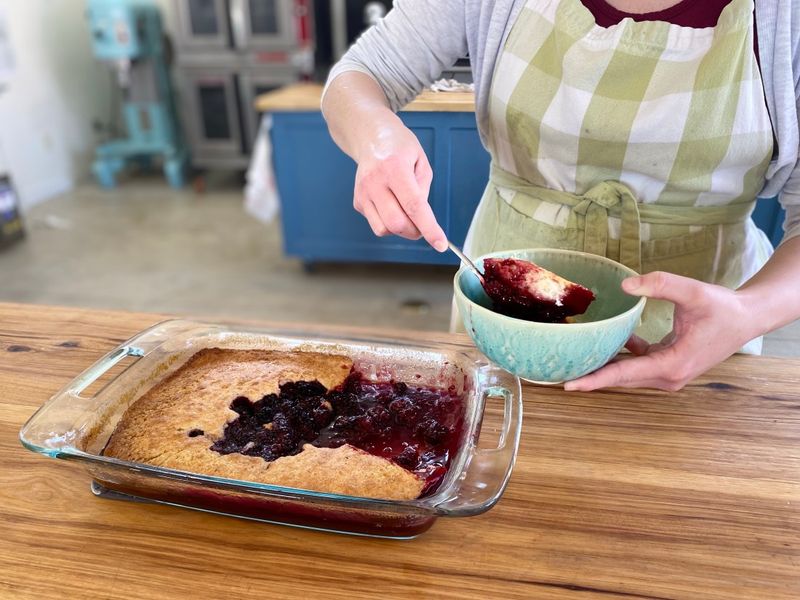
Fruit cobblers seem perfect in cast iron, but very acidic fillings can fight the seasoning. Berries and lemon amplify each other, and long bakes give them time to react with the iron.
You risk off flavors and dulling that glossy patina you worked to build. Use enamel or a glass baking dish for especially tart fruit.
The crust will still crisp beautifully, and flavors stay pure. If cast iron is your only option, line with parchment and keep bake times modest.
Sweet apple or peach with minimal citrus is gentler, but high-berry, lemony mixes are the troublemakers. Protect your pan and your dessert’s flavor.
Save the skillet for crumbles that are less tart, and bake the zingy ones elsewhere.
6. Apple cider reductions
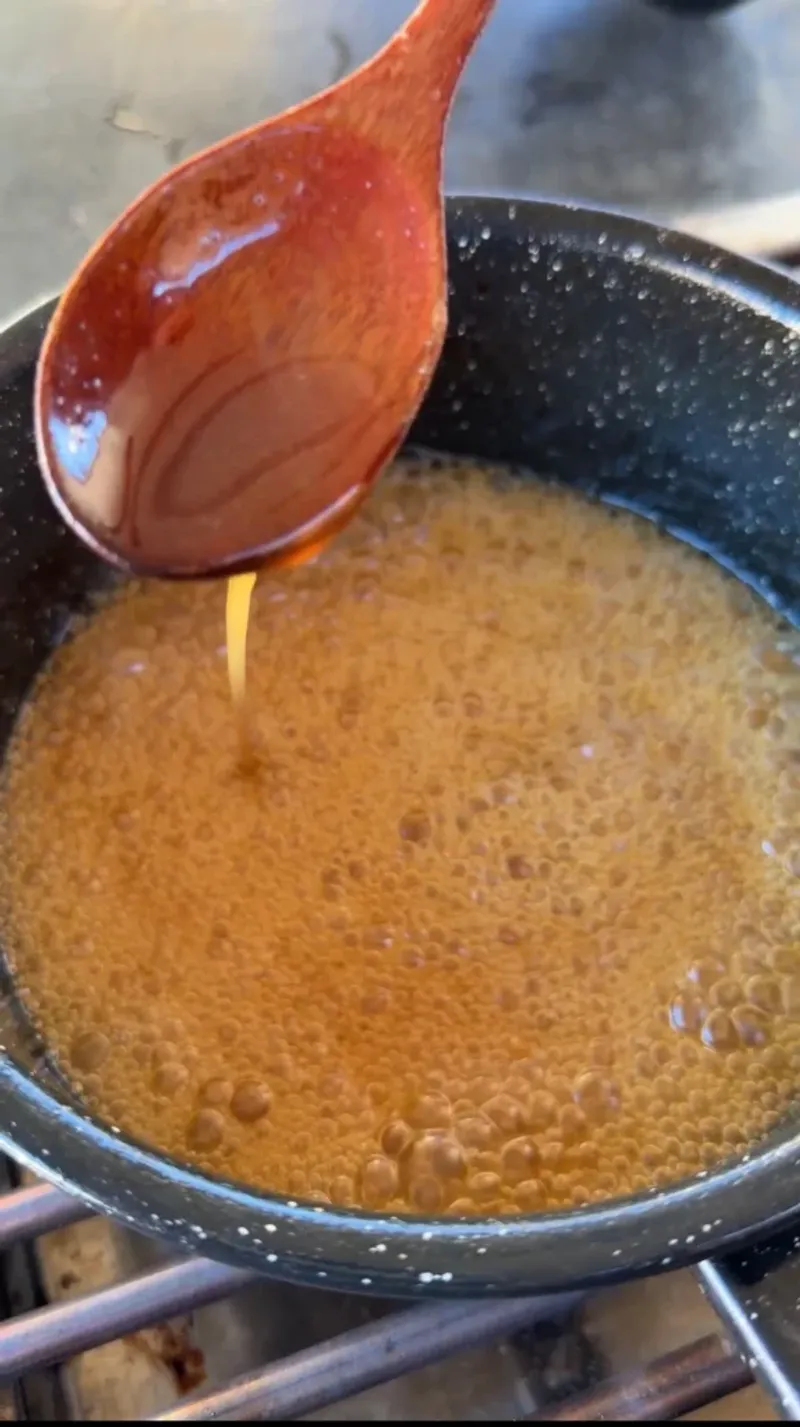
Reducing apple cider concentrates both sugar and acidity, a one-two punch against cast iron. The acid nibbles seasoning while sugars get sticky and can scorch, making cleanup frustrating.
You might notice a darker, uneven finish afterward that needs refreshing. Switch to stainless steel for cider reductions, glazes, or pan sauces.
It handles quick temperature changes better and will not react with the fruit acids. Plus, the lighter color helps you monitor caramelization.
If you deglazed in cast iron, pour the liquid off quickly and continue reducing elsewhere. You will protect that hard-earned nonstick layer and keep flavors bright.
The result is a glossy, clean-tasting glaze without any lingering metallic notes or stubborn residue.
7. Delicate white fish
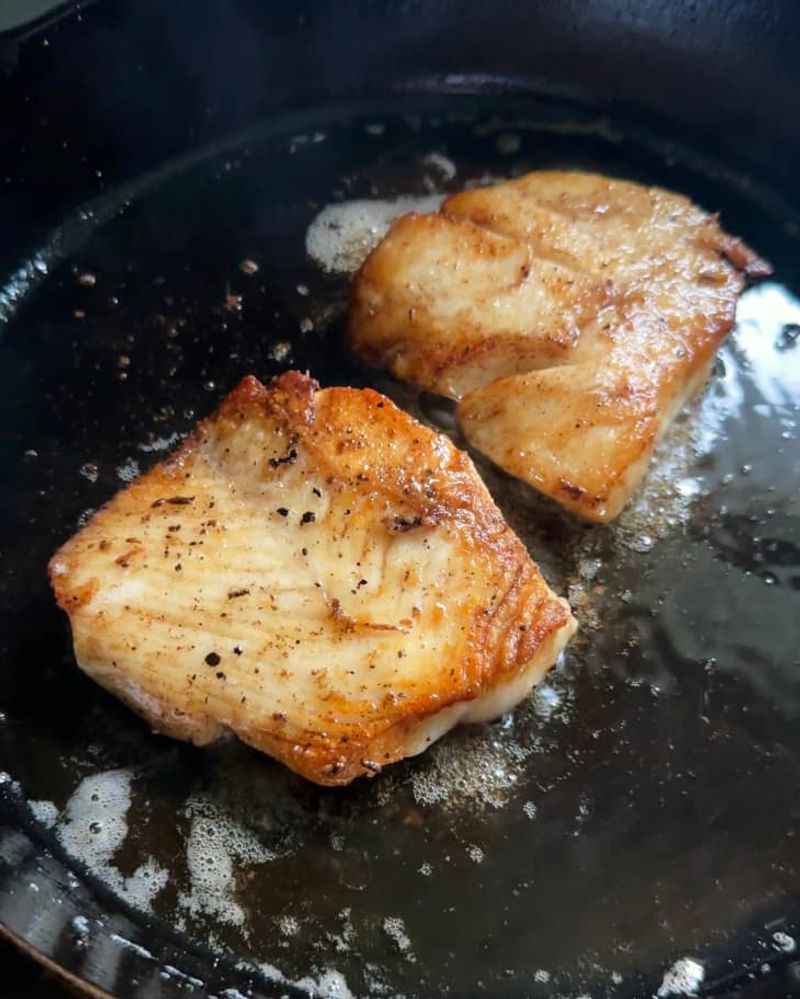
Delicate white fish loves to stick, especially in a skillet that is not perfectly seasoned and blazing hot. The tender proteins tear easily, leaving ragged fillets and a stubborn residue on the pan.
That frustration can make you avoid cast iron entirely. Use stainless steel or a well heated nonstick for fish like cod, halibut, or tilapia.
You will get a cleaner release and prettier crust with less stress. If you insist on cast iron, preheat thoroughly and use more oil than usual.
Even then, the first fillet may glue itself down. Save cast iron for meatier fish like salmon.
Your dinner looks better, tastes the same, and your seasoning stays safer from scraping.
8. Eggs in a not-yet-seasoned pan
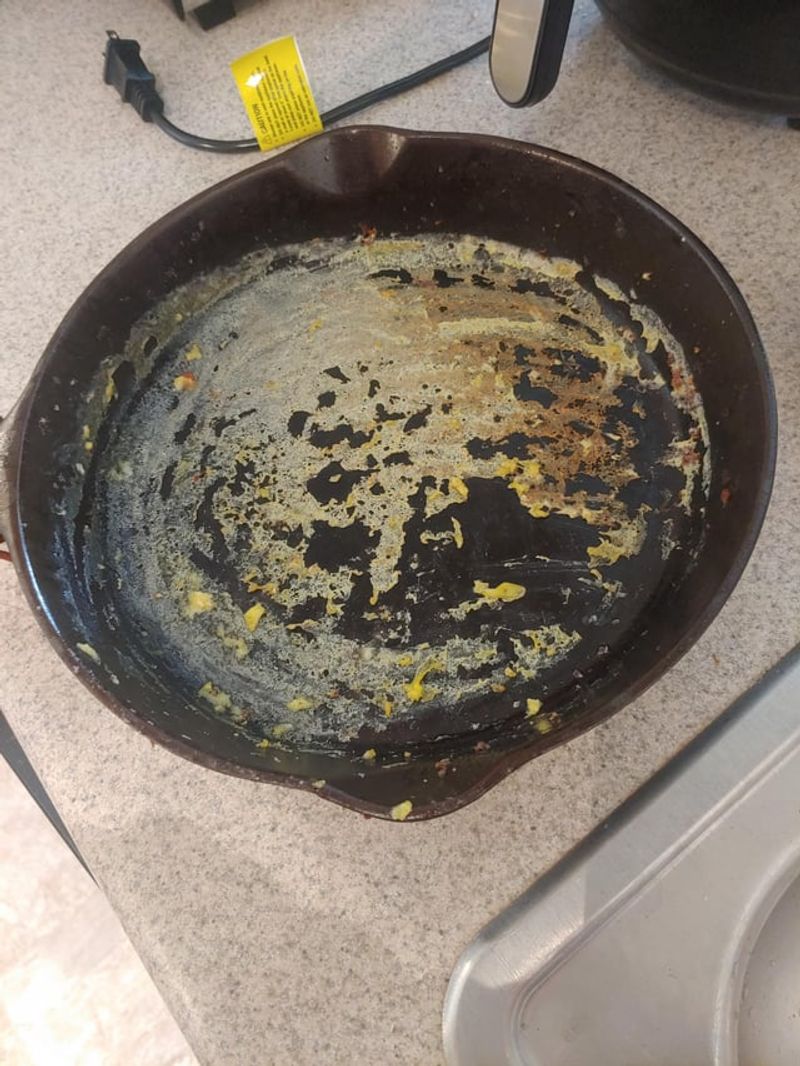
Eggs are the truth test for a skillet’s seasoning. In a not yet seasoned pan, they cling, tear, and leave a gummy film that takes elbow grease to remove.
That scraping only roughs up the surface more, making next time worse. For silky scrambled or easy over eggs, reach for nonstick or fully seasoned cast iron.
Preheat, add enough fat, and keep heat moderate. You will get soft curds and a smooth slide instead of stubborn stickage.
Until your skillet develops a glassy finish, skip eggs there. Cook bacon or fry potatoes first to build layers.
Then bring eggs back when the surface is truly slick and ready to release with confidence.
9. Pancakes in a not-yet-seasoned pan
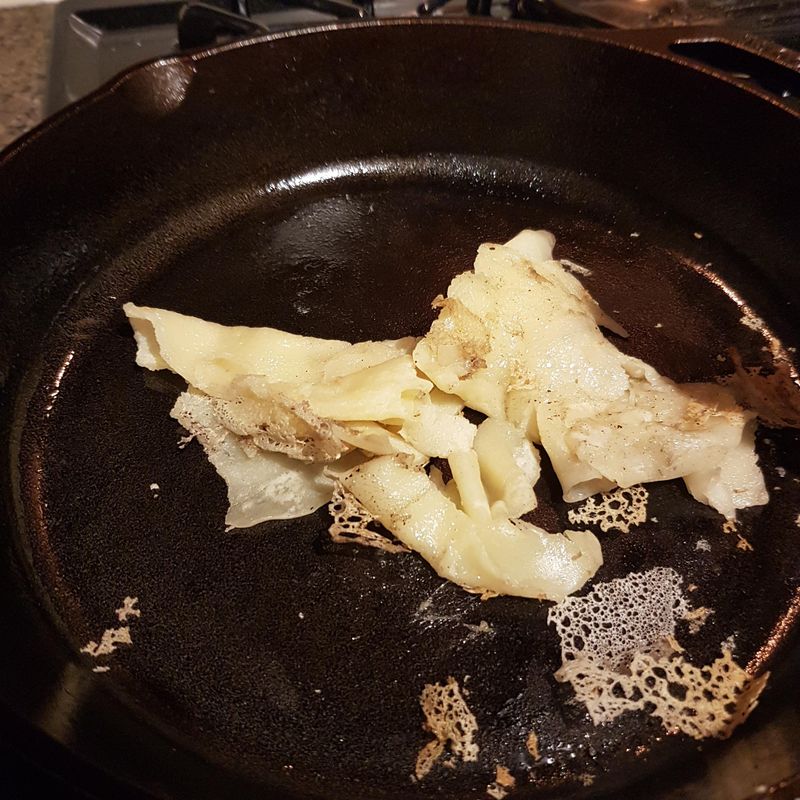
Pancakes show every hot spot and every rough patch of seasoning. In a newer skillet, batter welds to the pores, tears on the flip, and leaves dark sticky rings.
You will chase even browning and end up with ragged edges. Nonstick or a smooth griddle is friendlier for fluffy stacks.
Preheat thoroughly, use a light film of fat, and keep the heat moderate. When your cast iron feels glassy and evenly heats, pancakes can return successfully.
Until then, train the pan with fattier, forgiving cooks. Smash burgers or bacon help build a slick surface.
Your future pancakes will flip clean, spot that beautiful speckled brown, and glide to the plate with minimal fuss.
10. Sticky glazes and sugary sauces
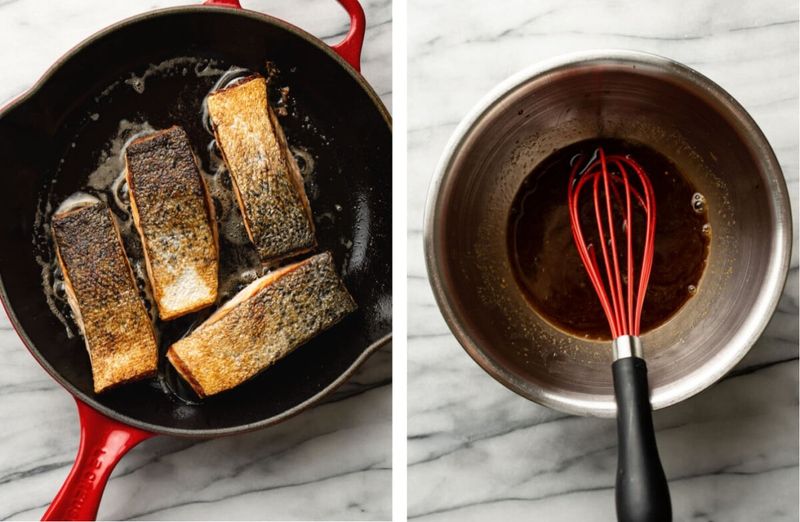
Sugary sauces go from glossy to burnt in a blink, and cast iron’s heat retention makes that window even tighter. When they scorch, the residue clings aggressively and scrubbing threatens your seasoning.
Teriyaki, honey-garlic, and caramel-like reductions are repeat offenders. Do the sear in cast iron, then finish the glaze in stainless or enamel.
You will get the char you want without risking a sticky, bitter mess. A light, quick brush of glaze as you pull food off-heat is safer.
Keep sweet sauces moving and use moderate heat if you must. Better yet, reduce in a separate pot and glaze at the table.
Your skillet stays slick, and your sauce stays shiny, not smoky.
11. Gentle, precise temperature sauces
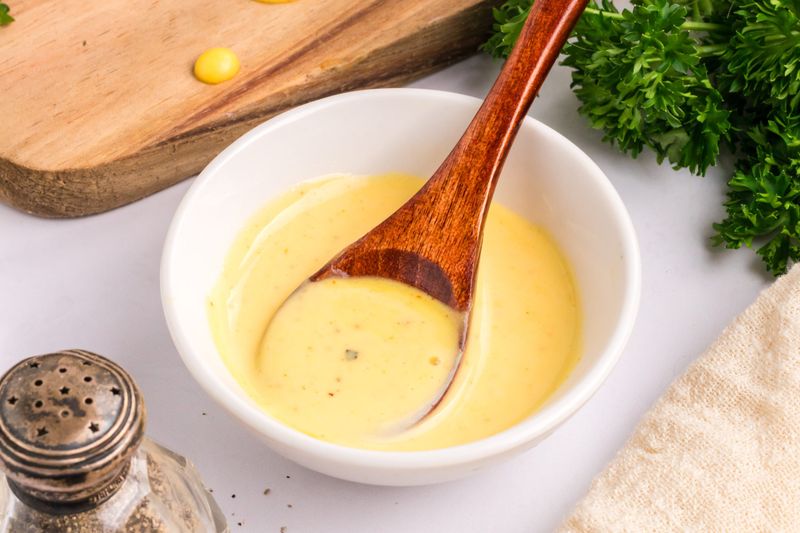
Custards, hollandaise, and other delicate sauces want gentle, precise heat. Cast iron holds onto energy and can overshoot, turning silky into scrambled or broken.
Even cutting the flame does not cool it quickly, so recovery is tough. Use a saucepan, double boiler, or even a heat diffuser for better control.
You will whisk calmly and watch the texture stay satiny instead of curdled. Non-reactive materials also keep flavors clean and predictable.
Cast iron shines for searing and roasting, not fine sauce work. Keep your skillet for the protein, then make the sauce in a separate pan.
Your eggs will not seize, and your nerves will thank you when the emulsion stays stable.
12. Very smelly fish like sardines
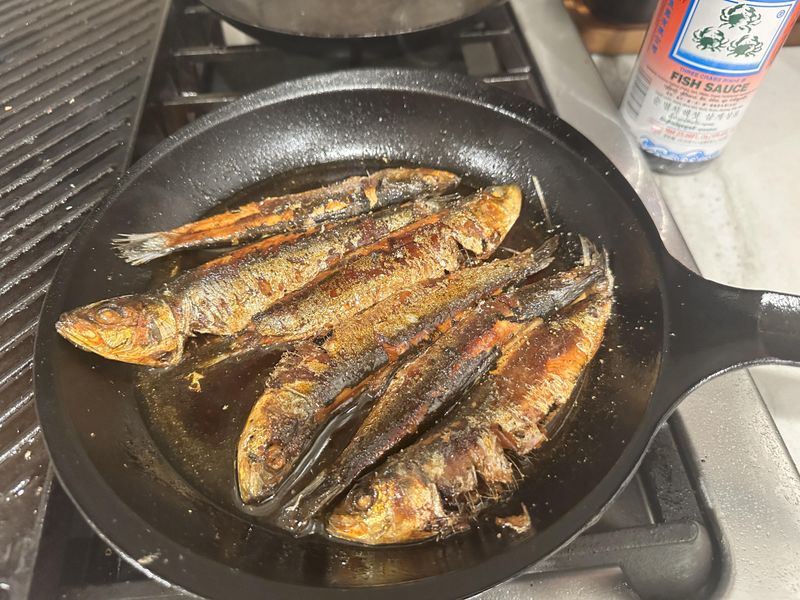
Cast iron can hang onto aromas, and oily, pungent fish like sardines or mackerel leave a mark. Even after a good scrub and re-oil, tomorrow’s cornbread might whisper fish.
That lingering scent can be hard to shake without a deep reheat and reseason. Use stainless steel or a dedicated fish pan with plenty of ventilation.
You will keep bold flavors where they belong and protect your skillet’s neutral personality. If cast iron is all you have, fry outdoors or finish under a broiler.
Afterward, bake the empty skillet to burn off odors, then oil lightly. Better yet, avoid the issue entirely.
Let cast iron handle steaks and chops while smelly fish find a different home.
13. Deep-frying strongly flavored foods back-to-back
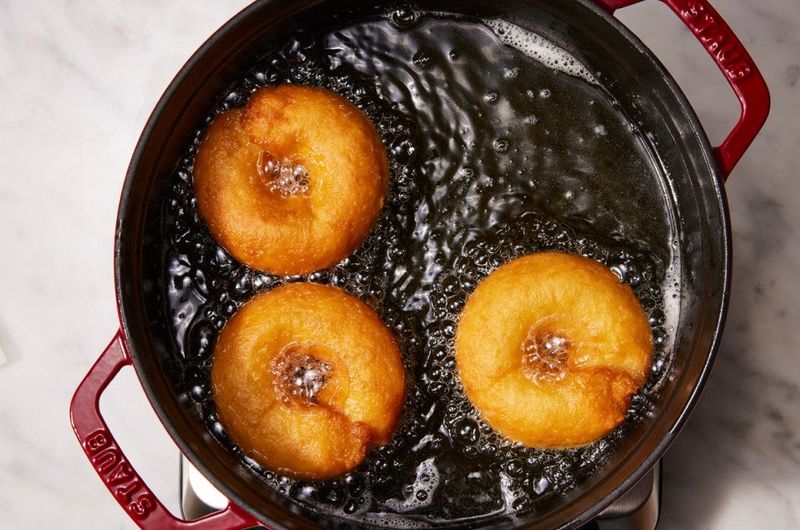
Cast iron is excellent for frying, but it remembers what you cooked. If you fry spicy wings, then donuts, flavor ghosts hitch a ride.
The oil soaks into microscopic pores and perfumes the pan, and your sweet batch tastes suspiciously savory. Dedicated oil and separate pots keep flavors honest.
Use one vessel for neutral or dessert frying, and another for fish or heavily seasoned foods. Filter oil and store it labeled so it stays faithful next time.
If one pot must do everything, fry neutral foods first and bold items last. Then clean, reheat empty to burn off odors, and re-oil lightly.
Your crullers will thank you, and your skillet’s seasoning will stay balanced.
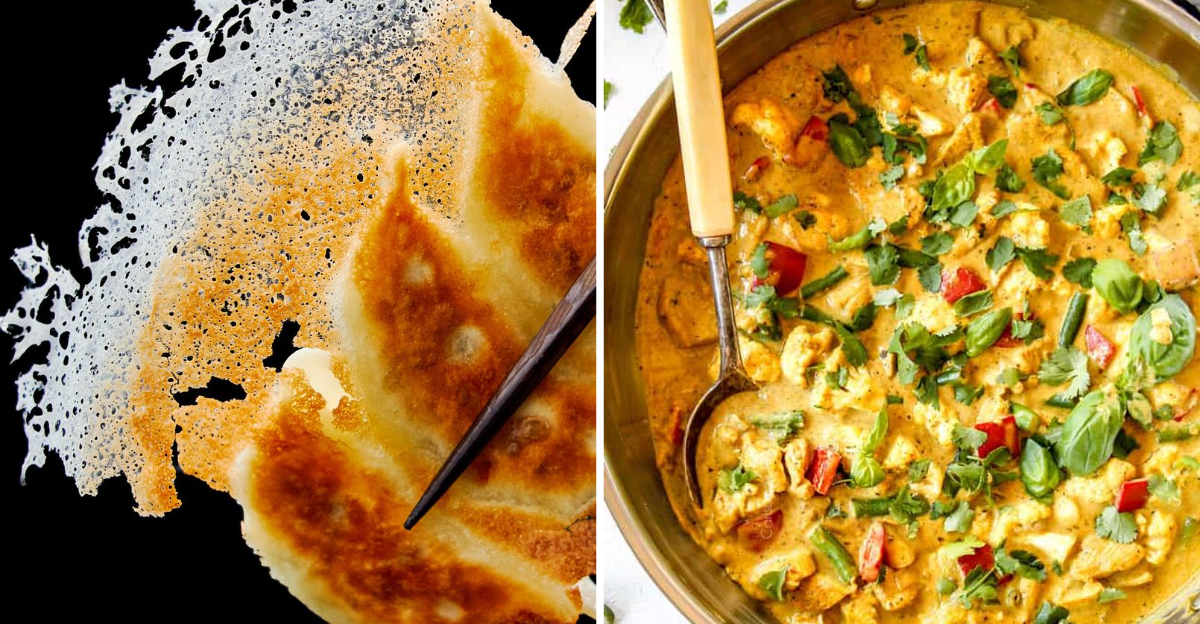
14. Super-sticky cheese crisps
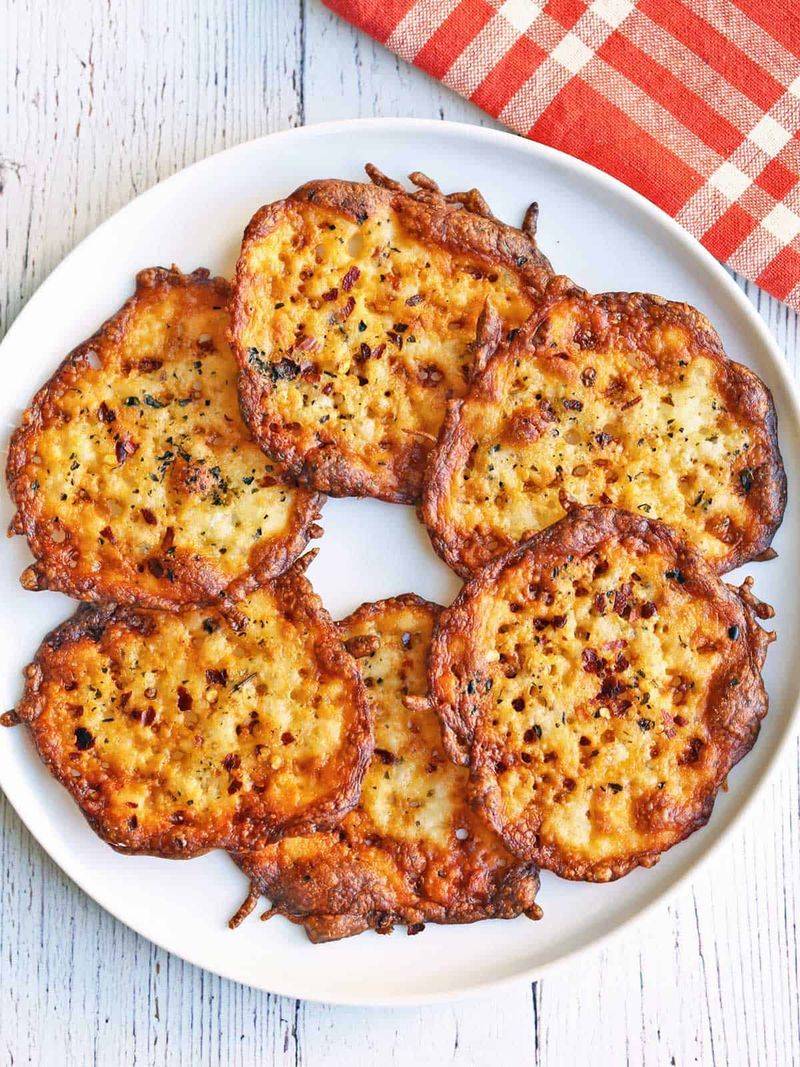
Cheese crisps love to weld themselves to a less-than-slick cast iron surface. The fat renders, proteins brown, and tiny surface texture grabs on.
Instead of lacy frico, you get shreds and a stubborn crust that begs for scraping. Nonstick or a silicone-lined sheet pan is better for ultra-thin crisps.
If you use cast iron, preheat well, add a whisper of oil, and wait for full bubbling before moving it. Even then, release can be hit or miss.
Save your skillet for grilled cheese or quesadillas, where the bread acts as a buffer. Your cleanup is easier, seasoning is safer, and your cheese crisps come out whole and beautifully lacy elsewhere.
15. Cold-to-hot shock recipes
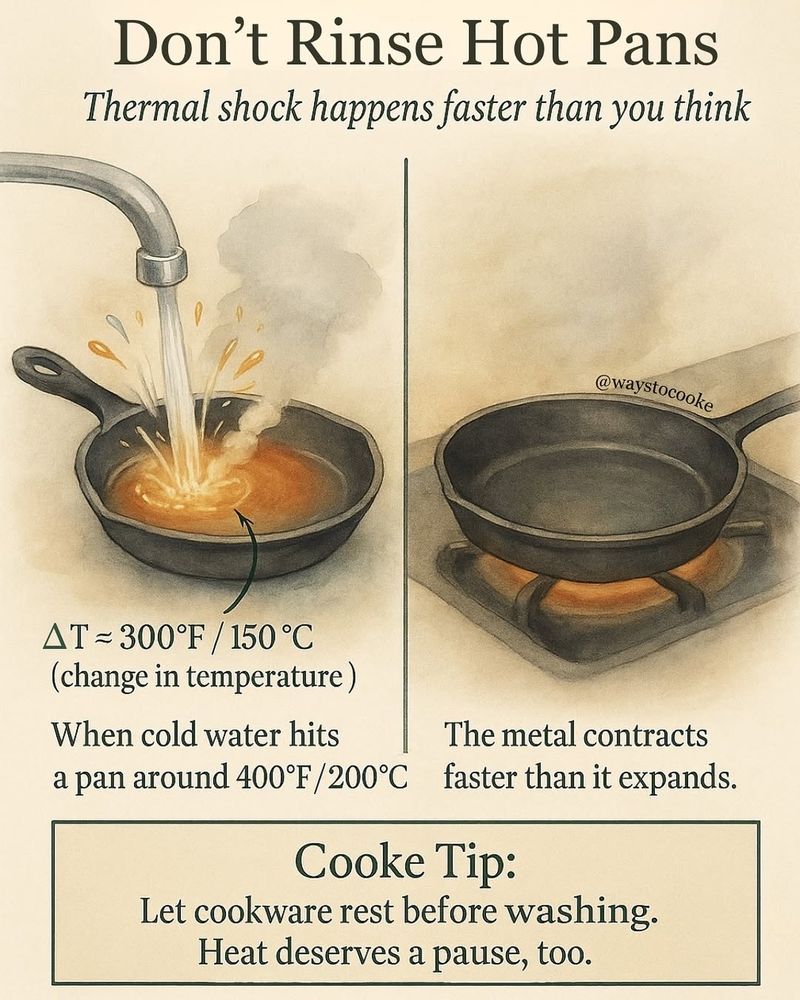
Cast iron hates sudden temperature swings. Pouring cold liquid into a ripping hot skillet can warp or, in worst cases, crack it.
Even if it survives, thermal shock can stress the metal and loosen seasoning unevenly. Warm your liquids before deglazing, and let the pan cool slightly after a hard sear.
You will tame the steam plume and protect the cookware. Avoid moving a hot skillet straight into a cold sink or fridge as well.
Respect the heat inertia. Cast iron excels when temperature changes are gradual and deliberate.
Keep transitions smooth, and your pan will last decades without hairline surprises or flaking finish that demands a full reset.
16. Dishwash-only items (obviously)
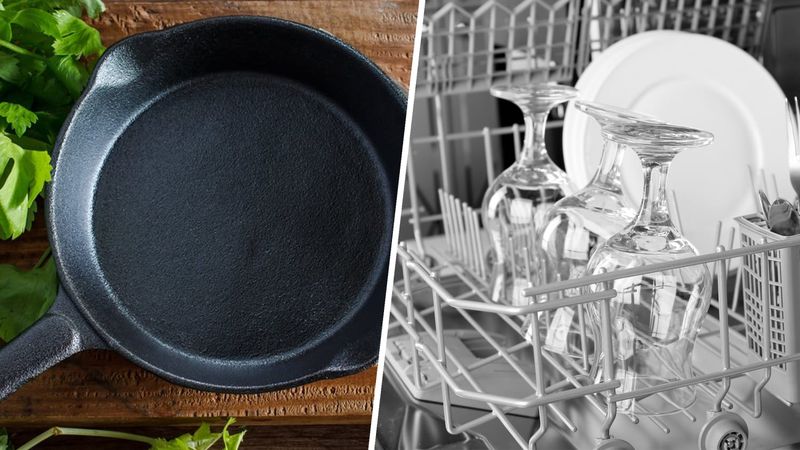
Not a food, but it is still a never. The dishwasher blasts away seasoning with harsh detergents and long, wet cycles.
You will pull out a thirsty, gray skillet that needs serious restoration. Hand wash with hot water, a gentle brush, and salt if needed.
Dry over low heat, then rub a thin coat of oil to seal pores. This quick ritual preserves the nonstick layer you worked to build.
If the pan gets sticky or dull, bake on a light coat of oil to refresh. Treat it like the heirloom it can be.
Your future meals will slide and sizzle the way they should, without metallic flavors or rust.
17. Boiling water for pasta
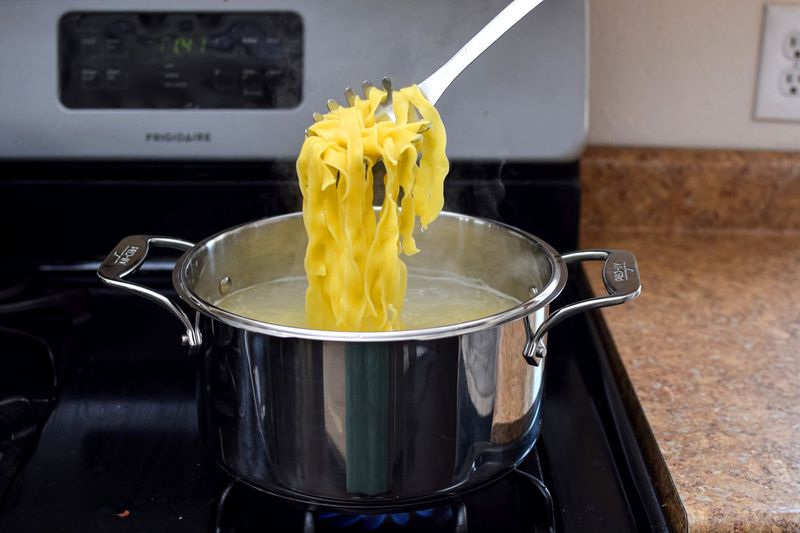
Boiling water in cast iron is not harmful, just impractical. It is heavy, slow to heat, and hard to pour, especially with a big volume.
You will wait longer for a boil and risk spills when draining. Grab a stainless stockpot or an aluminum-clad pot for faster, more efficient boiling.
The lighter weight and quick heat response make pasta night easier. Save your skillet for the sauce or a finishing toss afterward.
If you blanch vegetables first, move them to the skillet to sauté in butter or oil. That plays to cast iron’s strengths.
Let the right pan do the right job, and dinner flows smoother from stove to table.