17 Leftovers You Should Think Twice About Keeping, Freezing, Or Mixing
Most of us have tossed leftovers in the fridge without a second thought, assuming they’ll be just as safe and tasty the next day. But some foods can become genuinely dangerous when stored, reheated, or frozen the wrong way.
Bacteria, toxins, and texture changes can turn yesterday’s meal into today’s health hazard. Knowing which foods need extra caution could save you from a very unpleasant experience.
1. Cooked Rice and Pasta
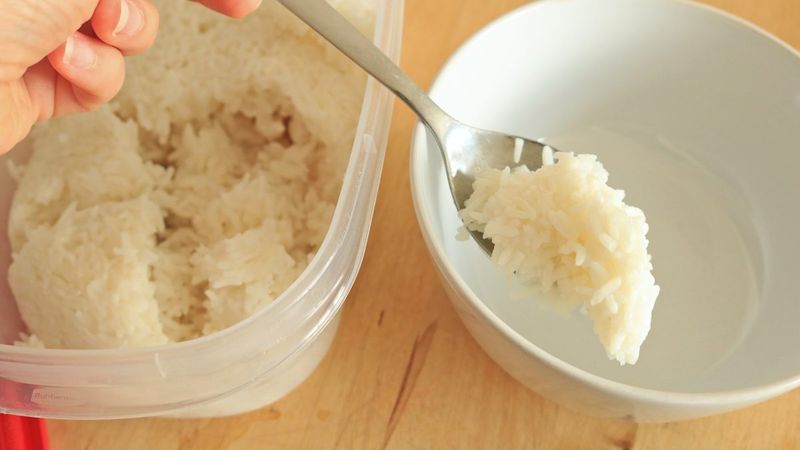
Ever heard of “fried rice syndrome”? It sounds funny, but it’s a real food safety concern.
Cooked rice and pasta can harbor spores of Bacillus cereus, a sneaky bacterium that survives the cooking process entirely.
Once these starchy leftovers sit at room temperature, those spores wake up and produce toxins that cause vomiting and diarrhea. The scary part?
Reheating won’t destroy those toxins. Cool rice and pasta quickly and refrigerate within two hours.
2. Cooked Chicken and Poultry
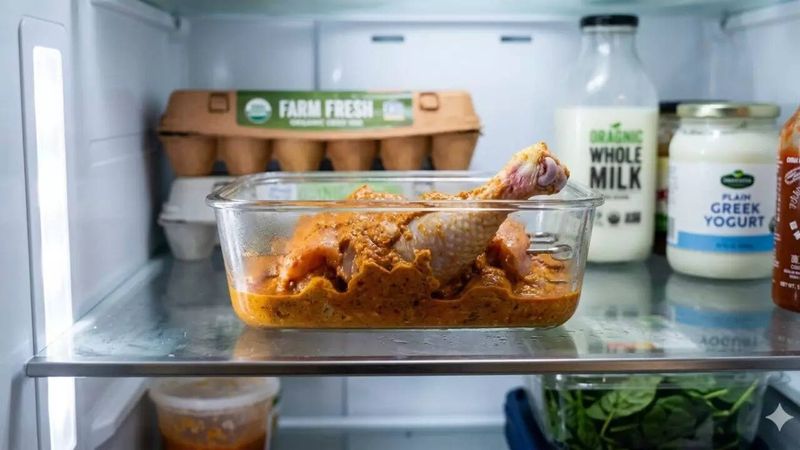
Chicken is one of the most beloved proteins on dinner tables worldwide, but it also spoils faster than most people realize. Its high moisture content and low acidity make it a perfect place for bacteria like Salmonella and Campylobacter to multiply rapidly.
Cooked poultry must be refrigerated within two hours of cooking, or just one hour if your kitchen is warmer than 90 degrees Fahrenheit. The USDA recommends eating it within three to four days.
3. Cooked Seafood and Shellfish
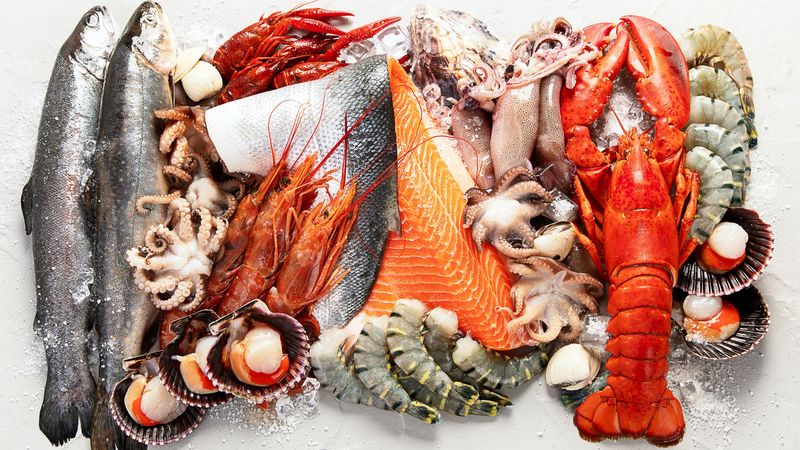
Seafood has a reputation for going bad fast, and that reputation is completely earned. Cooked shrimp, fish, crab, and other shellfish begin spoiling almost immediately if left out after a meal.
Bacteria multiply at alarming speeds in cooked seafood left unrefrigerated for more than one to two hours. Even when properly chilled, these leftovers should be eaten within one to two days.
When in doubt, throw it out — seafood is simply not worth the risk of food poisoning.
4. Raw Proteins Thawed on the Counter
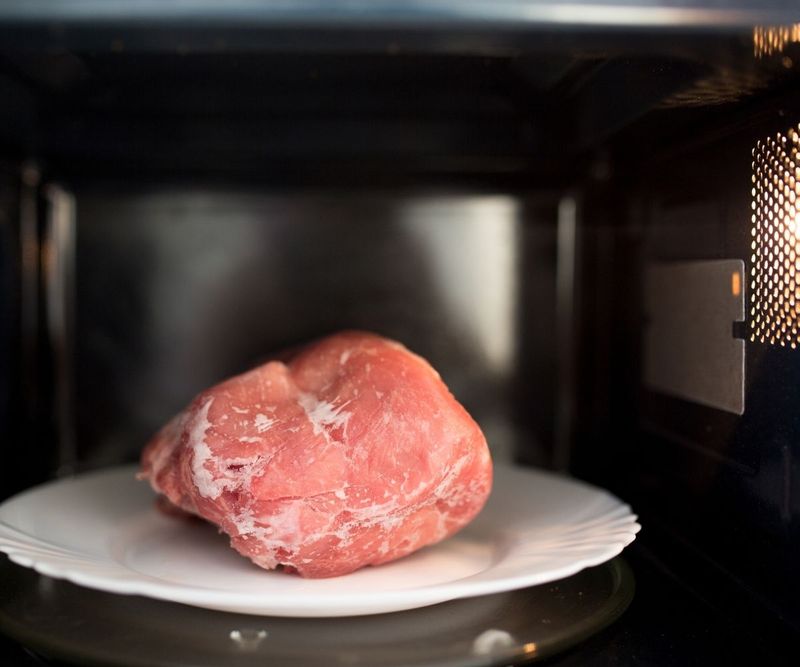
Thawing raw meat, poultry, or seafood on the kitchen counter might seem convenient, but it opens the door to serious bacterial growth. The outer layers warm up quickly while the inside stays frozen, creating a danger zone where harmful bacteria thrive.
Refreezing these proteins after counter-thawing does not make them safe again — the bacteria are already multiplying. Always thaw raw proteins in the refrigerator, under cold running water, or in the microwave immediately before cooking.
5. Leafy Greens Like Spinach and Celery
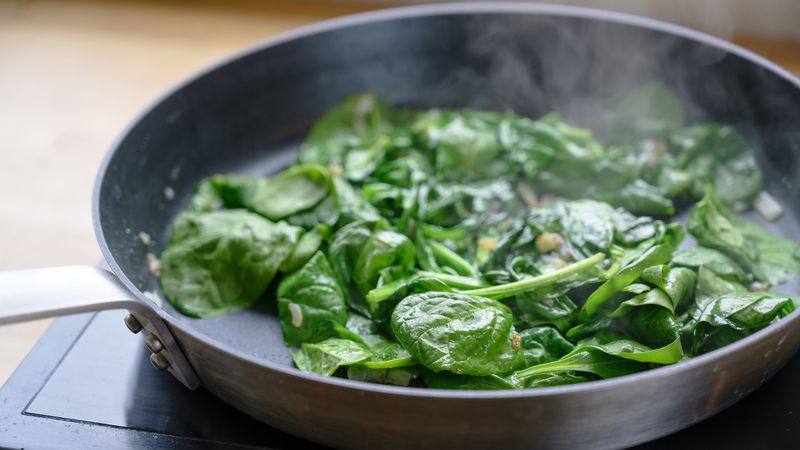
Spinach, beetroot leaves, and celery are packed with naturally occurring nitrates, which are harmless under normal circumstances. The trouble begins when these cooked greens are cooled improperly or reheated multiple times.
Bacteria can convert those nitrates into nitrites, which may then form carcinogenic compounds called nitrosamines. This is especially a concern for young children.
Store cooked leafy greens in the fridge immediately after cooking, eat them within a day, and avoid reheating them more than once.
6. Cooked Potatoes
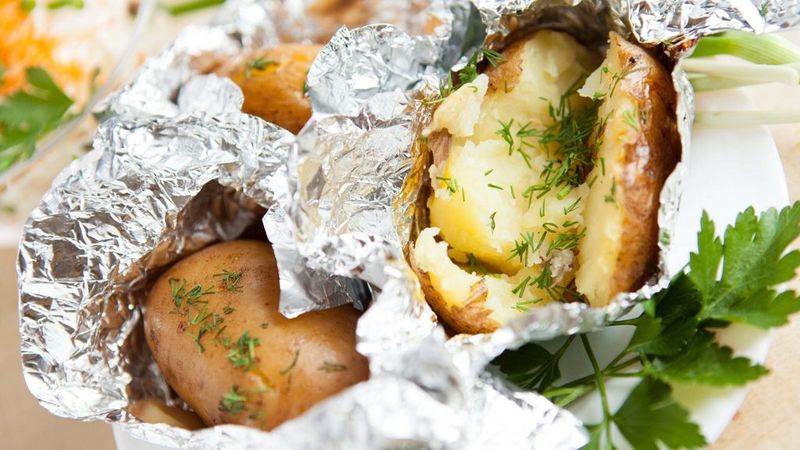
Potatoes wrapped in foil after baking create a low-oxygen environment that is surprisingly hospitable to Clostridium botulinum — the bacterium responsible for botulism. This is one of the most dangerous foodborne illnesses out there.
Reheating foil-wrapped potatoes that sat out overnight does not destroy the toxins already produced. Always remove foil before storing cooked potatoes and refrigerate them promptly.
Baked potato leftovers are best enjoyed within three to four days when stored correctly in the fridge.
7. Cooked Mushrooms
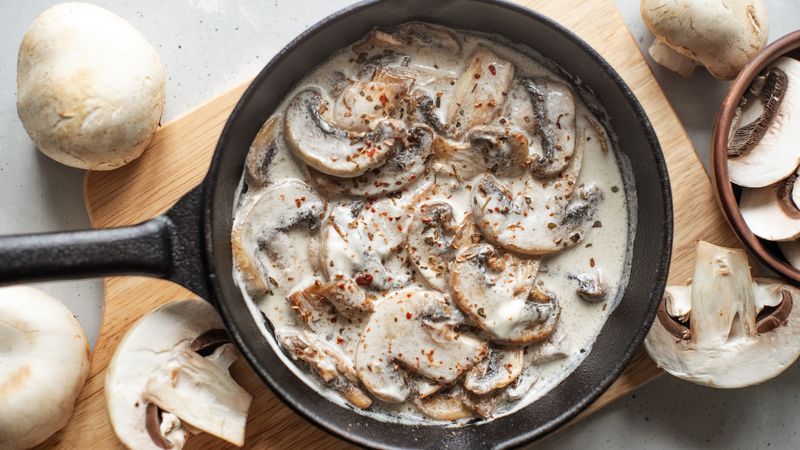
Mushrooms are wonderfully earthy and flavorful, but they are also extremely perishable after cooking. Their high moisture and protein content make them a fast-spoiling food that bacteria absolutely love.
Leaving cooked mushrooms at room temperature for more than two hours can lead to noticeable texture changes and stomach distress. Their protein structure begins breaking down quickly, which can upset your digestive system even if the mushrooms don’t smell obviously bad.
Refrigerate them right away and eat within one day.
8. Eggs and Egg Dishes
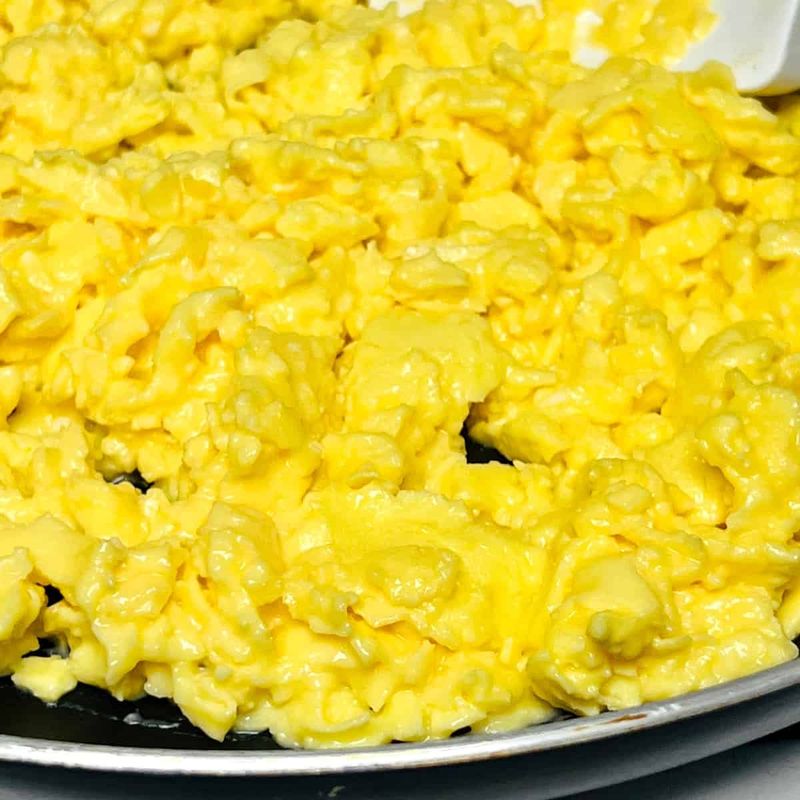
Scrambled eggs and omelets that have been sitting in the fridge since yesterday morning are already living on borrowed time. Egg-based dishes cool unevenly and can harbor Salmonella if not handled carefully from the moment they leave the pan.
Beyond food safety, reheated eggs often turn rubbery, watery, or oddly spongy — not exactly appetizing. Consume egg leftovers within two to three days and reheat them thoroughly to at least 165 degrees Fahrenheit to minimize any bacterial risk.
9. Soft Cheeses
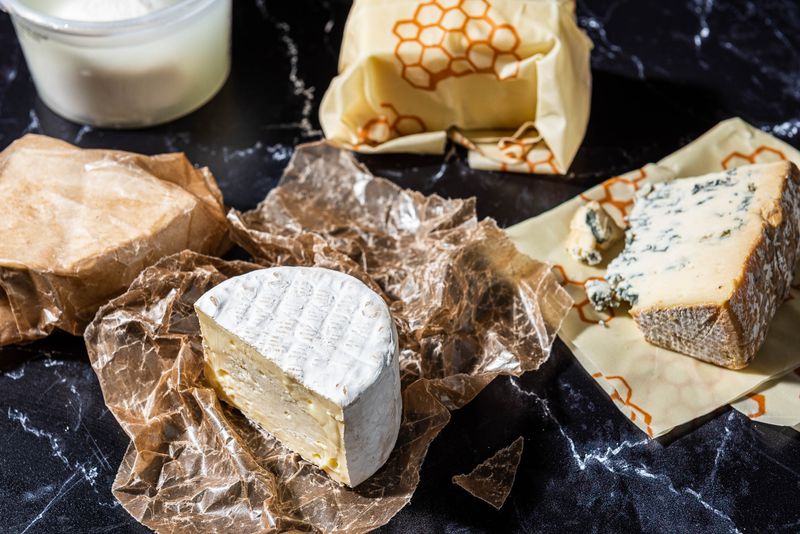
Brie, Camembert, cottage cheese, and fresh mozzarella are creamy, delicious, and dangerously perishable. Their high moisture content creates a welcoming environment for Listeria monocytogenes, a bacterium that can cause serious illness, especially in pregnant women and older adults.
Soft cheeses should never sit out for more than two hours and should never be refrozen after thawing — the texture becomes grainy and the bacterial risk increases. Hard cheeses handle storage much better than their soft counterparts.
10. Cream-Based Soups and Casseroles
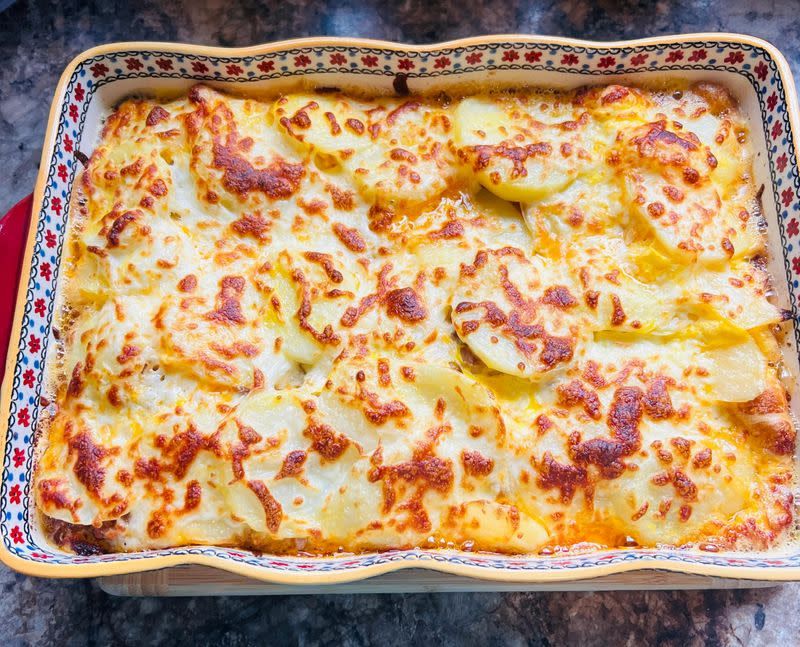
That big pot of creamy potato soup might taste amazing on day one, but it becomes a bacterial breeding ground surprisingly fast. Dairy-heavy dishes retain heat longer than other foods, which means the interior stays warm long after you’ve turned off the stove.
This extended warmth encourages rapid growth of Clostridium perfringens. Always divide large batches of cream-based soups or casseroles into smaller containers before refrigerating.
This helps them cool evenly and reach a safe temperature much more quickly.
11. Stuffed Pastas and Pastries
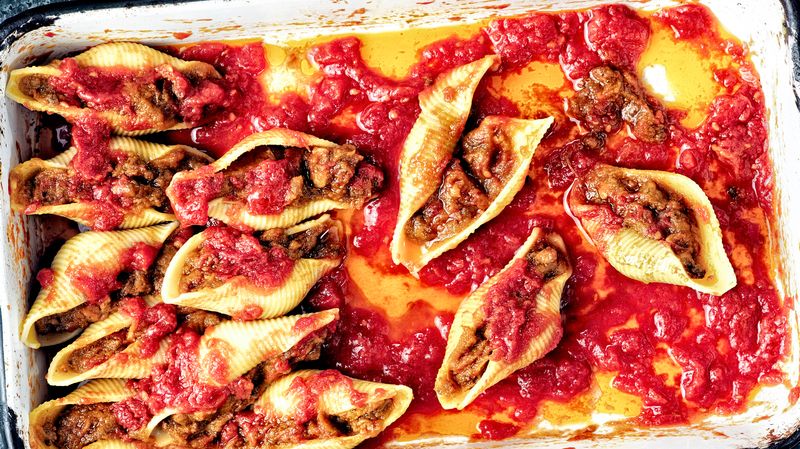
Stuffed ravioli, pierogi, and filled pastries have a clever little problem: their fillings trap moisture and heat in ways that the outer shell completely hides. This uneven cooling creates small, insulated pockets where bacteria can quietly multiply without any visible warning signs.
Cheese or meat-stuffed pastas are especially risky because both fillings are highly perishable. Refrigerate these foods quickly, and avoid letting them sit out during a buffet-style meal for longer than two hours at a time.
12. Cooked Beans and Lentils
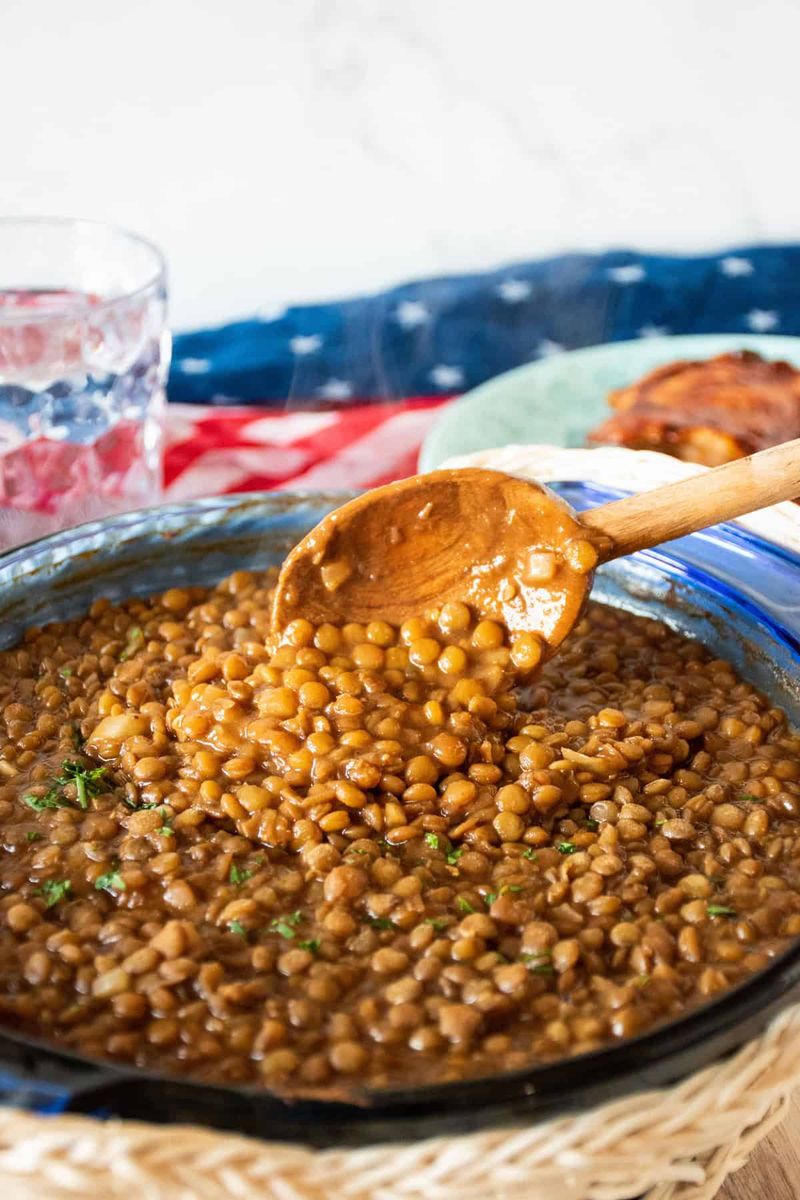
Cooked beans left sitting in a warm slow cooker or covered pot overnight might seem harmless, but they are actually a hotbed for microbial activity. The combination of high protein and carbohydrate content creates an ideal feeding ground for Bacillus cereus toxins.
Many people forget about their slow cooker beans until the next morning, by which point the damage is already done. Refrigerate cooked beans within two hours of finishing, and consume them within three to four days for best safety.
13. Fried Foods You Plan to Refreeze
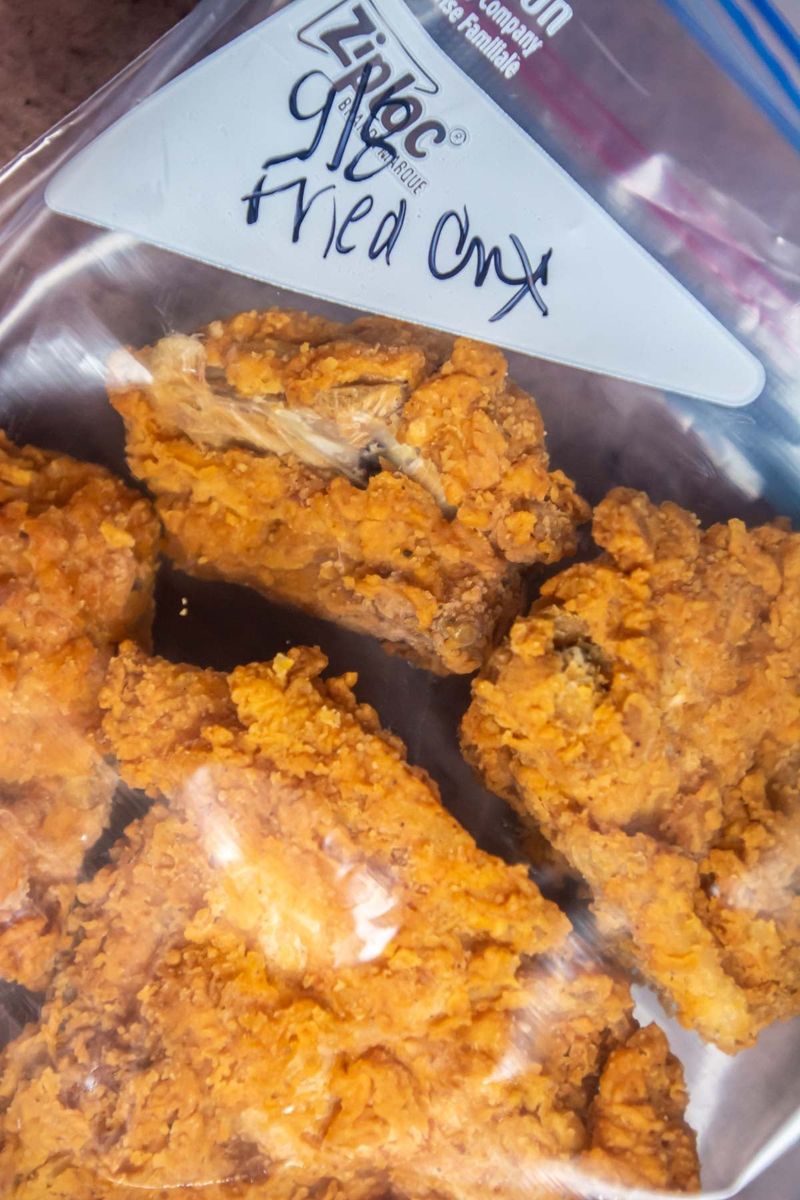
Crispy French fries and golden fried chicken are already pushing their limits once they cool down from the fryer. Refreezing them takes things from disappointing to genuinely unpleasant — water molecules inside the food expand during freezing, rupturing cell walls and destroying that satisfying crunch.
What comes out of the freezer is soggy, limp, and texturally ruined. If you want to save fried leftovers, refrigerate them and eat within one to two days instead of sending them back into the freezer.
14. Smoothies and Juice Concentrates with Dairy
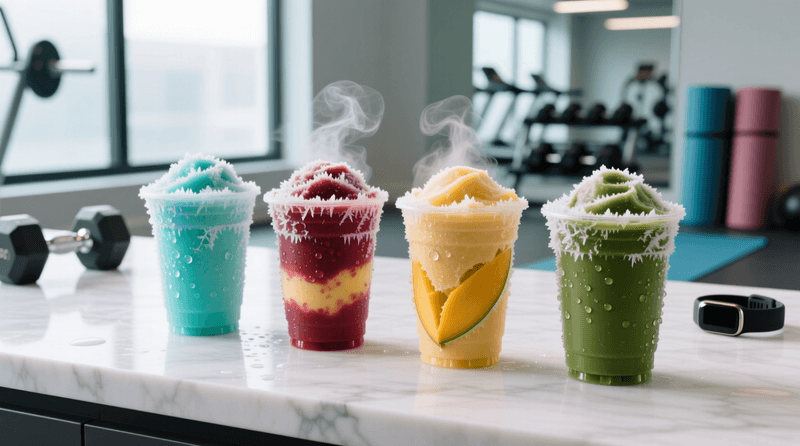
Blended smoothies containing frozen milk or dairy products seem like a great make-ahead option, but refreezing them after thawing creates a lumpy, separated mess that no amount of blending can fully fix. Fruit-based juice concentrates have their own issue — they can ferment faster than expected once thawed.
Fermentation produces alcohol and off-flavors, turning your healthy drink into something oddly sour. Make smoothies fresh whenever possible, or freeze them in single-serving portions and drink them immediately after thawing.
15. Melted Ice Cream
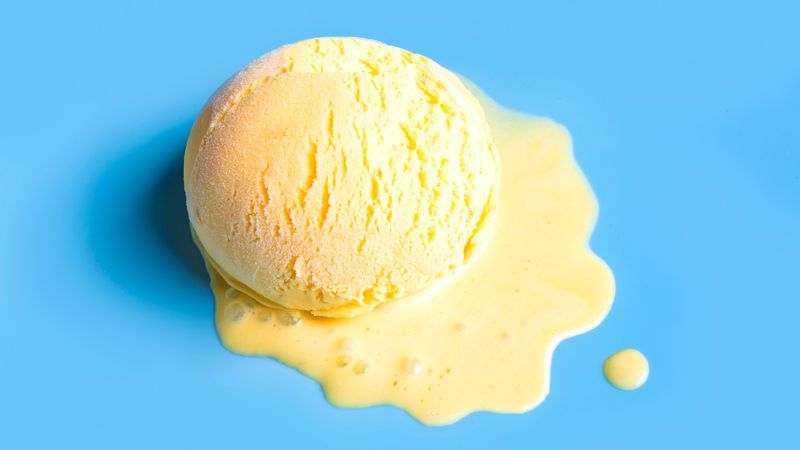
Few things are more heartbreaking than reaching for ice cream and finding a rock-hard, icy block instead of the creamy scoop you were dreaming about. Once ice cream melts, the churning process that originally incorporated air and created that smooth texture is completely undone.
Refreezing melted ice cream produces large ice crystals that make every bite grainy and unpleasant. There’s also a food safety angle — bacteria can multiply in melted ice cream if it sat out too long before being refrozen.
16. Cold-Pressed Oils Used for Reheating
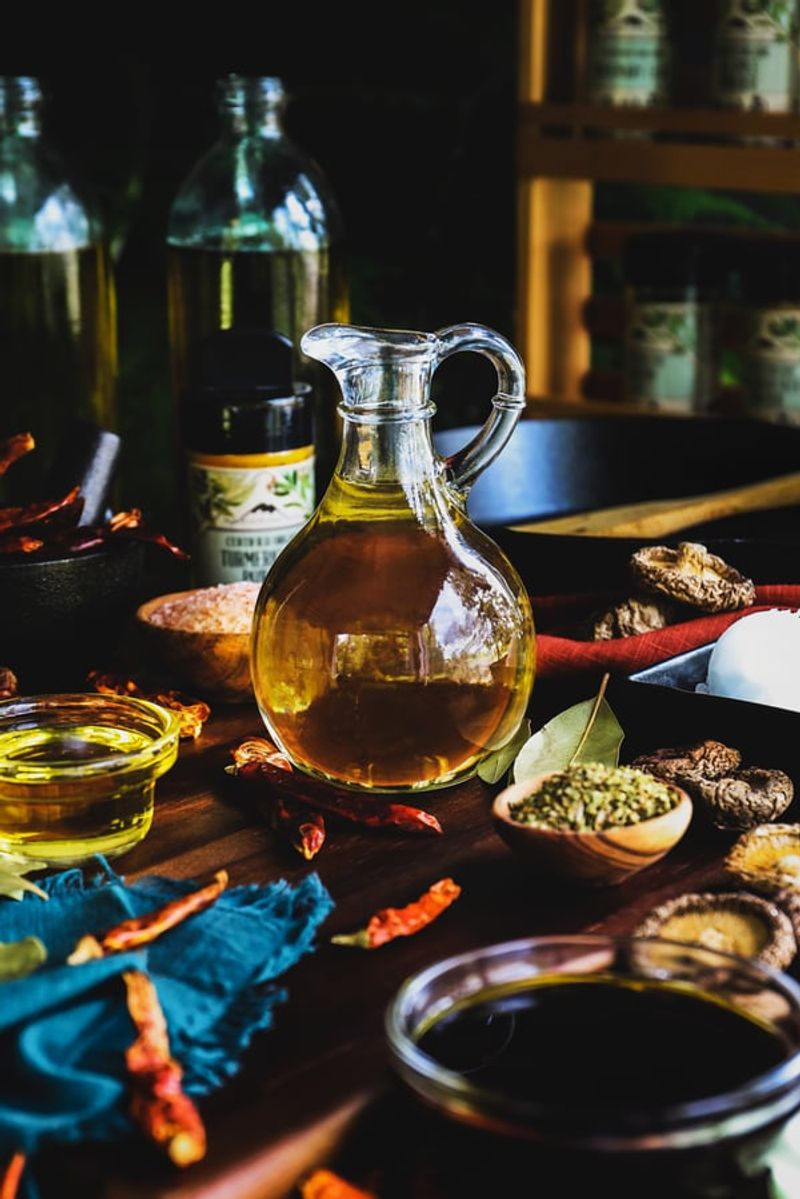
Cold-pressed oils like flaxseed, extra-virgin olive, and avocado oil are celebrated for their health benefits, particularly their rich omega-3 fatty acid content. But heating them at high temperatures is actually counterproductive and potentially harmful.
These oils have low smoke points, and intense heat causes their beneficial fatty acids to break down into rancid, potentially toxic compounds. Save cold-pressed oils for salad dressings, dips, or finishing drizzles.
Use refined oils with higher smoke points when you need to cook over high heat.
17. Deli Meats in Mixed Salads
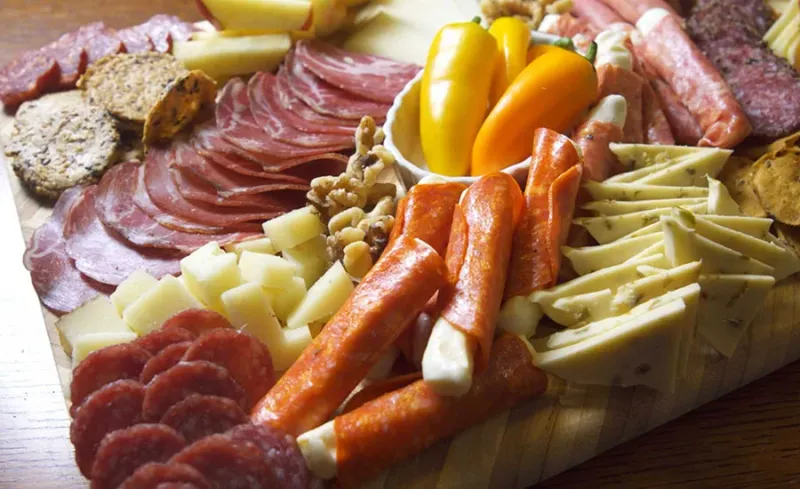
Tossing leftover deli turkey or ham into a pasta salad might seem like a smart way to use up what’s in the fridge, but mixed salads containing deli meats are among the riskiest leftovers you can store. Deli meats are prone to Listeria even when freshly purchased.
Once mixed with dressing and other perishable ingredients, the clock ticks even faster. Treat these salads as high-priority leftovers and consume them within 48 hours.
Never let a deli meat salad sit out at a party for more than two hours.