17 Tamale Tips That Keep Masa Light And Tender
Light, tender tamales start long before you fire up the steamer. With a few smart tweaks, your masa can turn out airy, flavorful, and never pasty or dense.
These tips remove the guesswork so you can relax and enjoy the process. Ready to make your best batch yet?
1. Start with fresh masa harina
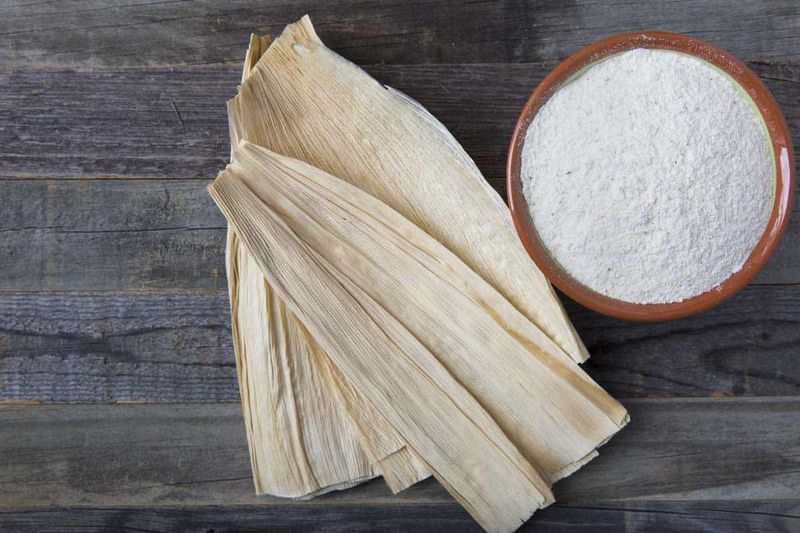
Fresh masa harina is your foundation for tender tamales, so check the date and smell it. Good flour smells like sweet corn, not cardboard.
Old flour hydrates unevenly and tastes flat, giving you dense, disappointing results.
Buy smaller bags if you cook occasionally and store tightly sealed in a cool, dark pantry. If it has been open for months, start over.
You will notice brighter corn flavor and better absorption the moment liquid hits good flour.
2. Hydrate first, then rest
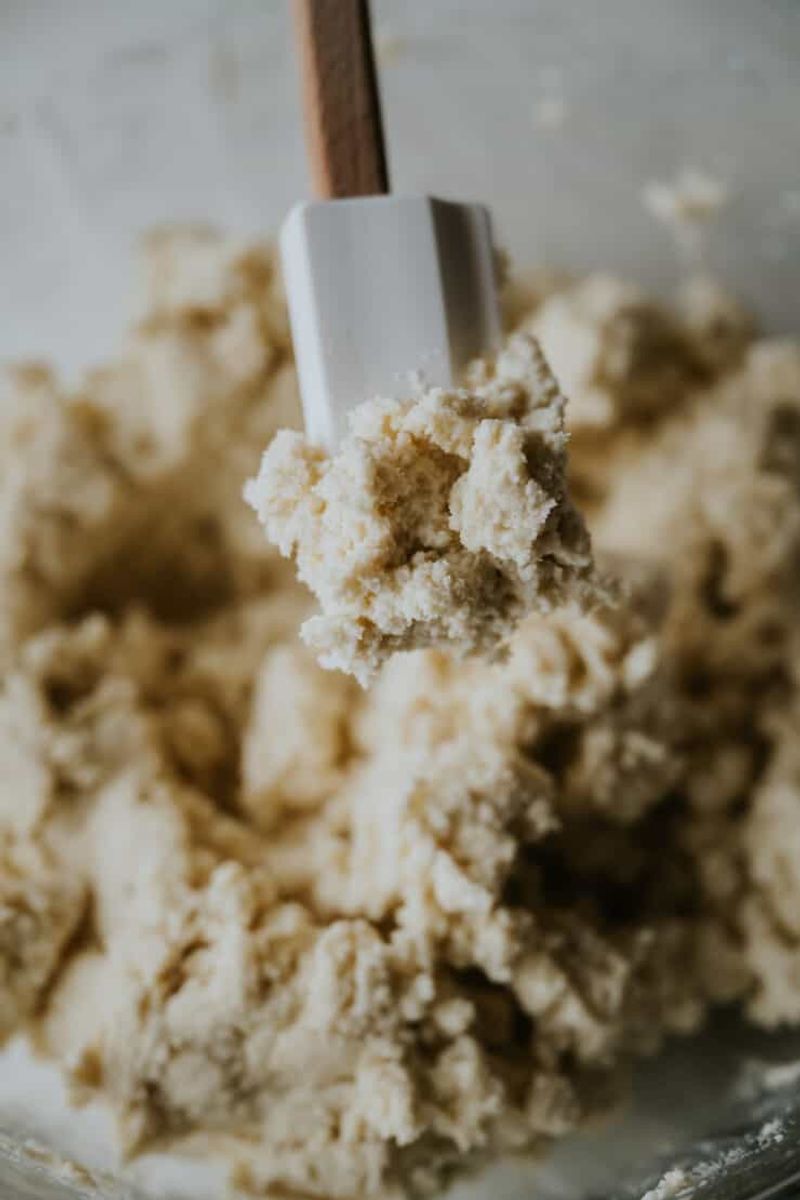
Hydration makes masa smooth instead of gritty. Stir warm liquid into the masa harina before adding fat, then let it rest 10 to 15 minutes.
This pause allows starches to drink up moisture fully and relax.
After resting, the dough spreads more easily and holds air better during whipping. If it still feels sandy, add a splash more liquid and wait a few minutes.
The difference in tenderness later is huge, and it costs almost no effort.
3. Use warm broth, not cold water
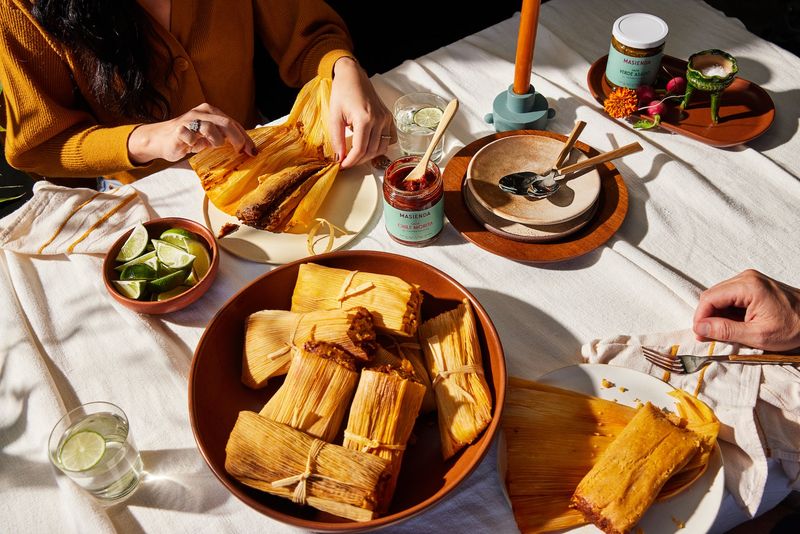
Warm broth hydrates faster and more evenly than cold water, creating a smoother base. Broth adds savory depth so the masa never tastes bland.
Think gentle warmth, not boiling, to avoid cooking the starch early.
Pour gradually while stirring until the mixture loosens and turns creamy. The warmth wakes up aromas and helps seasonings dissolve.
If vegetarian, use vegetable broth with a splash of oil for body. Your dough will feel silkier and steam into a lighter crumb.
4. Whip the fat until fluffy
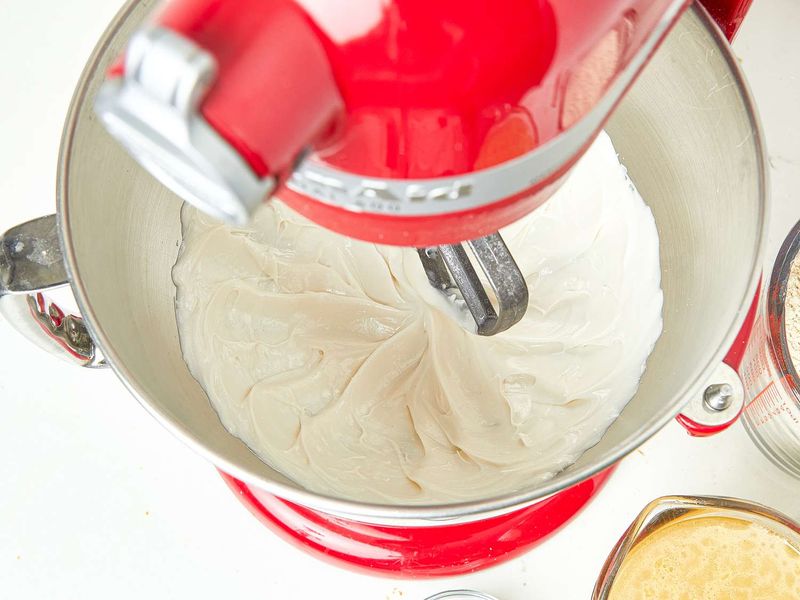
Air is your friend. Whip lard, shortening, or butter until pale and fluffy before adding anything else.
It should look almost like frosting. This traps tiny bubbles that expand gently during steaming, giving the masa lift.
Add salt and baking powder with the fat so they distribute evenly. Scrape the bowl to avoid dense pockets.
When you finally beat in hydrated masa, it blends seamlessly. The payoff is soft, cloudlike tamales without heaviness.
5. Use fresh baking powder
Baking powder gives subtle lift, but only if it is alive. Check expiration dates, and test a pinch in warm water for fizz.
If it is sluggish, replace it. Flat baking powder equals flat masa.
Measure lightly so you do not taste it, typically about one to two teaspoons per large batch. Sift it with salt to prevent clumps.
The goal is gentle buoyancy, not cake-like rise. Your tamales will feel lighter without turning spongy.
6. Do not skimp on fat
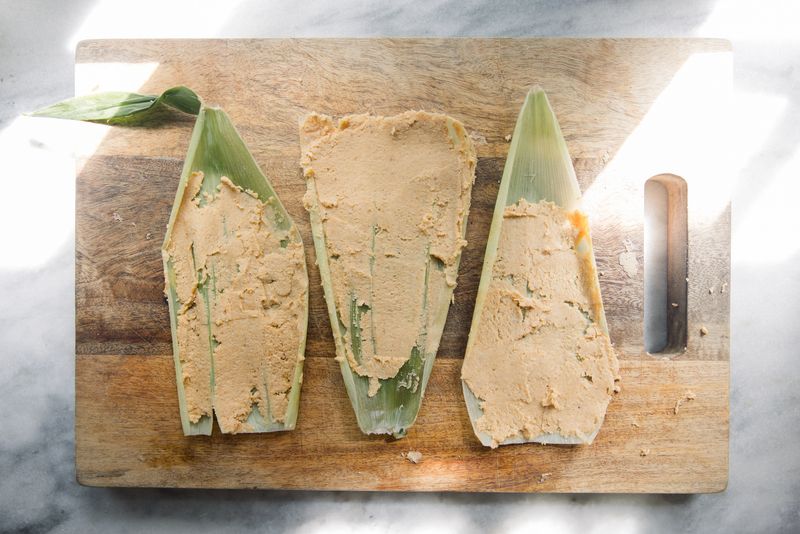
Fat is structure and tenderness in tamales. Go too lean and the masa sets hard, dry, and crumbly.
Use enough whipped fat to keep the crumb soft and moist. It carries flavor and helps the dough spread without cracking.
Choose good lard for classic taste or shortening for neutral results. Butter brings aroma but melts lower, so mix if needed.
Taste the dough. Balanced fat means the tamale stays tender even after reheating.
7. Add broth gradually
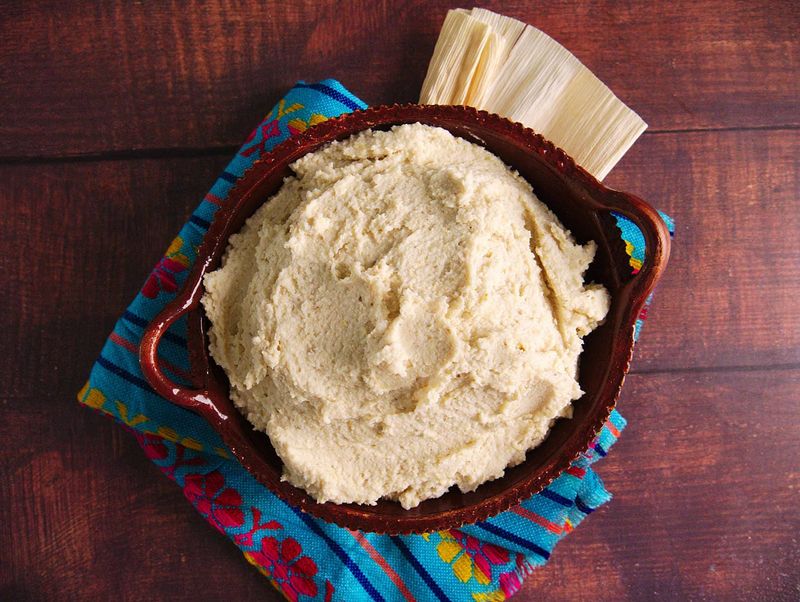
Dumping all the liquid at once makes lumpy, inconsistent dough. Add warm broth slowly with the mixer running on low.
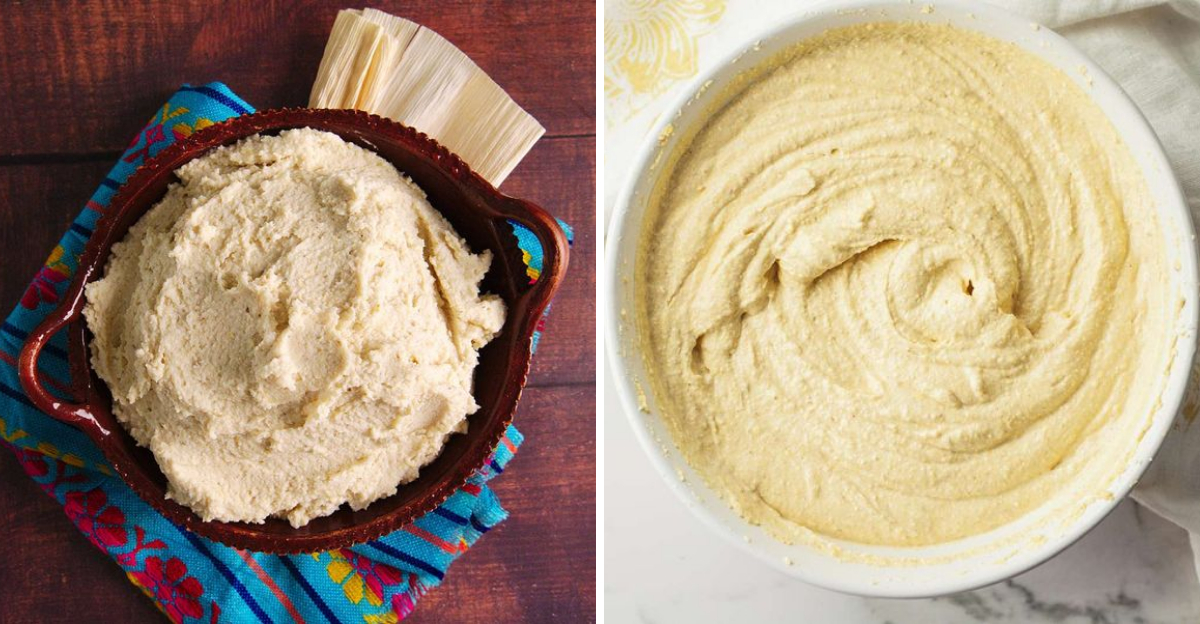
Watch the texture change from stiff to airy and spreadable. Stop when it looks like thick hummus.
This gradual approach lets you adjust for humidity and flour freshness. If you overshoot, the dough can feel pasty and heavy.
Better to creep up on perfect than chase it from the wrong side.
8. Beat the masa longer than you think
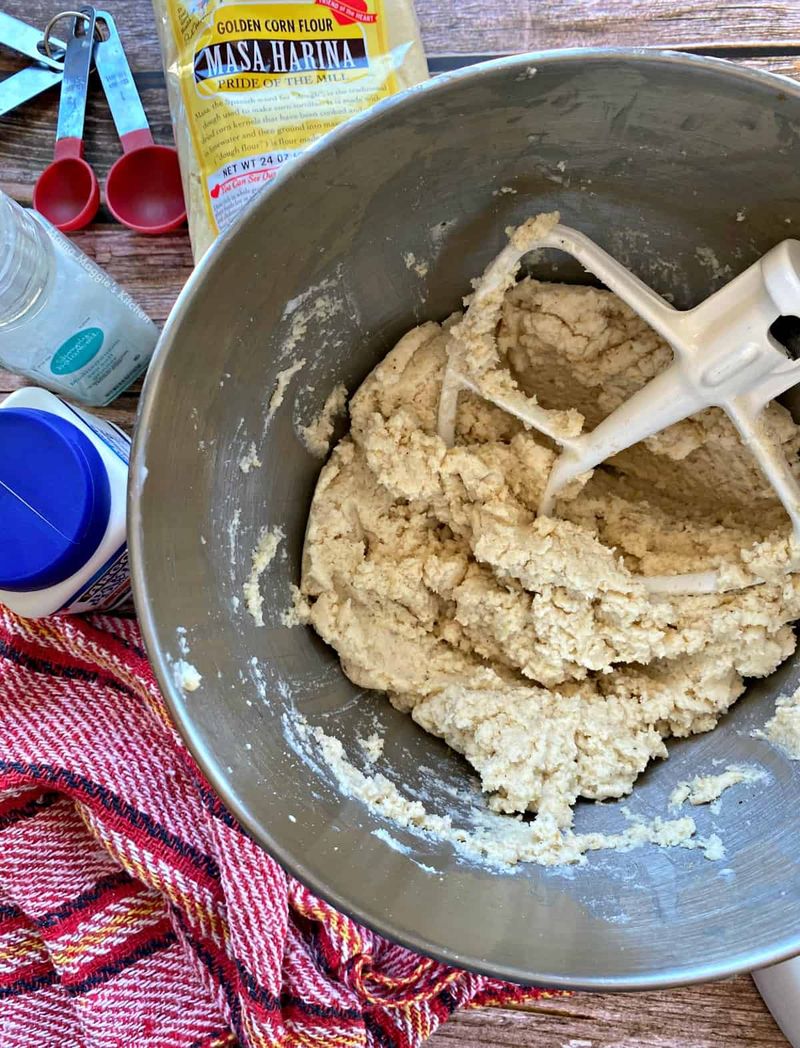
Masa transforms with time and agitation. After combining hydrated flour and whipped fat, keep beating a few minutes longer.
You will see it lighten and hold ridges. Stopping early leaves it dense and dull.
Scrape the bowl and beat again to catch dry spots. The texture should feel buoyant on a spoon.
Extra mixing builds structure without toughness because there is no gluten. Your steamer will reward the patience.
9. Use the float test as a clue
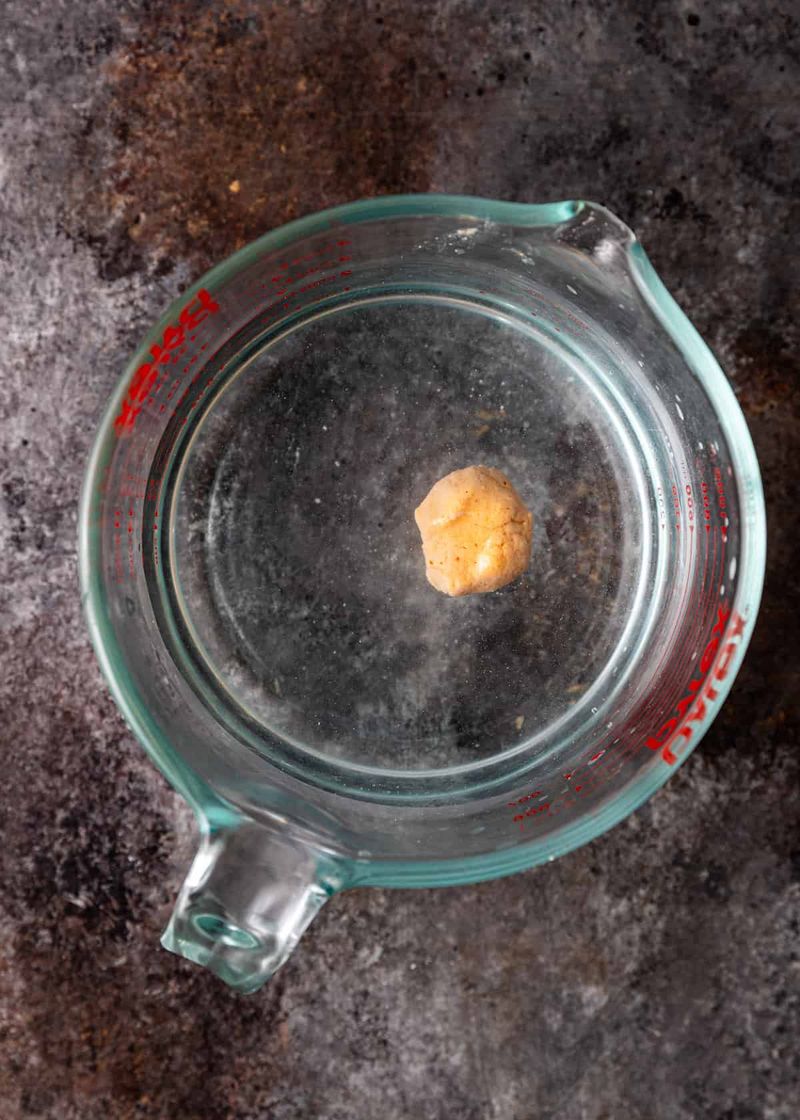
Drop a pea sized bit of masa into water. If it floats, the dough is usually airy enough.
If it sinks, you might need more whipping or a touch more fat. Treat this as a guide, not a strict law.
Humidity, temperature, and filling moisture also affect results. If your dough spreads beautifully and tastes seasoned, you can still succeed without a perfect float.
Use your senses and adjust.
10. Aim for soft, spreadable texture
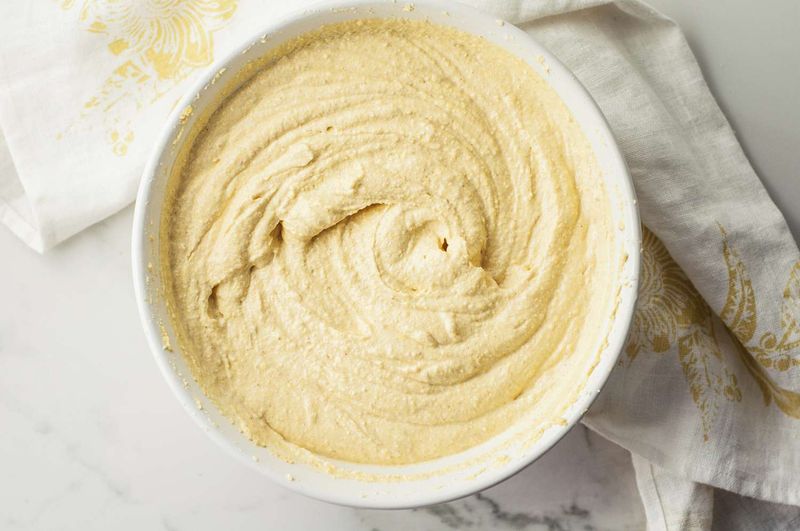
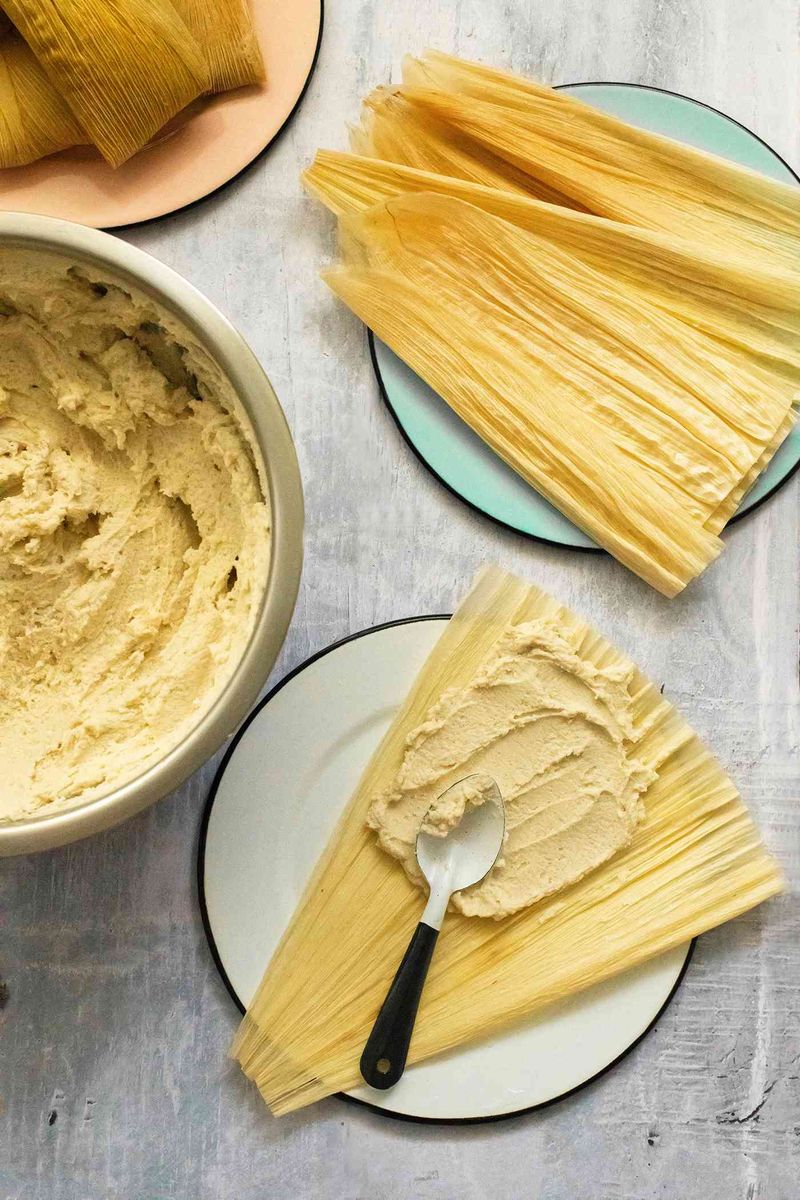
Texture tells you more than numbers. Think peanut butter or thick hummus, not stiff cookie dough.
The masa should spread without tearing the husk and hold a gentle ridge. If it cracks, add a splash of warm broth.
A soft spreadable dough steams into a tender crumb. Too stiff equals dense, pasty tamales.
Too loose leaks and struggles to set. Find that middle and your results stay consistent across batches.
11. Season the masa properly
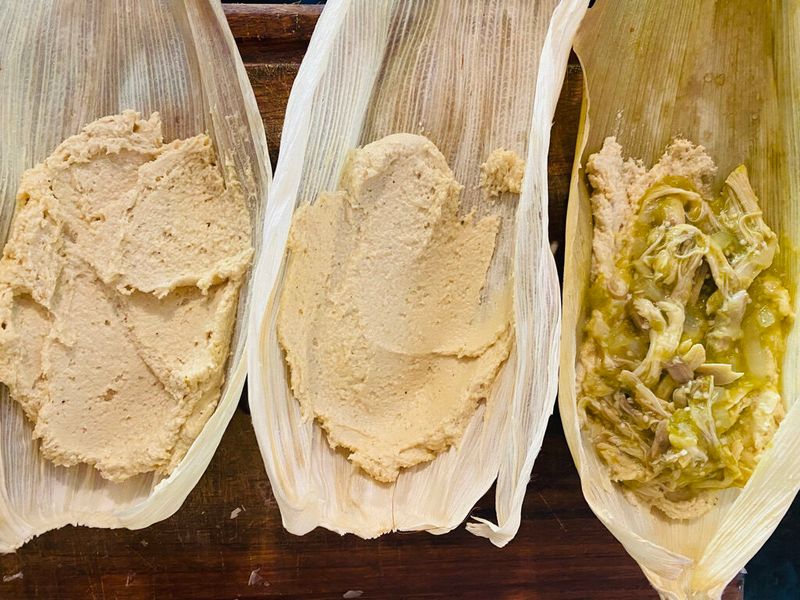
Well seasoned masa tastes lighter because flavor balances richness. Salt early so it dissolves fully in the fat and broth.
Taste the dough before wrapping. You should notice savory corn flavor even without filling.
Layer in subtle spices if you like, such as cumin or garlic powder, but keep it gentle so fillings shine. Remember, bland dough dulls the whole tamale.
Season once, taste twice, adjust carefully.
12. Keep fillings moist, not dry
Dry fillings steal moisture from masa as they steam, leaving tough tamales. Aim for juicy yet not soupy.
Coat meats or veggies in a little sauce or reserved braising liquid. Beans should be creamy, not chalky.
Strain excess liquid that would run, but leave a glossy coating. That moisture migrates into the dough and keeps everything tender.
Balanced filling texture is your secret insurance policy.
13. Do not overfill
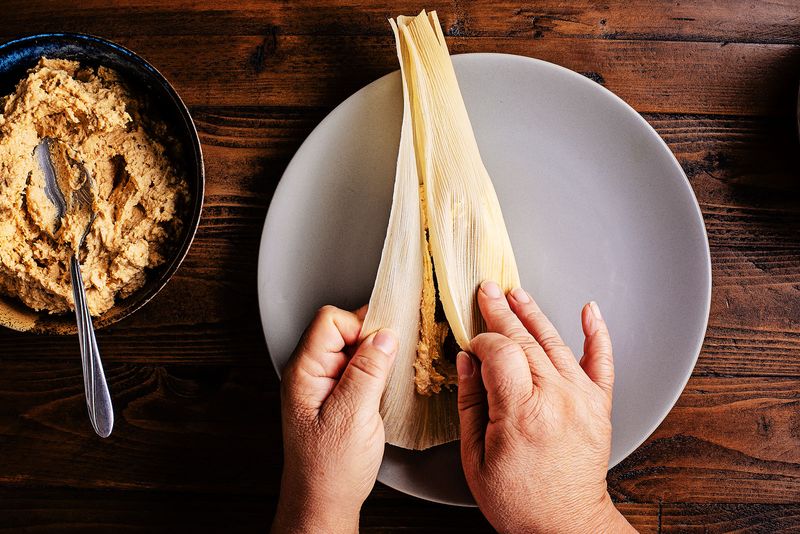
Generosity is great, but overfilling sabotages texture. Too much filling thins the masa in spots and bursts seams.
Steam escapes, and the dough sets unevenly. Use consistent scoops so each tamale cooks the same.
Leave room at the edges for a clean seal, especially at the top. A balanced ratio means the masa can puff slightly and surround the filling.
You will taste both in every bite.
14. Soak corn husks until very flexible
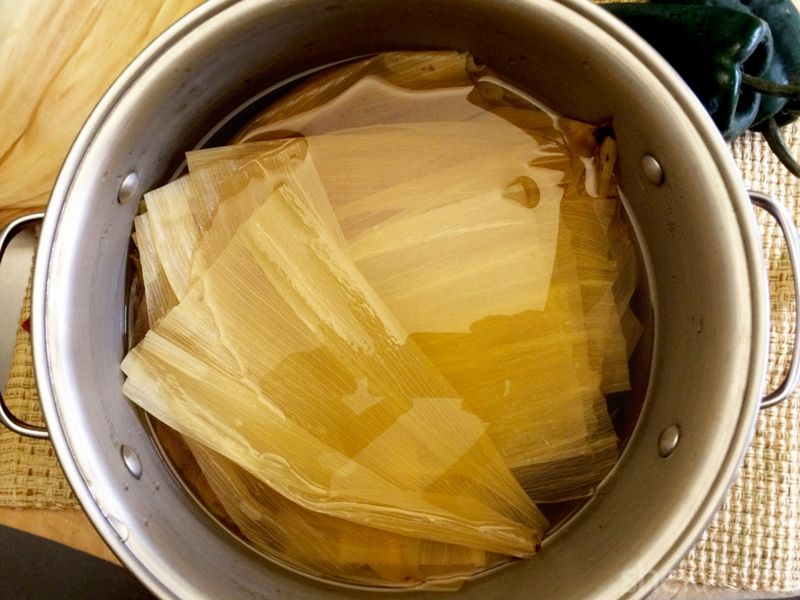
Dry husks crack, tear, and leak steam. Soak them in warm water until floppy and silky, usually 20 to 30 minutes.
Weight them with a plate so every leaf hydrates evenly. Pat dry before spreading masa.
Supple husks wrap tightly and help tamales hold shape upright. Keep a few extras ready for patching thin spots.
Flexible wrappers equal even steaming and tidy bundles.
15. Pack the steamer correctly
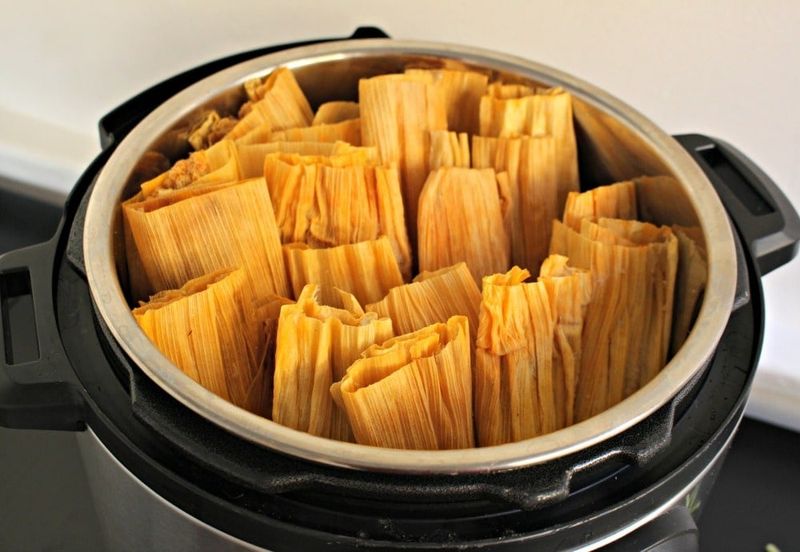
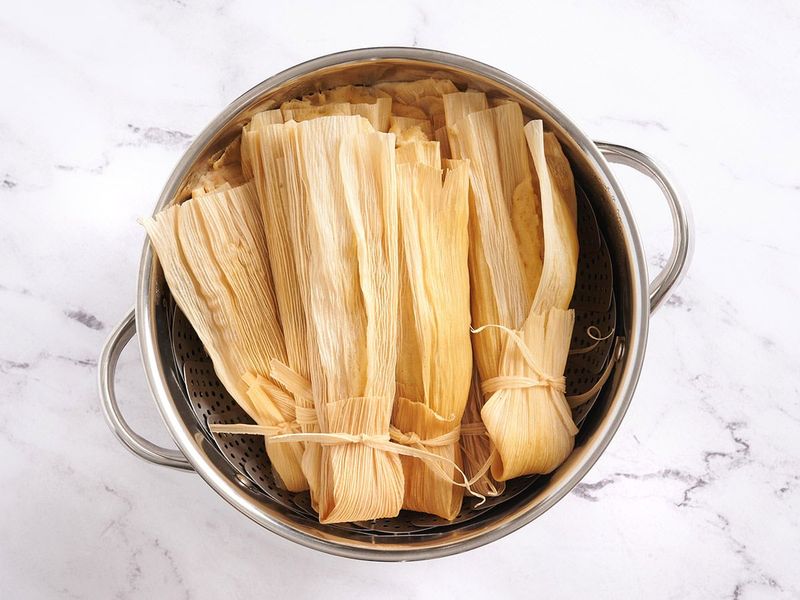
Stand tamales upright with the open end up so steam rises through the dough evenly. Pack them snugly but not crushed, leaving channels for steam.
Line the rack with extra husks to prevent drips.
Place a clean towel under the lid to catch condensation so water does not rain onto tamales. Good airflow and stable positioning prevent soggy tops and dense bottoms.
Your batch cooks evenly from first to last.
16. Keep steady steam the whole time
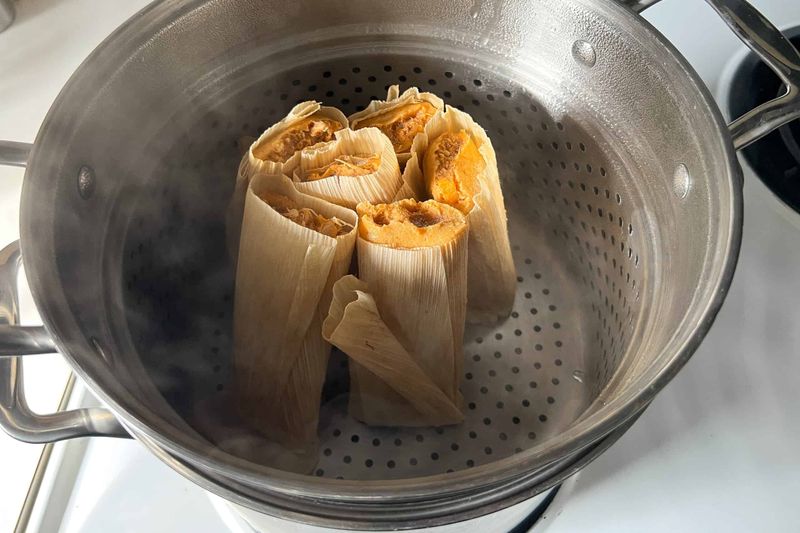
Inconsistent steam leads to undercooked, heavy tamales. Keep the pot at a gentle, constant simmer.
Check water levels often and top up with hot water from a kettle so the temperature does not crash.
Listen for a steady hiss, not frantic boiling. If steam fades, the dough sets poorly and sticks to husks.
Consistency delivers light, fully cooked tamales throughout the batch.
17. Do not rush the cook time
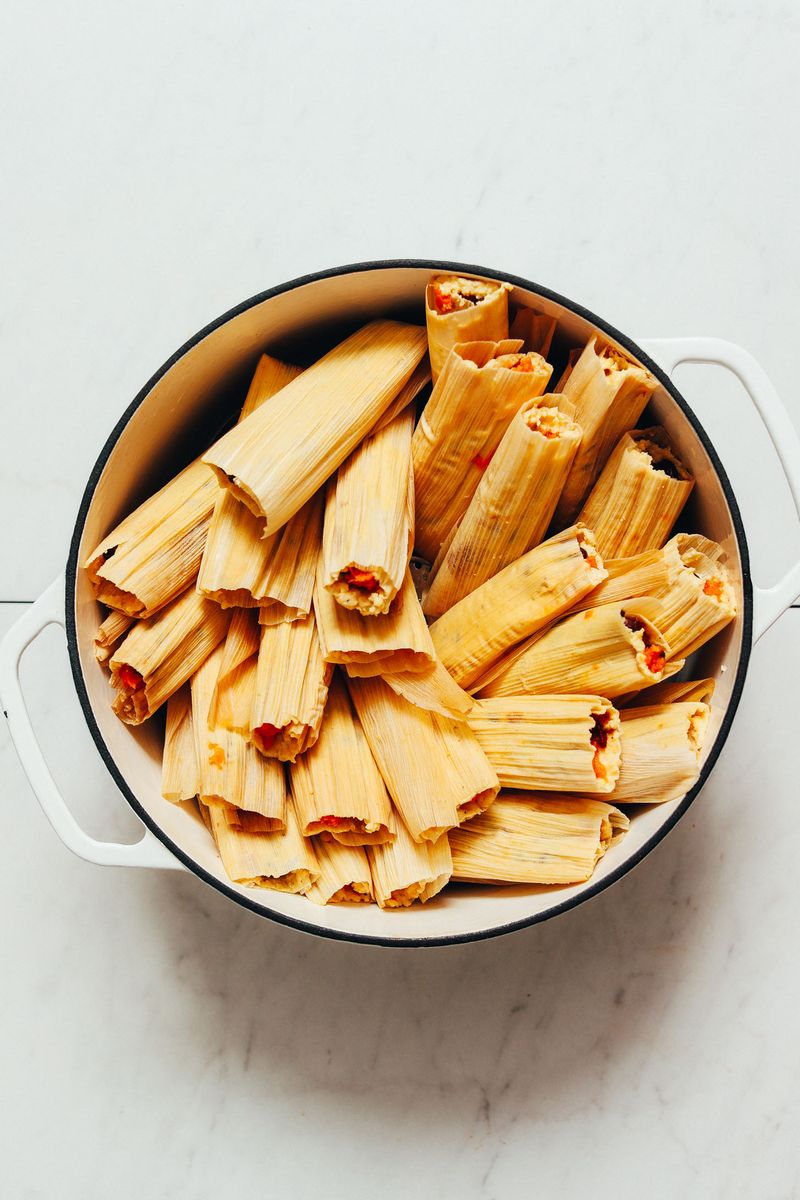
Tamales need time for starches to gel and set tenderly. Cutting the cook short leaves wet, dense centers.
Follow your recipe’s timing, then test one. The husk should peel back cleanly, and the masa should feel set yet soft.
If not ready, reseal and keep steaming in short intervals. Patience protects texture, especially with larger tamales or heavy fillings.
Rushing is the easiest way to ruin a light crumb.