17 Techniques Restaurants Use To Maintain Flavor Standards
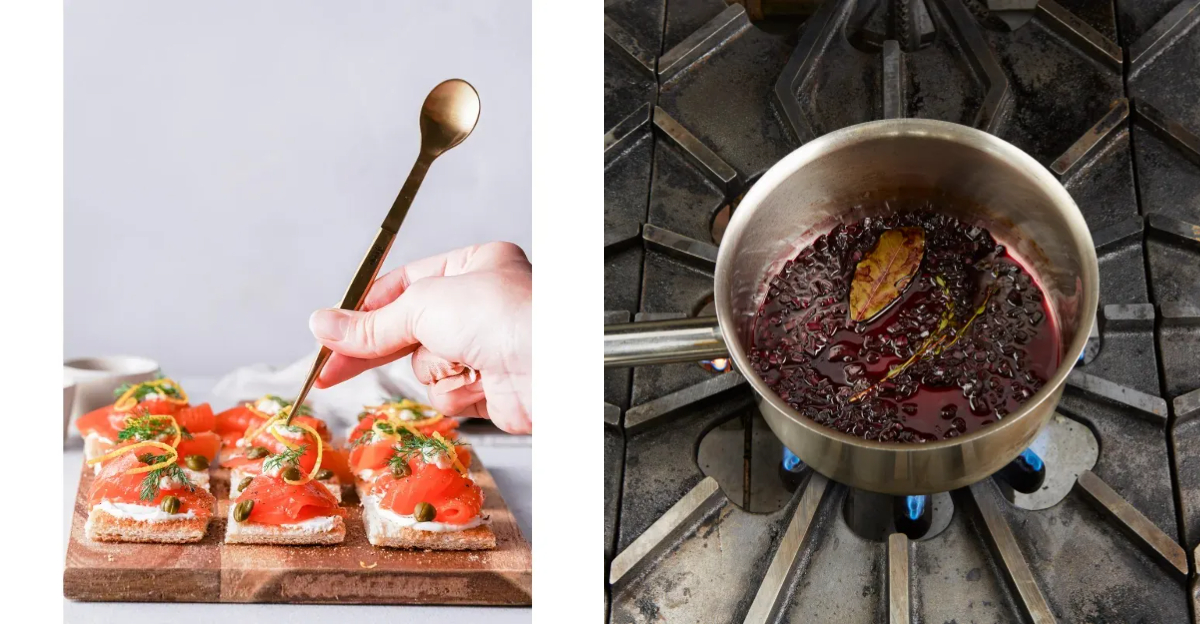
Ever wonder how your favorite dish tastes the same every visit, even with different cooks on the line? Restaurants build simple, repeatable systems that lock in flavor like a dial, not a guess.
You can borrow these tricks at home to make your food taste reliably great every time. Let’s peek behind the pass and see how pros keep standards rock solid.
1. Tight recipes with weighed measurements
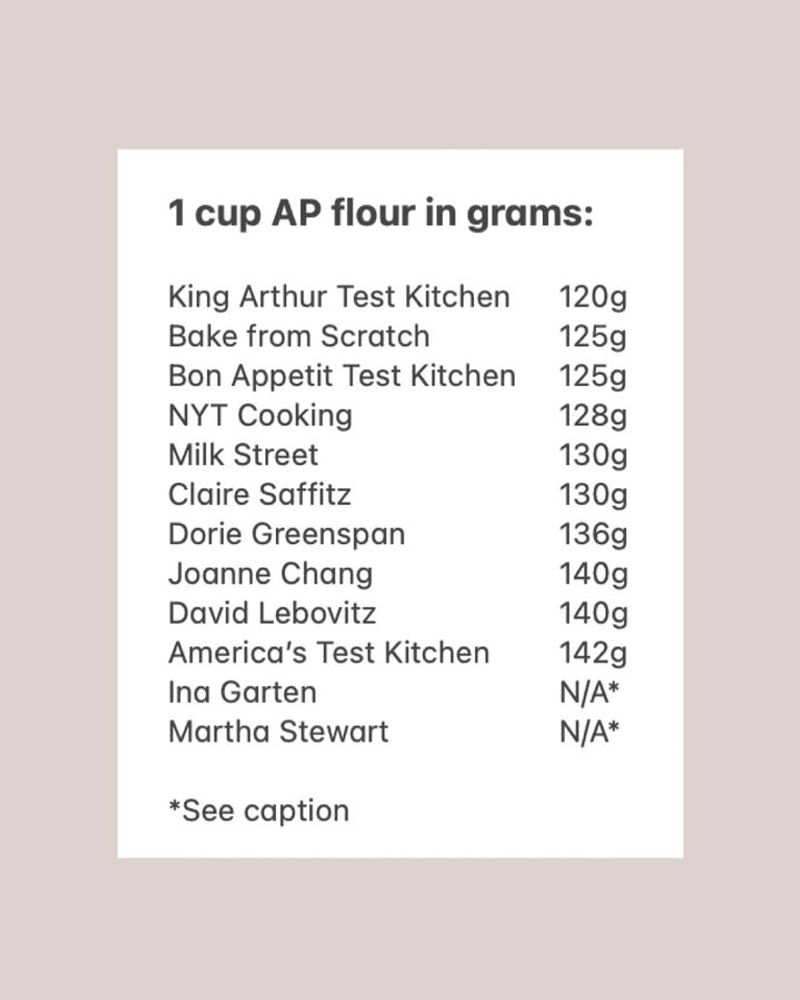
Pros do not guess with a handful of salt. They weigh salt, sugar, acids, and spices so the same baseline shows up every time.
When grams replace pinches, your palate stops playing roulette and starts building trust.
A digital scale paired with tight recipes eliminates drift across shifts. Cooks can replicate a dish even when distracted because the numbers tell them exactly where to land.
It also speeds training, since new staff can hit standards faster.
Weighed measurements protect you from subtle ingredient variation. Coarse salt versus fine salt becomes a nonissue, and spice potency changes matter less.
If you want consistent flavor, make the scale your most used tool.
2. Standardized seasoning blends
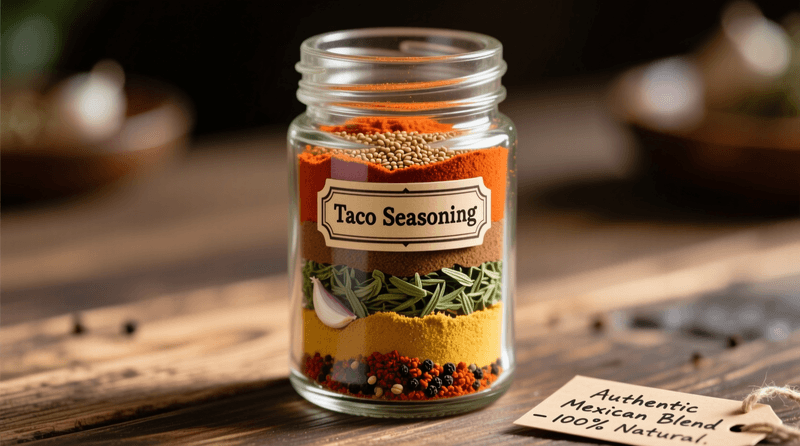
House-made blends keep a signature flavor locked in, day after day. Pre-measured packets ride the line, so nobody leans salty one day and timid the next.
You taste the brand, not the cook’s mood.
Standardizing blends reduces decision fatigue during the rush. Instead of grabbing five jars, cooks reach for one labeled mix that has been tested and approved.
The math gets done once, then bottled for speed and reliability.
It also helps with purchasing and freshness cycles. Spices rotate together, and stale jars do not sabotage a sauce.
If consistency is your goal, build a master blend, portion it tightly, and guard it like the house style guide.
3. Tasting as a job, not an afterthought
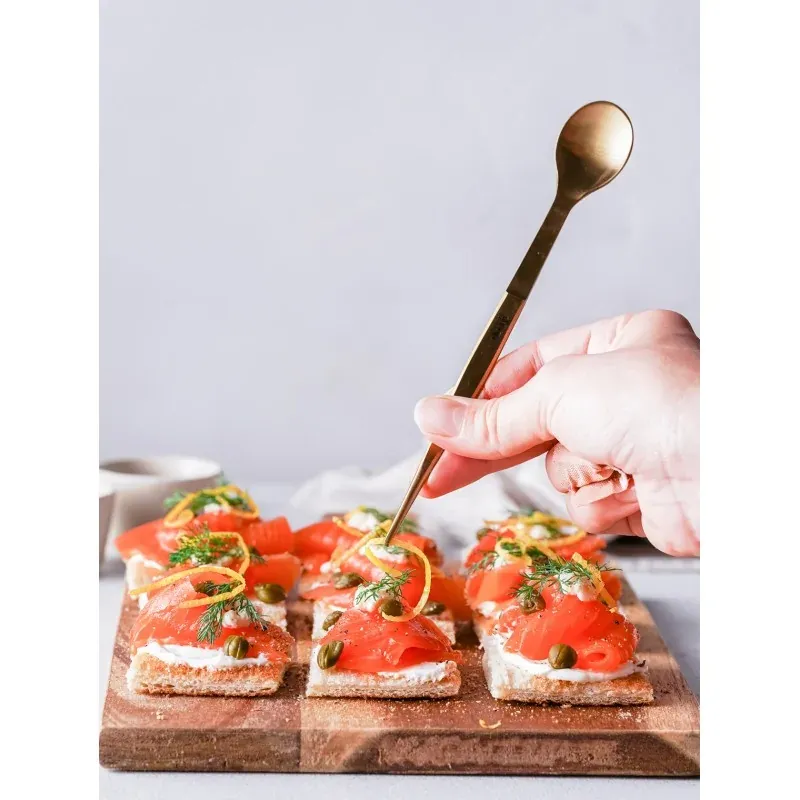
Professional kitchens taste constantly. Sauces, soups, dressings, and specials get checked at batch time, before service, and mid-rush.
Treat tasting like a station task, not a favor.
Set a cup of clean tasting spoons at every station and make it part of the workflow. When a cook reduces a pan sauce, they taste and adjust, then taste again after finishing fat or acid.
That loop prevents drift and catches issues early.
Calibration is contagious. When everyone tastes the same pot, standards align and feedback improves.
Build the habit: taste for salt, acid, sweetness, bitterness, heat, and texture. If you do not measure with your palate, your guests will do it for you.
4. Building flavor bases in batches
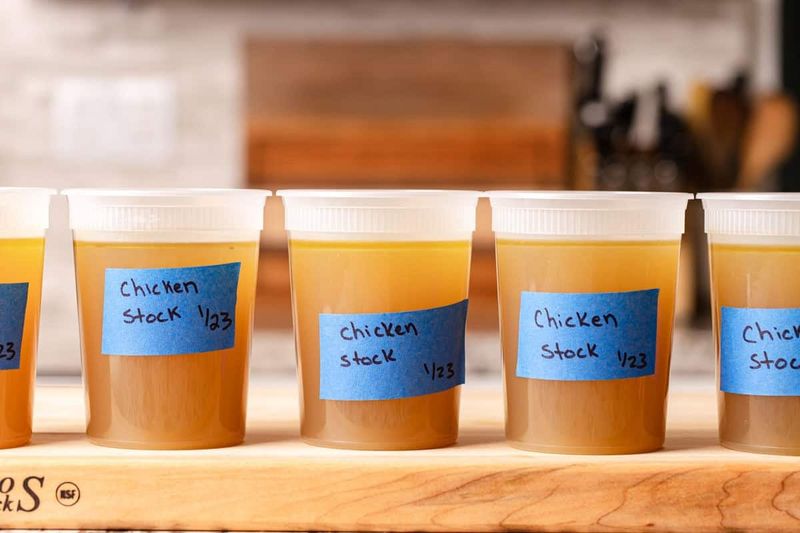
Restaurants batch the building blocks. Stocks, broths, mother sauces, and reductions get made in volume so the core note stays steady across dozens of plates.
That baseline carries dishes even when line chaos hits.
Batched bases are tested, then portioned for service in quarts or pints. When the line fires, cooks start from a reliable foundation instead of winging it.
The result is speed plus repeatability.
It also tightens purchasing and waste. Bones, trim, and aromatics turn into liquid gold that defines the menu’s voice.
If you want reliable flavor, build your base on a calm day, label it, chill it right, and taste it before the rush.
5. Using high-impact foundation ingredients
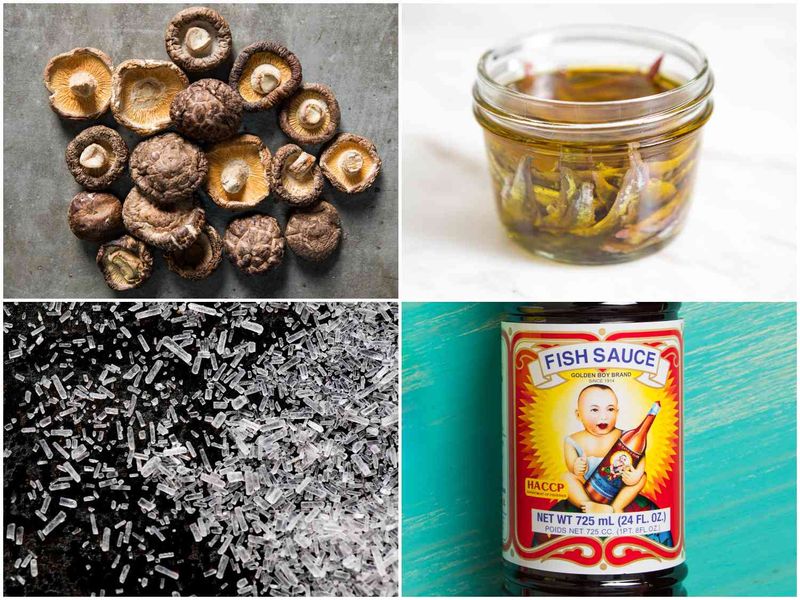
Chefs lean on umami anchors like soy sauce, fish sauce, anchovy, parmesan rinds, tomato paste, and strong mustard. These ingredients set a dependable savoriness that reads as signature.
Tiny amounts move the needle predictably.
Using foundation ingredients turns a good sauce into a memorable one. A teaspoon of fish sauce in chili, or tomato paste bloomed for stew, deepens flavor without shouting.
The trick is measured, intentional use.
Because their intensity is consistent, they behave like a stabilizer across batches. Once you dial in the ratio, you get the same payoff nightly.
Keep them labeled and ready, and note exact amounts on recipes so everyone hits the same chord.
6. Blooming spices and tomato paste
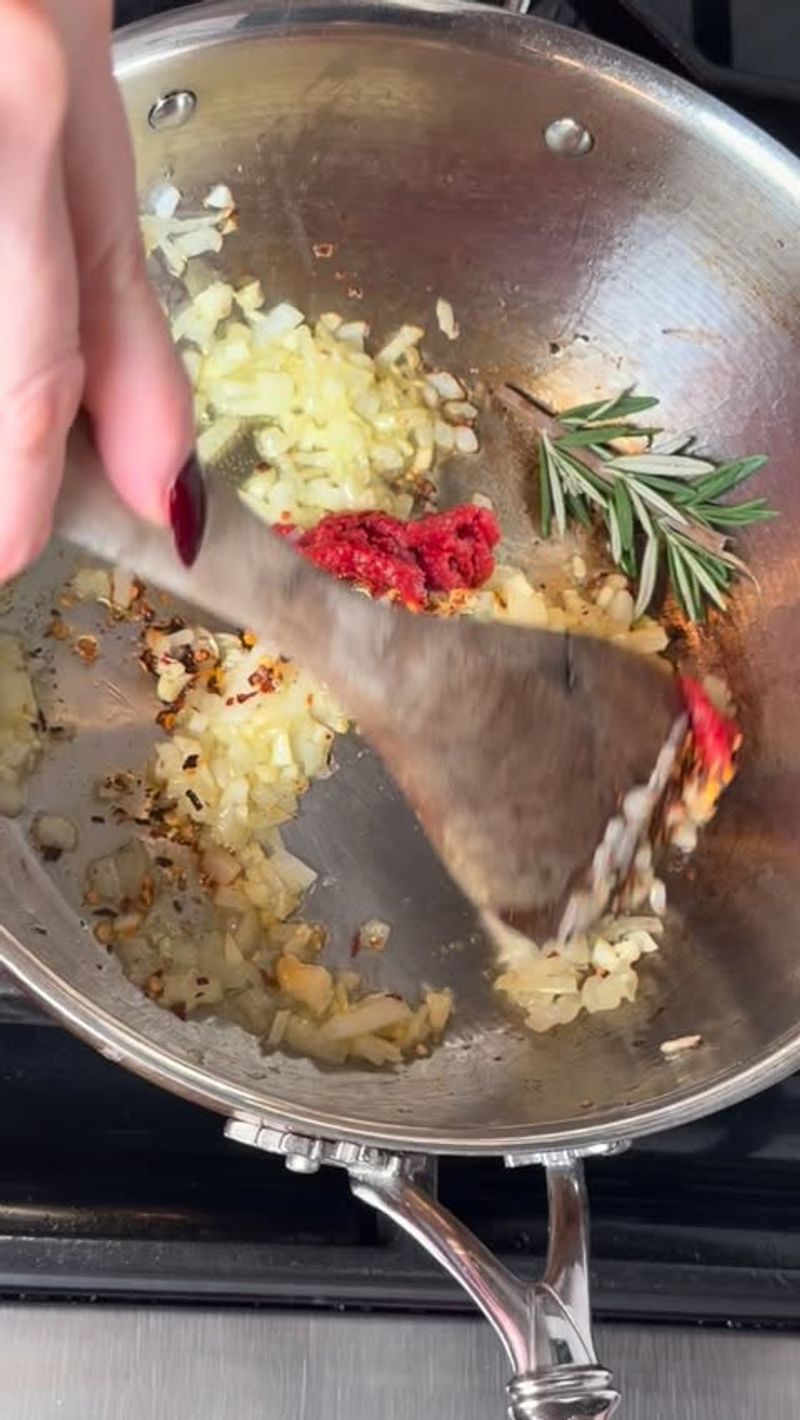
Toasting spices in fat wakes up volatile aromas that water cannot unlock. Cooking tomato paste until it darkens transforms raw acidity into round sweetness and depth.
These quick moves deliver a consistent restaurant taste fast.
The key is control. Medium heat, stir frequently, and watch color and smell as your guide.
When spices smell nutty and paste turns brick red, you have hit the mark.
Record timing and heat settings for your stove so different cooks can repeat it. Blooming is small, but it compounds across the menu.
Do it right and your sauces start delicious before salt or cream shows up.
7. Proper salting in layers
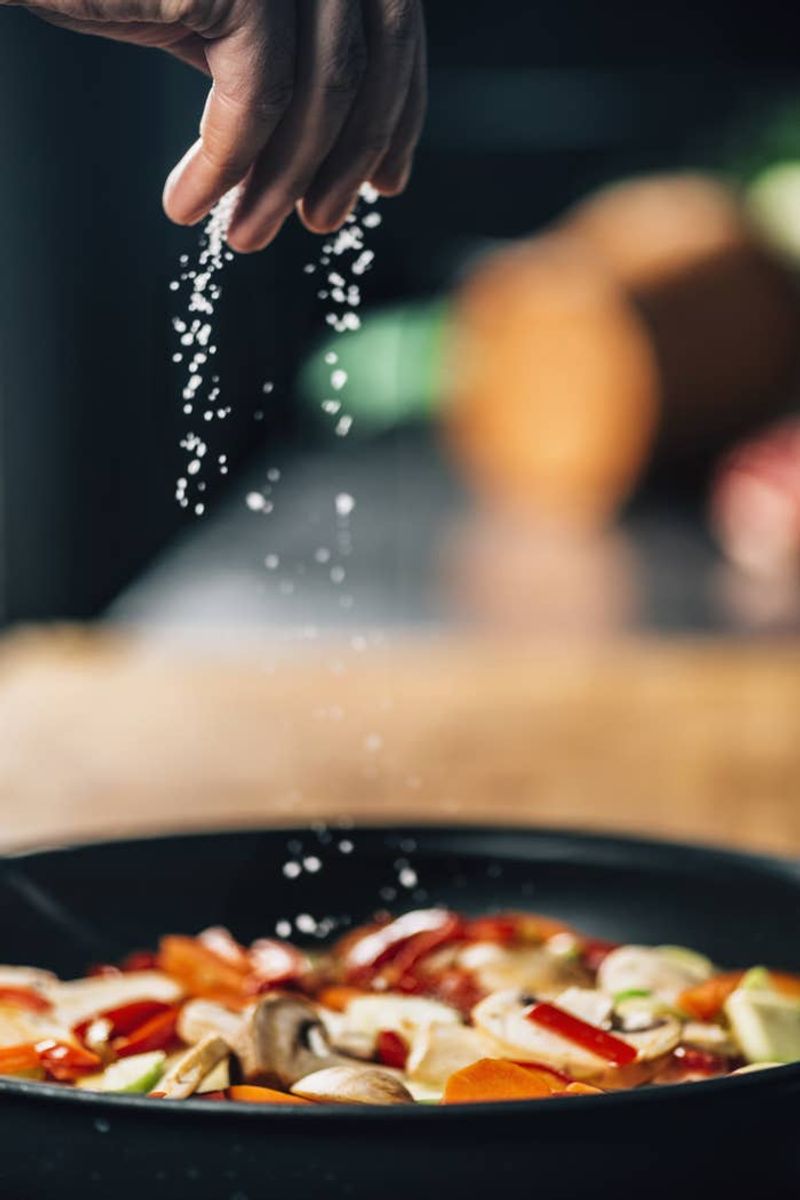
Even seasoning comes from layering salt, not dumping at the end. Vegetables get a pinch as they sauté, proteins get seasoned before sear, and sauces get checked after reduction.
Each step seasons the bite, not just the surface.
Layering controls water movement and browning. Early salt helps draw moisture for better caramelization, then later salt fine-tunes the finish.
The result tastes integrated, never salty on top and bland underneath.
Write salting cues into recipes: pre-salt times, amounts by weight, and finishing notes. Train cooks to taste after heat changes.
With layers, your food carries flavor through every crumb, sip, and slice.
8. Acid control with lemon, vinegar, and wine
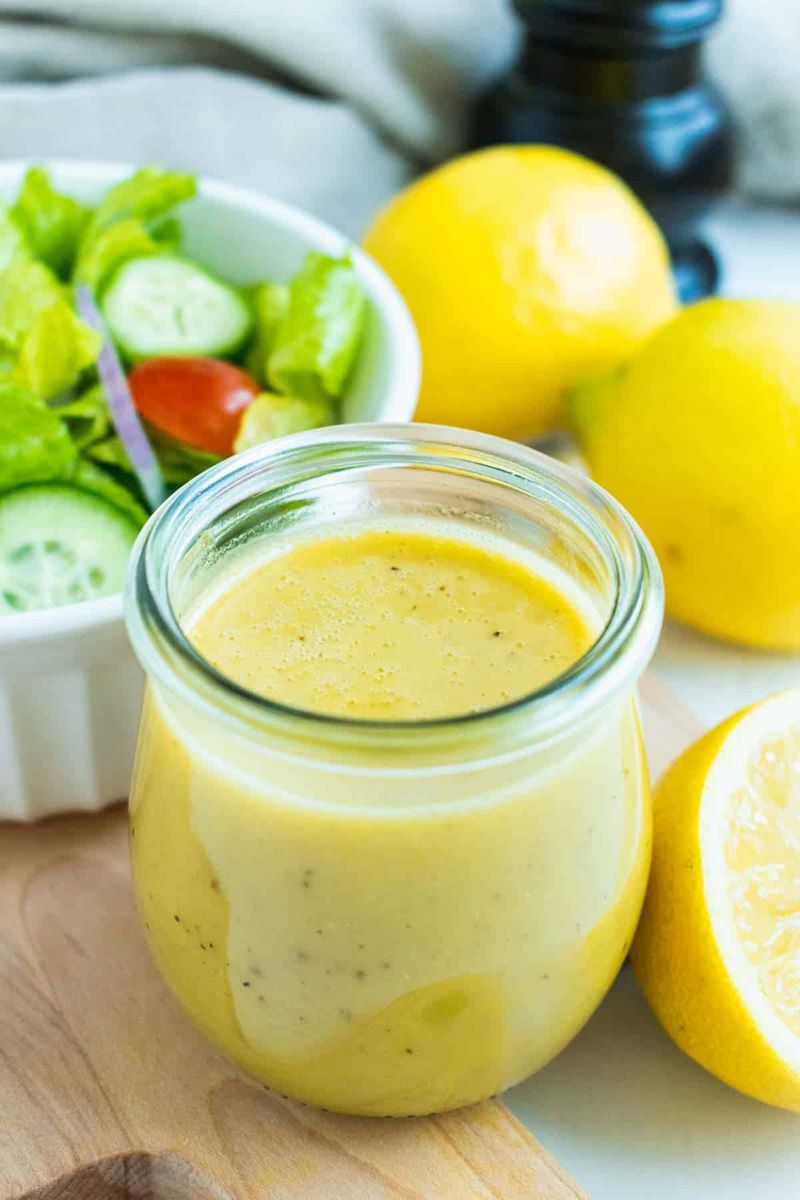
Acid is a dial for brightness. Kitchens use measured splashes of lemon, vinegar, or wine to land dishes at the same sparkle every time.
That last squeeze can rescue dull flavors or balance rich sauces.
Write target amounts on recipes and keep squeeze bottles labeled. Train your palate to recognize the moment flavors lift then settle.
Over-acidified food tastes thin, so aim for clarity, not sharpness.
Finishing acids should hit off heat or near service. Taste with a clean spoon and note how salt reads differently after acid.
When you control acidity, you control perception of sweetness, bitterness, and umami too.
9. Finishing fats for aroma and shine
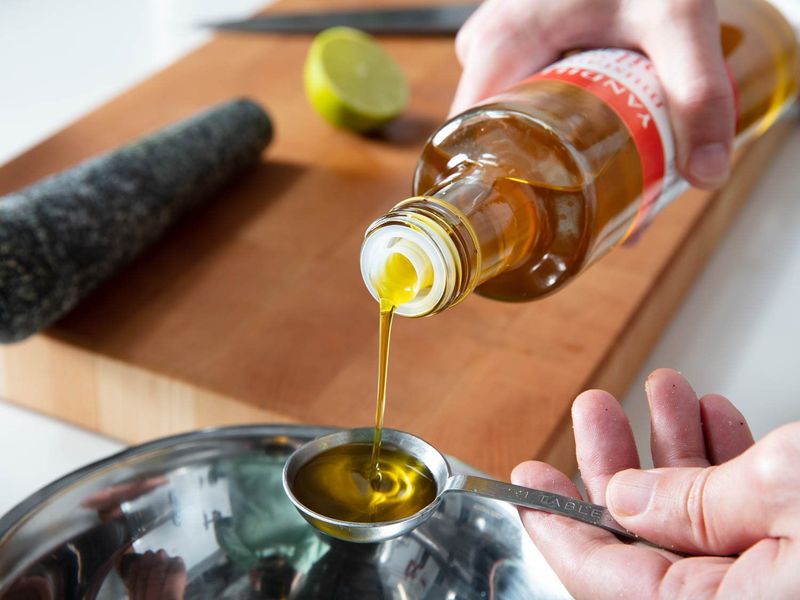
Butter, olive oil, sesame oil, chili oil, and browned butter add aroma and gloss that read as restaurant-level. Added at the end, they perfume the dish without breaking under heat.
The sheen tells guests you cared.
Keep finishing fats distinct from cooking fats. Measure them, note timing, and swirl them in off heat to avoid splitting.
A teaspoon of sesame oil or a knob of butter can lock flavors together beautifully.
Write precise amounts and cues: swirl until glossy, nappe test on spoon. Cooks follow the cue, guests taste the standard.
Finish deliberately, not casually, and you will see your plates come alive.
10. Using reductions for concentration
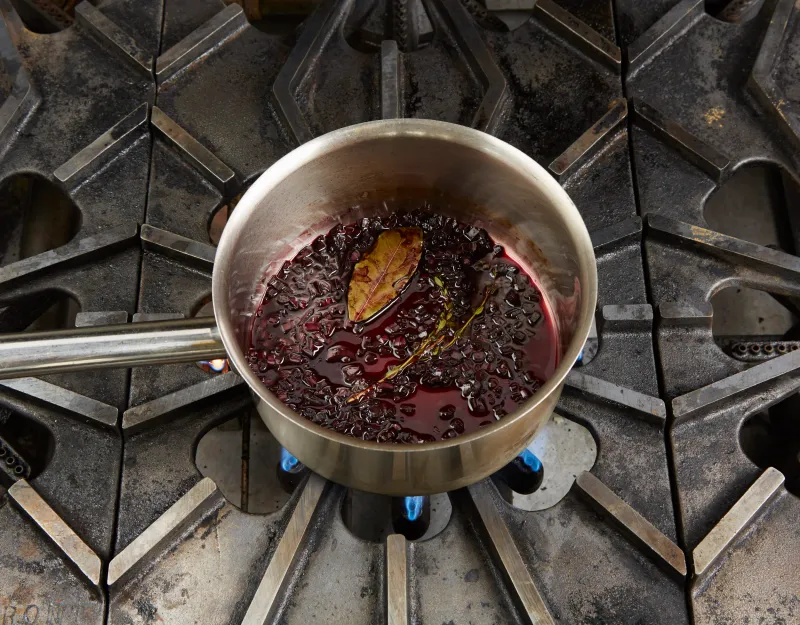
Intensity comes from evaporation. Reductions drive off water so flavors tighten, sweetness concentrates, and texture turns silky.
Restaurants rely on wide pans and steady heat to hit that sweet, glossy nappe.
Mark target volumes on recipes, like reduce to one third. Use consistent pan size, heat setting, and time windows, then taste for seasoning after reduction.
Salt reads stronger once liquid shrinks, so add gradually.
Reduction also stabilizes sauce behavior on the pass. It clings predictably, portions evenly, and reheats better.
Track your reduction endpoint visually and by weight, and the line will nail it every time.
11. Controlled heat and timing

Same temperature, same time, same doneness targets. Consistency in heat application equals consistency in flavor.
Sear needs hot pans, braises need low, steady bubbles, and grill marks demand patience.
Timers and thermometers remove guesswork. Document burner settings, pan choices, and rest times.
If a steak rests five minutes on a rack today, it should tomorrow too.
Teach cues for sight, sound, and smell. Butter foaming tells you heat is right; onion sizzle reveals pan temperature.
Write it down, repeat it, and flavor stops drifting with the cook’s mood.
12. Mise en place that is truly prepped
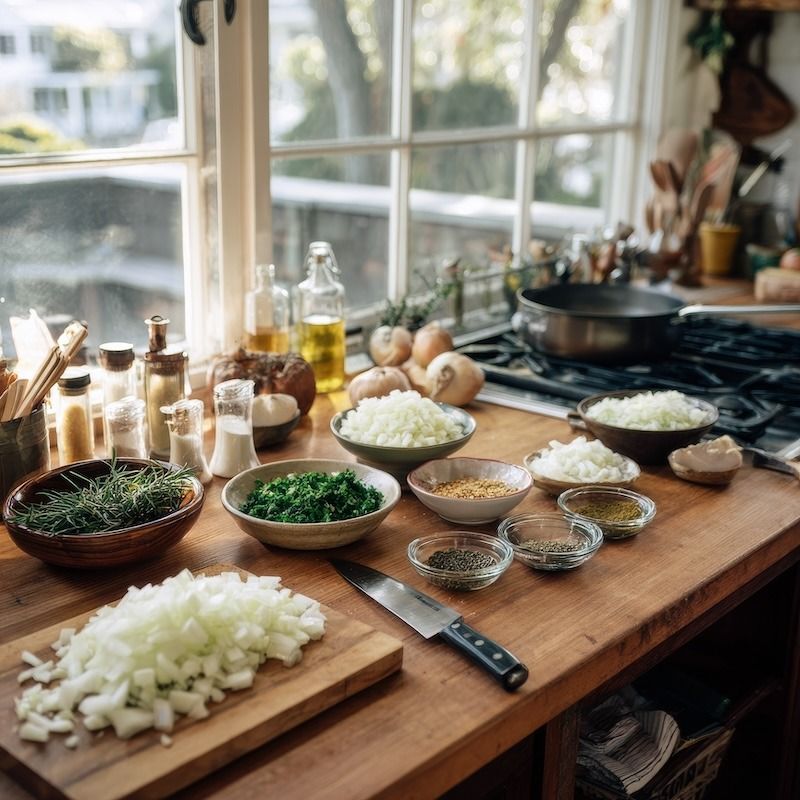
Real mise en place is prepared to the spec, not just chopped. Herbs are dry and fresh, proteins portioned, sauces strained, and seasonings pre-measured.
When the board is right, execution becomes plug-and-play.
Inconsistent prep equals inconsistent flavor. Wet herbs dilute dressings, ragged cuts cook unevenly, and missing garnishes alter balance.
A tight station keeps the plan intact through the rush.
Build a prep list with quantities, containers, and finish dates. Label everything, taste spot-checks, and replace tired items.
Organized prep is flavor insurance you cash in every ticket.
13. Portioning and ladle control
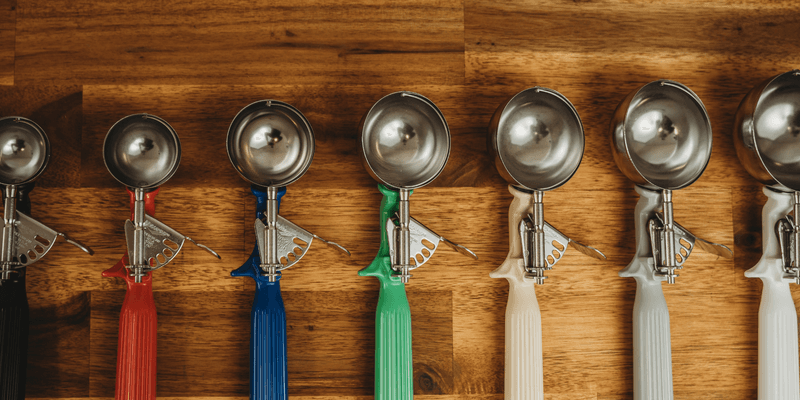
Portion tools keep flavor ratios balanced. The same ladle of sauce, the same scoop of mash, and the same protein weight make a dish taste as intended.
Extra sauce can drown seasoning; too little makes it flat.
Use color-coded ladles and a scale. Document portion sizes on station diagrams and train muscle memory.
During service, quick checks prevent creep as fatigue sets in.
Guests remember how a plate ate, not just how it looked. If portions swing, the flavor story does too.
Lock it down with the right tool for each component and your standards will hold.
14. Holding foods correctly
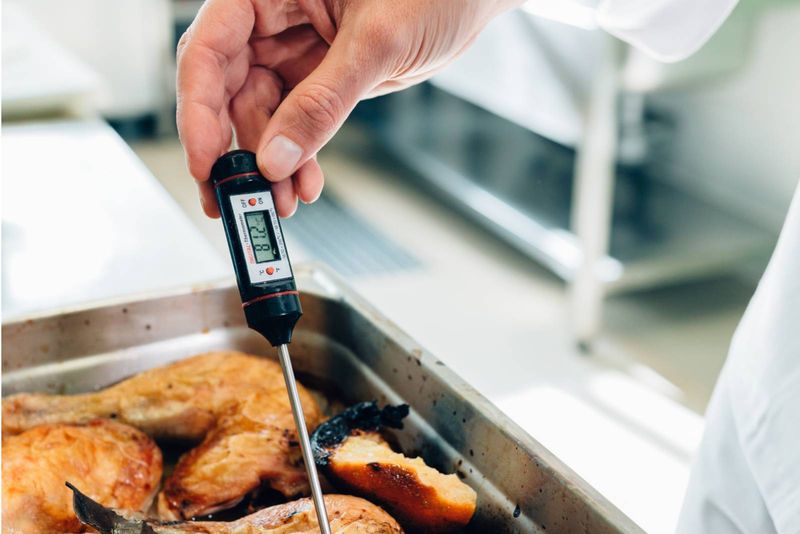
Flavor collapses when holding goes wrong. Soups need to stay hot enough, salads cold and crisp, fried items vented and elevated, and proteins rested properly.
The right zone protects texture and taste.
Use calibrated thermometers and timers. Vent fried foods so steam escapes, keep greens dry, and hold sauces gently to prevent breaking.
Document safe ranges and rotate product often.
Proper holding keeps seasoning perception steady. A soggy fry reads bland, a wilted salad tastes dull, and a broken sauce turns sharp.
Hold with intent and your flavor survives the wait to the table.
15. Using chef fixes during service
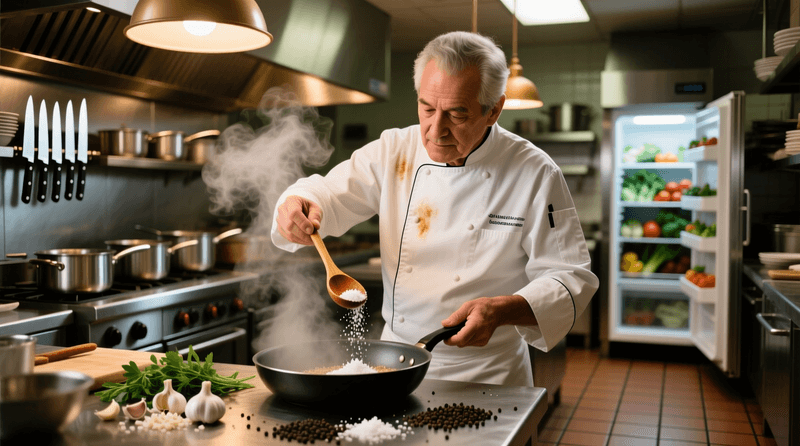
Service demands quick corrections. A touch more acid, a spoon of stock, a pinch of salt, or a knob of butter can snap a dish back to spec.
These micro-adjustments live at every station.
Teach a toolbox: salt for dullness, acid for heaviness, sweetness for harshness, fat for thin flavors, heat for balance. Cooks learn to taste, diagnose, and fix in seconds.
Write common fixes on station guides so new staff can act with confidence. Keep the tools reachable and clean.
When the rail is packed, small moves make big saves.
16. Training on what done looks and tastes like
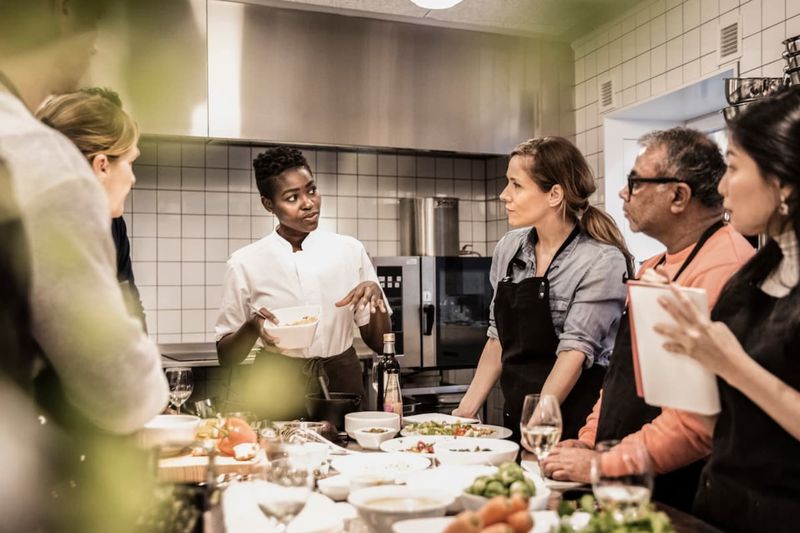
Standards live in senses. Training covers color, aroma, texture, and exact flavor targets, not just times and temperatures.
Teams literally taste the bite that defines done.
Use exemplars: a perfect risotto spoon, correctly reduced glaze, steak doneness across slices. Cooks learn checkpoints they can reproduce under pressure.
Notes and photos turn subjective into sharable.
Refresh often. Palates drift, new staff join, and menu items evolve.
When everyone shares the same mental picture and flavor memory, consistency follows naturally.
17. Daily calibration and feedback

Before service, teams taste key components together. Soups, sauces, sides, and dressings get checked, notes made, and small tweaks locked in.
That shared benchmark aligns palates for the night.
Calibration also builds culture. When cooks speak the same flavor language, feedback becomes fast and specific.
You catch problems at lineup, not at table 12.
Document adjustments on the board and update recipes if changes stick. Repetition cements the target.
A two-minute ritual can protect hundreds of plates from drifting off standard.