
17 Vegetables Often Considered Healthier When Cooked
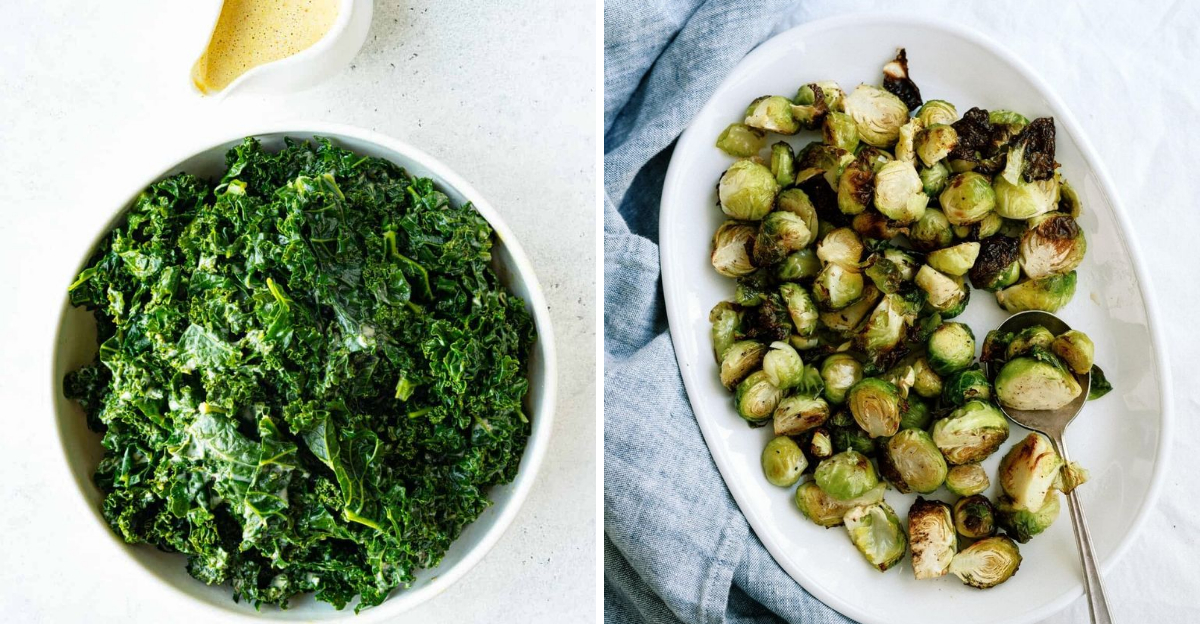
Think raw is always best? Not for these vegetables.
A little heat can unlock more antioxidants, improve digestibility, and make you want to eat bigger, more satisfying portions. From silky eggplant to sweet, caramelized carrots, cooking can actually level up nutrition and flavor at the same time.
Let’s turn up the heat and make your veggies work harder for you.
1. Tomatoes
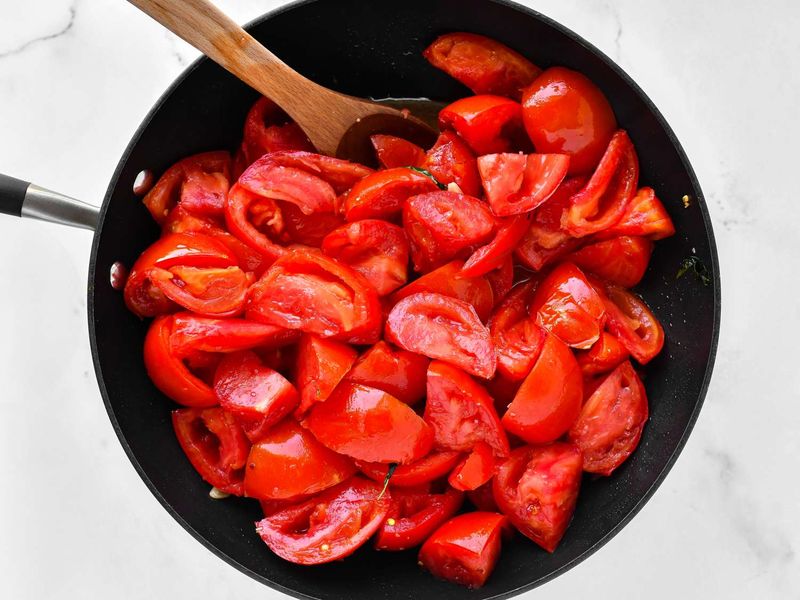
Tomatoes become a powerhouse when heat breaks down cell walls, releasing more lycopene for your body to absorb. Roasting or simmering concentrates flavor, so you naturally eat more without trying.
Think marinara, tomato soup, and slow-roasted halves that taste like summer.
Choose olive oil to help your body use fat-soluble carotenoids effectively. Keep the simmer gentle to preserve bright acidity, and season with garlic for an extra antioxidant nudge.
If canned is easier, go for whole peeled tomatoes with minimal additives. You will love how satisfying and practical cooked tomatoes make weeknight meals.
2. Carrots
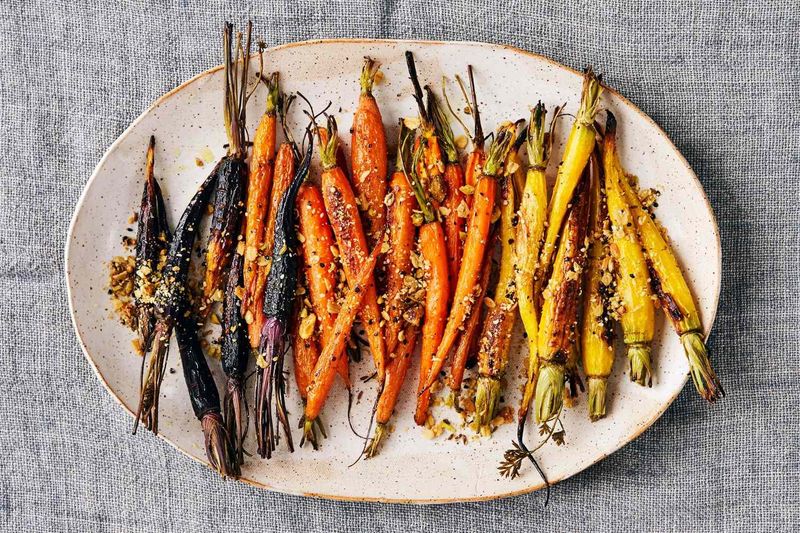
Heat unlocks beta-carotene in carrots, making it easier for your body to convert into vitamin A. Roasted, steamed, or sautéed, they turn sweet and tender, encouraging bigger portions without much effort.
That caramelized edge you get from roasting feels indulgent yet incredibly nourishing.
Slice thick for a meaty bite, or steam coins for quick sides. Pair with a drizzle of olive oil or tahini so the carotenoids ride along with fat.
Add cumin or coriander to deepen the sweetness. If you usually skip raw sticks, cooked carrots will likely become your new easy, everyday staple.
3. Spinach
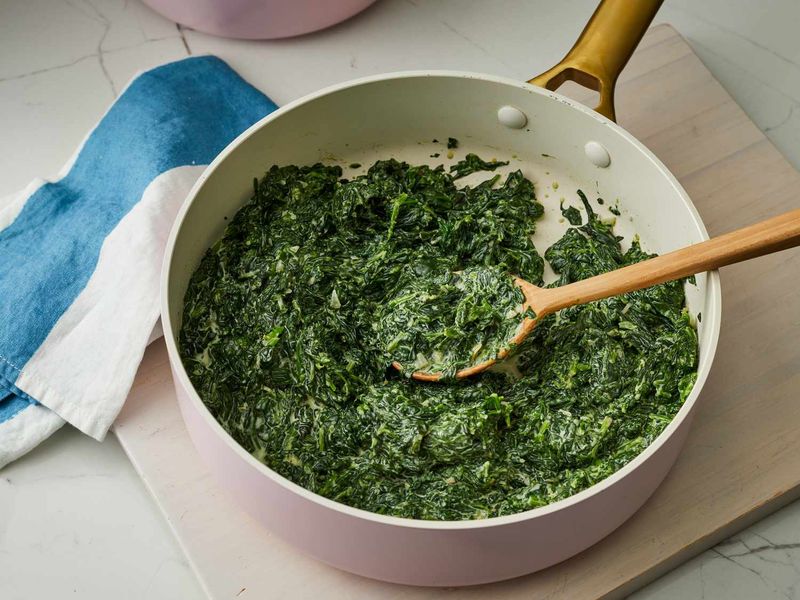
Spinach shrinks dramatically when cooked, which means you easily eat a much larger dose than a raw salad. Heating reduces oxalates that can hinder mineral absorption, making iron and calcium more accessible.
The result is a silky, savory side that fits into nearly any meal.
Sauté briefly with garlic and olive oil, then finish with lemon to brighten and enhance iron uptake. Avoid overcooking to keep that deep green color and pleasant texture.
Toss into eggs, fold into pasta, or spoon over grains. You will feel like you are getting way more greens with almost zero effort.
4. Kale
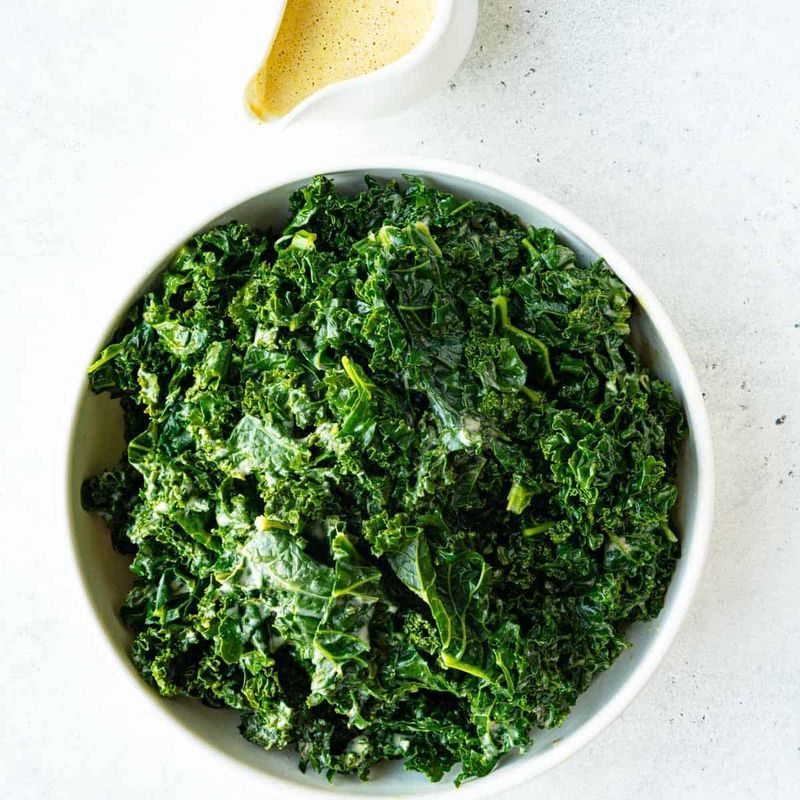
Raw kale can be tough, but a quick sauté transforms it into something tender and friendly. Heat softens fibrous leaves, reduces bitterness, and makes a bigger portion feel appealing.
That means you actually eat enough to feel the benefits, rather than stopping after a few chewy bites.
Massage with a little oil first, then cook briefly to keep color bright and texture bouncy. Add lemon, chili, or vinegar to balance earthiness.
Sprinkle toasted nuts for crunch and extra satisfaction. Keep it simple on weeknights, or fold into stews for comfort.
Cooked kale turns intention into a delicious habit.
5. Mushrooms
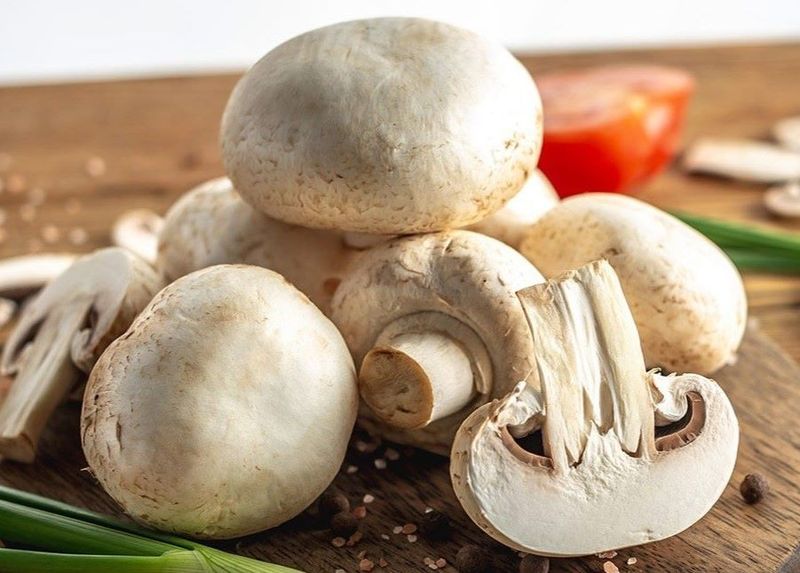
Cooking mushrooms concentrates flavor and improves digestibility by breaking down chitin in their cell walls. A hot pan unlocks deep umami, so you naturally pile more on your plate.
That extra portion means more beneficial compounds in a meal you genuinely crave.
Slice evenly and do not crowd the pan, letting moisture evaporate for a proper sear. Finish with soy or miso for a savory boost, or thyme and garlic for classic comfort.
They become incredible over polenta, in tacos, or tossed with grains. You will never miss raw once you taste that caramelized edge.
6. Asparagus
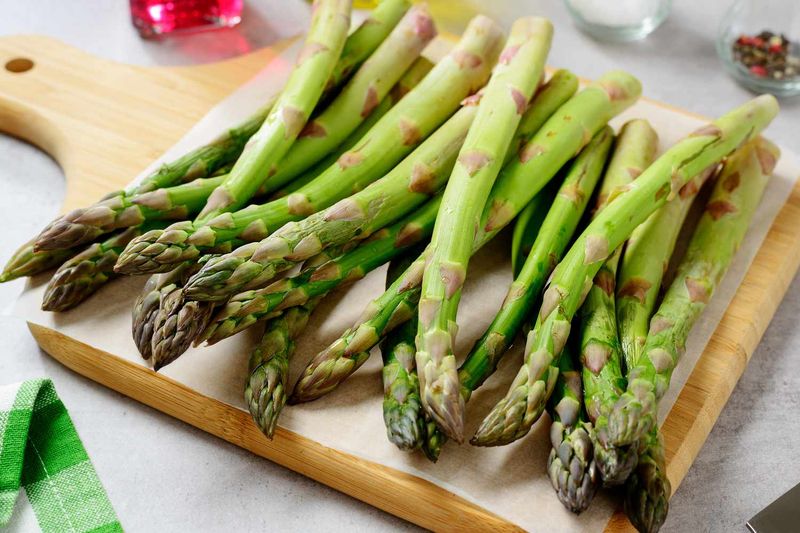
Lightly cooked asparagus turns snappy and sweet, with antioxidants becoming more available and fibers gentler to chew. Quick steaming or roasting preserves color while taming stringiness.
Suddenly, a modest bundle becomes an easy, abundant side you actually finish.
Trim woody ends and cook just until bright green and tender-crisp. A squeeze of lemon and a sprinkle of sea salt go a long way.
Add shaved parmesan or toasted nuts for richness without heaviness. Toss into salads while warm to soak up dressing.
You will notice how much easier asparagus is to love when it is just-cooked.
7. Bell Peppers
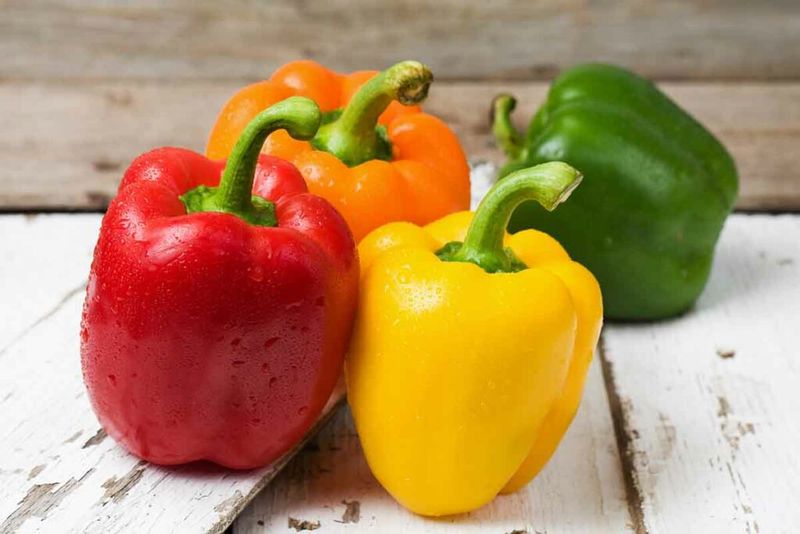
Cooking softens bell peppers and makes them easier on the stomach, even if some vitamin C is heat sensitive. The tradeoff often means bigger portions and better enjoyment.
When peppers turn silky and sweet, tacos, pastas, and grain bowls instantly feel more generous and satisfying.
Keep the heat medium so edges caramelize without scorching. Pair with onions and a little olive oil to help absorb fat-soluble compounds.
Finish with vinegar or lime to wake up the sweetness. Roast strips for meal prep and toss into everything.
You will reach for cooked peppers constantly once you taste that tender snap.
8. Broccoli
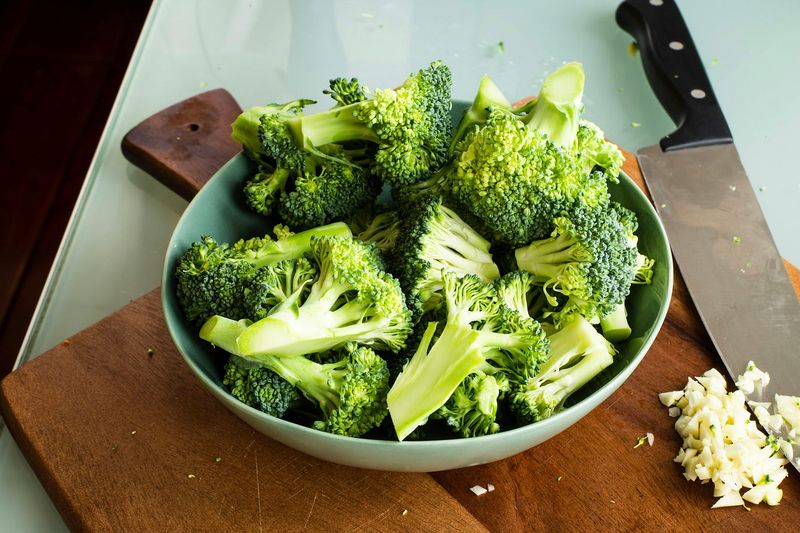
Gentle heat helps broccoli’s nutrients become more accessible while improving digestibility. Steaming keeps florets vibrant and crisp-tender, avoiding the sulfurous notes of overcooking.
With the right texture, you will eat larger servings and actually crave the fresh, green bite.
Steam until fork-tender, then finish with olive oil, lemon, or a light tahini drizzle for richness. Add a pinch of salt to wake up sweetness.
Chop stems thinly so nothing goes to waste. If stir-frying, keep it quick and hot for a snappy char.
Cooked just right, broccoli turns dependable and delicious, not a chore.
9. Cauliflower
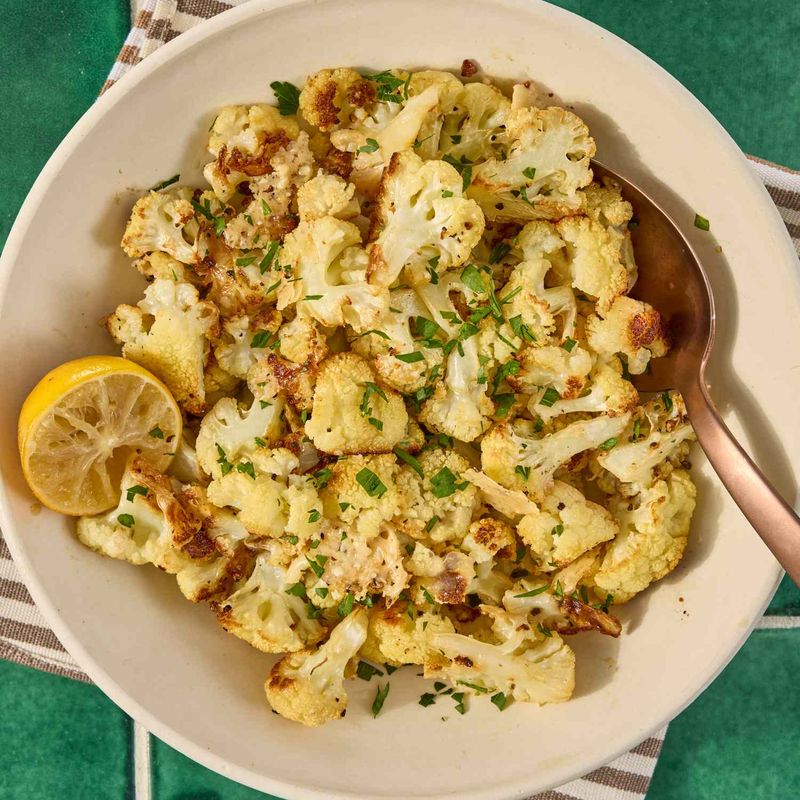
Cooking transforms cauliflower from raw and sulfurous to nutty, sweet, and satisfying. Roasting especially brings out browned edges that feel indulgent while still light.
With the bite tamed, you quickly find yourself eating generous quantities without hesitation.
Toss florets with olive oil, salt, and spices like turmeric or smoked paprika. Roast hot for deep caramelization, or steam for a softer, milder result.
Mash with garlic for a cozy side, or fold into curries for hearty comfort. Keep leftovers for bowls and wraps.
Cooked cauliflower makes vegetables feel like the star, not the side.
10. Brussels Sprouts
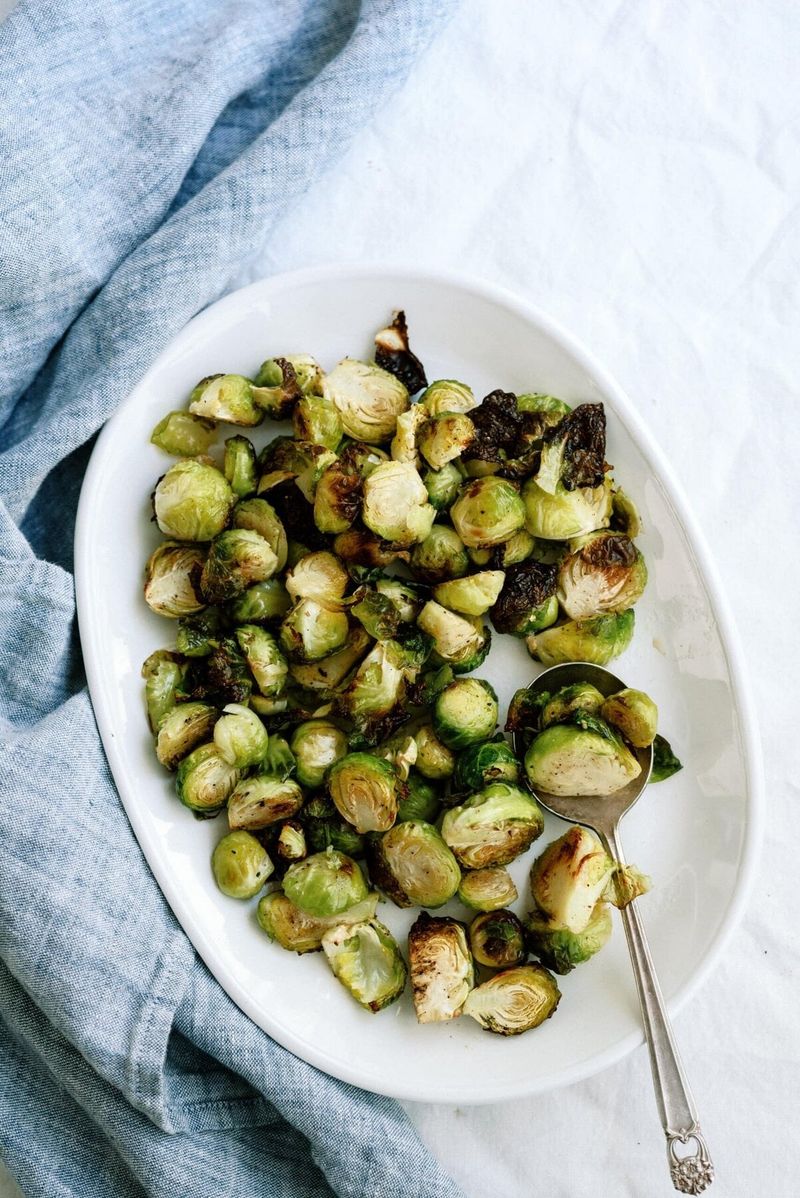
Cooking tames Brussels sprouts’ bitterness and breaks down fibers that can feel harsh when raw. A good roast turns them sweet and crisply tender, which makes bigger servings natural.
Suddenly, they are the part of dinner everyone fights for.
Halve and roast cut-side down so they caramelize beautifully. Finish with balsamic, mustard, or a dab of honey to balance earthiness.
Add toasted nuts or pancetta for texture and depth. Keep an eye on timing to avoid sulfur notes.
Once you master that golden edge, you will happily eat sprouts more often than you ever expected.
11. Cabbage
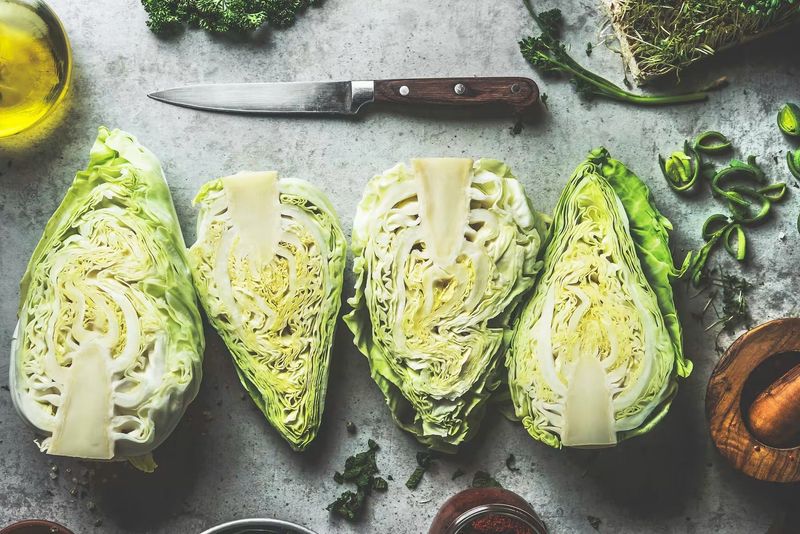
Cooked cabbage becomes sweet, silky, and far gentler than raw slaws for many people. Heat softens sturdy leaves and relaxes the crunch, easing digestion.
Because it is more comforting, you end up eating a generous portion without trying.
Char wedges in a hot pan, then braise briefly with stock, caraway, or vinegar. Keep seasoning simple and let the natural sweetness shine.
Add a dollop of yogurt or mustard for brightness. Stir-fry thin shreds for quick weeknights.
Cooked cabbage turns humble ingredients into cozy, budget-friendly comfort that still feels fresh and nourishing.
12. Zucchini
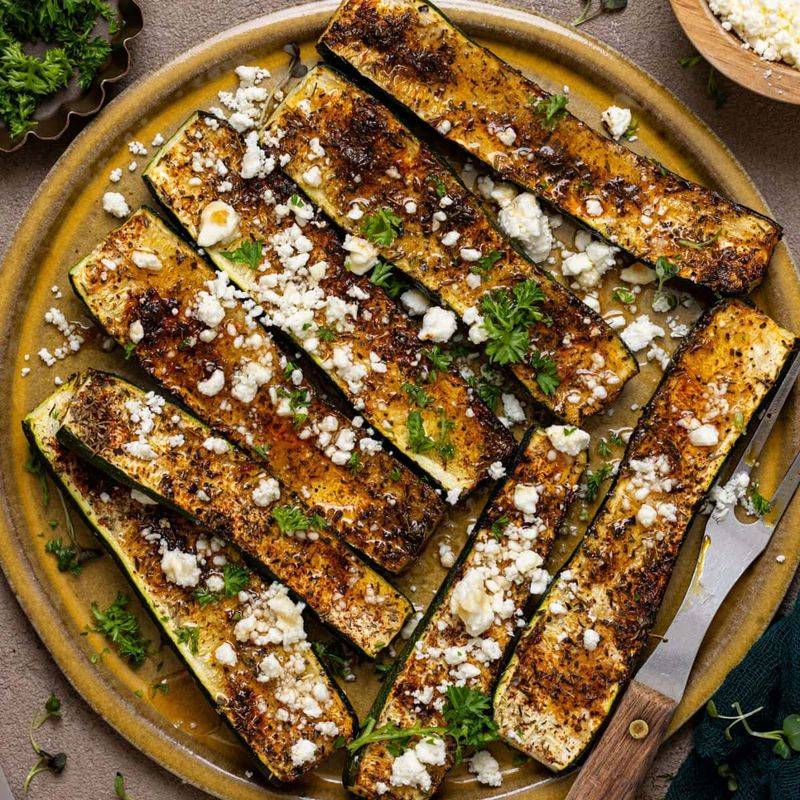
Cooking reduces zucchini’s wateriness and concentrates its gentle flavor, making it easier to love. A quick sauté or roast gives you tender slices with a pleasant bite, not mush.
You will likely eat far more cooked zucchini than raw ribbons.
Salt lightly before cooking to draw out moisture, then pat dry for better browning. High heat, short time is the winning combo.
Finish with lemon zest, mint, or parmesan to lift the sweetness. Fold into pastas, toss into omelets, or layer onto grain bowls.
Warm, well-seasoned zucchini quietly becomes a dependable weeknight hero.
13. Eggplant
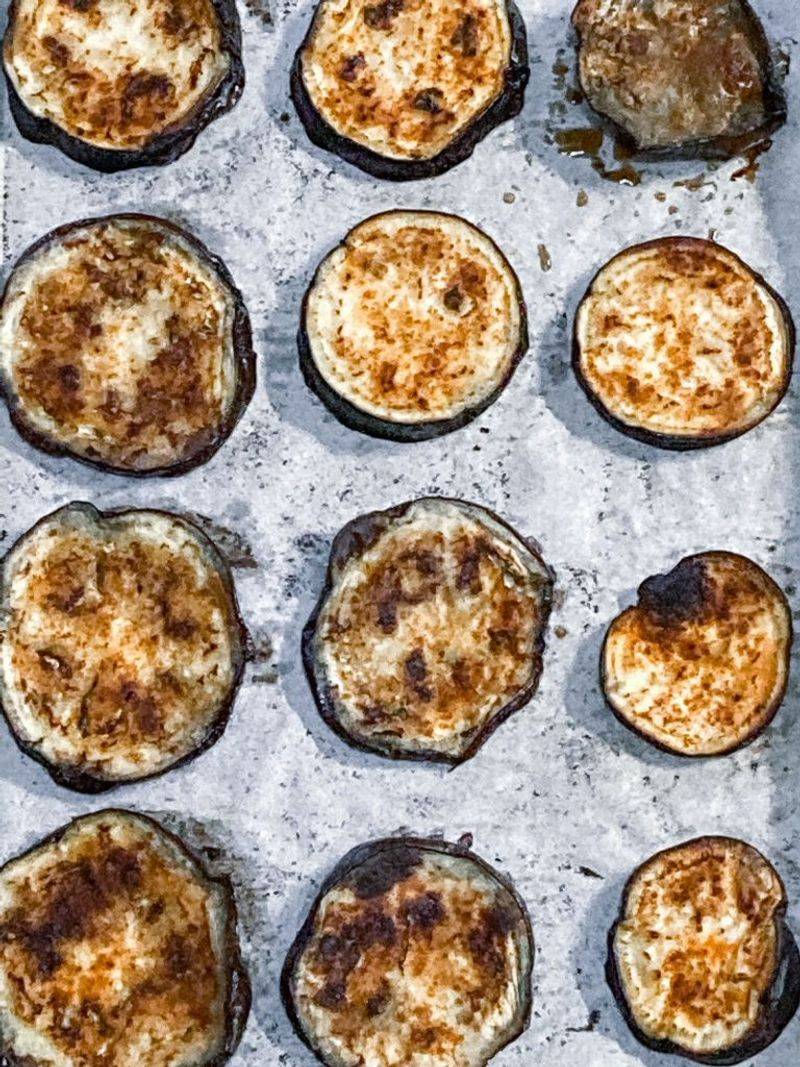
Raw eggplant is spongy and bitter, but cooking turns it silky and luxurious. Heat collapses the structure so it soaks up flavors beautifully, making generous portions feel effortless.
That transformation also makes it easier to digest for many people.
Salt slices to draw out moisture, then roast hot or grill until very tender. Add olive oil, garlic, and herbs, or blend into dips like baba ghanoush.
A charred edge brings irresistible smokiness. Layer into pasta or spoon over yogurt and grains.
Once you discover perfectly cooked eggplant, salads of raw cubes will never tempt you again.
14. Sweet Potatoes
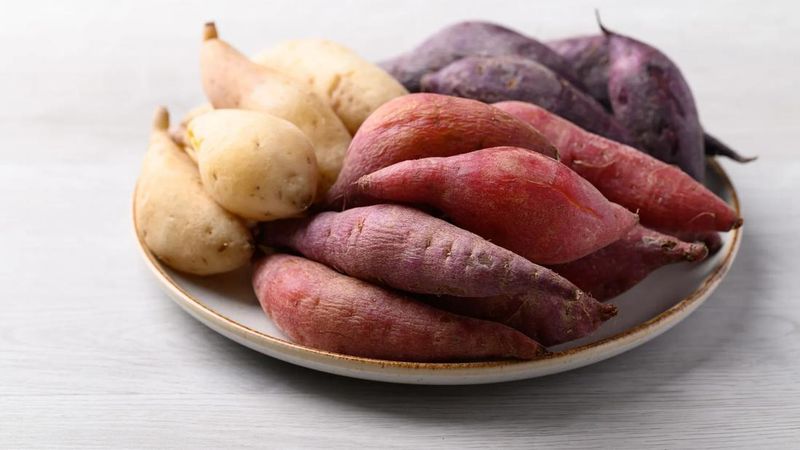
Cooking sweet potatoes unlocks their natural sweetness and makes starches easier to digest. The soft, creamy texture invites satisfying portions without heavy effort.
That means more fiber, potassium, and carotenoids in every cozy bite.
Roast whole for caramelized edges, or cube and bake for crisp corners. A little fat helps with carotenoid absorption, so add olive oil, butter, or tahini.
Sprinkle cinnamon or chili for contrast. They play well in grain bowls, tacos, and breakfast plates.
When you are craving comfort that still feels balanced, cooked sweet potatoes always deliver.
15. Potatoes
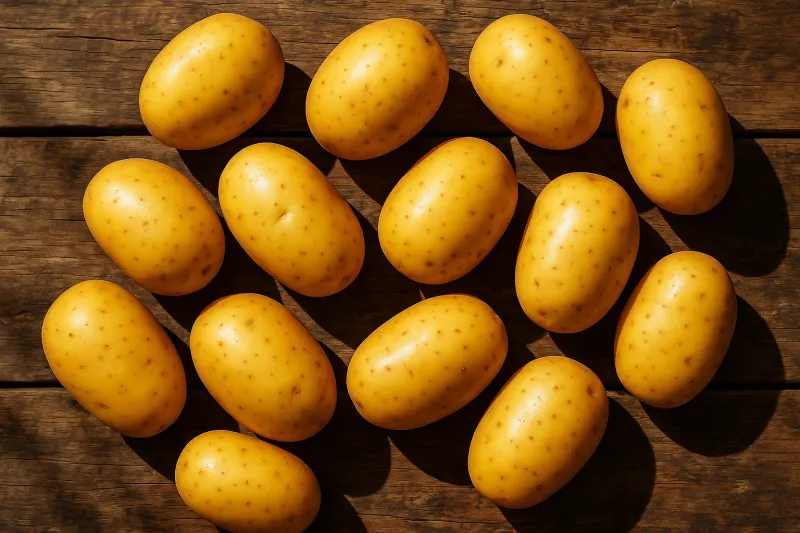
Cooked potatoes are satiating and far more digestible than raw. Roasting, boiling, or steaming gives you a versatile base for hearty meals.
Cool them after cooking and some starch retrogrades into resistant starch, which can support fullness and gut health for many people.
Season while hot so salt sticks. For wedges, use high heat and avoid crowding to keep edges crisp.
For salads, boil until just tender, cool, then toss with a sharp vinaigrette. Reheat gently to preserve texture.
Potatoes can be simple, budget friendly, and surprisingly nourishing when treated with a little attention.
16. Green Beans
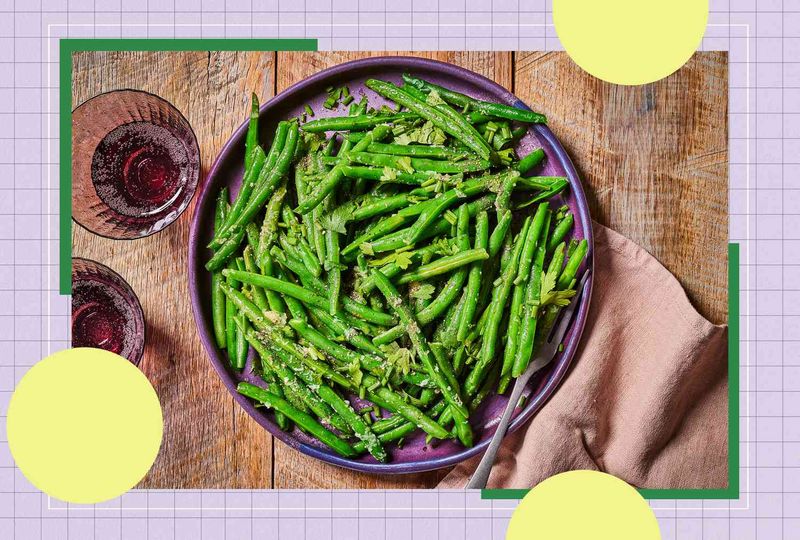
Cooking softens green beans’ fibers while keeping them light and snappy. Blanching then sautéing preserves color and bite, turning them into an easy, generous side.
With the rough edge gone, you will likely eat more without noticing.
Salt your blanching water well, then shock in ice to lock in green. Finish in a skillet with garlic, olive oil, and lemon zest.
Add almond slivers for crunch and satisfaction. Keep them tender crisp, not limp.
Green beans are that dependable vegetable that goes with everything and never weighs your plate down.
17. Beets
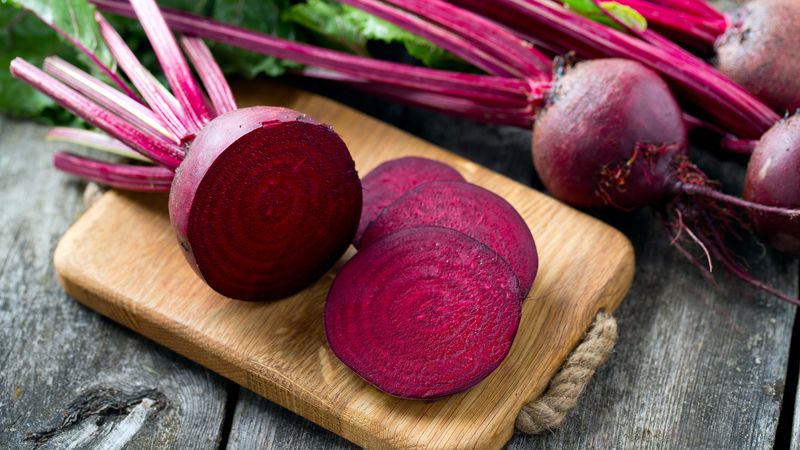
Cooking mellows beets’ earthy sharpness and softens their dense texture, making larger portions more inviting. Roasting concentrates sweetness and brings a gentle caramel note.
The result feels luxurious yet grounded, perfect for bowls, salads, and simple plates.
Wrap whole beets in foil or roast wedges for quicker cook times. Peel after roasting when skins slip off easily.
Pair with tangy elements like citrus, yogurt, or vinegar to balance sweetness. Add nuts or seeds for texture.
If raw beet salads feel intense, you will love how cooked beets turn vibrant and welcoming.