18 Frequent Subway Ordering Errors And How They Affect The Final Sandwich
Ordering at Subway feels simple until tiny choices snowball into a soggy, bland, or lopsided sandwich. You want speed, value, and flavor, but the line moves fast and details get missed.
This guide shows the most frequent mistakes and exactly how they sabotage texture, balance, and satisfaction. You will leave knowing what to ask for, what to skip, and how to build a sub that actually hits the spot.
1. Skipping bread toasting when fillings need structure
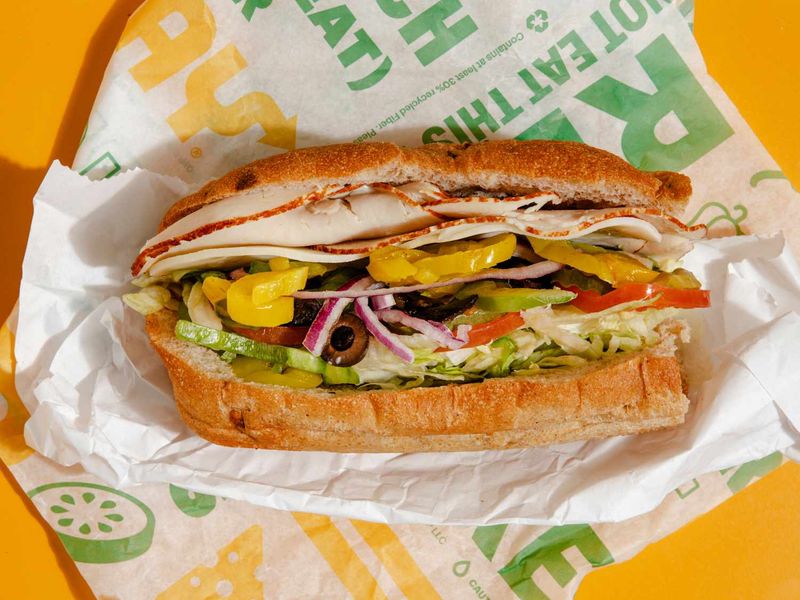
Untoasted bread can collapse under warm, moist fillings like meatballs, saucy chicken, or juicy veggies. Without a quick toast, steam stays trapped and turns the crumb gummy, muddling flavors and wrecking bite structure.
A light toast firms the exterior and warms cheese just enough to lace ingredients together.
Ask for a light toast if you plan on saucy proteins or lots of vegetables. It preserves crunch while keeping the interior soft.
If you want a cold bite, try minimal toast or toast only the bread and cheese first, then add cold toppings after to keep contrast intact.
2. Overloading wet vegetables that flood the crumb
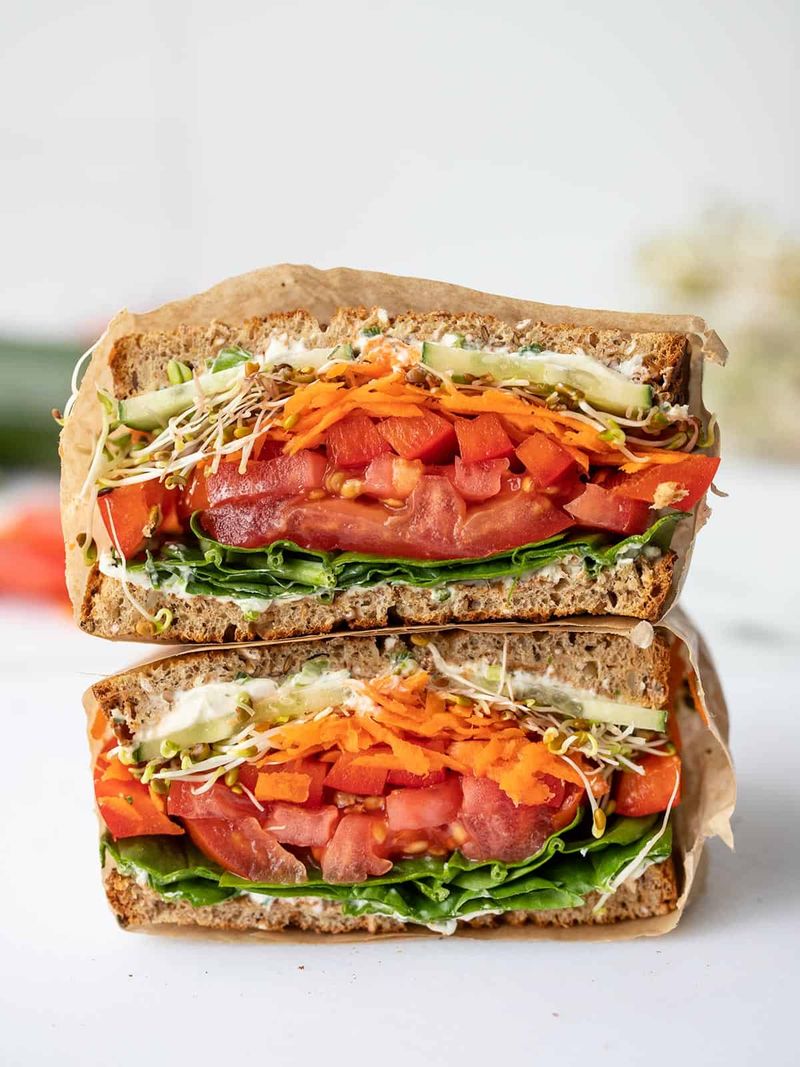
Tomatoes, pickles, cucumbers, and banana peppers add brightness but also a ton of water. Piling them high makes the bread buckle and the flavors wash out.
Instead, choose a focused mix and ask the sandwich artist to shake off excess moisture before placing them.
Layer wet veg above proteins or cheese to create a moisture barrier. Add lettuce sparingly because it wilts when waterlogged.
If you love crunch, swap some wet items for bell peppers or shredded carrots. Your bite stays crisp, the seasoning sticks, and the bread keeps its shape until the final mouthful.
3. Ignoring bread style impact on flavor and texture
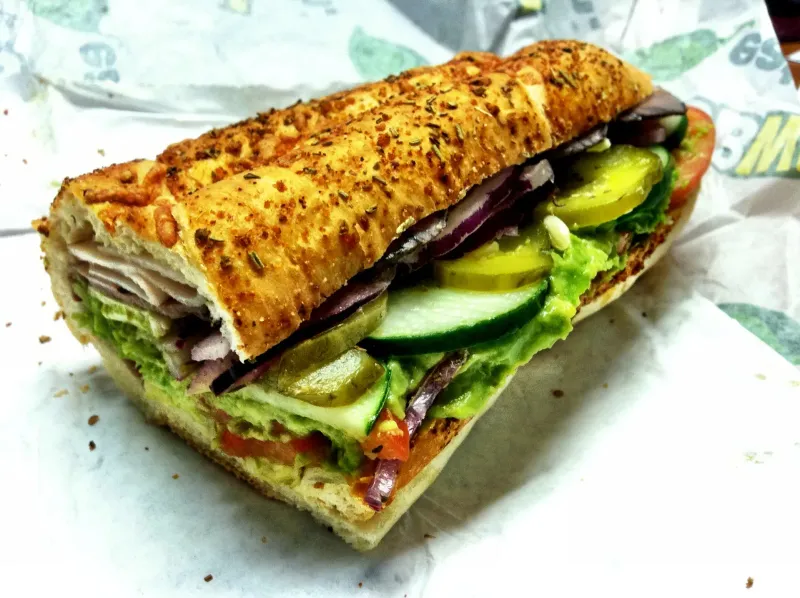
Bread is not just a container. Italian Herbs and Cheese adds savory punch that can overshadow delicate turkey or tuna.
Hearty multigrain boosts nutty depth yet competes with sweet teriyaki. Picking bread without considering fillings leads to flavor clashes and uneven chew.
Match gentle breads with subtle meats and bolder loaves with robust sauces or steak. If you want crunch, ask for extra toast on thicker breads.
Prefer tenderness for a meatball sub. Go with classic Italian.
You will taste balance instead of discord, and every bite will feel intentional.
4. Stacking order that squeezes out sauces
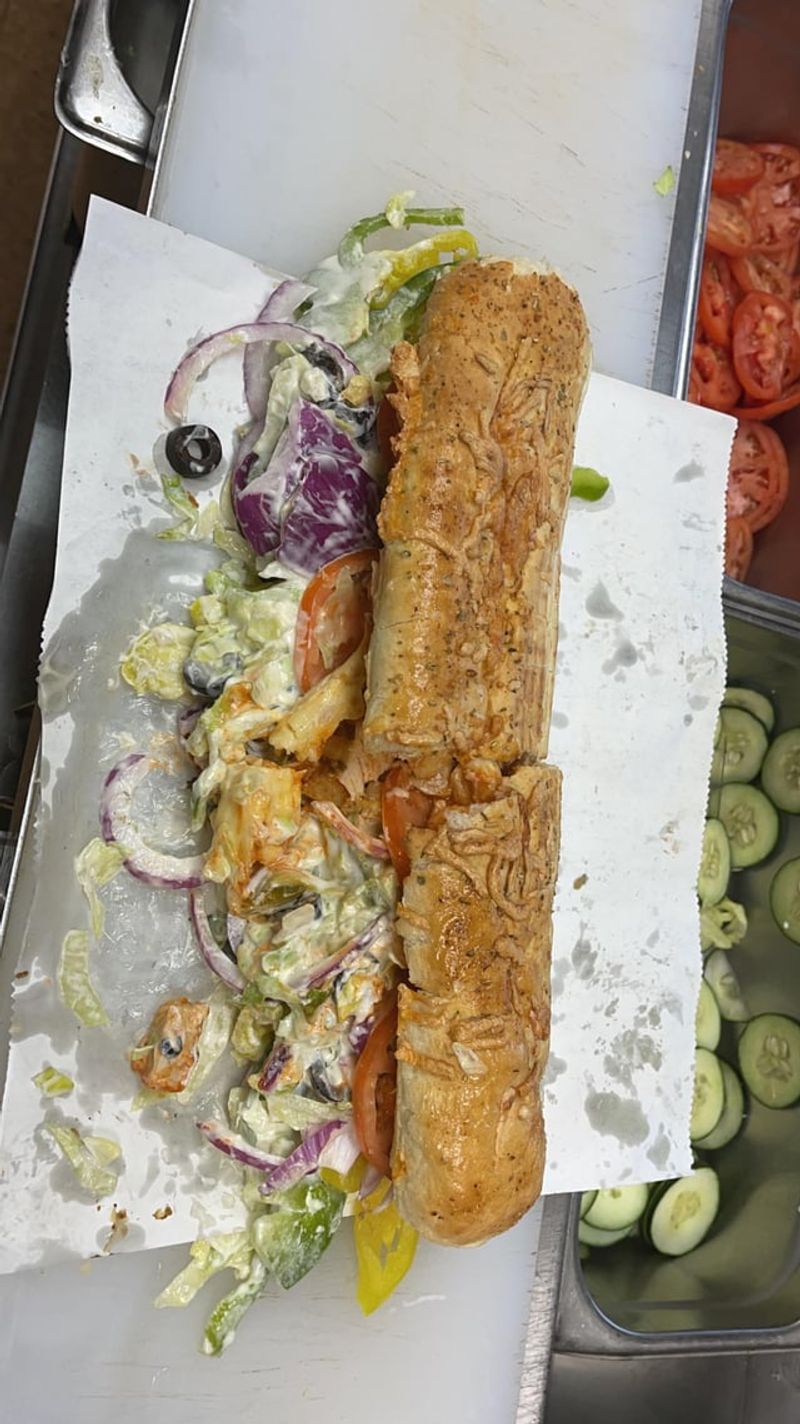
Messy stacking forces sauces to the edges, dripping onto the wrapper and leaving the center dry. Heavy items belong near the bottom, with cheese melted onto bread to anchor structure.
Sauces should sit between dense protein and leafy veg to distribute evenly without gushing.
Ask for cheese under the protein and leafy greens above sauce. Tomatoes toward the top minimize sogginess.
This order keeps the load balanced and every bite sauced. You will save napkins and actually taste the intended profile instead of chasing flavor that escaped onto your hands.
5. Choosing clashing sauces that muddy the profile
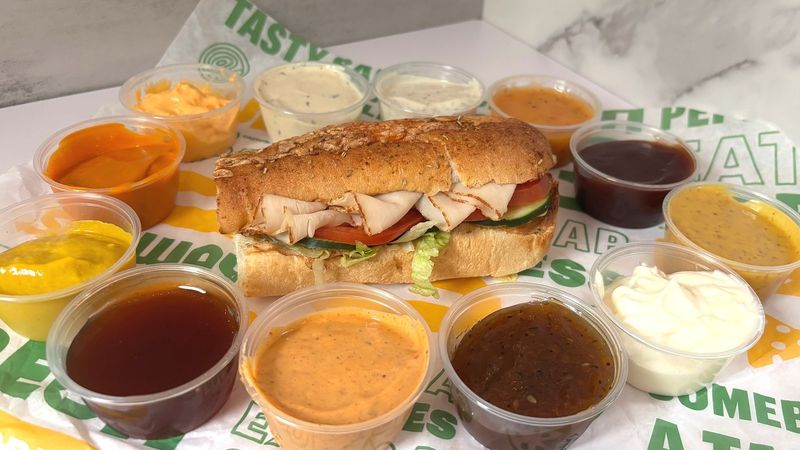
Stacking multiple bold sauces often creates a sweet-salty muddle. Chipotle, ranch, honey mustard, and vinaigrette together can flatten nuance and turn the sub syrupy.
Think of sauce like seasoning. One star, one backup.
That focus lets aromatics shine and keeps salt, heat, and acid in check.
Pick a primary sauce that complements the protein, then add a light counterpoint like a splash of oil and vinegar or a drizzle of buffalo for heat. Taste clarity improves, and you avoid soggy, sticky bread.
You will notice cleaner finishes and crave that balance again.
6. Neglecting acid to cut richness
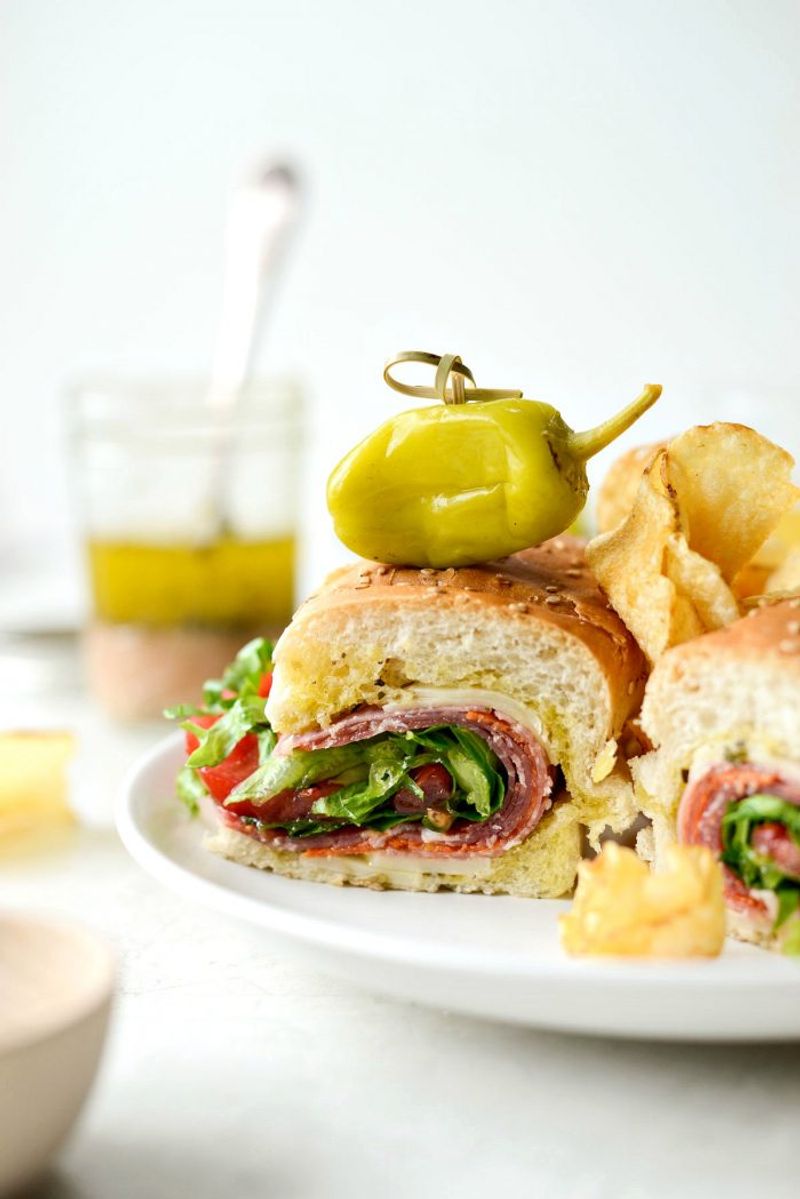
Rich proteins like steak, meatballs, and double cheese can taste heavy without a spark of acid. A dash of vinegar, pickled jalapenos, banana peppers, or tomatoes resets the palate and sharpens edges.
Skipping acid leaves bites flat and tiring by the halfway point.
Ask for oil and vinegar or sweet onion sauce sparingly when richness dominates. Even a few pickles can create lift.
Your sandwich will feel lighter, flavors will pop, and you will finish satisfied instead of weighed down. It is a small tweak with a big payoff in balance.
7. Not seasoning vegetables or using salt sparingly
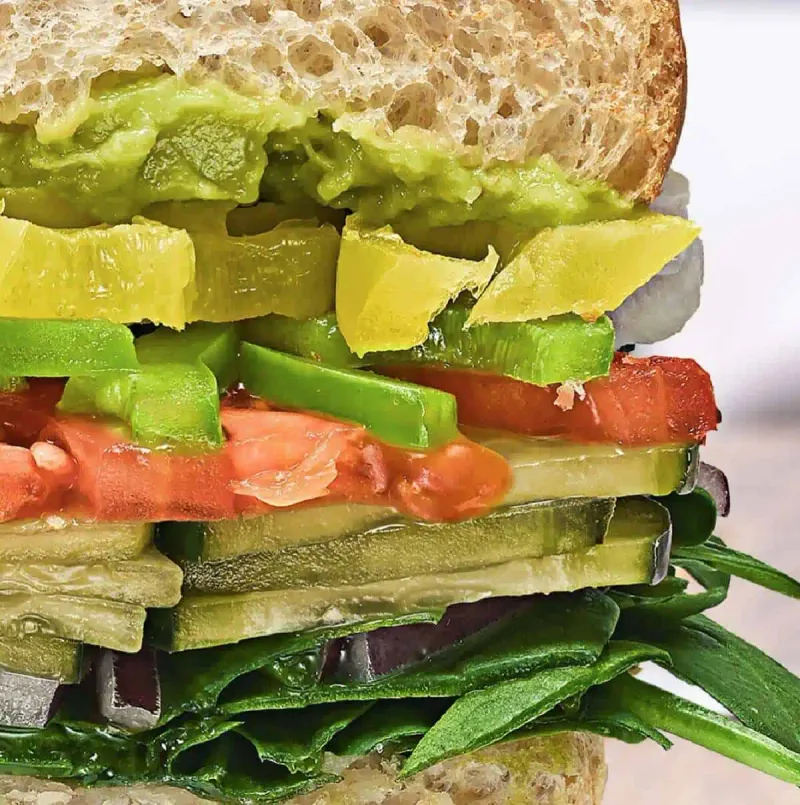
Vegetables at Subway arrive prepped but benefit from a pinch of salt and pepper. Without seasoning, tomatoes taste watery, cucumbers dull, and lettuce bland.
That small sprinkle unlocks sweetness and crunch. It also helps sauces cling and distribute more evenly across the bite.
Ask for a light shake of salt and pepper after veggies are added. If sodium is a concern, request pepper and a splash of vinegar for perceived brightness.
Balanced seasoning can make a budget sub feel chef-level, bringing simple ingredients into sharper focus without extra calories or cost.
8. Ordering double meat without balancing volume
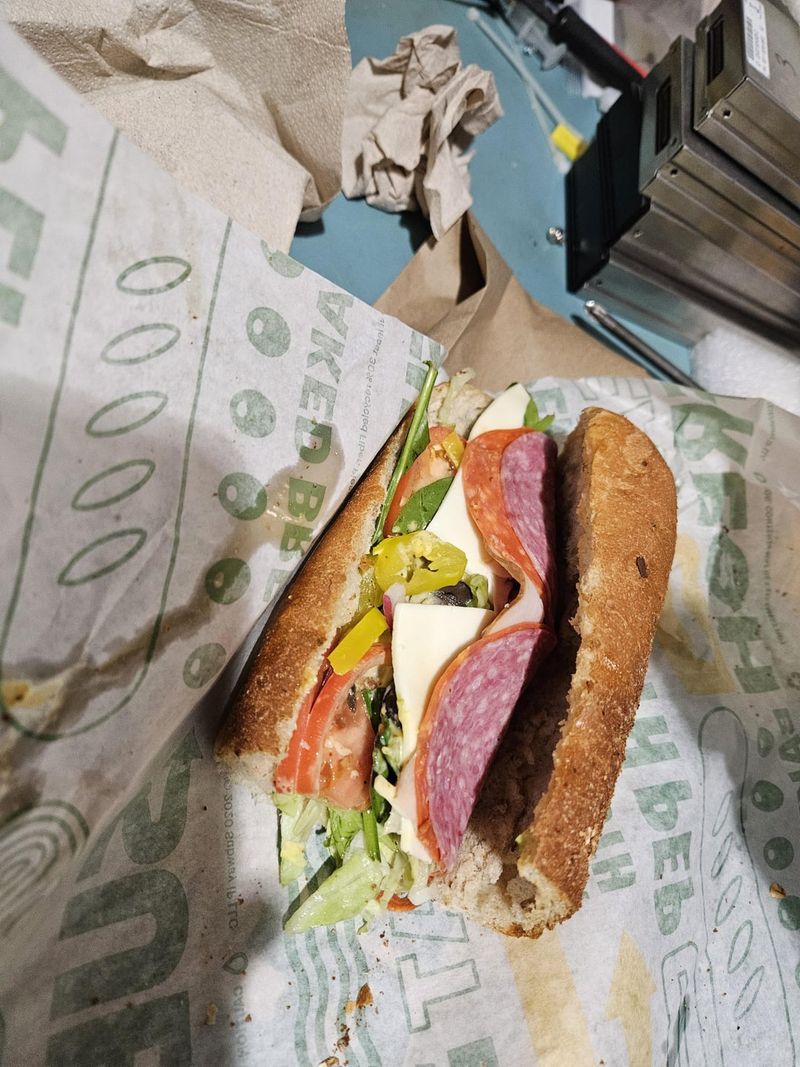
Double meat sounds satisfying but can overwhelm bread capacity and squeeze out toppings. You get protein heavy bites and lost texture contrast.
The sandwich may split at the seam. Balance matters more than bragging rights, especially on softer bread styles that cannot handle the load.
If doubling, upgrade bread to a sturdier roll, toast it, and reduce wet vegetables. Add a slice of cheese to glue layers, and request sauces in thin lines rather than floods.
You will still feel hearty protein while preserving structure and a layered flavor experience.
9. Ignoring temperature contrast opportunities
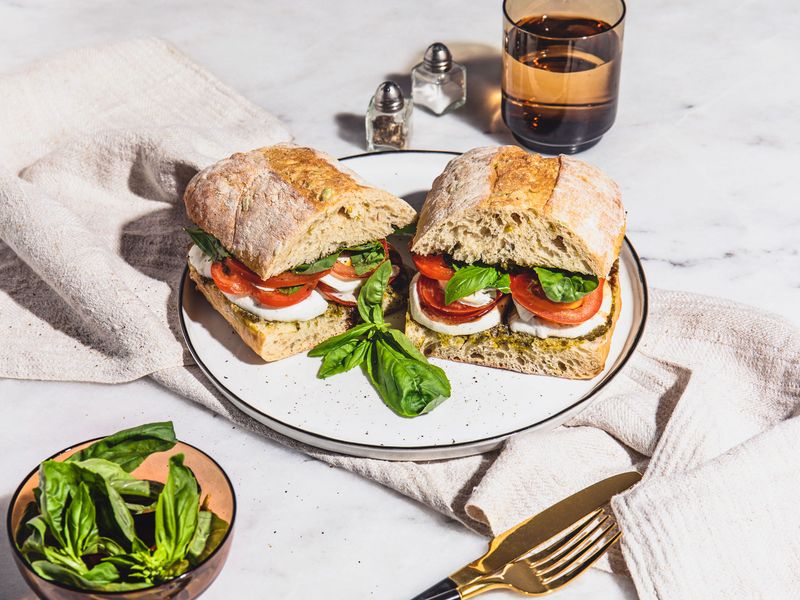
Temperature contrast keeps each bite interesting. Warm steak or chicken with melted cheese next to cool, crisp lettuce and tomatoes delivers a dynamic experience.
Skipping the contrast makes everything lukewarm and dull. Melting cheese before adding cold veg prevents wilting while giving you that stretchy, savory pull.
Ask to toast bread and cheese with the protein first, then add chilled toppings afterward. If you want everything cold, skip heat entirely and lean on crunchy veg.
Controlled temperature decisions translate into better texture, aroma release, and sustained enjoyment to the last bite.
10. Letting lettuce dominate the build
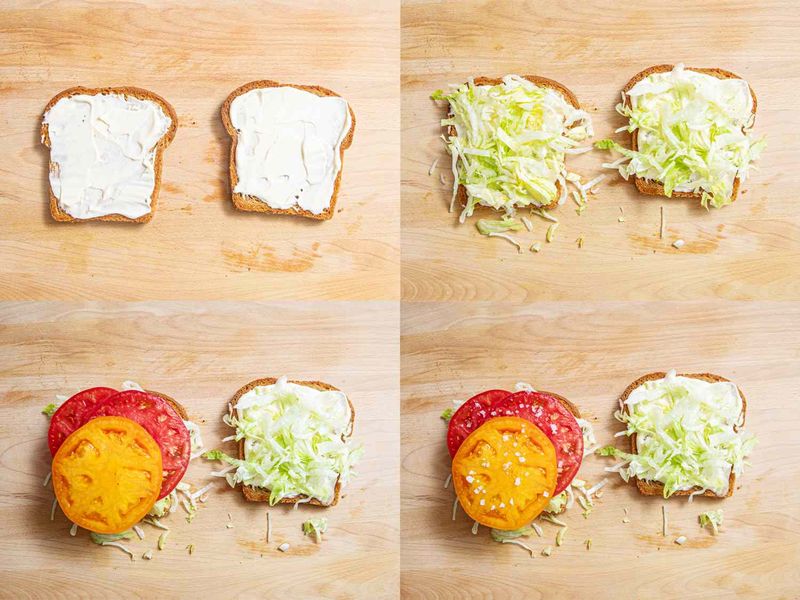
Shredded lettuce adds crunch but easily balloons the volume, diluting flavor and soaking up sauce. Too much turns each bite into bland water and fiber.
You lose the protein, cheese, and spice you paid for. A modest handful keeps freshness without stealing the show.
Ask for a light portion or swap some lettuce for crunchy bell peppers. If you love greens, try spinach for sturdier texture and more flavor.
Your sandwich will chew better, hold together longer, and deliver clearer taste from start to finish.
11. Adding cheese that clashes with sauce profile
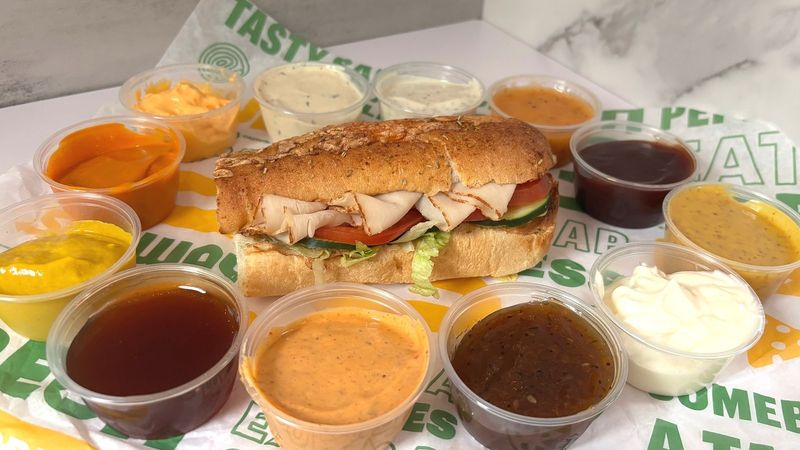
Cheese should echo the sauce, not fight it. Pepper jack with sweet onion can feel confused, while provolone warmly supports marinara or herb notes.
Choosing randomly leads to off flavors and waxy texture without purpose. Mild cheeses let complex sauces shine, and spicier cheeses pair better with simple, savory builds.
Ask yourself which element should lead. If sauce is bold, choose neutral cheese.
If the meat is simple, pick cheese with character. Melting the slice bonds layers and heightens aroma, ensuring your sub tastes cohesive rather than chaotic.
12. Saucing the outside of the bread
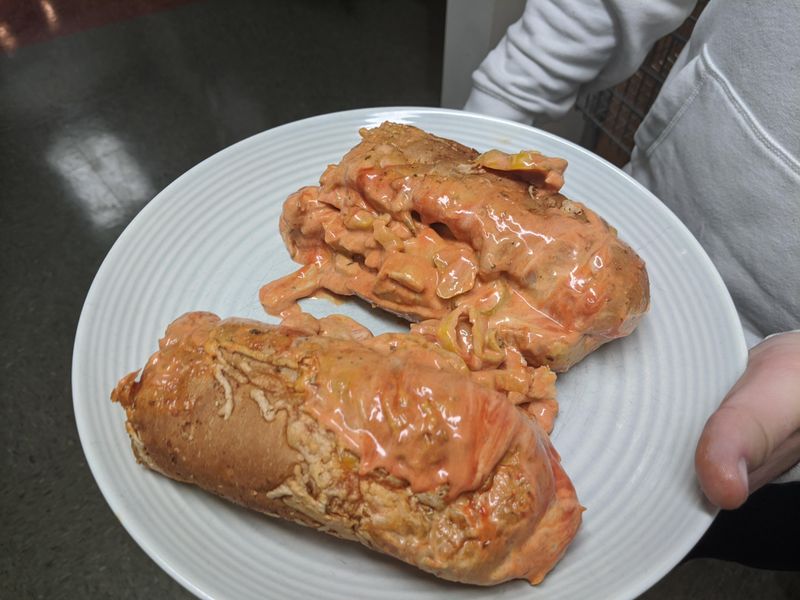
Sauce on the exterior turns the sandwich into a slip-and-slide. Your grip loosens, fillings slide, and the wrapper becomes a mess.
Worse, soaking the crust ruins any toast. Keep sauces inside, applied in thin zigzags so every bite gets coverage without overflow.
If you need more moisture, ask for a small side cup or request a double line inside. Consider oil first, then vinegar, to reduce immediate sog.
You will keep texture, reduce napkin carnage, and still get juicy, flavorful bites from end to end.
13. Skipping a simple oil then vinegar sequence
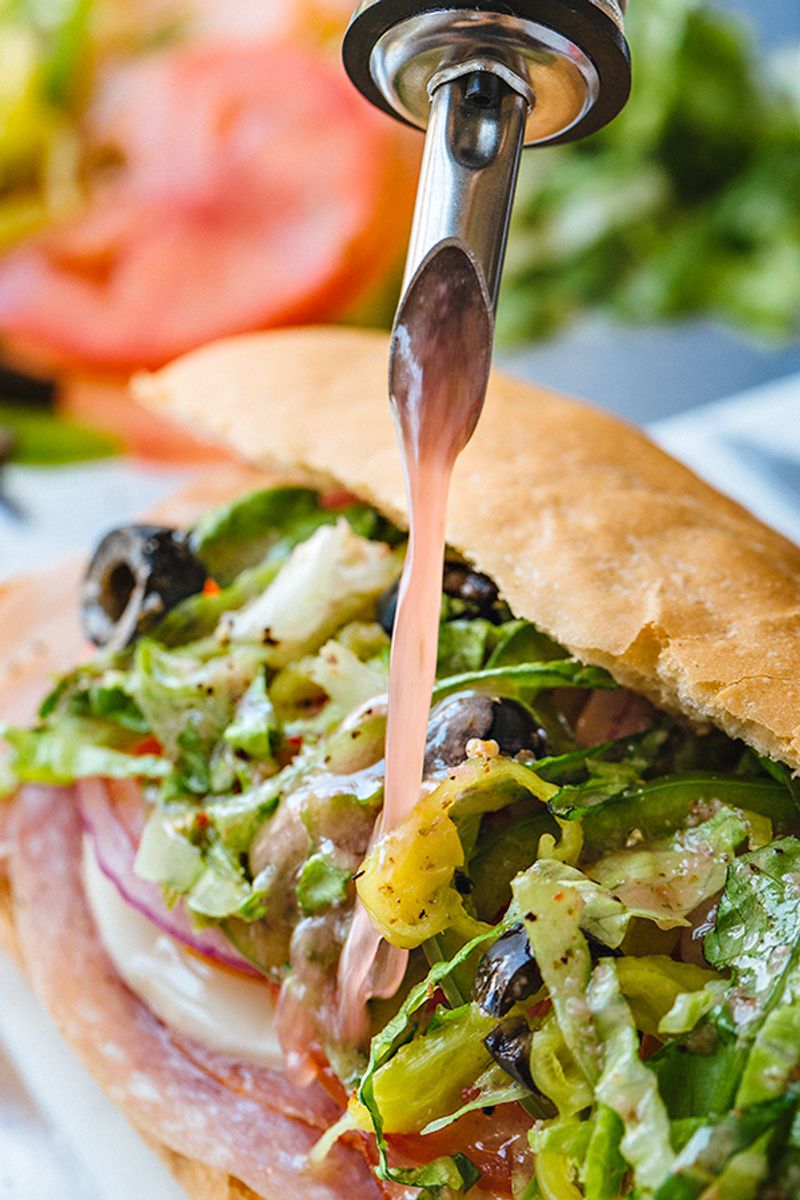
Oil before vinegar creates a protective layer on the bread and helps acid spread evenly. Skipping this sequence can result in sharp pockets of vinegar that bite too hard, while dry spots remain bland.
The classic deli order exists for a reason.
Ask for a light drizzle of oil, then a splash of vinegar. Add oregano and black pepper to complete the deli profile.
You get balanced tang, gentle richness, and better mouthfeel. The sandwich tastes more composed, with fewer harsh spikes and a cleaner finish.
14. Forgetting to request cut strategy
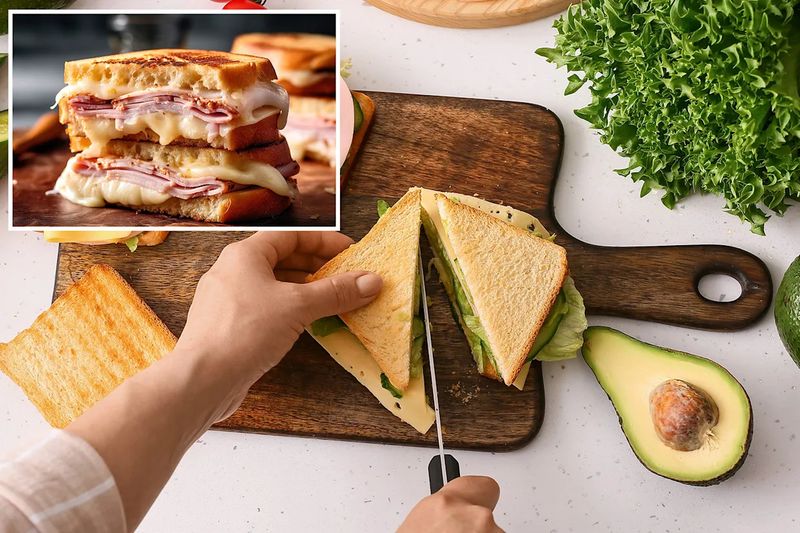
How the sub is cut affects portability and bite integrity. A diagonal cut exposes more surface area, great for sharing and dipping.
Halves or thirds can help contain spill-prone fillings. If staff default to a quick slice, you might end up with sauce gushers or uneven end bites.
Ask for the cut that suits your fillings and plans. Meatball or tuna benefits from thirds for control.
Crisp veggie stacks look gorgeous on a diagonal. You will manage drips, get better first bites, and enjoy a cleaner eating experience.
15. Not asking for light or extra on key components
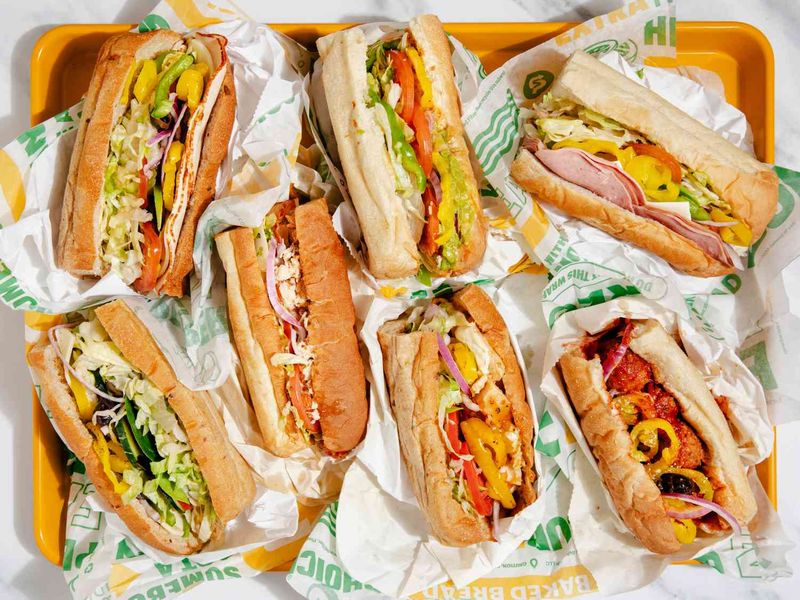
Default portions are averages, not your taste. Skipping the words light and extra leaves you with imbalanced bites.
Too many onions can dominate, while not enough pickles dulls brightness. Fine tuning quantity dials in flavor and texture without changing the price.
Call out light lettuce, extra peppers, or extra toasting to match your priorities. Specify two thin lines of sauce, not a flood.
Precision creates predictably satisfying bites, and your sandwich becomes customized rather than generic. The staff will appreciate clear guidance, and you will appreciate the results.
16. Ordering every premium add-on without synergy
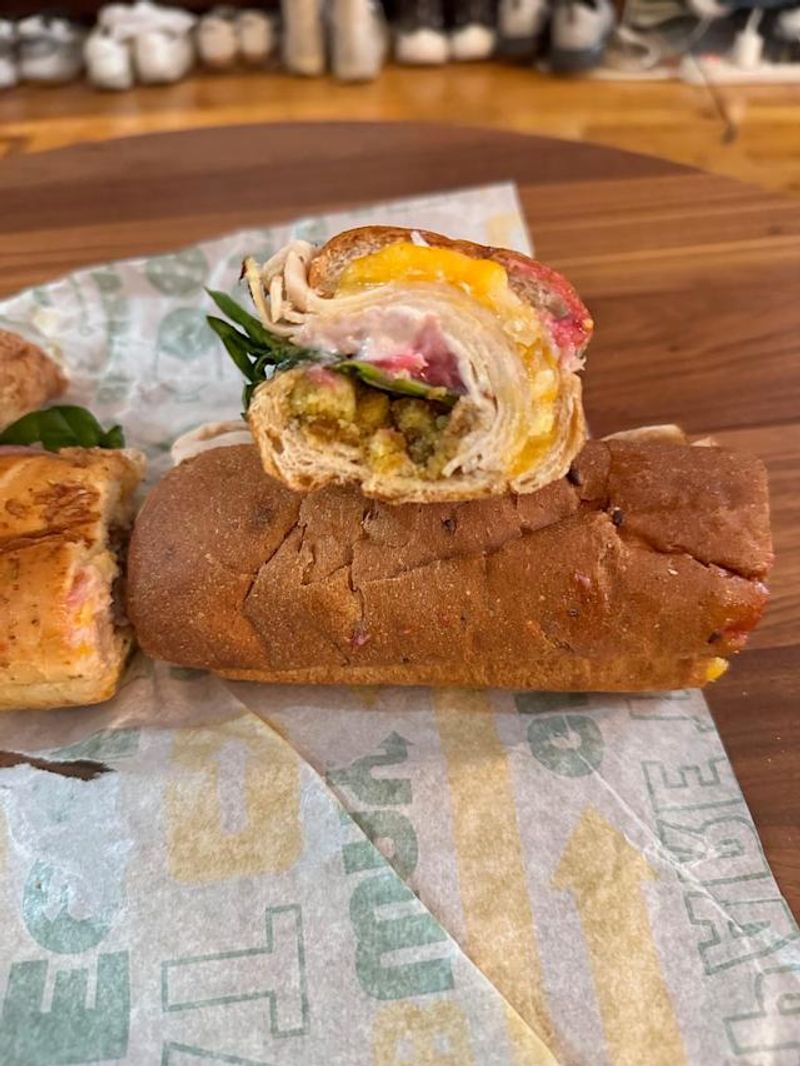
Add-ons like bacon, pepperoni, and avocado can elevate a sub, but stacking all of them creates noise. Fat on fat dulls contrast, and salt piles up.
Instead, choose one star add-on that complements your base protein. That spotlight increases perceived value and keeps texture snappy.
Pair avocado with spicy chicken to mellow heat, or bacon with turkey for smoky depth. Skip pepperoni if using a salty cheese.
Your wallet and palate will thank you, and each bite will taste purposeful rather than chaotic.
17. Letting the line rush silence your preferences
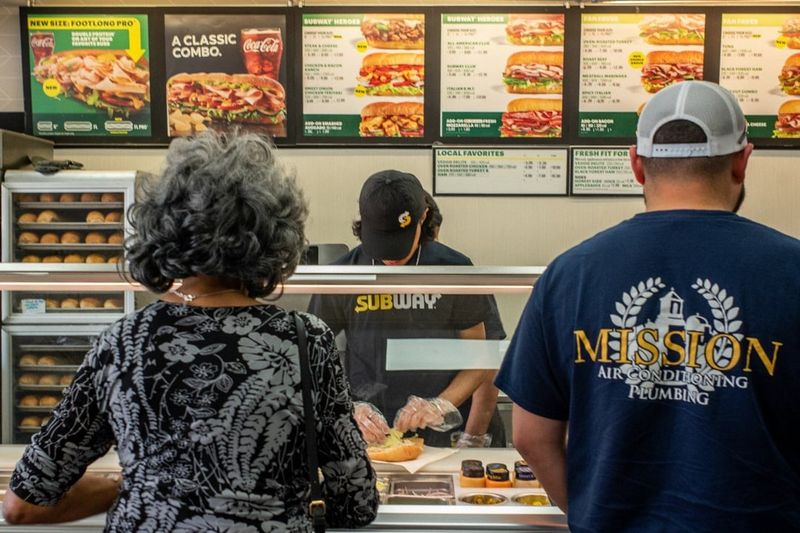
Busy lines can make you nod along and accept defaults, but that is how you get a forgettable sandwich. Clear, quick requests keep things moving while protecting your preferences.
A confident order prevents over-saucing, wrong cheese, or missed toasting.
Decide bread, heat level, cheese, veggies, and one to two sauces before your turn. Speak in short phrases like extra pickles, light onions, oil then vinegar.
You will move fast and still get exactly what you want, avoiding post-bite regret.
18. Ignoring portion control for footlong vs six inch
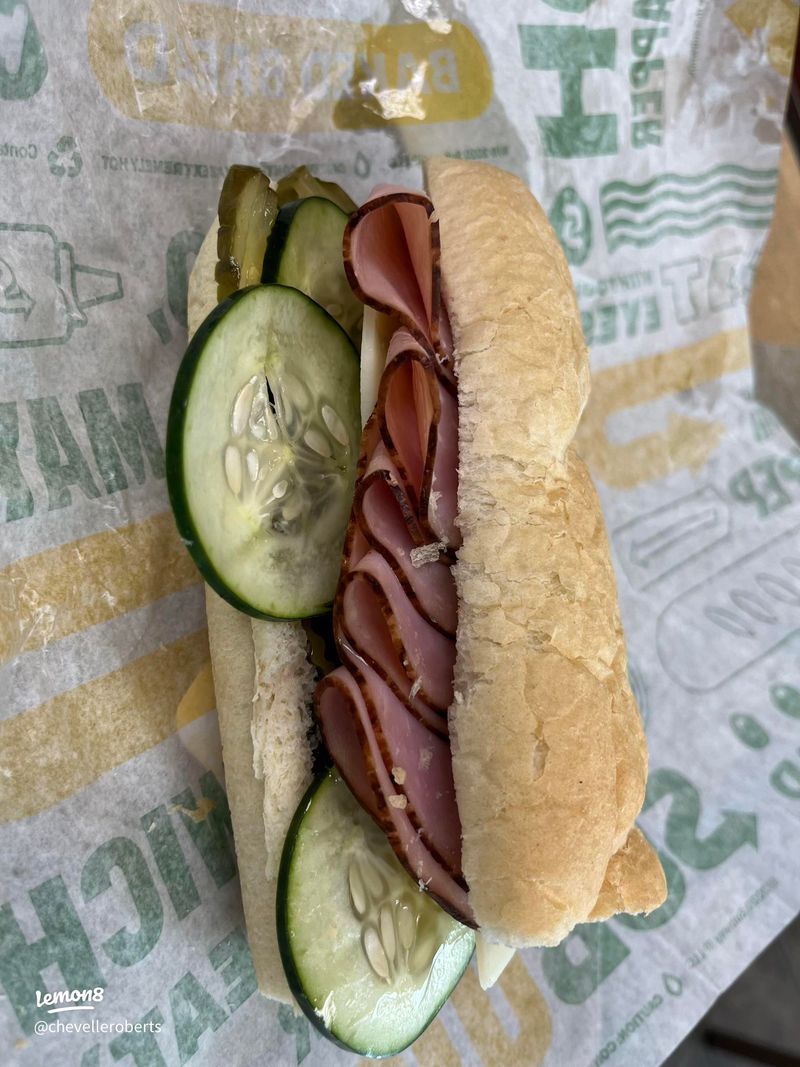
A footlong should not mean diluted fillings. Stretching the same toppings across double bread leads to thin, uneven bites.
If you are not hungry enough, a six inch with proper portions tastes better than a scarce footlong. Over-ordering also risks leftovers that turn soggy.
Ask for proportionate toppings relative to size. If you split a footlong, request extra veg or sauce lines to maintain coverage.
You will get consistent bites end to end and avoid flavor dead zones that waste bread and money.