18 Frequent Ways People Squander Money At Restaurants
Restaurant bills have a sneaky way of ballooning before you even notice. Tiny add ons, impulsive picks, and clever menu wording can pull money straight from your pocket.
If you want great meals without the regret, a few smart shifts can make a big difference. Let’s walk through the traps you can dodge tonight, without feeling deprived.
1. Ordering drinks you do not even enjoy
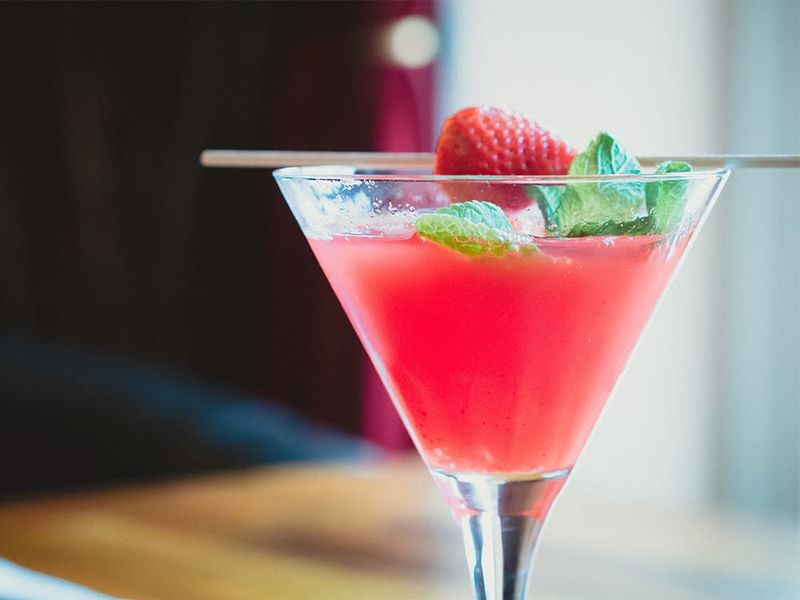
Drinks can double a bill fast, especially the ones you barely like. Cocktails, mocktails, and “one more round” sound fun until the receipt lands.
If the drink is not part of the experience for you, skip it or alternate with water.
Ask yourself if this specific drink genuinely adds joy tonight. Try sharing a specialty drink or choosing a house option instead of the priciest pour.
You will enjoy the evening more when your tab matches what you actually wanted.
2. Saying yes to bottled water automatically
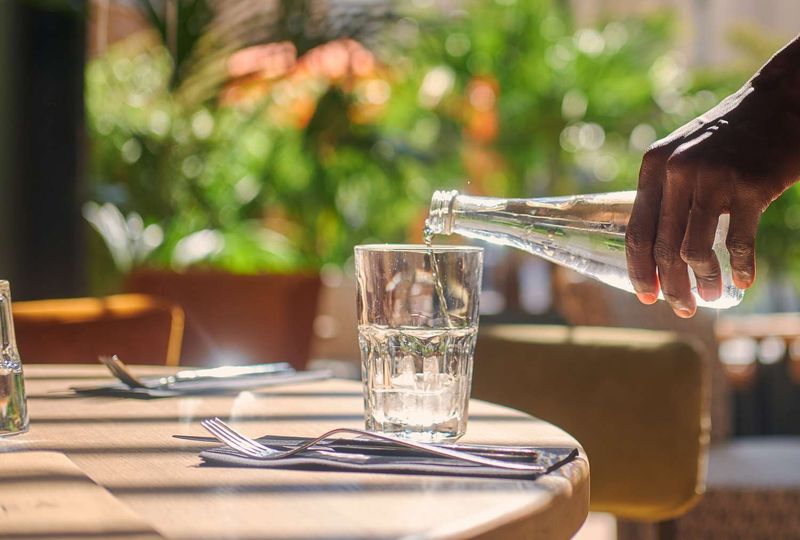
“Still or sparkling?” often leads to an automatic yes that adds dollars without adding joy. If you are fine with tap, ask for it clearly right away.
It is a normal request and most servers will appreciate the direction.
Those bottles can cost as much as a starter. Save that cash for something you will remember.
Set a simple script: “Tap is perfect, thank you.” You will avoid the silent upcharge and stay hydrated just the same.
3. Paying for appetizers when you are not hungry
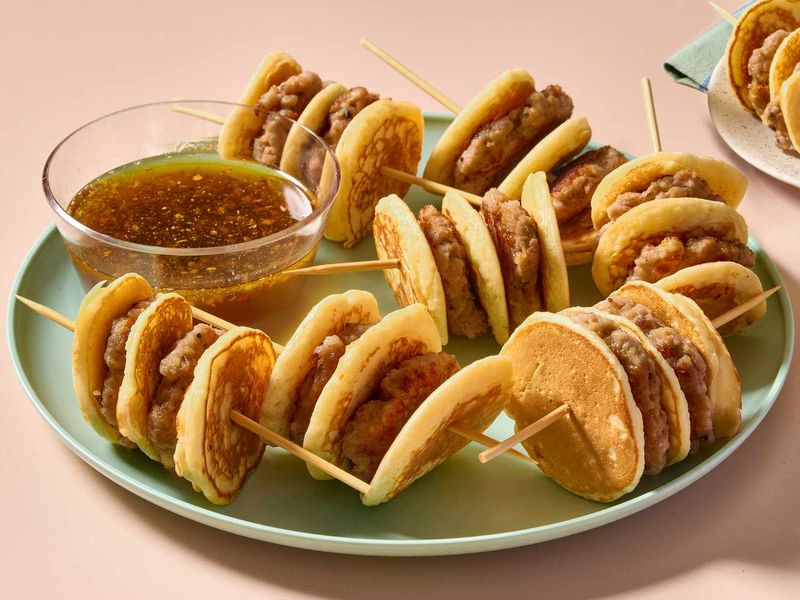
Starters are easy to order out of habit. But if you are not hungry yet, that plate often becomes expensive clutter.
Consider skipping or splitting one so you still sample without paying for excess.
Ask whether the mains arrive quickly or if bread is already included. When the goal is saving money, align the order with your actual appetite.
You will feel better and your wallet will too. Order intentionally, not automatically.
4. Ordering premium add ons that do not matter
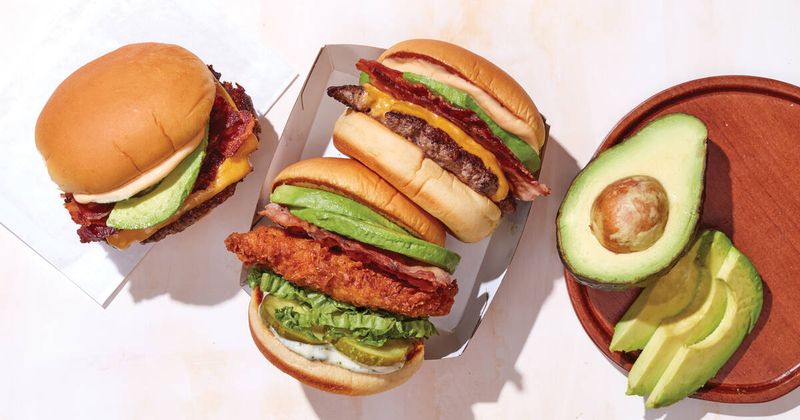
Extra avocado, truffle oil, fancy bacon, and premium cheese sound tempting. Yet many upgrades barely change the experience.
Ask yourself if the add on actually transforms flavor or just pads the price.
Pick one upgrade you will notice, not three you barely register. Menu language can glamorize small tweaks, so stay grounded.
When the craving is real, go for it. When it is just sparkle, keep your money for something memorable.
5. Ignoring portion size clues
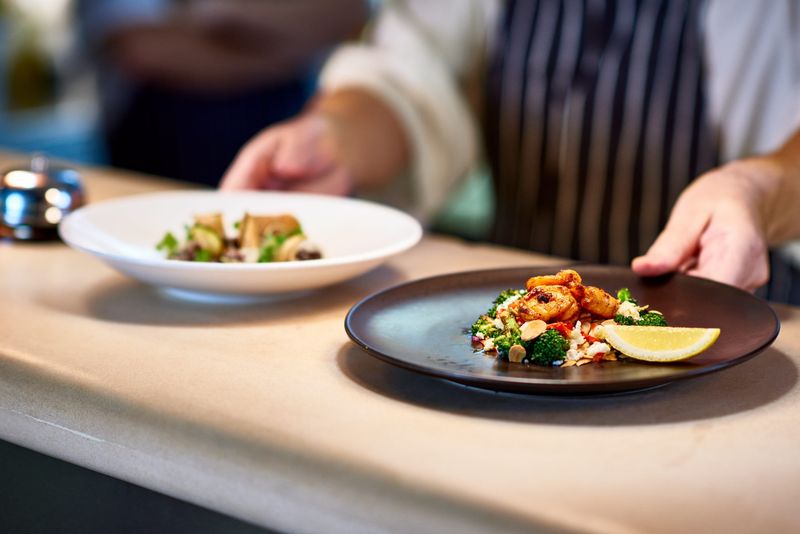
Big portions look like value but become waste when half gets ignored. Scan neighboring tables and reviews for size cues.
If portions are huge, share a main, split sides, or plan for leftovers from the start.
Ask for extra plates and a take home box early so you do not over order. Paying for food you cannot finish is like paying twice.
Right size your order to fit reality, not hunger fantasies.
6. Not checking the price of market price items
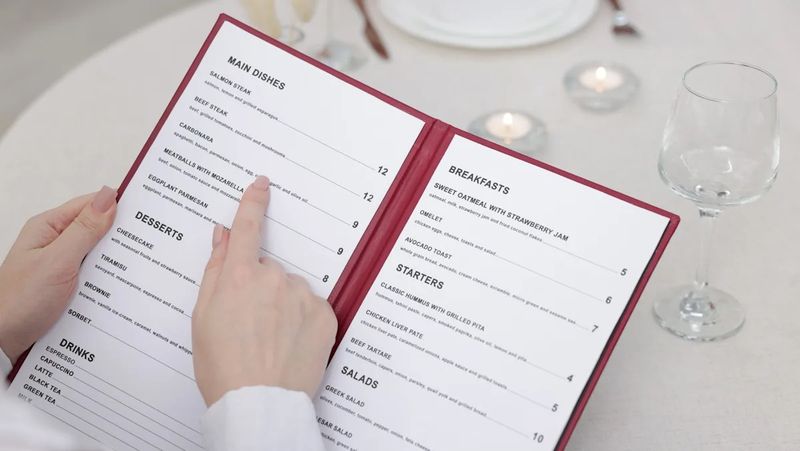
Market price is not secret, it is just variable. Ask for the number before ordering so you are choosing with eyes open.
Good servers expect the question and will answer without judgment.
Sometimes market price is a great deal, sometimes it is the splurge of the night. Either is fine if you decide intentionally.
A quick question protects your budget and prevents awkward surprises when the bill arrives.
7. Adding multiple sides when one would do
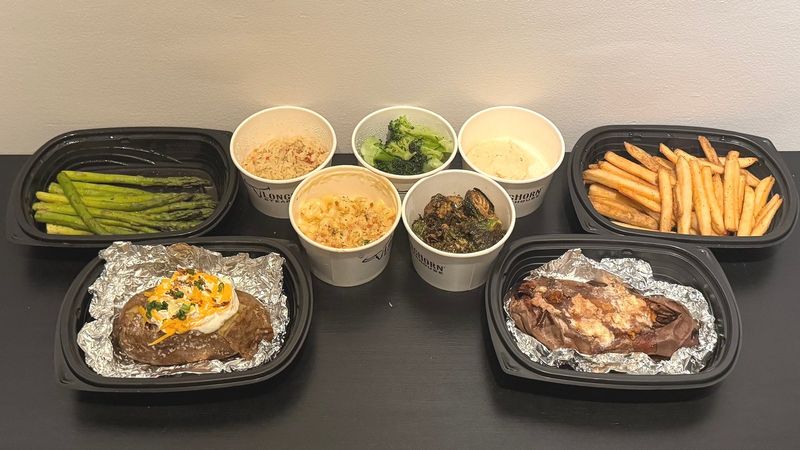
Sides at steakhouses and barbecue spots are often massive. Ordering one per person leads to leftovers you never wanted.
Choose one or two to share and you will still taste everything without the financial pile on.
Ask the server about portion size honestly. Many sides feed two or more.
When in doubt, start small and add later. It is easier to scale up than watch food go cold.
8. Choosing the most expensive protein impulsively
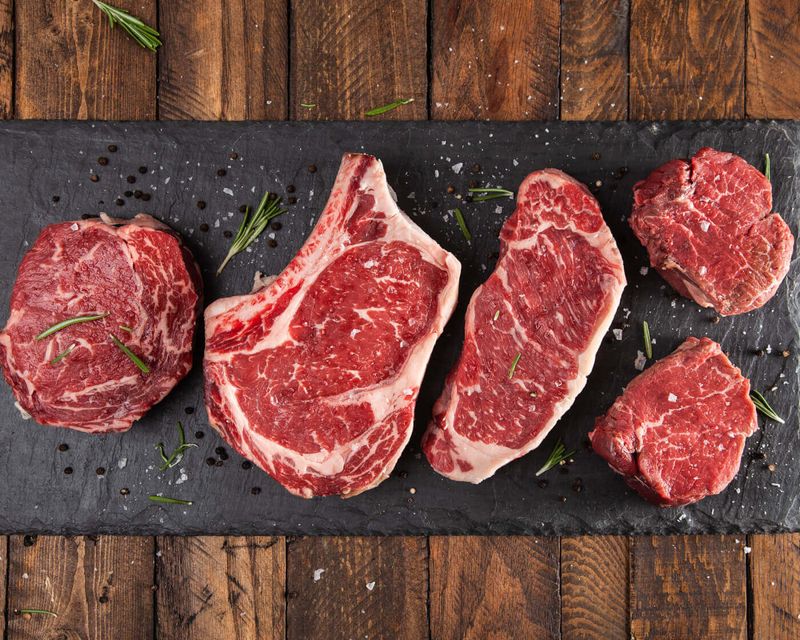
Steak, lobster, and special cuts can be amazing. But picking the priciest option to feel fancy is a fast way to overspend.
Choose it only when you truly crave it.
If chicken or pasta will make you just as happy, order that proudly. Restaurants design menus to nudge you upward.
Resist the nudge unless the splurge is the point tonight. Satisfaction beats status every time when the bill shows up.
9. Upgrading to combos without wanting the extras
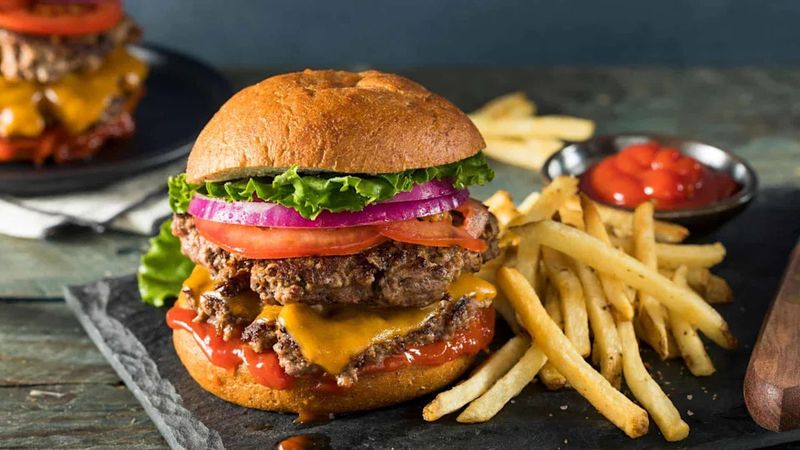
Combos look like value, but only if you wanted every item. Paying for fries and a drink you barely touch is not a deal.
Order a la carte when your appetite is smaller.
Decide before you reach the register so the upsell does not sway you. If you crave only the main, stick to it.
Your total drops and your satisfaction rises because every bite gets enjoyed.
10. Skipping the specials explanation, then ordering blindly
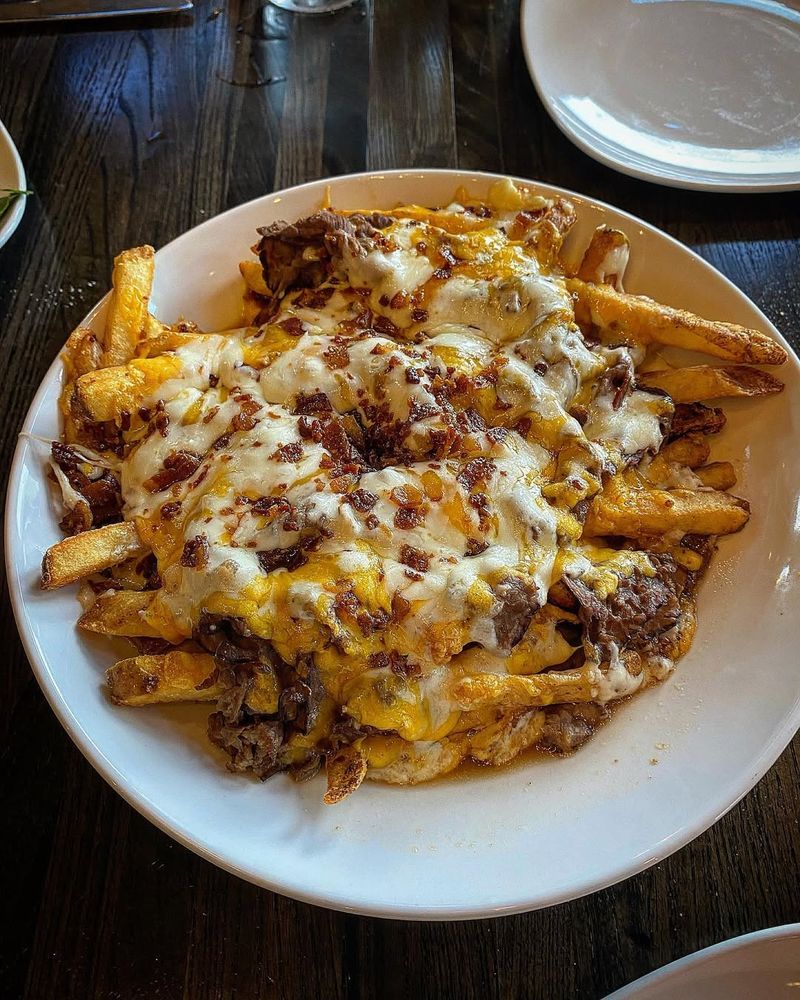
Specials can be the best value or the worst. Ask what is in it and the price before committing.
You are not being difficult, you are being smart.
Sometimes specials move slow inventory, sometimes they showcase peak ingredients. Knowing which is which helps you decide.
Ask about portion size and sides included too. A thirty second chat can save thirty dollars.
11. Falling for the luxury language trap
“Handcrafted,” “artisan,” and “signature” sound delicious but do not guarantee better. Fancy language often justifies higher prices without delivering more satisfaction.
Read past the adjectives and focus on ingredients and technique.
Compare similar dishes across the menu. If the descriptions are all sparkle and little substance, choose the option with real value.
Let your taste buds, not marketing, guide the spend. You will leave pleased and paid up fairly.
12. Letting hunger drive the whole order
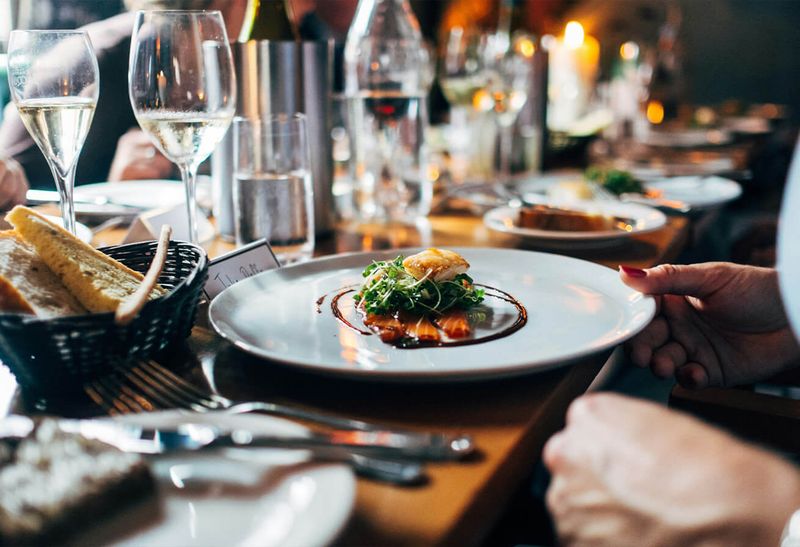
Arriving starving pushes you to over order. A small snack beforehand calms the impulse to get three things immediately.
Then you can pick what you will actually enjoy.
Drink water, eat a few crackers, or share a starter thoughtfully if needed. When hunger is tamed, your choices match your budget.
You will savor each bite instead of scrambling for volume.
13. Ordering dessert just because everyone else is
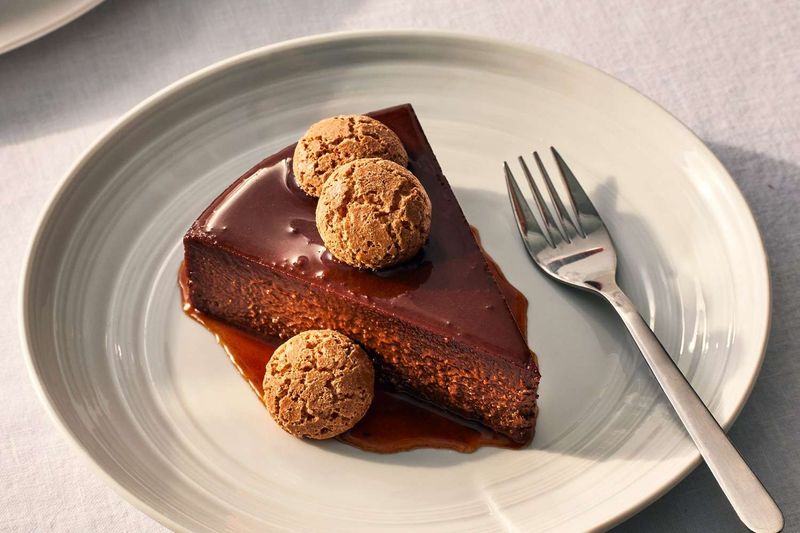
Group momentum is real. If you are not craving dessert, skip it or split one.
You can still be part of the moment without buying your own plate.
Consider coffee or tea if you want to linger. One shared treat often hits the spot and keeps costs in check.
Choose what you actually want, not what the table’s rhythm suggests.
14. Getting talked into extras you did not plan on

“Add shrimp?” “Make it a double?” “Add a side salad?” These quick questions stack cost fast. Have a default response ready so you do not decide under pressure.
Say, “I am good as is, thanks,” and move on. If an extra genuinely excites you, add it with intention.
Your bill will reflect your plan, not someone else’s script.
15. Paying for convenience you could handle yourself
Convenience fees hide in plain sight. Extra sauce cups, fancy bread add ons, and packaged take home extras can be wildly overpriced.
If you can handle it yourself, skip the upcharge.
Ask what is included before agreeing. Sometimes the base dish already provides what you need.
Spend where it matters and keep your money away from tiny conveniences you barely notice later.
16. Not using what you already paid for
Restaurants often include bread, chips and salsa, refills, or sides. Many people order extras while the included items sit untouched.
Use what you already paid for before adding on.
Ask what comes with the entree and make it part of your plan. If refills are free, skip the second bottled drink.
You will get the fullest value from the meal you already purchased.
17. Leaving half the meal on the table
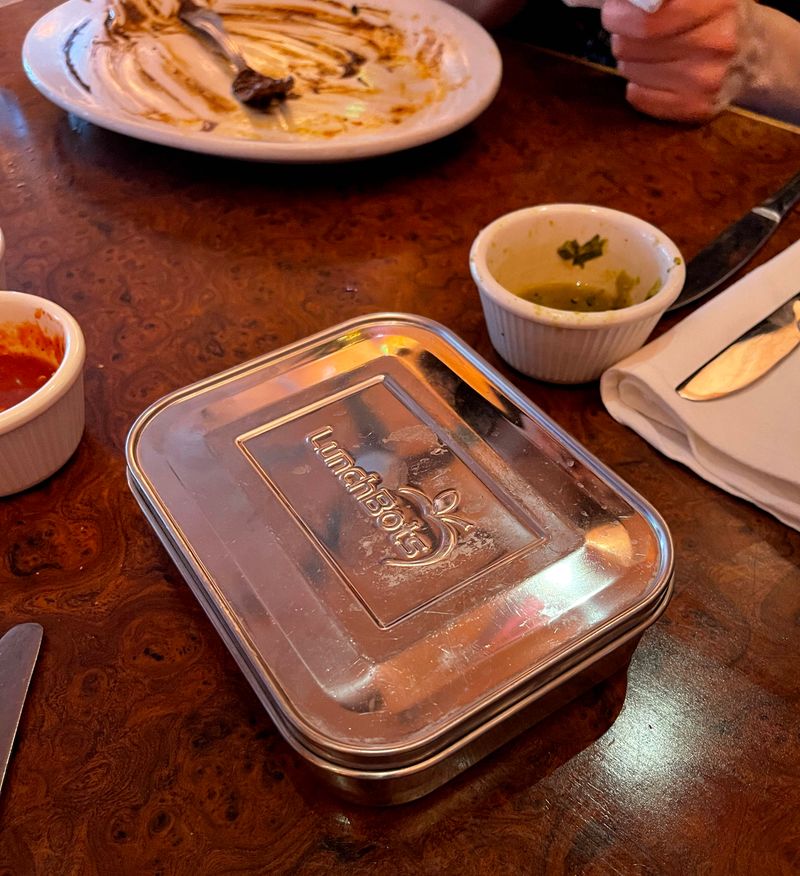
If you are not a leftovers person, order smaller. If you are, ask for a box early and pack as you go.
Food stays fresh and you avoid abandoning it once it is cold.
Leftovers can equal a bonus lunch. Plan ahead so delicious bites do not become waste.
Your budget wins when every dollar on that plate gets enjoyed later.
18. Treating every meal out like a special occasion
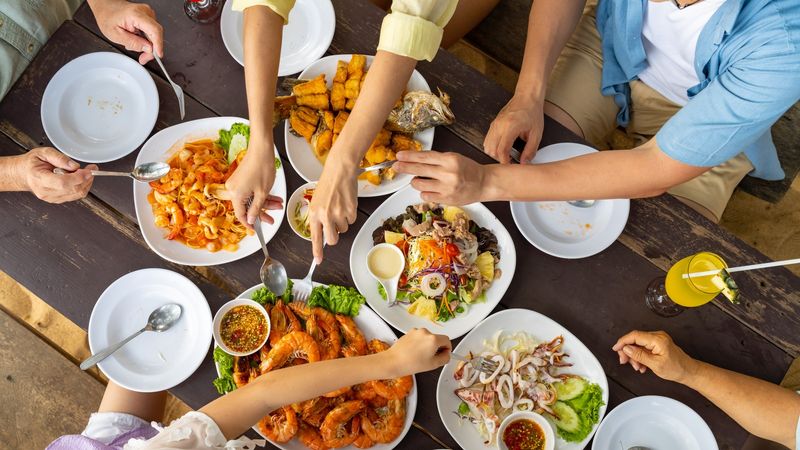
The “we are out, so go big” mindset drains budgets. You can still make it special with one standout item instead of four.
Pick a star dish, enjoy it fully, and keep the rest simple.
Say yes to the experience, not the excess. Decide your highlight before ordering and let everything else support it.
You will leave satisfied, not stretched.