18 Tips For Healthier Cooking At Home
Cooking at home is one of the best things you can do for your health. When you make your own meals, you control exactly what goes into them, which means less sugar, less salt, and fewer unhealthy fats.
Small changes in the kitchen can make a huge difference over time. Whether you are just starting out or looking to level up your cooking habits, these tips will help you eat better every single day.
1. Choose Smarter Cooking Methods

Forget the deep fryer. Steaming, baking, grilling, and air frying are cooking methods that need little to no added fat, yet still deliver delicious results.
Steaming vegetables, for example, keeps more vitamins and minerals locked in compared to boiling them away.
Air frying can cut fat by nearly 70% compared to deep-fat frying while still giving you that satisfying crunch. Switching your cooking method is honestly one of the easiest wins for healthier eating.
2. Steam Your Vegetables More Often
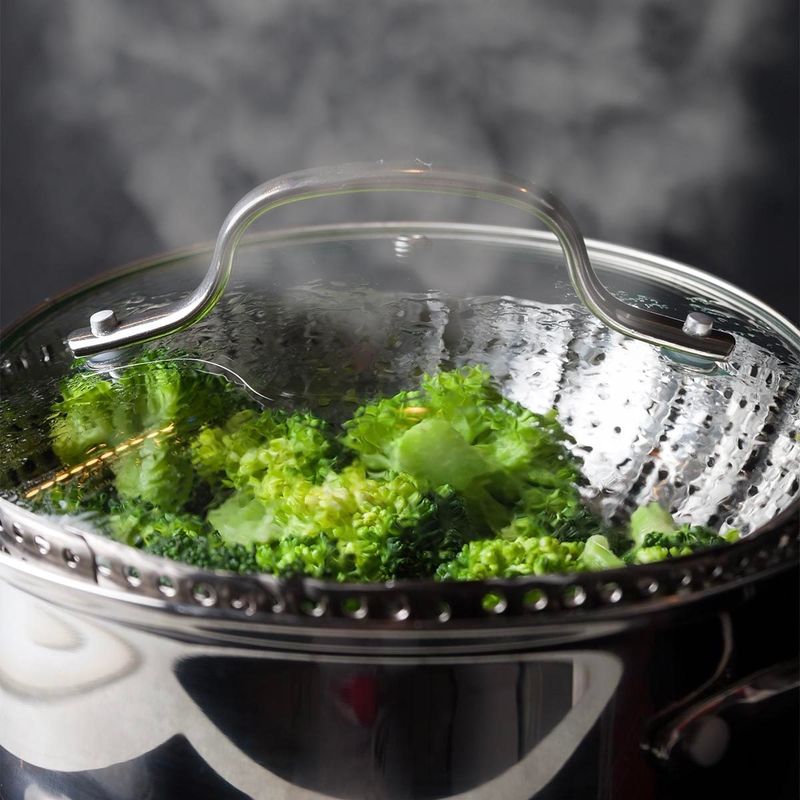
Boiling vegetables might seem harmless, but a lot of the good stuff actually leaches out into the water. Steaming keeps those vitamins and minerals right where they belong, inside your food.
The colors stay brighter, the textures stay crisp, and the natural flavors shine through without needing much seasoning. Try steaming broccoli, carrots, or snap peas the next time you cook a side dish.
You might be surprised how flavorful simple, well-cooked vegetables can actually be.
3. Pick Healthier Cooking Oils

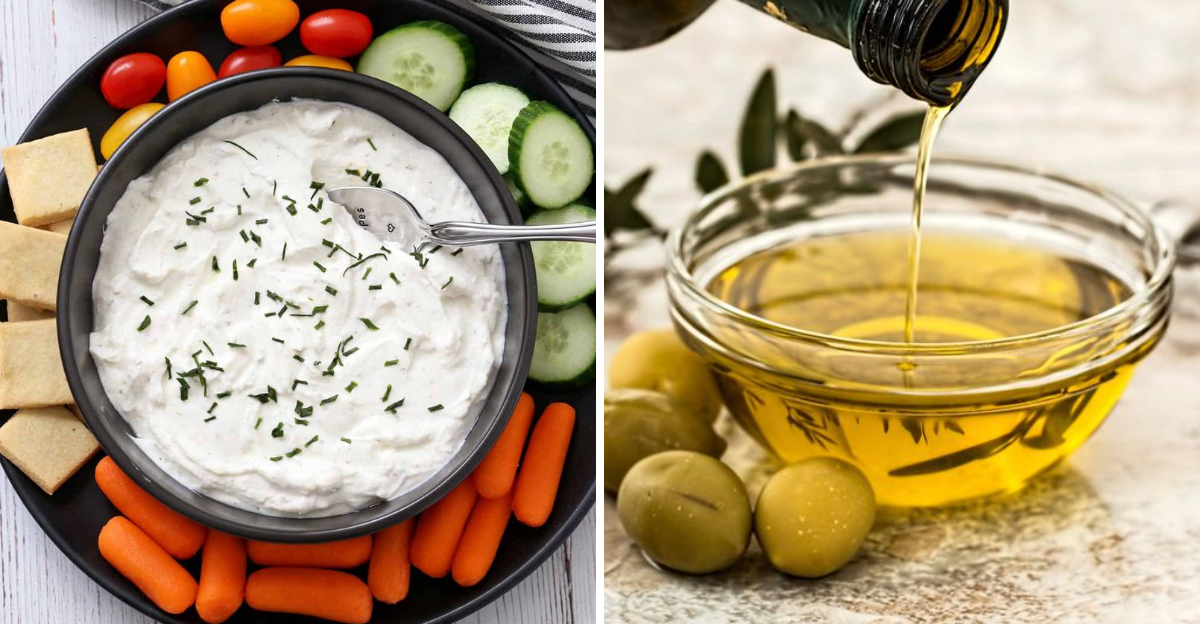
Not all cooking oils are created equal. Extra-virgin olive oil is packed with monounsaturated fats and antioxidants, and research shows it can actually help lower bad LDL cholesterol while raising good HDL cholesterol.
Avocado oil is another solid choice, especially for high-heat cooking like roasting or sauteing, thanks to its high smoke point. Skip the butter, lard, and tropical oils like coconut and palm oil when you can, since those are much higher in saturated fat.
4. Trim Fat From Meat Before Cooking

A little prep work before cooking can shave off a significant amount of unhealthy saturated fat from your meals. Removing the skin from chicken and turkey, or trimming the visible fat from beef and pork, takes only a minute but makes a real nutritional difference.
Choosing leaner cuts of meat, like chicken breast or sirloin, is another easy swap. You still get all the protein your body needs without the extra fat you definitely do not need.
5. Swap Full-Fat Dairy for Lighter Alternatives
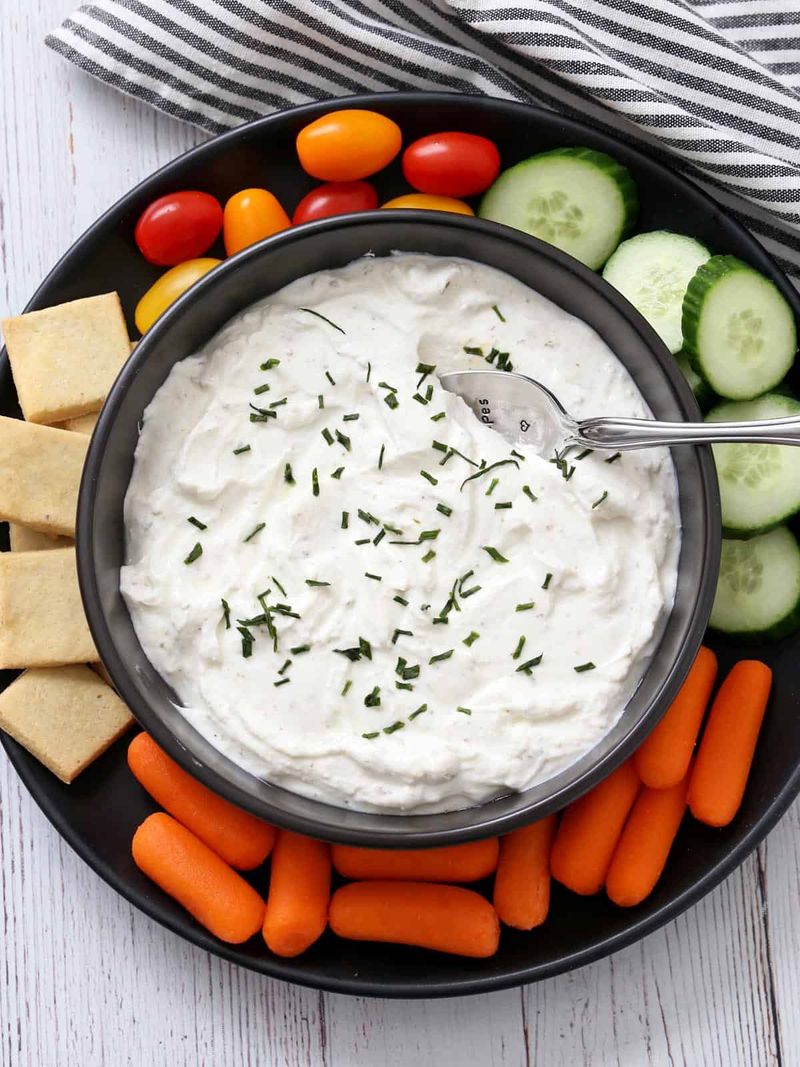
Full-fat dairy products like heavy cream, whole milk, and regular sour cream add a surprising number of calories and saturated fat to everyday meals. The good news is that low-fat and reduced-fat versions taste nearly identical in most recipes.
Greek yogurt is a total kitchen hero here. Use it in place of sour cream, mayonnaise, or even heavy cream in sauces and dips.
You get a creamy texture with a protein boost and far less fat overall.
6. Cut Back on Salt With Herbs and Spices
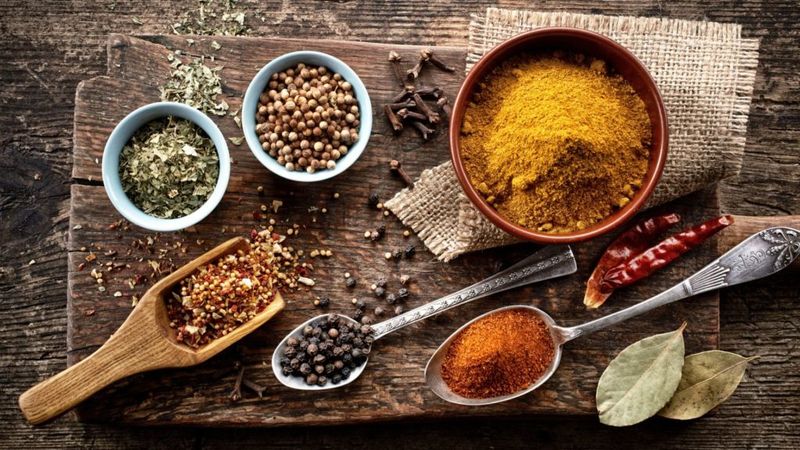
Salt is sneaky. Most people use far more than they realize, which can raise blood pressure over time.
The trick is replacing salt with bold flavors from fresh or dried herbs and spices like basil, cumin, paprika, turmeric, and garlic powder.
Citrus zest, lemon juice, and flavorful vinegars like balsamic can also brighten up a dish without adding a single milligram of sodium. Gradually reducing salt in your cooking allows your taste buds to adjust naturally, and soon you will barely miss it.
7. Reduce Sugar in Baked Goods
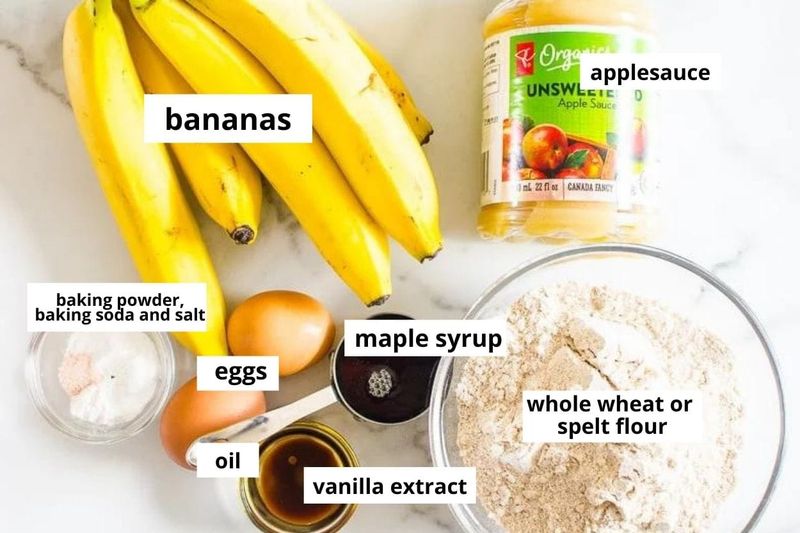
Here is a trick most bakers do not know: you can cut the sugar in most recipes by one-third or even half without ruining the final result. Brownies, oatmeal cookies, and quick breads are especially forgiving when it comes to reducing sweetness.
Natural sweeteners like mashed bananas, unsweetened applesauce, honey, or maple syrup can step in for refined white sugar. They add moisture and flavor too, which is honestly a bonus.
Your desserts can still be delicious and a little bit better for you.
8. Fill Half Your Plate With Fruits and Vegetables
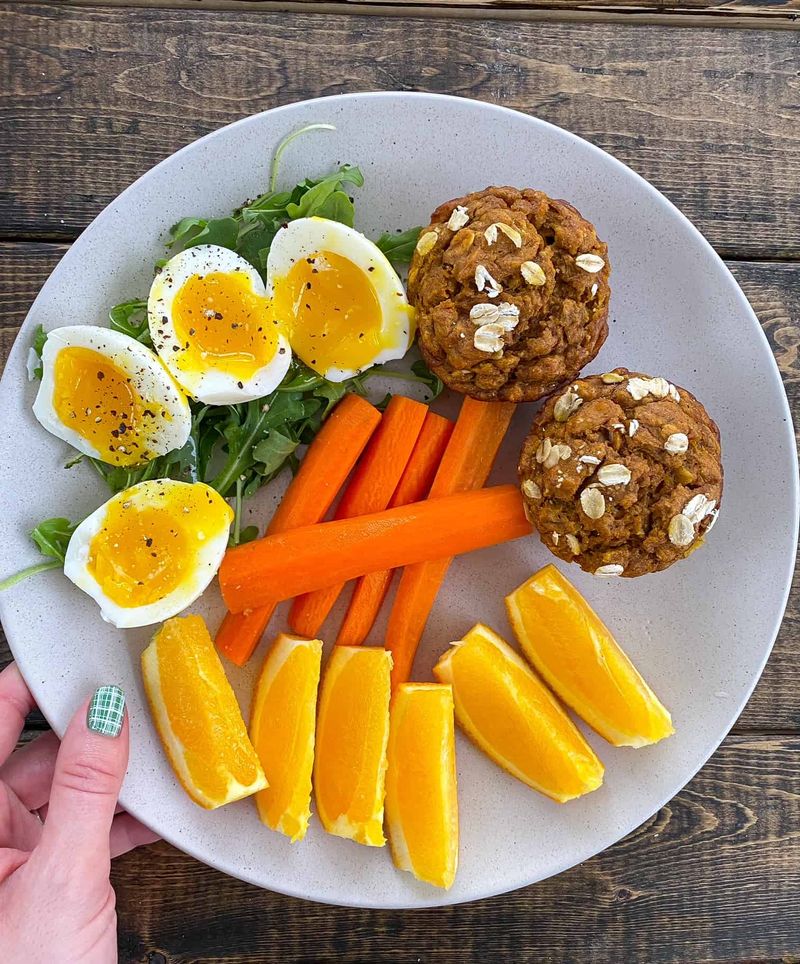
Think of your plate as a map. Health experts recommend that at least half of every meal should be made up of fruits and vegetables, and for good reason.
They are loaded with vitamins, minerals, and fiber that keep your body running smoothly.
Fresh, frozen, and even canned options all count. Just watch for added sodium in canned vegetables or extra sugar in dried fruits.
Building this habit at every meal is one of the simplest, most effective nutrition upgrades you can make.
9. Switch to Whole Grains
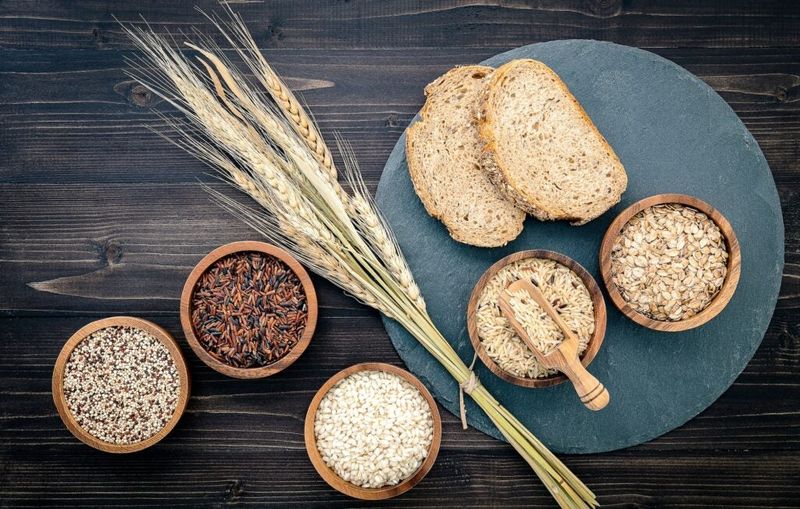
White bread and white rice are fine every now and then, but whole grains like brown rice, quinoa, whole wheat pasta, and oatmeal offer something refined grains simply cannot, fiber and more nutrients.
Fiber keeps you feeling full longer, helps digestion, and supports a healthy heart. Making the switch does not have to be dramatic.
Try mixing half white pasta with half whole wheat pasta at first. Over time, your palate adjusts and the whole grain versions start tasting completely normal.
10. Use Healthy Ingredient Substitutions in Baking
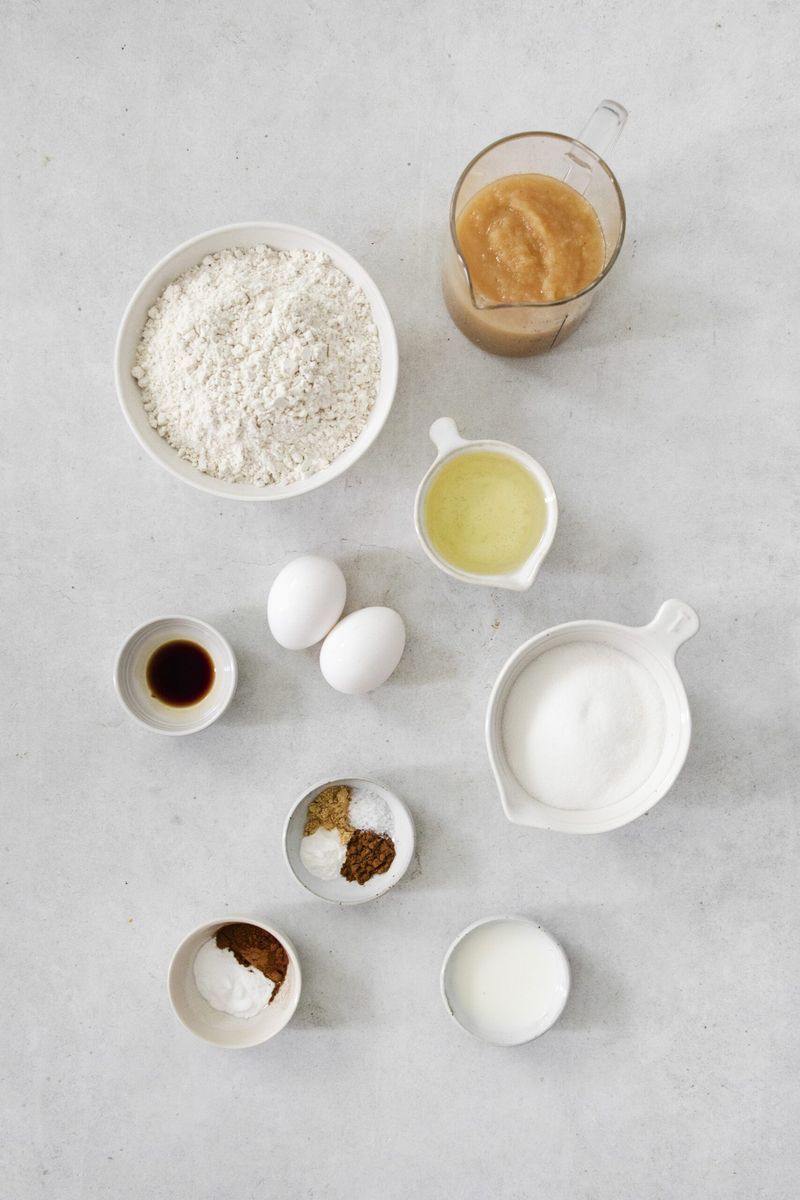
Baking does not have to mean loading up on butter, eggs, and white flour. Swapping just a few ingredients can turn a treat into something your body actually appreciates.
Try replacing whole eggs with two egg whites to cut cholesterol, or use unsweetened applesauce instead of oil.
Almond flour or whole wheat pastry flour works well as a substitute for all-purpose white flour. Even mixing half of each is a great starting point.
These small swaps add up to real nutritional improvements without sacrificing flavor or texture.
11. Rinse Canned Foods to Lower Sodium
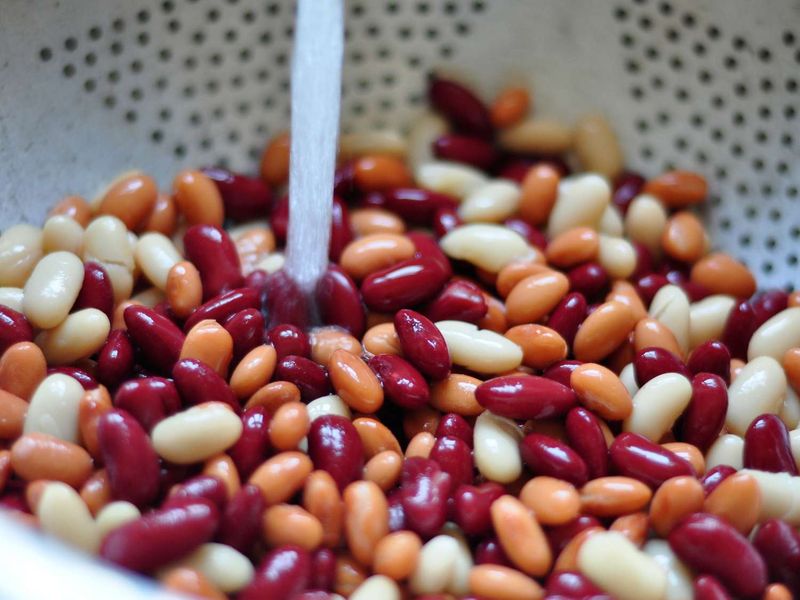
Canned beans, chickpeas, and vegetables are convenient and nutritious, but they often come packed in salty liquid. Simply rinsing them under cold running water for about 30 seconds can remove a significant portion of that added sodium.
It is such a small step, but it genuinely makes a difference, especially if you eat canned foods regularly. Even better, choose low-sodium or no-salt-added versions at the store.
Pairing rinsed canned beans with fresh herbs and a squeeze of lemon makes for a quick, satisfying side dish.
12. Practice Smarter Portion Control
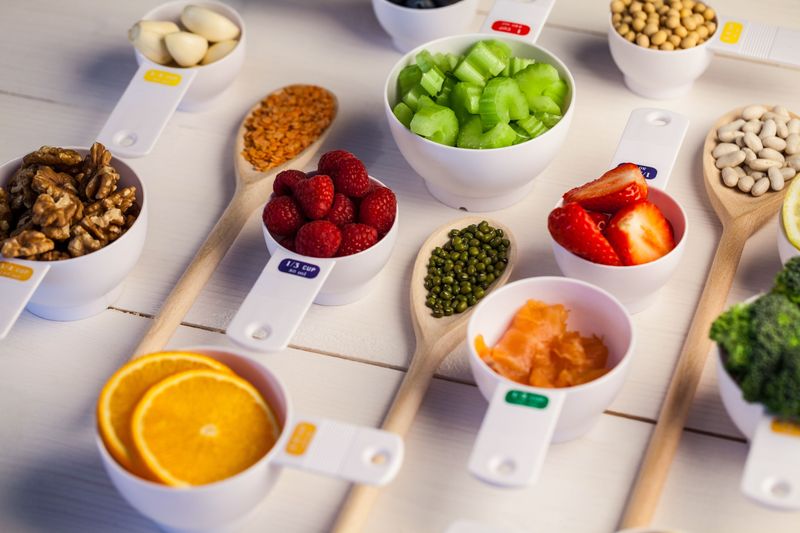
Portion sizes have ballooned over the decades, and our plates have grown right along with them. Using smaller dishes is a surprisingly effective trick, your brain perceives the plate as full even with less food on it.
Another approach is to serve meals from the stove instead of placing large serving dishes on the table. That small distance reduces the urge to grab seconds.
Drinking a glass of water before eating can also help you feel less hungry and avoid overeating without even trying.
13. Add Plant-Based Proteins to Your Meals
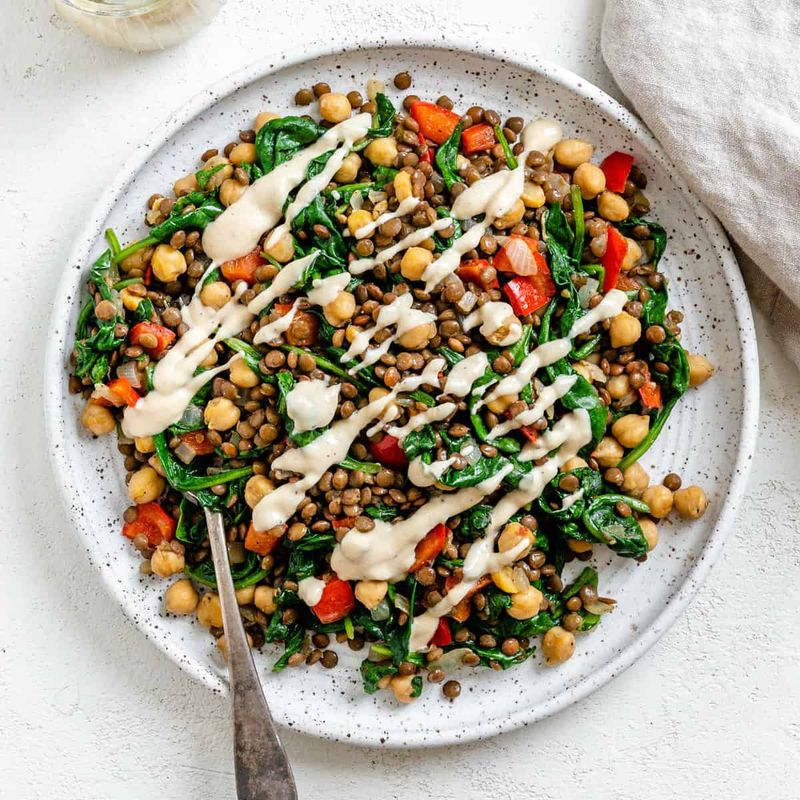
Meat does not have to be the star of every meal. Plant-based proteins like beans, lentils, tofu, edamame, and chickpeas are packed with fiber and nutrients that animal proteins often lack.
They are also much cheaper, which is a nice bonus.
Try building one or two meatless meals into your weekly routine. A hearty lentil soup or a chickpea stir-fry can be just as filling and satisfying as a chicken dinner.
Your wallet and your heart will both thank you for the effort.
14. Thicken Soups Without Heavy Cream

Creamy soups feel indulgent, but they do not have to rely on heavy cream to get that luscious texture. Pureed potatoes, carrots, lentils, or even silken tofu can thicken a soup beautifully while actually adding nutrition.
Blend a portion of the soup itself and stir it back in for an effortlessly smooth consistency. Cannellini beans pureed with a little broth are another fantastic option for creamy pasta sauces too.
You get the comfort food vibe with a genuinely nourishing twist behind every spoonful.
15. Embrace Batch Cooking for the Week
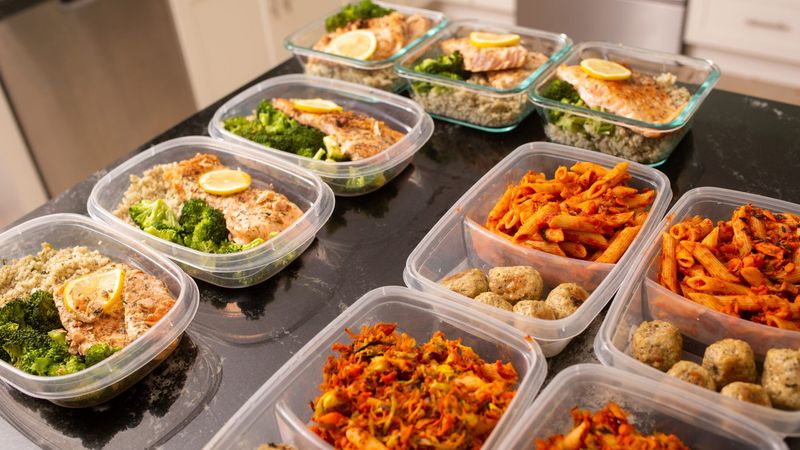
Sunday afternoon cooking sessions might just be the healthiest habit you ever build. Batch cooking means preparing larger amounts of grains, legumes, or roasted vegetables ahead of time, then storing them in containers for quick meals throughout the week.
Having healthy food already prepped makes it so much easier to skip the drive-through on a busy evening. Portion the meals into individual containers right away for grab-and-go convenience.
When eating well requires less effort, you are far more likely to actually stick with it long-term.
16. Read Nutrition Labels Before You Buy

Packaged foods can be surprisingly tricky. Something labeled as healthy on the front might be loaded with sodium, added sugar, or unhealthy fats when you flip it over and read the actual label.
Getting into the habit of checking nutrition facts takes about ten seconds and can completely change what ends up in your cart.
Look for items with less than 4 grams of saturated fat per serving and low added sugar. Choosing no-salt-added or unsweetened versions of pantry staples is an easy upgrade with real benefits.
17. Stock a Healthy Pantry
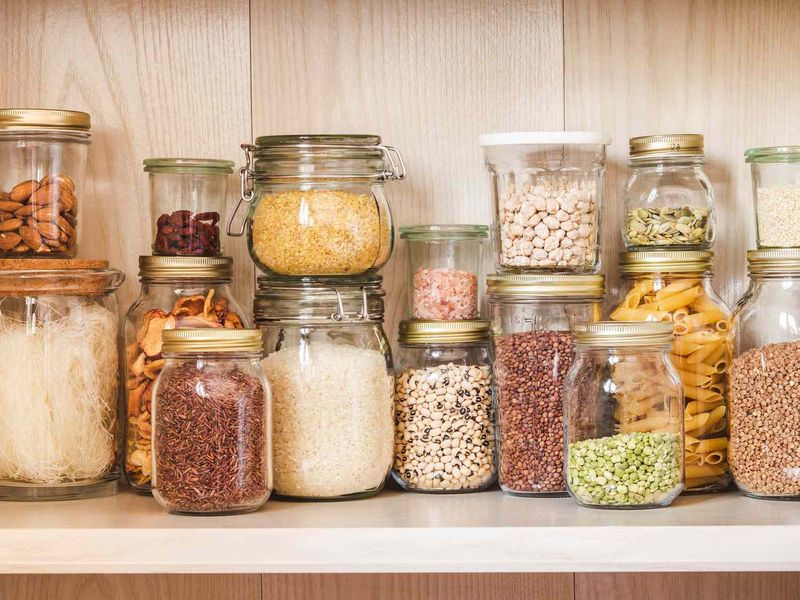
Your cooking habits are only as good as what is already in your kitchen. Stocking your pantry with whole grains, canned fish, dried beans, nuts, seeds, and low-sodium canned vegetables gives you the building blocks for a healthy meal at any time.
When the pantry is full of good options, reaching for something nutritious becomes the easiest choice rather than the hardest one. Think of it as setting yourself up for success before you even start cooking.
A well-stocked kitchen is a powerful tool for long-term healthy eating.
18. Start Small and Build Healthy Habits Gradually

Nobody overhauls their entire diet overnight, and honestly, that is completely fine. Trying to change everything at once usually leads to burnout and going right back to old habits.
Instead, pick one or two tips from this list and practice them consistently for a couple of weeks.
Maybe start by steaming your vegetables or cutting back on salt. Once those habits feel natural, add another small change.
Progress built on small, steady steps tends to last far longer than any dramatic overnight transformation ever does.