
18 Ways To Add Protein Without Meat
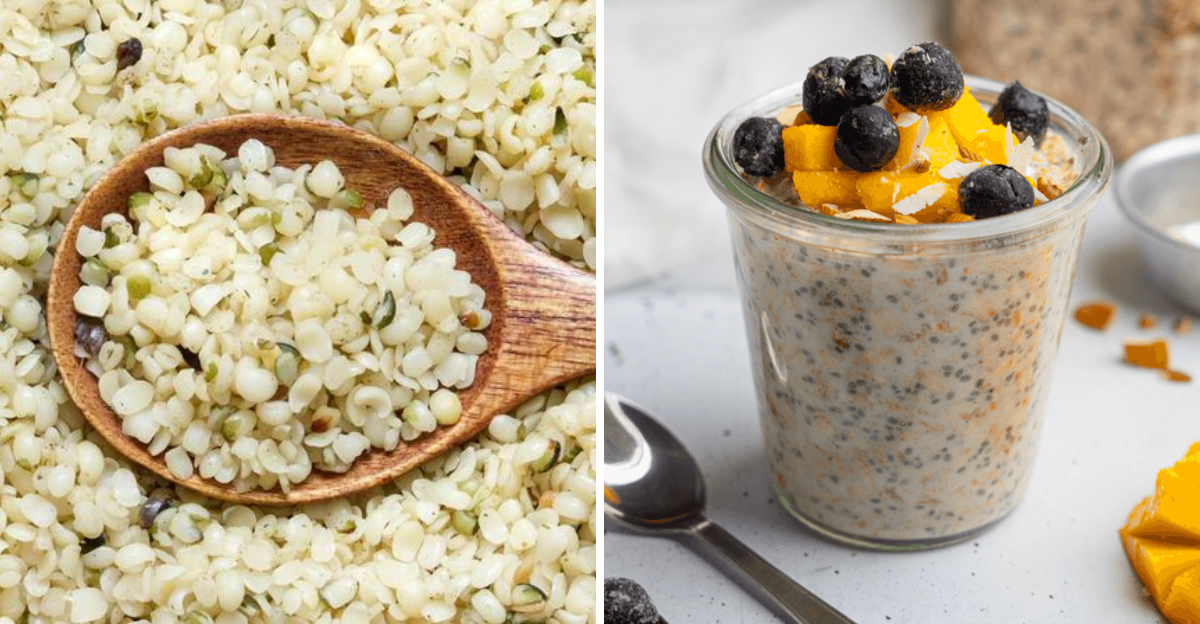
Getting enough protein doesn’t mean you have to eat chicken, beef, or fish at every meal. Plants, seeds, legumes, and grains can pack a serious protein punch while also delivering fiber, vitamins, and minerals your body loves.
Whether you’re going vegetarian, cutting back on meat, or just looking to mix things up, there are plenty of tasty options to explore. These 18 protein-packed foods make it easier than ever to fuel your body without ever touching a piece of meat.
1. Lentils
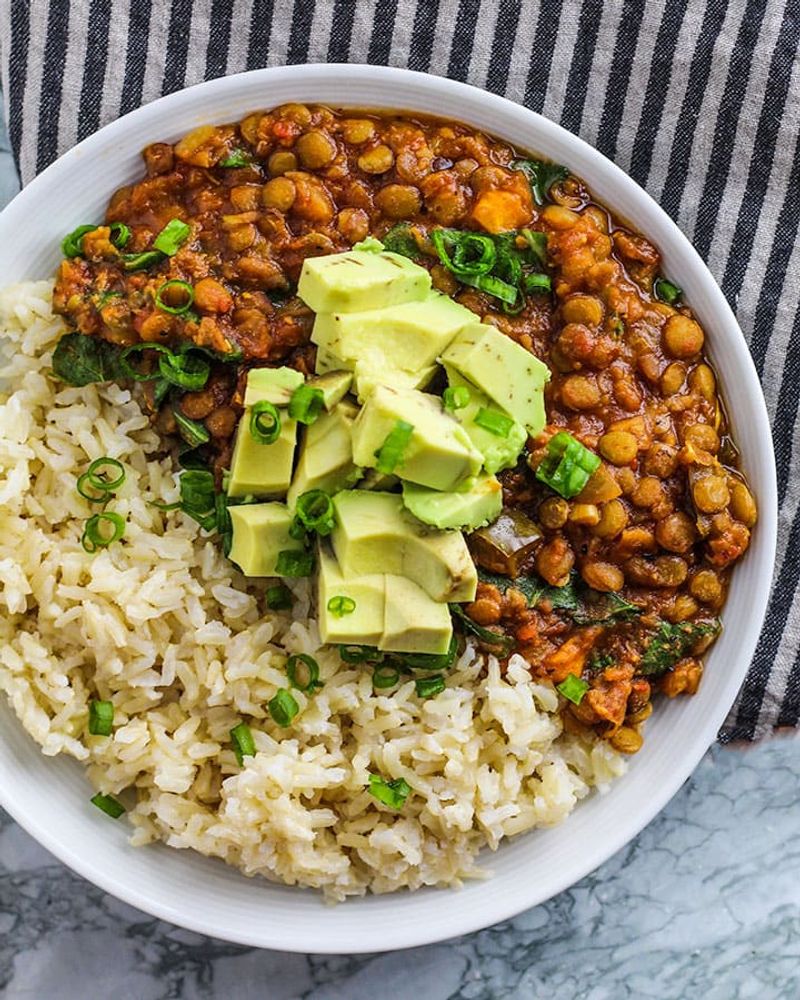
Cup for cup, lentils might just be the unsung hero of plant-based eating. One cooked cup delivers nearly 18 grams of protein, which rivals many meat-based meals.
They also bring iron, magnesium, and a hefty dose of fiber to the table.
Lentils cook faster than most other legumes and don’t need soaking overnight. Toss them into soups, stews, or grain bowls for an easy, filling boost that keeps hunger away for hours.
2. Black Beans
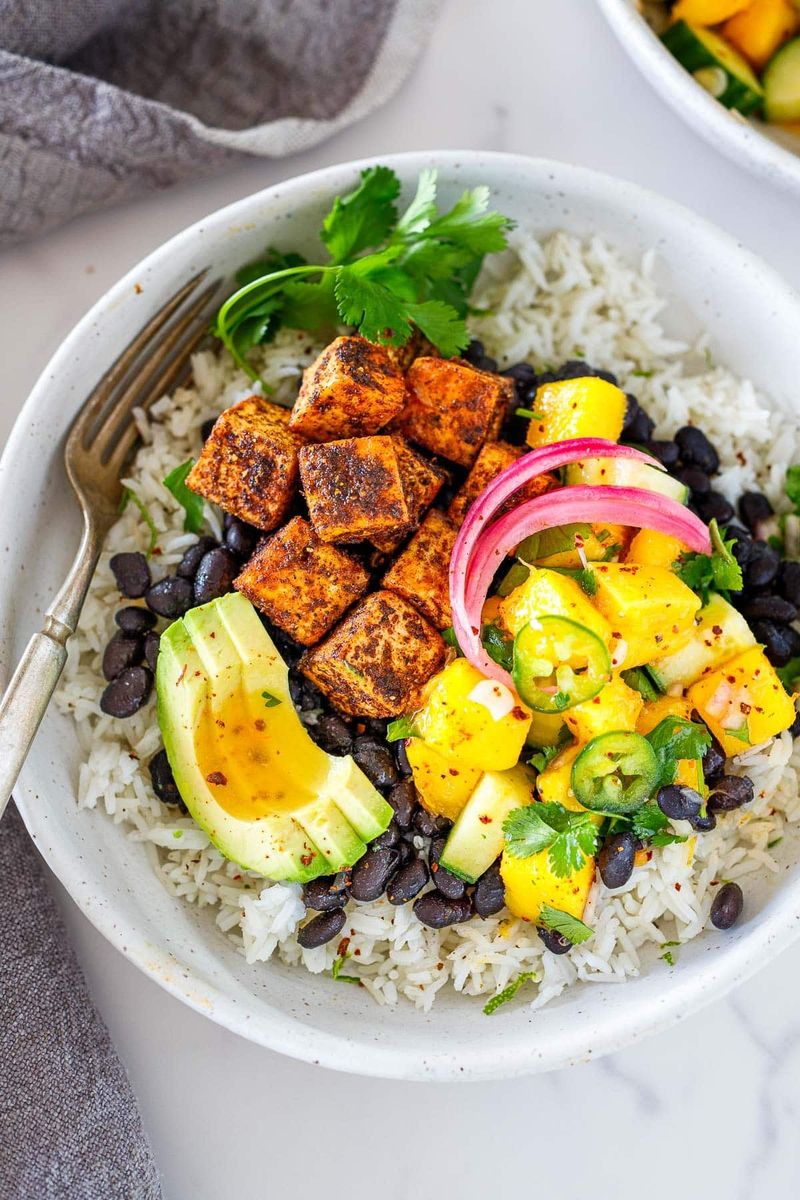
Black beans have been a kitchen staple across Latin America for centuries, and there’s a very good reason they’ve stuck around. Half a cup of cooked black beans gives you about 7 grams of protein along with powerful antioxidants that support heart health.
Their rich, earthy flavor works beautifully in tacos, rice bowls, and salads. They’re also incredibly budget-friendly, making them one of the smartest protein swaps you can make.
3. Chickpeas
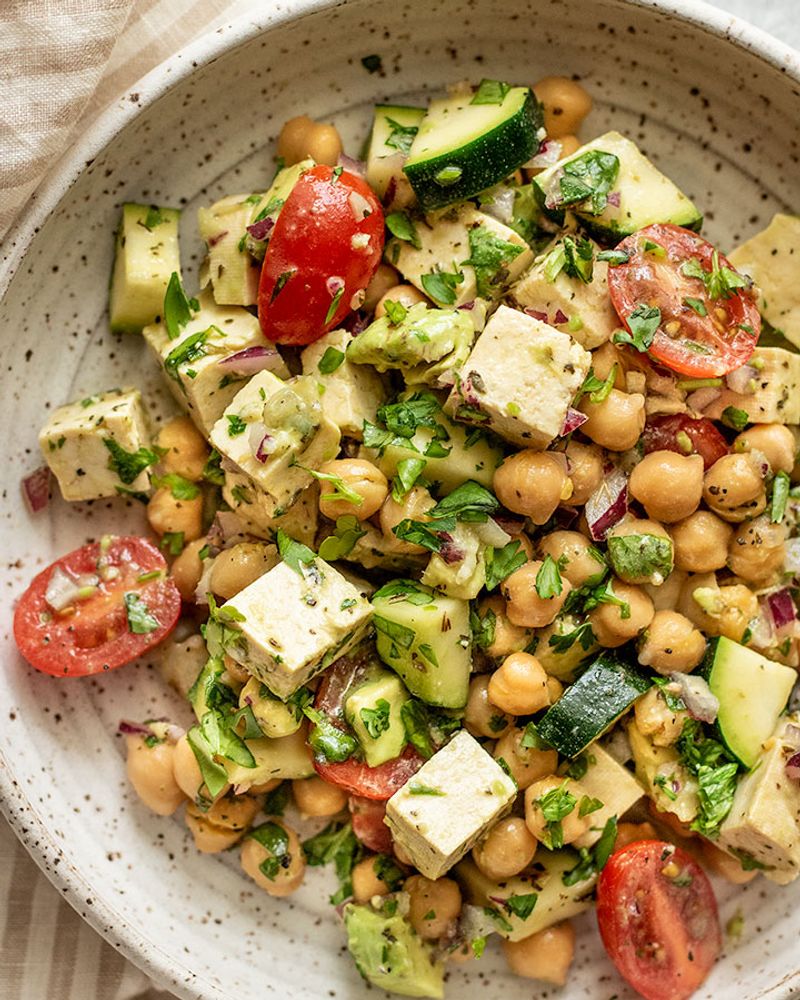
Roast them, blend them, or toss them straight from the can into a salad — chickpeas are one of the most flexible foods in any kitchen. A full cup cooked gives you close to 15 grams of protein, making them a genuinely powerful plant-based option.
Also called garbanzo beans, chickpeas are the star ingredient in hummus and work brilliantly in curries. Their slightly nutty flavor pairs well with bold spices and fresh vegetables alike.
4. Tofu
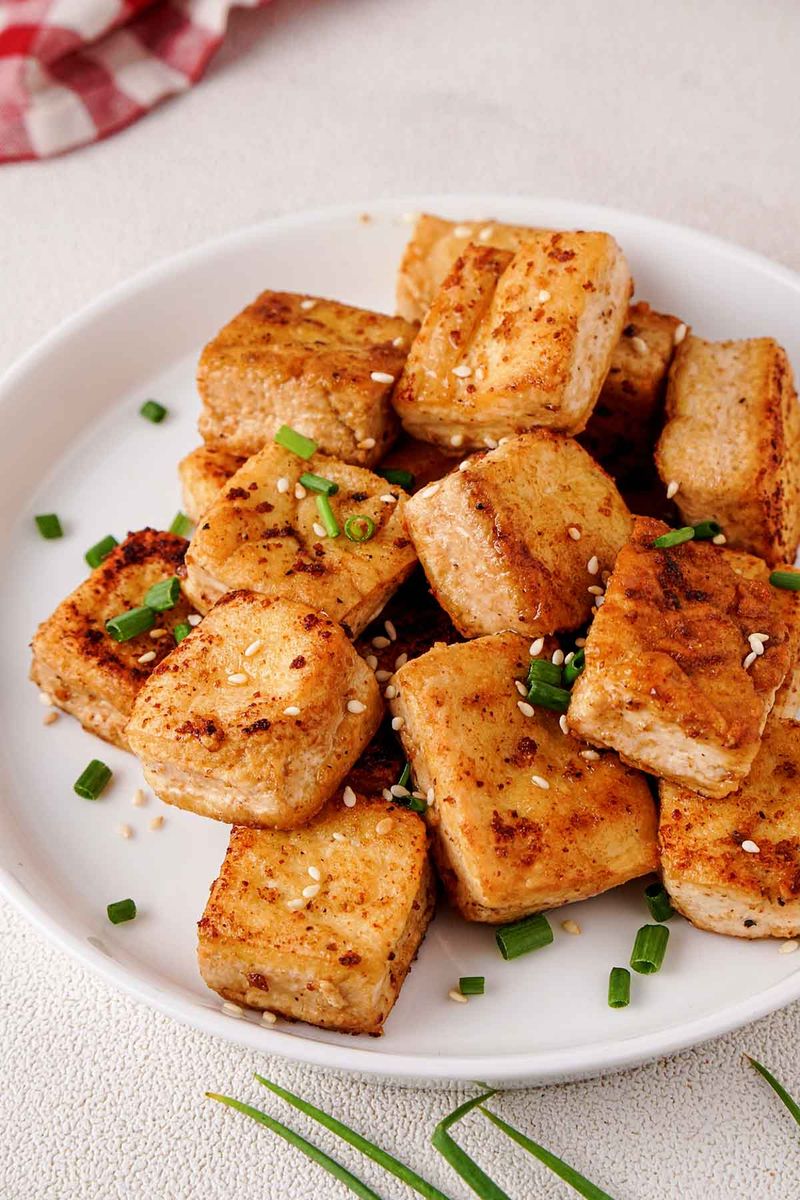
Tofu gets a bad reputation for being bland, but that’s actually its superpower — it absorbs whatever flavors you throw at it. Made from soybeans, it’s a complete protein, meaning it contains all nine essential amino acids your body can’t make on its own.
Half a cup delivers around 10 grams of protein plus calcium and iron. Fry it crispy, bake it chewy, or crumble it into scrambles — tofu truly does it all.
5. Tempeh
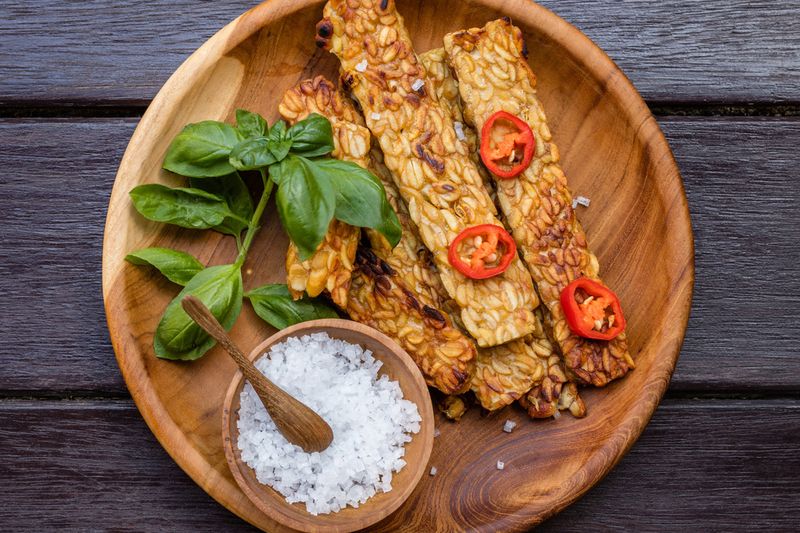
Fermented foods are having a major moment, and tempeh has been quietly leading the charge for decades. This Indonesian staple is made from fermented soybeans pressed into a firm cake, and it packs between 12 to 20 grams of protein per 3.5-ounce serving.
Fermentation also makes tempeh easier to digest and boosts its nutrient absorption. Slice it thin, marinate it in your favorite sauce, and pan-fry until golden for a satisfying, protein-rich main dish.
6. Edamame
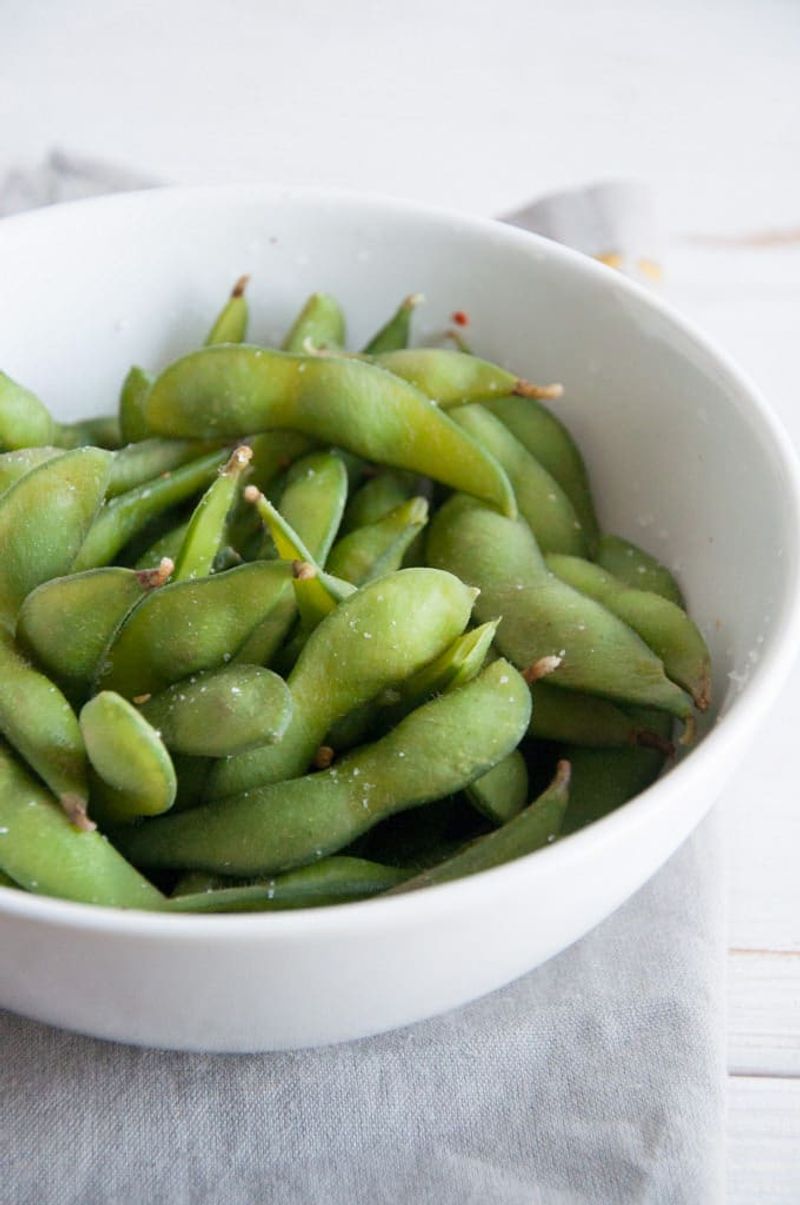
Snacking on edamame feels almost too easy for how nutritious it actually is. These young, green soybeans deliver 10 grams of complete protein per half-cup serving, plus omega-3 fatty acids and a solid hit of fiber that keeps your digestive system happy.
You’ll find them frozen at most grocery stores, ready in minutes after a quick steam or boil. Add them to stir-fries, grain bowls, or simply enjoy them salted as a quick afternoon snack.
7. Quinoa
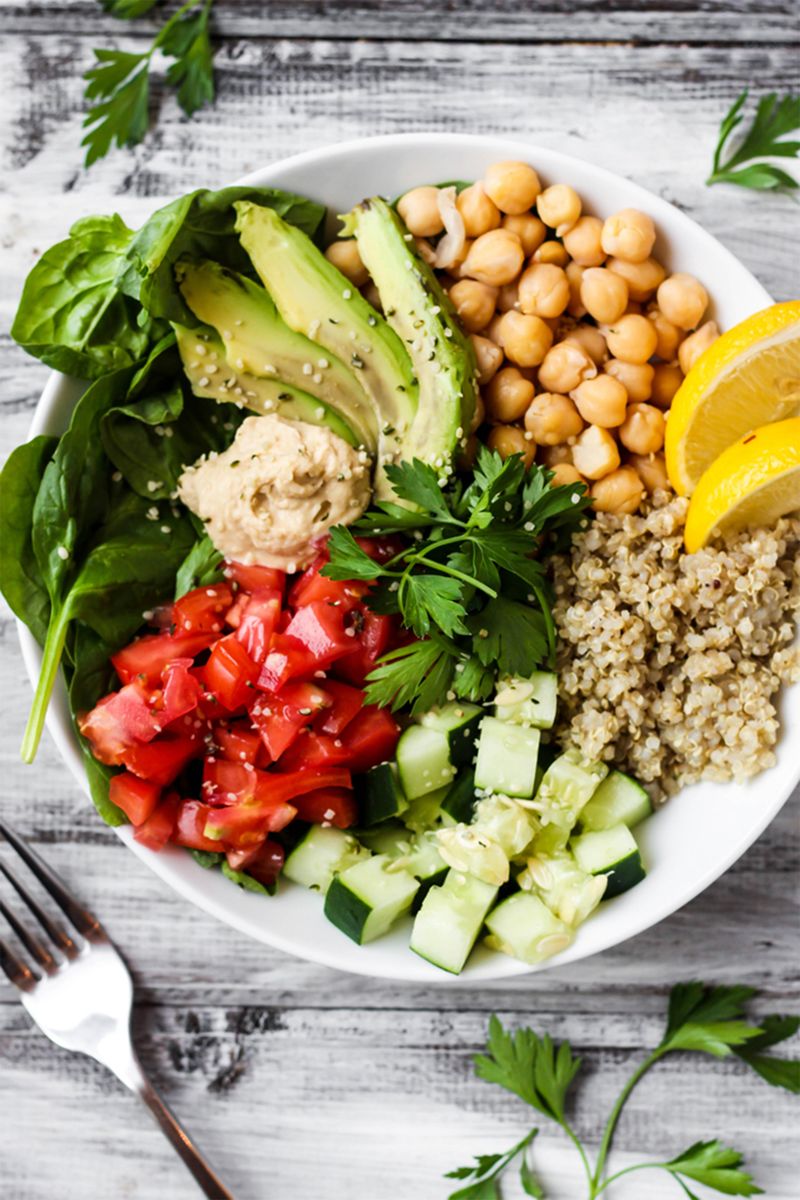
Technically a seed, quinoa has earned its place at the table by doing something most plant foods can’t — delivering all nine essential amino acids in a single serving. One cooked cup brings about 8 grams of protein and 5 grams of fiber without weighing you down.
Originally cultivated in the Andes thousands of years ago, quinoa has become a modern pantry staple. It cooks in under 15 minutes and works as a base for bowls, salads, or even breakfast porridge.
8. Seitan
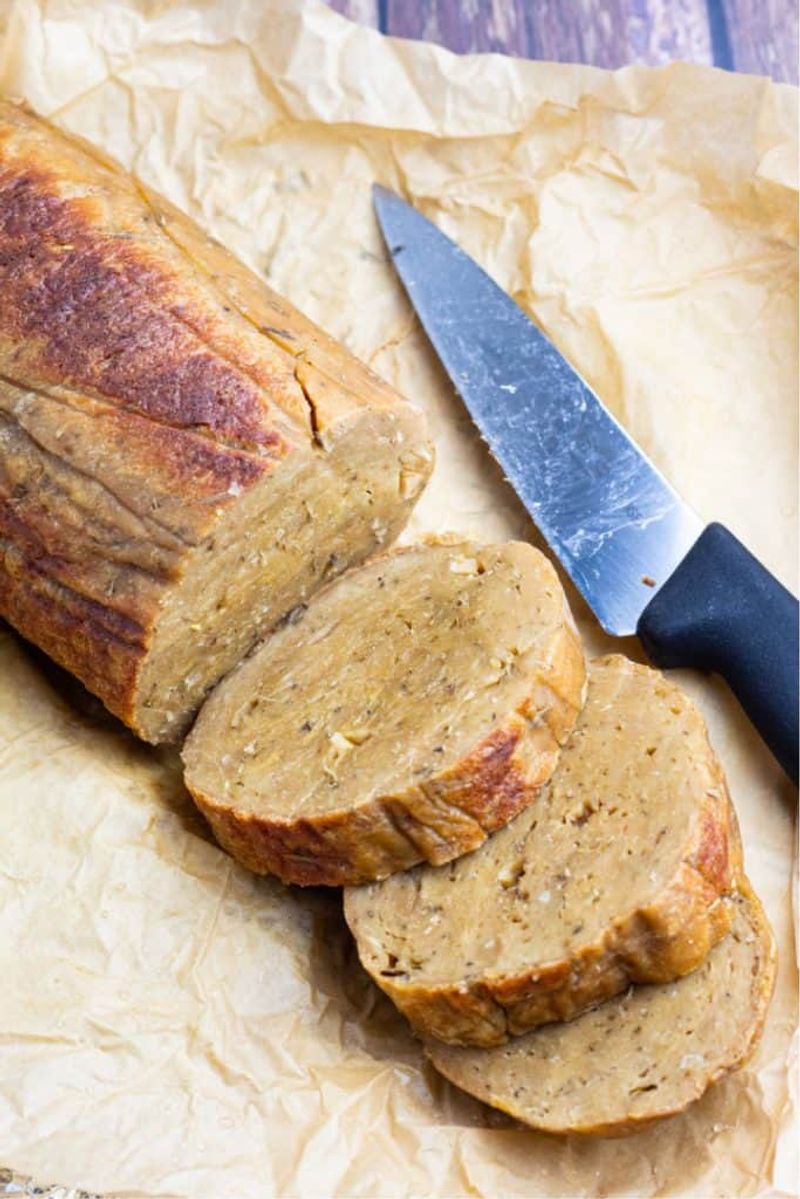
If you’ve ever wanted a meat alternative that actually chews like meat, seitan is your answer. Made from wheat gluten, it has a dense, chewy texture that holds up beautifully to grilling, braising, and stir-frying.
A 3-ounce serving contains between 15 and 20 grams of protein.
Seitan has been used in Asian Buddhist cooking for over a thousand years. Just keep in mind it’s not suitable for anyone avoiding gluten, but for everyone else, it’s a protein powerhouse.
9. Hemp Seeds
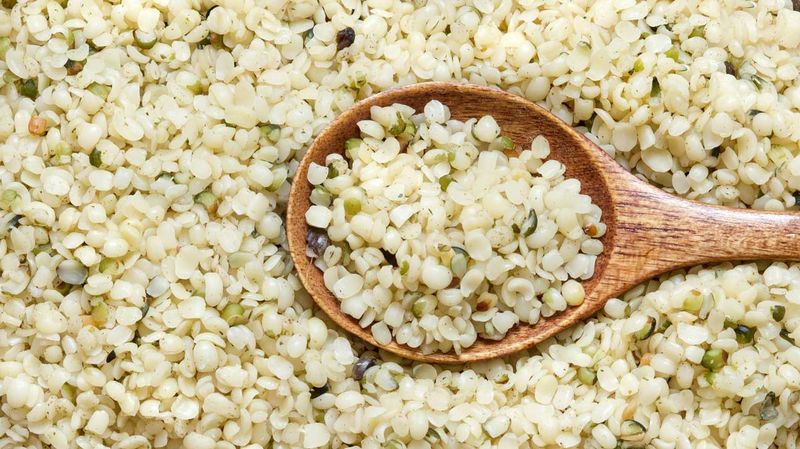
Three tablespoons of hemp seeds, also called hemp hearts, quietly deliver 10 grams of complete protein — no cooking, no soaking, no prep required. They also bring omega-3 and omega-6 fatty acids in an ideal ratio that supports brain and heart health.
Their mild, slightly nutty taste makes them easy to sprinkle on just about anything. Add them to oatmeal, yogurt, smoothies, or salads for an effortless protein upgrade that nobody will even notice is there.
10. Chia Seeds
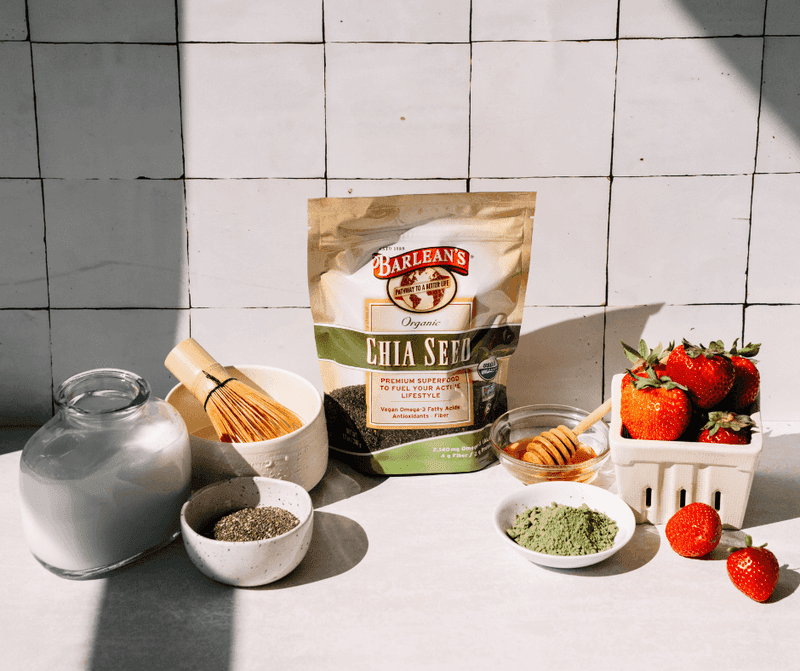
Tiny but mighty, chia seeds have become a favorite among health-conscious eaters for good reason. One ounce offers nearly 5 grams of protein and a generous amount of omega-3 fatty acids, which help reduce inflammation and support healthy cholesterol levels.
When soaked in liquid, chia seeds expand into a gel-like texture that makes them perfect for puddings and overnight oats. Sprinkle them dry onto smoothies or baked goods for a nearly invisible nutritional upgrade.
11. Almonds
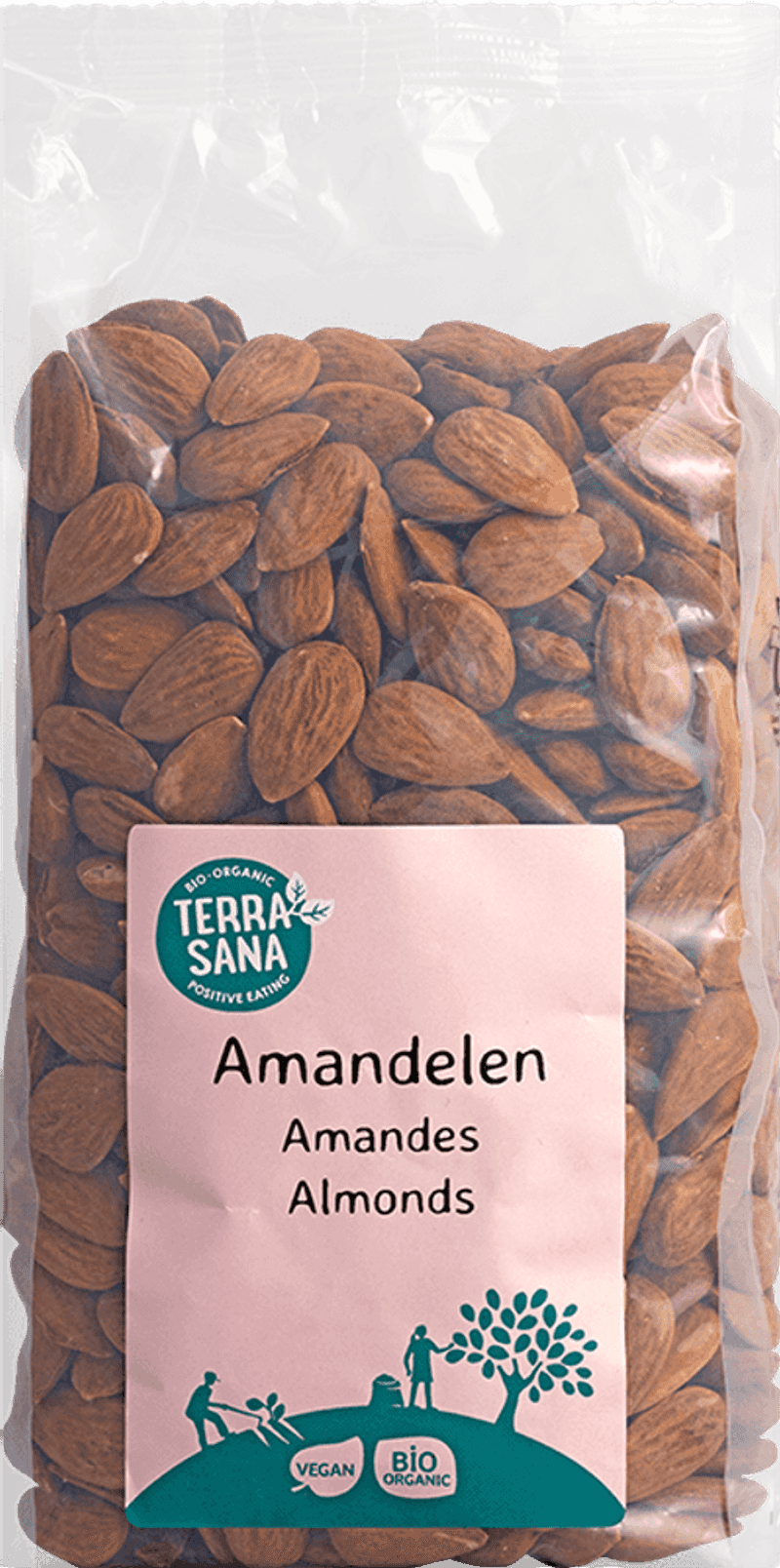
A small handful of almonds — about one ounce — delivers roughly 6 grams of protein along with heart-healthy monounsaturated fats and a solid amount of vitamin E. They’re one of the most convenient protein snacks you can keep in your bag or desk drawer.
Almonds have been cultivated for thousands of years and were even found in ancient Egyptian tombs. Whether you snack on them whole, spread almond butter on toast, or blend them into milk, they’re endlessly useful.
12. Pumpkin Seeds
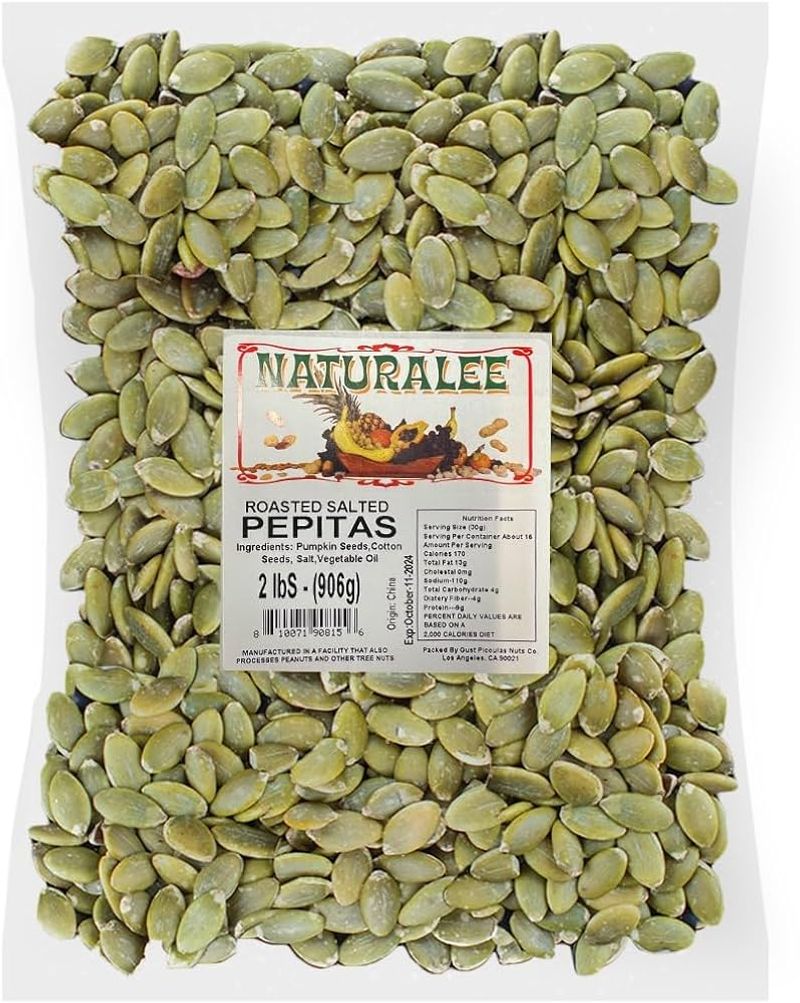
Don’t toss those seeds after carving your Halloween pumpkin — they’re actually one of the most protein-dense snacks around. Pumpkin seeds, or pepitas, are loaded with protein, healthy fats, zinc, and magnesium, making them a nutritional triple threat.
Roast them with a little olive oil and seasoning for a crunchy snack, or sprinkle them over soups and salads. Many plant-based protein powders even use pumpkin seed protein as a key ingredient because of its impressive amino acid profile.
13. Oats
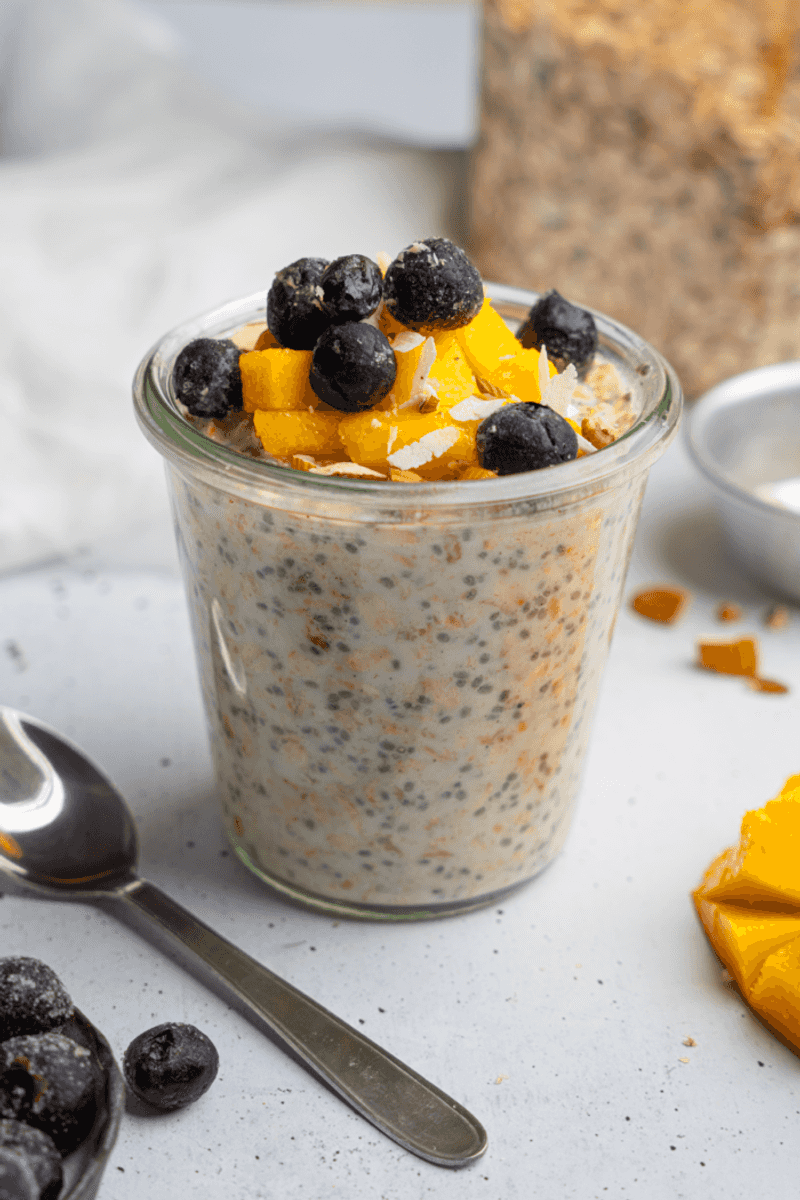
Most people think of oatmeal as a comfort food, not a protein source — but a single cooked cup brings 6 grams of protein to your morning routine. Pair it with nut butter or a scoop of hemp seeds and that number climbs even higher.
Oats are also rich in beta-glucan, a special type of fiber that has been shown to lower bad cholesterol. They’re one of the most affordable and filling breakfast options that genuinely support muscle maintenance and long-lasting energy.
14. Soy Milk
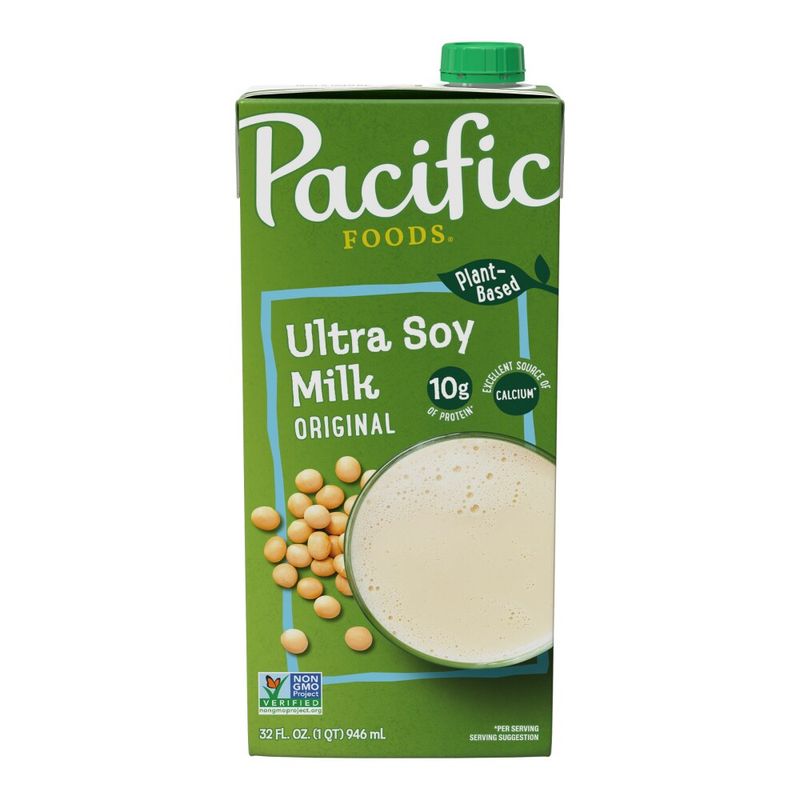
Among all the plant-based milk options lining grocery store shelves, soy milk stands in a category of its own when it comes to protein. One cup packs 8 grams of protein, putting it nearly on par with cow’s milk and far ahead of almond or rice alternatives.
It’s also often fortified with calcium and vitamin D, which makes it a genuinely well-rounded dairy swap. Use it in coffee, cereal, smoothies, or baking without noticing much of a difference in taste.
15. Nutritional Yeast
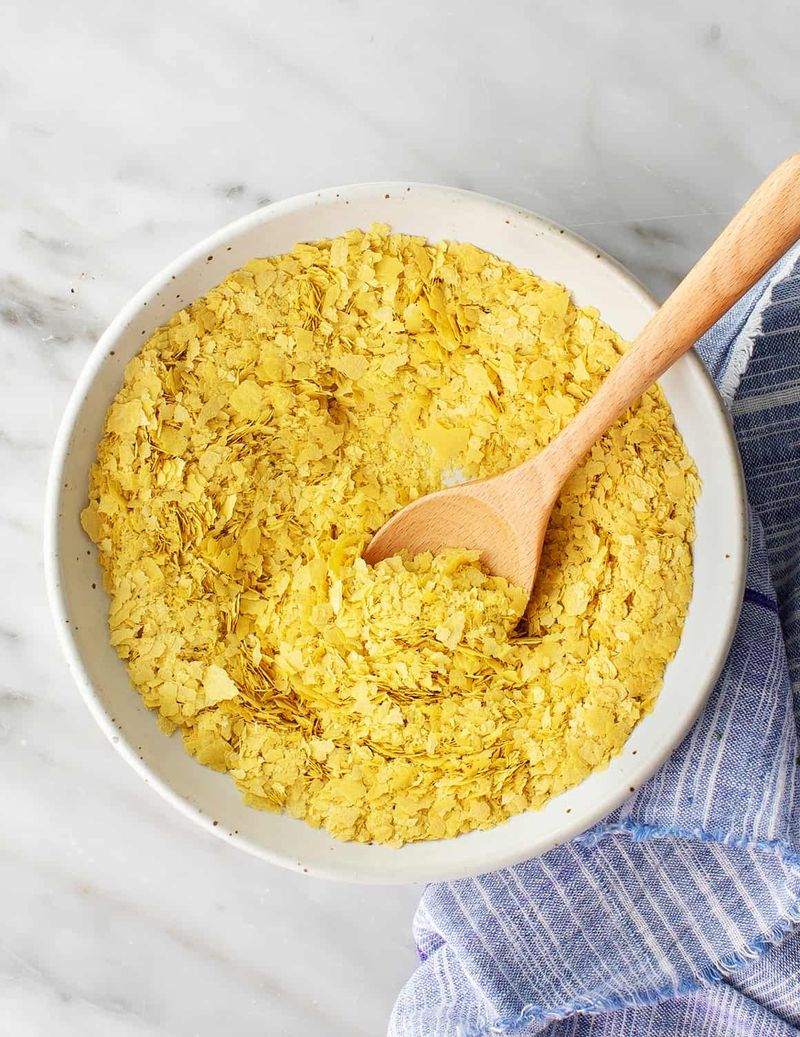
Nutritional yeast sounds like something from a science lab, but it tastes surprisingly like cheese — which is exactly why vegans and dairy-free eaters love it. Just two tablespoons deliver around 8 grams of protein, and fortified versions also supply vitamin B12, which is notoriously hard to get on a plant-based diet.
Sprinkle it over popcorn, pasta, or roasted vegetables for a savory, nutty flavor boost. It’s one of those ingredients that makes healthy eating feel genuinely indulgent.
16. Green Peas
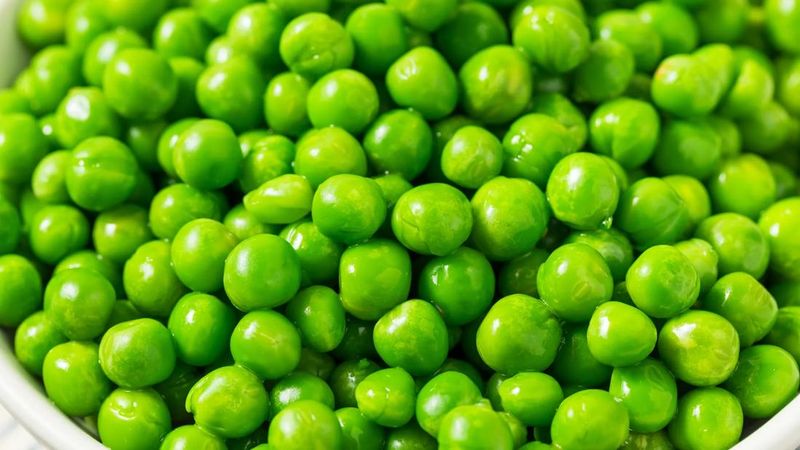
Green peas are one of the most underestimated vegetables in the produce aisle. A full cup of cooked peas packs 8 grams of protein, which is more than you’d expect from something so small and sweet.
They also offer vitamins C and K, plus a nice dose of fiber.
Pea protein has become one of the most popular plant-based protein powder ingredients for exactly this reason. Fresh, frozen, or blended into soups, green peas deserve a much bigger role in everyday meals.
17. Broccoli
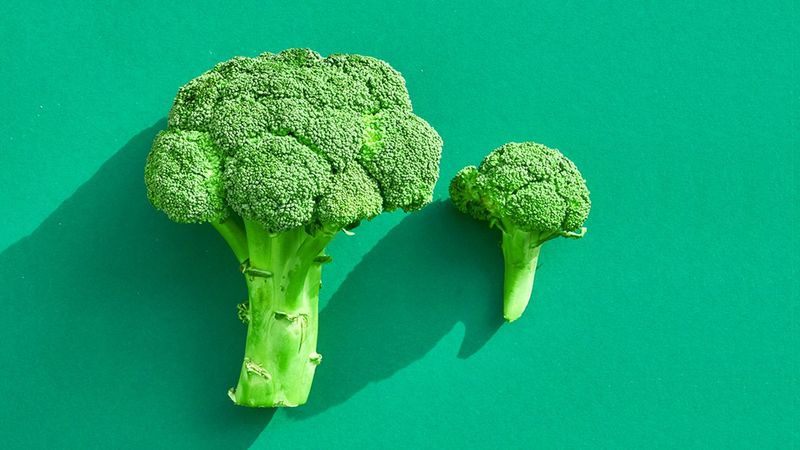
Broccoli may not be the first food that comes to mind when you think about protein, but one cup of cooked broccoli still contributes about 2.5 grams — which adds up fast when you’re eating it regularly alongside other plant-based proteins. It’s also one of the most nutrient-dense vegetables on the planet.
Rich in vitamin C, fiber, and cancer-fighting compounds called glucosinolates, broccoli earns its superfood status. Roast it, steam it, or toss it raw into salads for easy, everyday nutrition.
18. Sprouted Grain Bread
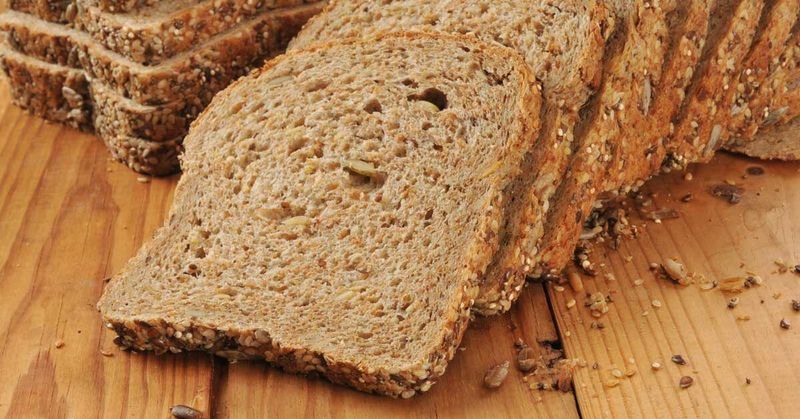
Switching from regular white bread to sprouted grain bread is one of the simplest protein upgrades you can make without changing your entire diet. Breads like Ezekiel bread are made from whole sprouted grains, and the sprouting process actually increases the protein content and makes nutrients easier for your body to absorb.
Two slices can deliver around 8 grams of protein. It’s also denser and more filling than standard sandwich bread, which means you stay satisfied longer between meals.