19 Savvy Grocery Tips That Helped Me Slash My Spending
Grocery prices have been creeping up, but your bill does not have to. With a few smart habits and some simple planning, you can keep more money in your pocket without sacrificing taste or nutrition. These are the exact strategies that helped me cut costs week after week. Steal the best ideas, tweak them for your routine, and watch your total drop fast.
1. Make a Flexible Meal Plan
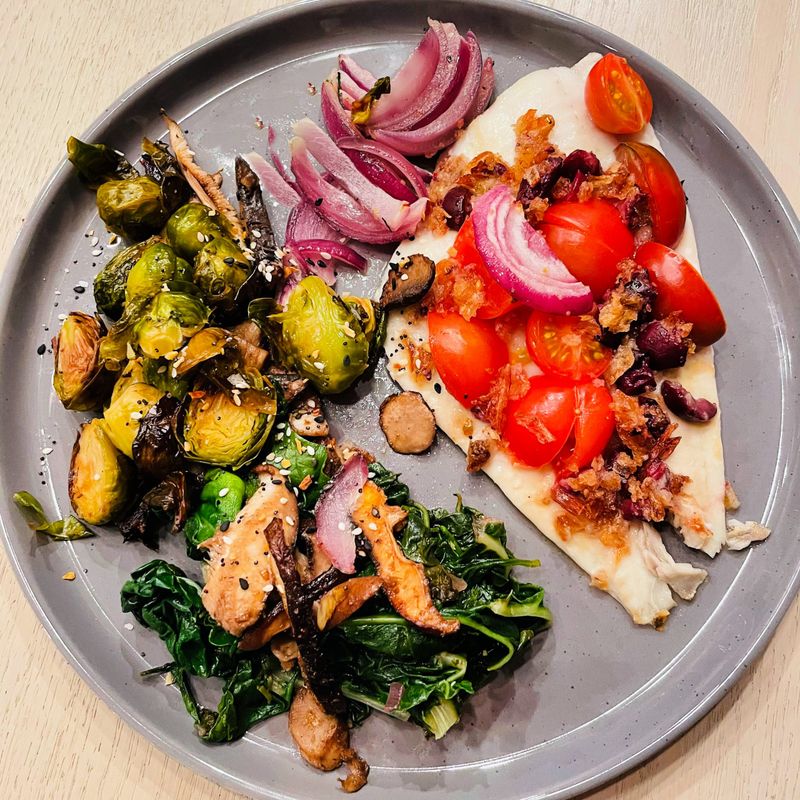
Plan meals around what you already have and what is on sale. Keep it flexible so you can swap dinners if broccoli is cheaper than green beans. A simple list prevents impulse buys and duplicate ingredients.
Build in a leftovers night to reduce waste. Use themes like tacos, pasta, or soup to simplify decisions. Planning once saves time all week and keeps your cart focused.
2. Shop Your Pantry First
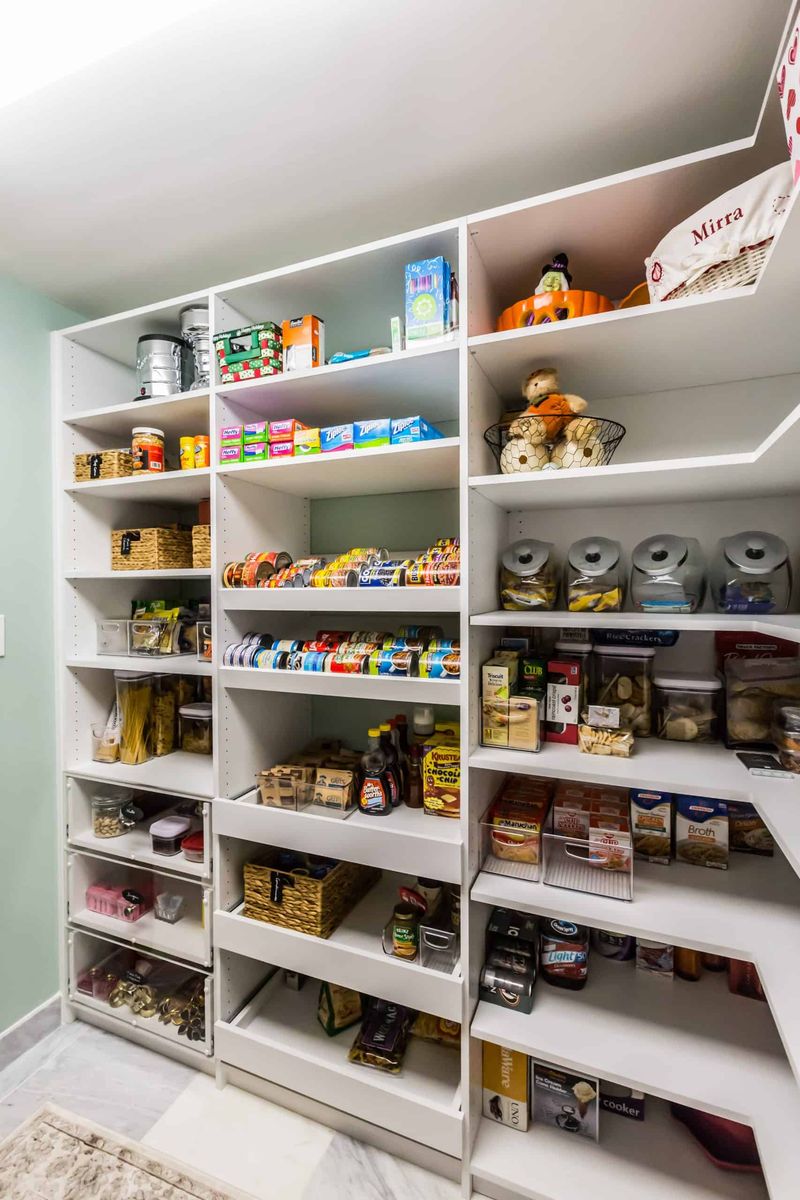
Before heading out, check your pantry, fridge, and freezer. You likely own more usable ingredients than you remember. Designing meals around what is already there instantly shrinks your list.
Keep a running inventory of staples so you do not rebuy items. Store duplicates together to avoid hidden cans. The fewer items you need, the smaller your bill becomes.
3. Use a Realistic Budget
Decide your grocery number before you shop. A hard ceiling helps you choose store brands and skip extras. Track each trip so the monthly total never surprises you.
Use cash or a prepaid card if overspending is a habit. A visible limit keeps choices intentional. Budgets are not restrictive when they protect future plans and reduce stress.
4. Lean on Unit Prices
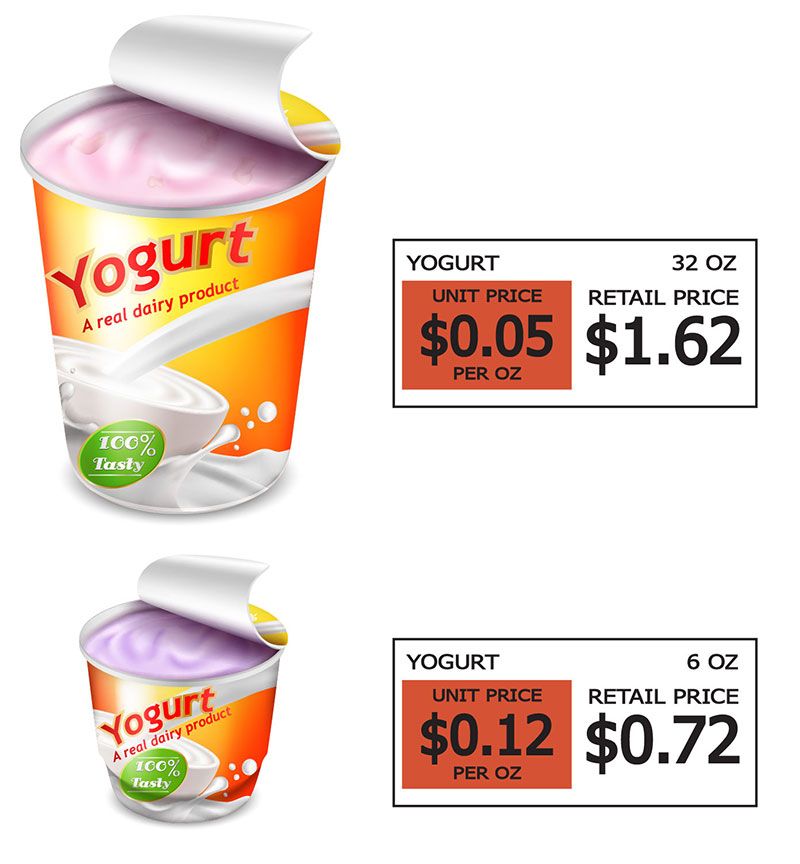
Forget the big sticker and read the unit price. Cost per ounce or per pound tells the truth about value. Bigger packages are not always cheaper, so compare across sizes and brands.
When quality is similar, pick the lowest unit price. If spoilage is likely, smaller may actually save more. Unit prices turn guessing into math that favors your wallet.
5. Buy Generic Strategically
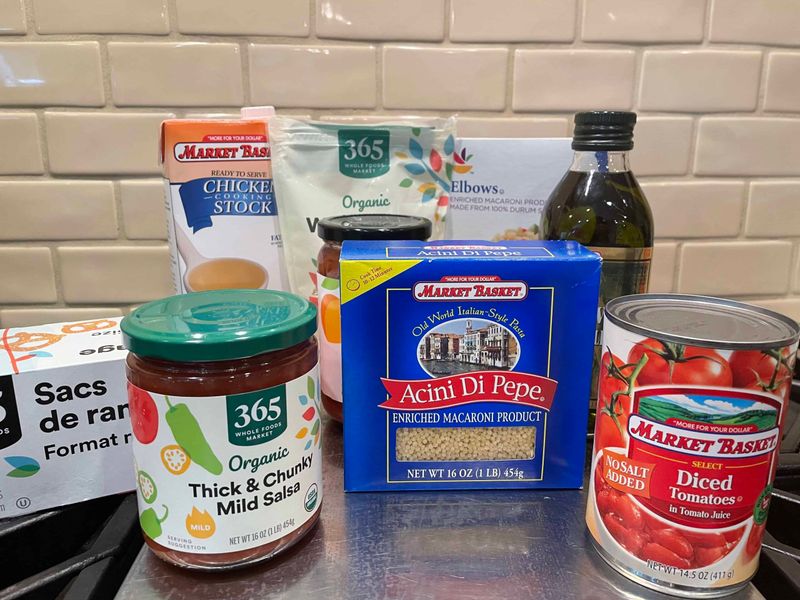
Store brands often match name brands in taste and quality. Test generics for staples like oats, flour, canned tomatoes, and spices. If you cannot tell the difference, keep the cheaper option.
Reserve brand names for true favorites you notice. Mix and match to lower your average price per item. Small swaps across your cart add up to big savings.
6. Time Your Trip After Eating

Shopping hungry invites temptation. A quick snack before you go makes treats less persuasive. You stick to the list, and your cart mirrors your plan.
Pair this with a shorter trip window so you do not wander aisles. Focus makes it painless to skip pricey extras. Hunger can cost more than you think, so beat it first.
7. Use a Store Flyer Filter
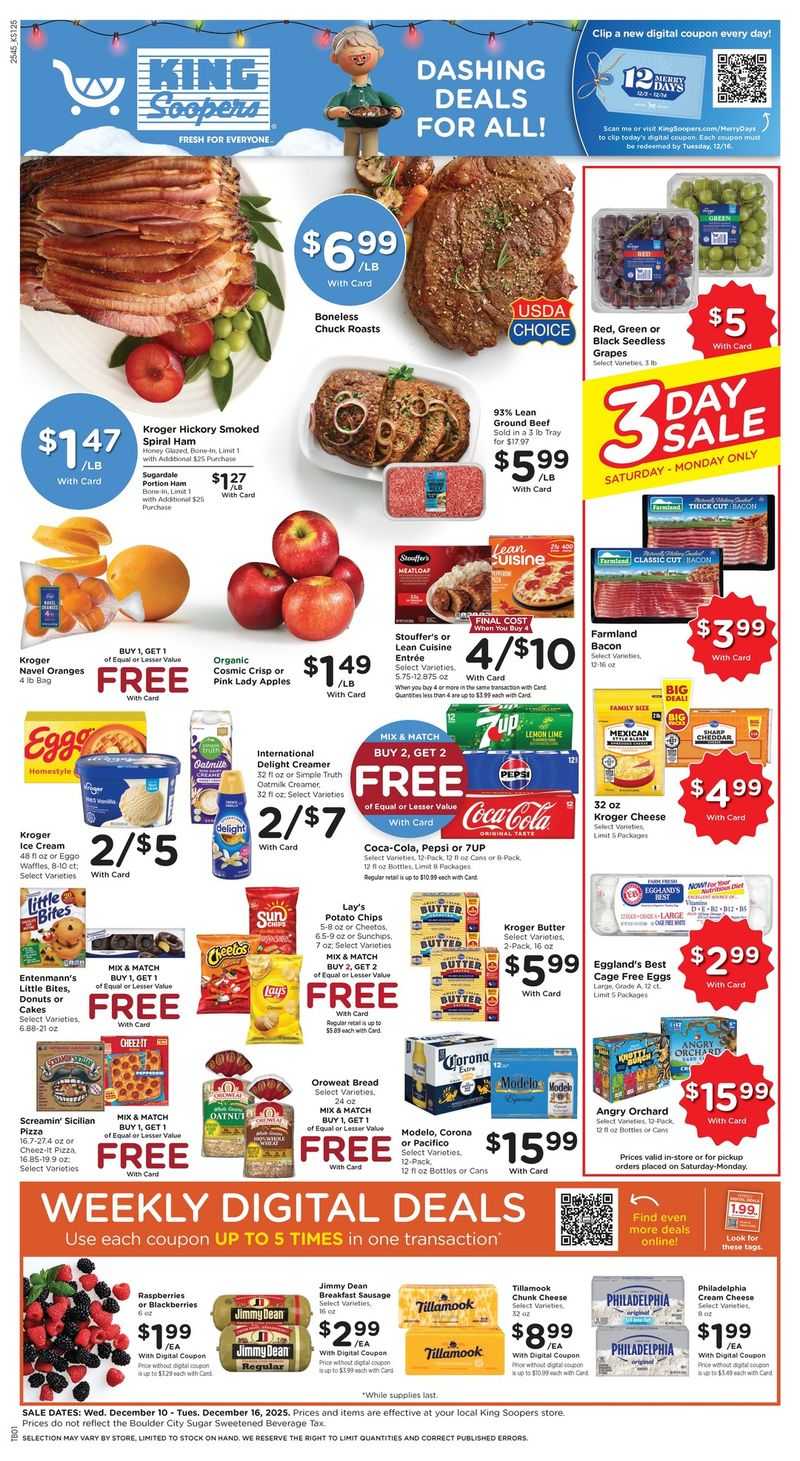
Skim the weekly flyer and circle just the best value items. Build your meals around those anchor deals. Ignore flashy promotions on snacks you would not buy otherwise.
Stick to loss leaders, produce in season, and proteins on sale. When possible, stock up for the freezer. A simple filter makes every ad work for your goals.
8. Keep a Price Book
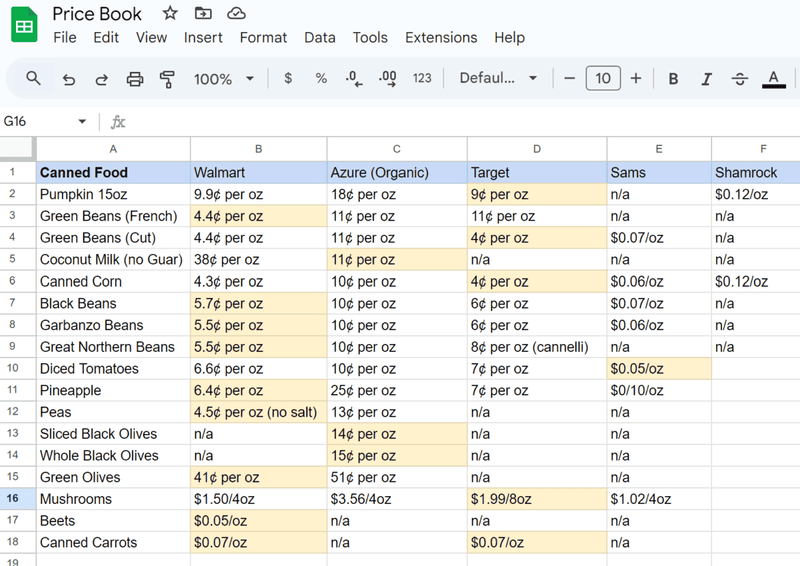
Track the best price you have paid for regular items. Note the store, size, and date so you know when a sale is truly great. Over time you spot patterns and buy at the bottom.
A quick glance saves you from mediocre deals. Digital spreadsheets or simple notes both work. Knowledge beats marketing when you carry your own data.
9. Cook Once, Eat Twice
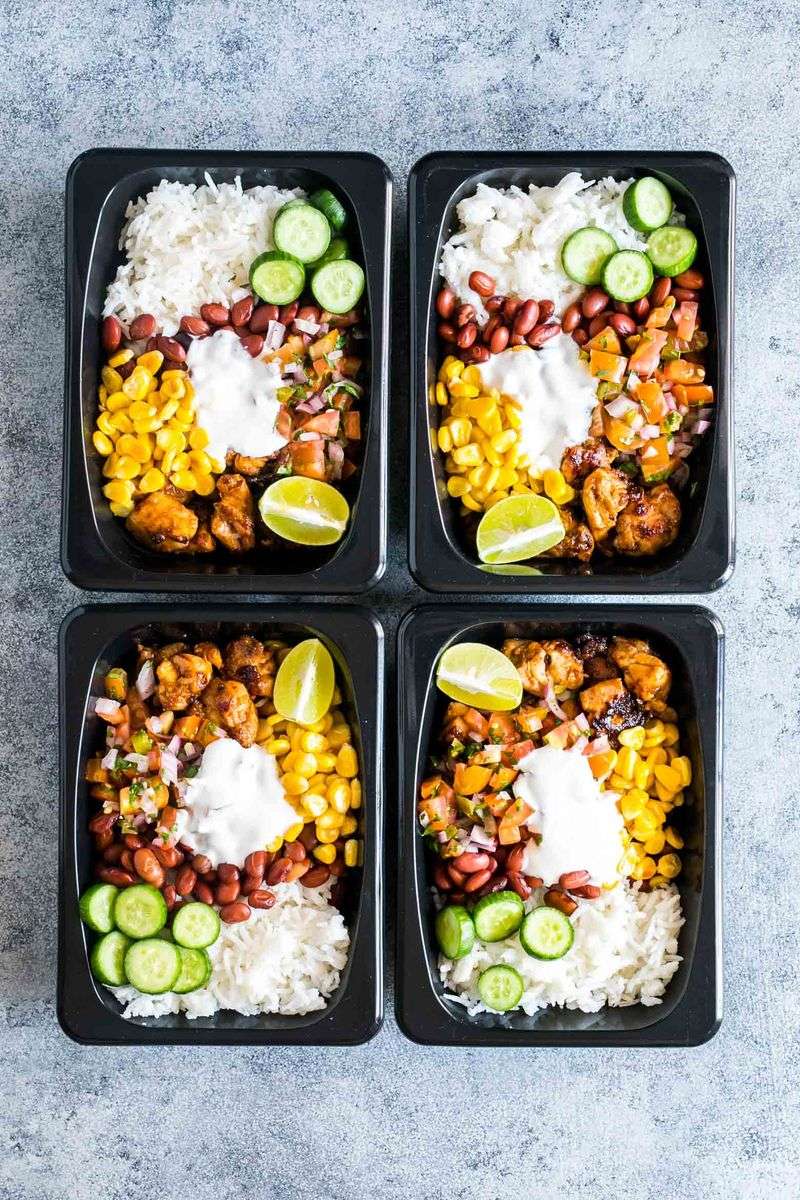
Double recipes for dinners that reheat well. One cooking session can cover tomorrow’s lunch or another weeknight. You save time, energy, and the cost of extra convenience foods.
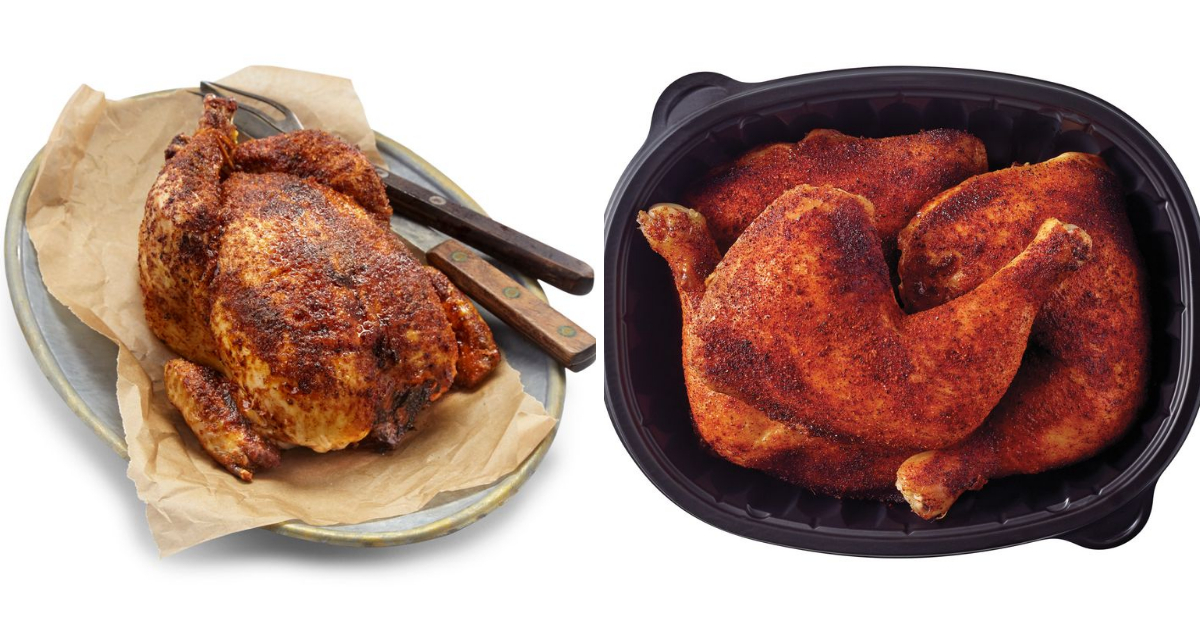
Think soups, chili, roasted chicken, and grain bowls. Portion into containers right away so nothing gets lost. Planned leftovers are stealth savings with delicious dividends.
10. Shop the Perimeter First

Start with produce, meat, and dairy along the outer aisles. Fill most of your cart there before entering center aisles. Whole foods tend to be cheaper per serving and more filling.
Once your essentials are in, you will feel less tempted by snacks. The perimeter-first habit focuses on nutrient dense choices. It is a map that saves money and supports health.
11. Compare Frozen to Fresh

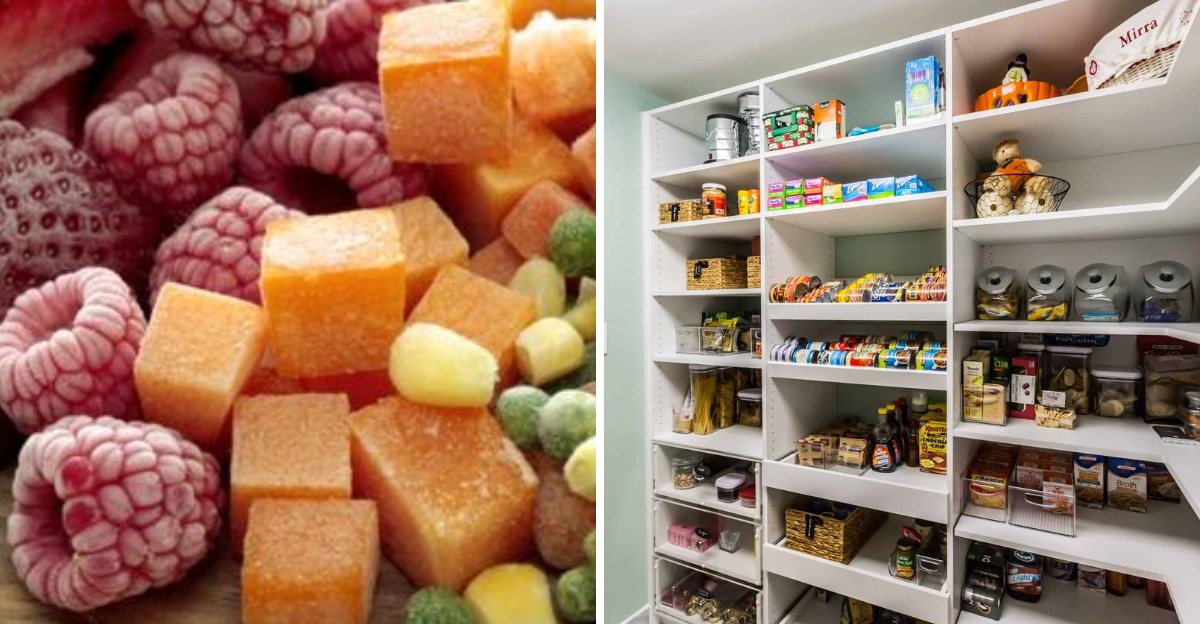
Frozen fruits and vegetables can be cheaper and just as nutritious. When fresh prices spike, swap in frozen for soups, stir fries, and smoothies. You waste less because frozen waits patiently.
Buy plain versions without sauces or added sugar. Stock up during sales to build a reliable stash. Flexing between fresh and frozen keeps meals affordable year round.
12. Use Apps and Digital Coupons

Clip digital coupons before you step inside. Pair them with store sales for stackable savings. Cash back apps can rebate a few dollars each trip.
Only activate offers for items you already planned to buy. Extra clicks are not worth shelf clutter. Small rebates add up over a month and feel like found money.
13. Buy In Season Produce

Seasonal produce tastes better and usually costs less. Check a simple chart for what is peaking now, then plan side dishes accordingly. Abundant crops drive prices down and flavor up.
Freeze extras or make sauces when deals are outstanding. Rotate favorites through the year for variety. Eating with the seasons is a budget friendly way to explore new recipes.
14. Choose Cheaper Proteins
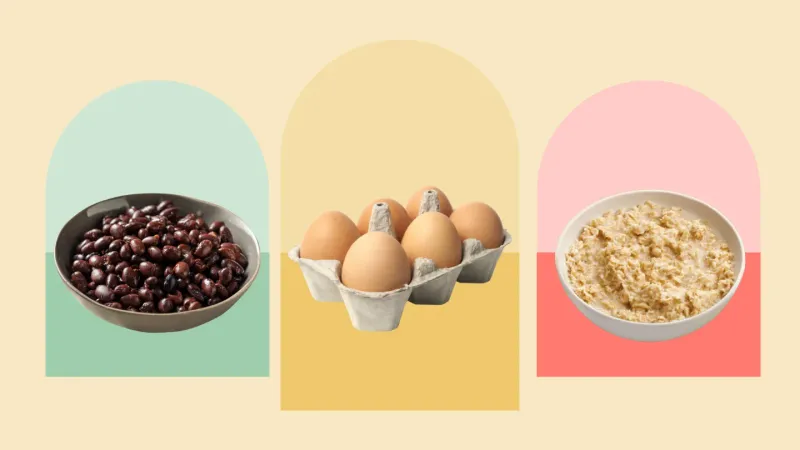
Build meals around affordable proteins. Eggs, beans, lentils, tofu, chicken thighs, and canned fish deliver value. A hearty protein base prevents expensive snacking later.
Use marinades and spices to keep variety high. Stretch meat with beans or veggies in tacos and casseroles. Smart protein swaps cut costs without sacrificing satisfaction.
15. Master Leftover Remixing
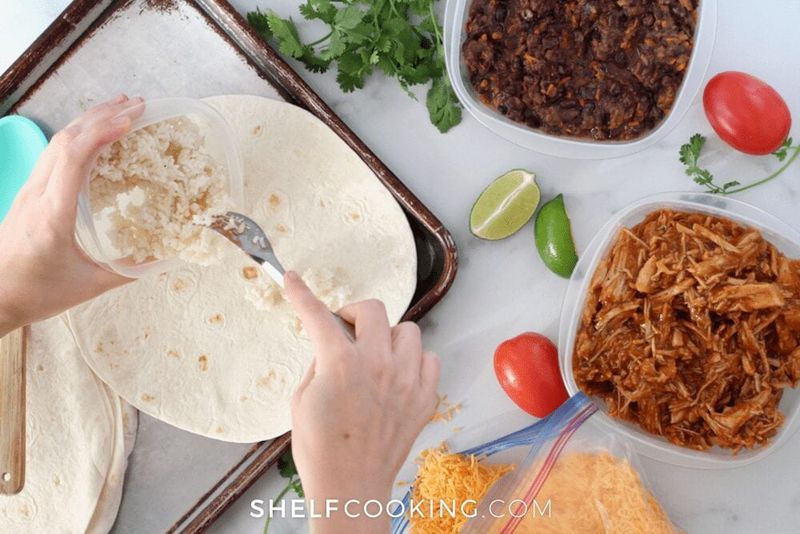
Turn leftover bits into new meals instead of reheating as is. Rice becomes fried rice, roasted vegetables become quesadillas, and chicken becomes soup. A remix mindset keeps boredom away.
Keep tortillas, eggs, and broth on hand as remix tools. Label containers by date so you use them promptly. Creativity here prevents waste and stretches your budget painlessly.
16. Avoid Single Serve Traps
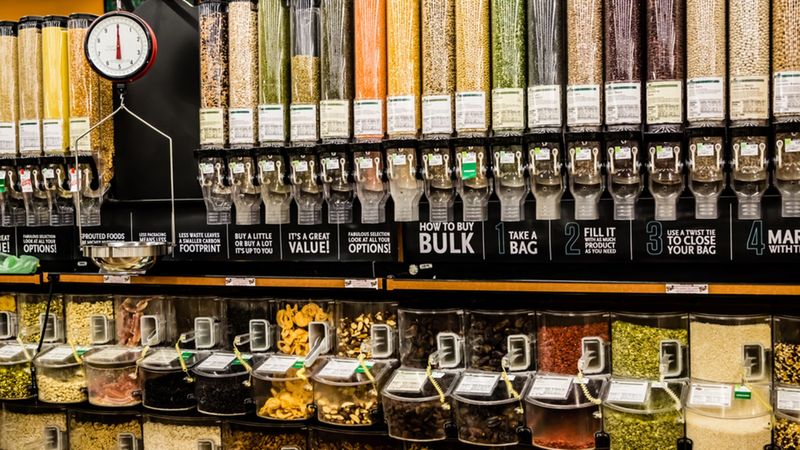
Single serve packs look convenient but charge a premium. Buy full size versions and portion into reusable containers. You get the same snack at a fraction of the price.
Apply this to yogurt, chips, nuts, and granola. Your future self can grab preportioned containers just as easily. Little packaging changes bring steady, reliable savings.
17. Embrace Simple Flavor Builders
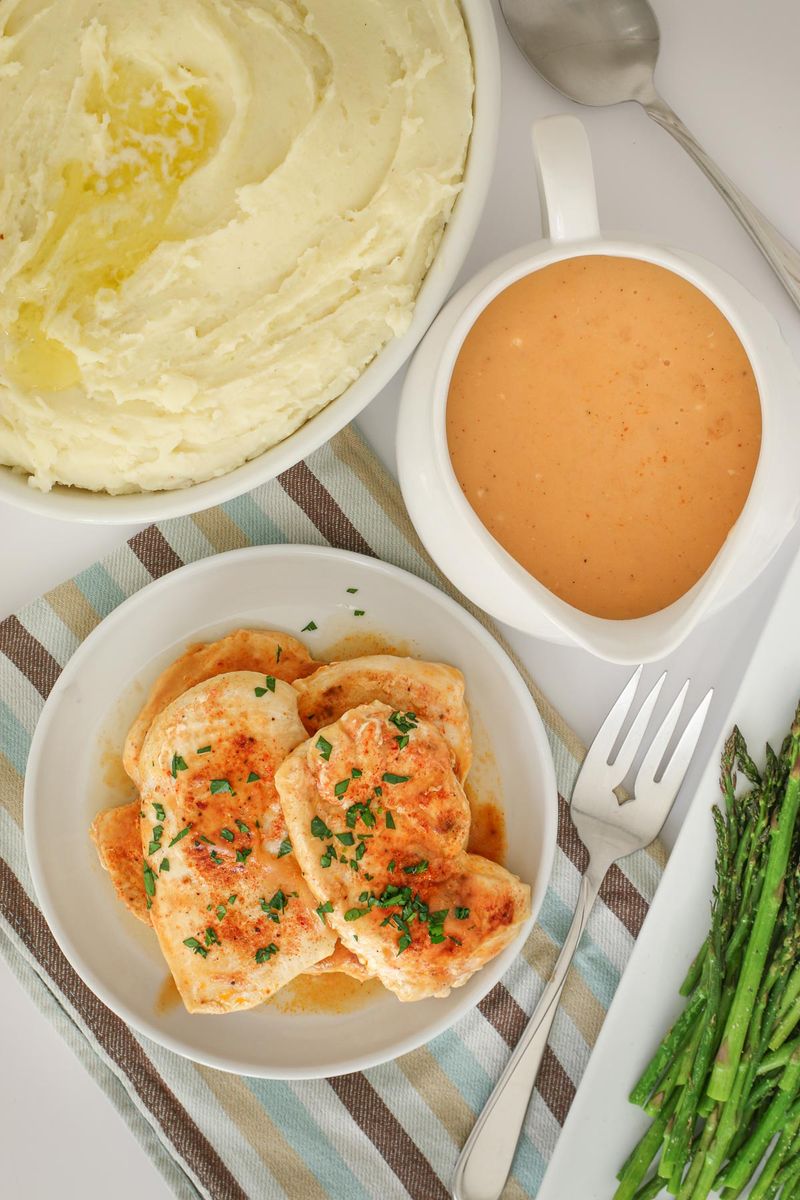
A few low cost flavor builders transform budget meals. Garlic, onions, citrus, vinegar, and soy sauce add depth fast. With these on hand, cheap ingredients taste restaurant worthy.
Make quick sauces and dressings instead of buying bottles. You use less salt and spend less overall. Good flavor means you will happily eat leftovers, preventing waste.
18. Freeze Smart To Prevent Waste
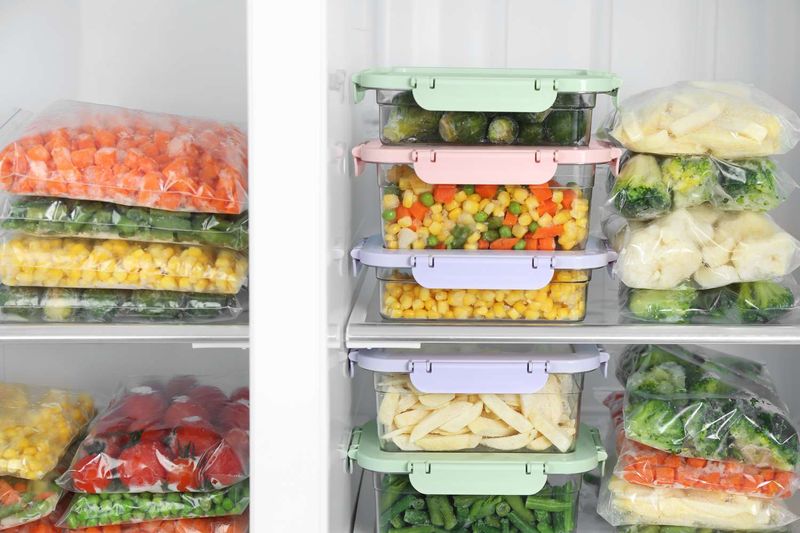
Freeze extras in thin, labeled bags so they stack neatly. Portion meats and cooked grains for easy weeknight wins. Freezing herbs in oil cubes saves flavor that would otherwise be tossed.
Always date containers and rotate oldest forward. The freezer is a savings account when organized. Waste less, shop less, and enjoy backup meals on busy nights.
19. Set a Quick Checkout Audit

Before you pay, scan the cart for extras that slipped in. Ask if each item fits the plan and the budget. Removing just a few impulse picks can trim several dollars.
Keep a yes list and a maybe section while shopping. The final audit moves maybes back to shelves. Ending with intention protects your total and your goals.