20 Bad Cooking Tips That Will Spoil Your Cooking
Some advice sounds clever until it ruins dinner. You deserve better than tired kitchen myths that waste time, money, and flavor. Let’s debunk the worst tips that sneak into recipes and conversations, so your food tastes the way you imagined. Read on and sidestep these pitfalls with confidence.
1. Rinsing pasta after boiling
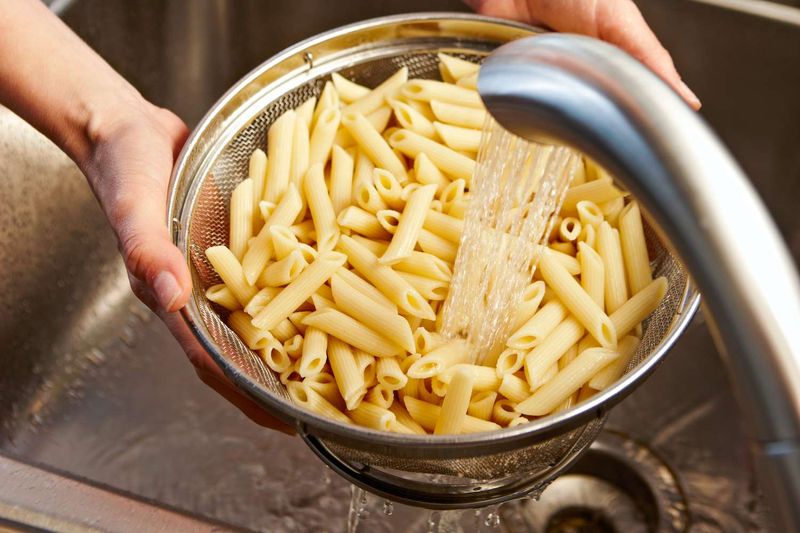
Rinsing hot pasta under water seems tidy, but it strips away the surface starch that makes sauce cling. You end up with slippery noodles and a watery, underwhelming dish. That precious starch is your silky, cohesive texture in disguise.
Instead, reserve a cup of pasta water before draining. Toss the pasta directly with sauce, loosening with that starchy liquid until glossy and emulsified. If you must cool pasta for salad, rinse lightly, then reintroduce flavor with dressing while warm.
2. Searing seals in juices
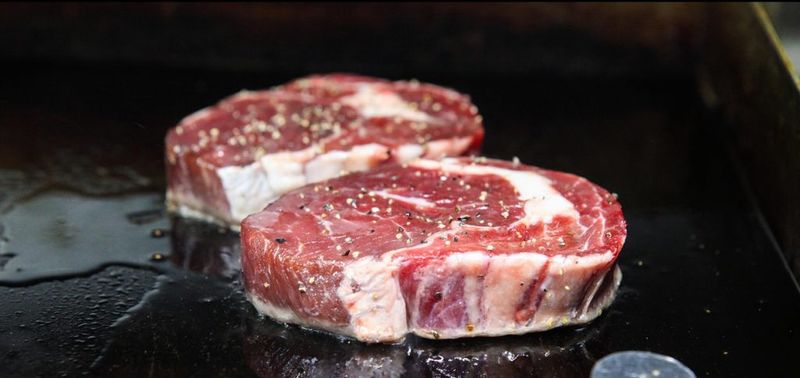
Searing is great for flavor, but it does not trap moisture inside meat. The Maillard reaction builds a savory crust, not a protective wall. Believing it locks in juices leads to overconfidence and dry results.
Use searing for taste, then manage internal temperature with a thermometer. Let meat rest to redistribute juices, and finish cooking gently if needed. A reverse sear often delivers better control, yielding a rosy interior and crisp exterior without overcooking.
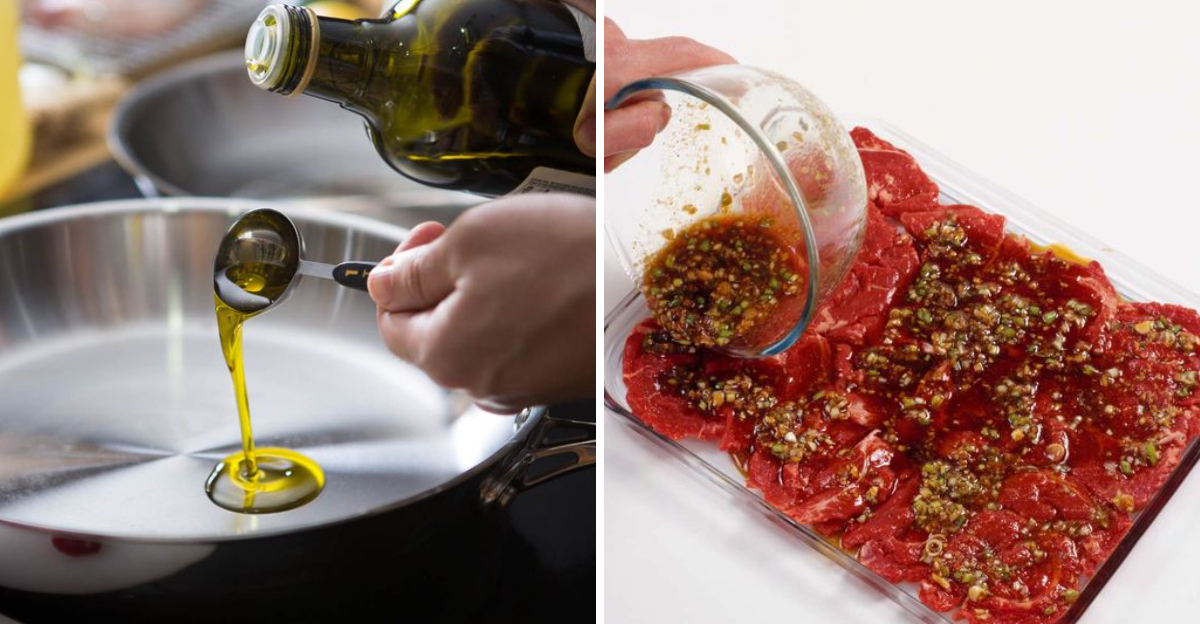
3. Only cooking with extra virgin olive oil
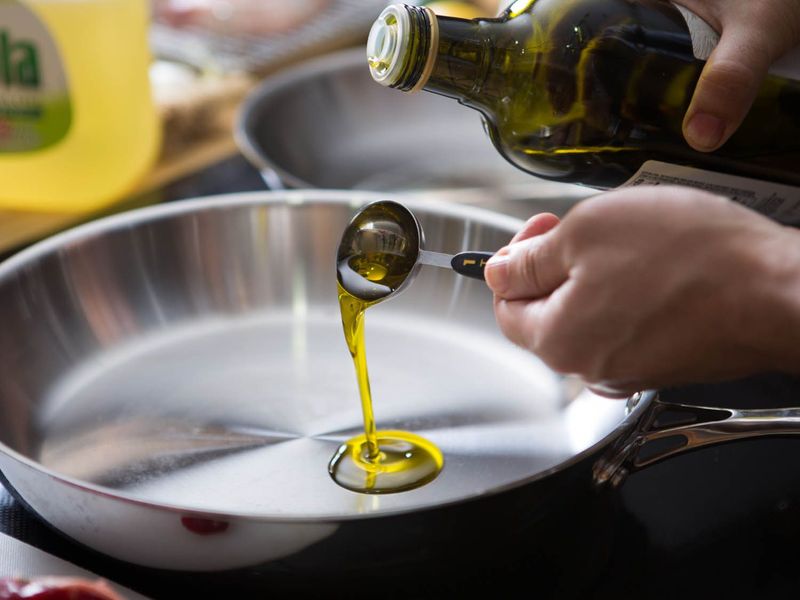
Exclusive extra virgin olive oil use sounds elegant, but it is not ideal for blazing heat. Its bold flavor and lower smoke point can lead to bitterness and burnt notes. High heat searing needs neutral, higher smoke point fats.
Save extra virgin for finishing, dressings, and low to medium heat cooking. Use avocado oil, peanut oil, or refined olive oil for searing and frying. Matching fat to technique helps protect flavor, texture, and nutrition while keeping your kitchen calmer and cleaner.
4. Marinating meat overnight always tenderizes
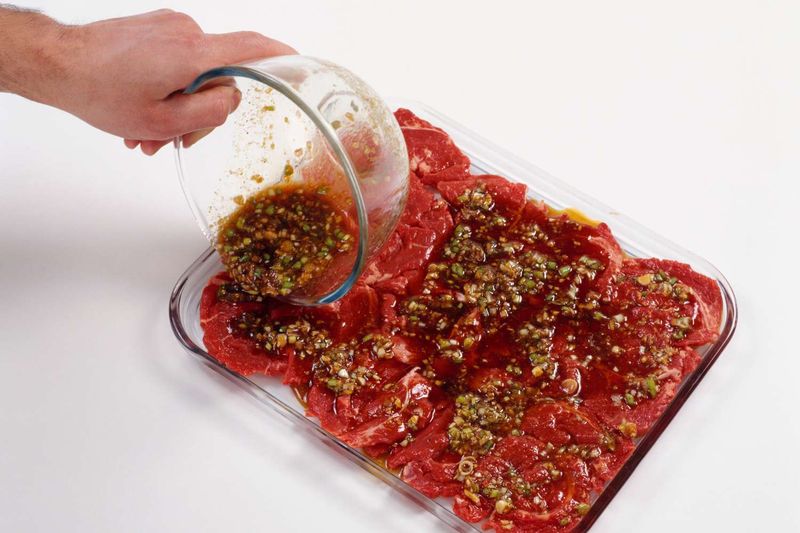
Marinades add flavor near the surface, but acids and enzymes can turn meat mushy, not tender, if overdone. Penetration is shallow, often millimeters deep. Hours of soaking cannot magically transform tough cuts.
For tenderness, think mechanical tenderizing, proper slicing against the grain, and low, slow cooking with moisture. Salt early to season throughout, or use a brine for even hydration. Reserve acidic ingredients for short contact and balance them with oil and aromatics.
5. Constantly stirring risotto
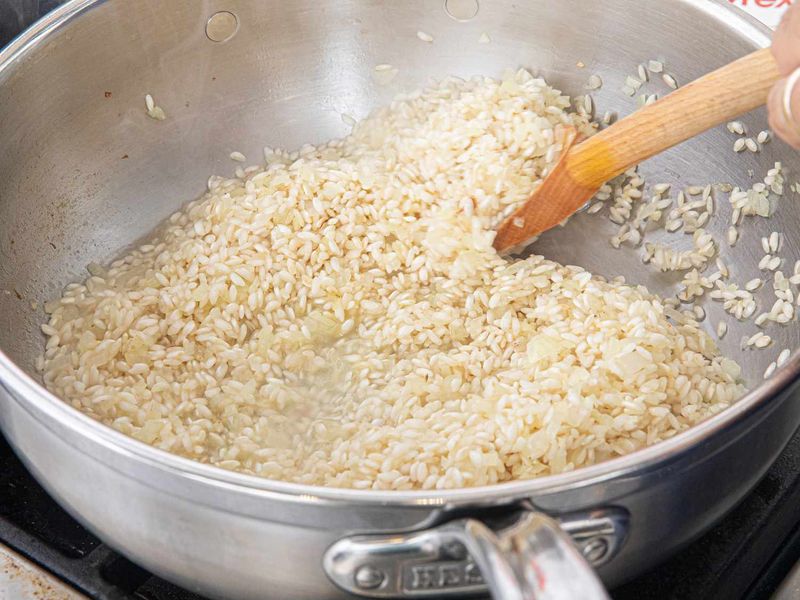
Frantic nonstop stirring tires you out and beats the rice without improving texture. The starch releases with steady cooking, not panic. Overworking can make it gluey and uneven.
Stir occasionally, add hot stock in ladlefuls, and let the rice gently absorb between turns. Keep heat moderate, taste often, and finish with butter and cheese for creaminess. Your arm and your risotto will thank you for patience and rhythm.
6. Pressing burgers to speed cooking
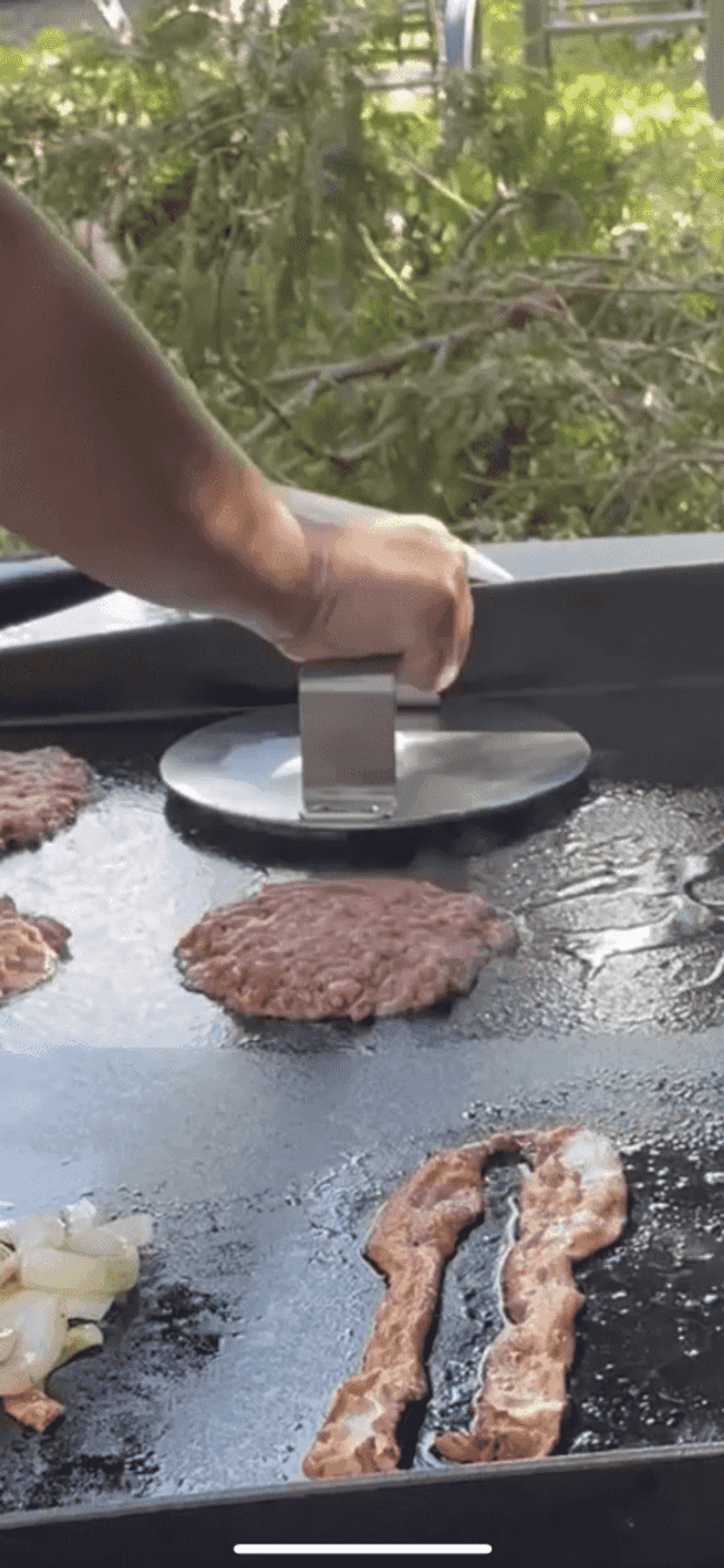
Smashing mid-cook forces juices out and dries burgers. You hear the sizzle, but it is your moisture evaporating, not flavor concentrating. The patty shrinks, toughens, and burns faster.
Form thinner patties for quick cooking, or do a controlled smash only at the start on a hot griddle. Then leave it alone to develop a crust. Flip once or twice, monitor temperature, and rest briefly for a juicy, flavorful bite every time.
7. Boiling vegetables to keep them bright

Vigorous boiling for long periods dulls color and leaches nutrients. Greens turn olive and lifeless, with mushy textures. The water steals their flavor while you wait.
Blanch quickly in well salted boiling water, then shock in ice to lock color. Finish with a fast sauté, steam, or roast for better texture and taste. Season right after cooking so the salt sticks and flavors pop without losing that fresh snap.
8. Adding garlic at the start for long sautés
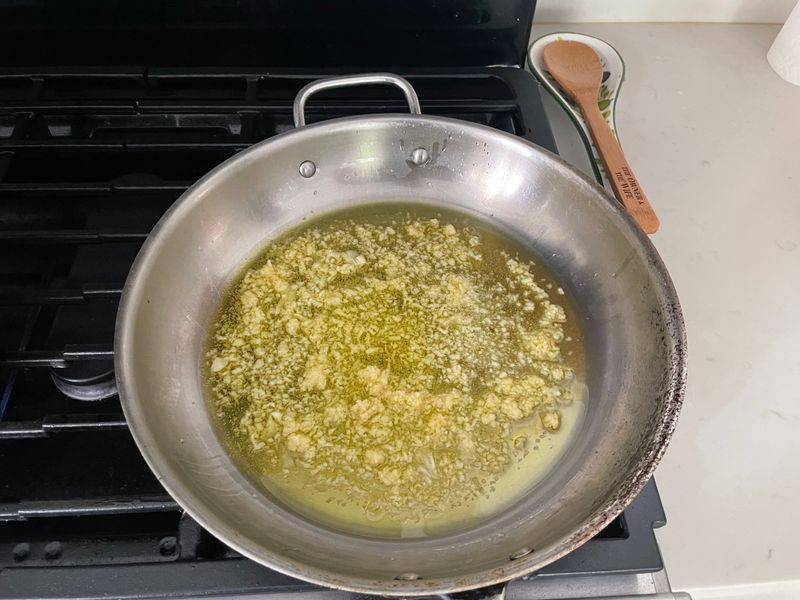
Garlic burns faster than onions and peppers, turning bitter in minutes. Tossing it in at the beginning for a long sauté risks acrid flavors. That bitterness overwhelms delicate ingredients and lingers stubbornly.
Sweat onions first, then add garlic near the end until fragrant and lightly golden. Alternatively, infuse oil gently or roast cloves for mellow sweetness. Timing matters with bold aromatics, and a minute can make the difference between fragrant and foul.
9. Salting beans only at the end
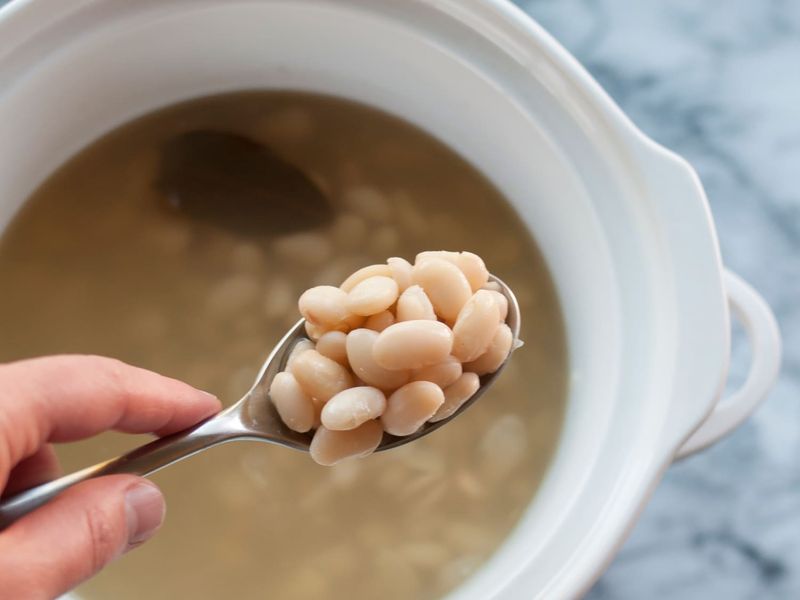
Skipping salt until the end leaves beans bland and uneven. Early salt seasons the interior and helps skins stay intact. Late salt struggles to penetrate and can make textures mealy.
Soak beans in lightly salted water if time allows, then cook with salt and aromatics. Keep heat gentle, and taste as you approach tender. You will get creamy centers, intact skins, and dependable seasoning that feels effortless from the first spoonful.
10. Microwaves ruin food texture
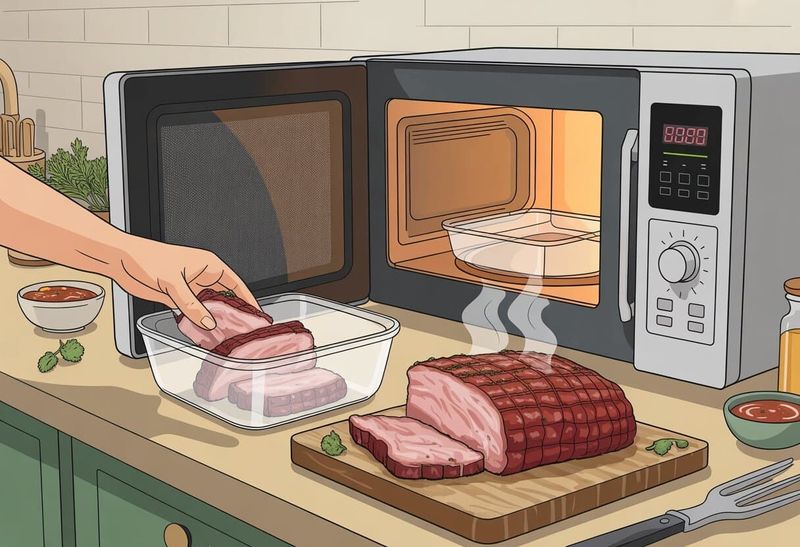
Microwaves do not doom texture by default. Poor technique does. Overheating and uncovered reheats create rubbery, dried edges and soggy centers.
Reheat gently, cover to trap steam, stir or rotate, and let food rest so heat equalizes. Use microwave safe crisping tools for pizza and fries. Combine microwave speed with a quick skillet or oven finish to restore crunch. When used thoughtfully, the microwave becomes a powerful, convenient ally in your kitchen.
11. Washing mushrooms aggressively
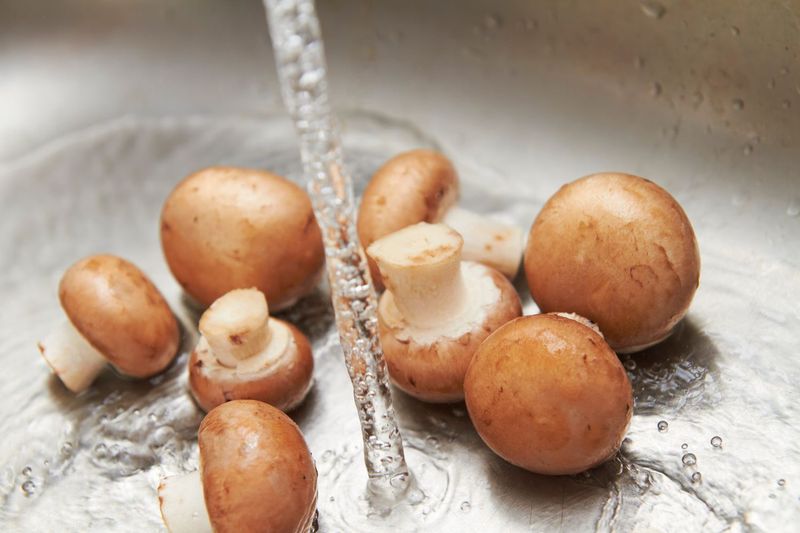
Mushrooms act like sponges in myth only. A quick rinse is fine, but soaking waterlogs and dilutes flavor. Aggressive washing bruises caps and tears gills, sabotaging browning later.
Rinse swiftly under cool water, shake off, and pat dry thoroughly. Better yet, brush off debris and trim stems. Get your pan hot, add fat, and resist crowding for golden edges and deep umami. Dry surfaces brown, wet ones steam.
12. Cooking steak straight from the fridge
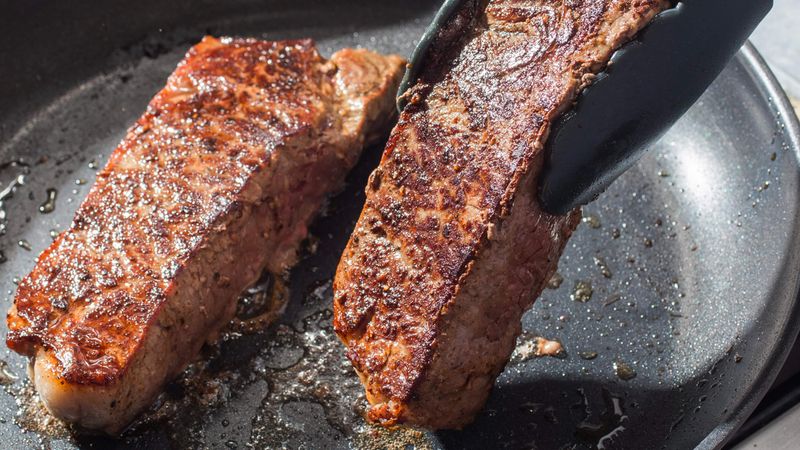
Ice cold steak meets hot pan and the exterior races ahead. The center lags, tempting you to overcook the outside while chasing doneness inside. Uneven results follow, with a gray band and tough chew.
Let steak sit out briefly to lose the chill, then pat dry and season. Sear hot, finish gently, and rest to reabsorb juices. A small temperature head start evens the cook and improves the final bite significantly.
13. Crowding the pan for faster cooking
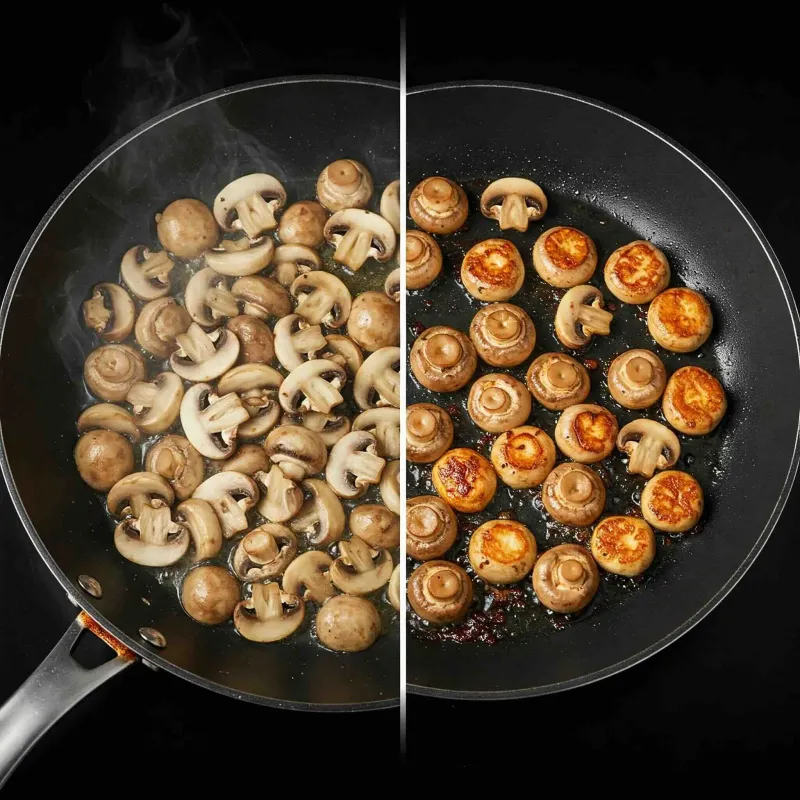
Packing a pan traps steam and prevents browning. You think you are speeding up dinner, but you are steaming instead of searing. Pale, soggy surfaces never develop that irresistible crust.
Work in batches, heat the pan properly, and give space for evaporation. Browning equals flavor and texture. Keep patience, deglaze fond, and you will taste the difference in every bite. Your sauces will be richer too.
14. Using dull knives for safety
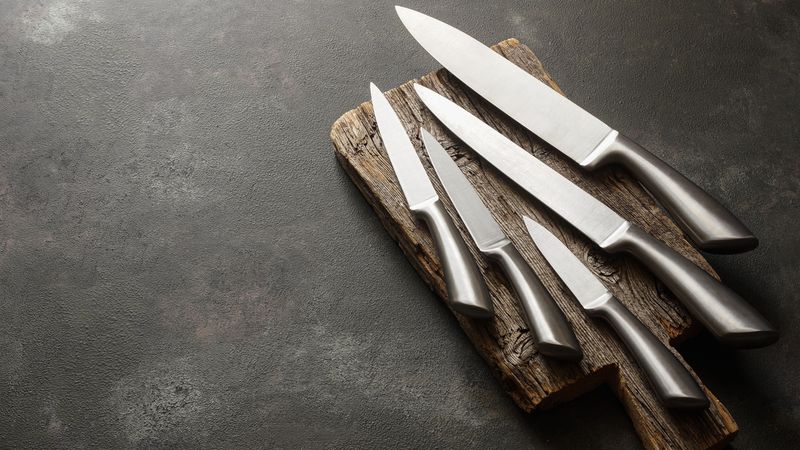
Dull knives slip and require excess force, increasing accidents. Clean cuts demand sharp edges and proper technique, not brute strength. A ragged slice ruins presentation and texture.
Hone frequently and sharpen regularly. Keep your fingers tucked, use a stable board, and let the blade do the work. A sharp knife improves speed, control, and confidence while protecting your ingredients and your hands. Safety starts with maintenance, not avoidance.
15. Measuring baking by eye
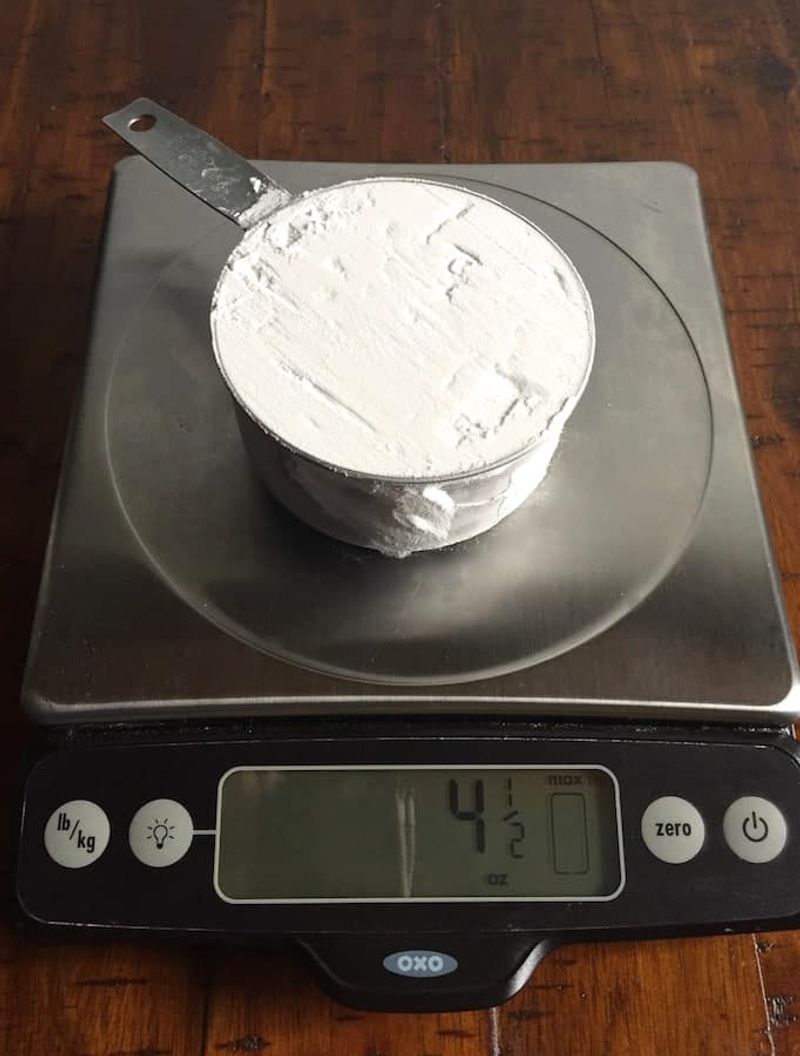
Eyeballing flour and sugar invites disaster because baking is chemistry. Small variances swing texture from tender to tough. Scooping compacts flour, throwing ratios wildly off.
Use a scale for accuracy and consistency. Spoon and level if using cups. Follow tested formulas, then tweak flavorings, not structure. Precision gives you freedom to be creative elsewhere, like fillings, frostings, and finishes that make desserts sing without collapsing.
16. Adding oil to pasta water
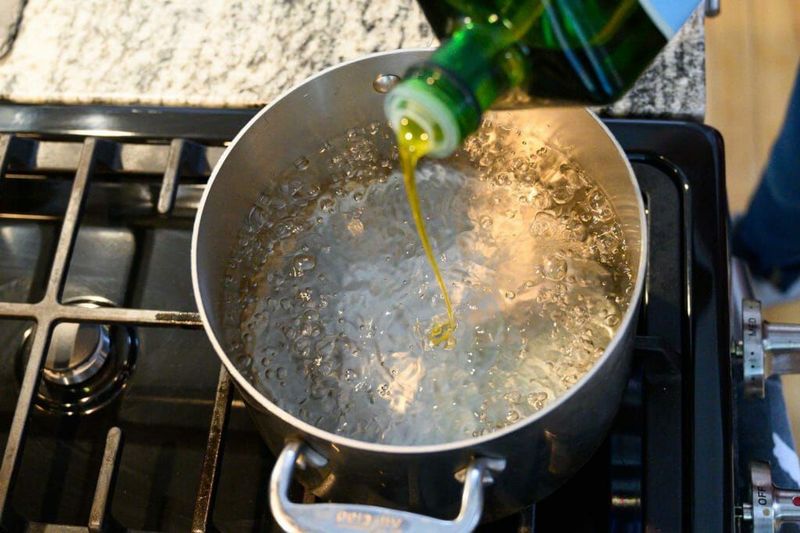
Oil in pasta water floats, doing nothing for sticking. It slicks the noodles later, making sauce slide off sadly. The result is a thin, disconnected dish that tastes underseasoned.
Use plenty of salt and stir early to prevent clumping. Finish pasta in sauce with a splash of starchy water to emulsify. That is how you get luxurious, clingy noodles that feel restaurant worthy at home.
17. Flipping pancakes only once at exact bubbles
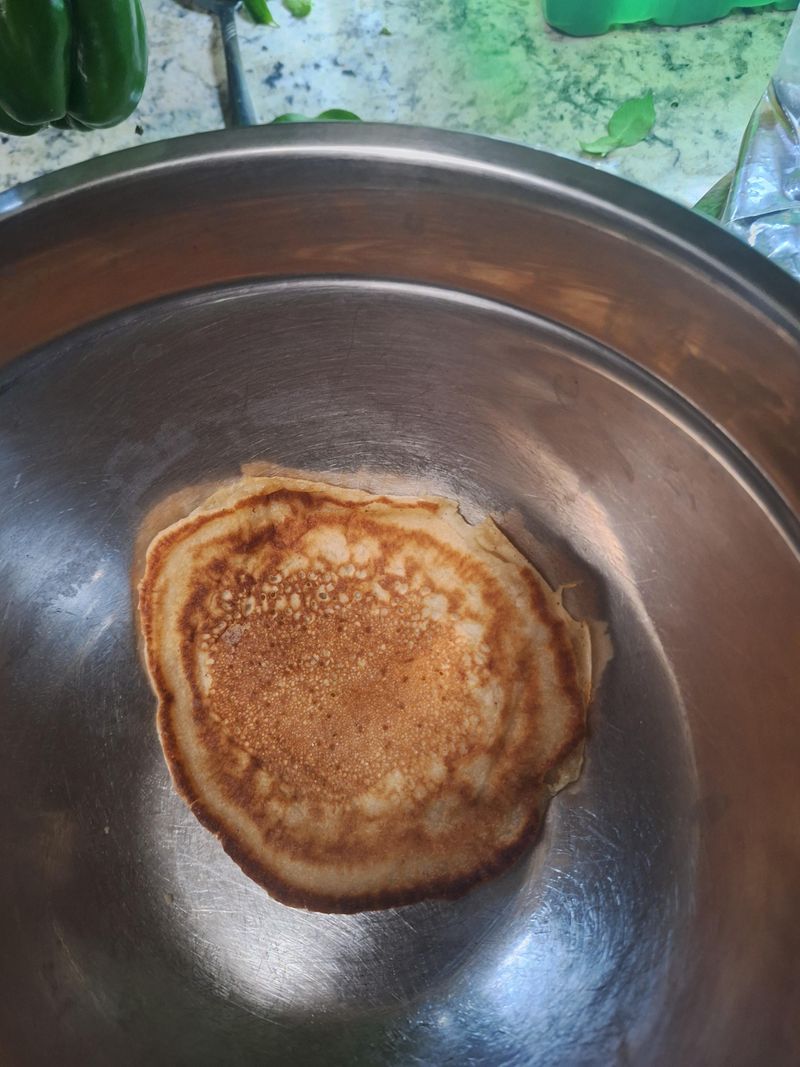
Waiting for a rigid bubble rule ignores batter thickness, heat, and pan type. Some pancakes need a peek to avoid scorching. Others want more time so the center sets properly.
Watch edges for drying and lift a corner gently to check color. Adjust heat to medium and flip when the underside is golden. If needed, flip again briefly to finish. Flexibility yields fluffy stacks with even browning and tender centers.
18. Using nonstick for high heat searing
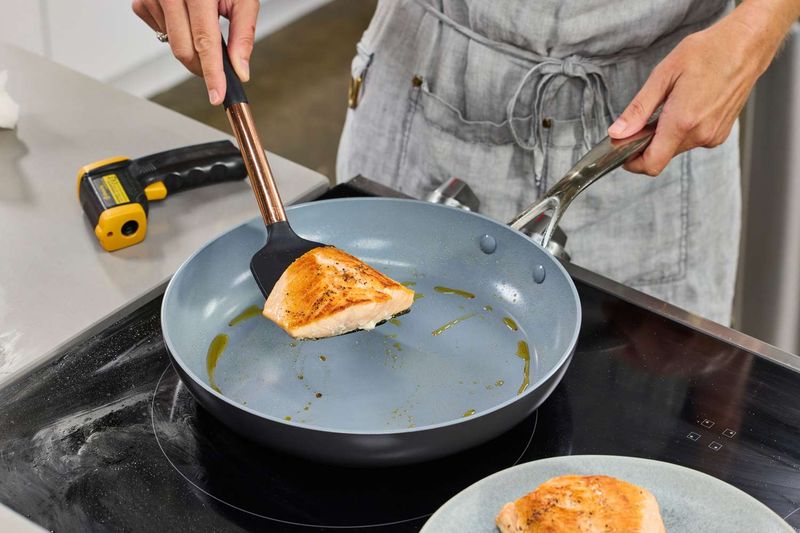
Cranking nonstick on high heat risks damaging the coating and producing off flavors. You also will not get the same aggressive sear. The pan releases too well, limiting fond for sauces.
Use stainless steel or cast iron for high heat browning. Keep nonstick for eggs, delicate fish, and lower heat tasks. Right tool, right job means better flavor, safer cookware, and longer lasting pans that actually perform as promised.
19. Brining everything all the time
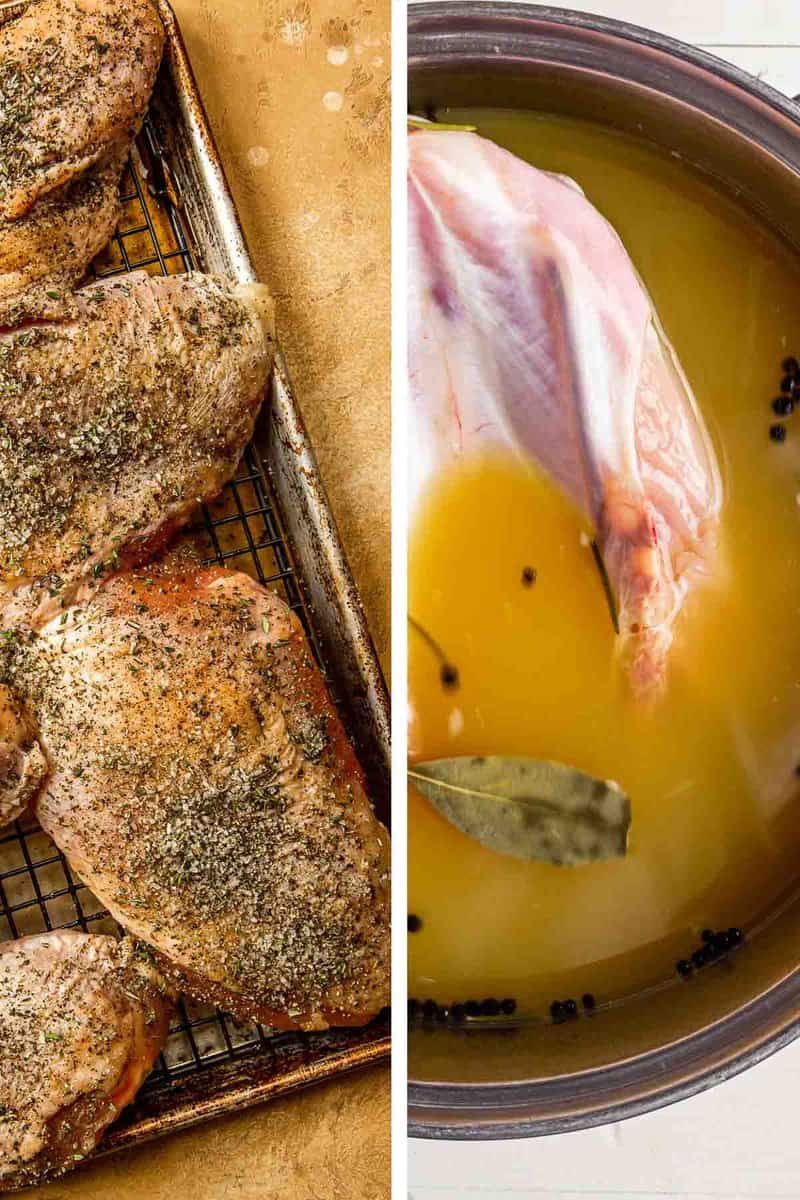
Brining has benefits, but it is not a universal cure. Overbrining turns textures spongy and flavors too salty. Some proteins, like already enhanced poultry, need no extra soak.
Match method to ingredient. Dry brine with salt for crisp skin on poultry and roasts. Wet brine selected cuts when juiciness matters most, and watch concentration and time carefully. Taste first and adjust based on thickness and whether the meat is pre salted.
20. Cooking wine you would not drink
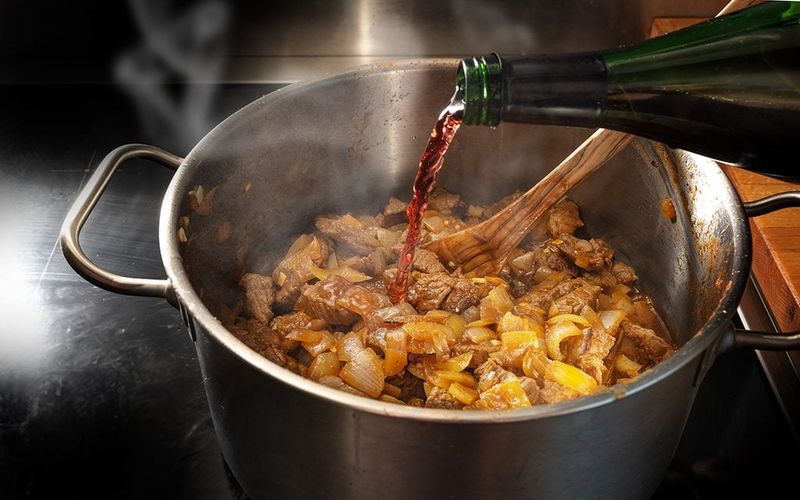
Heat concentrates flaws. Harsh, sugary, or oxidized wine gets worse as it reduces, not better. The off notes cling to your sauce like a bad afterthought.
Choose an affordable, drinkable bottle you enjoy. Use moderation, reduce thoughtfully, and balance acidity with fat and salt. The result tastes integrated and bright, not boozy or bitter. If you would not sip it, do not simmer it.