20 Dishes That Are Much Older Than We Realized
Some of the foods you cook without thinking are carrying stories thousands of years old. When you trace their roots, everyday bites start to feel like tiny time machines on your plate.
You will recognize these dishes instantly, but their ancestors walked through deserts, sailed on spice routes, and simmered beside hearths long before restaurants. Ready to taste history one comforting, surprising recipe at a time?
1. Bread
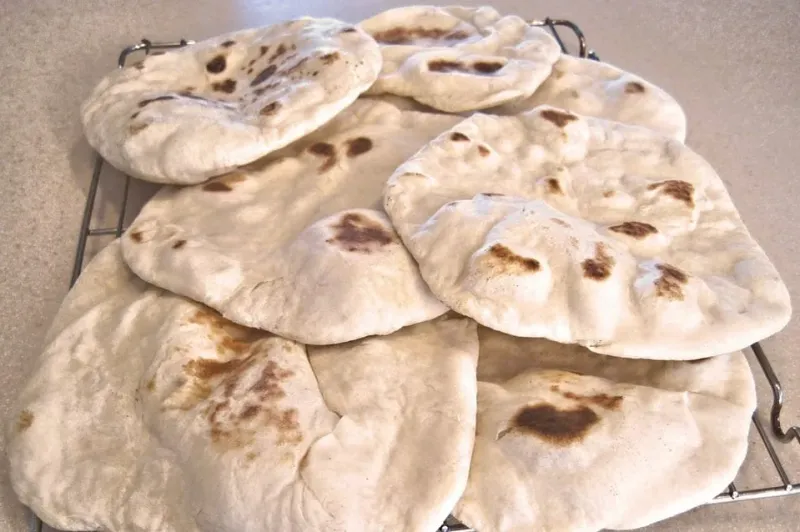
Bread is older than written history, and you can still feel that age in every flat, warm round. People mixed grain and water, let the air do its quiet work, then baked on stones or clay walls.
Before baking science, instinct ruled.
Flatbreads traveled easily and welcomed whatever landscape offered: barley, einkorn, millet, or emmer. You can imagine hands patting dough while fires whispered.
Even without yeast, steam puffed pockets and char added drama.
Today, naan, pita, tortilla, and lavash echo those beginnings. You tear, share, and taste continuity.
Simple, sturdy, endlessly adaptable bread endures.
2. Porridge
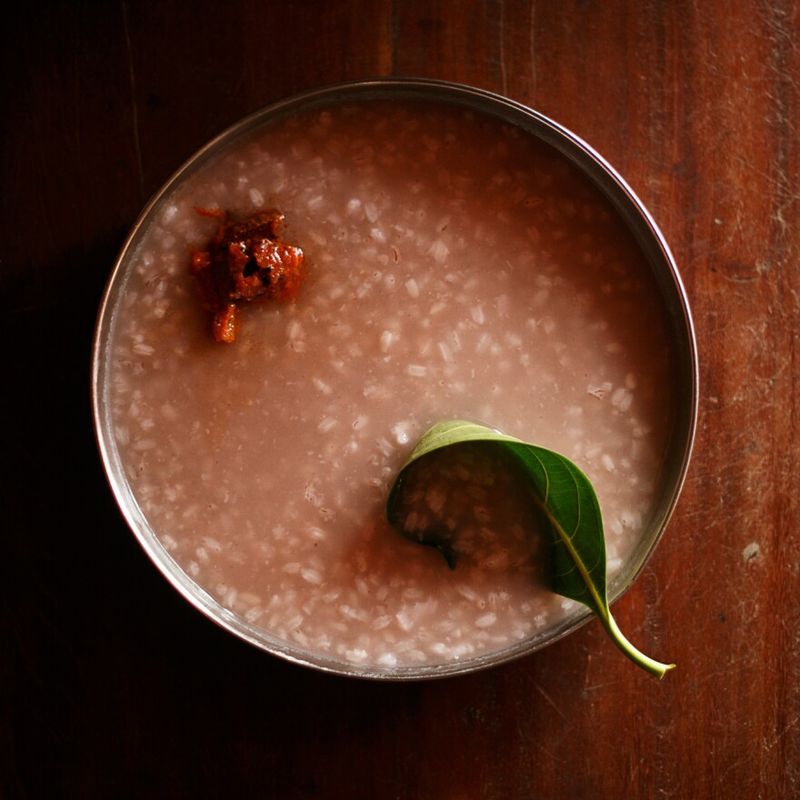
Porridge has always been about practicality first and comfort second. Grains boiled in water or milk turn humble stores into warmth.
You can stretch a little grain into a filling bowl, which kept travelers, farmers, and families going.
Archaeologists find ancient residues on pots, proving simple porridges fed communities through lean seasons. Add whatever you have: honey, herbs, scraps of meat, or dried fruit.
It asks little and gives a lot.
From Scottish oats to African millet to Chinese congee cousins, porridge wears many names. You adjust thickness, sweetness, and saltiness.
It remains reliable sustenance.
3. Pancakes
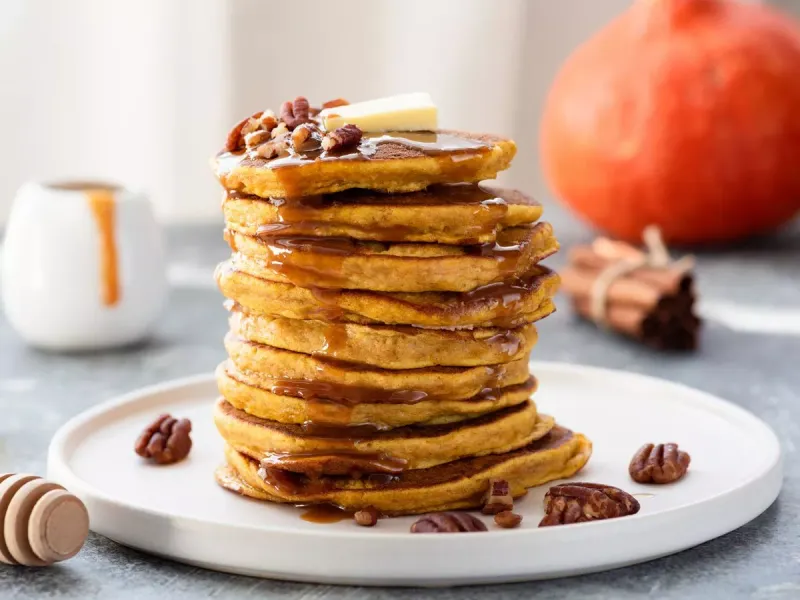
Pancakes are the joyful offspring of grain and heat. Long before skillets, batter met hot stones, sizzling into quick, portable food.
The magic is simple: grind, mix, pour, flip, eat.
Cultures shaped them endlessly. You taste blini, injera, crepes, and dosa, each mapping local grains and water.
Fermentation joins the story when bubbles lift the batter.
For travelers and workers, pancakes delivered energy without fuss. They stack, fold, and wrap around fillings.
One pan, countless styles, and a timeline that reaches beautifully backward.
4. Dumplings
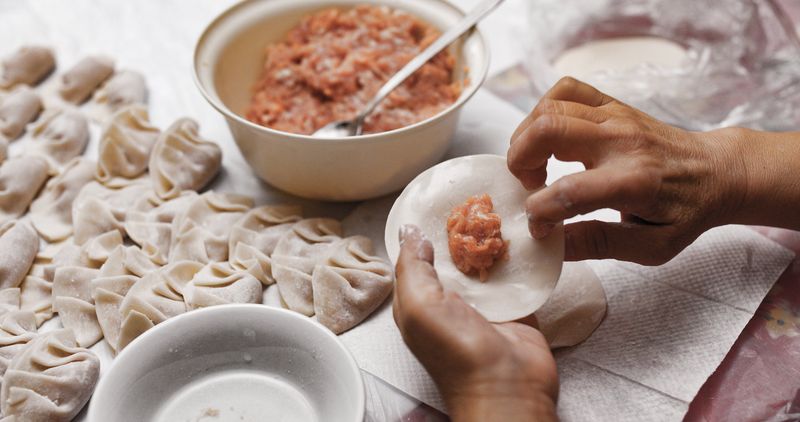
Dumplings reflect a universal idea: protect something delicious in dough or let dough be the star itself. You can steam, boil, pan fry, or drop them into stew.
The method stretches modest ingredients into comforting abundance.
In China, jiaozi sign luck and family. In Central Europe, knödel fortify plates.
Across the Silk Road, shapes and fillings traded stories.
They travel well, freeze well, and feed many with little waste. That practicality kept dumplings alive for centuries.
Every fold or pinch tells a regional tale you can taste.
5. Noodles
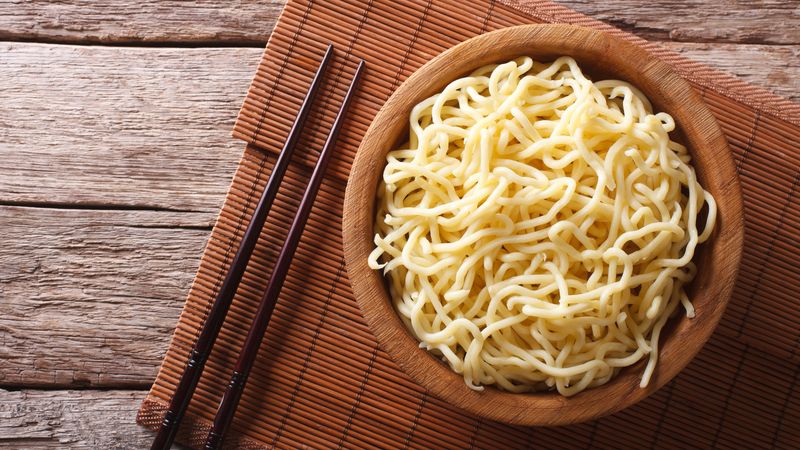
Noodles stretch time as easily as dough. Early cooks rolled and cut or pulled strands before dropping them into boiling water.
The result felt miraculous: quick cooking, comforting texture, and great shelf life when dried.
Ancient finds in China suggest deep roots, while trade spread techniques westward. You can see cousins in soba, laghman, and pasta.
Each region interprets the same simple idea.
Noodles solved a travel problem too, packing light but cooking fast. Broth embraces them, sauces cling.
A bowl of noodles still tastes like home.
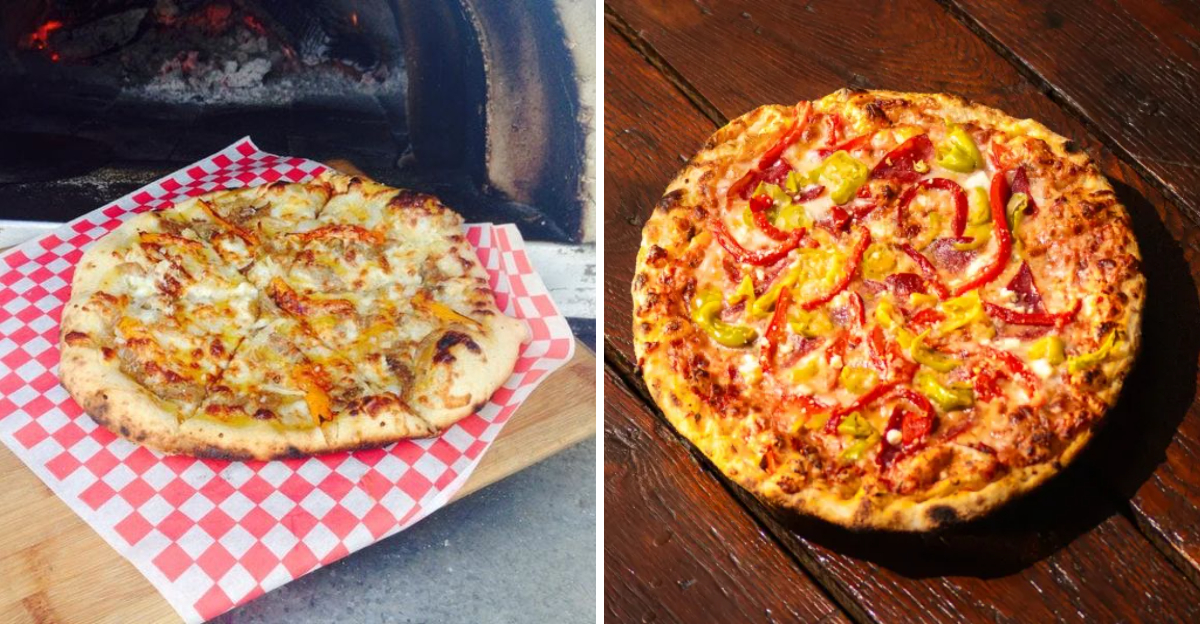
6. Pizza’s ancestor: flatbread with toppings
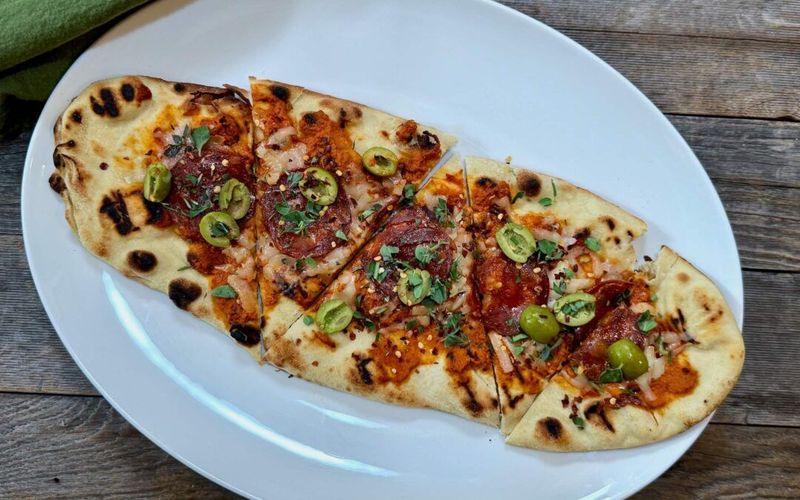
Before pizza had a name, people topped flatbreads with whatever the season allowed. Oil, herbs, onions, and cheese bits turned bread into a meal.
You can picture vendors near ports selling warm rounds to busy hands.
In the Levant and Mediterranean, this habit feels eternal. Heat, dough, and a quick scatter of flavor go far.
Tomatoes came later, but the template was ready.
Street food owes a debt to these ancestors. They are quick, shareable, and endlessly adaptable.
Every bite hints at a marketplace humming centuries ago.
7. Cheese
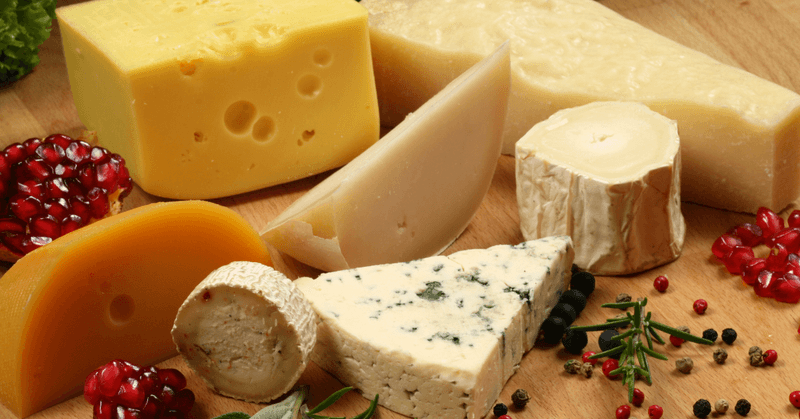
Cheese began as a happy accident that changed everything about milk. Stomach enzymes and warmth curdled it, turning perishable liquid into portable nourishment.
You can carry cheese across distances, store it, and age it into complexity.
Pastoralists learned fast, then taught the world. From salty brined wheels to soft fresh curds, the range exploded.
Climate and microbe shaped terroir long before science named it.
Cheese is preservation and pleasure at once. Slice, crumble, melt, or grate.
Every method whispers the ingenuity of people chasing sustenance and flavor.
8. Yogurt
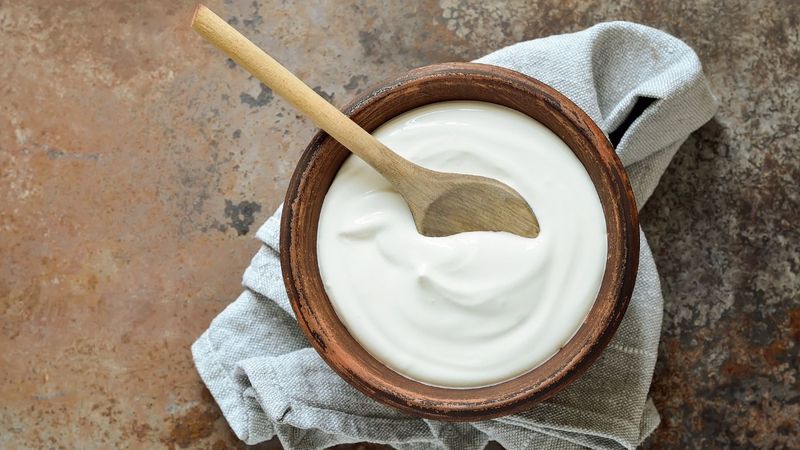
Yogurt feels like a cousin to cheese with a gentler personality. Warmth plus helpful bacteria turned milk into a tangy, digestible food.
Early herders likely discovered it by chance in animal skin containers.
Once you taste the tang, it makes sense in hot climates. Yogurt refreshes, preserves, and supports the gut.
People stirred in honey, herbs, and salt, or thinned it into drinks.
From Central Asia to the Middle East, yogurt threaded through daily life. Sauces, soups, and breakfasts still rely on it.
History lingers in every spoonful.
9. Pickles (pickled vegetables)
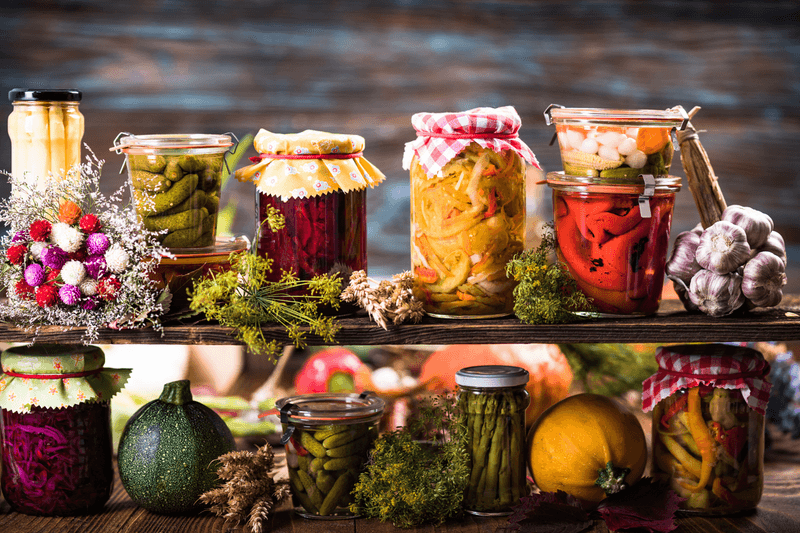
Pickling is problem solving in a jar. When harvests overflowed, people needed a way to make vegetables last.
Salt, water, time, and microbes delivered bright flavors and safety.
You can feel the relief of winter pantries lined with jars. Brine worked without vinegar first, then souring techniques diversified.
Spices added personality while lacto ferment created tang.
Across continents, pickles cut through rich meals and woke up simple stews. They traveled well and delighted travelers.
That crunch still connects you to seasonal cycles and careful planning.
10. Sauerkraut style fermented cabbage
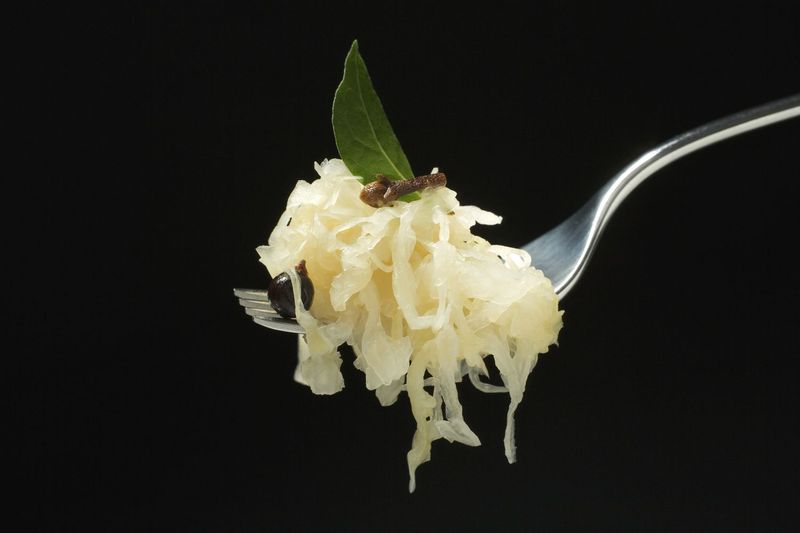
Salt plus cabbage equals an ancient alchemy. As you massage and press, natural brine rises and friendly bacteria get to work.
No vinegar needed, just time and a cool place.
Versions appear across Europe and Asia, traveling with soldiers and sailors. Vitamin rich kraut helped ward off scurvy and boredom.
Spices and caraway came later, but core technique stayed steadfast.
Crisp, sour, and refreshing, it rescues heavy meals with brightness. You eat history with each forkful.
A humble leaf learns longevity through patient fermentation.
11. Soup and stew
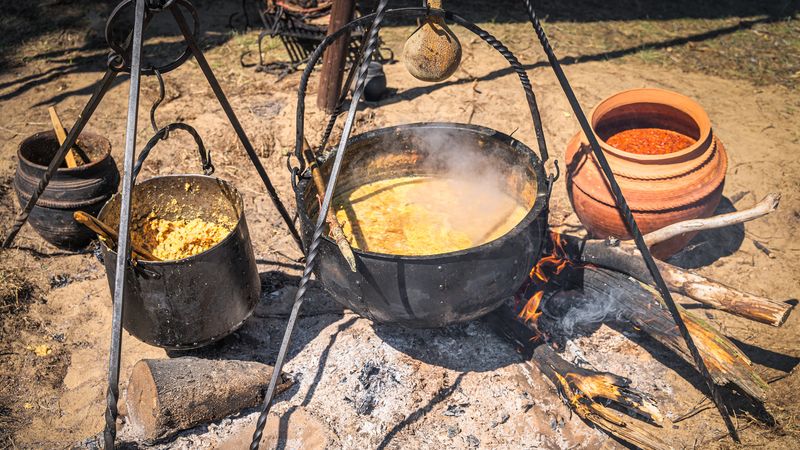
Soup and stew are as old as pots. Once containers met fire, everything from bones to roots could simmer into nourishment.
You extract flavor, stretch ingredients, and soften tough cuts.
Communal pots warmed villages and camps. You can imagine trading ladles and stories while the broth deepened.
Spices arrived with traders, turning humble soups into aromatic journeys.
Modern stockpots echo those hearths. A good simmer still rescues scraps and builds comfort.
Every bowl feels like a hug from ancient kitchens.
12. Curry like spiced stews
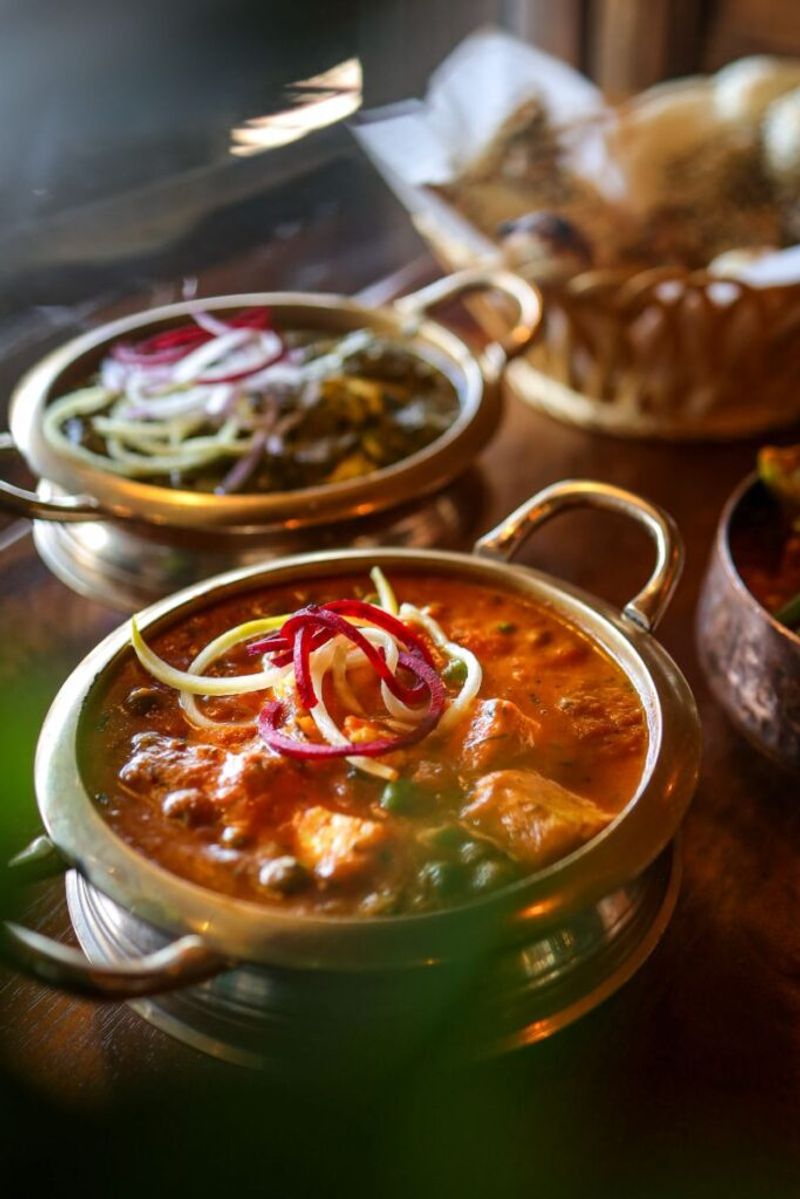
Before the word curry, cooks were layering aromatics, spices, and heat into soulful stews. You start with onions, garlic, or ginger, bloom spices in fat, then add liquid and patience.
The technique travels, adapting to local chilies and herbs.
From the Indus to island kitchens, spice routes shaped taste. Peppercorns and cinnamon met coconut and tamarind.
Trade wrote flavor maps long before cookbooks.
Call it masala, kari, or simply dinner. The method matters more than the name.
You taste history in every stained spoon and fragrant cloud.
13. Hummus like chickpea spreads
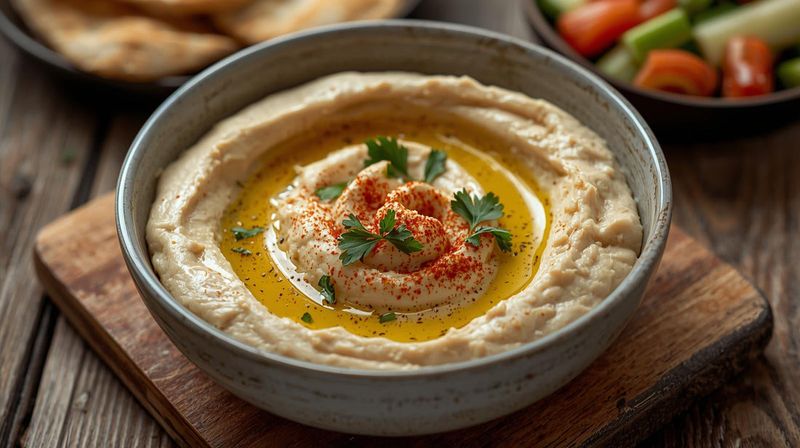
Chickpeas and sesame have been neighbors for ages. When you mash cooked chickpeas with tahini, garlic, and lemon, the result feels inevitable.
Smooth or rustic, it spreads hospitality across bread.
Ancient texts and kitchens of the Levant point to deep roots. Olive oil and herbs complete the picture.
Every region tunes texture and acidity to taste.
Hummus like spreads travel well and turn pantry items into elegance. Dip, smear, or thin into sauce.
The simplicity whispers confidence learned long ago.
14. Falafel style fried patties
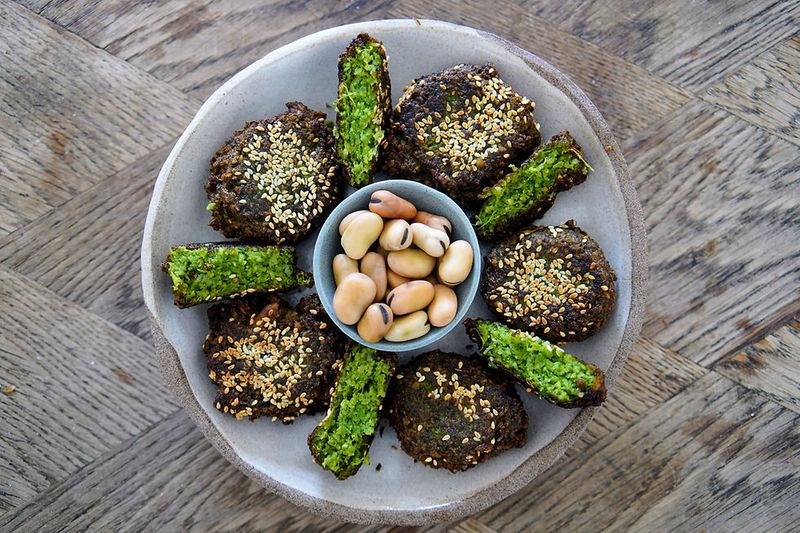
Grinding legumes, seasoning boldly, then frying creates irresistible patties with staying power. You get protein, crunch, and portability.
Street vendors likely refined what home cooks already loved.
Egyptian roots often surface, with fava or chickpea bases shaping texture. Fresh herbs, cumin, and coriander perfume the air.
Wraps and pickles complete the inspiring handheld meal.
Falafel style patties illustrate thrift meeting technique. Soak, grind, and let starch bind without eggs.
The first bite says crispy outside, tender inside, and ancient wisdom throughout.
15. Sausage
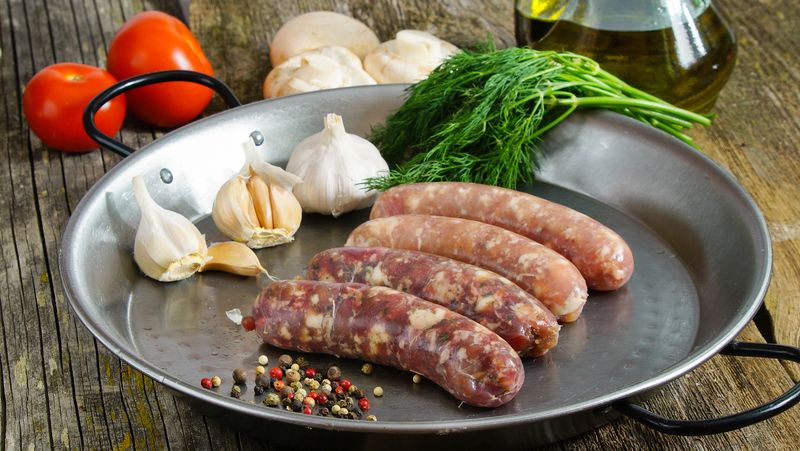
Sausage represents preservation through ingenuity. Grinding meat, salting it, and packing into casings lets scraps become staples.
You can season with local herbs, smoke it, or dry it for journeys.
From Roman markets to Chinese lap cheong, links tell regional stories. Spice and fat balance made tougher cuts shine.
Travelers relied on sausage when fresh meat was rare.
Even today, grills and stews celebrate them. Slice into soups or sear with onions.
The idea remains brilliant in its frugality and flavor.
16. Meat pies
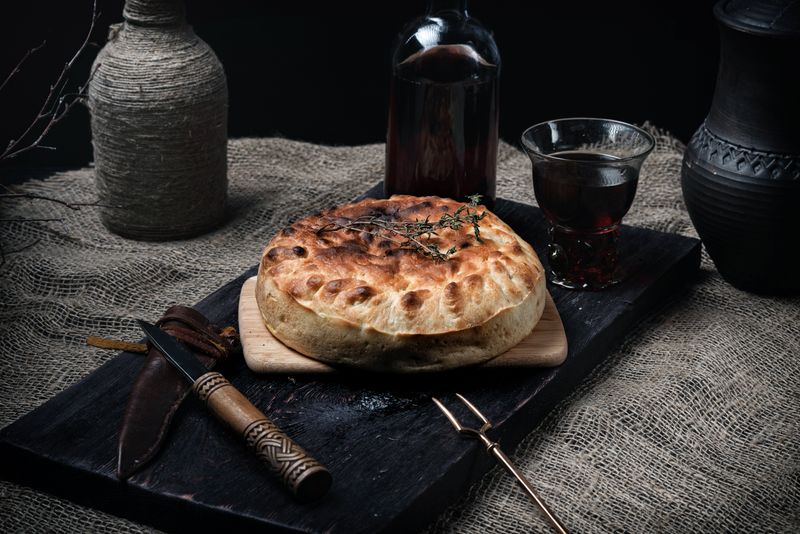
Meat pies made food portable and protected long before lunchboxes. Dough wrapped around savory fillings kept things moist, tidy, and safe.
You could stack, carry, and reheat without plates.
Across Britain, North Africa, and Central Asia, crust choices vary. Hot water pastry, flaky layers, or sturdy unleavened shells guard the treasure.
Spices mapped trade within every bite.
For workers and travelers, meat pies felt like practical comfort. They supplied protein and preserved leftovers gracefully.
Today, you still grab one and keep moving.
17. Roast meat
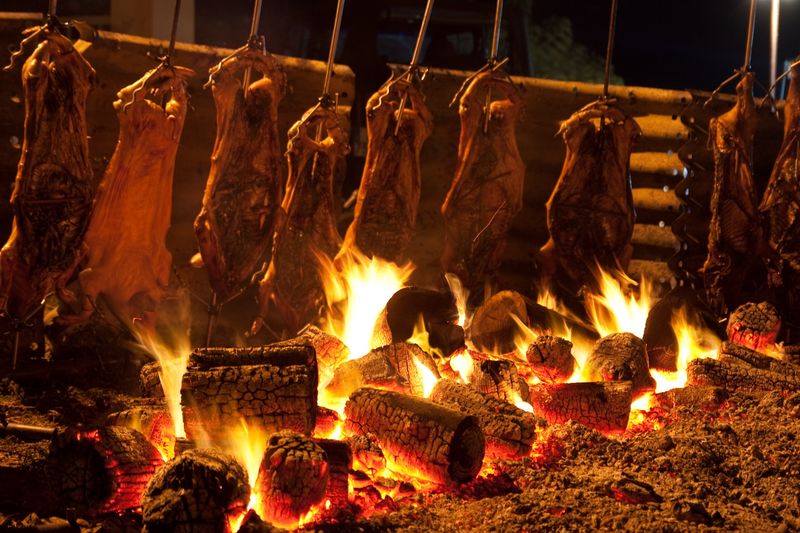
Roasting is the oldest show in cooking. Fire, meat, and patience transform tough muscle into caramelized satisfaction.
You control distance from flame and turn steadily for even heat.
Hunters learned fast that smoke adds flavor and preservation. Communal fires gathered everyone to wait and share.
That ritual sticks with you even at modern grills.
Spices came later, but technique is primal. Salt, fat, and flame do most of the work.
Every crusty edge points back to our earliest kitchens.
18. Rice pilaf (and pilaf style dishes)
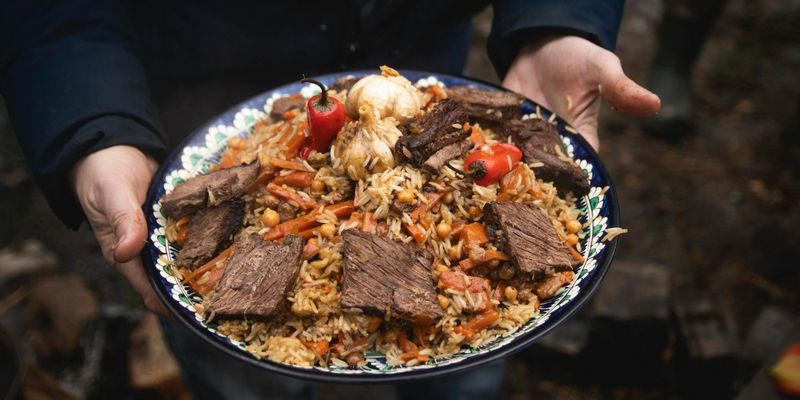
Pilaf begins by glossing rice in fat so every grain stays distinct. You add aromatics, then simmer with measured liquid.
The method traveled along caravan routes, adapting spices, nuts, and meats.
From Persian kitchens to Central Asian feasts, pilaf signals celebration and technique. You taste restraint and richness together.
It feeds crowds while staying elegant.
At home, you can riff with broth, saffron, or herbs. Fold in chickpeas or lamb to make it complete.
Pilaf keeps history fluffy and fragrant.
19. Omelets and egg dishes
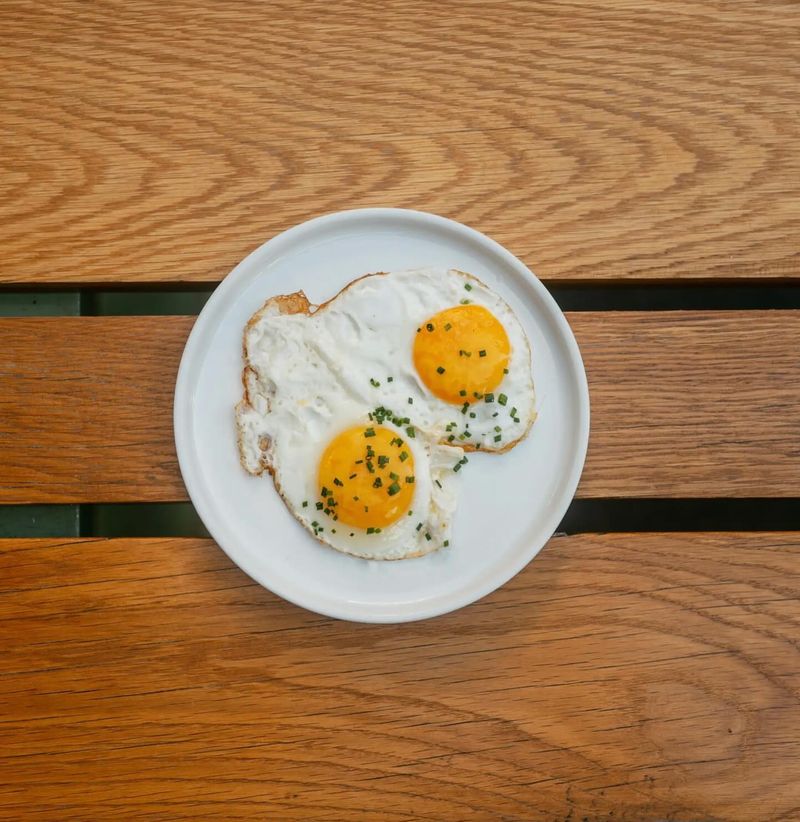
Eggs were quick protein long before brunch menus. Whisked with herbs, cheese, or leftovers, they become tender blankets for flavor.
You control texture with heat and patience.
From Persian kookoo to French omelets, variations echo the same idea. Shepherds and travelers cooked eggs wherever fire and pan met.
The method makes small ingredients feel generous.
Today, you flip or fold to your preference. Soft, set, or browned edges all tell a story.
Eggs remember old kitchens while suiting busy mornings.
20. Ice cream’s ancestors: frozen sweet treats

Before freezers, people chased cold with ingenuity. Snow and ice stored in pits or mountains cooled syrupy fruits and spiced waters.
You would churn or stir to lace crystals with flavor.
Persian sharbat, Chinese frozen mixtures, and Arab syrup traditions guided evolution. Royal courts prized these luxuries, but street vendors shared simpler versions.
Cooling sweetness felt miraculous in hot seasons.
Modern ice cream refined texture with dairy and technique. Yet the thrill remains the same.
A chilled spoonful still tastes like a small, ancient miracle.